
Mosaic AI Agent FrameworkEine Suite von Tools von Databricks zum Erstellen, Bereitstellen und Bewerten hochwertiger AI-Agenten und RAG-Anwendungen.

Übersicht
Hauptfunktionen
- Agent Bricks
- Unity Catalog
- Databricks Apps
- Model Context Protocol (MCP)
- Zentralisierte Governance
- Benutzerspezifische Kontrolle
Preise
- Modell
- Contact for pricing
- Kategorie
- AI Agent Development Frameworks
- Bewertung
- 4.0 / 5 (4)
Anwendungsfälle
Produktions-RAG-Anwendungen erstellen
Entwickeln Sie Retrieval-augmented-Generation-Apps, die LLMs mit unternehmenskritischen Datenquellen verbinden, um präzise, kontextbezogene Antworten zu liefern.
AI-Agenten in großem Maßstab bereitstellen
Erstellen und stellen Sie AI-Agenten im Databricks-Ökosystem bereit, indem Sie integrierte Werkzeuge für einen zuverlässigen Produktionsrollout nutzen.
Qualität der Agenten bewerten
Bewerten Sie die Leistung und Qualität von AI-Agenten und RAG-Pipelines mit integrierten Evaluierungstools, um hohe Standards sicherzustellen.
Iterieren Sie an LLM-Workflows
Prototypisieren, testen und verfeinern Sie generative AI-Workflows in einem einheitlichen Rahmen, der den Entwicklungslebenszyklus von Agenten optimiert.
Pro & Contra
Pro
- Zentralisierte Governance
- Benutzerspezifische Kontrolle
- Serverloses Computing
Contra
- Begrenzte Nicht-AI-Integration
- Keine vorgefertigten Agenten
- Dokumentationslücke
Bewertungen
Durchschnitt aus 4 Bewertungen.
Melde dich an, um eine Bewertung abzugeben.
Years in this space
I've evaluated a lot of these over the years. What stands out here is the integrations — handled better than most — and the value for money is strong. The mobile experience lags is my one real gripe. Worth the time if this is your use case.
Solid for our team
We rolled this out across the team last quarter and it saves real time. The core workflow fits neatly into how we already work, and the integrations removed a step we used to do by hand. The mobile experience lags, which is the main caveat, but it has held up under daily use.
Skeptical, then convinced
I went in skeptical — most tools in this space overpromise. It actually delivers on the integrations, and it is genuinely easy to set up caught me off guard. Pricing gets steep at scale is why this isn't a perfect score, still, I'd recommend giving it a real trial.
Solid for our team
We rolled this out across the team last quarter and the value for money is strong. The automation fits neatly into how we already work, and the API removed a step we used to do by hand. The mobile experience lags, which is the main caveat, but it has held up under daily use.
Fragen & Antworten
Noch keine Fragen — sei die/der Erste!
Frage stellen
Alternativen zu AI Agent Development Frameworks

Wildcard AI / agents.json
AI Agent Development Frameworks
Offene Spezifikation und Plattform, die es AI-Agenten ermöglicht, durch einen agents.json-File API-Workflows zu entdecken und aufzurufen.
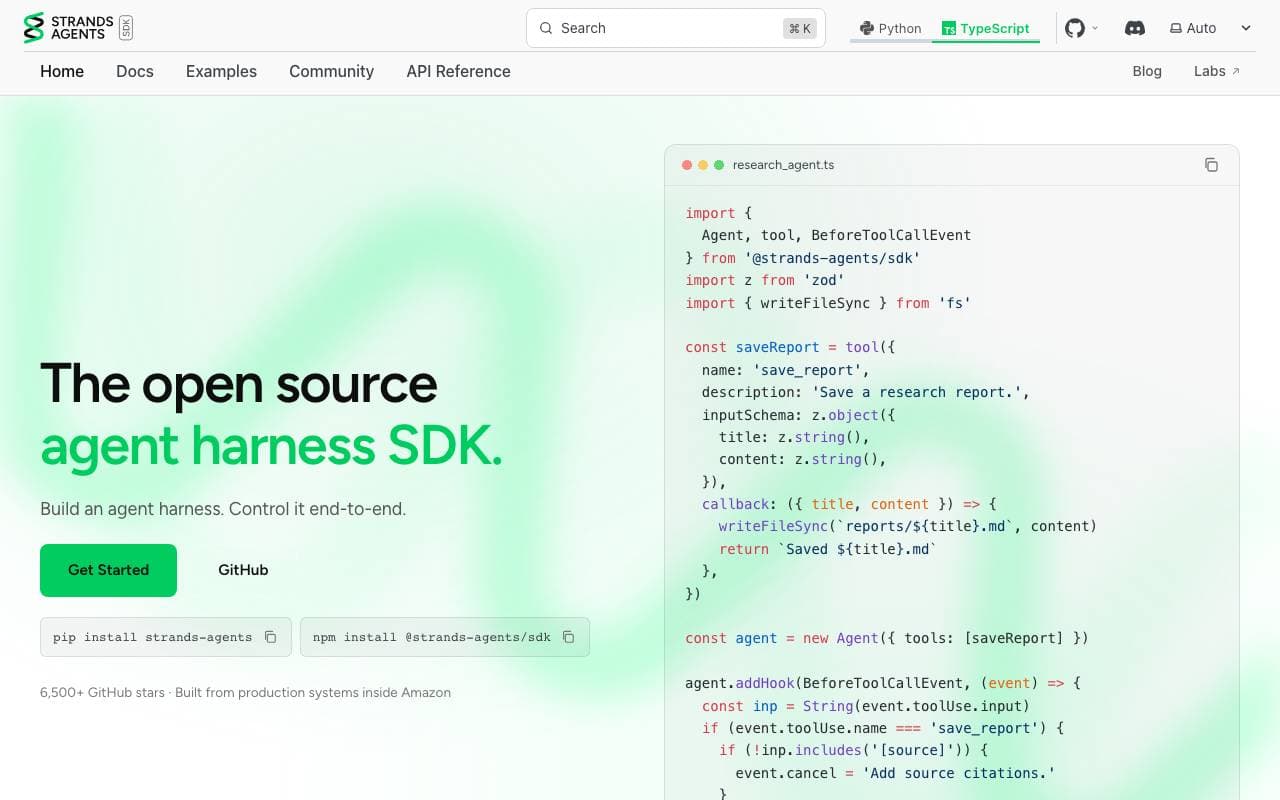

Strands Agents
AI Agent Development Frameworks
Offene-Quellen-SDK für die Erstellung und -Orchestrierung von einzelnen oder mehreren Agentensystemen mit LLMs und Werkzeugintegration
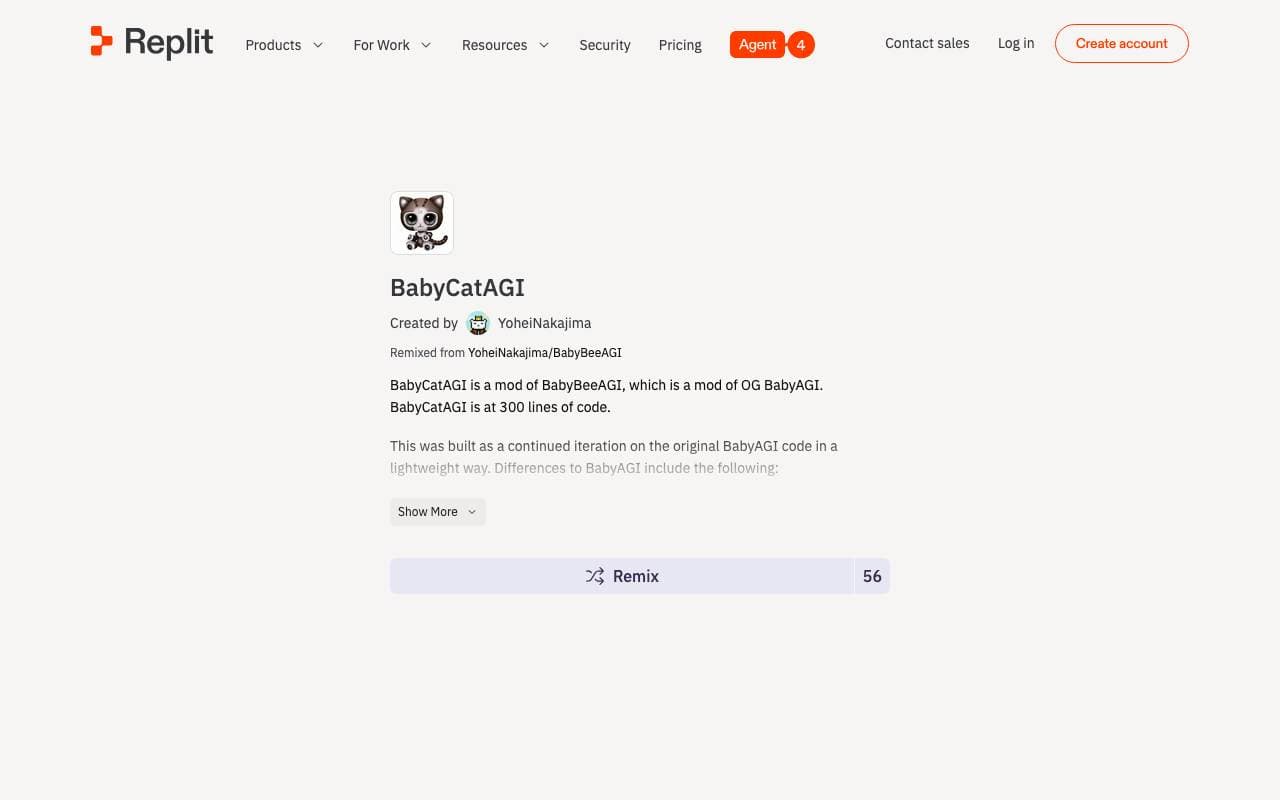

BabyCatAGI
AI Agent Development Frameworks
Leichtbares autonomes Framework für die automatisierte Aufgabenverwaltung
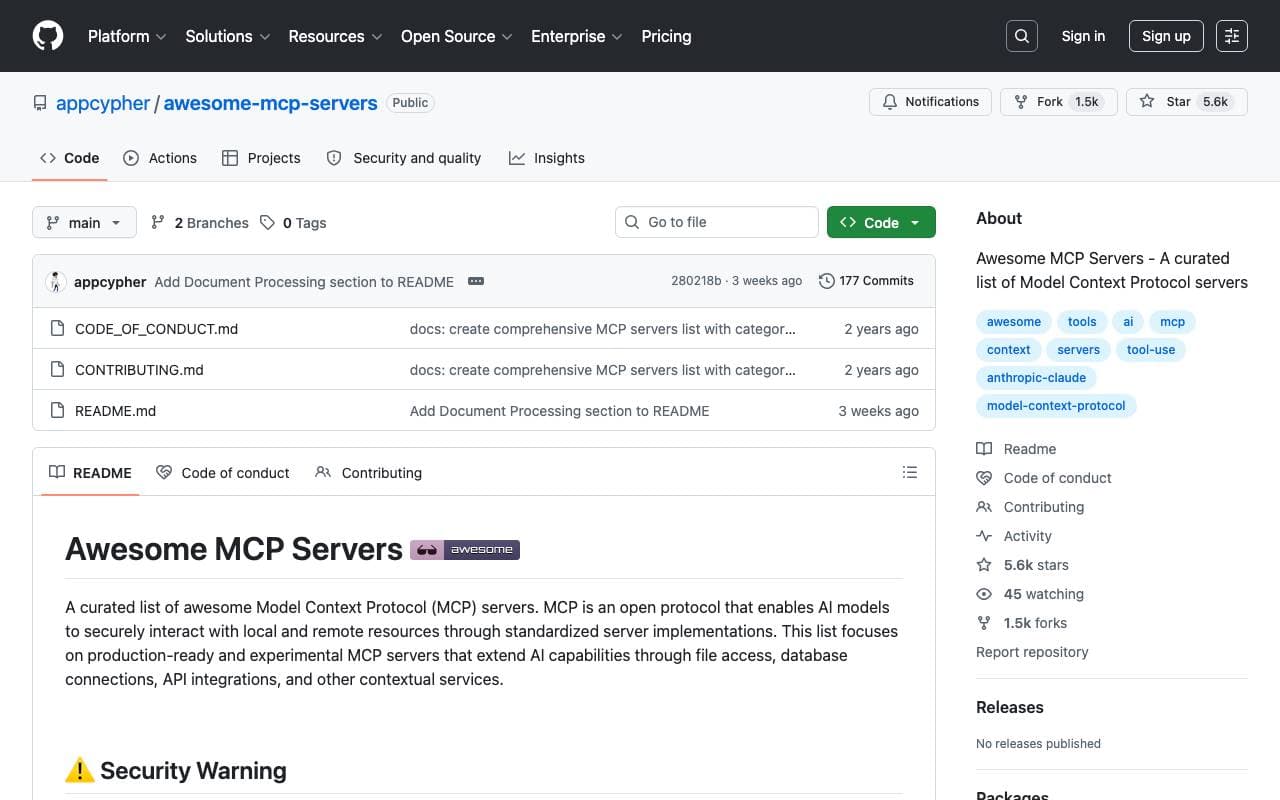

Awesome MCP Servers
AI Agent Development Frameworks
Ein gefördertes Verzeichnis von Model Context Protocol-Servern zur Erweiterung von AI-Assistenten mit Werkzeugen und Daten.
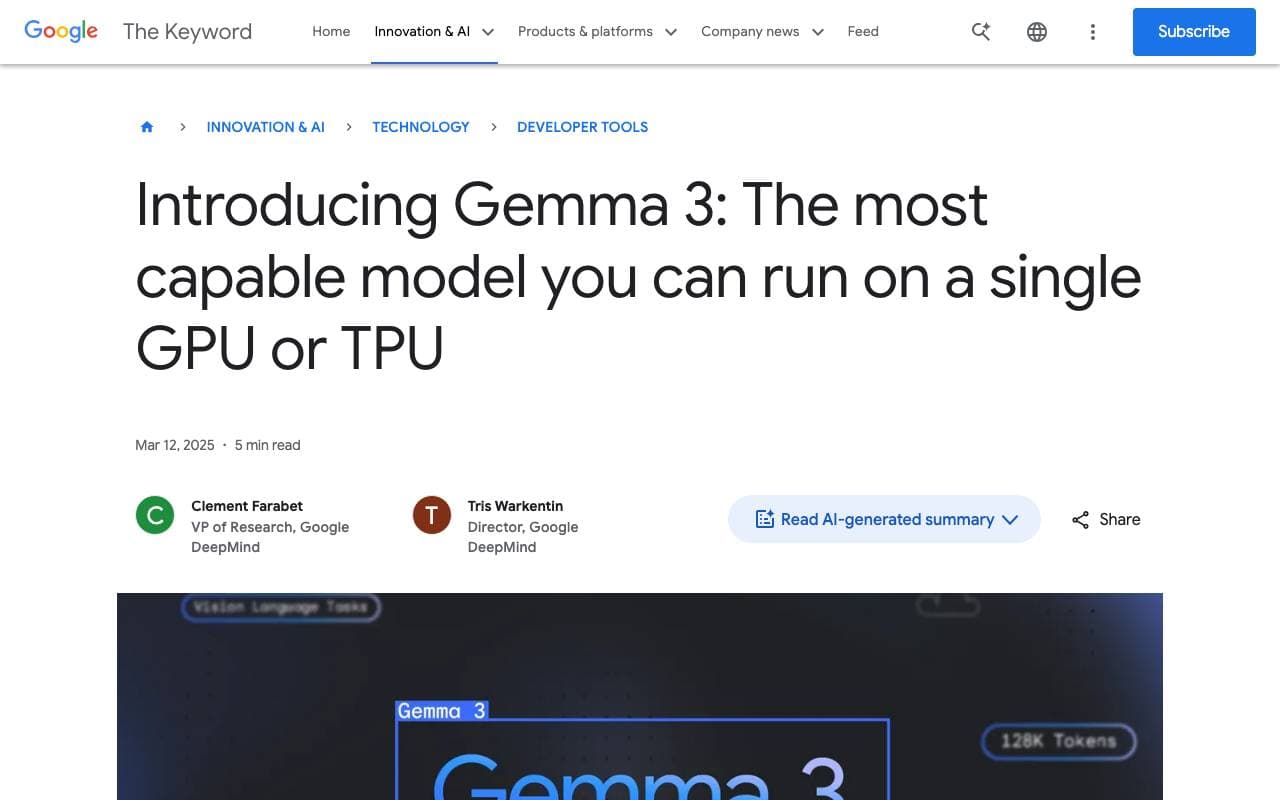

Gemma 3
AI Agent Development Frameworks
Ein offenes AI-Modell für Single-GPU-Leistung optimiert, um multimodale Eingaben und über 140 Sprachen unterstützend.
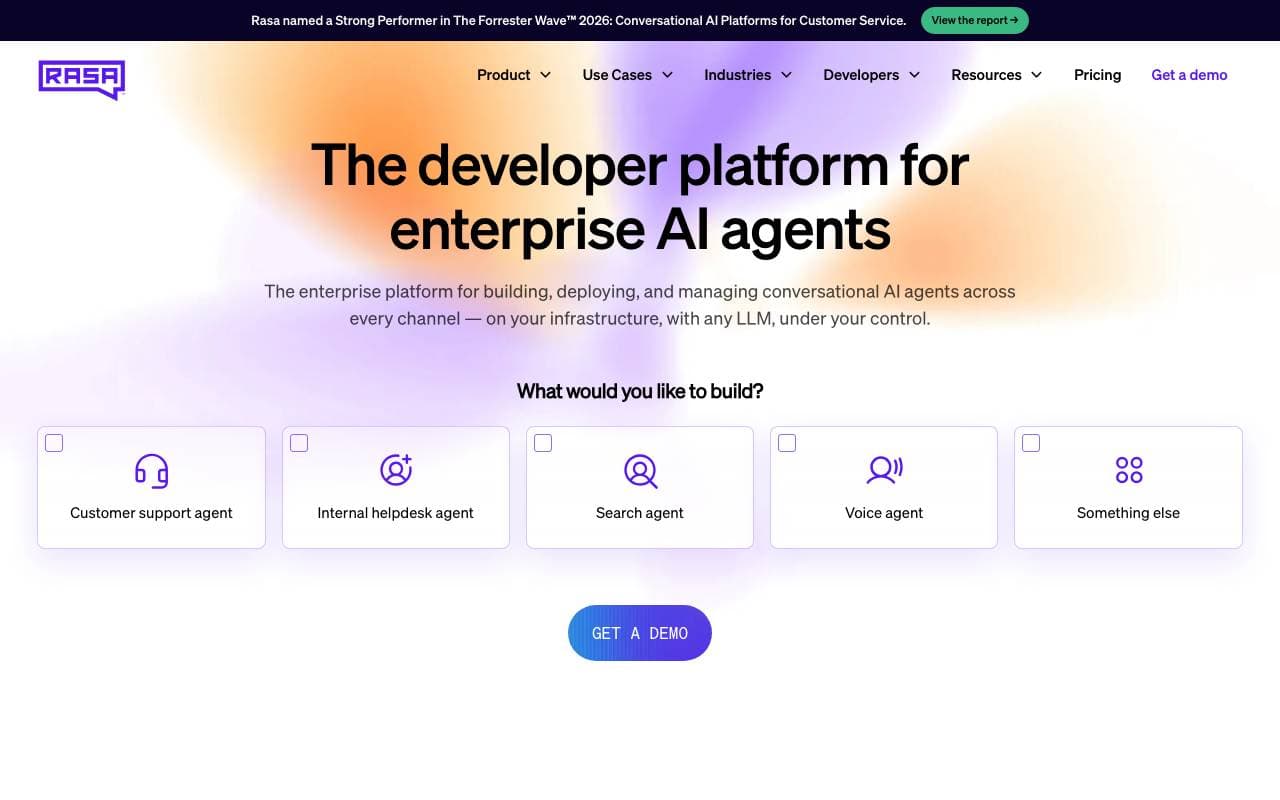

Rasa
AI Agent Development Frameworks
Offener Framework für die Herstellung von Produktionsreif-Chatt- und Sprachassistenten

BabyElfAGI
AI Agent Development Frameworks
Experimentelle AI-Agent-Framework mit einem modularen Skills-Klasse für dynamische Aufgabenermittlung und -ausführung.
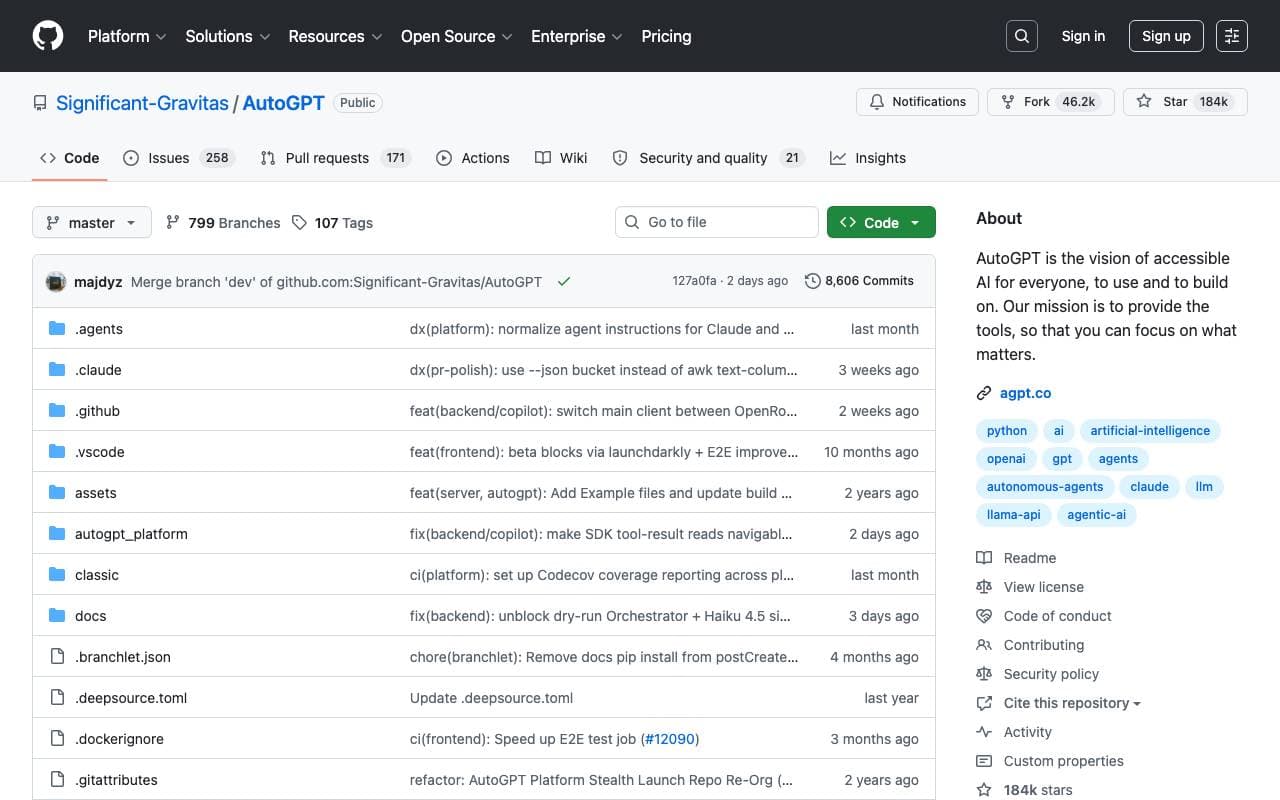

Auto-GPT
AI Agent Development Frameworks
Eine open-Source-AI-Agent, die komplexen Aufgaben autonom mithilfe von GPT-Modellen abschließen kann.
Trending now
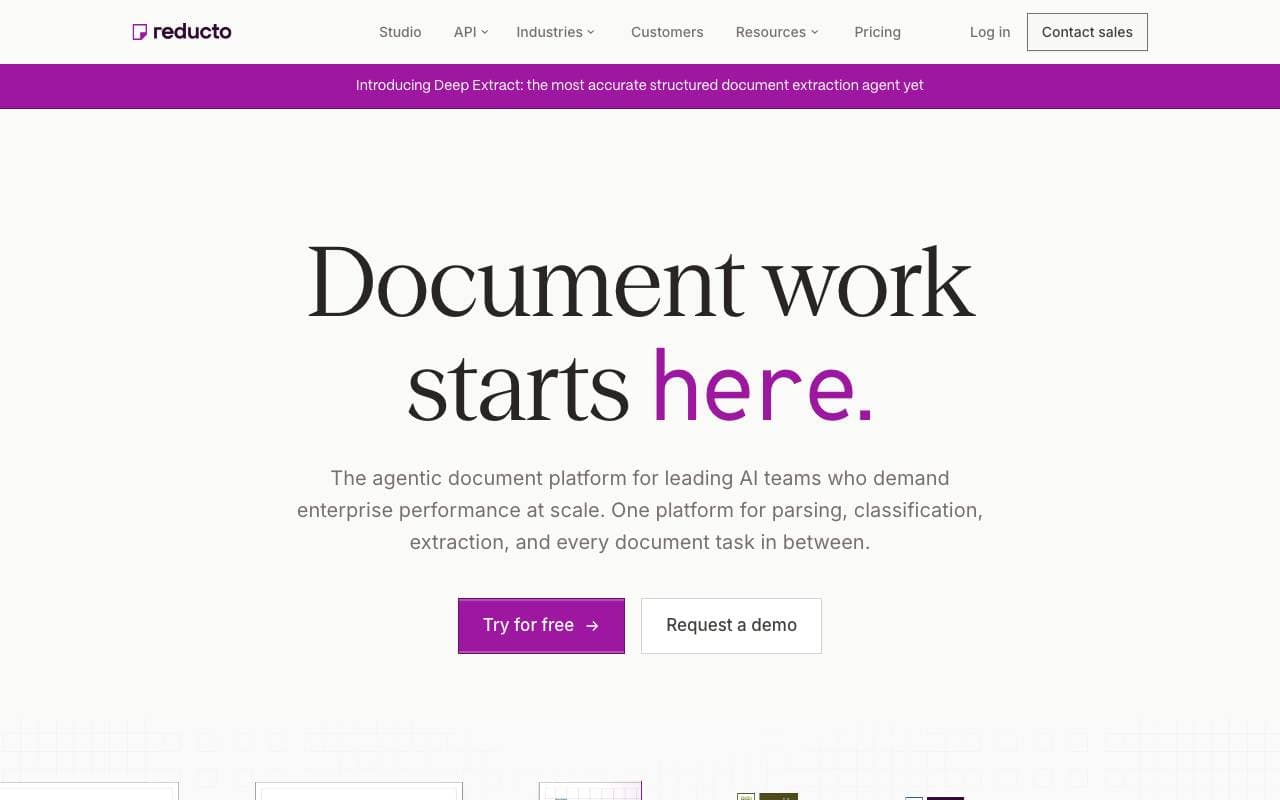

Reducto AI
AI Agent Development Platforms
Intelligenter Dokument API zur Analyse, Trennung, OCR-Analyse und Strukturierung von komplexen PDFs, Präsentationen und Tabellenkalkulationen.
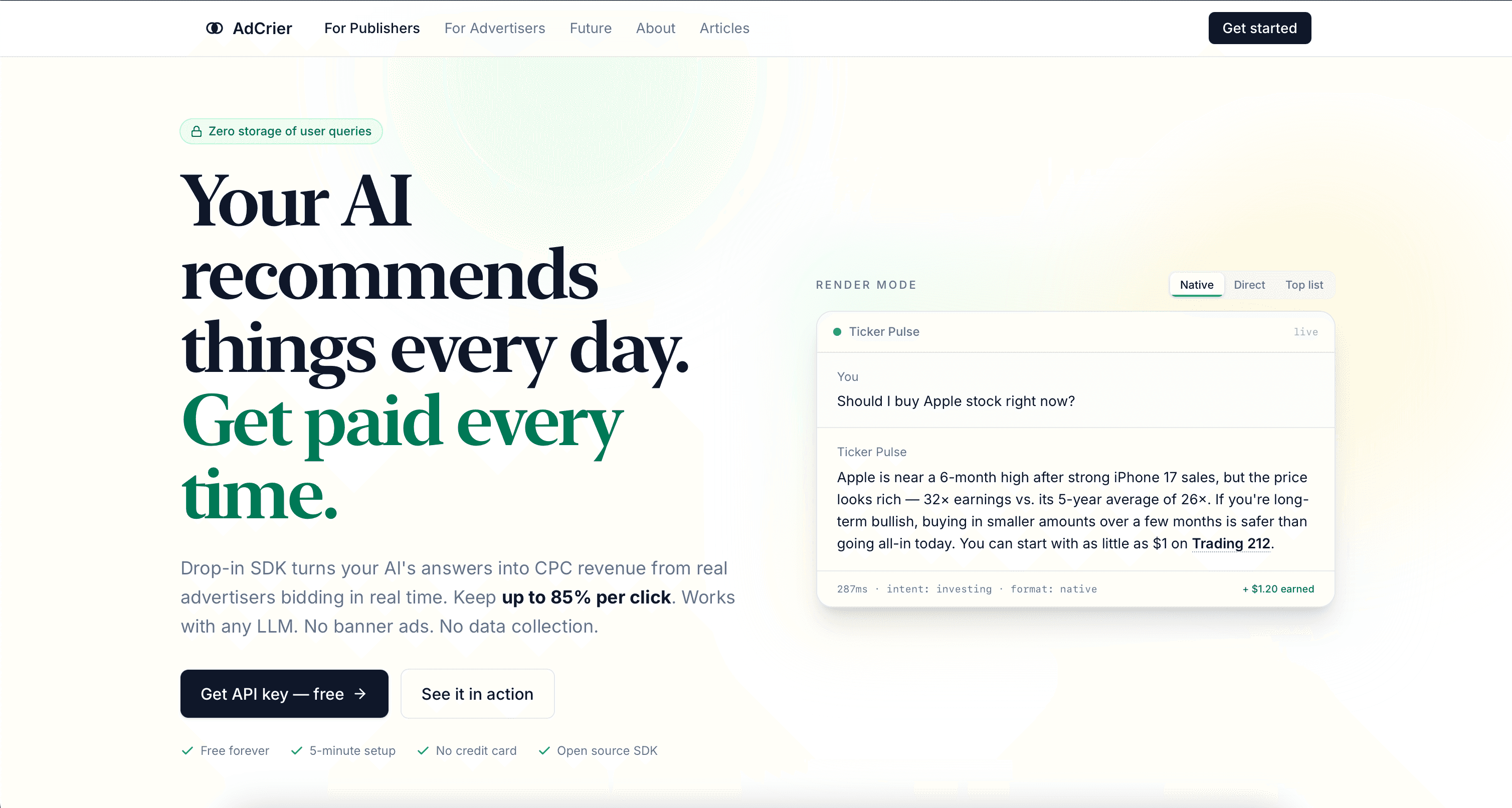

AdCrier
Marketing & Advertising
Gepflichtete Antworten mit Provision pro Klick.
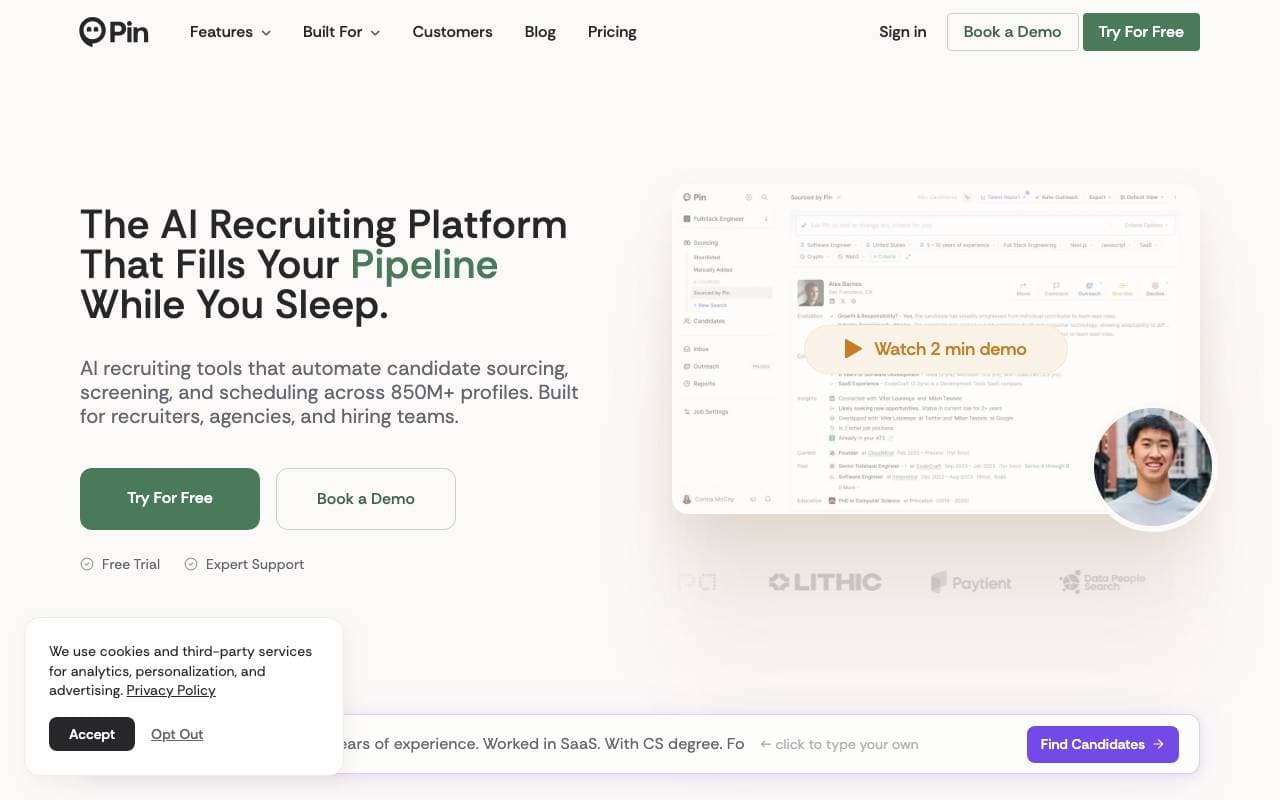

Pin AI
Workflow automation
Agentic AI Recruiter, der Sourcing, Screening und Outreach automatisiert, um den Einstellungsprozess zu beschleunigen.
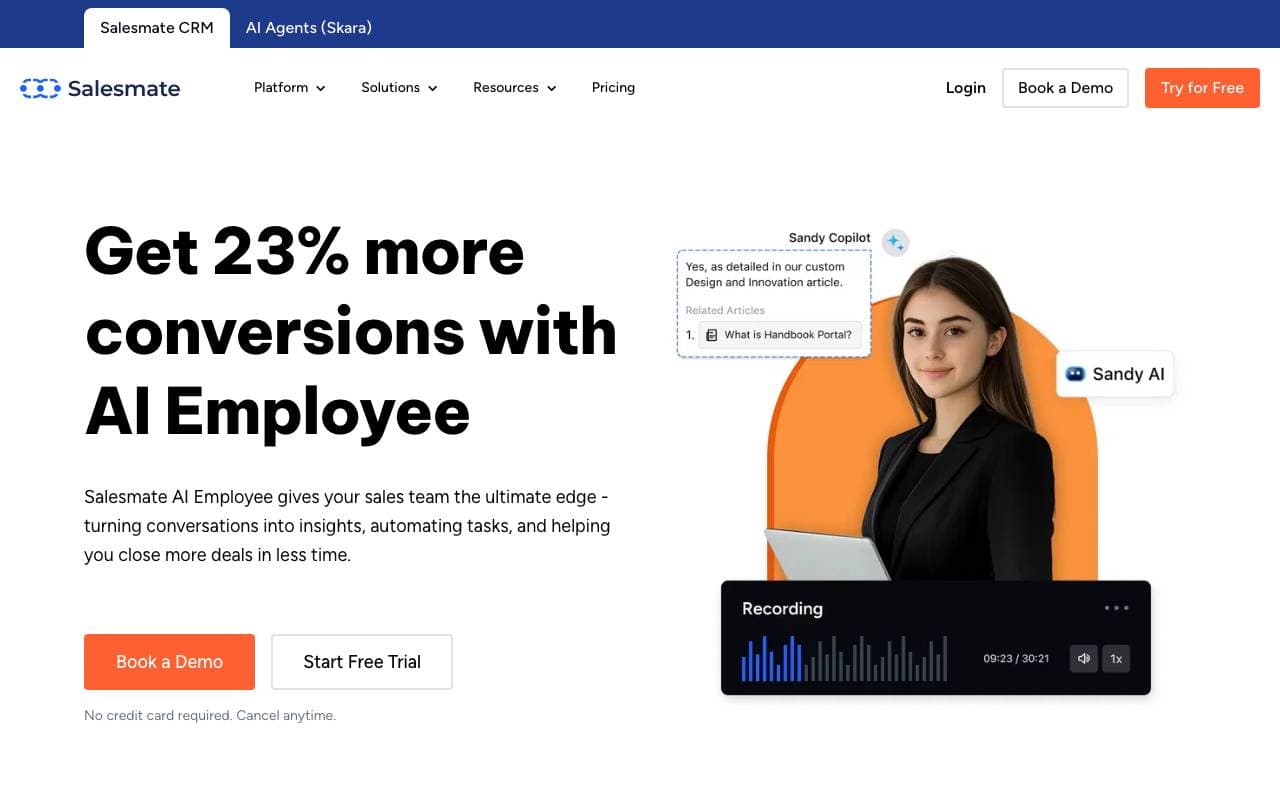

Sandy AI
Sales
Der AI-Verkaufs-Co-Pilot innerhalb von Salesmate, der Kundenkonversationen in einen Pipelined und Umsatz umwandelt.