
MeshChainDezentrales Rechen‑Netzwerk, das KI‑ und Blockchain‑Workloads durch gemeinsame Ressourcen antreibt.

Übersicht
Hauptfunktionen
- Verteilter Rechenmarkt
- Belohnungssystem für Knoteneinrichter
- Unterstützung von KI‑Inferenz und Training
- Blockchain‑basierte Koordinationsschicht
- Ressourcenteilung über Geräte hinweg
- Tokenisiertes Anreizmodell
Preise
- Modell
- Freemium
- Kategorie
- Multimodal AI
- Bewertung
- 4.6 / 5 (5)
Anwendungsfälle
KI-Modellinferenz zu geringeren Kosten ausführen
Entwickler können Inferenzaufträge auf MeshChain's verteiltes Netzwerk auslagern und dabei GPU‑Kapazität zu günstigeren Preisen als zentralisierten Cloud‑Anbietern nutzen.
Modelle auf gemeinsamen GPU‑Ressourcen trainieren
Teams, die rechenintensive Trainingsaufträge durchführen, können Leerlauf‑Hardware im Netzwerk nutzen, um Workloads zu skalieren, ohne traditionelle Cloud‑Verträge abzuschließen.
Leerlauf‑Hardware als Knoteneinrichter monetarisieren
Individuen und Betreiber können persönliche Geräte oder dedizierte Knoten zum Netzwerk beitragen und tokenisierte Belohnungen für die Unterstützung von KI‑ und Blockchain‑Workloads verdienen.
Dezentrale Blockchain‑Workloads betreiben
Blockchain‑Projekte können MeshChain's Koordinationsschicht und Peer‑to‑Peer‑Rechenleistung nutzen, um Workloads in einer dezentralen Umgebung auszuführen, anstatt auf zentralisierte Infrastruktur zu setzen.
Pro & Contra
Pro
- Kostenbewusstere Alternative zu zentralisierten Cloud‑Computing
- Belohnungen verdienen durch das Teilen von Leerlauf‑Hardware
- Offene Teilnahme für Einzelpersonen und Betreiber
- Unterstützt sowohl KI‑ als auch Blockchain‑Workloads
Contra
- Leistung hängt von den Netzwerkteilnehmern ab
- Erfordert Kenntnisse in Kryptowährungen für die Teilnahme
- Dezentrale Netzwerke können variable Zuverlässigkeit aufweisen
Bewertungen
Durchschnitt aus 5 Bewertungen.
Melde dich an, um eine Bewertung abzugeben.
Compared a few options
Evaluated this against two competitors. Where it wins: distributed compute marketplace and earn rewards by sharing idle hardware. Where it lags: performance depends on network participants. On balance the feature set — especially tokenized incentive model — justifies the 5 stars for our use case.
Years in this space
I've evaluated a lot of these over the years. What stands out here is cross-device resource sharing — handled better than most — and supports both AI and blockchain workloads. Performance depends on network participants is my one real gripe. Worth the time if this is your use case.
Does the job
Pretty happy overall. Tokenized incentive model just works and supports both AI and blockchain workloads. Requires crypto familiarity to participate can be annoying, but no dealbreakers — I'd recommend it to a friend without hesitating.
Does the job
Pretty happy overall. Blockchain-based coordination layer just works and earn rewards by sharing idle hardware. Requires crypto familiarity to participate can be annoying, but no dealbreakers — I'd recommend it to a friend without hesitating.
Years in this space
I've evaluated a lot of these over the years. What stands out here is tokenized incentive model — handled better than most — and lower-cost alternative to centralized cloud compute. Worth the time if this is your use case.
Fragen & Antworten
What are the main limitations of using a decentralized compute network like MeshChain?
Performance and reliability depend on the participants supplying hardware, so results can be more variable than centralized clouds. Participation also requires familiarity with crypto, since coordination and rewards run through a blockchain-based tokenized incentive model.
How does MeshChain's pricing compare to traditional cloud GPU providers?
MeshChain aims to be a lower-cost alternative to centralized cloud compute by tapping into underutilized hardware across its peer-to-peer network. Exact rates depend on the decentralized marketplace and token-based incentive model rather than fixed cloud pricing tiers.
What types of AI workloads can I run on MeshChain?
MeshChain supports compute-heavy AI tasks including model inference and training, as well as blockchain workloads. Developers can access distributed GPU and CPU capacity through the marketplace for these peer-to-peer compute jobs.
Frage stellen
Alternativen zu Multimodal AI
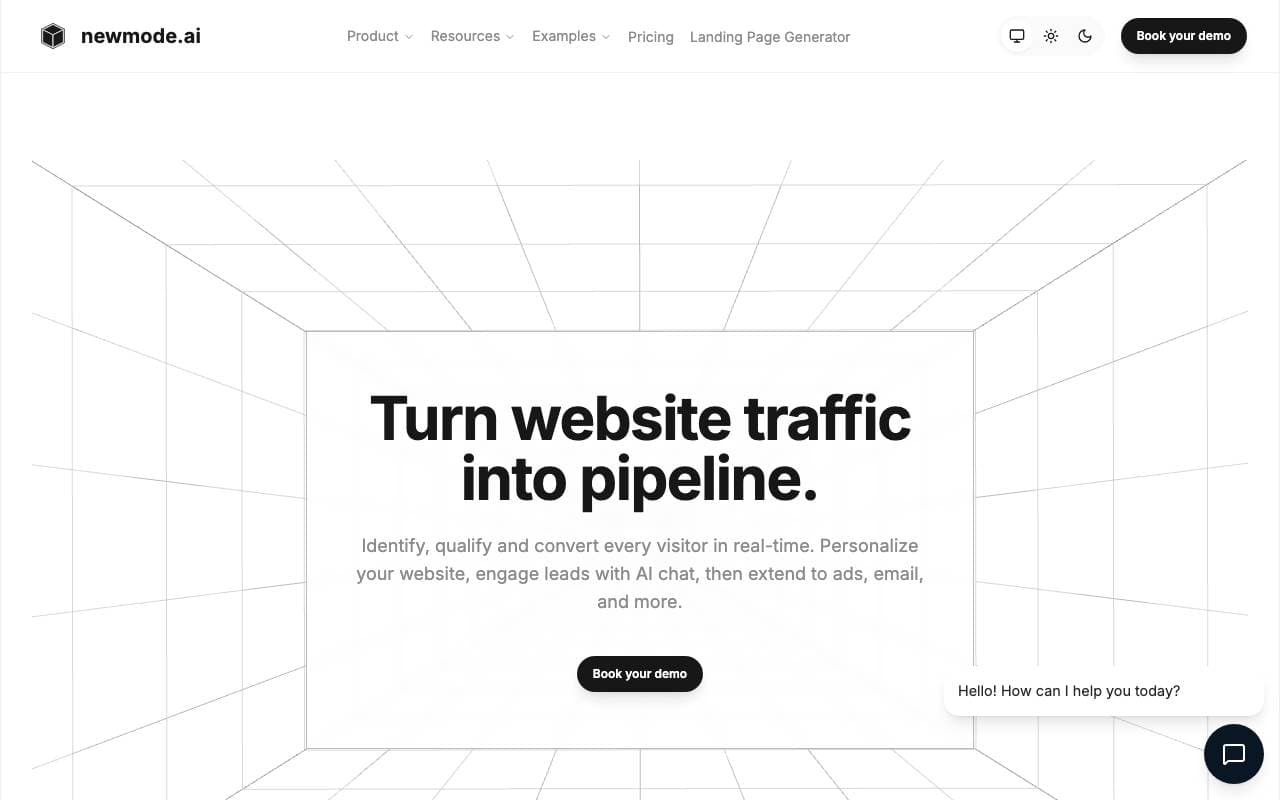

Algomo
Multimodal AI
Kundenunterstützung durch KI-gesteuertes Automatisieren über Chats, E-Mails und Messaging-Kanäle.
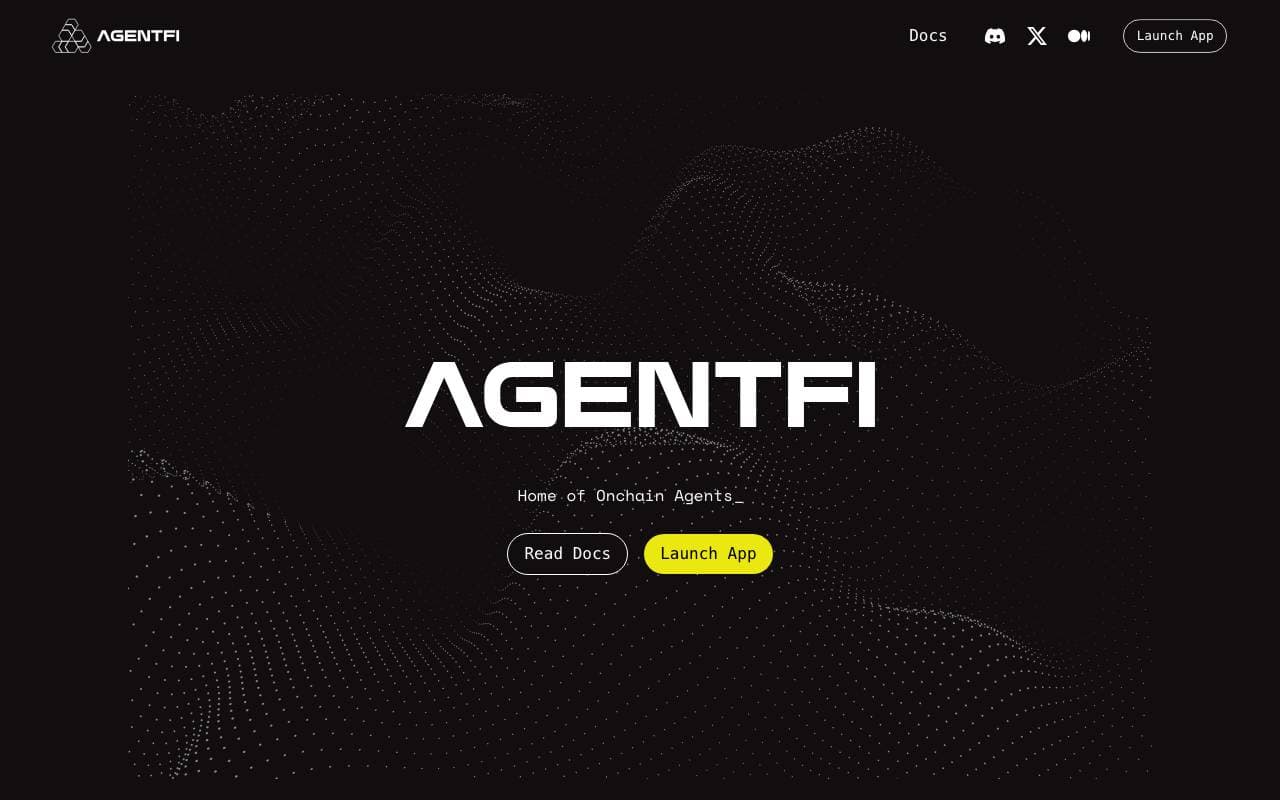

AgentFi
Multimodal AI
Erstellen, anpassen und teilen Sie On-Chain AI-Agenten für DeFi-Workflows.
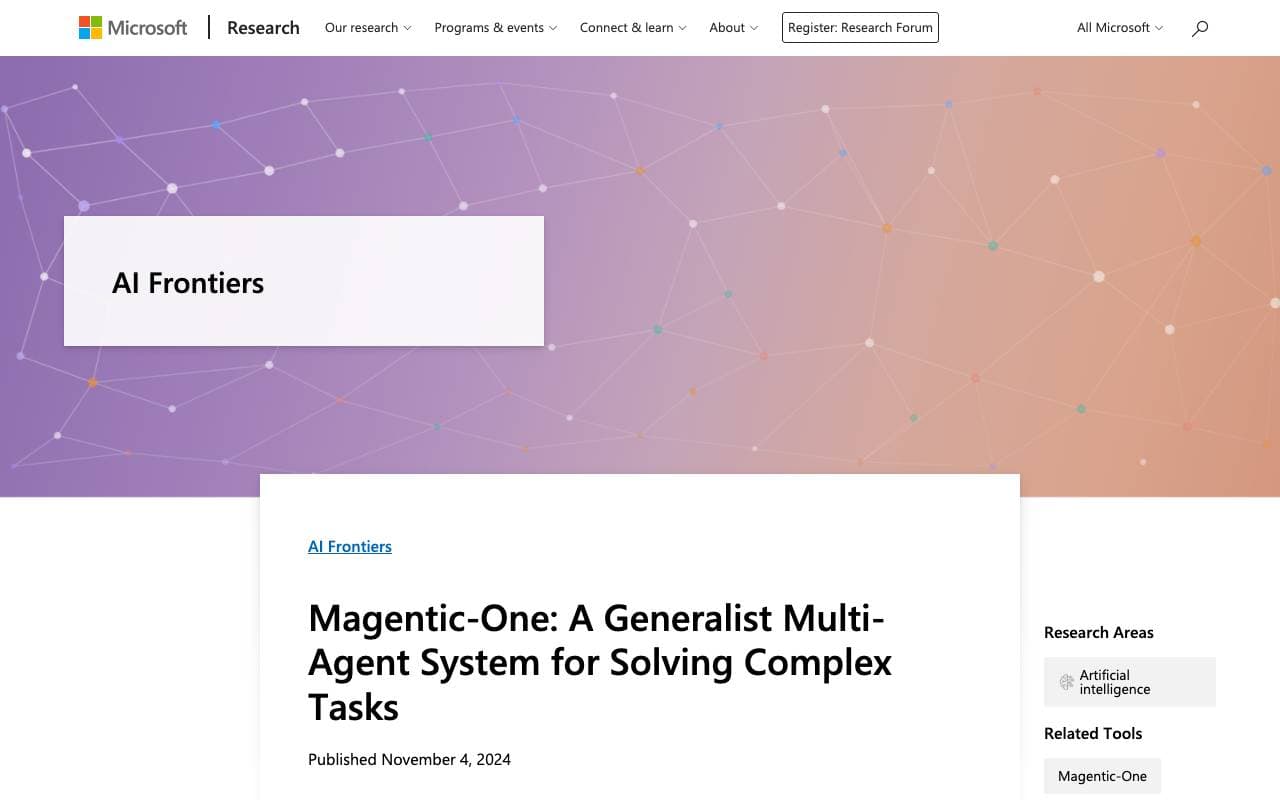

Magentic One
Multimodal AI
Open-Source-Generalist-Multi-Agenten-System zur Bewältigung komplexer, mehrstufiger Aufgaben
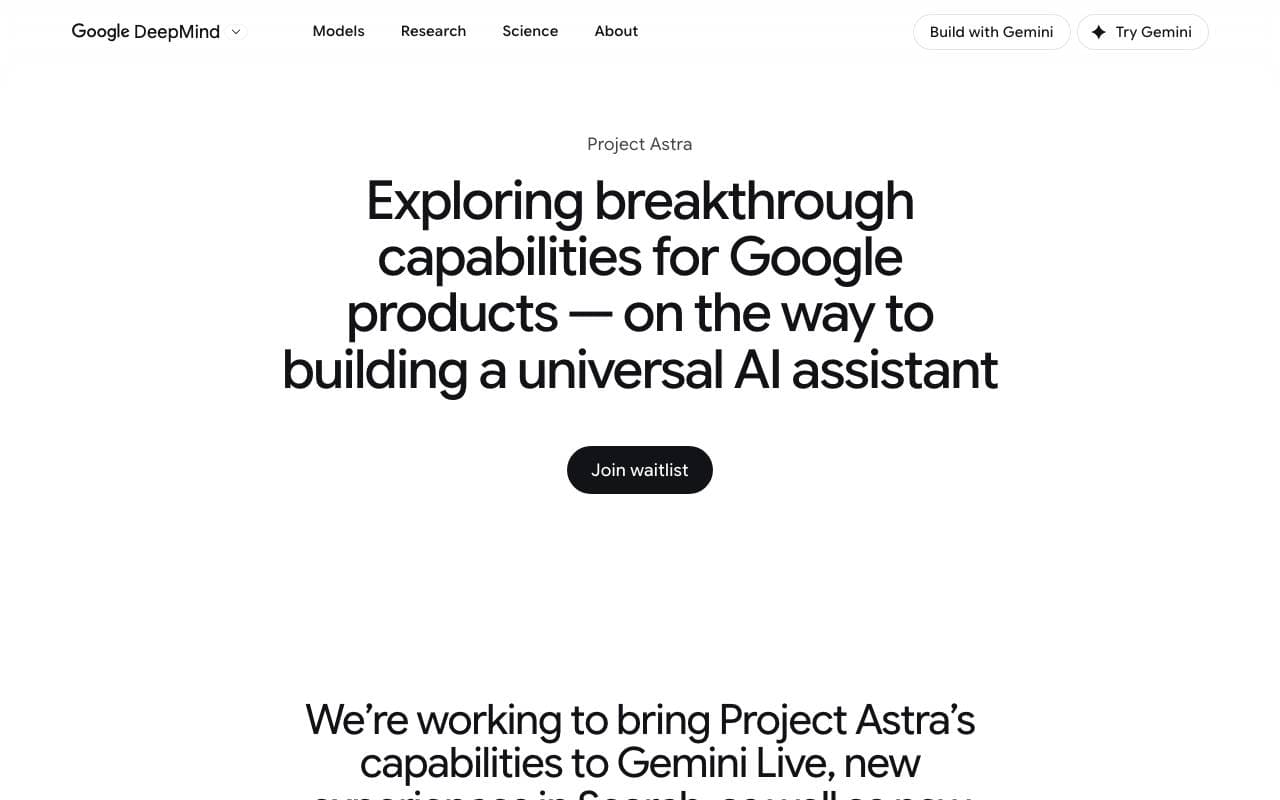

Project Astra
Multimodal AI
Ein universales AI-Agent, das mit Google DeepMind die Welt sieht, hört und sich in Echtzeit über die Welt unterhält.

Auralis AI
Multimodal AI
Kundenbetreuung durch KI-gestützte Automatisierung, die Agenten unterstützt und Zufriedenheit erhöht.
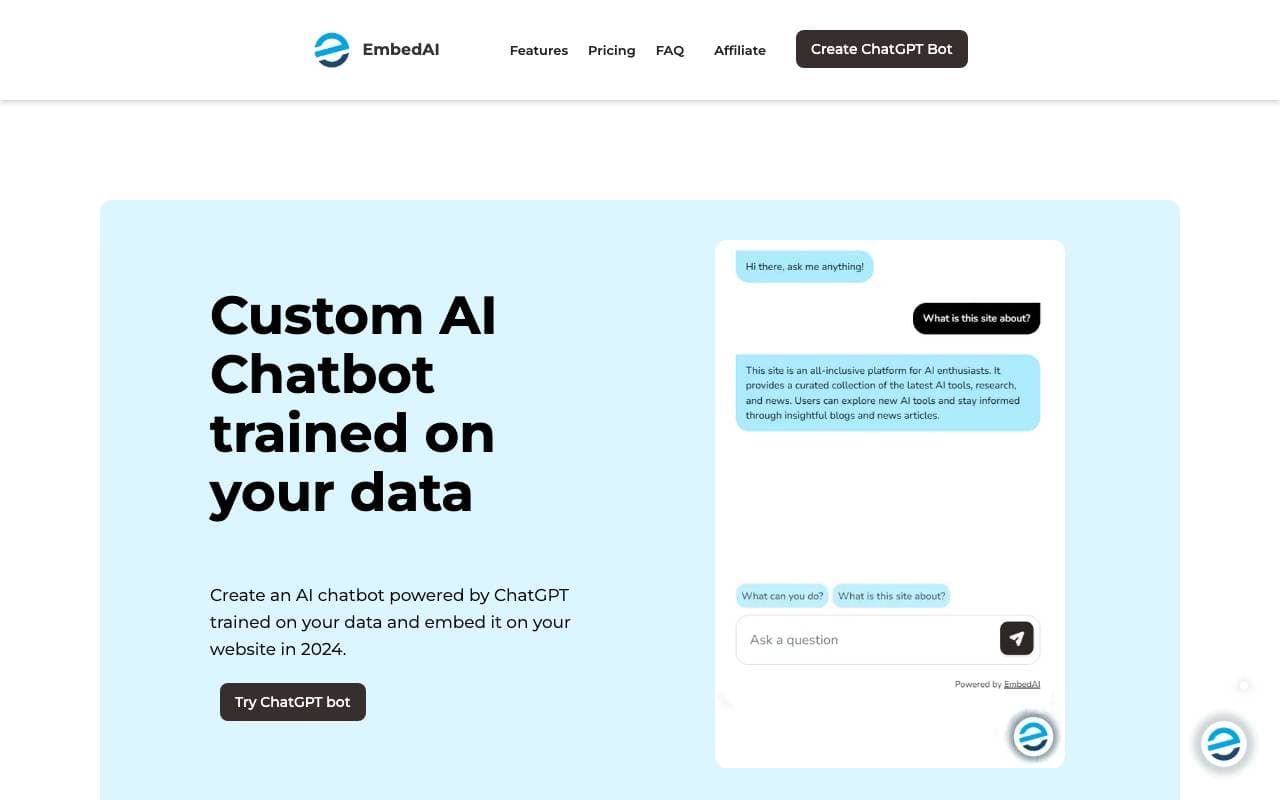

EmbedAI
Multimodal AI
Erstellen Sie benutzerdefinierte ChatGPT-basierte Chatbots, die auf Ihren eigenen Daten trainiert sind und überall einbinden lassen.

Siena AI
Multimodal AI
Autonomer Kunden servicestation-AI- Agent, entwickelt für empathische E-Commerce-Unterstützung
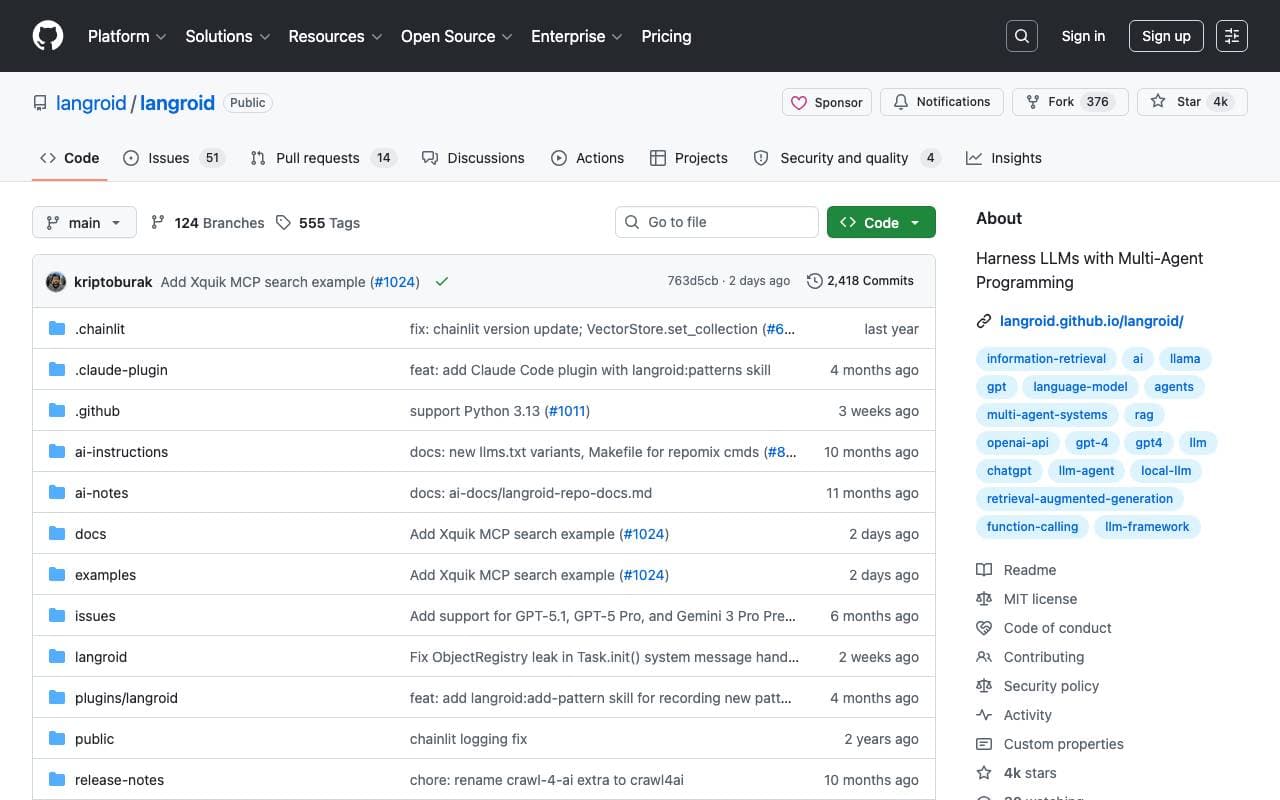

Langroid
Multimodal AI
Eine offene Quellcode-Plattform in Python, die die Entwicklungsarbeiten von LLM-Anwendungen erleichtert, indem sie ein vielfältiges Programmierparadigma verwendet.
Trending now
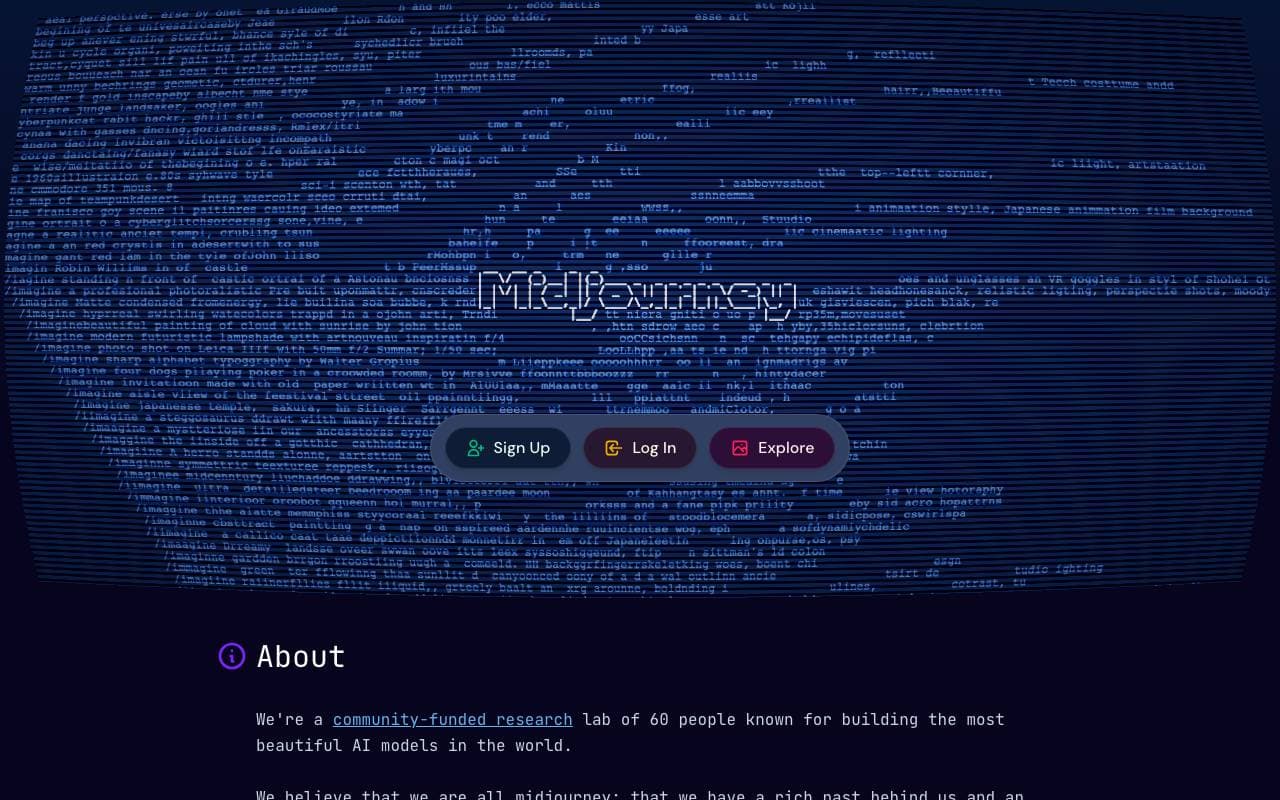

Midjourney
Image Generation
Erstelle atemberaubende Bilder aus Text

Doozer Ai
Sales Agent
Digitale Mitarbeiter, die operative Workflows automatisieren, um die Effizienz von Teams zu steigern.
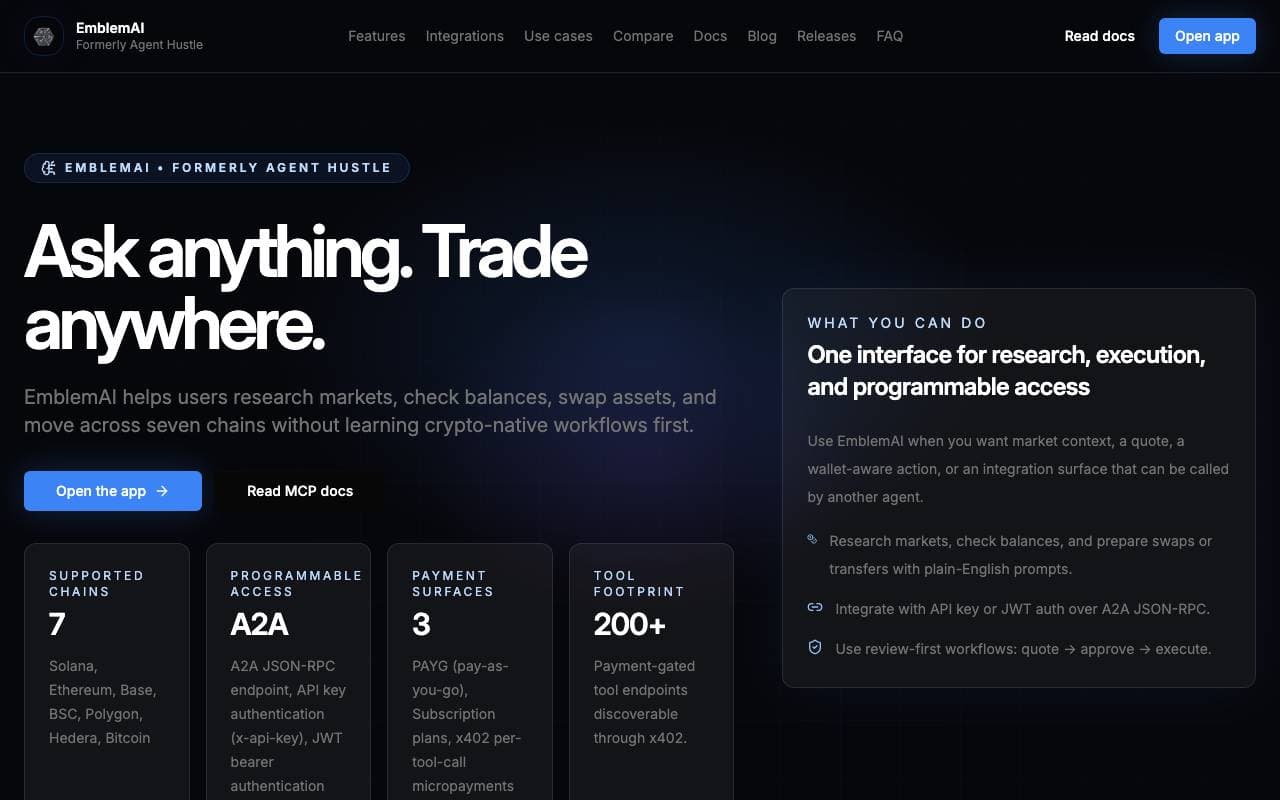

EmblemAI
DeFi Agents
KI-gestützter Krypto-Assistent für die Verwaltung von Assets über mehrere Blockchain-Netzwerke hinweg.

LeanSentry
Software Development
KI-gestützte Diagnostik und Überwachung für IIS- und ASP.NET-Leistungsprobleme.