Best Code Generation (2026)

Prin click pe aceste linkuri, putem primi o comision, dar acest lucru nu afectează evaluările noastre.
A curated guide to the best Code Generation tools, comparing AI assistants that write, complete, and refactor code across languages, IDEs, and workflows.
Code Generation în cifre
Mix de preț
Best Code Generation (2026)
- 1
 SWE-1 ai coding modelNavegarea în vântul în casa modelului AI al Windsurf este destinație în cadrul fluxului de lucru complet de inginerie software.5.0 (4)
 - 2
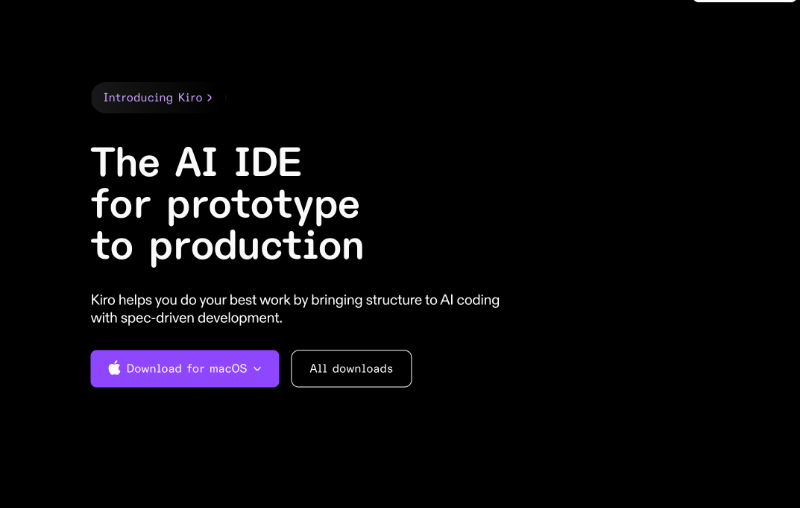 Kiro AIIDE alimentat de AI care transformă proiectele de la concept la cod gata pentru producție.4.8 (6)
 - 3
 DeepCoder-14B-PreviewModel de raționare cod sursă deschisă de 14B, distilat din DeepSeek-R1 și Qwen-14B pentru generarea avansată de cod.4.8 (4)
 - 4
 OpenAI CodexAsistent de codare AI care traduce limbajul natural în cod funcțional în zeci de limbaje de programare.4.8 (4)
 - 5
 KeringitTastați o promptă, lansați o aplicație funcțională pe care o puteți deține și personaliza.4.6 (5)
 - 6
 Codename GooseGoaș4.5 (4)
 - 7
 Anima | UX Design AgentAgent de design UX care învață brandul și sistemul tău de design pentru a genera interfețe conforme.4.4 (5)

SWE-1 ai coding model
Navegarea în vântul în casa modelului AI al Windsurf este destinație în cadrul fluxului de lucru complet de inginerie software.
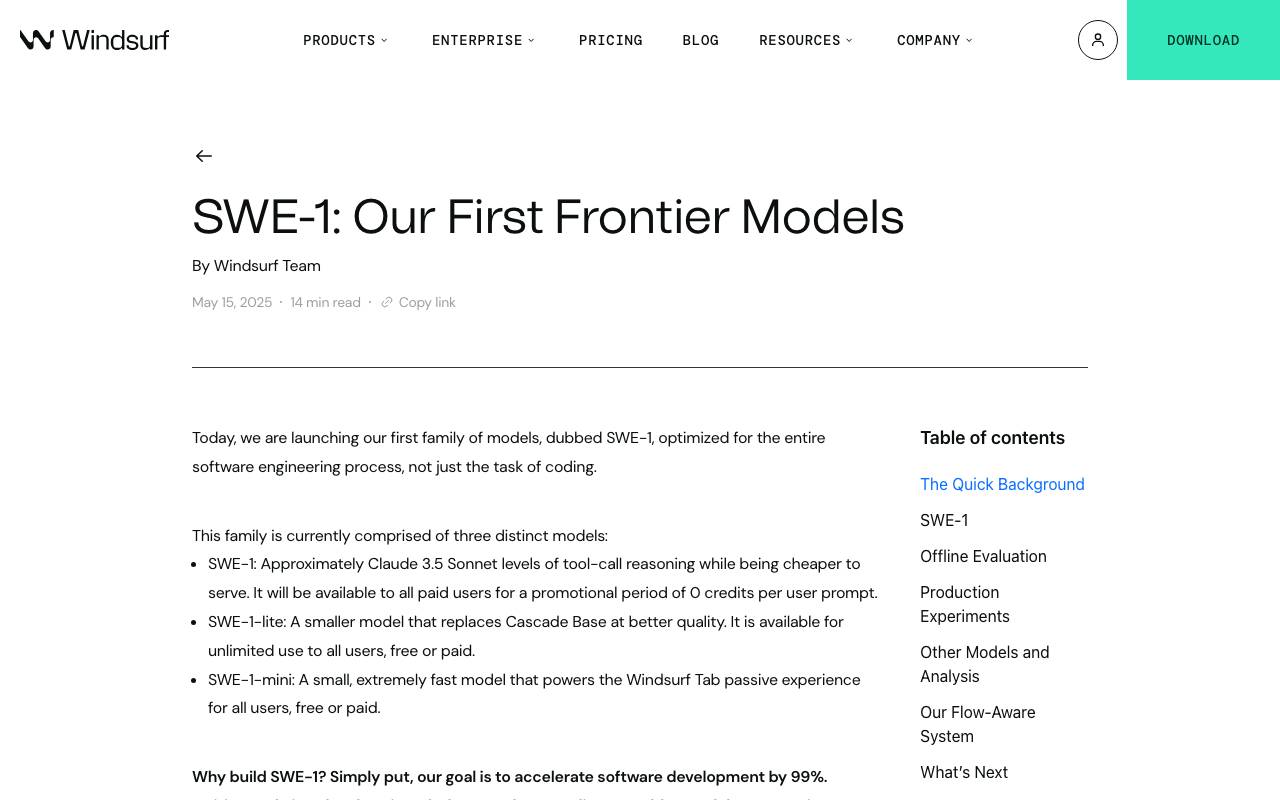
SWE-1 este o familie de modele de cod AI dezvoltate de Windsurf pentru a asista sarcinile de inginerie software asistativă și agentică în interiorul IDE-ului și produsele asociate. În loc de a se axa exclusiv pe finalizarea codului, modelele sunt tunate pentru o ciclu de inginerie mai larg, inclusiv raționament peste fișiere, navigarea în depozite largi și colaborarea cu dezvoltatori umani timp de sesiuni mai lungi. Linia de productie acoperă adesea dimensiuni și niveluri de capabilitate diferite, permițând Windsurf să ruteze task-uri ușoare, precum autocomplete, către variante mai rapide, în timp ce rezervează modele mai puternice pentru editări complexe, refactorizări și fluxuri de lucru ale agenților. Deoarece modelele sunt instruite cu activitatea reală a dezvoltatorilor în vedere, acestea se străduiesc să gestioneze stări incomplete, modificări încrucișate în mai multe etape și utilizarea instrumentelor într-un mod mai natural decât LLMs de generală utilizare. SWE-1 este cea mai utilă pentru echipele care activează deja în Windsurf și sunt interesaate de un model de programare integrat strâns, mai degrabă decât un chatbot general atașat unui editor.
- Familie de modele îmbunătățită pentru codare
- Raționamente reținute cu privire la repozitoare
- Suport pentru edite agente și multi-pas
- Auto-completare și mod chat optimizat
- Integrare cu fluxurile de lucru Cascade ale Windsurfului
- Rutează printre variante mai ușoare și mai grele

Kiro AI
IDE alimentat de AI care transformă proiectele de la concept la cod gata pentru producție.
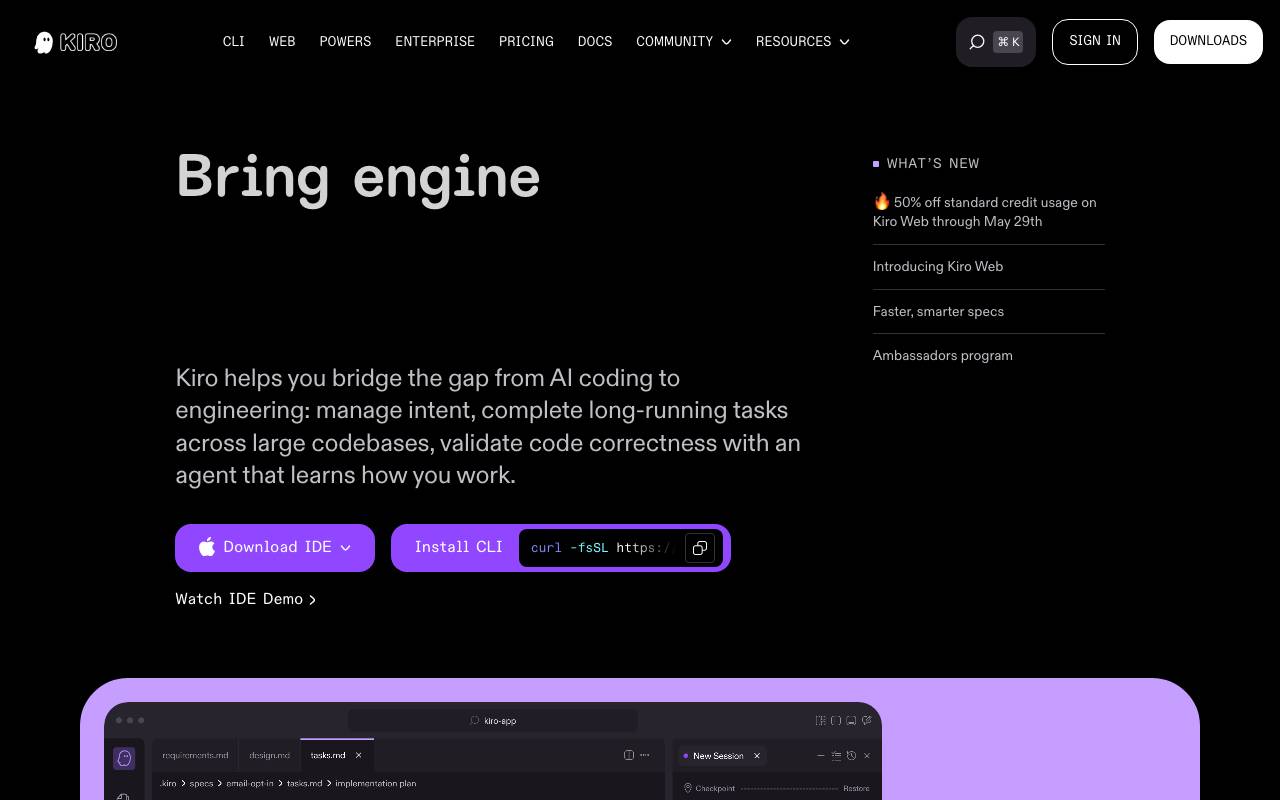
Kiro AI este un editor integrat cu puteri de AI care îi permite dezvoltaților și echipei să transforme proiectele în coduri gata de producție într-un mod eficient. Acest lucru este realizat prin dezvoltare spec-driven, care implică transformarea prompturilor în cerințe structurate, proiecte arhitecturale și sarcini implementate într-un mod paralel de către agenți. Kiro validă și rezistența codului la testele bazate pe proprietăți, reducând astfel erorile care trec prin teste unite dar încalcă în producție. Platforma este proiectată pentru a aduce structură în codarea cu AI, pentru a asigura ca codul să fie mai sigur, mai ușor de întreținut și care să corespundă rezultatelor intenționate. Kiro suportă o varietate de funcții, inclusiv planificarea cu specificații, implementarea cu agenți paraleli, detectarea bugurilor cu teste bazate pe proprietăți, și conectarea la GitHub sau GitLab pentru revizuire. Permite dezvoltatorilor să aleagă modelul cel mai bun pentru fiecare sarcină și este puternită de modele populare cum ar fi Anthropic Claude. Platforma este construită pe standarde deschise și este optimizată pentru utilizarea în mediul enterprise, oferind un model bazat pe credit cu limitări zilnice sau săptămânale și fără limitări. Mai oferă autentificare cu IAM și SSO și funcții de administrare. Kiro a fost lăudat de ingineri din întreaga lume pentru capacitatea de a justifica utilizarea timpului lor pentru dezvoltarea de active critice pentru afaceri în interior, accelerarea dezvoltării de featuri și reducerea timpului de parcurs către valoarea clienților. Este un partener puternic pentru start-up-uri, transformând natural cărți de vânzare și specificații neglijate în active solide, făcând creșterea mai ușoară și scalarea viitoare mai eficientă. În general, Kiro AI este o soluție puternică pentru dezvoltatori și echipe care își doresc să transforme proiectele în cod gata de producție, datorită focalizării sale pe dezvoltarea încadrată în specificații, corectitudinea codului și gata de utilizare pentru entități, ceea ce îl face un opțiune atrăgătoare pentru cei care caută să îmbunătățească fluxurile de lucru în programare.
- Generare de cod asistată de AI
- Sugestii de cod contextual
- Ajutor pentru refactorare și depanare
- Scaffolding de proiect din prompturi
- Flux de lucru de dezvoltare integrat
- Suport pentru mai multe limbaje
DeepCoder-14B-Preview
Model de raționare cod sursă deschisă de 14B, distilat din DeepSeek-R1 și Qwen-14B pentru generarea avansată de cod.
DeepCoder-14B-Preview este un model de limbă largă la sursă, cu o concentrare pe generarea de cod și pe raționamentul în programare. Realizat pe baza modelului DeepSeek-R1-Distilled-Qwen-14B, el Moștenește capacitatea de raționament prin lanțuri de gânduri, însă este optimizat pentru sarcini de dezvoltare software în mai mult de o limbă de programare. Modelul vizează dezvoltatorilor care au nevoie de o alternativă auto-gestionată față de asistenți de cod închisați. Poate să gestioneze sarcini precum scrierea funcțiilor din prompturi de limbaj natural, debbugarea codului existent, expunerea de fragmente de cod și asistența cu rezolvarea de probleme algoritmiștilor. Dimensiunea sa de parametri de 14B oferă un echilibru între capacitățile lor și cerințele de hardware necesare pentru a-l rula local sau pe GPUs mici din cloud. În calitate de lansare de prezentare, DeepCoder-14B este cel mai potrivit pentru experimente, cercetări și integrarea în fluxuri de procesare a developer tooling mai degrabă decât pentru implementări productive critice fără o valoare adăugată adițională.
- Generarea de cod din limbaj natural
- Suport pentru programare multi-limbă
- Raționarea în lanț de gândire pentru depanare
- Distilat din DeepSeek-R1 și Qwen-14B
- Greutăți deschise pentru implementare locală
- Potrivit pentru reglare fină și cercetare

OpenAI Codex
Asistent de codare AI care traduce limbajul natural în cod funcțional în zeci de limbaje de programare.

OpenAI Codex este un model de limbaj ajustat fin pentru dezvoltarea de software, capabil să interpreteze solicitări în limba engleză curentă și să producă cod funcțional. Construit pe arhitectura GPT, înțelege contextul pe mai multe fișiere și suportă o gamă largă de limbaje de programare, cu o putere deosebită în Python, JavaScript, TypeScript, Go, Ruby și Shell. Dezvoltatorii pot folosi Codex pentru a genera cod boilerplate, a scrie funcții din descrieri, a refactoriza cod existent, a explica fragmente necunoscute și a automatiza sarcini repetitive. Acesta alimentează instrumente precum GitHub Copilot și poate fi integrat în fluxuri de lucru personalizate prin API-ul OpenAI, făcându-l util atât pentru coderii individuali, cât și pentru echipele de ingineri care doresc să accelereze dezvoltarea. În timp ce Codex accelerează multe sarcini de codare, rezultatele sale necesită încă o revizuire umană pentru corectitudine, securitate și conformitate cu standardele proiectului. Funcționează cel mai bine ca un colaborator, mai degrabă decât ca un înlocuitor al judecății inginerești.
- Generare de cod din limbaj natural
- Suport pentru programare multi-limbă
- Completare și sugestii de cod
- Refactorizare și explicație de cod
- Acces API pentru integrări personalizate
- Înțelegere multi-fișier conștientă de context

Keringit
Tastați o promptă, lansați o aplicație funcțională pe care o puteți deține și personaliza.
Keringit este o platformă care permite utilizatorilor să lanseze o aplicație funcțională tastând o promptă. Aceasta oferă diverse idei și șabloane populare pentru a ajuta utilizatorii să construiască tipuri specifice de proiecte, cum ar fi poduri, piețe de predicție și schimburi descentralizate. Platforma își propune să accelereze procesul de dezvoltare, făcând posibilă implementarea codului și lansarea token-urilor rapid.
- Generarea de aplicații din text
- Output editabil, deținut de utilizator
- Flux de lansare rapidă
- Potrivit pentru MVPs și prototipuri
- Rafinare iterativă a promptelor

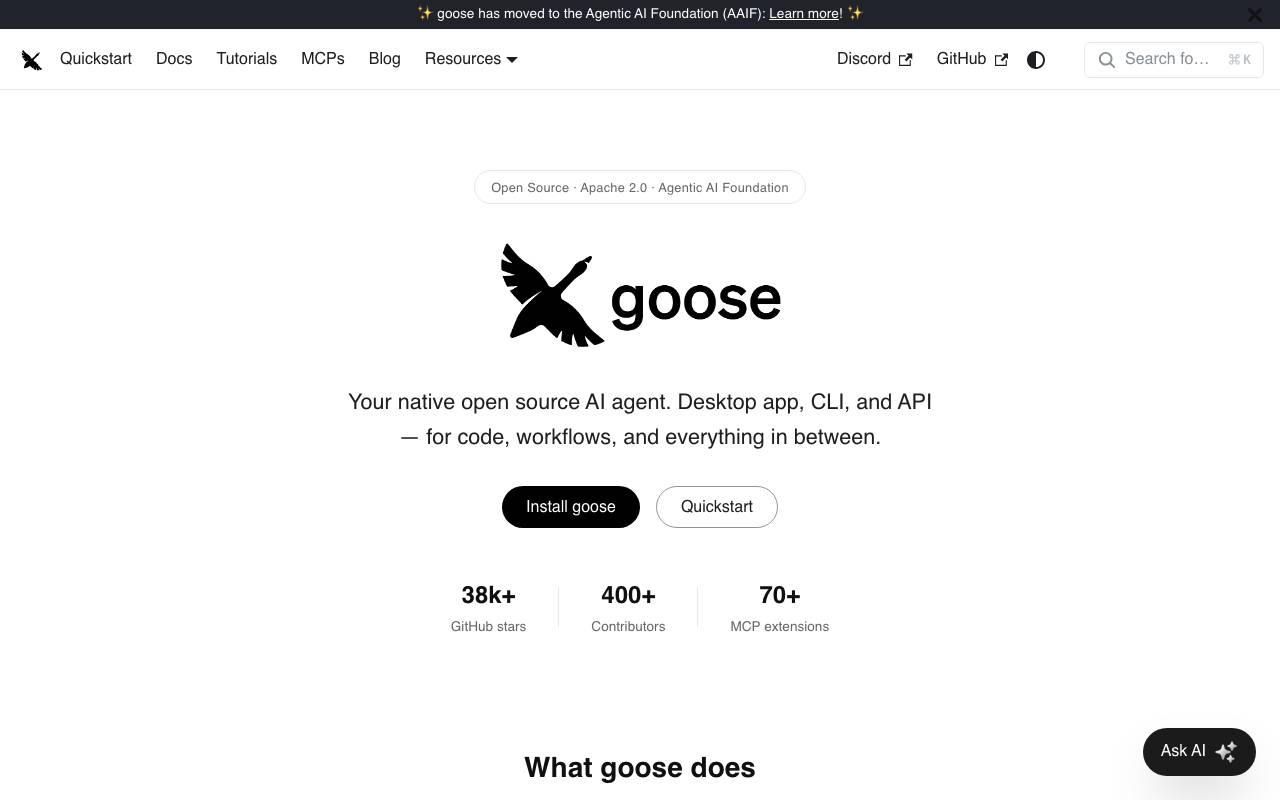
Goaș este un agent AI prin echipament pentru activități de tip
- Funcționează în direct pe echipament
- Joacă în coordonare cu mai multe furnizori și modulurile locale
- Folosește acest agent AI pentru a-l tăia pe echipament pentru a-i accelerea activităților localizate pe loc și pentru a-l folosi pe echipament
- Goaș integra în activitatea și procesele proprie
- Are o integrare simplă în procese de desfășurare și îmbunătățiri locale
- Operă și spune în mod direct și pentru a oferi secțiuni de

Anima | UX Design Agent
Agent de design UX care învață brandul și sistemul tău de design pentru a genera interfețe conforme.
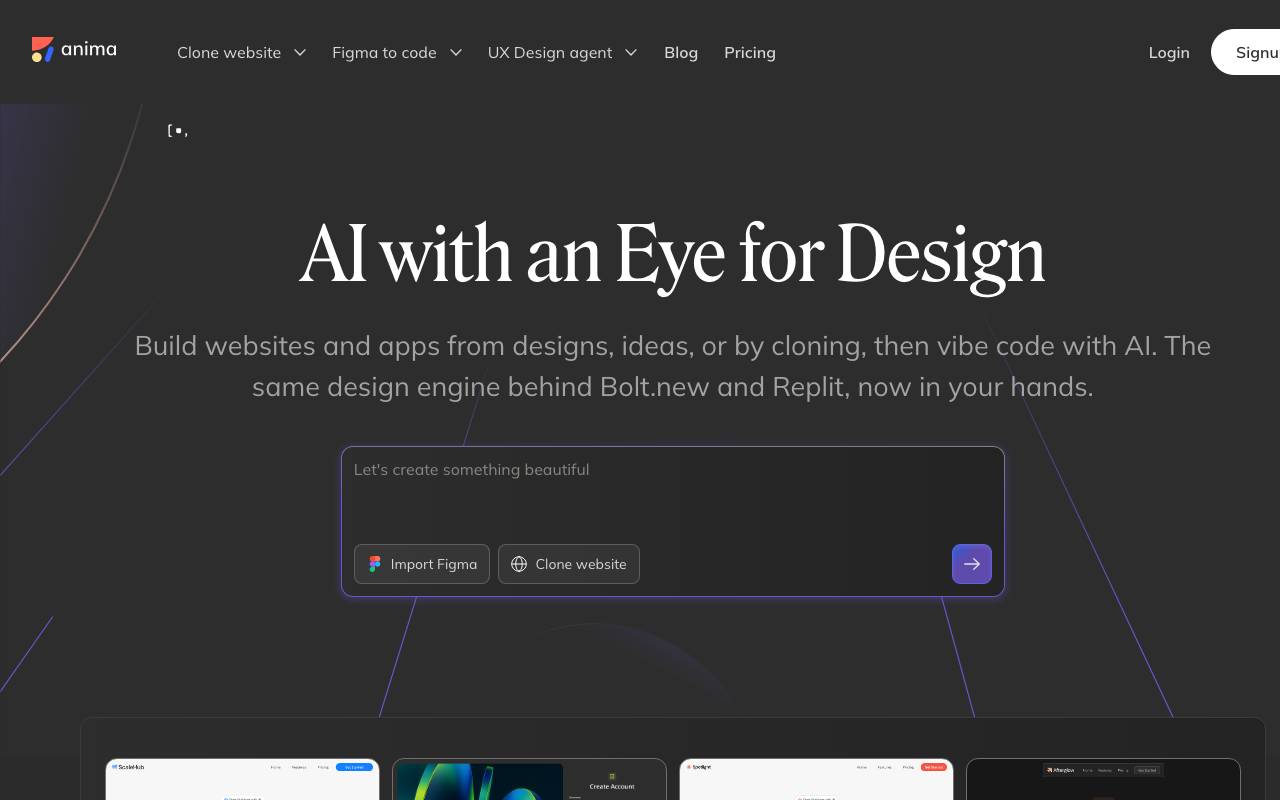
Anima este un agent de design UX alimentat de AI, conceput să funcționeze ca o extensie a echipei de produs. Ingestă ghidurile de brand ale companiei, bibliotecile de componente și sistemul de design existent, apoi folosește acest context pentru a produce ecrane, fluxuri și variante de UI care rămân coerente cu modelele stabilite. În loc să genereze mockup-uri generice, Anima își propune să livreze lucrări gata de predare, integrându-se cu fluxurile de lucru obișnuite de design și dezvoltare. Echipele pot să o folosească pentru a accelera explorarea timpurie, a completa ecrane repetitive sau a transforma ideile în designuri finisate, aliniate la sistem, fără a porni de la zero.
- Ingestionare de brand și sistem de design
- Ecrane și fluxuri UX generate de AI
- Sugestii UI conștiente de componente
- Coerență în multiple artefacte
- Editare cu designerul în buclă
- Integrare în fluxul de lucru pentru predare
Răsfoiește toate cele 7 instrumente Code Generation
Directorul complet, ce poate fi căutat — clasat după recenziile utilizatorilor reali.


