
Cognition Devin AIAutonomiczny inżynier oprogramowania AI, planujący, kodujący i wdrażający zadania od początku do końca.

Przegląd
Kluczowe funkcje
- Autonomiczne planowanie i wykonywanie zadań
- Izolowane narzędzia shell, edytor i przeglądarka
- Generowanie pull requestów i odpowiedzi na przegląd kodu
- Integracja z GitHub, Slack oraz śledzonymi problemami
- Długotrwałe sesje zadań wieloetapowych
- Współpraca zespołu z nadzorem człowieka w cyklu
Cennik
- Model
- Paid
- Kategoria
- Programming Agents
- Ocena
- 4.8 / 5 (6)
Zastosowania
Automatyzacja rutynowych napraw błędów
Przypisz śledzone błędy do Devisa, aby zbadał, odtworzył w środowisku sandbox, wprowadził poprawki i otworzył pull requesty do przeglądu i scalenia przez inżynierów.
Refaktoryzacje i migracje bazy kodu
Przekaż wieloplikowe refaktoryzacje lub migracje frameworków/bibliotek Devisiowi, który planuje kroki, edytuje kod w całym repozytorium i weryfikuje zmiany przez iteracje.
Równoległe realizowanie małych funkcji
Deleguj małe, jasno określone implementacje funkcji Devisiowi, dzięki czemu ludzie mogą skupić się na architekturze i skomplikowanych problemach, podczas gdy rutynowe zadania realizowane są równocześnie.
Śledzenie problemów do pull requestów
Podłącz Devisa do GitHub, Slack i śledzenia problemów, aby mógł pobierać przydzielone bilety, tworzyć szkice rozwiązań i generować PR-y do przeglądu przy nadzorze człowieka.
Plusy i minusy
Plusy
- Automatyczne wykonywanie wieloetapowych zadań kodowania
- Integruje się z przepływami Git i pull requestami
- Może uruchamiać, testować i debugować kod w środowisku sandbox
- Przydatny do równoległego wykonywania rutynowych prac inżynieryjnych
Minusy
- Najlepsze wyniki wymagają jasno określonych zadań
- Wynik wciąż wymaga przeglądu kodu przez człowieka
- Może mieć problemy z dużymi, niejednoznacznymi bazami kodu
- Koszt może być wysoki dla indywidualnych deweloperów
Recenzje
Średnia z 6 ocen.
Zaloguj się, aby zostawić recenzję.
Does the job
Pretty happy overall. Team collaboration with human-in-the-loop oversight just works and handles multi-step coding tasks autonomously. but no dealbreakers — I'd recommend it to a friend without hesitating.
Does the job
Pretty happy overall. Integration with GitHub, Slack, and issue trackers just works and handles multi-step coding tasks autonomously. Can struggle with large, ambiguous codebases can be annoying, but no dealbreakers — I'd recommend it to a friend without hesitating.
Skeptical, then convinced
I went in skeptical — most tools in this space overpromise. It actually delivers on team collaboration with human-in-the-loop oversight, and handles multi-step coding tasks autonomously caught me off guard. still, I'd recommend giving it a real trial.
Compared a few options
Evaluated this against two competitors. Where it wins: pull request generation and code review responses and useful for parallelizing routine engineering work. Where it lags: pricing may be steep for individual developers. On balance the feature set — especially autonomous task planning and execution — justifies the 4 stars for our use case.
Years in this space
I've evaluated a lot of these over the years. What stands out here is integration with GitHub, Slack, and issue trackers — handled better than most — and can run, test, and debug code in a sandbox. Worth the time if this is your use case.
Years in this space
I've evaluated a lot of these over the years. What stands out here is sandboxed shell, editor, and browser tools — handled better than most — and can run, test, and debug code in a sandbox. Best results require clearly scoped tasks is my one real gripe. Worth the time if this is your use case.
Pytania i odpowiedzi
What kinds of engineering tasks is Devin best suited for?
Devin works best on well-scoped tickets like bug fixes, refactors, migrations, and small feature implementations. It can plan multi-step solutions, edit code across files, and open pull requests, but struggles with large, ambiguous codebases.
Which developer tools and platforms does Devin integrate with?
Devin integrates with GitHub for source control and pull requests, Slack for team communication, and common issue trackers. It also has a sandboxed environment with shell, editor, and browser tools for running and testing code.
Does Devin replace human engineers, or is review still required?
Devin is a collaborative teammate, not a replacement for senior engineers. It produces pull requests that humans review before merging, and human-in-the-loop oversight is recommended since output still requires code review.
Zadaj pytanie
Alternatywy dla Programming Agents

Amp
Programming Agents
Agenticzny asystent kodowania dla terminali i edytorów, zasilany wieloma LLM z linii frontowej.


Gemini CLI
Programming Agents
Open‑sourceowy agent AI wiersza poleceń, który wprowadza Gemini 2.5 Pro do Twojego terminala w celu programowania, badań, tworzenia treści i automatyzacji zadań.

Cline
Programming Agents
Otwartoźródłowy agent AI do kodowania dla VS Code z trybami Plan/Act i kontrolą terminala

Codex CLI
Programming Agents
Otwartoźródłowy terminalowy asystent AI, który odczytuje, zapisuje i uruchamia kod lokalnie z obsługą wielomodalnego wejścia.


Fine AI
Programming Agents
Platforma programistyczna zasilana AI, zaprojektowana, aby pomóc zespołom startupowym w budowaniu, testowaniu i wdrażaniu oprogramowania bardziej efektywnie.


Pi Coding Agent
Programming Agents
Open-sourceowy agent kodowania w terminalu, stworzony do rozszerzania za pomocą pakietów, umiejętności i niestandardowych przepływów pracy.

Ralph
Programming Agents
Autonomiczna pętla programowania AI, która wielokrotnie uruchamia Amp lub Claude Code, aż wszystkie elementy PRD zostaną ukończone, korzystając z historii git jako pamięci.
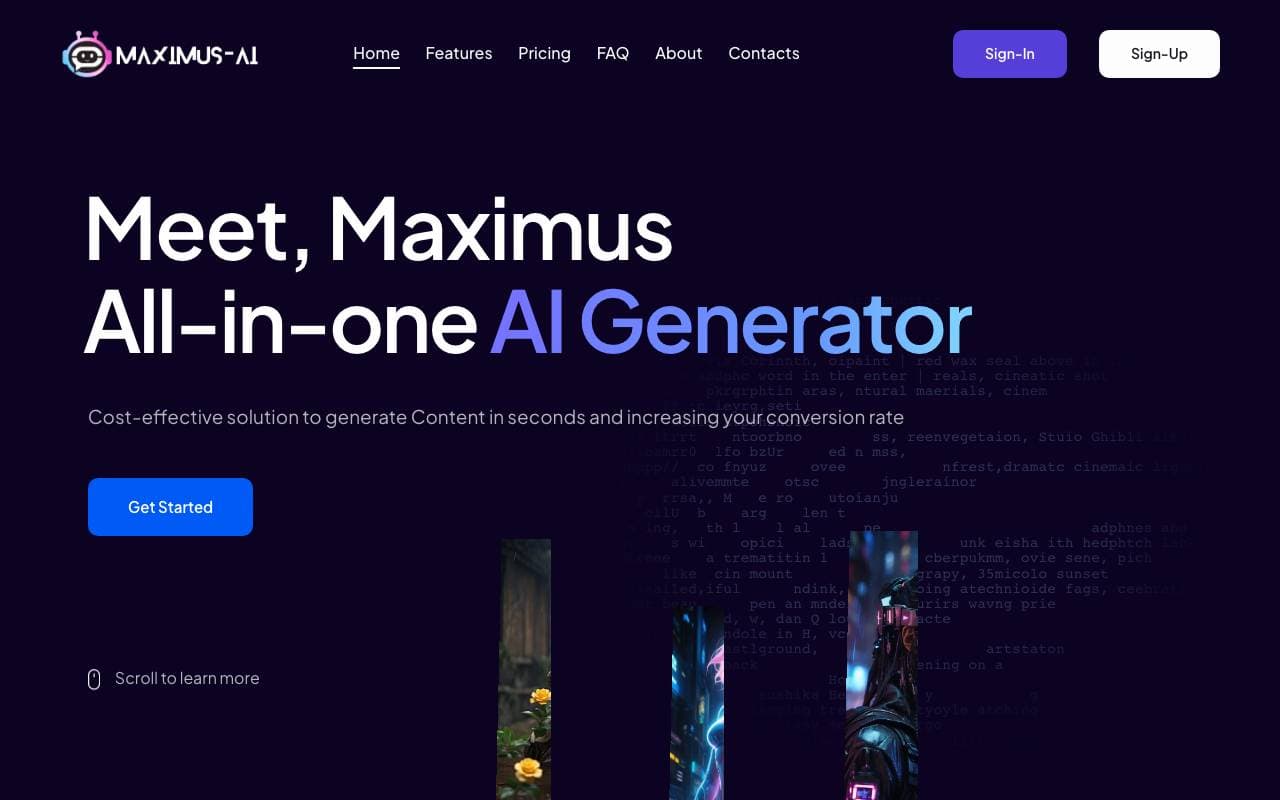

Maximus-AI
Programming Agents
Automatyczne generowanie kodu, które zmienia specyfikacje i podpowiedzi w gotowe do produkcji oprogramowanie.
Trending now


Claude
AI Agents & Chatbots
Konwersyjny asystent AI od Anthropic do pisania, analizy, kodowania i pracy z dokumentami

Doozer Ai
Sales Agent
Cyfrowi współpracownicy, którzy automatyzują operacyjne przepływy pracy, zwiększając wydajność zespołu.
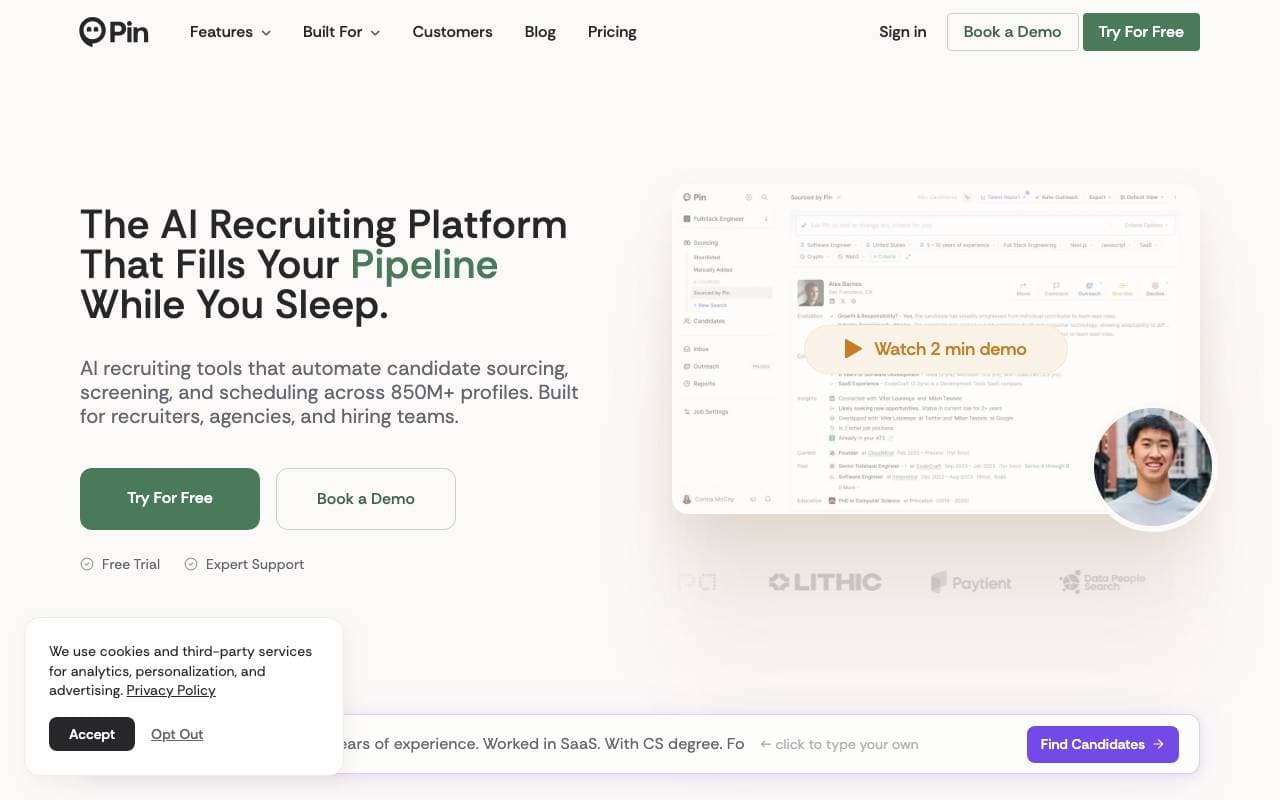

Pin AI
Workflow automation
Agentowy rekruter AI, który automatyzuje pozyskiwanie, selekcję i kontakt, przyspieszając proces rekrutacji.
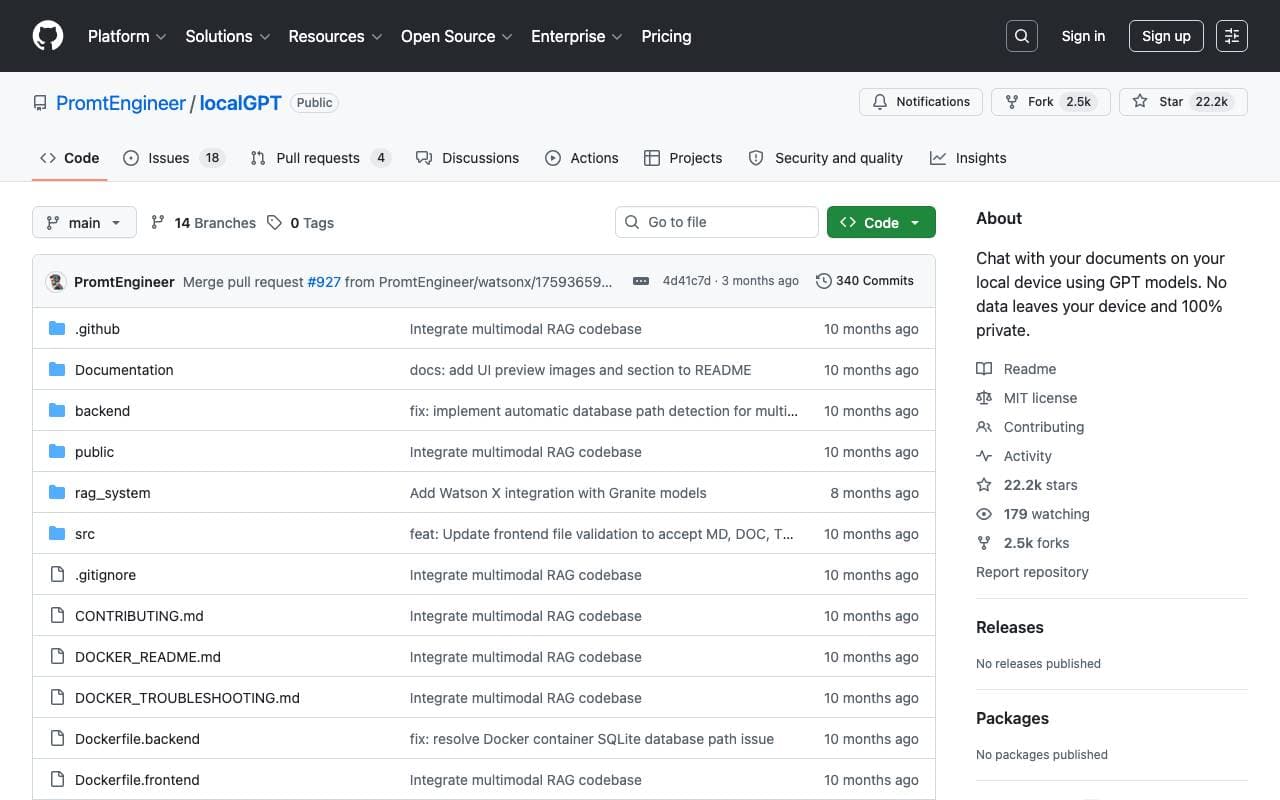

Local GPT
Other
Open-sourceowy lokalny AI do prywatnego, offline'owego czatowania z dokumentami przy użyciu modeli typu GPT na własnym sprzęcie.