
BabyElfAGIExperimenteel AI-agentenraamwerk met een modulair Skills-class voor dynamische taakplanning en uitvoering.

Overzicht
Belangrijkste functies
- Skills-class voor het definiëren van agentencapaciteiten
- Dynamische taakplanning en -decompositie
- Tool‑ en functieaanroepen door de agent
- Iteratieve uitvoeringlus met taakbeheer
- Uitbreidbare architectuur voor aangepaste skills
- Integratie met LLM‑API's zoals OpenAI
Prijs
- Model
- Free
- Categorie
- AI Agent Development Frameworks
- Beoordeling
- 4.8 / 5 (4)
Toepassingen
Prototype van autonome agentenworkflows
Ontwikkelaars kunnen BabyElfAGI's Skills-class gebruiken om multi‑staps autonome agents te prototypen die taken dynamisch plannen en uitvoeren zonder hardgecodeerde workflows.
Onderzoek naar agentenarchitectuurpatronen
Onderzoekers die zich bezighouden met prompt‑orchestratie, taakdecompositie en toolgebruik kunnen BabyElfAGI gebruiken als een hackbare referentieimplementatie voor agentenontwerp.
Herbruikbare agentencapaciteiten bouwen
Ingenieurs kunnen aangepaste Skills definiëren als modulair capaciteiten die de agent mengt en matcht over doelstellingen, waardoor experimentatie met uitbreidbare toolgebruikspatronen mogelijk is.
LLM‑gedreven taakplanning leren
Studenten en AI‑praktijkmensen kunnen verkennen hoe taalmodellen dynamisch taaklijsten samenstellen uit doelstellingen, met BabyElfAGI als een leersandbox.
Pluspunten & minpunten
Pluspunten
- Modulaire Skills-class stimuleert herbruikbare capaciteiten
- Dynamische generatie van taaklijsten uit doelstellingen
- Goede referentie voor het bestuderen van agentenontwerp
- Open en hackbaar voor experimentatie
Minpunten
- Experimenteel, niet productie-waardig
- Vereist ontwikkelaarssetup en API‑sleutels
- Beperkte documentatie in vergelijking met mature frameworks
- Kosten kunnen oplopen met LLM‑aanroepen
Recensies
Gemiddelde van 4 beoordelingen.
Log in om een review te schrijven.
Solid for our team
We rolled this out across the team last quarter and modular Skills class encourages reusable capabilities. Iterative execution loop with task management fits neatly into how we already work, and dynamic task planning and decomposition removed a step we used to do by hand. but it has held up under daily use.
Use it every day
Honestly didn't expect to like it this much. Extensible architecture for custom skills is exactly what I needed, and modular Skills class encourages reusable capabilities. I do wish costs can scale with LLM calls, but I reach for it almost every day now and it just clicks.
Solid for our team
We rolled this out across the team last quarter and dynamic task list generation from objectives. Tool and function invocation by the agent fits neatly into how we already work, and tool and function invocation by the agent removed a step we used to do by hand. but it has held up under daily use.
Compared a few options
Evaluated this against two competitors. Where it wins: tool and function invocation by the agent and dynamic task list generation from objectives. On balance the feature set — especially dynamic task planning and decomposition — justifies the 5 stars for our use case.
Vragen
How does the Skills class differ from hardcoded agent workflows?
The Skills class lets you define reusable capabilities that the agent dynamically selects and combines at runtime based on the objective. Instead of fixed workflows, BabyElfAGI plans and decomposes tasks by reasoning over available skills, making the architecture more modular and extensible.
Is BabyElfAGI ready for production use or just experimentation?
BabyElfAGI is explicitly experimental and intended as a learning sandbox for developers and researchers exploring agent architectures. It is not production-ready and lacks the polish and documentation of mature frameworks, so treat it as a reference implementation rather than a deployable product.
What integrations and setup does BabyElfAGI require?
It integrates with LLM APIs such as OpenAI and requires developer setup including API keys. You'll work in code to define capabilities via the Skills class, so familiarity with Python and LLM tooling is expected.
Stel een vraag
Alternatieven voor AI Agent Development Frameworks

Wildcard AI / agents.json
AI Agent Development Frameworks
Open specificatie en platform dat AI-agenten in staat stelt om API-workflows te ontdekken en aan te roepen via een agents.json bestand.
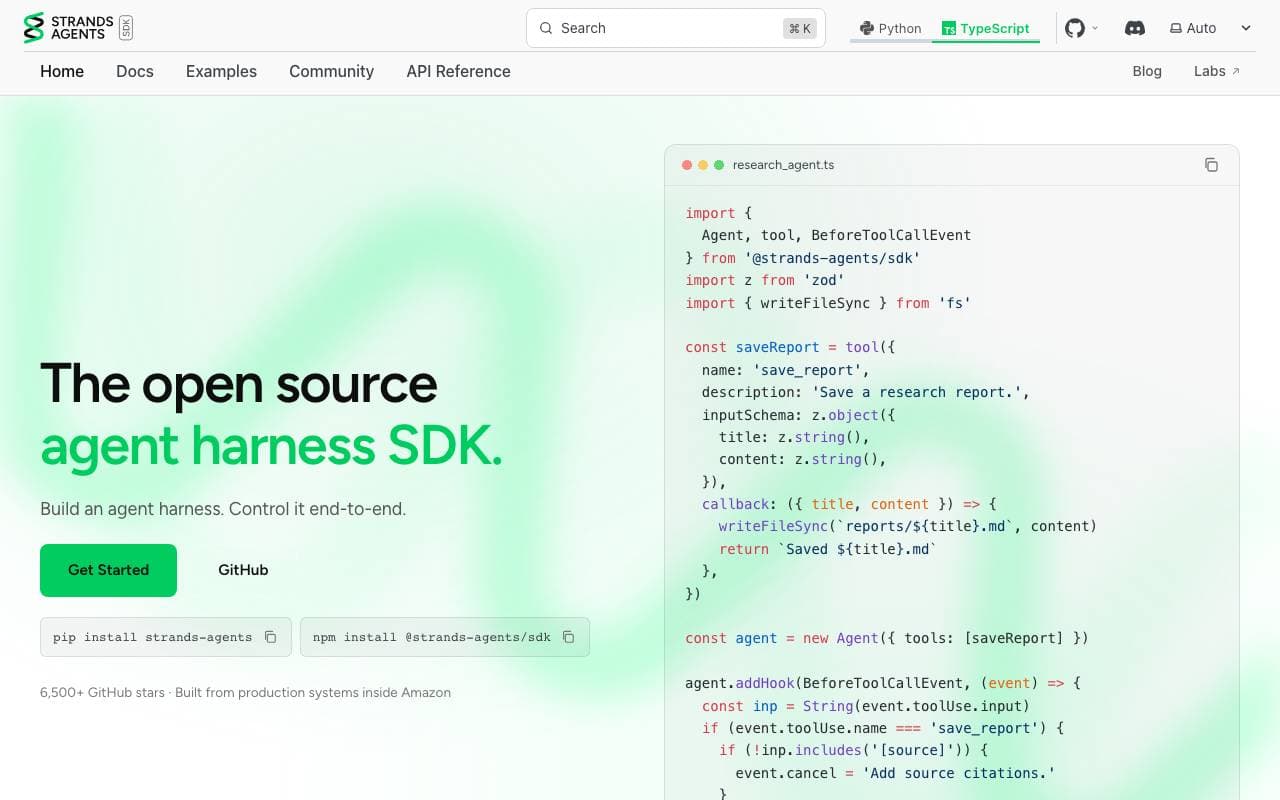

Strands Agents
AI Agent Development Frameworks
Open-source SDK voor het bouwen en orkestreren van één- of multi-agent systemen met LLMs en tool-integratie.
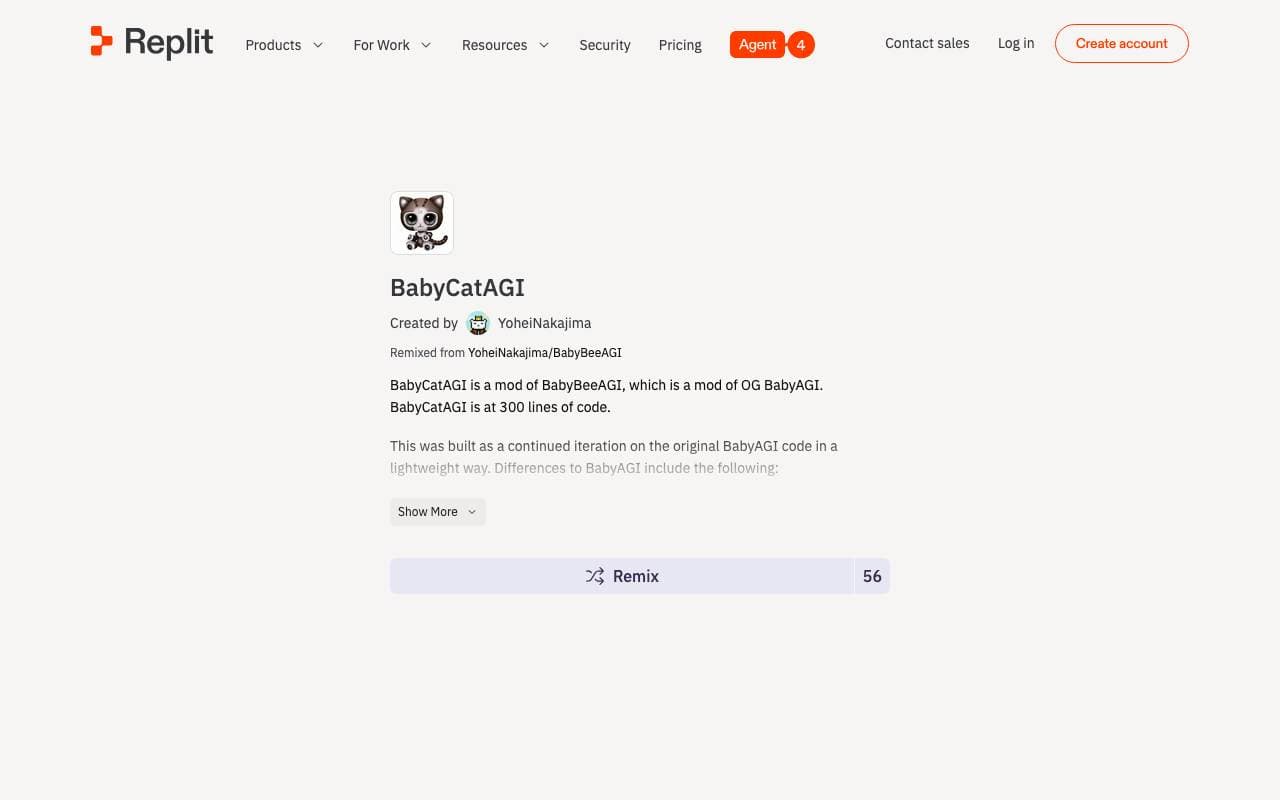

BabyCatAGI
AI Agent Development Frameworks
Lichtgewicht autonoom AI-agentenframework voor gestroomlijnde taakautomatisering
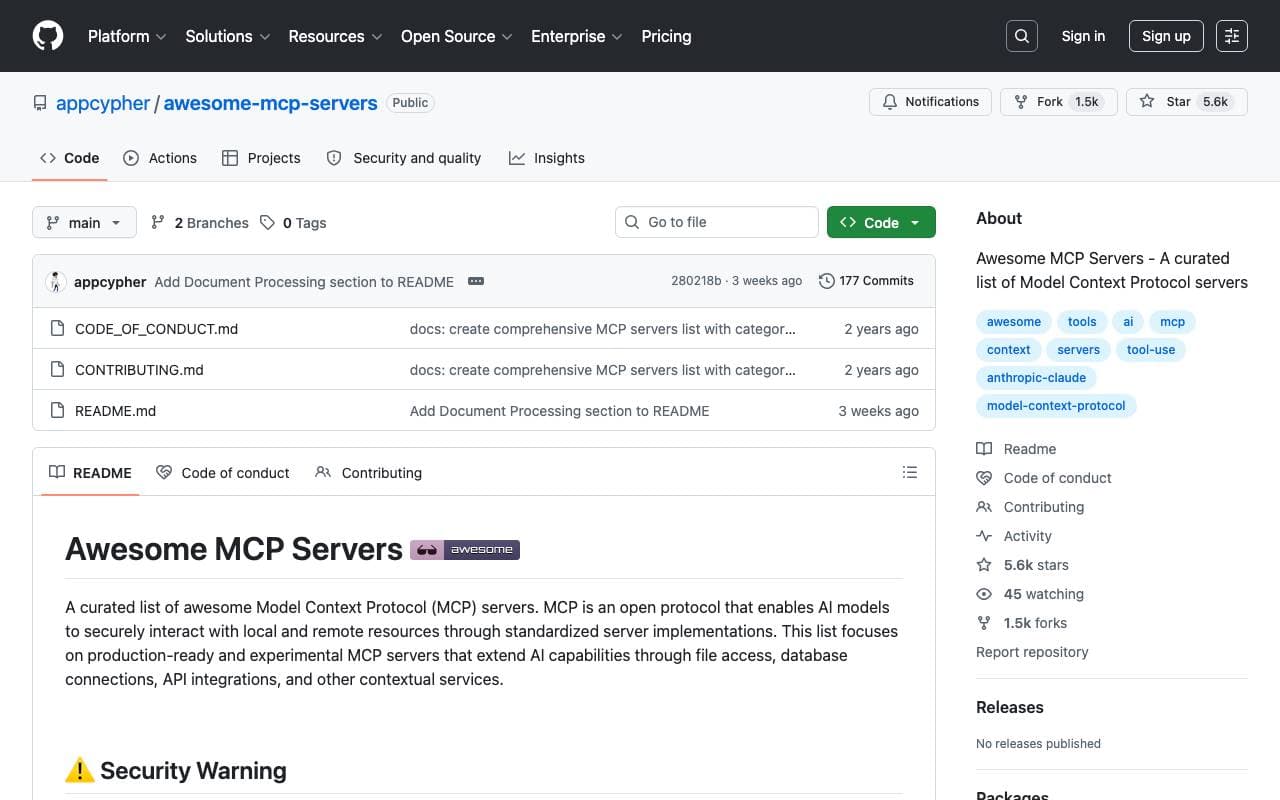

Awesome MCP Servers
AI Agent Development Frameworks
Een zorgvuldig samengestelde directory van Model Context Protocol servers om AI‑assistenten te voorzien van tools en data.
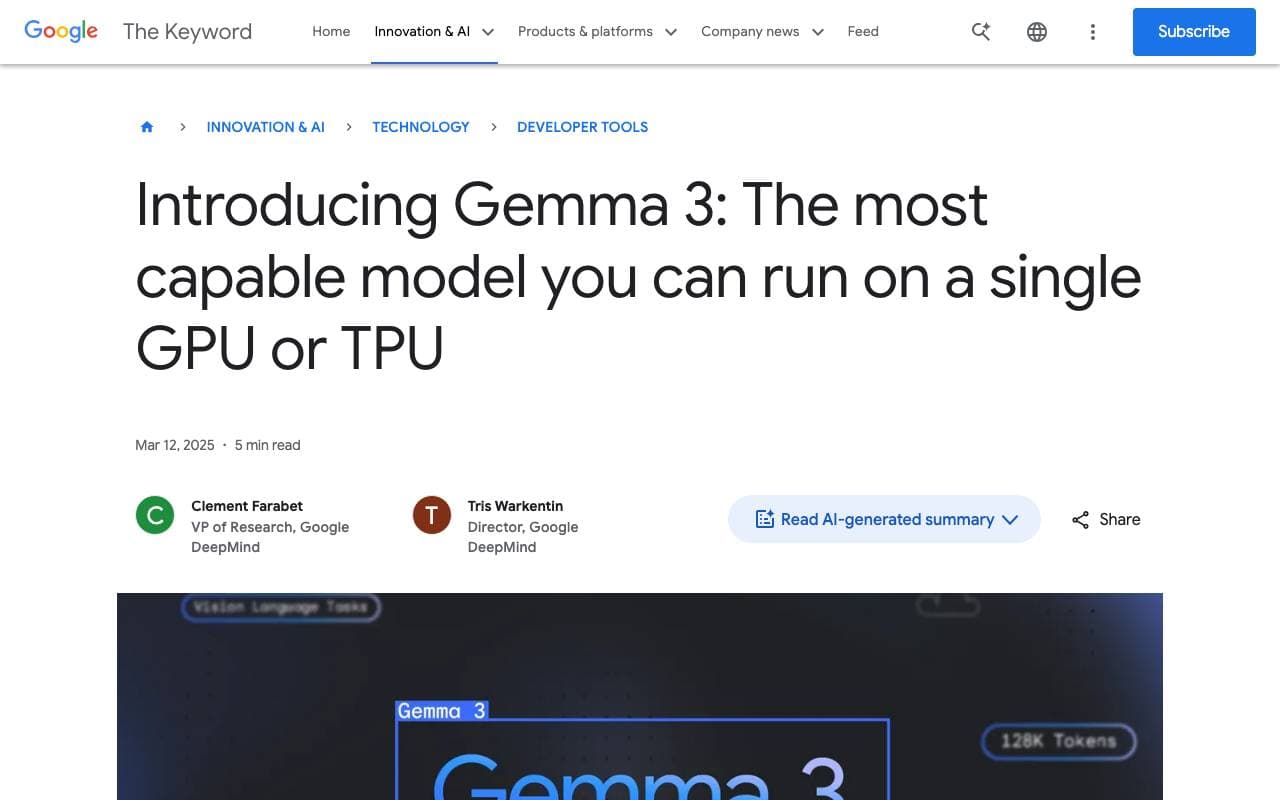

Gemma 3
AI Agent Development Frameworks
Een open-source AI-model geoptimaliseerd voor single-GPU prestaties, met ondersteuning voor multimodale invoer en meer dan 140 talen.
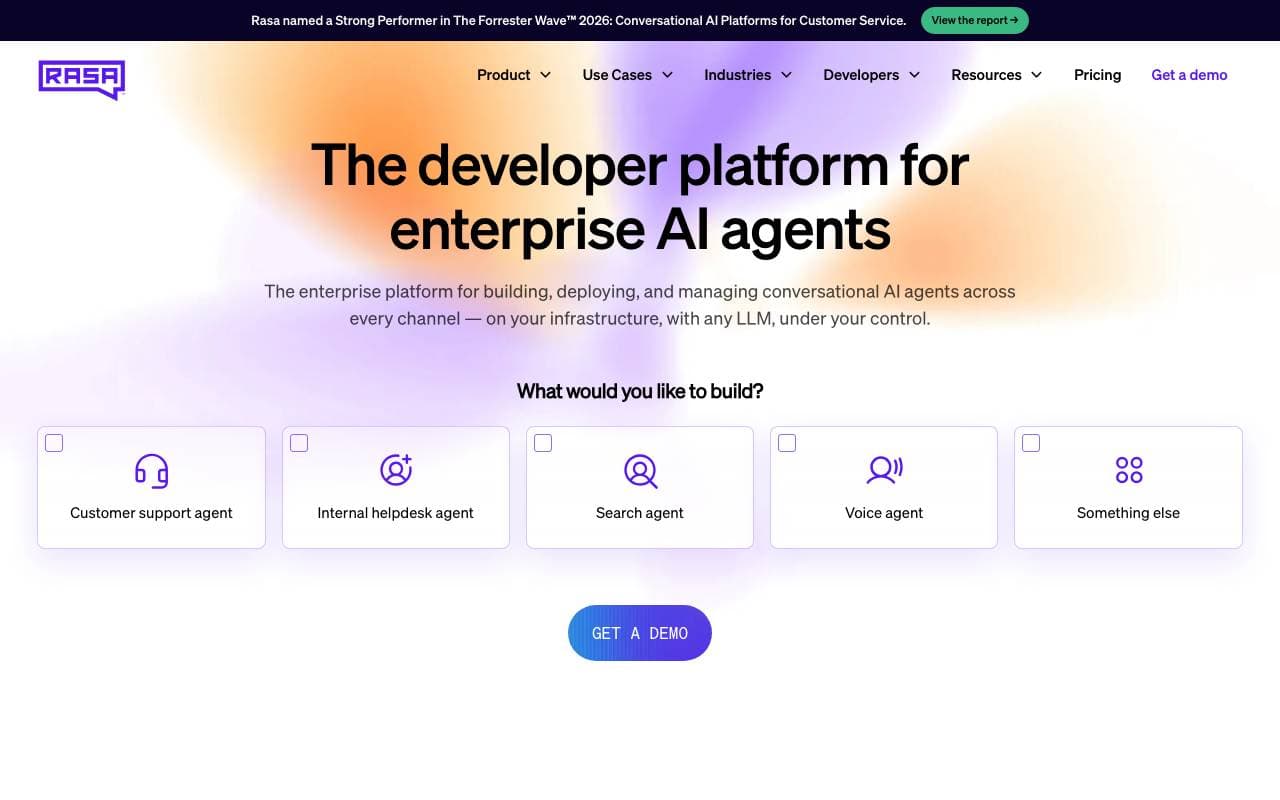

Rasa
AI Agent Development Frameworks
Open-source framework voor het bouwen van productiematige chat- en stemassistenten
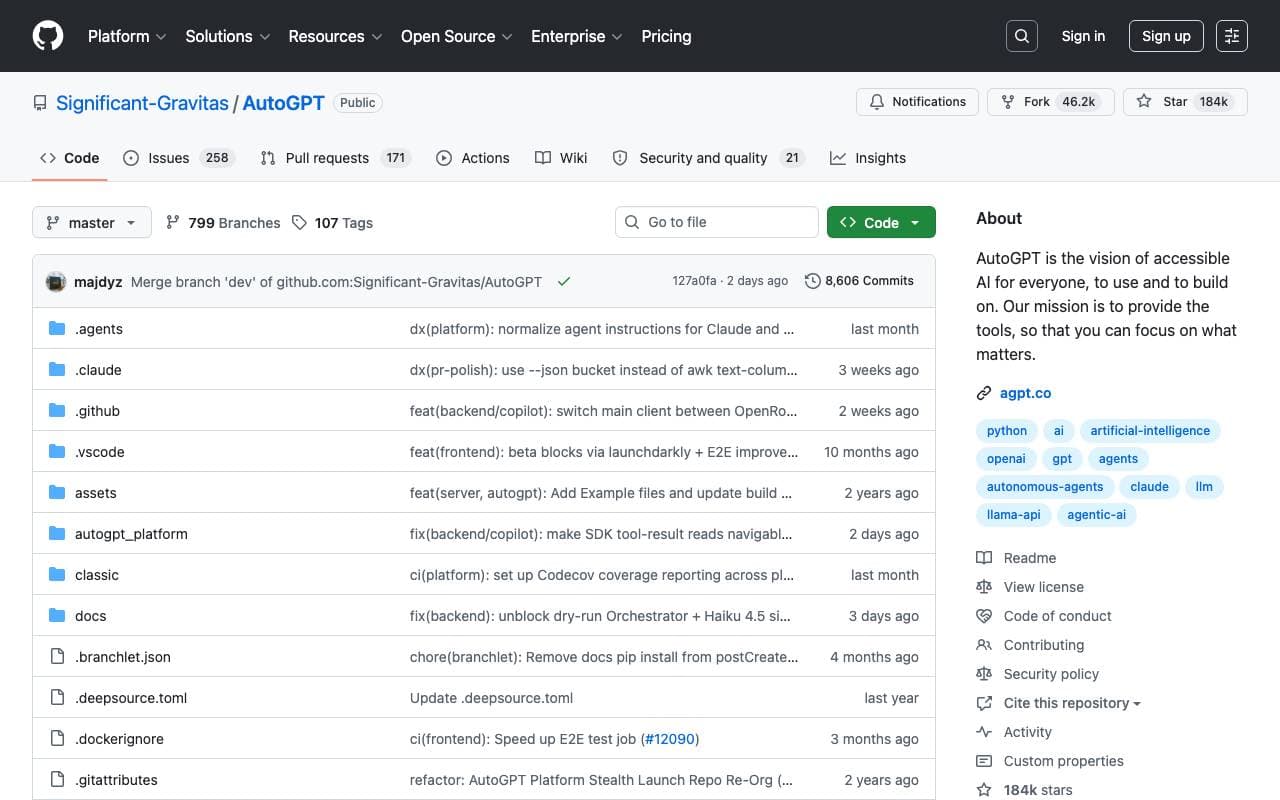

Auto-GPT
AI Agent Development Frameworks
Een open‑source AI‑agent die autonoom complexe taken kan voltooien met behulp van GPT‑modellen.
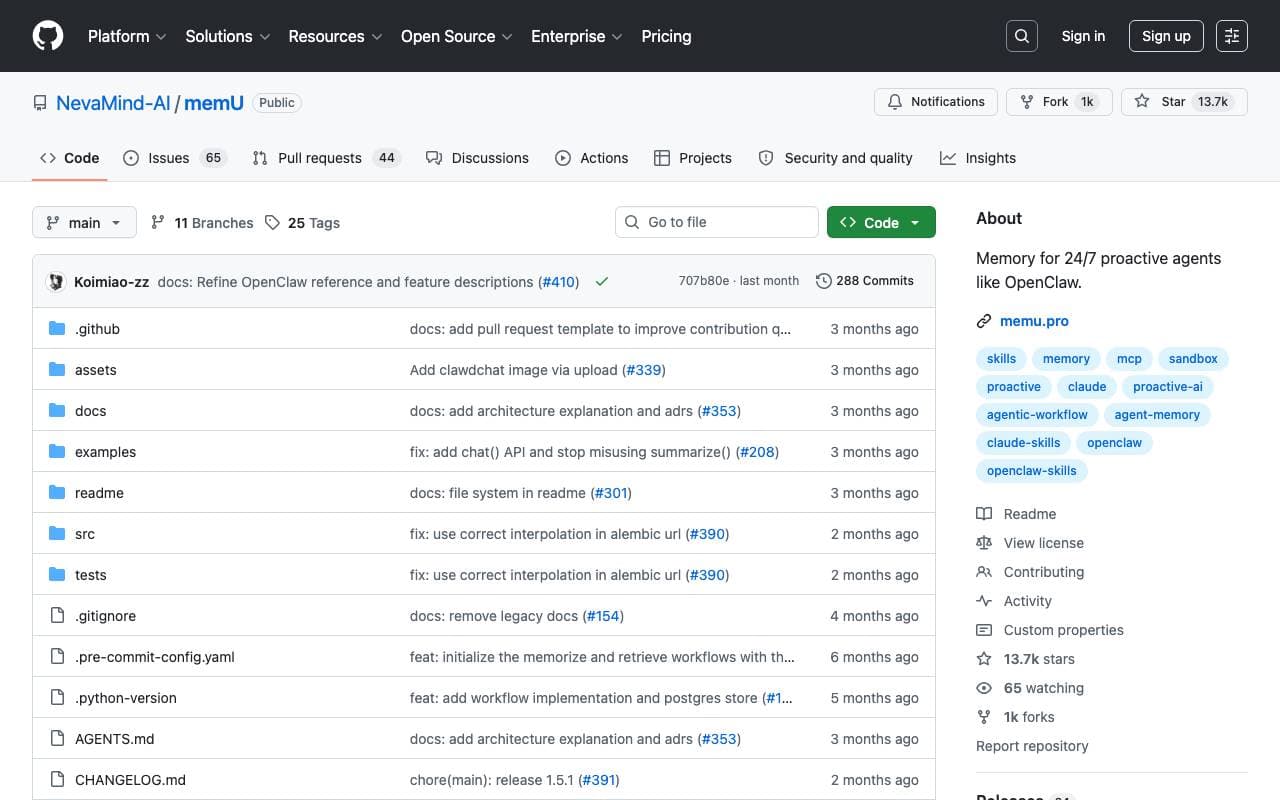

memU
AI Agent Development Frameworks
Open-source agentic geheugenframework voor 24/7 proactieve AI-agents met bestandsysteemgeheugen, intentievoorspelling en lagere tokenkosten.
Trending now


Claude
AI Agents & Chatbots
Conversational AI-assistent van Anthropic voor schrijven, analyse, coderen en documenttaken
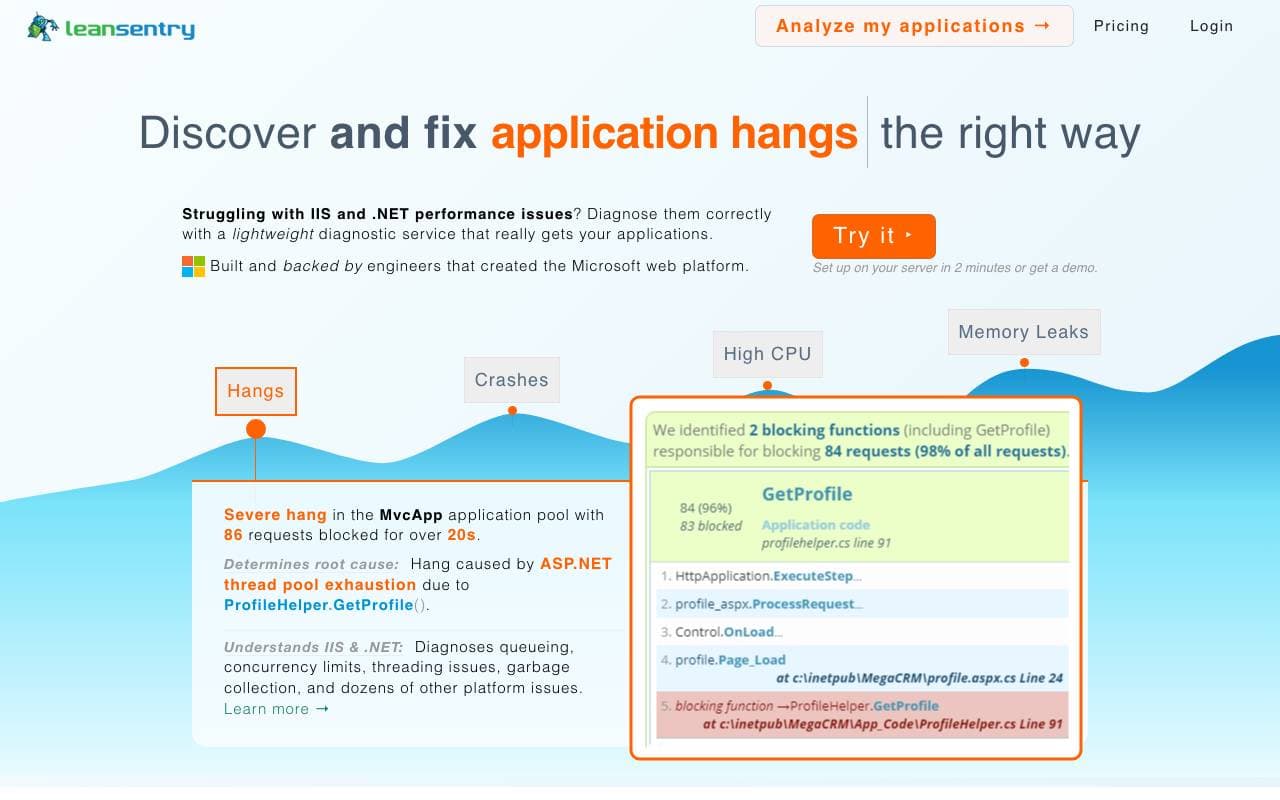

LeanSentry
Software Development
AI-aangedreven diagnostiek en monitoring voor IIS- en ASP.NET-prestatieproblemen

Doozer Ai
Sales Agent
Digitale collega's die operationele workflows automatiseren om de team efficiëntie te vergroten.

Consistent Character AI
Images
Genereer consistente AI‑personages over scènes vanuit één referentiefoto