THEUS (Aigora)Enterprise AI research system that turns proprietary studies into traceable insights with fact IDs, citations, and expert avatars for synthesis.

Overview
Key features
- Extract, synthesize, and explore research data
- Generate new insights with Dr. Reed or analyze existing knowledge with Dr. Sinclair
- Bidirectional modeling for data-grounded knowledge agents
- Connect product and consumer knowledge for bidirectional insight
- Supports cross-study synthesis and research gap analysis
Pricing
- Model
- Freemium
- Category
- Research AI Agents
- Rating
- 4.6 / 5 (5)
Use cases
Synthesize proprietary research studies
Aggregate internal studies into traceable insights, using fact IDs and citations so analysts can verify every claim back to its source document.
Expert avatar-driven analysis
Leverage expert avatars to synthesize findings across multiple research projects, simulating domain-specialist perspectives for richer interpretation.
Audit-ready insight reporting
Generate enterprise reports where each fact is linked via citation, supporting compliance, peer review, and defensible decision-making.
Institutional knowledge retrieval
Query historical proprietary studies to surface relevant prior findings, reducing duplicated research and accelerating new project scoping.
Pros & Cons
Pros
- Turn proprietary research into strategic infrastructure
- Provides traceable and explainable insights
- Bidirectional modeling for data-grounded knowledge agents
- Supports decision-ready intelligence
- Generates up to 20-30 atomic facts per page from historical research
Cons
- No information on pricing tiers beyond solo seat
- Limited scalability beyond solo seat
- Requires procurement cycle for team/business tiers
- No information on integrations or workflow
Reviews
Average from 5 ratings.
Sign in to leave a review.
Does the job
Pretty happy overall. The automation just works and it saves real time. but no dealbreakers — I'd recommend it to a friend without hesitating.
Compared a few options
Evaluated this against two competitors. Where it wins: the onboarding and it saves real time. On balance the feature set — especially the onboarding — justifies the 5 stars for our use case.
Solid for our team
We rolled this out across the team last quarter and the value for money is strong. The automation fits neatly into how we already work, and the API removed a step we used to do by hand. A few rough edges remain, which is the main caveat, but it has held up under daily use.
Does the job
Pretty happy overall. The core workflow just works and support is responsive. The mobile experience lags can be annoying, but no dealbreakers — I'd recommend it to a friend without hesitating.
Skeptical, then convinced
I went in skeptical — most tools in this space overpromise. It actually delivers on the onboarding, and it saves real time caught me off guard. Pricing gets steep at scale is why this isn't a perfect score, still, I'd recommend giving it a real trial.
Q&A
Who is THEUS designed for?
THEUS is built for enterprise organizations that need to synthesize proprietary research studies at scale, particularly teams that require traceability, citations, and expert-driven synthesis rather than generic AI summaries.
What does THEUS actually do for enterprise research teams?
THEUS is an enterprise AI research system from Aigora that transforms proprietary studies into traceable insights. It generates outputs with fact IDs, citations, and expert avatars to support reliable synthesis across your research corpus.
How does THEUS ensure insights are trustworthy and auditable?
Every insight is grounded with fact IDs and citations linking back to the underlying proprietary studies, so users can trace claims to their source. Expert avatars further support transparent synthesis rather than opaque AI outputs.
Ask a question
Research AI Agents alternatives

Lila Sciences
Research AI Agents
Platform combining autonomous labs & AI to accelerate discovery in life, chemical, and materials sciences.

Isomorphic Labs
Research AI Agents
An AI-driven drug discovery company leveraging AlphaFold to accelerate therapeutic development.

ResearchClaw
Research AI Agents
OpenClaw-powered agent that finds and ranks researchers from papers, writes plain-English hiring theses, and drafts cold emails referencing their work.
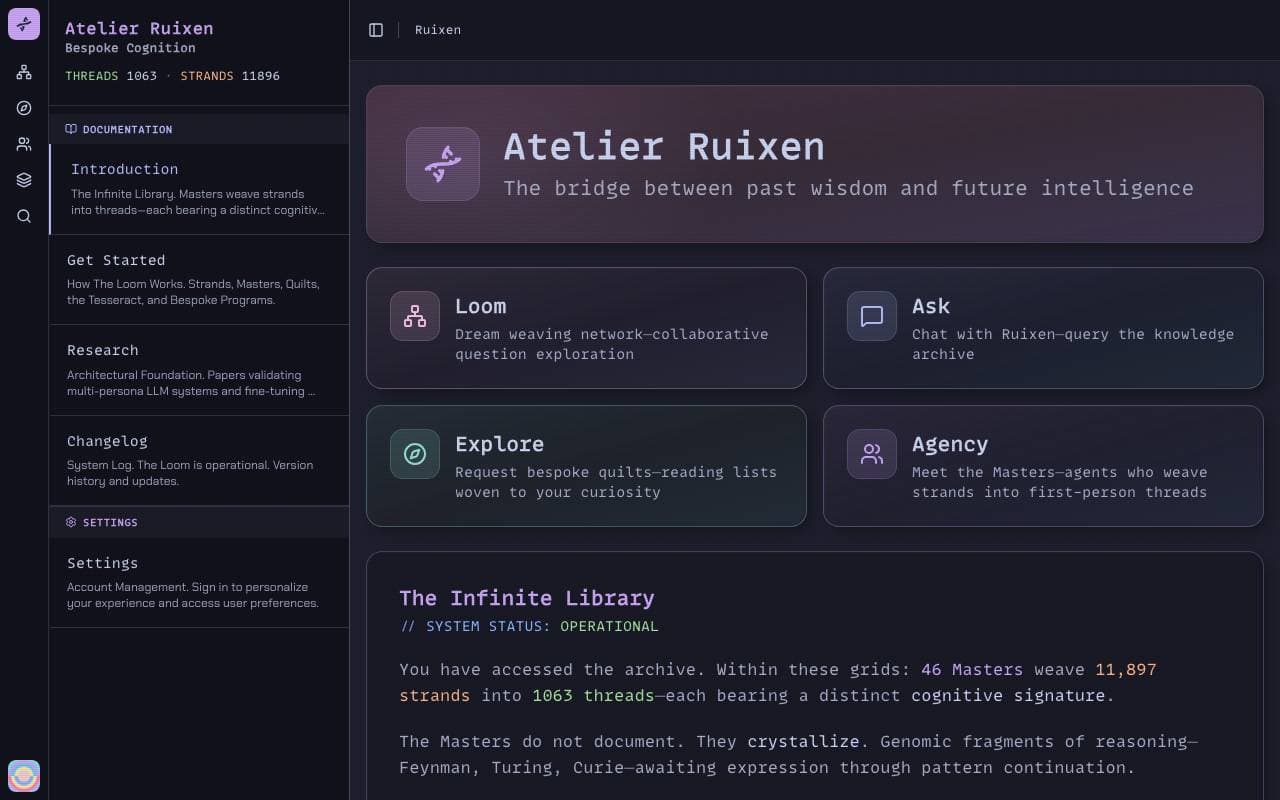

Atelier Ruixen
Research AI Agents
AI knowledge companion that refines questions and curates reading lists to turn scattered info into actionable insights.

Kosmos
Research AI Agents
Autonomous AI scientist for long research campaigns that analyzes data and literature to produce fully cited scientific reports.


OpenAI Deep Research
Research AI Agents
Autonomous AI agent that runs multi-step web research and delivers structured reports
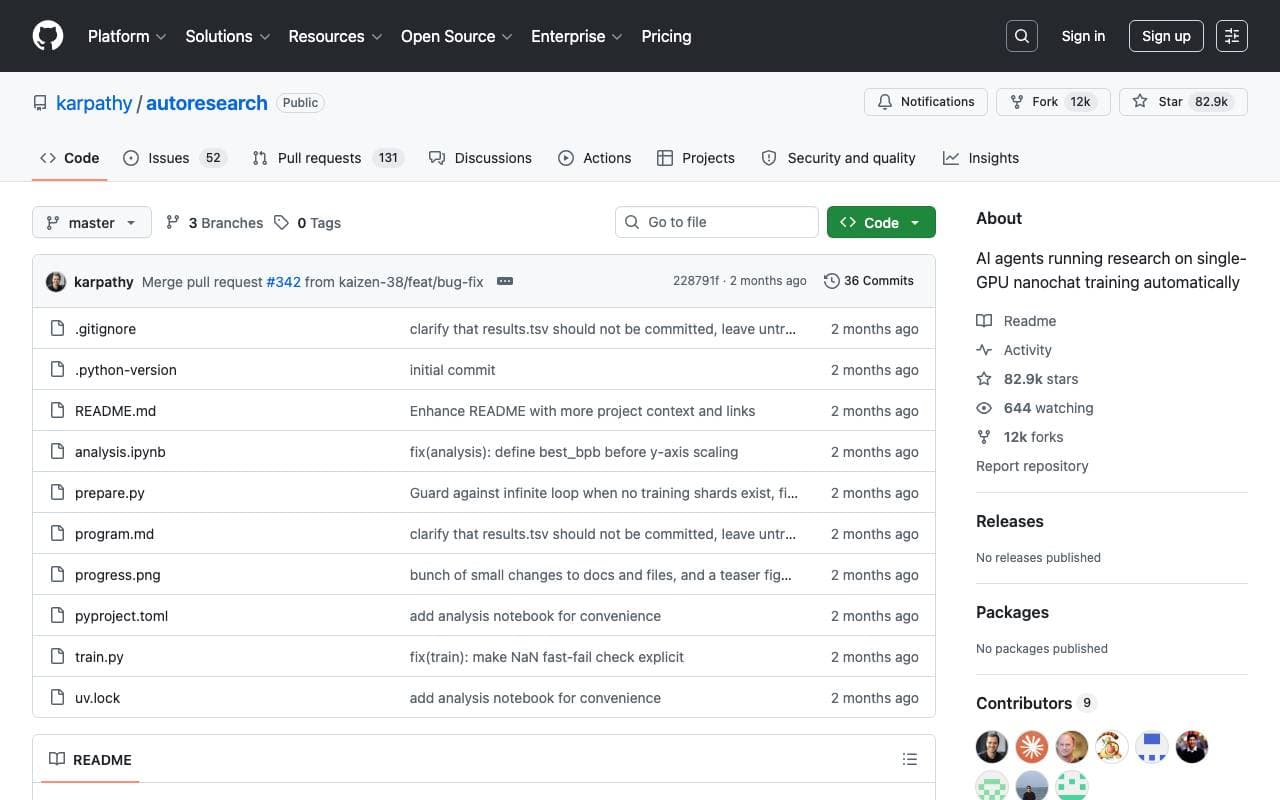

Autoresearch
Research AI Agents
An open-source project that lets AI agents autonomously run LLM training experiments and keep the best model changes.
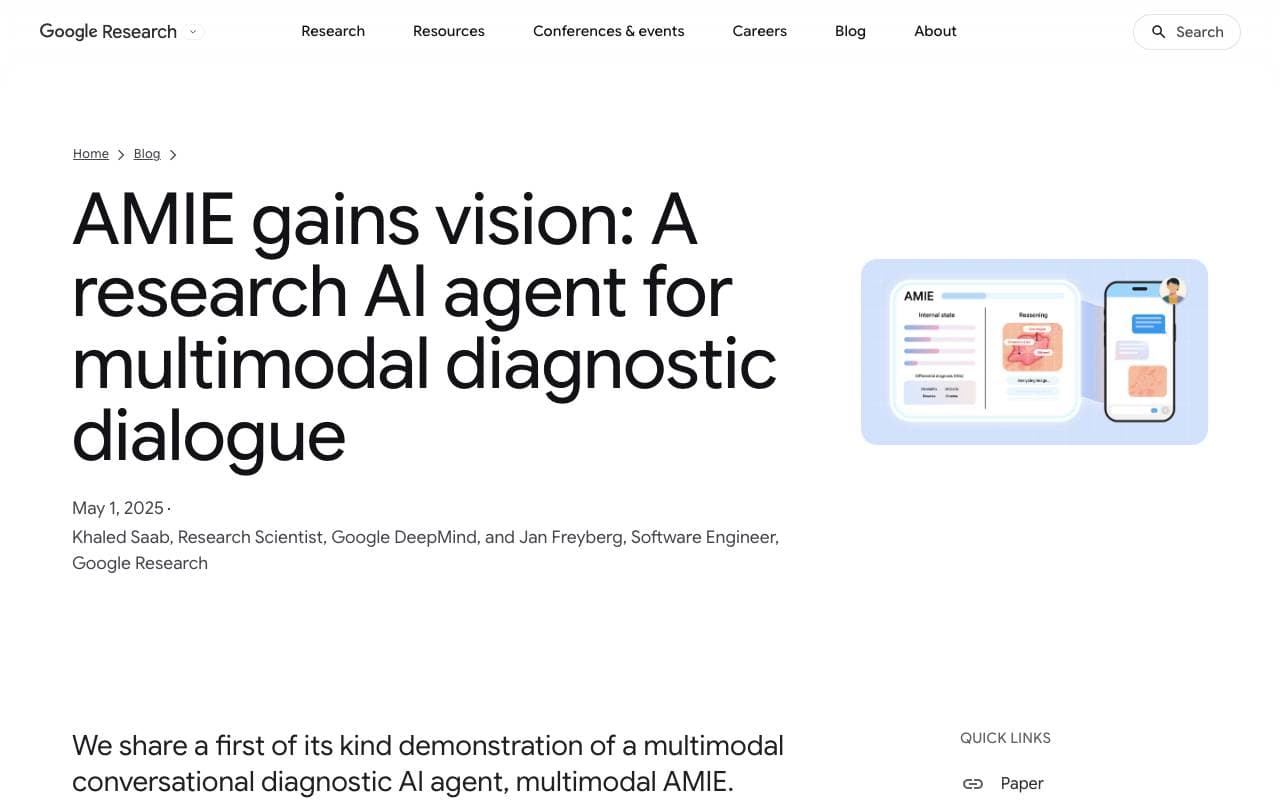

AMIE
Research AI Agents
A multimodal AI diagnostic agent that conducts clinical conversations and interprets medical images for accurate diagnoses.
Trending now
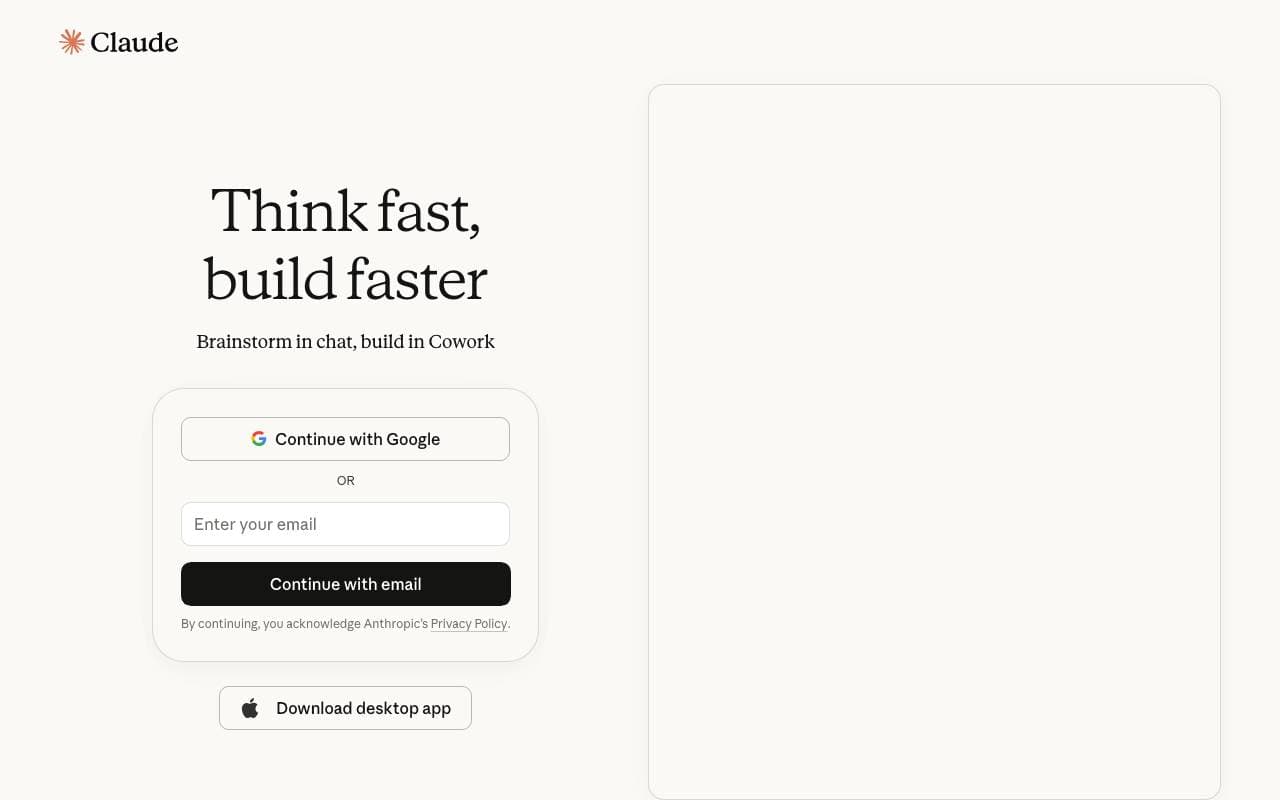

Claude
AI Agents & Chatbots
Conversational AI assistant from Anthropic for writing, analysis, coding, and document tasks

Doozer Ai
Sales Agent
Digital co-workers that automate operational workflows to boost team efficiency.
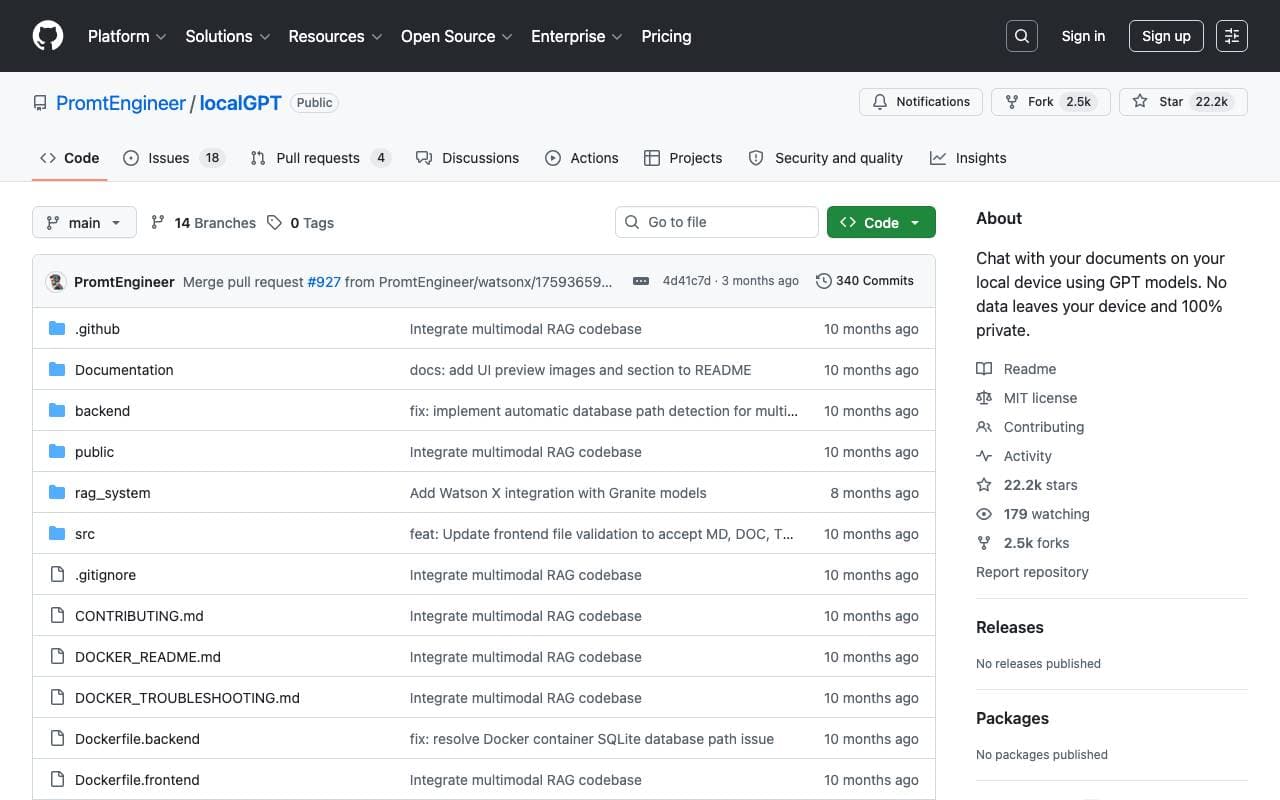

Local GPT
Other
Open-source local AI for private, offline document chat using GPT-style models on your own hardware.
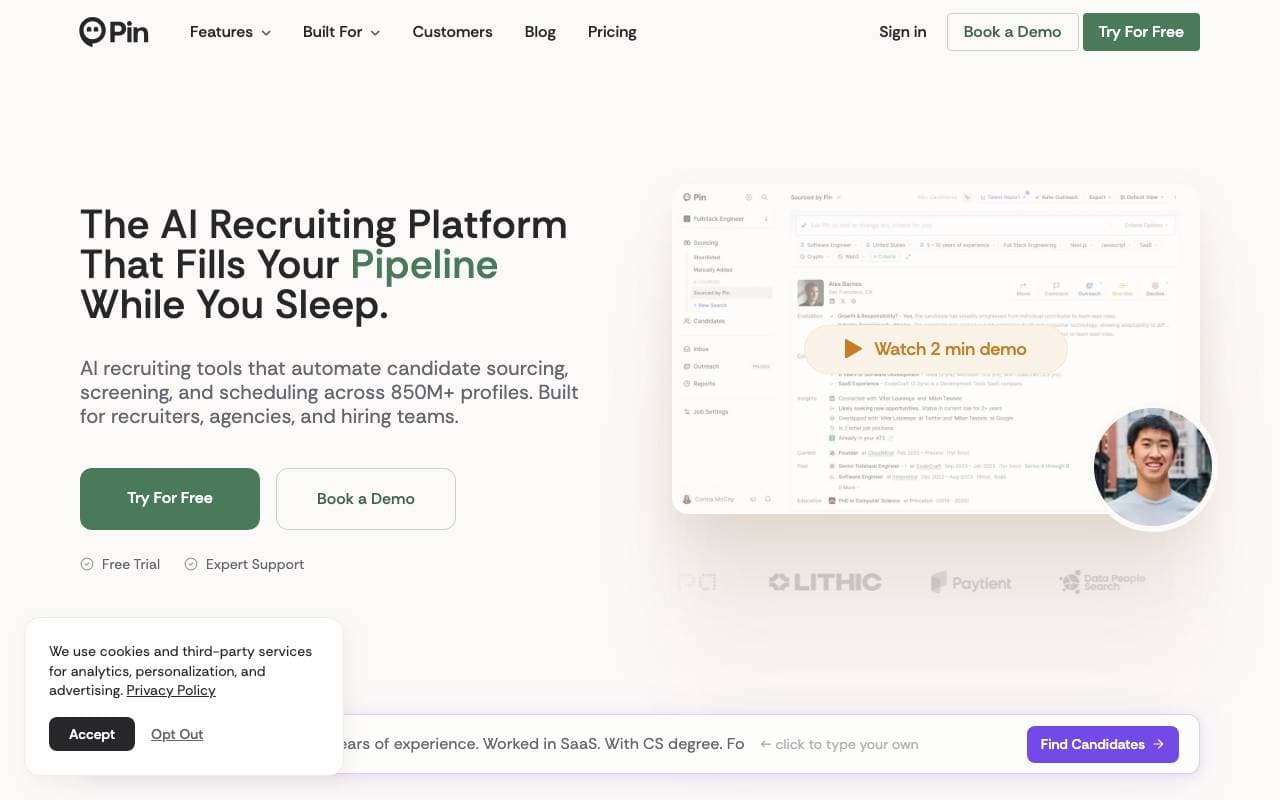

Pin AI
Workflow automation
Agentic AI recruiter that automates sourcing, screening, and outreach to accelerate hiring.