
Qevlar AIAutonomous SOC analyst that triages and investigates security alerts in minutes with SIEM/SOAR integrations and flexible deployment.

Overview
Key features
- Autonomous SOC analyst
- Investigates and responds across the stack
- Drives the next action based on incidents
- Compound institutional knowledge
- Connects SOC and vulnerability teams
- Shared intelligence layer for prioritizing real risk
Pricing
- Model
- Contact for pricing
- Category
- Virtual Workers
- Rating
- 4.5 / 5 (4)
Use cases
Automated Alert Triage
Autonomously triage incoming security alerts to reduce analyst workload and cut response times from hours to minutes.
Incident Investigation
Conduct end-to-end investigations of suspicious activity by correlating data across connected SIEM and SOAR platforms.
SOC Team Augmentation
Extend Security Operations Center capacity by handling repetitive Tier 1 analysis, freeing human analysts for complex threats.
Flexible Enterprise Deployment
Deploy in cloud or on-premises environments to meet enterprise security, compliance, and data residency requirements.
Pros & Cons
Pros
- Improve defense system over time through contextual intelligence
- Connects SOC and vulnerability teams through a shared intelligence layer
- Quick integration into an organization's environment
- Handles repetitive operational work
- Delivers incremental operational excellence
Cons
- Dependent on quality of data input
- May require significant initial setup
- Limited flexibility in customizable workflows
- Dependent on the quality of the organization's current defense system
Reviews
Average from 4 ratings.
Sign in to leave a review.
Use it every day
Honestly didn't expect to like it this much. The integrations is exactly what I needed, and it is genuinely easy to set up. I do wish pricing gets steep at scale, but I reach for it almost every day now and it just clicks.
Solid for our team
We rolled this out across the team last quarter and the value for money is strong. The API fits neatly into how we already work, and the dashboard removed a step we used to do by hand. A few rough edges remain, which is the main caveat, but it has held up under daily use.
Compared a few options
Evaluated this against two competitors. Where it wins: the automation and it is genuinely easy to set up. Where it lags: the mobile experience lags. On balance the feature set — especially the integrations — justifies the 4 stars for our use case.
Years in this space
I've evaluated a lot of these over the years. What stands out here is the onboarding — handled better than most — and it is genuinely easy to set up. Pricing gets steep at scale is my one real gripe. Worth the time if this is your use case.
Q&A
What is the main use case for Qevlar AI?
It acts as an autonomous SOC analyst, automatically triaging and investigating security alerts in minutes. This helps SOC teams reduce alert fatigue, accelerate response times, and focus human analysts on higher-priority incidents.
How does Qevlar AI fit into our existing security stack?
Qevlar AI integrates with SIEM and SOAR platforms, allowing it to ingest alerts, triage them, and run investigations within your current workflows rather than requiring a rip-and-replace of your security tooling.
What deployment options are available?
Qevlar AI offers flexible deployment, so it can be adapted to different infrastructure and security requirements. For specifics on cloud, on-prem, or hybrid options suited to your environment, contact the vendor directly.
Ask a question
Virtual Workers alternatives


Avaamo
Virtual Workers
Enterprise conversational AI platform for building virtual agents and digital workers across business functions.


Hugging Face Open Computer Agent
Virtual Workers
An open-source AI agent that automates web tasks by simulating user interactions in a virtual Linux environment.
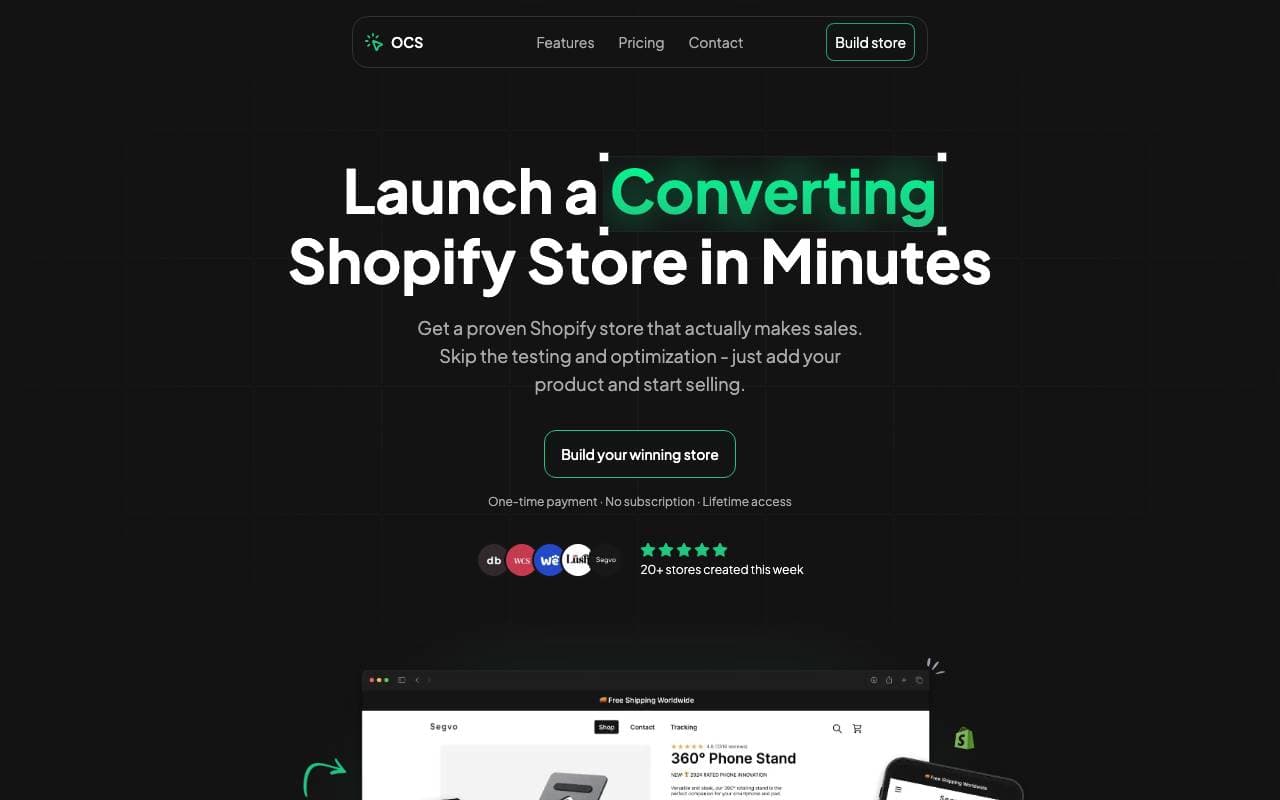

One Click Store
Virtual Workers
AI-powered platform for launching eCommerce stores in minutes with automated content and SEO.
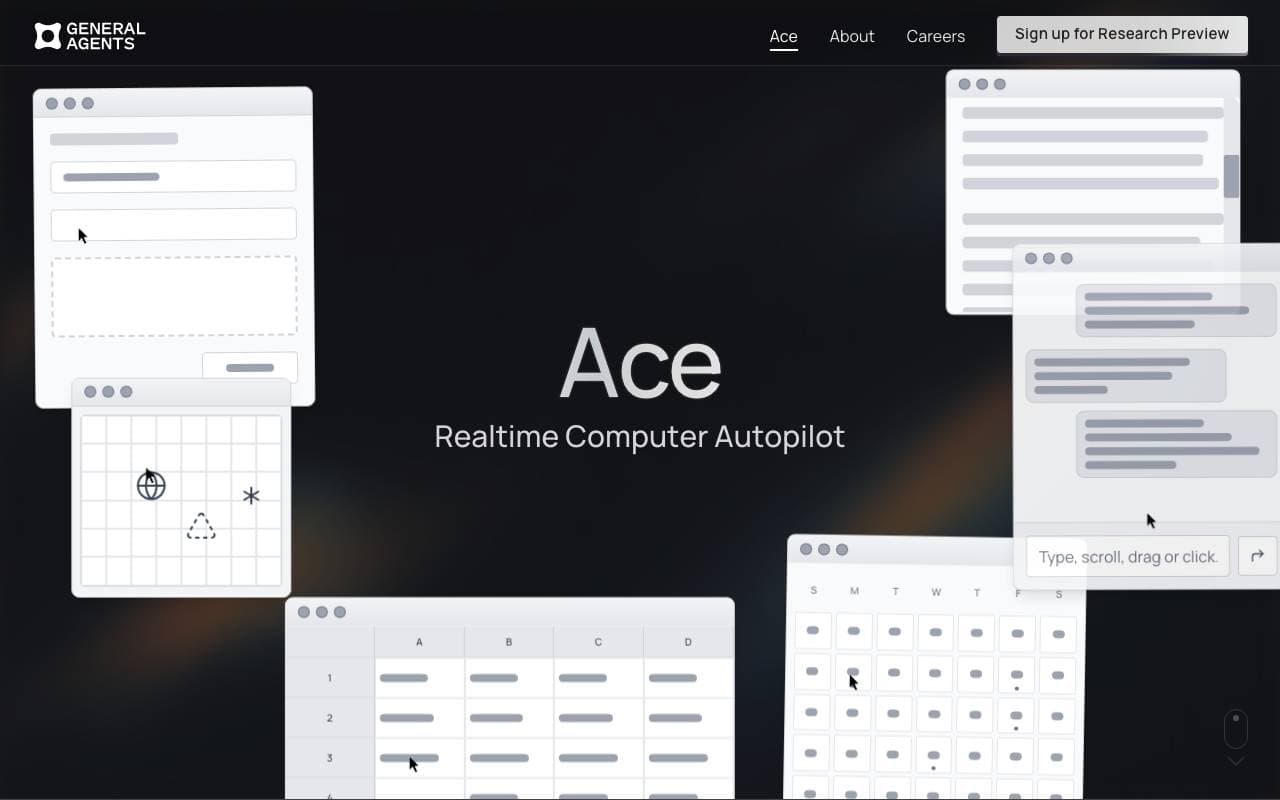

Ace by General Agents
Virtual Workers
Desktop AI agent that automates tasks by controlling your mouse and keyboard like a human user.
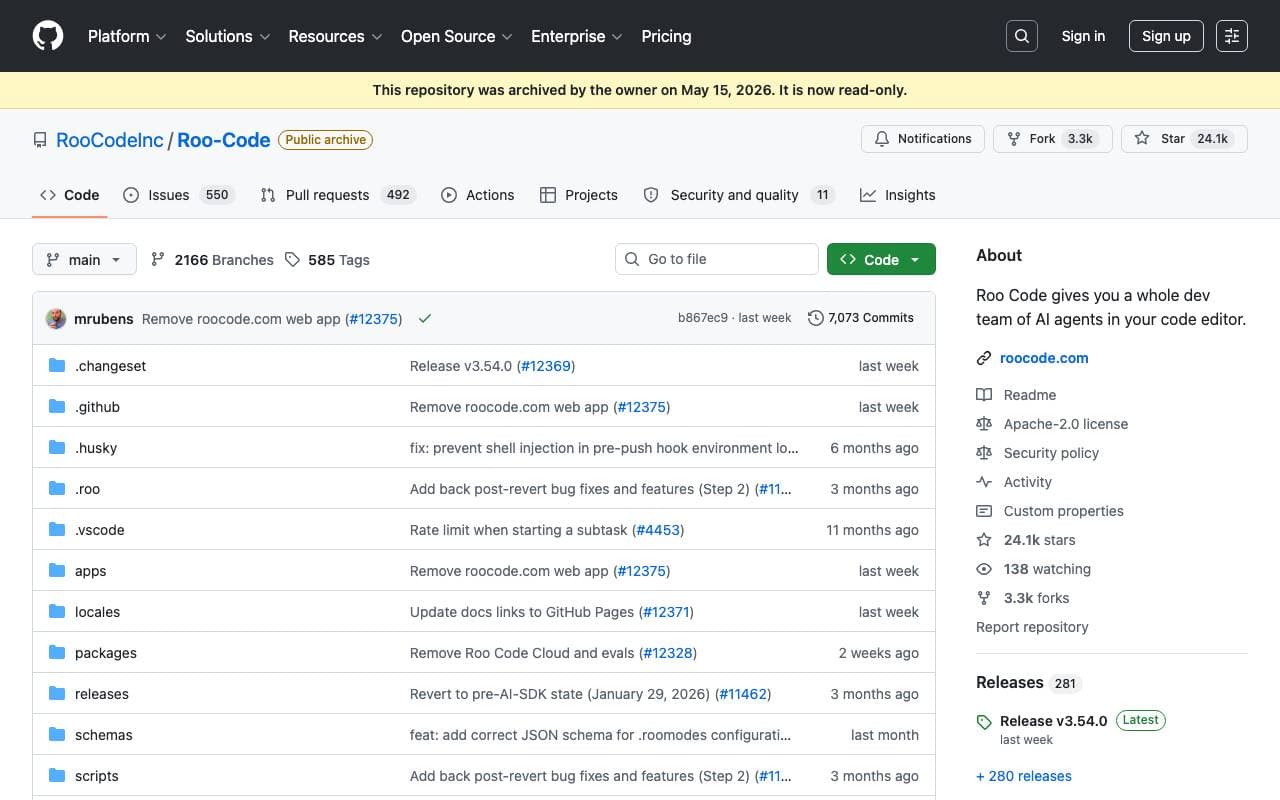

Roo Code
Virtual Workers
An autonomous open-source AI agent that can code, debug, and evolve software with minimal human intervention.


Tally AI
Virtual Workers
AI agents that automate repetitive accounting, tax, and audit tasks inside your existing systems.


Perplexity Computer
Virtual Workers
Always-on digital worker that executes full workflows using app connectors, research, coding, and scheduled monitoring and actions.
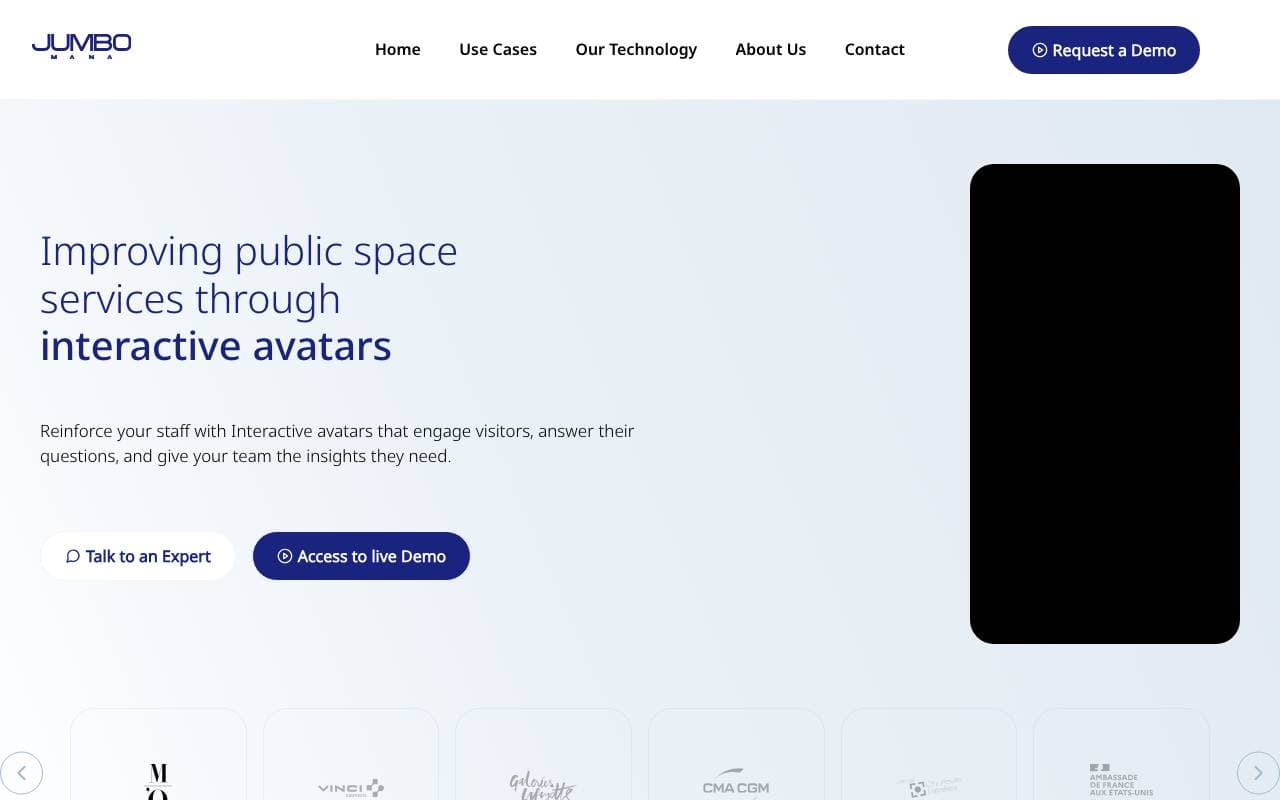

Jumbo Mana
Virtual Workers
Creates interactive AI avatars, including digital twins, for enhanced user engagement.
Trending now

Doozer Ai
Sales Agent
Digital co-workers that automate operational workflows to boost team efficiency.

Pin AI
Workflow automation
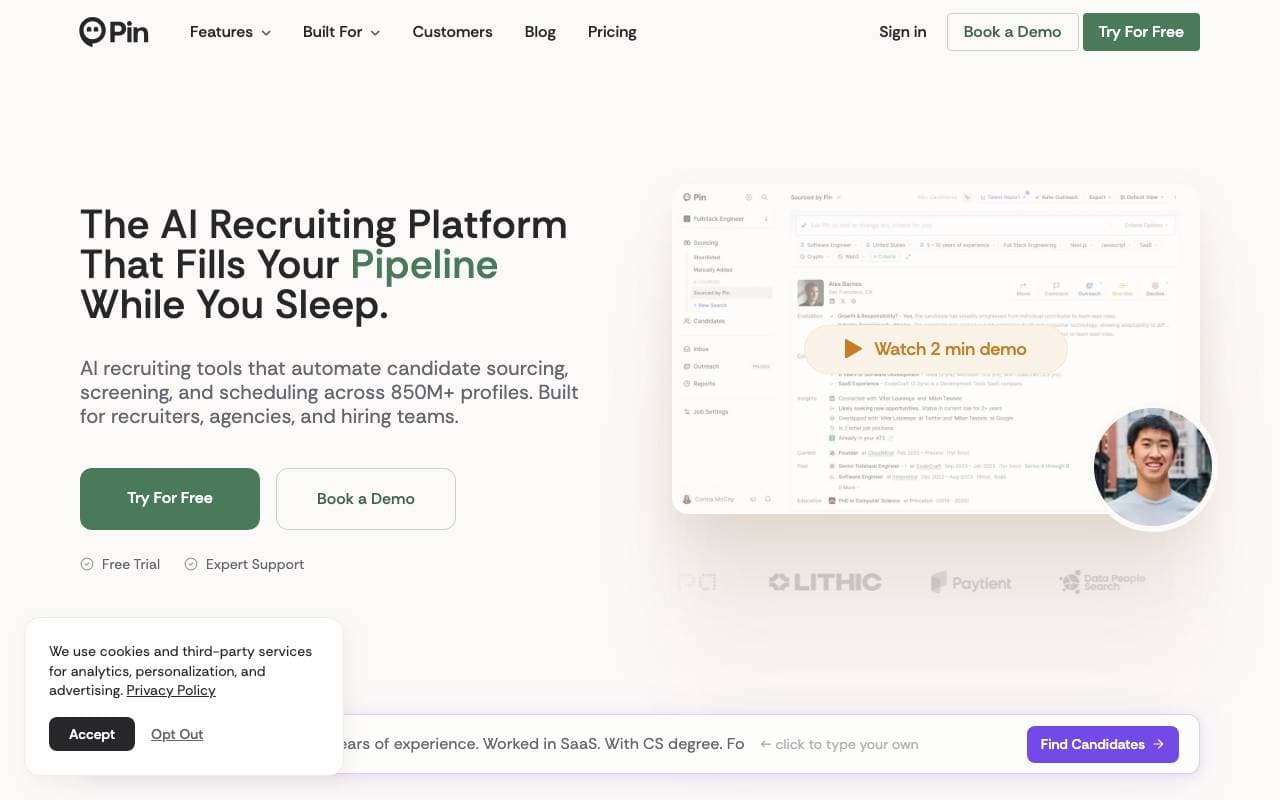
Agentic AI recruiter that automates sourcing, screening, and outreach to accelerate hiring.

Local GPT
Other
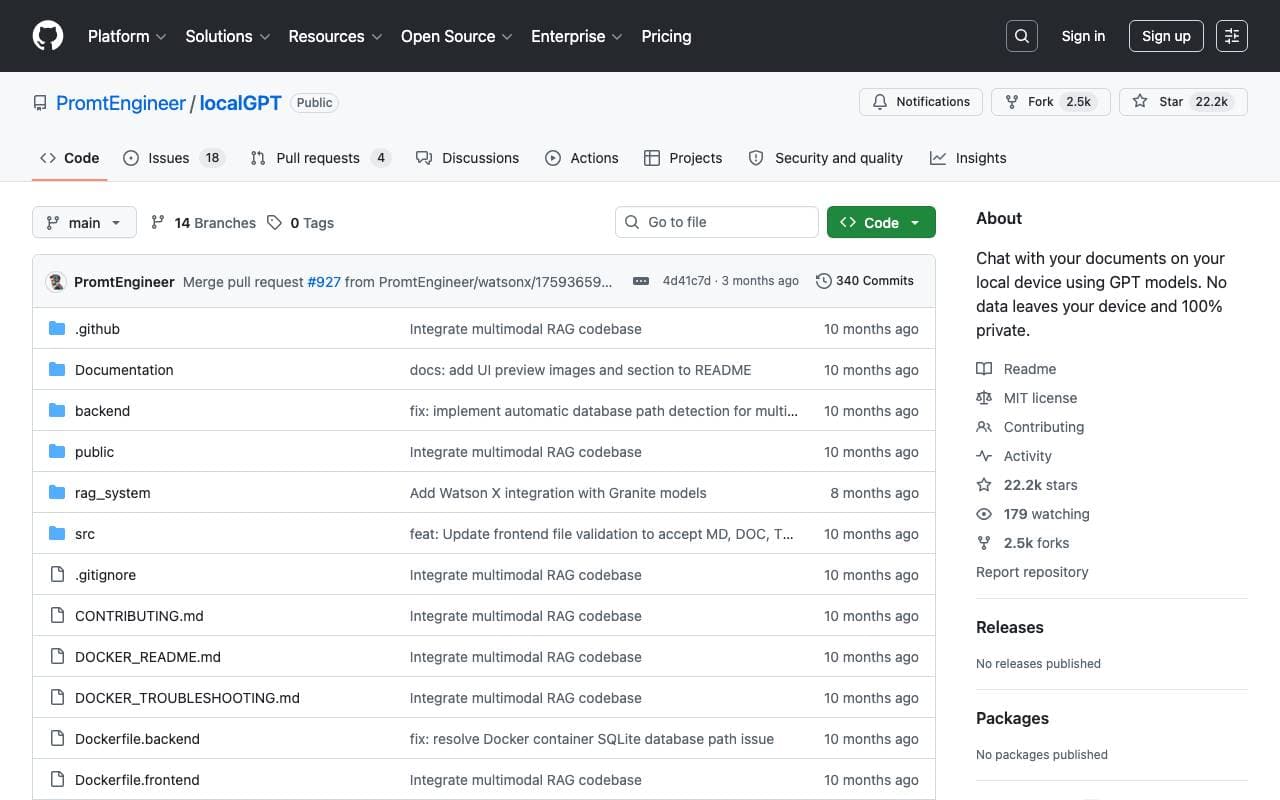
Open-source local AI for private, offline document chat using GPT-style models on your own hardware.


Claude
AI Agents & Chatbots
Conversational AI assistant from Anthropic for writing, analysis, coding, and document tasks