
Mem0A persistent memory layer designed to provide long-term, personalized context for large language models and AI agents.

Overview
Key features
- Multi-Level Memory (User, Session, Agent state)
- Single-pass, add-only memory extraction
- Entity linking for retrieval boosting
- Multi-signal retrieval (semantic, BM25, entity matching)
- Temporal reasoning for time-aware retrieval
- Developer API, Python SDK, Node.js CLI
Pricing
- Model
- Free
- Category
- AI Agent Memory
- Rating
- 4.3 / 5 (6)
Use cases
Personalized AI Chatbots
Give chatbots long-term memory of user preferences, facts, and past conversations so they deliver coherent, personalized responses across multiple sessions.
Stateful AI Agents
Equip autonomous agents with persistent context, allowing them to recall prior decisions, user goals, and history when executing multi-step tasks over time.
AI Assistants with User Profiles
Build assistants that automatically extract and update facts about each user, retrieving relevant context to tailor recommendations and interactions.
Self-Hosted Memory for Enterprise LLM Apps
Deploy Mem0 on-premise alongside chosen LLMs and vector stores to add memory capabilities while keeping user data within internal infrastructure.
Pros & Cons
Pros
- Provides persistent, multi-level memory (User, Session, Agent) for AI.
- Utilizes advanced retrieval mechanisms including multi-signal and temporal reasoning.
- Developer-friendly with APIs, CLI, and cross-platform SDKs.
- Supports flexible deployment options: library, self-hosted, or cloud.
- Reported high scores on memory evaluation benchmarks.
Cons
- Memory storage is 'ADD-only', potentially leading to accumulating data over time.
- Self-hosted setup requires explicit configuration for authentication.
- Explicit update or delete operations for specific memories are not highlighted.
Reviews
Average from 6 ratings.
Sign in to leave a review.
Solid for our team
We rolled this out across the team last quarter and improves personalization and user experience. Search and retrieval of stored context fits neatly into how we already work, and sDKs for Python and JavaScript removed a step we used to do by hand. but it has held up under daily use.
Solid for our team
We rolled this out across the team last quarter and works with multiple LLM and vector DB providers. Search and retrieval of stored context fits neatly into how we already work, and automatic fact extraction and updates removed a step we used to do by hand. Requires integration work and tuning, which is the main caveat, but it has held up under daily use.
Compared a few options
Evaluated this against two competitors. Where it wins: automatic fact extraction and updates and works with multiple LLM and vector DB providers. Where it lags: adds another component to manage in the stack. On balance the feature set — especially sDKs for Python and JavaScript — justifies the 4 stars for our use case.
Years in this space
I've evaluated a lot of these over the years. What stands out here is persistent user and session memory — handled better than most — and improves personalization and user experience. Worth the time if this is your use case.
Skeptical, then convinced
I went in skeptical — most tools in this space overpromise. It actually delivers on sDKs for Python and JavaScript, and offers both hosted and open-source options caught me off guard. Adds another component to manage in the stack is why this isn't a perfect score, still, I'd recommend giving it a real trial.
Does the job
Pretty happy overall. Persistent user and session memory just works and works with multiple LLM and vector DB providers. Requires integration work and tuning can be annoying, but no dealbreakers — I'd recommend it to a friend without hesitating.
Q&A
No questions yet — be the first to ask.
Ask a question
AI Agent Memory alternatives
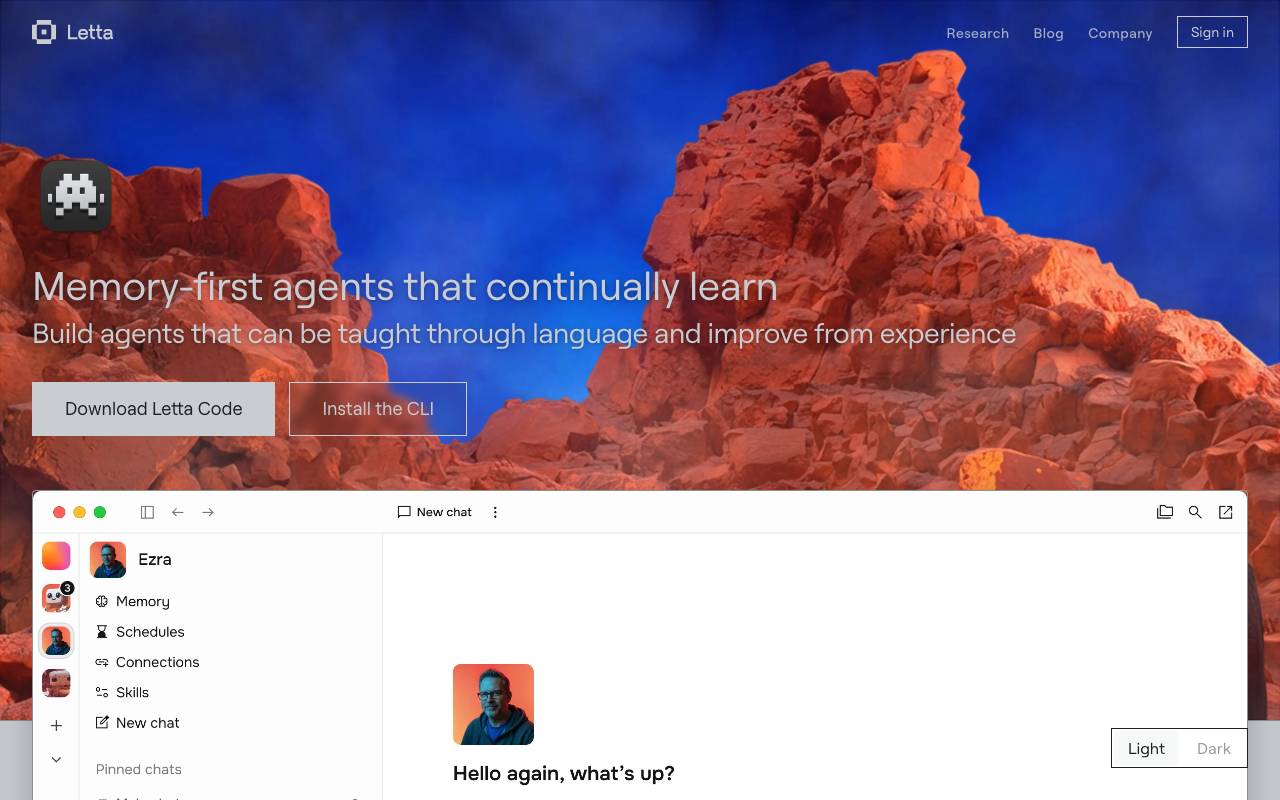
Letta
AI Agent Memory
Framework for building stateful AI agents with long-term memory and continuous learning.
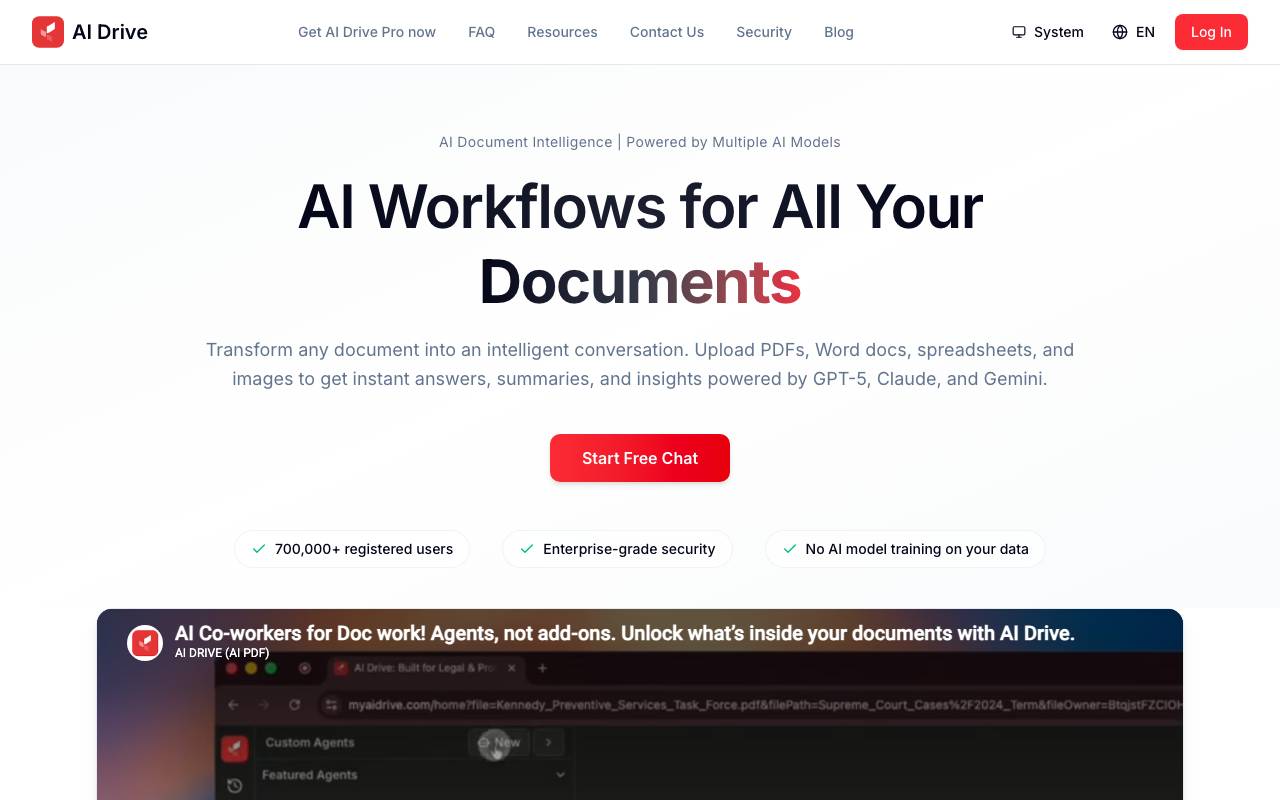

AI Drive
AI Agent Memory
Cloud storage with AI capabilities for document analysis, search, and collaboration.
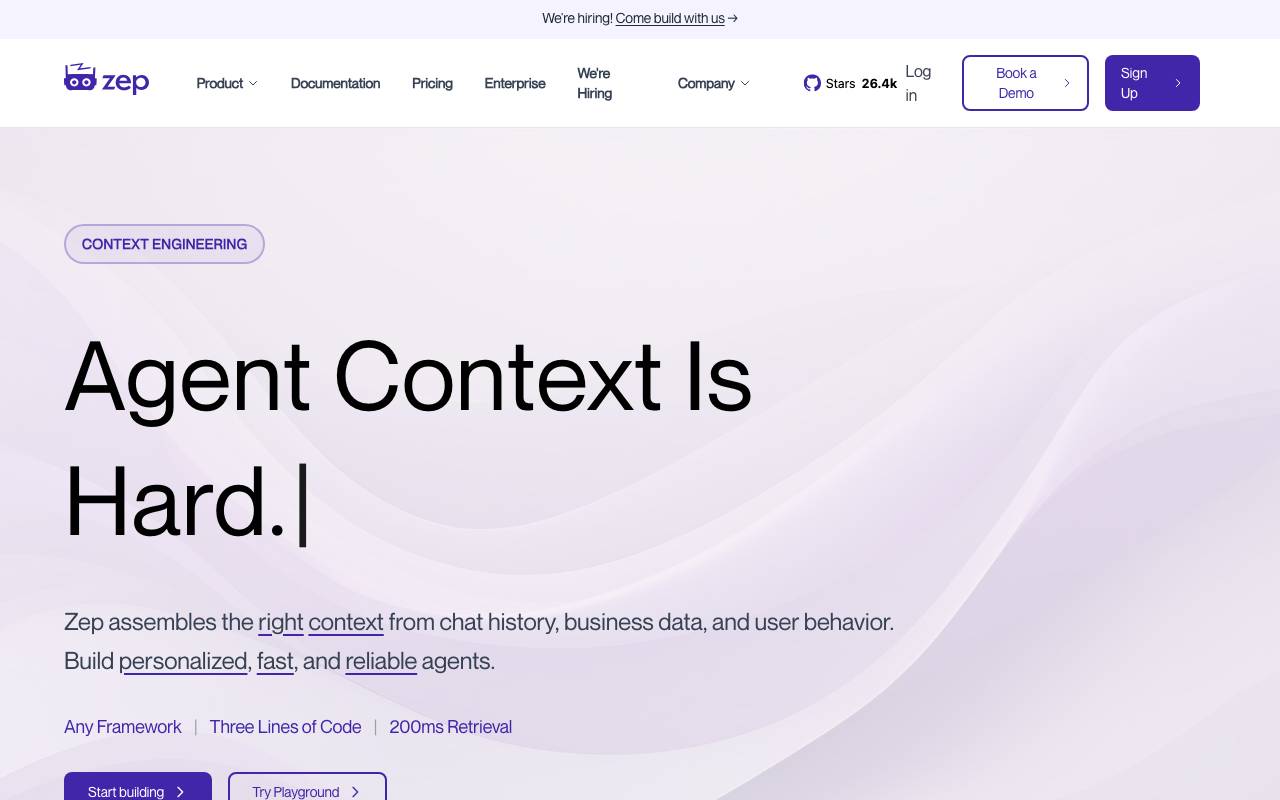

Zep
AI Agent Memory
Agent memory platform for enterprise-scale AI, built on context graphs.