
Magentic OneOpen-source generalist multi-agent system for tackling complex, multi-step tasks

Overview
Key features
- Orchestrator agent for planning and task tracking
- WebSurfer agent for browser-based actions
- FileSurfer agent for local file navigation
- Coder and ComputerTerminal agents for code tasks
- Built on the AutoGen multi-agent framework
- AutoGenBench integration for evaluation
Pricing
- Model
- Freemium
- Category
- Multimodal AI
- Rating
- 5.0 / 5 (4)
Use cases
Automate complex web research tasks
Use the Orchestrator and WebSurfer agents to browse sites, gather information, and synthesize findings across multi-step research workflows.
Coordinate file and code operations
Delegate to FileSurfer, Coder, and ComputerTerminal agents to navigate local files, write code, and execute commands as part of a larger task.
Benchmark agentic AI systems
Leverage the AutoGenBench evaluation harness to measure and compare multi-agent performance on standardized tasks in a reproducible way.
Extend a baseline for agent research
Adapt the modular AutoGen-based architecture to prototype new specialist agents or orchestration strategies for domain-specific experiments.
Pros & Cons
Pros
- Open-source and extensible architecture
- Handles multi-step tasks across web, files, and code
- Modular specialist agents coordinated by an orchestrator
- Includes benchmarking tools for reproducible evaluation
Cons
- Research preview, not production-ready
- Requires technical setup and LLM API access
- Autonomous browsing and code execution carry safety risks
- Performance depends heavily on the underlying model
Reviews
Average from 4 ratings.
Sign in to leave a review.
Years in this space
I've evaluated a lot of these over the years. What stands out here is autoGenBench integration for evaluation — handled better than most — and open-source and extensible architecture. Worth the time if this is your use case.
Use it every day
Honestly didn't expect to like it this much. WebSurfer agent for browser-based actions is exactly what I needed, and open-source and extensible architecture. but I reach for it almost every day now and it just clicks.
Skeptical, then convinced
I went in skeptical — most tools in this space overpromise. It actually delivers on built on the AutoGen multi-agent framework, and open-source and extensible architecture caught me off guard. still, I'd recommend giving it a real trial.
Years in this space
I've evaluated a lot of these over the years. What stands out here is orchestrator agent for planning and task tracking — handled better than most — and includes benchmarking tools for reproducible evaluation. Worth the time if this is your use case.
Q&A
No questions yet — be the first to ask.
Ask a question
Multimodal AI alternatives

Algomo
Multimodal AI
AI-powered customer support automation across chat, email, and messaging channels.

AgentFi
Multimodal AI
Build, customize, and share on-chain AI agents for DeFi workflows.

Project Astra
Multimodal AI
Google DeepMind's universal AI agent that sees, hears, and reasons about the world in real time.
Auralis AI
Multimodal AI
AI-powered customer support automation that assists agents and improves satisfaction.
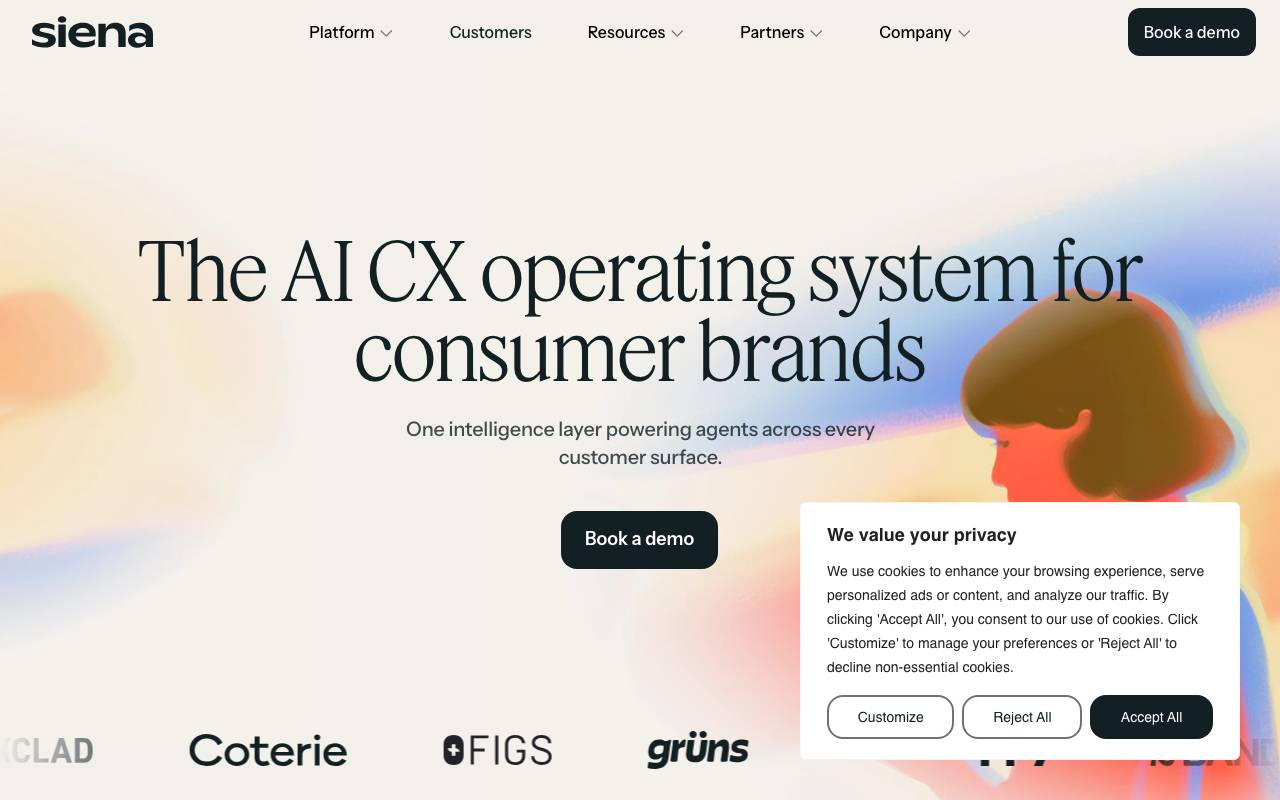
Siena AI
Multimodal AI
Autonomous AI customer service agent built for empathetic e-commerce support
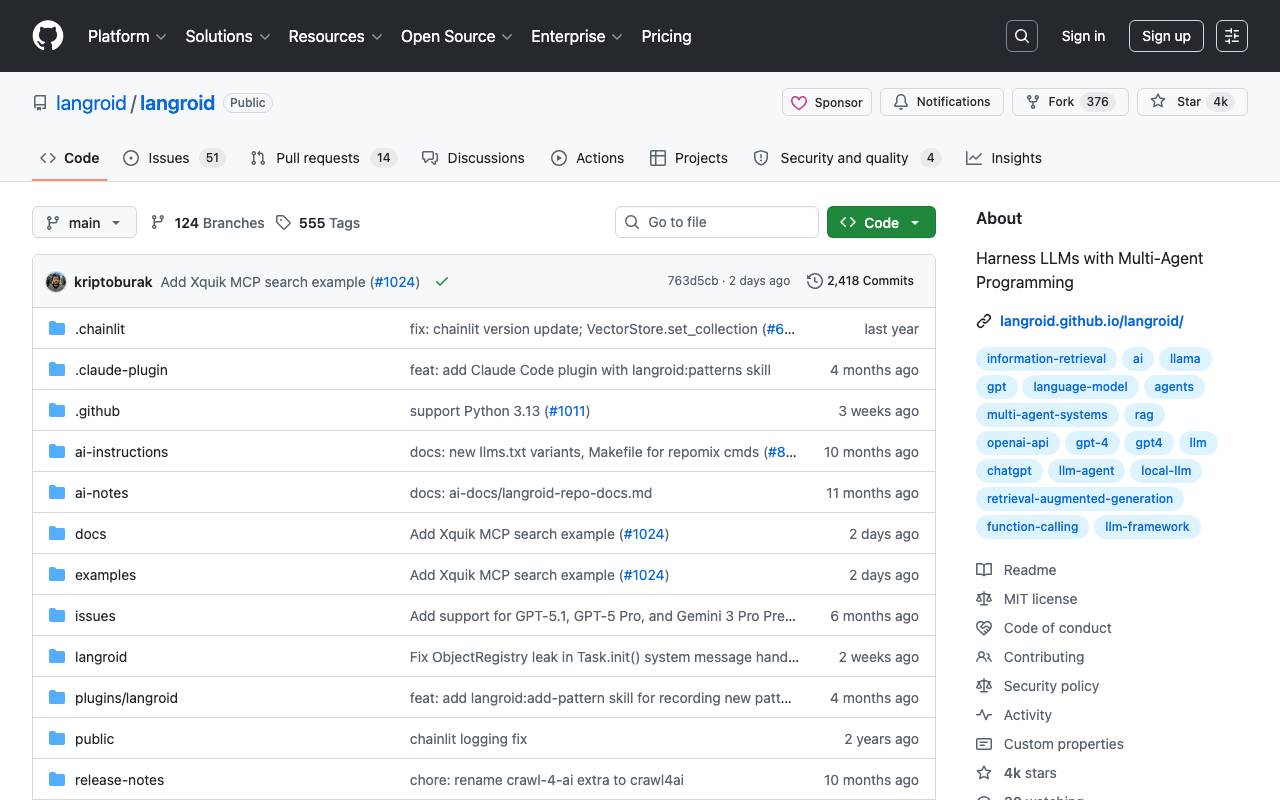

Langroid
Multimodal AI
An open-source Python framework that simplifies LLM application development using a multi-agent programming paradigm.
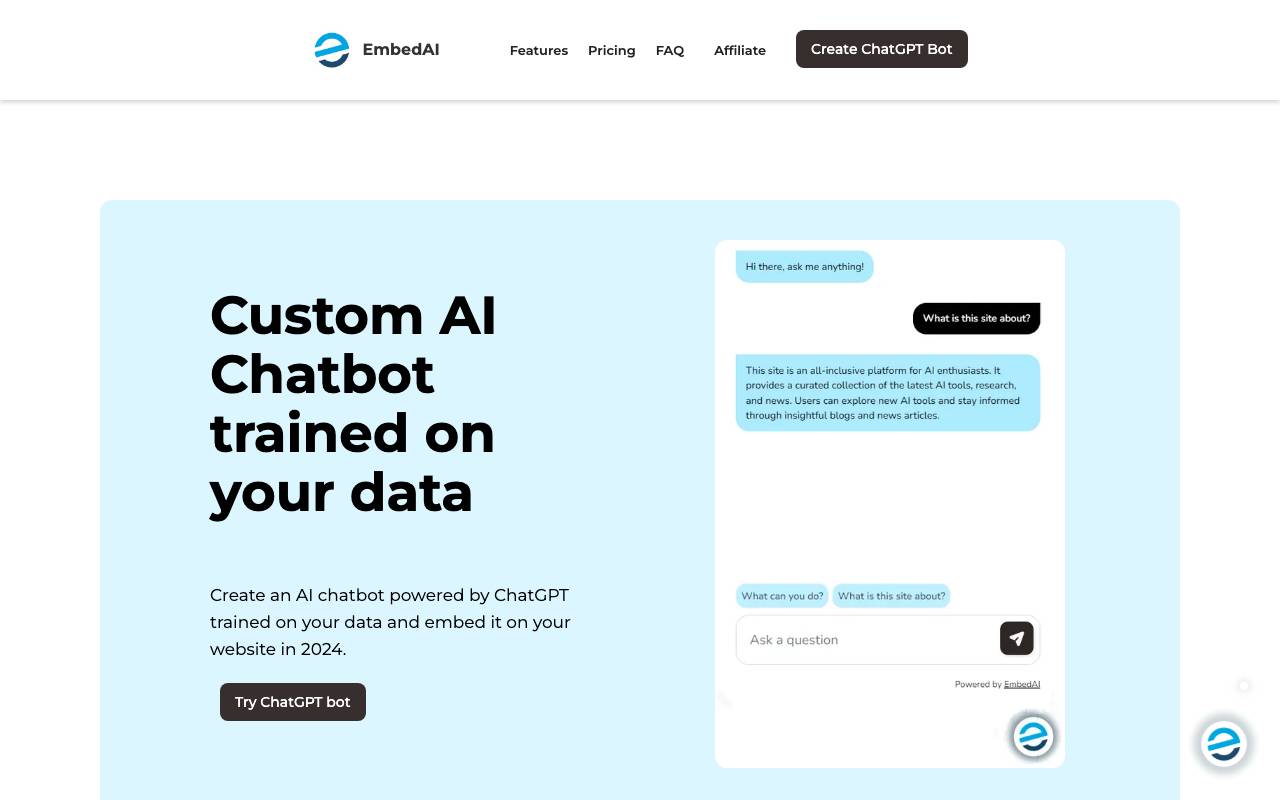

EmbedAI
Multimodal AI
Build custom ChatGPT-powered chatbots trained on your own data and embed them anywhere.


Lumivar
Multimodal AI
AI agents built for the automotive industry