
LLMStackOpen-source platform for building AI agents and applications with custom data, supporting diverse LLM providers.

Overview
Key features
- Open-source platform
- Model chaining functionality
- Integration with major LLM providers (OpenAI, Cohere, Hugging Face)
- Data import from Web URLs, PDFs, Audio, Google Drive, Notion
- Collaborative app building with roles
- Granular application access permissions
Pricing
- Model
- Freemium
- Category
- AI Agent Platform
- Rating
- 4.7 / 5 (6)
Use cases
Build internal chatbots on private data
Teams can ingest company documents into vector storage and create no-code chatbots that answer questions using their own data, deployed as embeddable widgets or shared apps.
Prototype multi-step AI workflows visually
Non-developers use the visual builder to chain LLMs and processors into multi-step agents, letting product teams test ideas before engineers extend them with custom code.
Expose AI apps as APIs for products
Every app built in LLMStack gets an API endpoint, making it easy to integrate generated agents and pipelines into existing software, websites, or backend services.
Self-host AI for data-sensitive teams
Organizations needing control over data and model choice can self-host LLMStack, switch between LLM providers, and keep sensitive information inside their own infrastructure.
Pros & Cons
Pros
- Open-source for flexible deployment and customization
- Supports a wide range of major LLM providers
- Extensive data source integration for custom knowledge bases
- Facilitates collaborative application development
- Granular access control for sharing built applications
Cons
- Self-hosting may require technical expertise for deployment and maintenance
- Core intelligence relies on external, third-party LLM services
- Specific performance characteristics may depend on chosen LLM and infrastructure
Reviews
Average from 6 ratings.
Sign in to leave a review.
Does the job
Pretty happy overall. Extensible processor architecture just works and works with multiple LLM providers. but no dealbreakers — I'd recommend it to a friend without hesitating.
Does the job
Pretty happy overall. App sharing and embedding options just works and works with multiple LLM providers. but no dealbreakers — I'd recommend it to a friend without hesitating.
Years in this space
I've evaluated a lot of these over the years. What stands out here is app sharing and embedding options — handled better than most — and deployable as APIs or embeds. Self-hosting requires technical setup is my one real gripe. Worth the time if this is your use case.
Use it every day
Honestly didn't expect to like it this much. Custom data sources and vector storage is exactly what I needed, and visual no-code builder for agents and pipelines. but I reach for it almost every day now and it just clicks.
Skeptical, then convinced
I went in skeptical — most tools in this space overpromise. It actually delivers on aPI endpoints for every app, and visual no-code builder for agents and pipelines caught me off guard. Self-hosting requires technical setup is why this isn't a perfect score, still, I'd recommend giving it a real trial.
Use it every day
Honestly didn't expect to like it this much. App sharing and embedding options is exactly what I needed, and built-in data ingestion and retrieval. I do wish smaller ecosystem than commercial rivals, but I reach for it almost every day now and it just clicks.
Q&A
No questions yet — be the first to ask.
Ask a question
AI Agent Platform alternatives
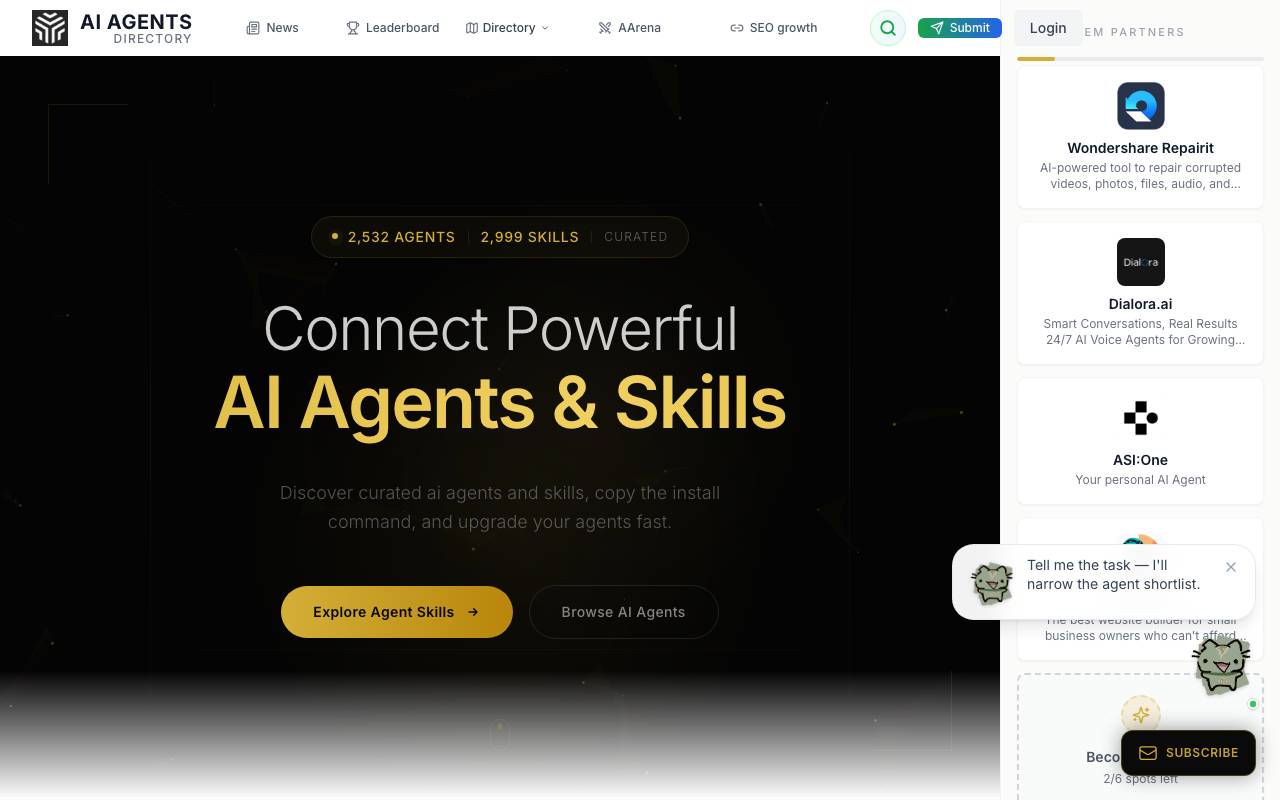

AI Agents Directory
AI Agent Platform
A curated marketplace for discovering and comparing AI agents across business use cases.
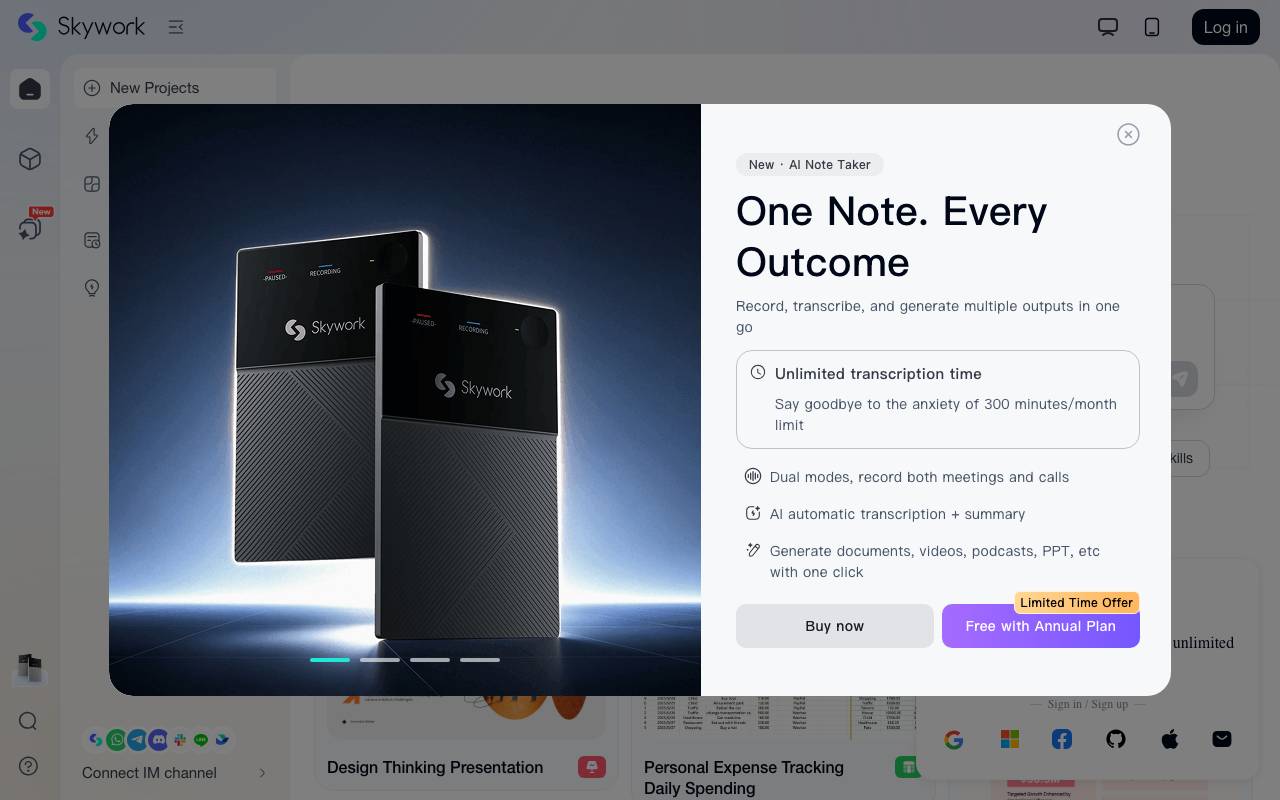

Skywork
AI Agent Platform
Agent-driven workspace for docs, slides, sheets, images, and multimedia content
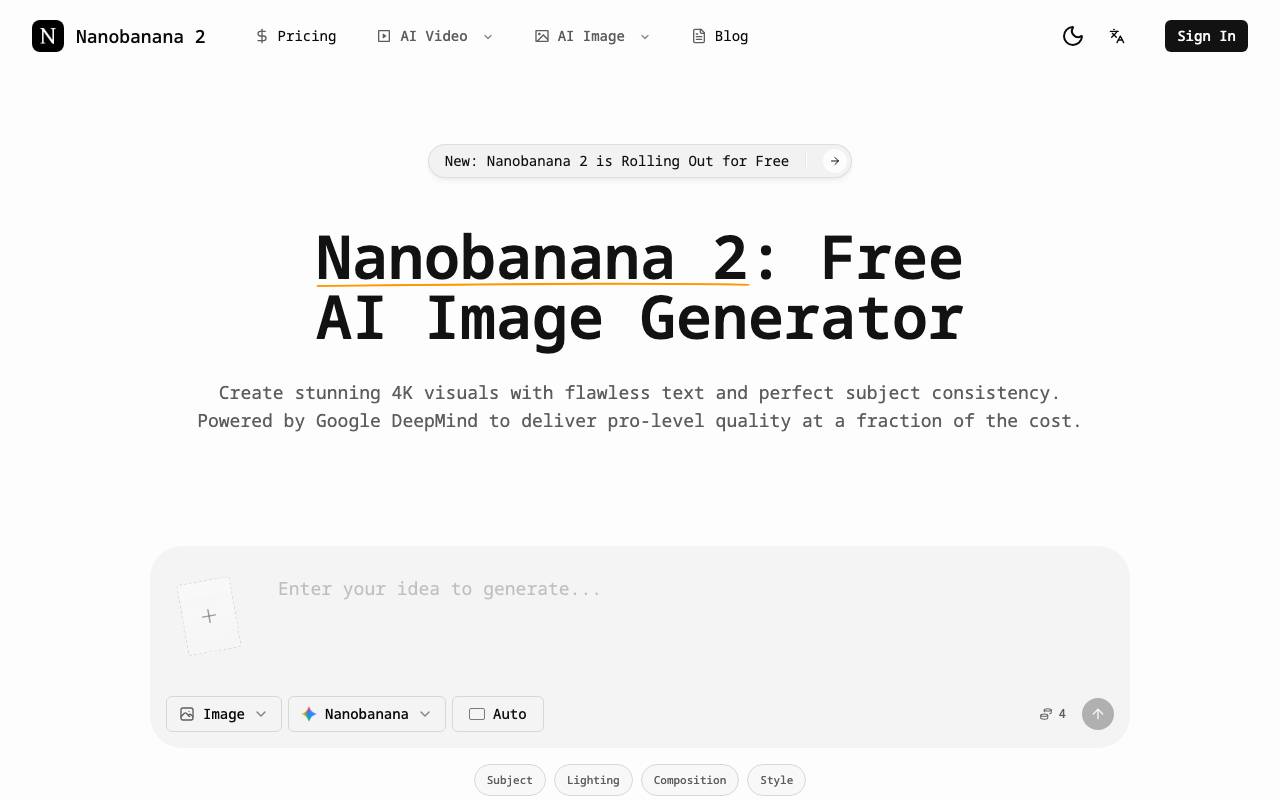

Nanobanana 2
AI Agent Platform
AI image generator focused on 4K detail, legible in-image text, and consistent subjects across scenes.


Z-Image
AI Agent Platform
AI-powered image generation and editing for creators who want fast, flexible visual results.


TaskingAI
AI Agent Platform
A cloud platform for building, deploying, and managing LLM agents.
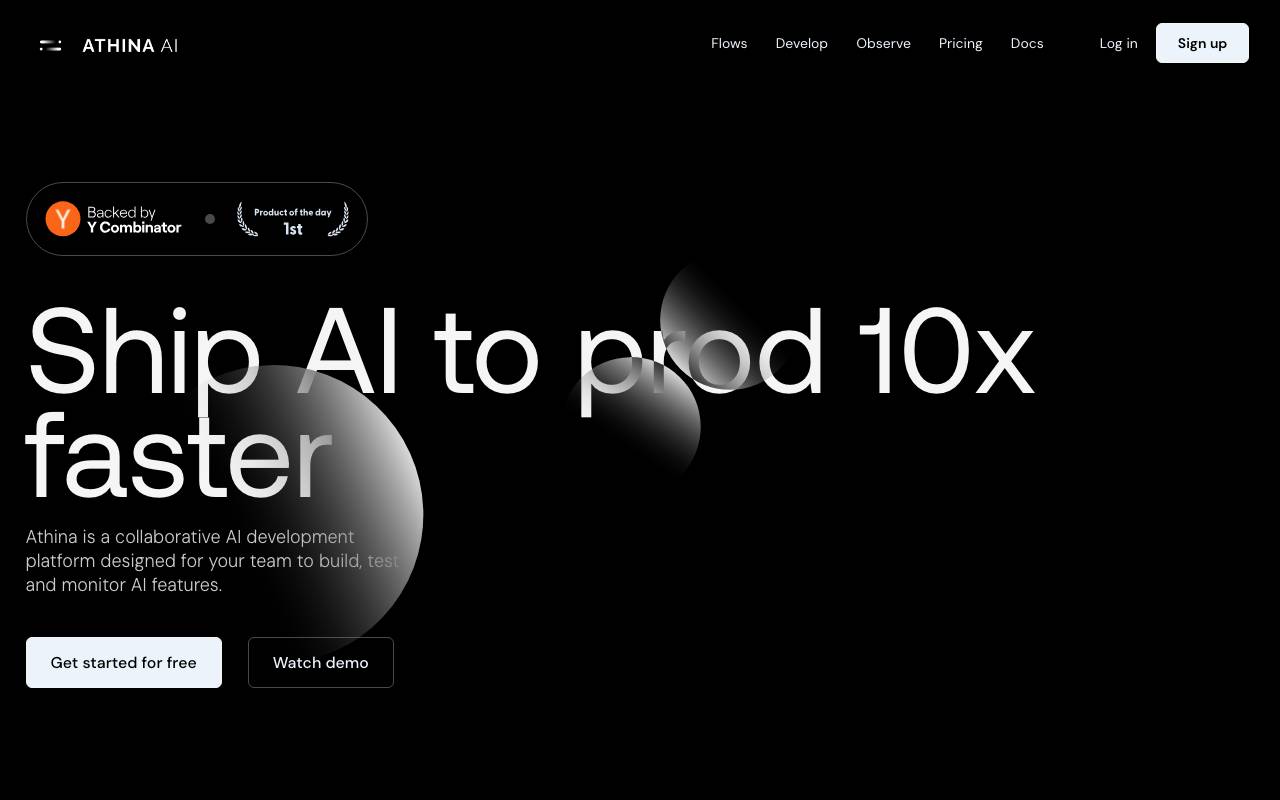
Athina AI
AI Agent Platform
Collaborative AI development platform for building, testing, and monitoring AI features.


AI Frame
AI Agent Platform
All-in-one AI creative studio for generating images, video, and content from a single workspace.