
AnamapAI analyst that investigates GA4 or Amplitude data to explain product and growth metric changes and recommend next steps

Overview
Key features
- Cartos AI analyst that investigates product and web analytics
- GA4 and Amplitude data connections
- Detection of shifts across acquisition, activation, conversion, and retention
- Evidence-backed cause analysis with competing explanations and caveats
- Recommended next-step output tied to each finding
- Persistent company, KPI, release, and decision memory
Pricing
- Model
- Paid
- Category
- AI Data Analysts
- Rating
- 5.0 / 5 (4)
Use cases
Investigate drops in key product KPIs
When activation or retention dips, Anamap automatically runs root-cause analysis and surfaces the segments and drivers behind the change, without needing SQL.
Self-serve metric questions for PMs
Product managers ask questions in natural language and get decision-ready answers, reducing dependence on data teams for routine investigations.
Cohort and segment breakdowns for growth
Growth leads explore how different user cohorts and segments are trending, identifying which groups drive performance shifts.
Anomaly alerts with explanations
Anamap detects meaningful changes in metrics and delivers summaries explaining what moved and why, so stakeholders can act faster.
Pros & Cons
Pros
- Turns analytics into evidence-backed explanations and concrete next steps, not just charts
- Retains business, KPI, release, and experiment context across investigations
- Delivers findings into Slack, email, or web app for team alignment
- Flat, unlimited-user pricing with no per-seat cost
- Fast setup by connecting existing GA4 or Amplitude data
Cons
- Limited to GA4 and Amplitude as data sources today
- Early-stage product with a small customer base
- AI-generated causal explanations still need human verification
- Less useful for teams without product or web analytics already in place
Battle record
Across 1 battle in the Pantheon.
Last battle
Reviews
Average from 4 ratings.
Sign in to leave a review.
Years in this space
I've evaluated a lot of these over the years. What stands out here is decision-ready summaries for stakeholders — handled better than most — and frees data teams from repetitive ad-hoc requests. Worth the time if this is your use case.
Does the job
Pretty happy overall. Segment and cohort breakdowns just works and frees data teams from repetitive ad-hoc requests. but no dealbreakers — I'd recommend it to a friend without hesitating.
Use it every day
Honestly didn't expect to like it this much. Automated root-cause analysis on KPIs is exactly what I needed, and natural language interface lowers technical barrier. I do wish may need human review for nuanced business context, but I reach for it almost every day now and it just clicks.
Compared a few options
Evaluated this against two competitors. Where it wins: integrations with product and growth data sources and explains metric changes, not just reports them. Where it lags: requires clean, well-modeled data to be reliable. On balance the feature set — especially integrations with product and growth data sources — justifies the 5 stars for our use case.
Q&A
No questions yet — be the first to ask.
Ask a question
AI Data Analysts alternatives

Edexia
AI Data Analysts
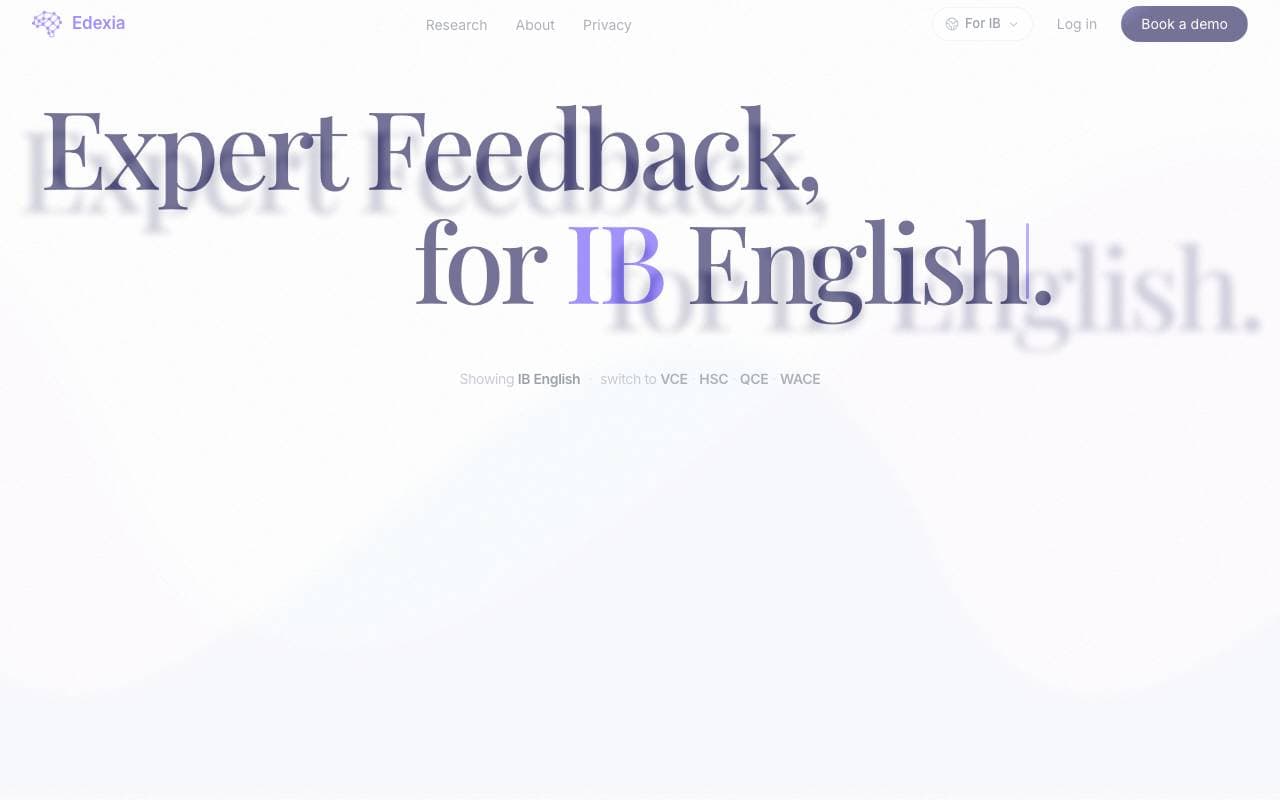
AI grading and feedback assistant for IB English and Australian curricula, trained on teachers' own marking standards

Shortcut (Excel AI)
AI Data Analysts
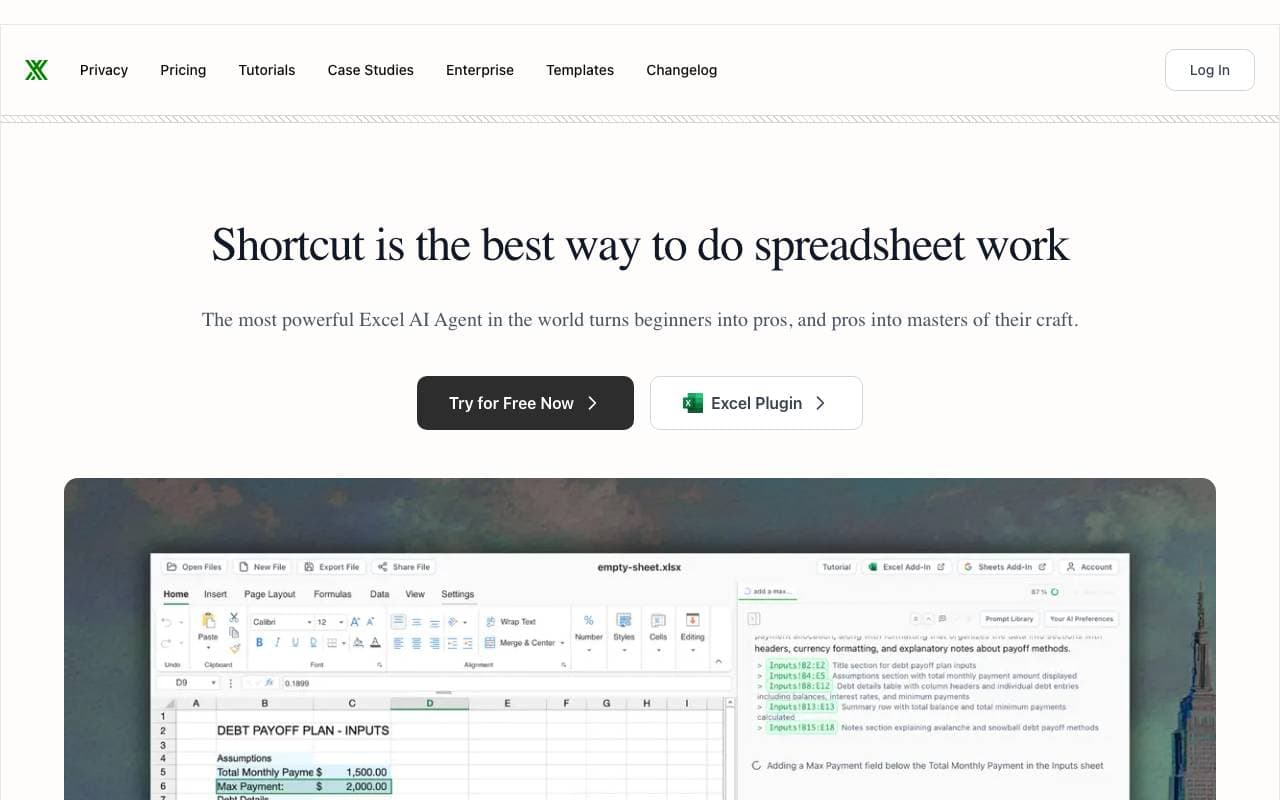
AI Excel agent that builds and edits spreadsheets, models, and analyses through chat and a native Excel add-in


MinusX
AI Data Analysts
AI data analyst agent embedded inside your existing analytics tools

Trinka AI
AI Data Analysts
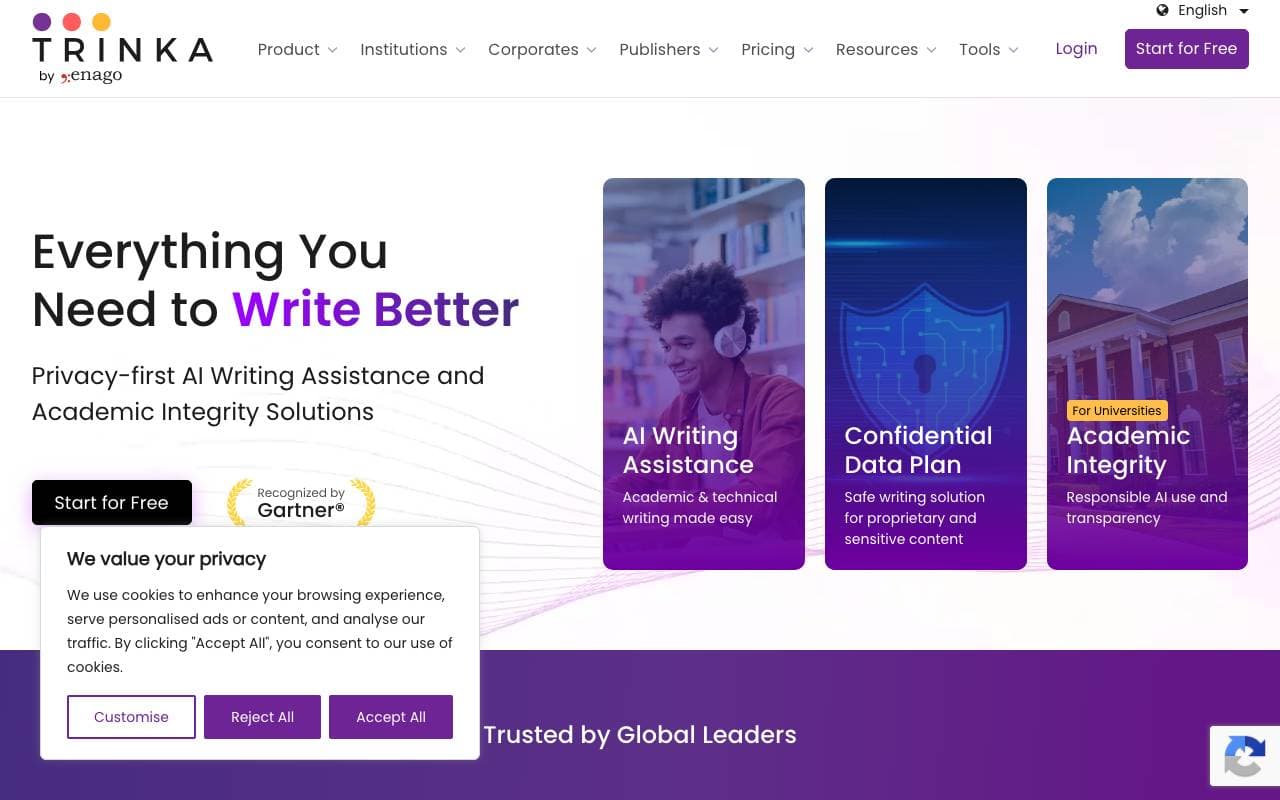
AI writing assistant built for academic and technical authors.


Model ML
AI Data Analysts
AI workspace for research and due diligence in financial services.

Fyva AI
AI Data Analysts
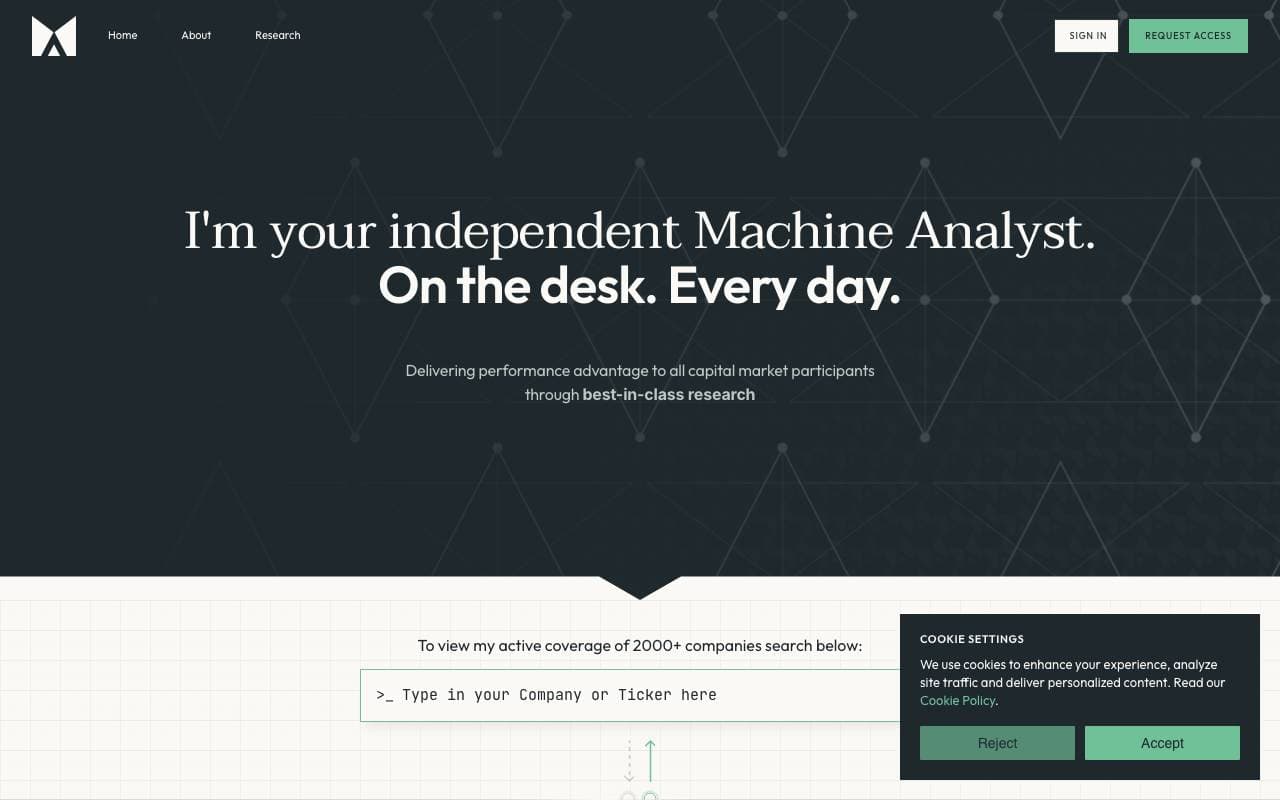
AI copilot that helps analysts generate equity research reports from filings and market data.

SigTech MAGIC
AI Data Analysts
AI agents for quantitative financial research, analysis, and strategy backtesting
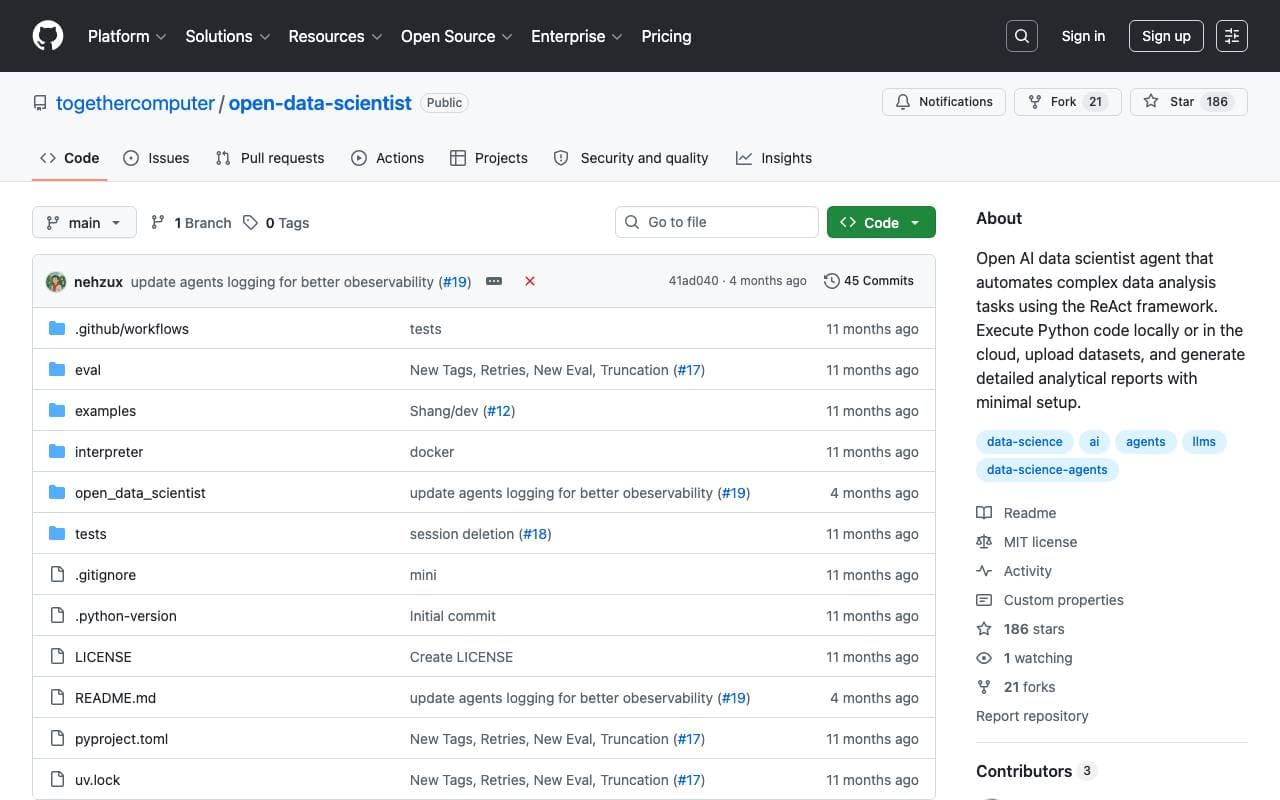

Together Open Data Scientist
AI Data Analysts
Open-source ReAct agent that runs Python to explore data, build models, and generate analysis reports
Trending now


Claude
AI Agents & Chatbots
Conversational AI assistant from Anthropic for writing, analysis, coding, and document tasks

Doozer Ai
Sales Agent
Digital co-workers that automate operational workflows to boost team efficiency.
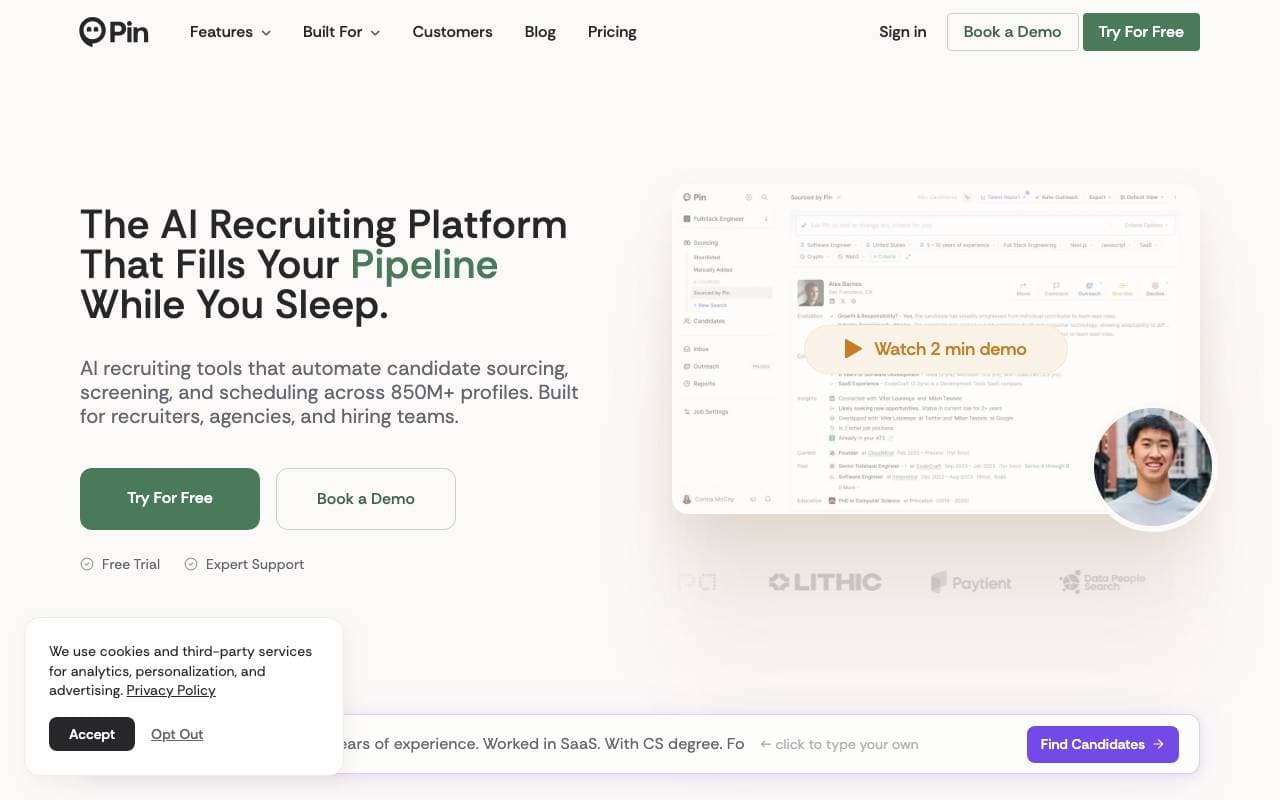

Pin AI
Workflow automation
Agentic AI recruiter that automates sourcing, screening, and outreach to accelerate hiring.
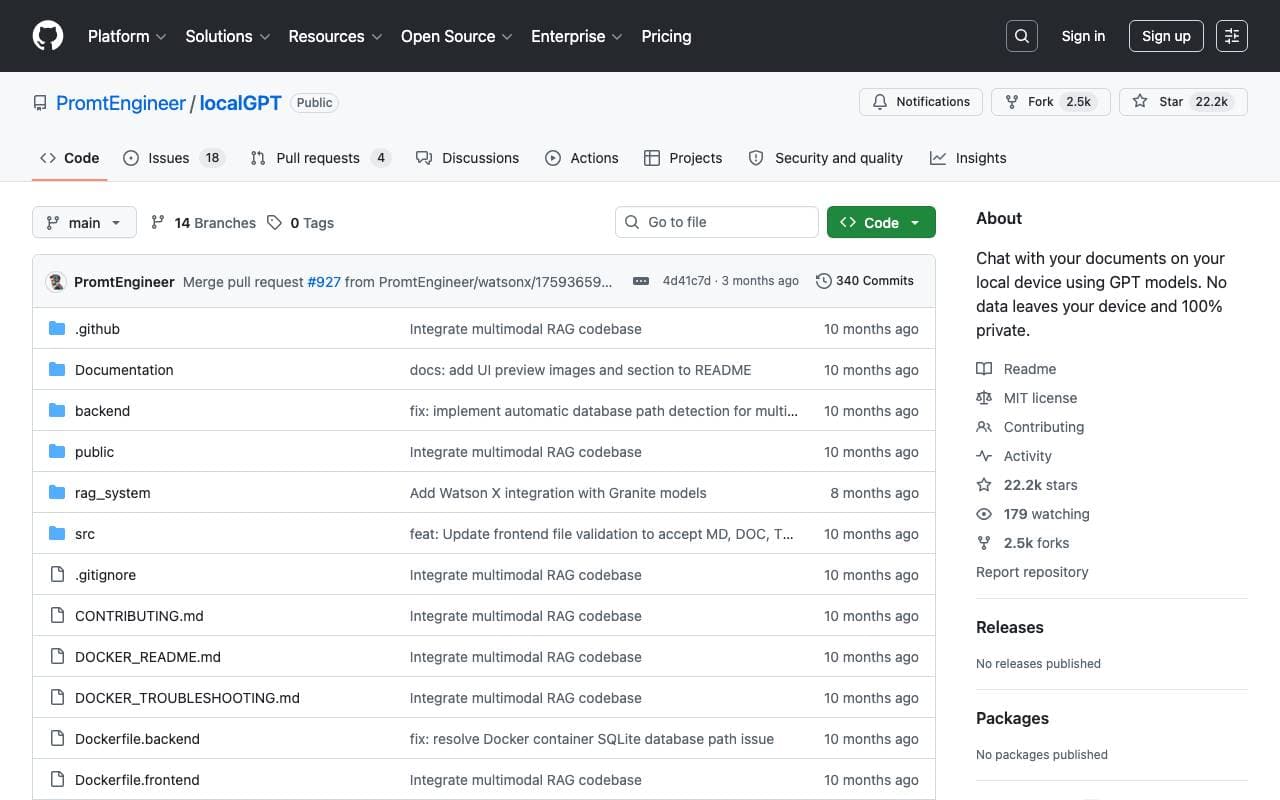

Local GPT
Other
Open-source local AI for private, offline document chat using GPT-style models on your own hardware.