
Model MLPostazione AI per la ricerca e il dovuto diligence nei servizi finanziari.

Panoramica
Funzionalità chiave
- Assistenti AI predisposti per la ricerca finanziaria
- Ingestione e analisi dei documenti
- Supporto per il dovuto diligence e i flussi di lavoro dei negozi
- Strumenti per la stesura dei rapporti e dei memorandum
- Spazio di lavoro collaborativo per i team dei negozi
- Integrazione con fonti di dati finanziarie
Prezzi
- Modello
- Contact for pricing
- Categoria
- AI Data Analysts
- Valutazione
- 4.6 / 5 (5)
Casi d’uso
Accelerare il dovuto diligence M&A
I team dei negozi ingurgitano i documenti della società bersaglio ed utilizzano gli assistenti AI per portare alla luce i rischi, i termini chiave e i punti di evidenza finanziari, accorciando i cicli di dovuto diligence.
Ricerca delle società e delle comparabili
Gli analisti eseguono l'analisi delle società e le ricerche relative alle comparabili all'interno delle fonti di dati finanziarie integrate, per costruire i punti di riferimento e gli tesi di investimento in maniera più rapida.
Stilare memoranda e rapporti per gli investimenti
Utilizzare gli strumenti per la stesura dei rapporti per convertire la ricerca bruta e i documenti in memoria, i materiali di vendita e i rapporti per il comitato.
Centralizzare la collaborazione dei team dei negozi
I team privati di investimenti e di consulenza lavorano in un unico spazio di lavoro condiviso che combina i documenti, i modelli e gli output AI, riducendo il cambio di strumenti all'interno di un negozi.
Pro & contro
Pro
- Costruito appositamente per i flussi di lavoro dei servizi finanziari
- Combina la ricerca, i documenti e l'IA in un'unico spazio di lavoro
- Accelerata il dovuto diligence e la preparazione dei negozi
- Riduce il cambiamento di contesto tra gli strumenti
- Sviluppa documenti tecnici
- Sviluppa documenti tecnici
- Supporto per l'analisi dei dati
Contro
- Focalizzato sui servizi finanziari, meno adatto ad altre industrie
- Pricificazione aziendale potrebbe limitare l'accesso per i piccoli team
- Il valore dipende dall'integrazione con le fonti di dati interne
- Sviluppo costante
Storico battaglie
Su 1 battaglia nel Pantheon.
Last battle
Recensioni
Media su 5 valutazioni.
Accedi per lasciare una recensione.
Compared a few options
Evaluated this against two competitors. Where it wins: aI assistants tuned for financial research and reduces context switching between tools. On balance the feature set — especially aI assistants tuned for financial research — justifies the 5 stars for our use case.
Compared a few options
Evaluated this against two competitors. Where it wins: due diligence and deal workflow support and combines research, documents and AI in one workspace. On balance the feature set — especially collaborative workspace for deal teams — justifies the 5 stars for our use case.
Use it every day
Honestly didn't expect to like it this much. Document ingestion and analysis is exactly what I needed, and reduces context switching between tools. I do wish enterprise pricing likely limits access for small teams, but I reach for it almost every day now and it just clicks.
Compared a few options
Evaluated this against two competitors. Where it wins: integration with financial data sources and combines research, documents and AI in one workspace. Where it lags: value depends on integration with internal data sources. On balance the feature set — especially report and memo drafting tools — justifies the 4 stars for our use case.
Solid for our team
We rolled this out across the team last quarter and reduces context switching between tools. Report and memo drafting tools fits neatly into how we already work, and document ingestion and analysis removed a step we used to do by hand. but it has held up under daily use.
Domande e risposte
Which teams and use cases is Model ML designed for?
Model ML is built for financial services teams—investment banks, private equity, asset managers and advisory firms. It supports company analysis, document review, comparable searches, due diligence, deal workflows and report or memo drafting under tight deadlines.
How does Model ML fit into existing research and data workflows?
It acts as a single workspace that consolidates documents, data and AI models, with integrations to financial data sources. Finance-tuned AI assistants help move from raw sources to structured insights without switching between separate research, document and drafting tools.
What are the main limitations to consider before adopting Model ML?
It is purpose-built for finance, so it is less suited to other industries. Enterprise-oriented pricing may limit access for smaller teams, and the value you get depends heavily on how well it integrates with your internal data sources.
Fai una domanda
Alternative a AI Data Analysts
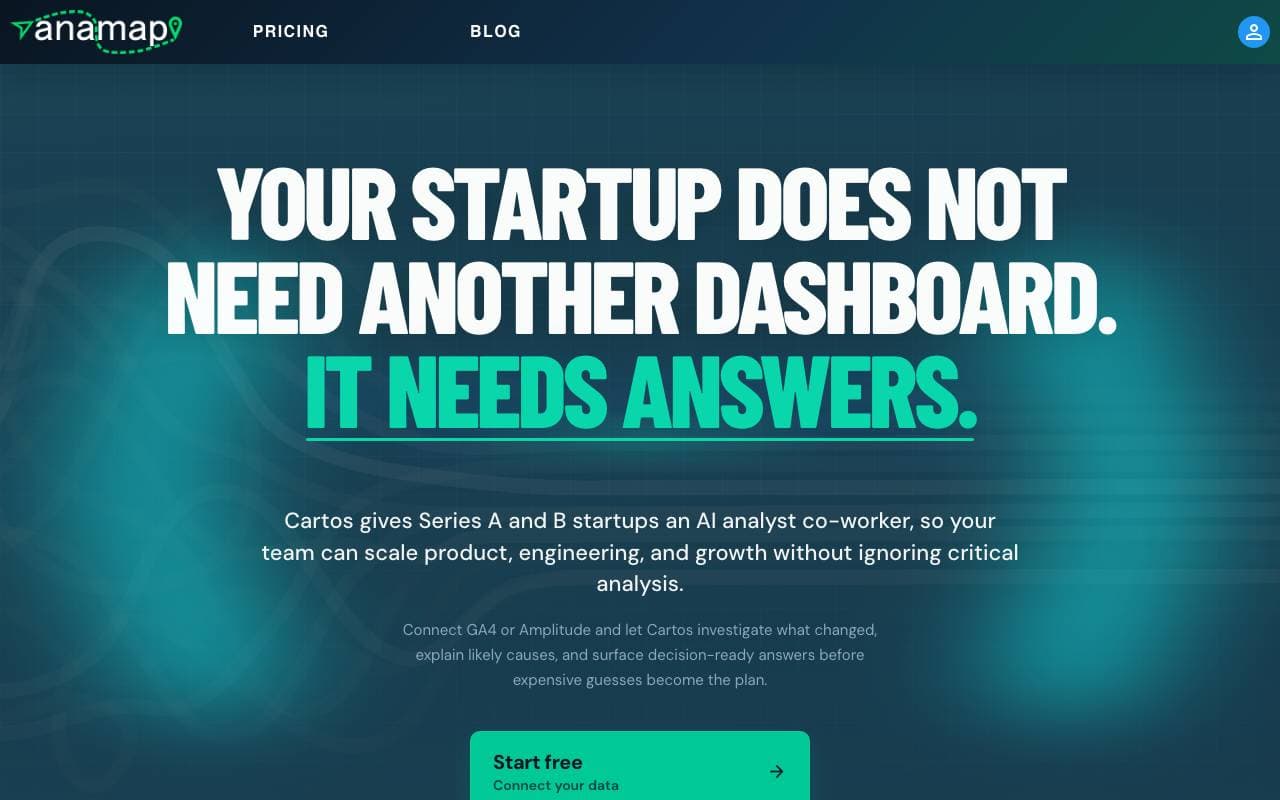

Anamap
AI Data Analysts
Analista AI che esplora i dati GA4 o Amplitude per spiegare i mutamenti nei metriche del prodotto e della crescita e consigliare i passaggi successivi
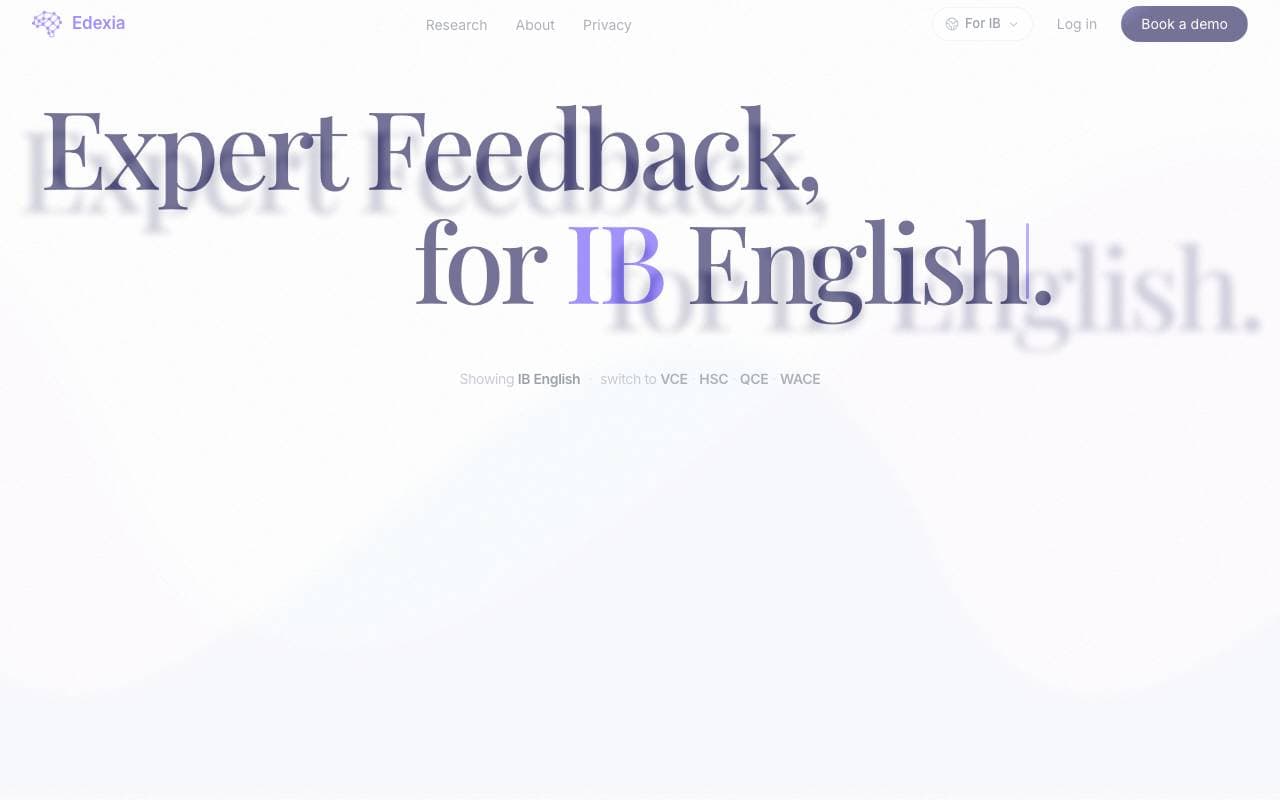

Edexia
AI Data Analysts
Asistente AI di valutazione e feedback per curricola IB Inglese e australiane, addestrata sulle norme di valutazione dei propri insegnanti
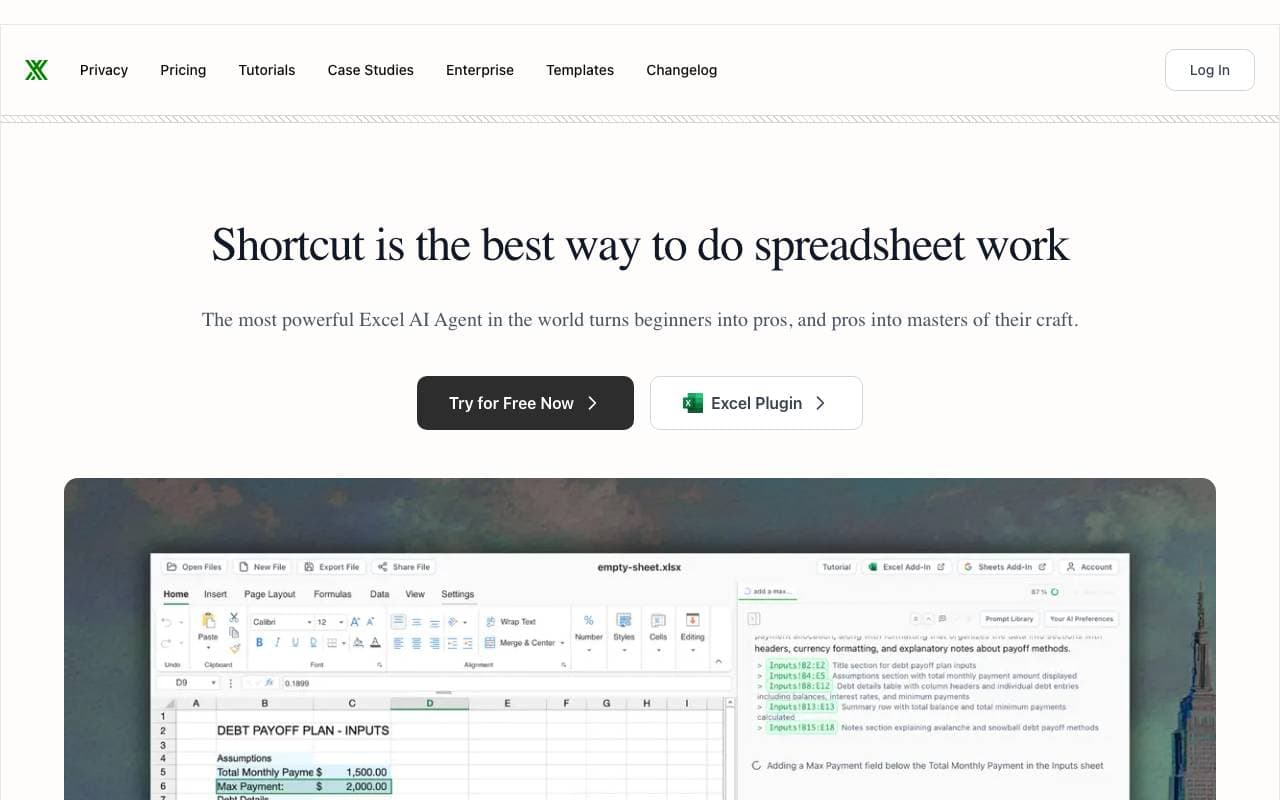

Shortcut (Excel AI)
AI Data Analysts
Agente AI Excel che costruisce ed esamina fogli di calcolo, modelli e analisi attraverso la chat e l'aggiunta nativa Excel


MinusX
AI Data Analysts
Agente AI di analisi dei dati integrato all'interno delle tue attuali strumenti di analisi
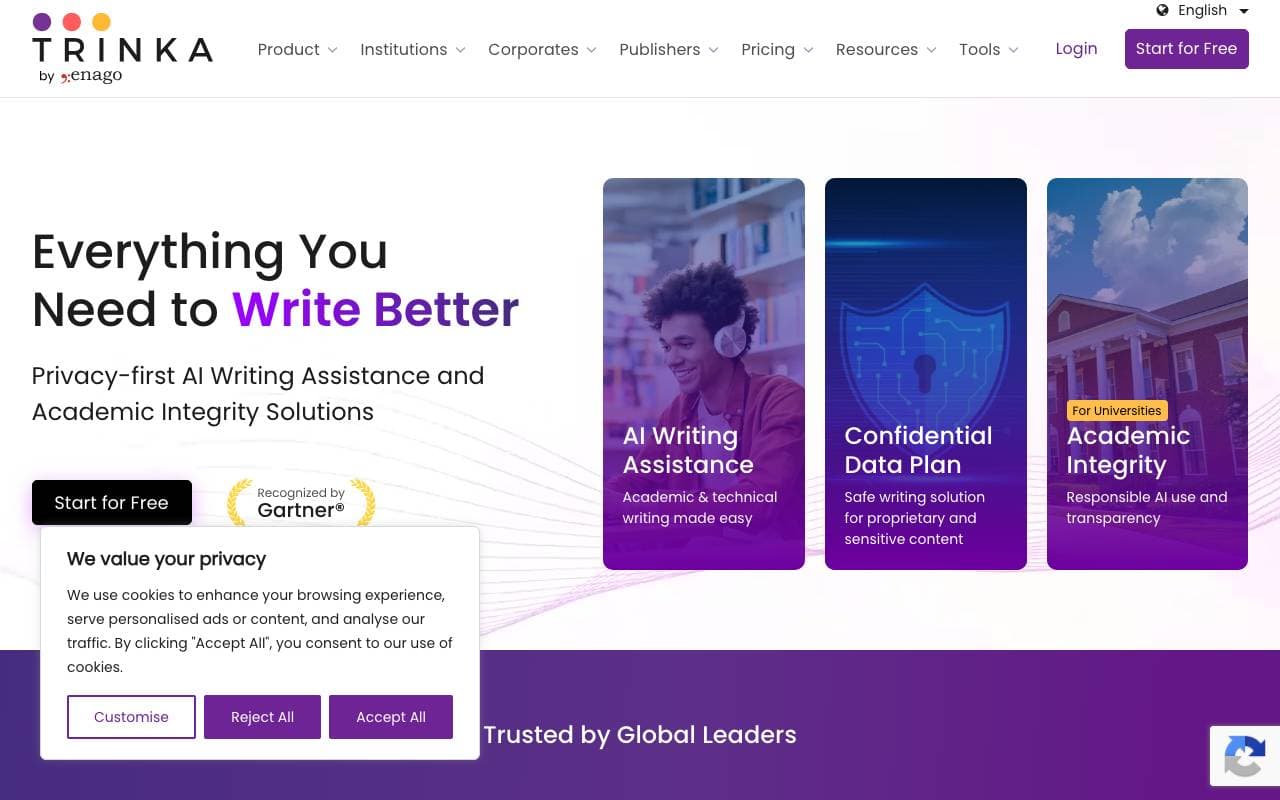

Trinka AI
AI Data Analysts
Assistente AI per la scrittura a favore degli autori accademici e tecnici.
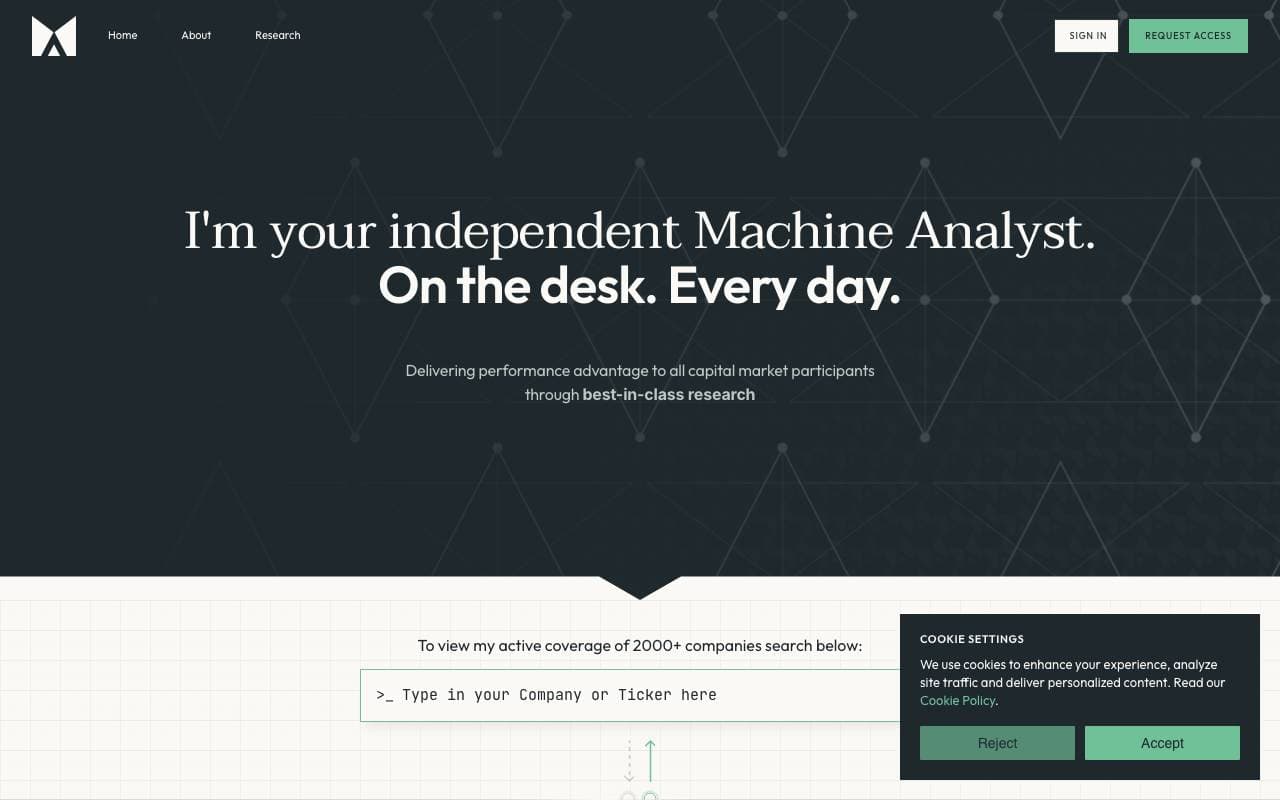

Fyva AI
AI Data Analysts
Copilota AI per gli analisti che aiuta a generare rapporti di ricerca sull'equità dai documenti e dai dati del mercato

SigTech MAGIC
AI Data Analysts
Agenti AI per la ricerca finanziaria quantitativa, l'analisi e l'allestimento di strategie di backtesting
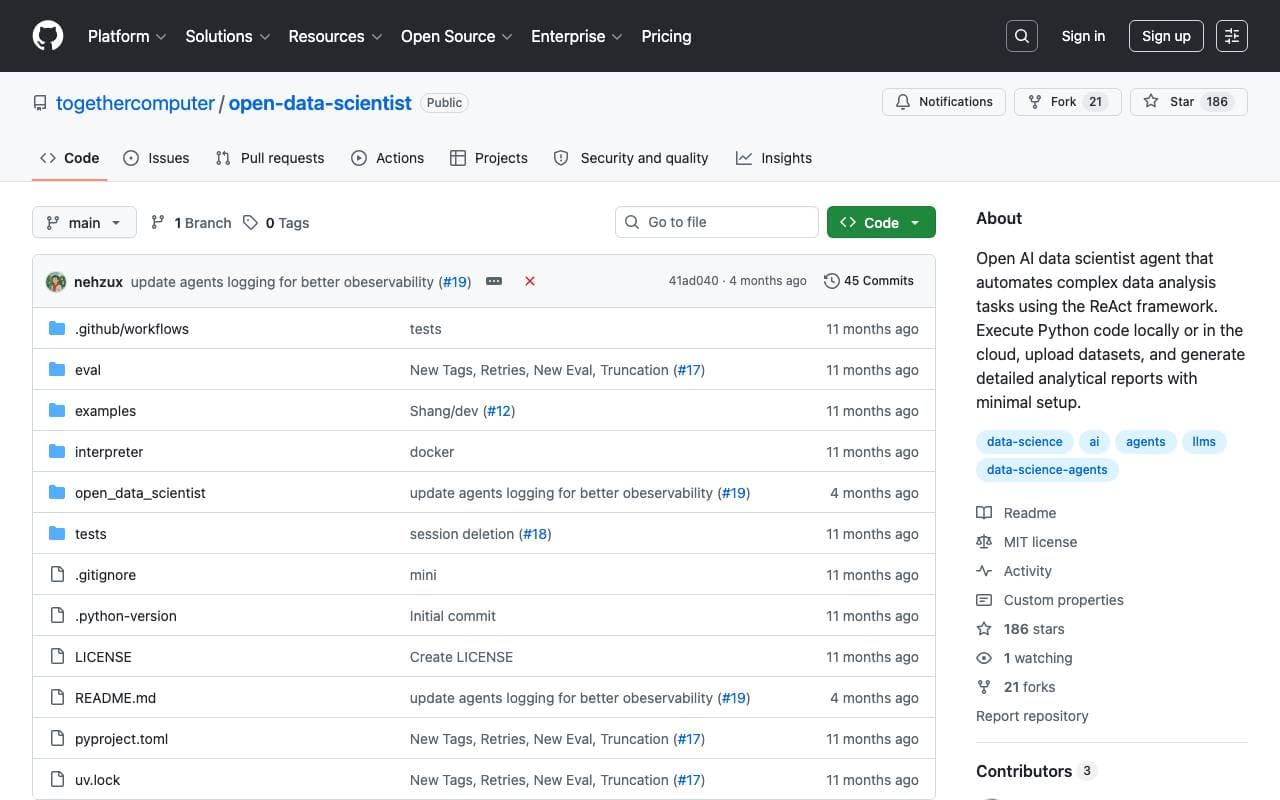

Together Open Data Scientist
AI Data Analysts
Agente ReAct open-source che esegue Python per esplorare i dati, costruire modelli e generare rapporti di analisi
Trending now

Doozer Ai
Sales Agent
Coworker digital che automatizzano i flussi operativi per migliorare l'efficienza del team


Claude
AI Agents & Chatbots
Assistente AI conversazionale di Anthropic per scrittura, analisi, coding e compiti documentali
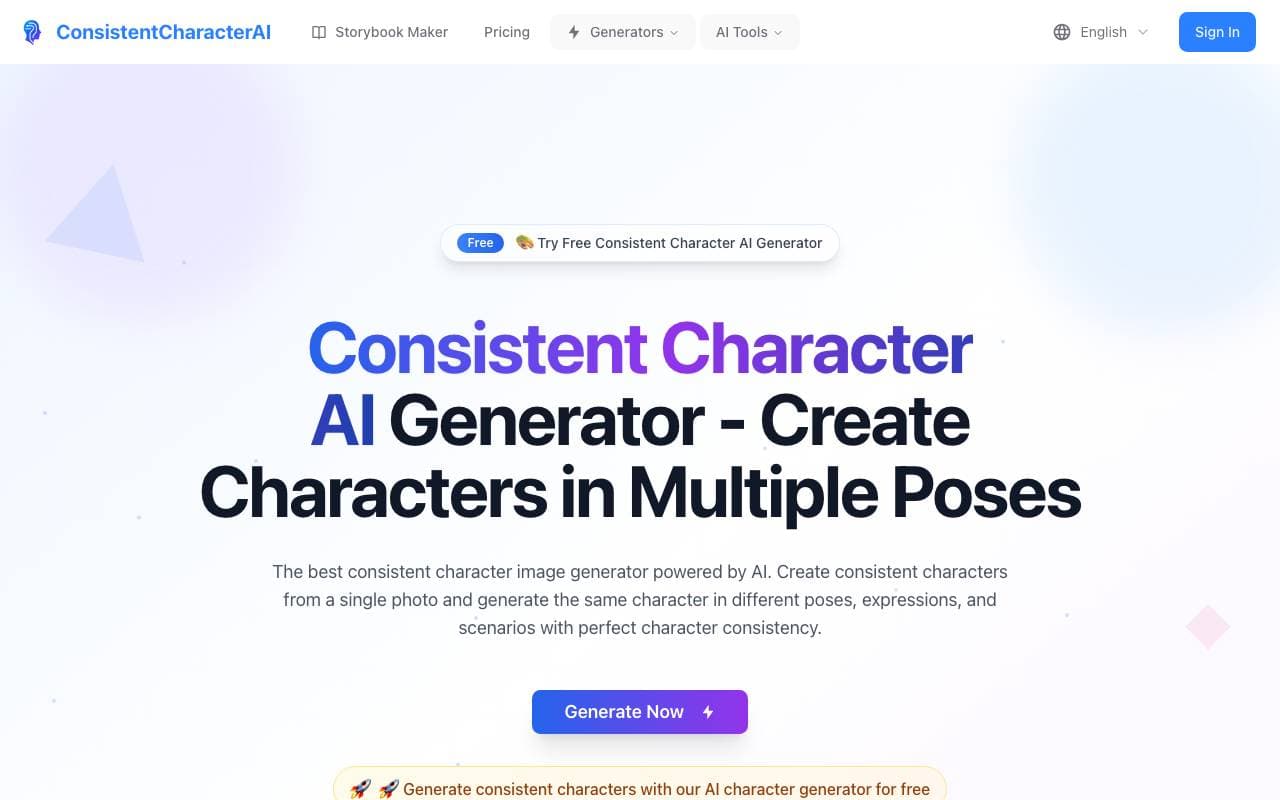

Consistent Character AI
Images
Genera personaggi AI coerenti tra scene da un unico riferimento della foto.


Mistral AI
Large Language Models (LLMs)
frontiere aperte dei modelli