
Unitree R1Kompakter humanoider Roboter mit 26 Gelenken und multimodaler AI für Forschung und Bildung

Übersicht
Hauptfunktionen
- 26 bewegliche Gelenke
- Ultraleichtgewichtes humanoides Formfaktor
- Multimodale AI-Verarbeitung
- Pricing für Forschung und Bildung
- Programmierbare Bewegungen und Verhalten
- Unterstützung für Embodied AI Experimente
Preise
- Modell
- Paid
- Kategorie
- AI Robotics
- Bewertung
- 4.5 / 5 (4)
Anwendungsfälle
Unterrichten grundlegender Robotikkonzepte
Verwenden Sie R1 in Hochschuleinrichtungen oder Klassenzimmern, um humanoiden Gang, Kinematik und Kontrollkonzepte mit einem tragbaren, bezahlbaren Plattform zu demonstrieren.
Embodied AI Forschung
Nutzen Sie die 26 beweglichen Gelenke und multimodale AI-Eingaben, um Embodied Learning Algorithmen zu prototypen und zu testen, in Form eines realen körperlichen Agenten.
Lokomotion- und Manipulation-Studien
Entwickeln und bewerten Sie Ganganordnungen, Balance und Motionsplanungsalgorithmen auf einem leichtgewichtigen humanoiden Formfaktor, der sich zu Laborexperimenten eignet.
Prototyping für mensch-roboterische Kommunikation
Bauen Sie interaktive Demos, die visuelle, auditorische und kontextuelle Verarbeitung kombinieren, um multimodale Kommunikation zwischen Menschen und Robotern zu erforschen.
Pro & Contra
Pro
- Günstiger Einstieg für humanoide Robotik
- Lichtgewichtes und tragbares Design
- 26 Gelenke ermöglichen vielfältige Bewegungsstudien
- Multimodale AI-Fähigkeiten
- Gut geeignet für akademische und Forschungsanwendungen
- Verfügbarkeit
- Unterstützung
- Günstige Preise
Contra
- Beschränkte Traglast im Vergleich zu industriellen Humanoiden
- Kleiner Scale mag bestimmte realitätsbezogene Aufgaben einschränken
- Befehlter Fachwissen zur Ausführung
- Werteverfall noch maturierend
Bewertungen
Durchschnitt aus 4 Bewertungen.
Melde dich an, um eine Bewertung abzugeben.
Compared a few options
Evaluated this against two competitors. Where it wins: 26 articulated joints and built-in multimodal AI capabilities. Where it lags: smaller scale may restrict some real-world tasks. On balance the feature set — especially multimodal AI processing — justifies the 4 stars for our use case.
Solid for our team
We rolled this out across the team last quarter and 26 joints enable diverse motion studies. Multimodal AI processing fits neatly into how we already work, and research- and education-focused pricing removed a step we used to do by hand. Requires technical expertise to fully utilize, which is the main caveat, but it has held up under daily use.
Years in this space
I've evaluated a lot of these over the years. What stands out here is research- and education-focused pricing — handled better than most — and affordable entry point for humanoid robotics. Requires technical expertise to fully utilize is my one real gripe. Worth the time if this is your use case.
Use it every day
Honestly didn't expect to like it this much. 26 articulated joints is exactly what I needed, and lightweight and portable design. but I reach for it almost every day now and it just clicks.
Fragen & Antworten
Who is the Unitree R1 best suited for, and what use cases does it support?
The R1 is designed for researchers, educators, and developers working on locomotion, manipulation, computer vision, human-robot interaction, and embodied AI. It fits well into university curricula, lab research, and algorithm prototyping rather than industrial deployment.
What are the main limitations of the Unitree R1 compared to industrial humanoids?
The R1 has limited payload capacity and a smaller scale that may restrict certain real-world tasks. Its ecosystem is still maturing, and fully leveraging its 26 joints and multimodal AI requires meaningful technical expertise in robotics and programming.
What AI and motion capabilities are built into the R1?
The R1 features 26 articulated joints for dynamic movement studies, plus multimodal AI that processes visual, auditory, and contextual inputs. It supports programmable motion and behavior, making it a hands-on platform for embodied AI experimentation.
Frage stellen
Alternativen zu AI Robotics

3D AI Studio
AI Robotics
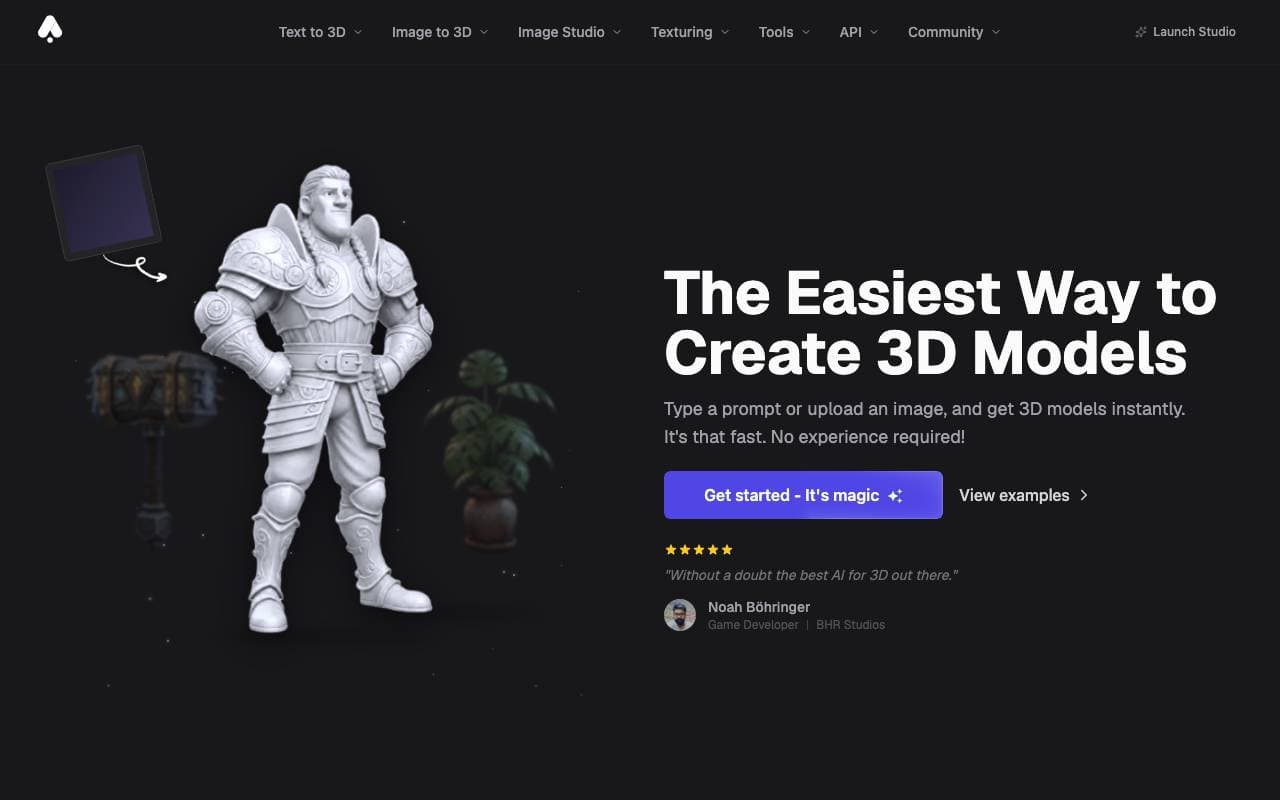
3D-Modelle aus Textprompt oder Bildern mit KI erzeugen, inklusive Texturierung und Remeshing-Tools

NVIDIA Cosmos
AI Robotics
Generative World Foundation Models für den Aufbau physischer KI-Systeme wie Roboter und autonome Fahrzeuge.


Figure AI
AI Robotics
Unternehmen, das allgemeine, mit künstlicher Intelligenz ausgestattete humanoide Roboter für Haushalt und Industrie entwickelt


Aurora Innovation
AI Robotics
Plattform für selbstfahrende Technologie, die autonomes LKW- und Ride-Hailing im großen Maßstab ermöglicht.
Trending now

Doozer Ai
Sales Agent
Digitale Mitarbeiter, die operative Workflows automatisieren, um die Effizienz von Teams zu steigern.


Claude
AI Agents & Chatbots
Konversations‑KI‑Assistent von Anthropic für Schreiben, Analyse, Programmieren und Dokumentaufgaben

Consistent Character AI
Images
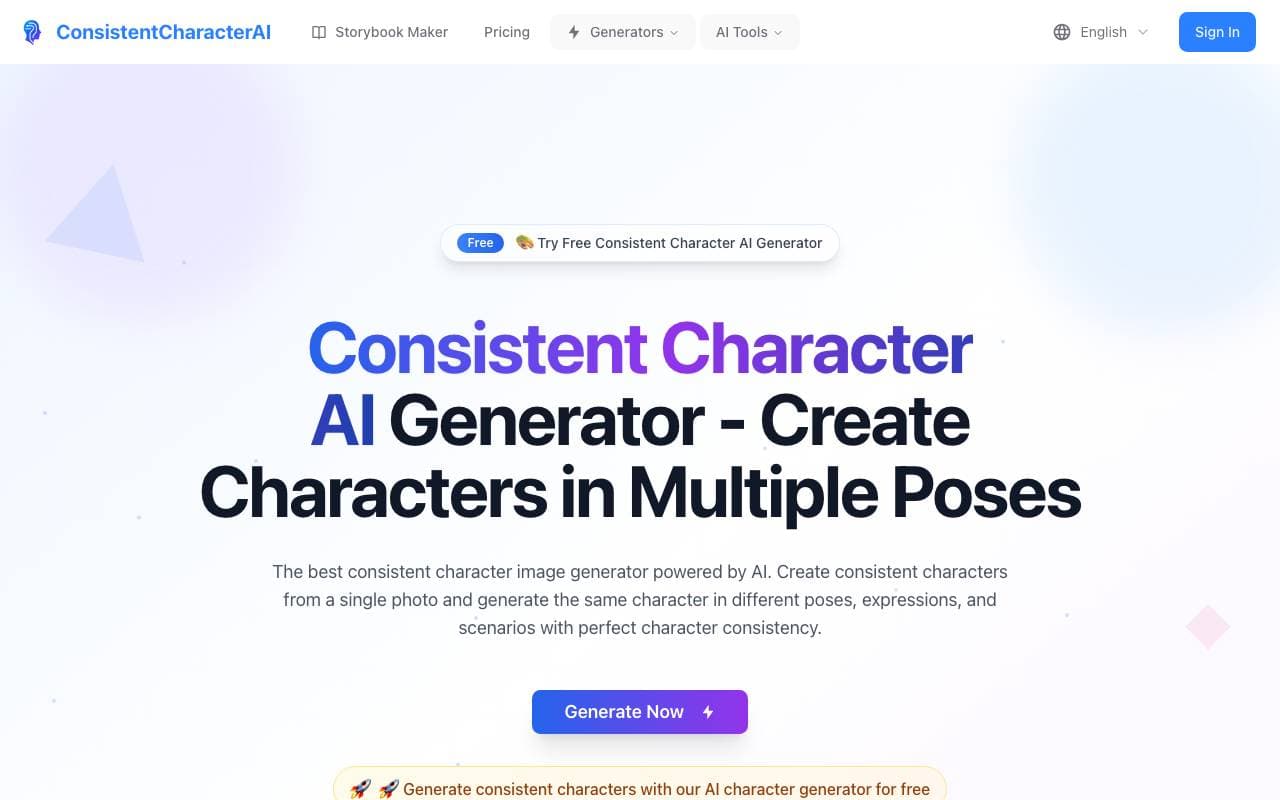
Erstellen Sie konsistente KI-Charaktere über Szenen hinweg aus einem einzigen Referenzfoto.


Pin AI
Workflow automation
Agentic AI Recruiter, der Sourcing, Screening und Outreach automatisiert, um den Einstellungsprozess zu beschleunigen.