
RPA.aiKünstliche-Intelligenz-getriebene RPA-Agenten, die wiederholende Geschäftsabläufe über Apps und Systeme automatisieren.

Übersicht
Hauptfunktionen
- AI-getriebene RPA-Agenten
- Workflow-Automatisierung über Apps hinweg
- Dokumentverständnis und Datenextraktion
- Integration mit gängigen Geschäftsanwendungen
- Konfigurierbare, task-spezifische Bot
- Skalierbare Automatisierung für die Back-Office-Prozesse
Preise
- Modell
- Freemium
- Kategorie
- AI Agents
- Bewertung
- 4.7 / 5 (6)
Anwendungsfälle
Automatisierte Rechnungs- und Dokumentenverarbeitung
Finanzteams verwenden AI-Agenten, um Daten aus Rechnungen und Rechnungen zu extrahieren, Felder zu validieren und in Buchhaltungssysteme einzutragen, ohne manuelle Tasten.
HR-Aufnahme-Workflows
HR-Abteilungen verwenden Bots zum Umgang mit mehrstufigen Einstandsaufgaben über Anwendungen hinweg, z.B. zur Erstellung von Accounts, zur Verarbeitung von Formularen und zur Aktualisierung von Mitarbeiterdaten.
Massen-Aufnahme von Back-Office-Daten
Operationale Teams abladen wiederholende Eingabe- und Rechnungsabgleichsaufgaben, die sich über mehrere Geschäftstools erstrecken, und machen Personal für Aufgaben von höheren Wert frei.
Kontext-bewusste Prozess-Automatisierung
Organisationen automatisieren Workflows, die unstrukturierte Eingaben und Entscheidungspunkte beinhalten, die traditionelle regelbasierte RPA nicht zuverlässig bearbeiten kann.
Pro & Contra
Pro
- Kombiniert RPA mit AI für weniger rigide Automatisierung
- Wendet sich auf ein breites Spektrum an Geschäfts-Funktionen an
- Kann unstrukturierte Eingaben wie Dokumente verarbeiten
- Gesucht werden, um manuelle, wiederholende Arbeit zu reduzieren
- Zusammenfassung: Die Kombination von RPA mit künstlicher Intelligenz führt zu einer flexiblen Automatisierung, die traditionellen RPA-Tools überlegen ist. Durch die Verwendung von AI können RPA.ai-Agenten komplexe Prozesse überwachen und anpassen.
Contra
- Setup erfordert möglicherweise zu Beginn eine Prozessanalyse
- Pricing und Plan-Details sind nicht immer transparent
- Wirkung hängt von der Qualität der Integrationen ab
- Unternehmensschwerpunkt steht möglicherweise nicht Teams ganz kleiner Größe zur Verfügung
Bewertungen
Durchschnitt aus 6 Bewertungen.
Melde dich an, um eine Bewertung abzugeben.
Use it every day
Honestly didn't expect to like it this much. AI-driven RPA agents is exactly what I needed, and targets a broad range of business functions. but I reach for it almost every day now and it just clicks.
Does the job
Pretty happy overall. Integration with common business tools just works and aims to reduce manual, repetitive workloads. Pricing and plan details not always transparent can be annoying, but no dealbreakers — I'd recommend it to a friend without hesitating.
Compared a few options
Evaluated this against two competitors. Where it wins: integration with common business tools and can handle unstructured inputs like documents. Where it lags: setup may require process analysis upfront. On balance the feature set — especially integration with common business tools — justifies the 4 stars for our use case.
Compared a few options
Evaluated this against two competitors. Where it wins: aI-driven RPA agents and targets a broad range of business functions. On balance the feature set — especially configurable, task-specific bots — justifies the 5 stars for our use case.
Does the job
Pretty happy overall. Integration with common business tools just works and targets a broad range of business functions. Setup may require process analysis upfront can be annoying, but no dealbreakers — I'd recommend it to a friend without hesitating.
Use it every day
Honestly didn't expect to like it this much. AI-driven RPA agents is exactly what I needed, and can handle unstructured inputs like documents. but I reach for it almost every day now and it just clicks.
Fragen & Antworten
What types of tasks and teams is RPA.ai best suited for?
RPA.ai is designed for operations, finance, HR, and back-office teams looking to automate repetitive work like data entry, document handling, and multi-step workflows across multiple business applications.
How does RPA.ai differ from traditional RPA tools?
It combines classic RPA with AI models, so agents can interpret documents, extract data, and make context-based decisions on unstructured inputs—tasks that rule-based bots typically struggle with.
What should we expect during setup, and is it a fit for small teams?
Implementation usually requires upfront process analysis and depends on the quality of integrations with your existing tools. Its enterprise-oriented focus and less transparent pricing may make it a poor fit for very small teams.
Frage stellen
Alternativen zu AI Agents
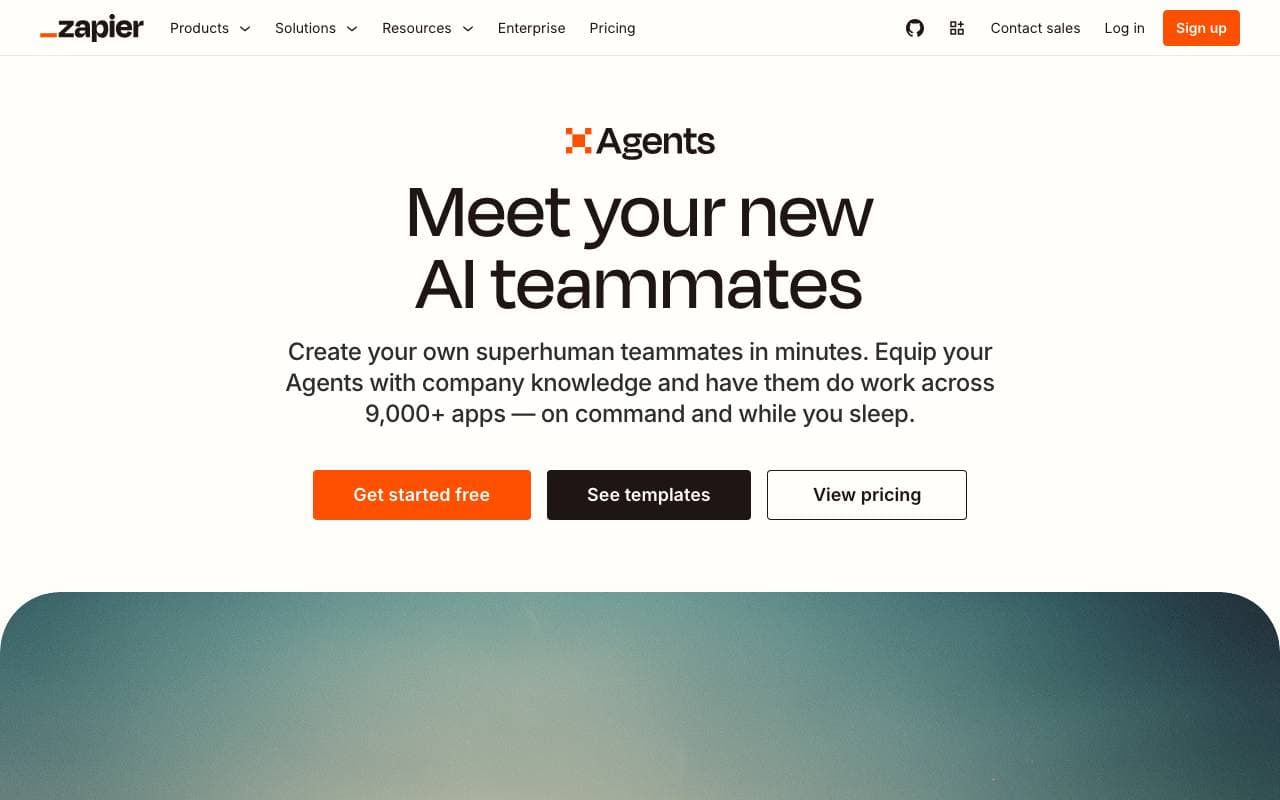

Zapier's Agents
AI Agents
Mit künstlicher Intelligenz betriebene Agenten, die Workflows in über 7.000 vernetzten Apps automatisieren
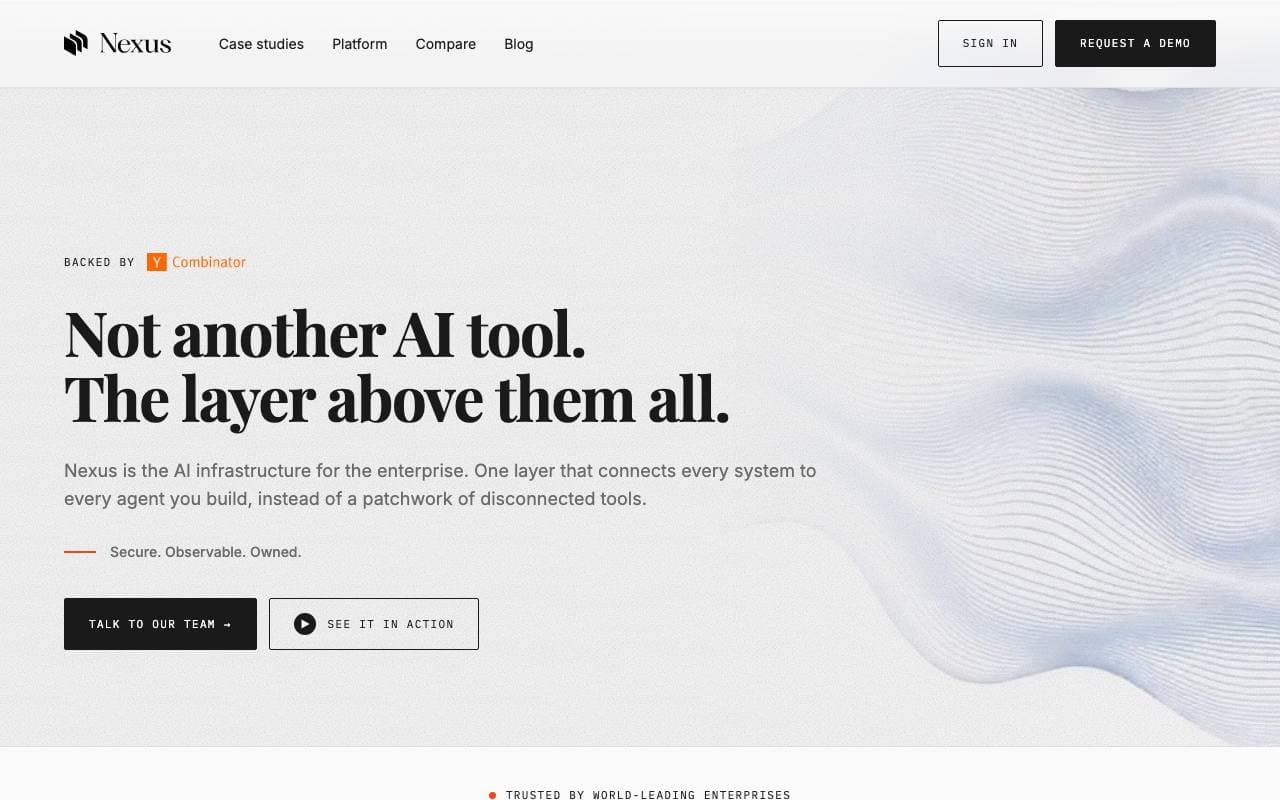

NexusGPT
AI Agents
No-code-Plattform zum Erstellen und Bereitstellen von individuellen KI-Agenten zur Automatisierung von Geschäftsabläufen.
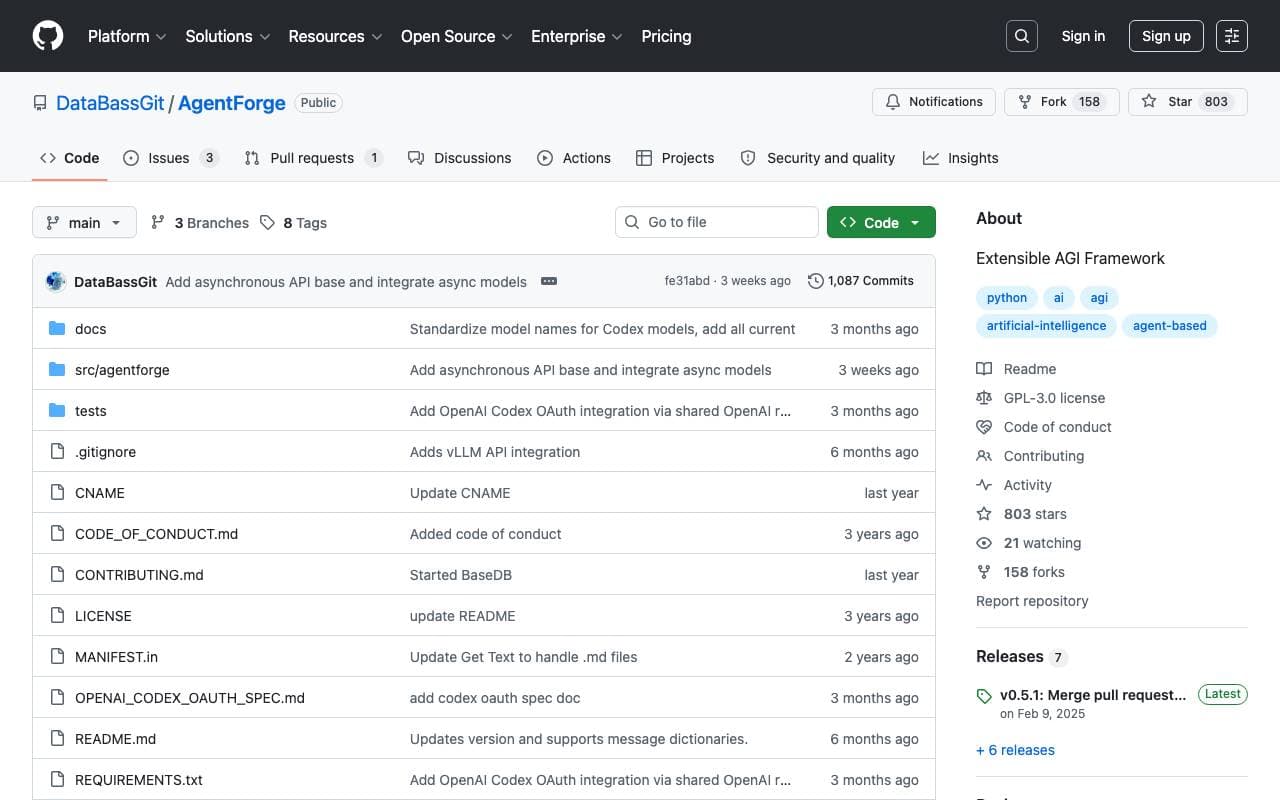

AgentForge
AI Agents
Low-Code-Framework zur Erstellung autonomer KI-Agenten und kognitiver Architekturen
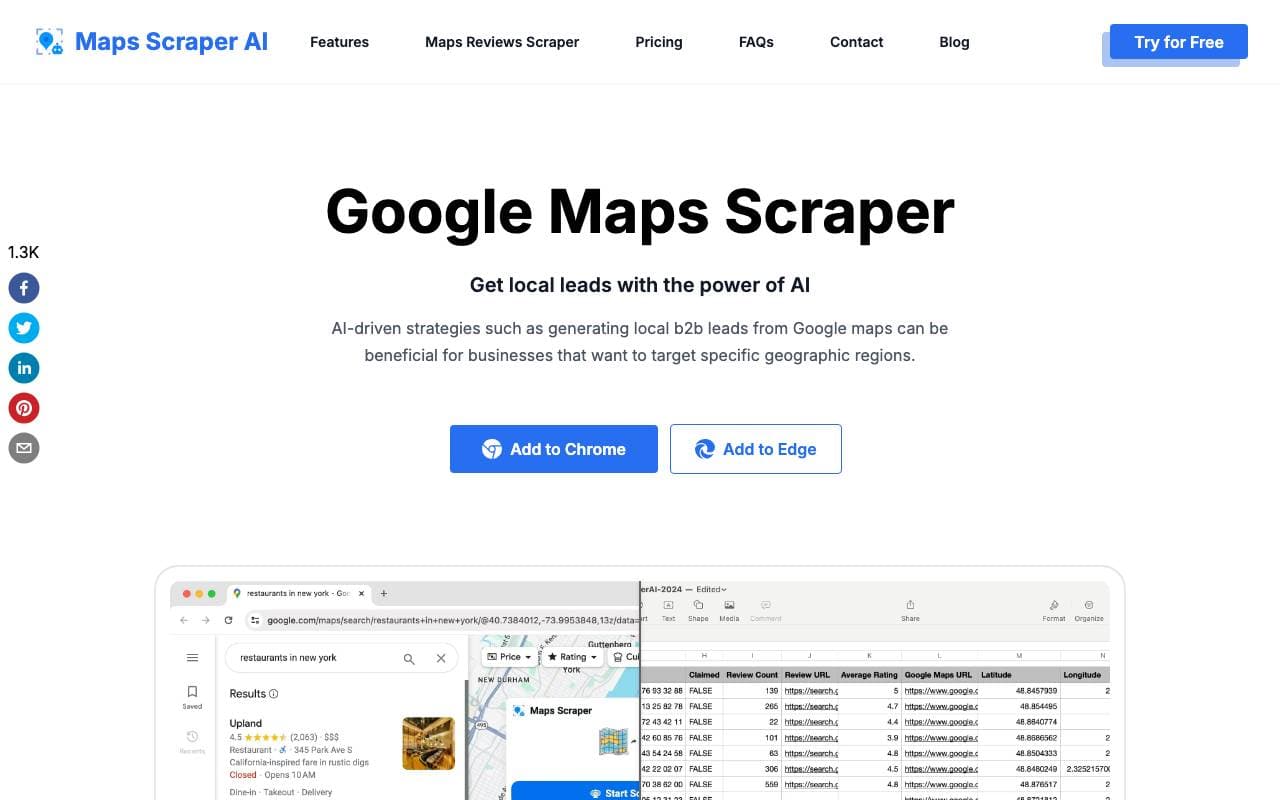

Maps Scraper AI
AI Agents
Ein KI-gesteuertes Tool, das die Extraktion von Geschäftsdaten aus Google Maps automatisiert und die Lead-Generierung sowie Marktforschung verbessert.
Momentic AI
AI Agents
Softwaretests schreiben, beheben und ausführen – mit einfachen englischen Befehlen

Micro Agent
AI Agents
AI-Coding-Agent, der Code iteriert, bis deine Tests bestanden sind

Mogoj AI
AI Agents
KI-gesteuerte Arbeitsablaufoptimierung und Geschäftsprozessautomatisierung


Charisma.ai
AI Agents
Immersive konversationale AI für interaktive Geschichten, Ausbildung und Marketingkampagnen
Trending now

Doozer Ai
Sales Agent
Digitale Mitarbeiter, die operative Workflows automatisieren, um die Effizienz von Teams zu steigern.


Claude
AI Agents & Chatbots
Konversations‑KI‑Assistent von Anthropic für Schreiben, Analyse, Programmieren und Dokumentaufgaben

Consistent Character AI
Images
Erstellen Sie konsistente KI-Charaktere über Szenen hinweg aus einem einzigen Referenzfoto.


Mistral AI
Large Language Models (LLMs)
Open‑Weight-Modelle der Spitzenreihe