
Paradigm AITabellenkalkulationsstil-Interface zur Automatisierung der Datenstrukturierung durch KI-Agenten.

Übersicht
Hauptfunktionen
- KI-gestützte Zell- und Spaltenbefüllung
- Tabellenkalkulationsstil-Bearbeitung und Navigation
- Web-Recherche- und Datenextraktionsagenten
- Stapelverarbeitung von Zeilen für große Datensätze
- Anpassbare Prompts pro Spalte
- Export und Integration in Nachbearbeitungstools
Preise
- Modell
- Freemium
- Kategorie
- AI Agents
- Bewertung
- 4.4 / 5 (5)
Anwendungsfälle
Lead-Enrichment im großen Maßstab
Füllen Sie Tabellen mit Kontaktdaten, Unternehmensinformationen und Qualifikationsdaten, indem Sie promptbasierte Spalten definieren, die Agenten automatisch über Tausende von Zeilen recherchieren und ausfüllen.
Markt- und Wettbewerbsforschung
Erstellen Sie strukturierte Vergleichstabellen von Konkurrenten, Produkten oder Anbietern, indem Sie KI-Agenten die Attribute aus dem Web extrahieren lassen und in Tabellenkalkulationsspalten einfügen, anstatt jedes Datenpunkt manuell zu sammeln.
Individuelle Datensatz-Erstellung
Bauen Sie Trainings- oder Analyse-Datensätze, indem Sie die benötigten Felder als Spaltenprompts beschreiben und Zeilen in der Massenbearbeitung verarbeiten, sodass Agenten die Informationen konsequent sammeln und strukturieren.
No-Code Datenpipelines
Ermöglichen Sie nicht-technischen Teams, wiederkehrende Datenbeschaffungsprozesse mit einem vertrauten Tabellenkalkulationsinterface zu automatisieren, und exportieren Sie anschließend die Ergebnisse ohne Code in Nachbearbeitungstools.
Pro & Contra
Pro
- Vertrautes Tabellenkalkulationsinterface reduziert die Lernkurve
- Automatisiert wiederholende Recherche- und Dateneingabeaufgaben
- Skalierbar auf große Datensätze über viele Zeilen hinweg
- Flexible, promptbasierte Spalten für vielfältige Anwendungsfälle
Contra
- Die Ausgabequalität hängt von der Prompt-Gestaltung und der Verfügbarkeit der Quellen ab
- Weniger geeignet für stark strukturierte Datenbank-Workflows
- Möglicherweise ist eine Überprüfung für datenkritische Genauigkeit erforderlich
Bewertungen
Durchschnitt aus 5 Bewertungen.
Melde dich an, um eine Bewertung abzugeben.
Skeptical, then convinced
I went in skeptical — most tools in this space overpromise. It actually delivers on web research and data extraction agents, and familiar spreadsheet interface lowers the learning curve caught me off guard. Output quality depends on prompt design and source availability is why this isn't a perfect score, still, I'd recommend giving it a real trial.
Years in this space
I've evaluated a lot of these over the years. What stands out here is export and integration with downstream tools — handled better than most — and flexible prompt-based columns for varied use cases. Less suited for highly structured database workflows is my one real gripe. Worth the time if this is your use case.
Solid for our team
We rolled this out across the team last quarter and automates repetitive research and data entry tasks. Customizable prompts per column fits neatly into how we already work, and customizable prompts per column removed a step we used to do by hand. but it has held up under daily use.
Years in this space
I've evaluated a lot of these over the years. What stands out here is aI-powered cell and column population — handled better than most — and flexible prompt-based columns for varied use cases. Worth the time if this is your use case.
Solid for our team
We rolled this out across the team last quarter and familiar spreadsheet interface lowers the learning curve. AI-powered cell and column population fits neatly into how we already work, and web research and data extraction agents removed a step we used to do by hand. Output quality depends on prompt design and source availability, which is the main caveat, but it has held up under daily use.
Fragen & Antworten
Noch keine Fragen — sei die/der Erste!
Frage stellen
Alternativen zu AI Agents

Zapier's Agents
AI Agents
Mit künstlicher Intelligenz betriebene Agenten, die Workflows in über 7.000 vernetzten Apps automatisieren

NexusGPT
AI Agents
No-code-Plattform zum Erstellen und Bereitstellen von individuellen KI-Agenten zur Automatisierung von Geschäftsabläufen.

AgentForge
AI Agents
Low-Code-Framework zur Erstellung autonomer KI-Agenten und kognitiver Architekturen
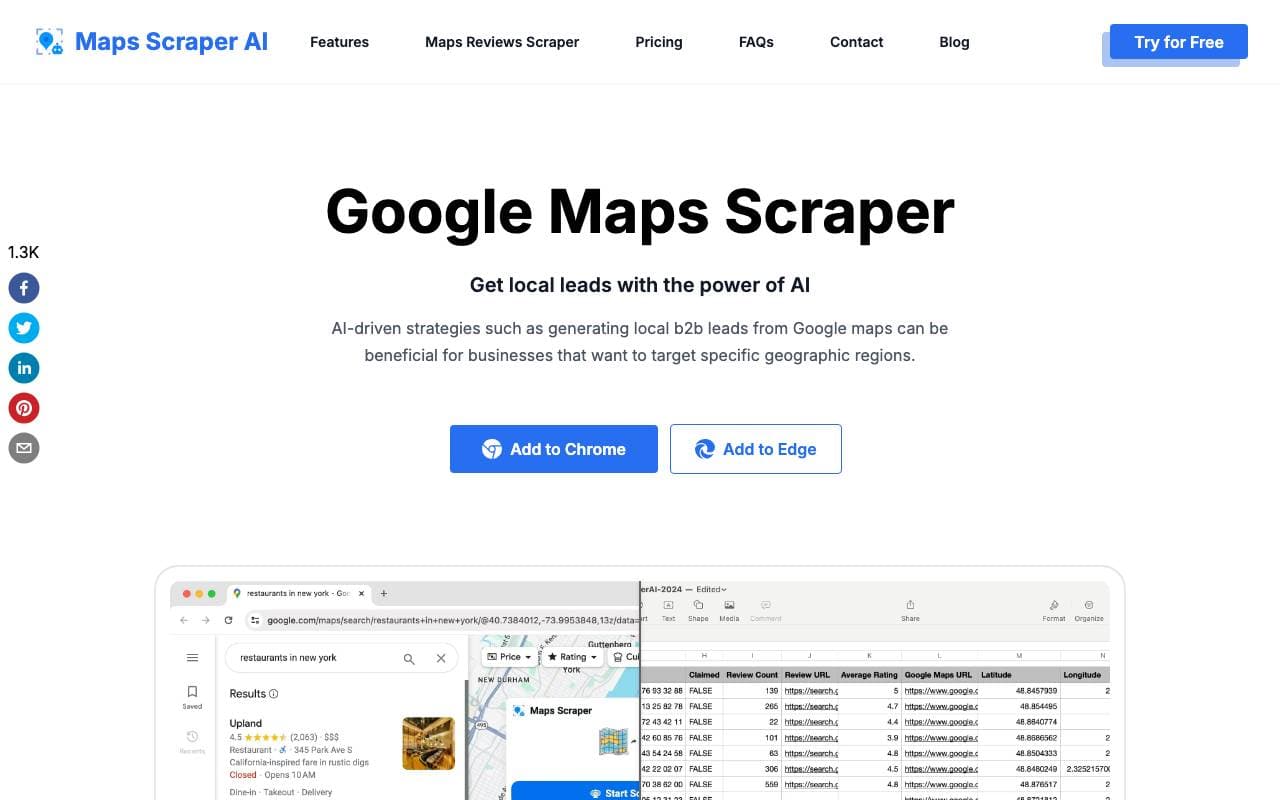

Maps Scraper AI
AI Agents
Ein KI-gesteuertes Tool, das die Extraktion von Geschäftsdaten aus Google Maps automatisiert und die Lead-Generierung sowie Marktforschung verbessert.
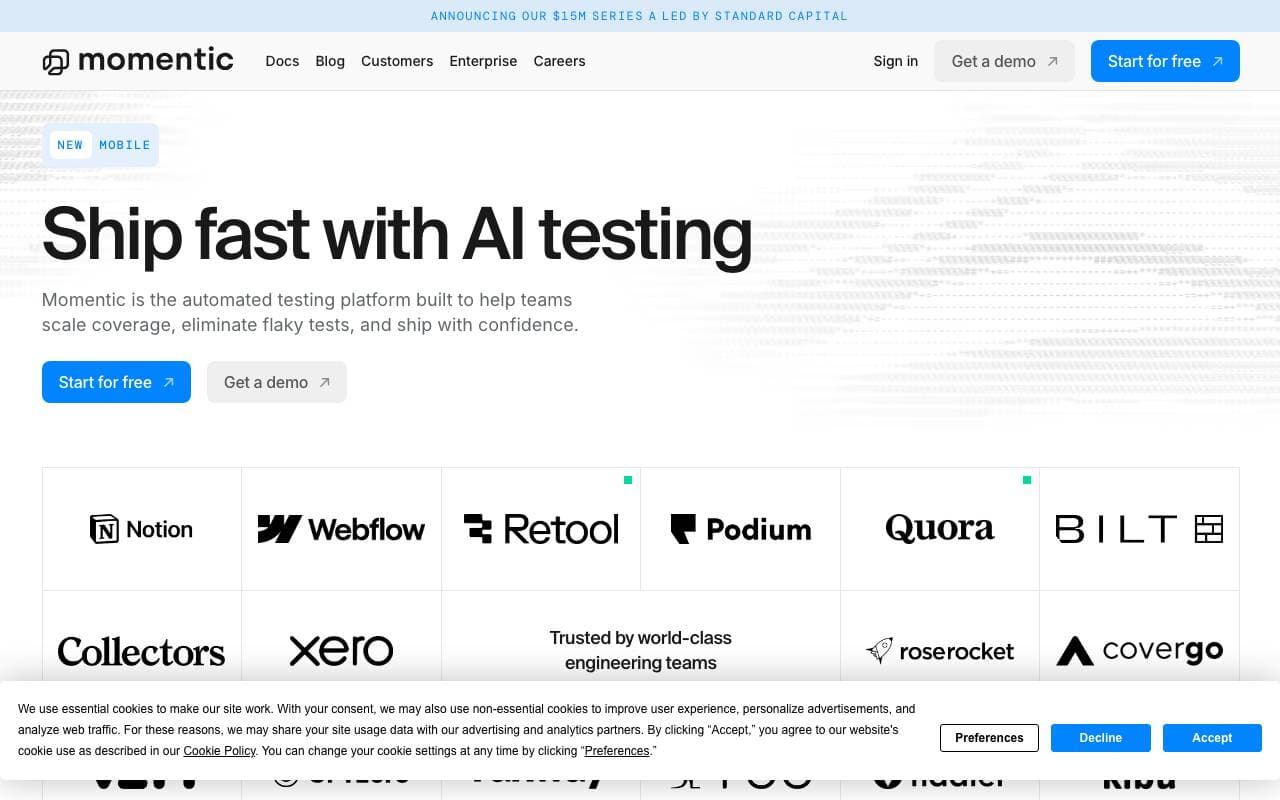
Momentic AI
AI Agents
Softwaretests schreiben, beheben und ausführen – mit einfachen englischen Befehlen

Micro Agent
AI Agents
AI-Coding-Agent, der Code iteriert, bis deine Tests bestanden sind

Mogoj AI
AI Agents
KI-gesteuerte Arbeitsablaufoptimierung und Geschäftsprozessautomatisierung


Charisma.ai
AI Agents
Immersive konversationale AI für interaktive Geschichten, Ausbildung und Marketingkampagnen
Trending now


Claude
AI Agents & Chatbots
Konversations‑KI‑Assistent von Anthropic für Schreiben, Analyse, Programmieren und Dokumentaufgaben
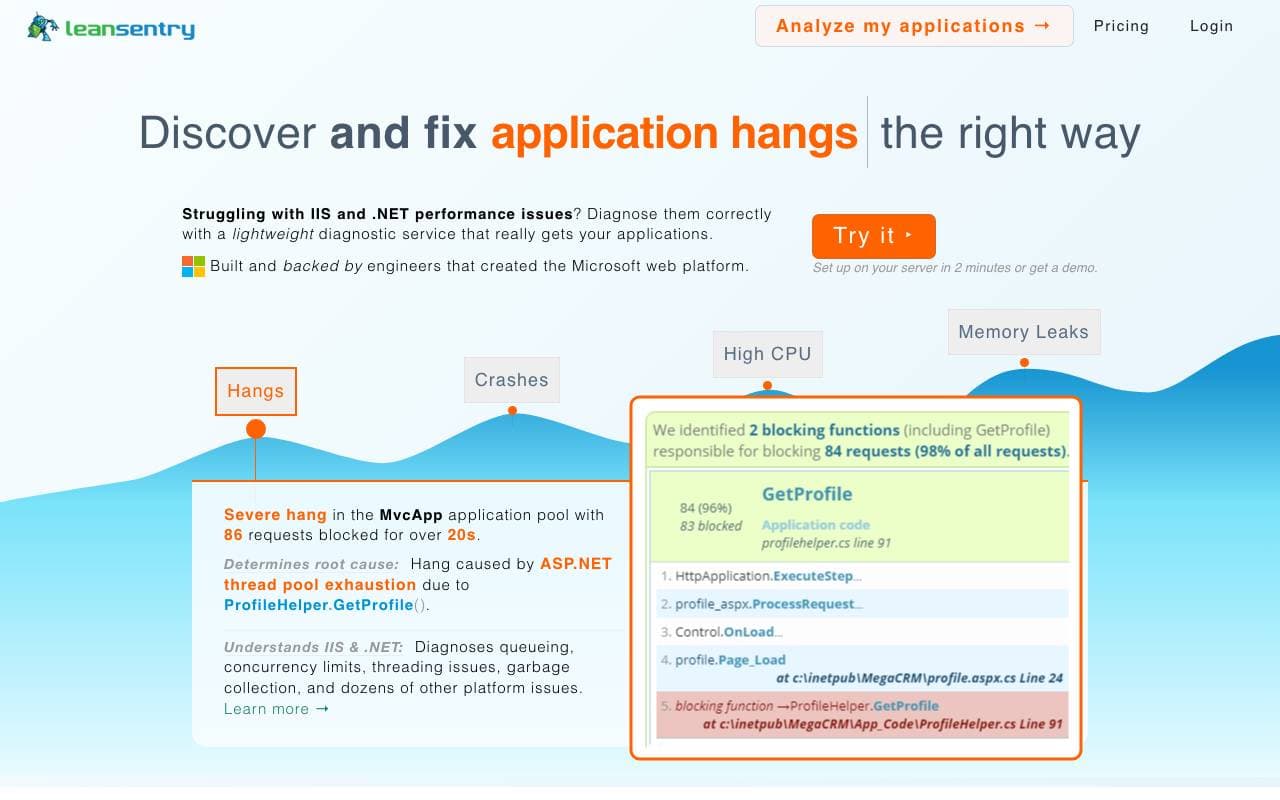

LeanSentry
Software Development
KI-gestützte Diagnostik und Überwachung für IIS- und ASP.NET-Leistungsprobleme.

Doozer Ai
Sales Agent
Digitale Mitarbeiter, die operative Workflows automatisieren, um die Effizienz von Teams zu steigern.

Consistent Character AI
Images
Erstellen Sie konsistente KI-Charaktere über Szenen hinweg aus einem einzigen Referenzfoto.