
NVIDIA DRIVEKI-gestützte Hardware‑ und Softwareplattform zum Bau autonomer Fahrzeuge

Übersicht
Hauptfunktionen
- DRIVE Orin und Thor fahrzeugspezifische SoCs
- DRIVE OS und AV‑Software‑Stack
- DRIVE Sim für virtuelle Tests und Validierung
- Vorgefertigte Wahrnehmungs‑ und Planungsmodelle
- Sensorfusion über Kameras, Radar und LiDAR
- Einhaltung funktionaler Sicherheit und Cybersicherheit
Preise
- Modell
- Freemium
- Kategorie
- Computer Vision
- Bewertung
- 4.5 / 5 (6)
Anwendungsfälle
Entwicklung von Wahrnehmungspaketen für autonome Fahrzeuge
Automobilhersteller und Tier‑One‑Lieferanten können Wahrnehmungsmodelle auf Basis vortrainierter Netzwerke und Sensorfusion über Kameras, Radar und LiDAR erstellen und trainieren.
Virtuelle Tests mit DRIVE Sim
Ingenieurteams können autonome Fahralgorithmen in simulierten Umgebungen validieren, bevor sie auf reale Fahrzeuge übertragen werden, wodurch das Risiko und die Kosten für Straßentests reduziert werden.
Bereitstellung von Produktions‑ADAS‑Systemen
OEMs können fortschrittliche Fahrerassistenzfunktionen auf fahrzeugspezifischen DRIVE Orin oder Thor SoCs mit Einhaltung funktionaler Sicherheit und Cybersicherheit ausliefern.
Akademische AV‑Forschung
Forschungsteams können Planung‑ und Steuerungsstapel prototypisieren, indem sie die einheitliche Pipeline von NVIDIA von der Datenerhebung und dem Training bis zur Simulation und zum On‑Vehicle‑Deployment nutzen.
Pro & Contra
Pro
- Skalierbare Rechenleistung von ADAS bis zur vollständigen Autonomie
- Integrierter Hardware‑, Software‑ und Simulations‑Stack
- Sicherheitszertifizierungen in fahrzeugspezifiziertem Niveau
- Starkes Ökosystem aus OEM‑ und Lieferantenpartnerschaften
Contra
- Hohe Kosten und Komplexität für kleinere Teams
- Steile Lernkurve für neue Entwickler
- Anbieterbindung an NVIDIA‑Hardware
- Erfordert erhebliche Engineering‑Ressourcen für die Implementierung
Bewertungen
Durchschnitt aus 6 Bewertungen.
Melde dich an, um eine Bewertung abzugeben.
Years in this space
I've evaluated a lot of these over the years. What stands out here is sensor fusion across cameras, radar, and lidar — handled better than most — and automotive-grade safety certifications. Worth the time if this is your use case.
Compared a few options
Evaluated this against two competitors. Where it wins: dRIVE Orin and Thor automotive SoCs and strong ecosystem of OEM and supplier partnerships. Where it lags: steep learning curve for new developers. On balance the feature set — especially dRIVE Orin and Thor automotive SoCs — justifies the 4 stars for our use case.
Solid for our team
We rolled this out across the team last quarter and scalable compute from ADAS to full autonomy. Sensor fusion across cameras, radar, and lidar fits neatly into how we already work, and dRIVE OS and AV software stack removed a step we used to do by hand. High cost and complexity for smaller teams, which is the main caveat, but it has held up under daily use.
Years in this space
I've evaluated a lot of these over the years. What stands out here is pre-trained perception and planning models — handled better than most — and automotive-grade safety certifications. Worth the time if this is your use case.
Compared a few options
Evaluated this against two competitors. Where it wins: sensor fusion across cameras, radar, and lidar and scalable compute from ADAS to full autonomy. On balance the feature set — especially functional safety and cybersecurity compliance — justifies the 5 stars for our use case.
Compared a few options
Evaluated this against two competitors. Where it wins: pre-trained perception and planning models and automotive-grade safety certifications. Where it lags: high cost and complexity for smaller teams. On balance the feature set — especially dRIVE Orin and Thor automotive SoCs — justifies the 4 stars for our use case.
Fragen & Antworten
Noch keine Fragen — sei die/der Erste!
Frage stellen
Alternativen zu Computer Vision

PimEyes
Computer Vision
KI-gestützte Gesichtssuchmaschine zur Auffindung von Online-Fotos einer bestimmten Person

Qate AI
Computer Vision
GenAI-gestützte Qualitätssicherung, die Ihre App wie ein realer Benutzer erkundet und testet.
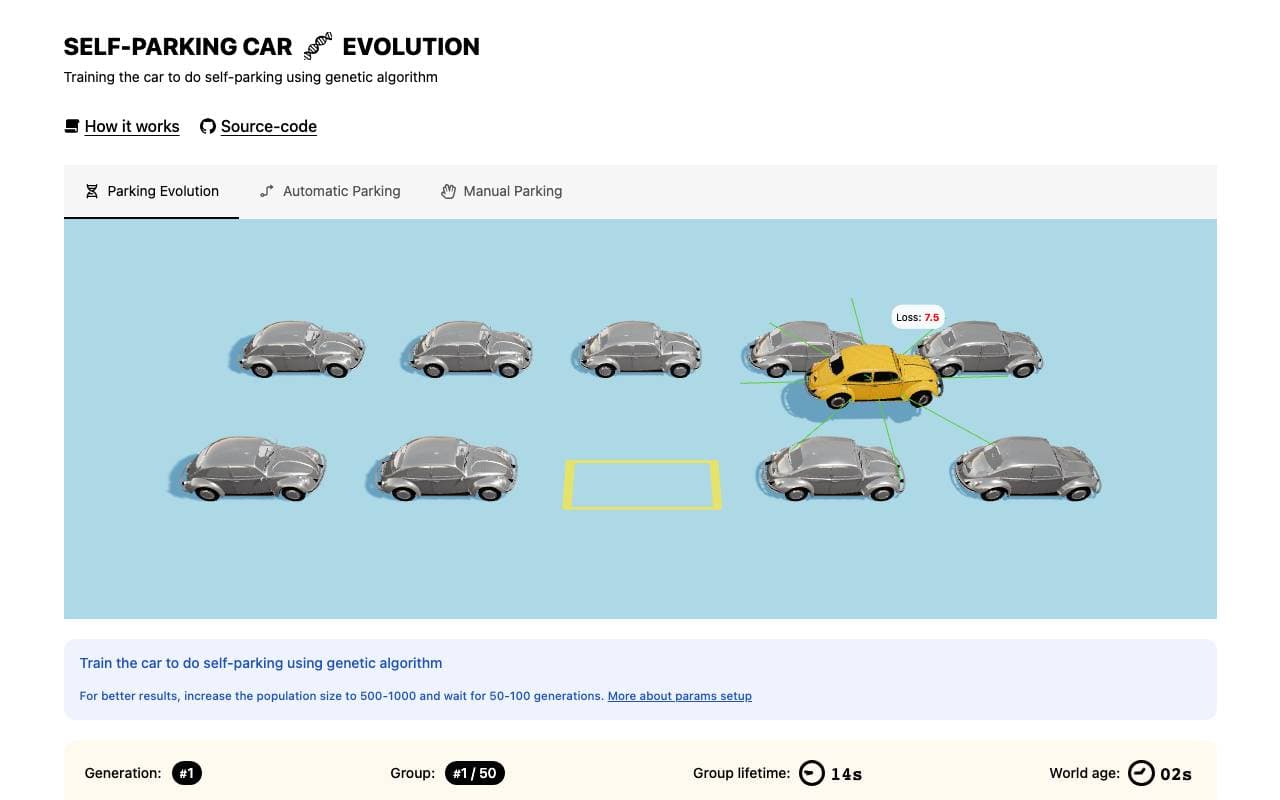

Self-Parking Car Evolution
Computer Vision
Genetische-Algo-Demo, die sichere Parkplätze fährt selbst in der Browser-Überprüfung.

Roboco AI
Computer Vision
Framewerk für autonome KI-Agenten zur Erstellung taskorientierter Robotikanwendungen.
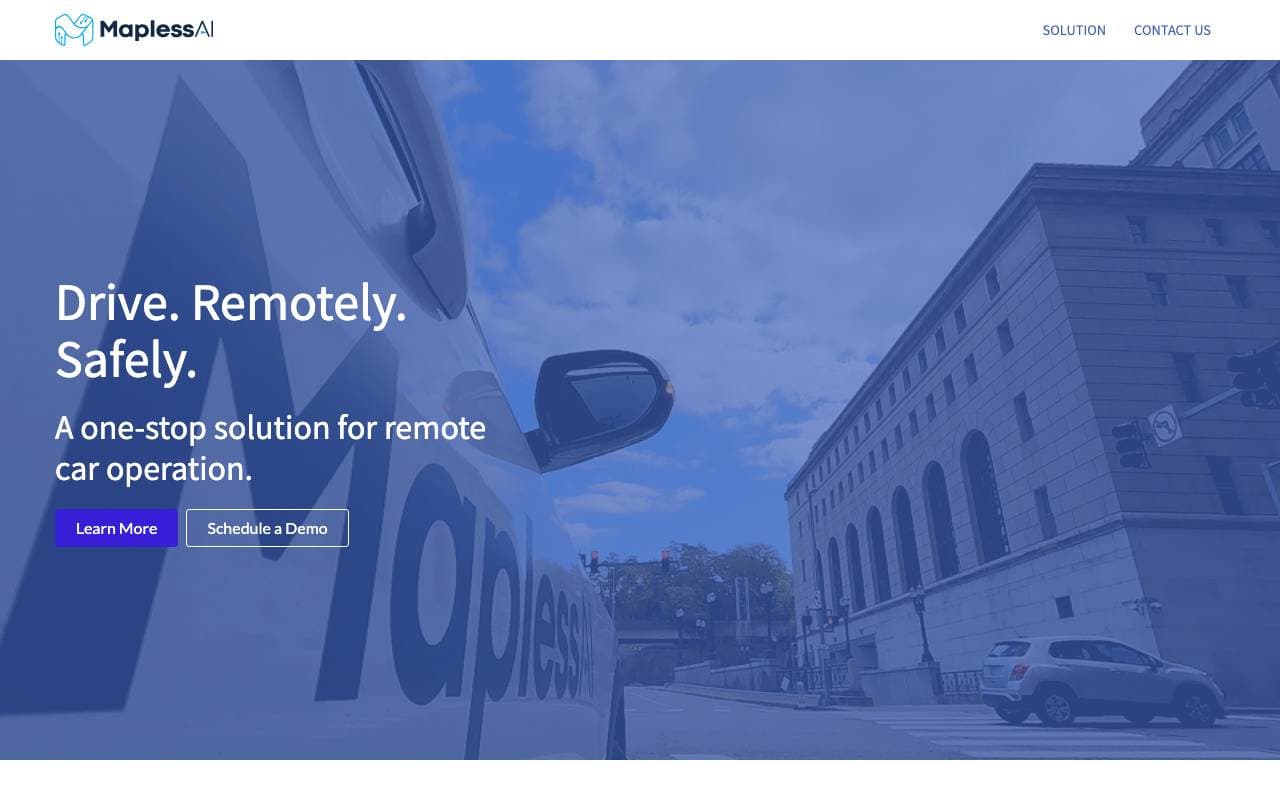

Mapless AI
Computer Vision
Fernbedienungsplattform für sichere, fahrerlose Flottenverwaltung.
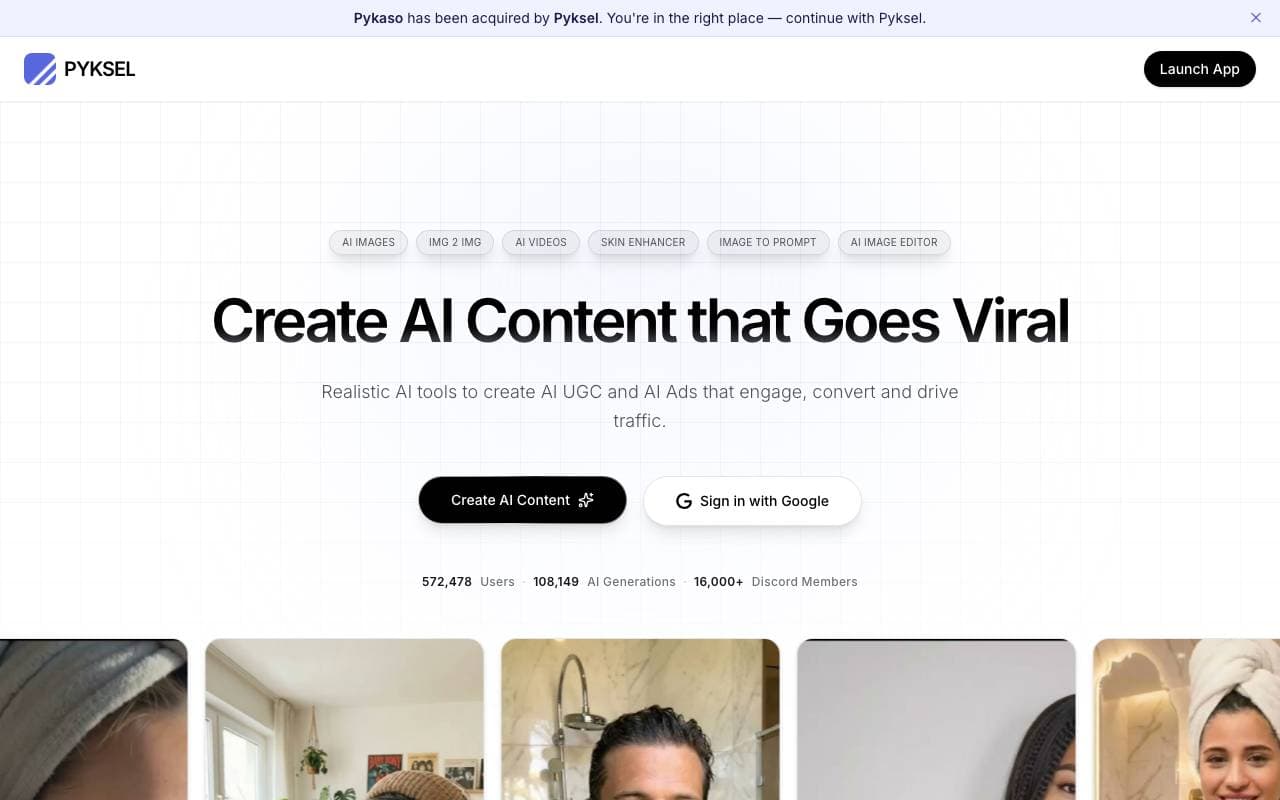

Pykaso
Computer Vision
Ultra-realistische AI-Bild- und Videogeneration mit individueller LoRA-Meldmodelausbildung


ExpertDevTech
Computer Vision
Maßgeschneiderte Software-, KI- und digitale Lösungen für beschleunigtes Unternehmenswachstum.

Retouch4me
Computer Vision
AI-Retouche-Plugins, die Haut, Farbe und Details automatisieren, während natürlicher Textur erhalten bleibt
Trending now

Doozer Ai
Sales Agent
Digitale Mitarbeiter, die operative Workflows automatisieren, um die Effizienz von Teams zu steigern.


Claude
AI Agents & Chatbots
Konversations‑KI‑Assistent von Anthropic für Schreiben, Analyse, Programmieren und Dokumentaufgaben
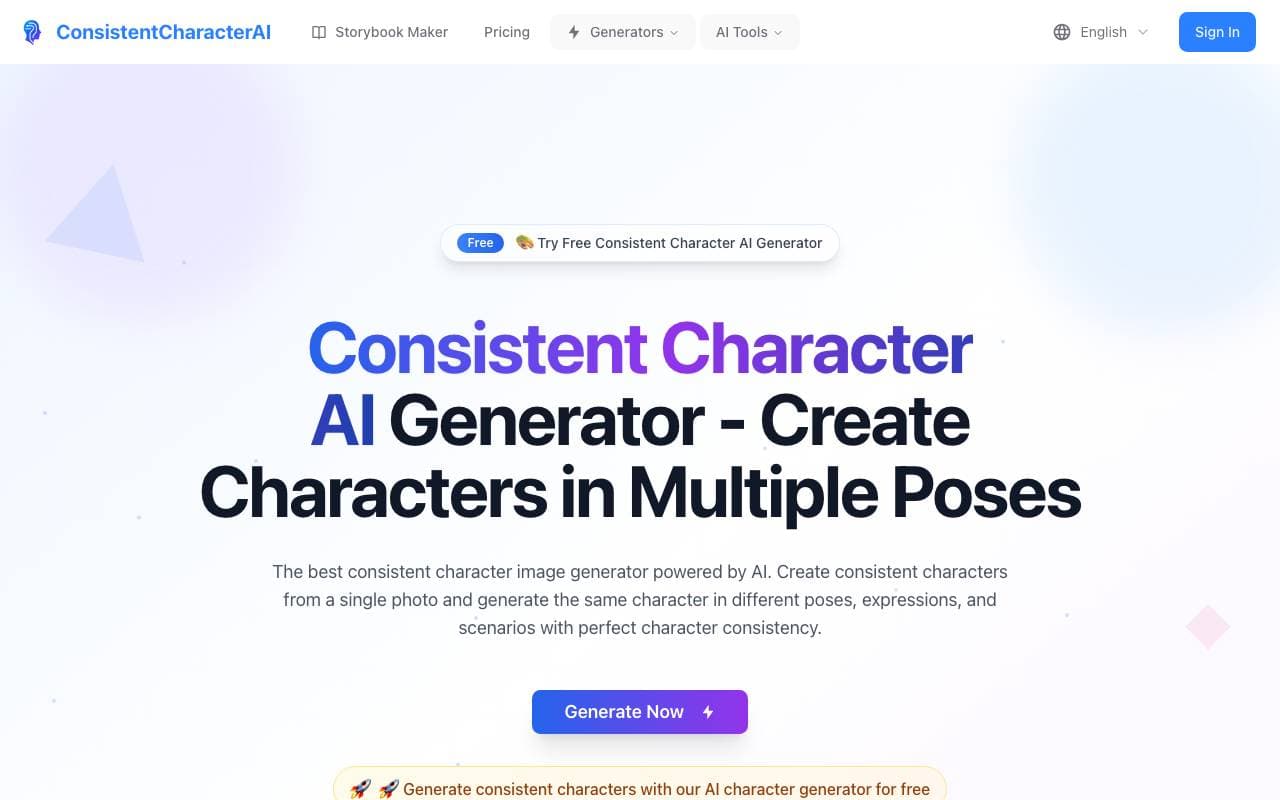

Consistent Character AI
Images
Erstellen Sie konsistente KI-Charaktere über Szenen hinweg aus einem einzigen Referenzfoto.

Mistral AI
Large Language Models (LLMs)
Open‑Weight-Modelle der Spitzenreihe