
NVIDIA CosmosGenerative World Foundation Models für den Aufbau physischer KI-Systeme wie Roboter und autonome Fahrzeuge.

Übersicht
Hauptfunktionen
- Vorgefertigte generative World Foundation Models
- Video‑ und Bild‑Tokenizer für effiziente Verarbeitung
- Integrierte Sicherheitsguardrails
- Beschleunigte Datenkurationspipeline
- Unterstützung für Feinabstimmung in individuellen Domänen
- Kompatibel mit der Omniverse‑ und Isaac‑Simulation
Preise
- Modell
- Contact for pricing
- Kategorie
- AI Robotics
- Bewertung
- 4.7 / 5 (6)
Anwendungsfälle
Autonomes Fahrzeugperception trainieren
Erzeugen physikbewusster synthetischer Fahrszenarien, um selbstfahrende Systeme in vielfältigen Randfällen zu trainieren und zu validieren, ohne teure Datenerfassung in der realen Welt.
Humanoide Robotikstrategien entwickeln
Verwenden vortrainierter World Foundation Models mit Isaac und Omniverse, um Umgebungen zu simulieren und zukünftige Zustände vorherzusagen, um humanoide Roboterverhalten zu trainieren.
Fine‑Tuning für industrielle Automatisierung
Passen Cosmos‑Modelle an firmeneigene Fabrik‑oder Lagerdatensätze an, um domänenspezifische synthetische Daten für robotergestützte Arme und Automatisierungsworkflows zu generieren.
Synthetische Datengenerierung skalieren
Nutzen Sie die beschleunigte Datenkurationspipeline und Tokenizer, um große Mengen gelabelter Video‑ und Bilddaten für die physische KI‑Schulung zu erzeugen.
Pro & Contra
Pro
- Offene Modellgewichte mit permissiver Lizenzierung
- Zweckmäßig für physische KI und Robotik
- Generiert physikbewusste synthetische Trainingsdaten
- Integriert sich mit NVIDIA Omniverse und Isaac
Contra
- Erfordert erhebliche GPU‑Ressourcen für den Betrieb
- Steile Lernkurve für Teams ohne Robotik‑Hintergrund
- Beste Leistung ist an NVIDIA‑Hardware‑Ökosystem gebunden
Bewertungen
Durchschnitt aus 6 Bewertungen.
Melde dich an, um eine Bewertung abzugeben.
Does the job
Pretty happy overall. Fine-tuning support for custom domains just works and generates physics-aware synthetic training data. Best performance tied to NVIDIA hardware ecosystem can be annoying, but no dealbreakers — I'd recommend it to a friend without hesitating.
Years in this space
I've evaluated a lot of these over the years. What stands out here is accelerated data curation pipeline — handled better than most — and generates physics-aware synthetic training data. Requires significant GPU resources to run is my one real gripe. Worth the time if this is your use case.
Solid for our team
We rolled this out across the team last quarter and generates physics-aware synthetic training data. Built-in safety guardrails fits neatly into how we already work, and accelerated data curation pipeline removed a step we used to do by hand. Steep learning curve for non-robotics teams, which is the main caveat, but it has held up under daily use.
Skeptical, then convinced
I went in skeptical — most tools in this space overpromise. It actually delivers on compatible with Omniverse and Isaac simulation, and generates physics-aware synthetic training data caught me off guard. still, I'd recommend giving it a real trial.
Use it every day
Honestly didn't expect to like it this much. Compatible with Omniverse and Isaac simulation is exactly what I needed, and purpose-built for physical AI and robotics. I do wish requires significant GPU resources to run, but I reach for it almost every day now and it just clicks.
Does the job
Pretty happy overall. Pretrained generative world foundation models just works and generates physics-aware synthetic training data. Steep learning curve for non-robotics teams can be annoying, but no dealbreakers — I'd recommend it to a friend without hesitating.
Fragen & Antworten
What use cases is NVIDIA Cosmos designed for?
Cosmos is purpose-built for physical AI development, including training and validating autonomous vehicles, humanoid robots, and industrial automation systems. It simulates physics-aware environments and predicts future world states from text, image, or video inputs to support synthetic data generation and policy evaluation.
What are the main limitations or requirements to consider?
Cosmos requires significant GPU resources to run, with best performance tied to the NVIDIA hardware ecosystem. It also has a steep learning curve for teams without robotics expertise, though open model weights and permissive licensing help lower adoption barriers.
How does Cosmos integrate with other NVIDIA tools?
Cosmos is compatible with NVIDIA's broader robotics and simulation stack, integrating with Omniverse and Isaac for large-scale synthetic data generation and policy evaluation. It also includes tokenizers, guardrails, and an accelerated data curation pipeline.
Frage stellen
Alternativen zu AI Robotics
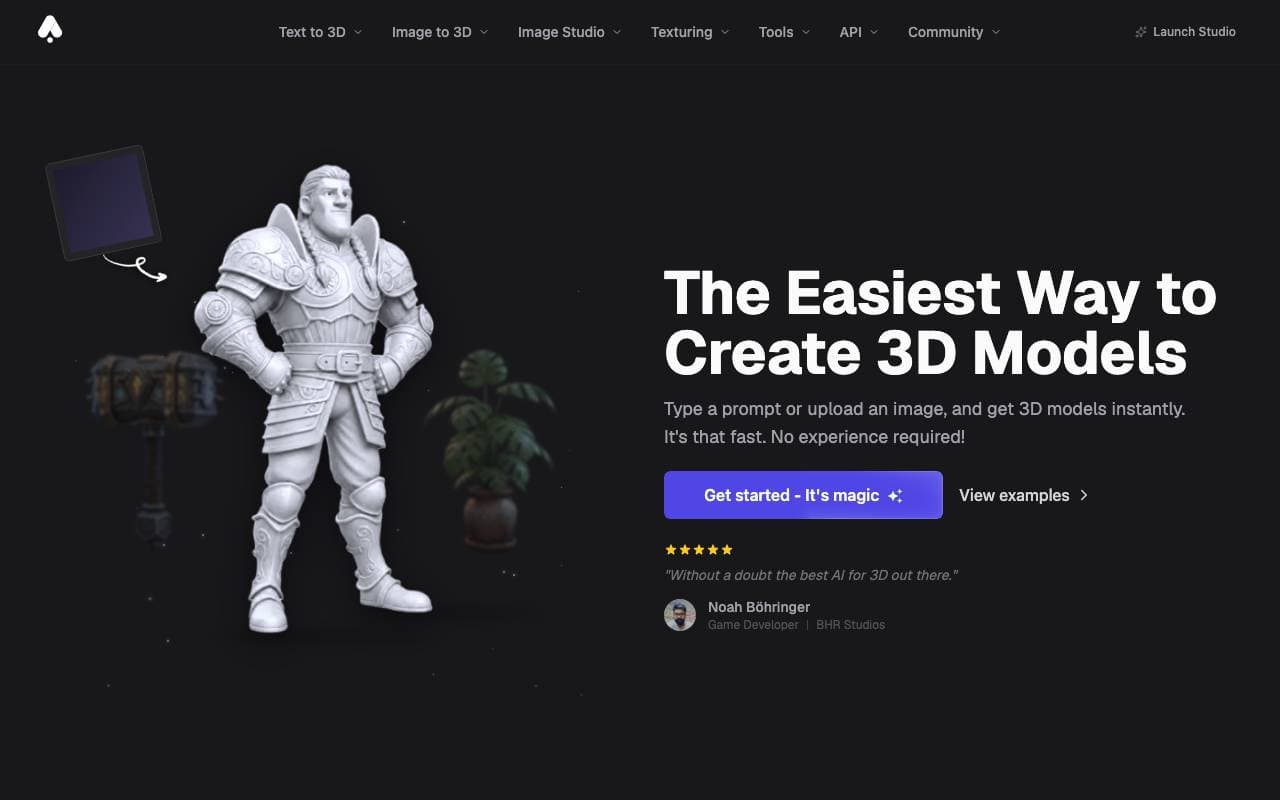

3D AI Studio
AI Robotics
3D-Modelle aus Textprompt oder Bildern mit KI erzeugen, inklusive Texturierung und Remeshing-Tools


Figure AI
AI Robotics
Unternehmen, das allgemeine, mit künstlicher Intelligenz ausgestattete humanoide Roboter für Haushalt und Industrie entwickelt


Aurora Innovation
AI Robotics
Plattform für selbstfahrende Technologie, die autonomes LKW- und Ride-Hailing im großen Maßstab ermöglicht.
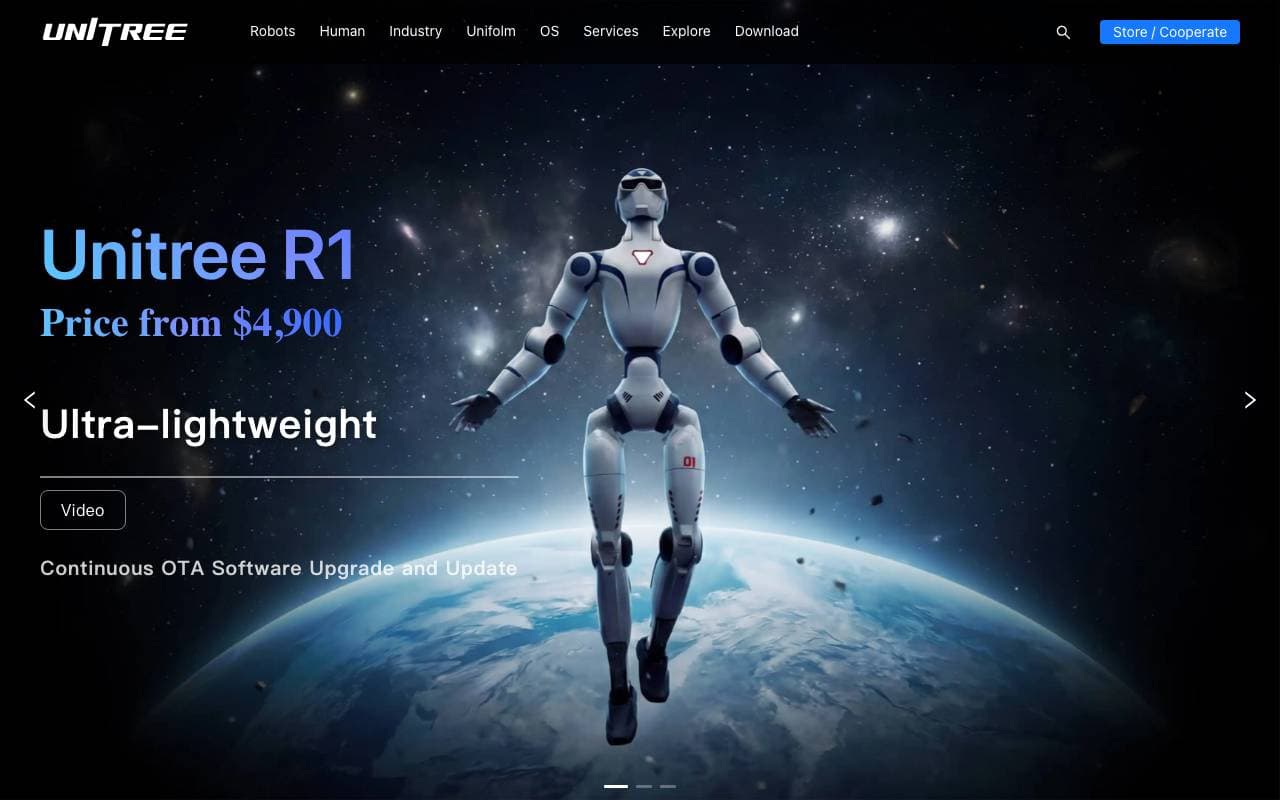

Unitree R1
AI Robotics
Kompakter humanoider Roboter mit 26 Gelenken und multimodaler AI für Forschung und Bildung
Trending now

Doozer Ai
Sales Agent
Digitale Mitarbeiter, die operative Workflows automatisieren, um die Effizienz von Teams zu steigern.


Claude
AI Agents & Chatbots
Konversations‑KI‑Assistent von Anthropic für Schreiben, Analyse, Programmieren und Dokumentaufgaben


Consistent Character AI
Images
Erstellen Sie konsistente KI-Charaktere über Szenen hinweg aus einem einzigen Referenzfoto.


Pin AI
Workflow automation
Agentic AI Recruiter, der Sourcing, Screening und Outreach automatisiert, um den Einstellungsprozess zu beschleunigen.