
MS FabricEine einheitliche Analytics-Plattform, die Datenengineering, Datenlagerung und KI für Echtzeit-Insights und Automatisierung integriert.

Übersicht
Hauptfunktionen
- Einheitliche Analytics-Plattform
- Echtzeit-Insights
- Automatisierungsfunktionen
- Datenengineering
- Datenlagerung
- KI-Integration
Preise
- Modell
- Paid
- Kategorie
- AI Agent Development Platforms
- Bewertung
- 4.8 / 5 (6)
Anwendungsfälle
Einheitliche Unternehmens-Datenanalyse
Konsolidieren Sie Datenengineering- und Lagerungsaufgaben auf einer einzigen Plattform, um Analysepipelines zu optimieren und Tool-Schwarm über Teams hinweg zu reduzieren.
Echtzeit-Business-Insights
Nutzen Sie Echtzeit-Datenverarbeitung, um Dashboards und Entscheidungsfindung zu unterstützen, sodass Organisationen schnell auf betriebliche Änderungen reagieren können.
KI-gesteuerte Automatisierung
Integrieren Sie KI-Funktionen in Daten-Workflows, um Berichterstattung, Anomalieerkennung und routinemäßige Analyseaufgaben in großem Umfang zu automatisieren.
Zentralisierte Datenlagerung
Nutzen Sie die einheitliche Lagerungsschicht, um große Datensätze zu speichern und abzufragen, wodurch bereichsübergreifende Berichte und analytische Arbeitslasten unterstützt werden.
Pro & Contra
Pro
- Einheitliche Plattform für Datenengineering, Lagerung und KI
- Echtzeit-Analyse und Insights
- Automatisierung repetitiver Aufgaben
- Skalierbarkeit und Zuverlässigkeit in der Microsoft Cloud
- Umfassende Lösung für Datenmanagement und Verarbeitung
Contra
- Abhängigkeit vom Microsoft-Ökosystem für volle Integration
- Möglicherweise hohe Anfangskosten für Implementierung und Lizenzierung
- Steile Lernkurve aufgrund der einheitlichen Analytics-Plattform mit vielen Funktionen
- Komplexitäten in Datenverwaltung und Sicherheit können erhebliche Ressourcen erfordern
Bewertungen
Durchschnitt aus 6 Bewertungen.
Melde dich an, um eine Bewertung abzugeben.
Years in this space
I've evaluated a lot of these over the years. What stands out here is the API — handled better than most — and it is genuinely easy to set up. The docs could be deeper is my one real gripe. Worth the time if this is your use case.
Does the job
Pretty happy overall. The core workflow just works and the value for money is strong. Pricing gets steep at scale can be annoying, but no dealbreakers — I'd recommend it to a friend without hesitating.
Skeptical, then convinced
I went in skeptical — most tools in this space overpromise. It actually delivers on the automation, and the value for money is strong caught me off guard. still, I'd recommend giving it a real trial.
Use it every day
Honestly didn't expect to like it this much. The dashboard is exactly what I needed, and it is genuinely easy to set up. I do wish the mobile experience lags, but I reach for it almost every day now and it just clicks.
Use it every day
Honestly didn't expect to like it this much. The dashboard is exactly what I needed, and it is genuinely easy to set up. but I reach for it almost every day now and it just clicks.
Compared a few options
Evaluated this against two competitors. Where it wins: the automation and it is genuinely easy to set up. Where it lags: a few rough edges remain. On balance the feature set — especially the API — justifies the 5 stars for our use case.
Fragen & Antworten
Who is Microsoft Fabric best suited for?
It's designed for organizations that need an end-to-end analytics solution—combining data engineering, warehousing, and AI—rather than stitching together separate tools. Teams seeking real-time insights and automation in a single platform are the primary fit.
What does Microsoft Fabric actually do?
Microsoft Fabric is a unified analytics platform that brings together data engineering, data warehousing, and AI capabilities in one environment, enabling real-time insights and workflow automation across your data stack.
Does Microsoft Fabric support real-time analytics and AI use cases?
Yes. Fabric is built to deliver real-time insights and integrates AI alongside data engineering and warehousing, making it suitable for automated, AI-driven analytics workflows within one unified platform.
Frage stellen
Alternativen zu AI Agent Development Platforms
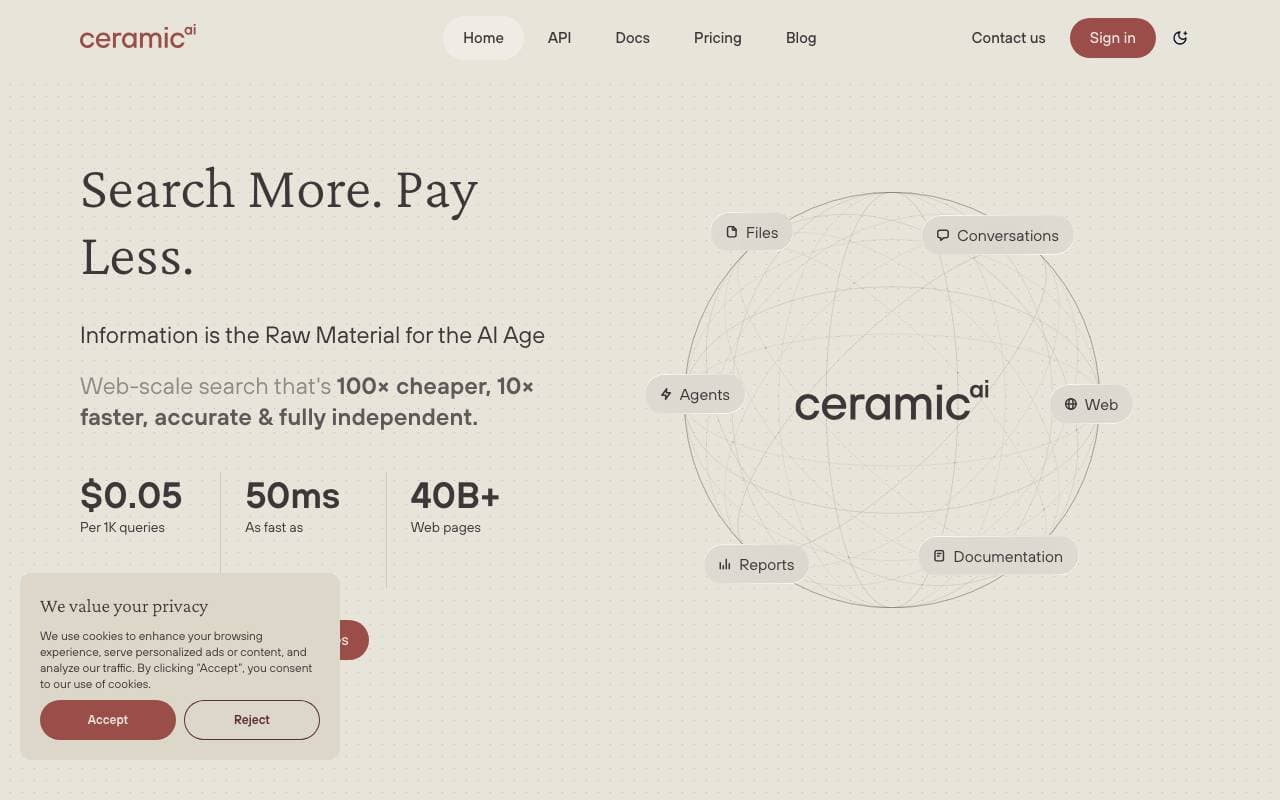

Ceramic.ai
AI Agent Development Platforms
Eine Plattform für künstliche Intelligenz-Infrastruktur, die großskalige Modell-Training mit verbesserten Effizienz und Skalierbarkeit optimiert.
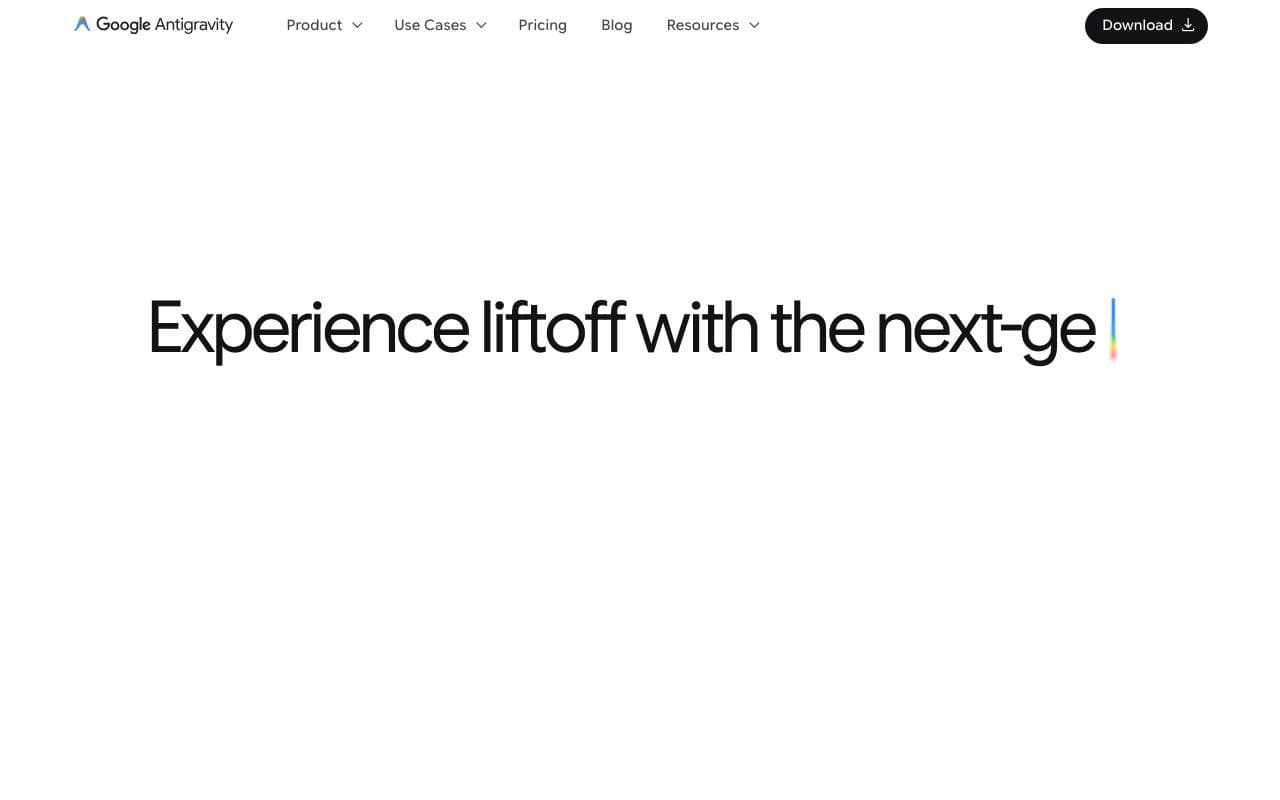

Google Antigravity
AI Agent Development Platforms
Agenten-first AI-Umgebung für Programmieren und IDE von Google, in der autonome Agenten das Planen, Schreiben, Testen und Debuggen von Software in der Editor, Terminal und Browser automatisieren.
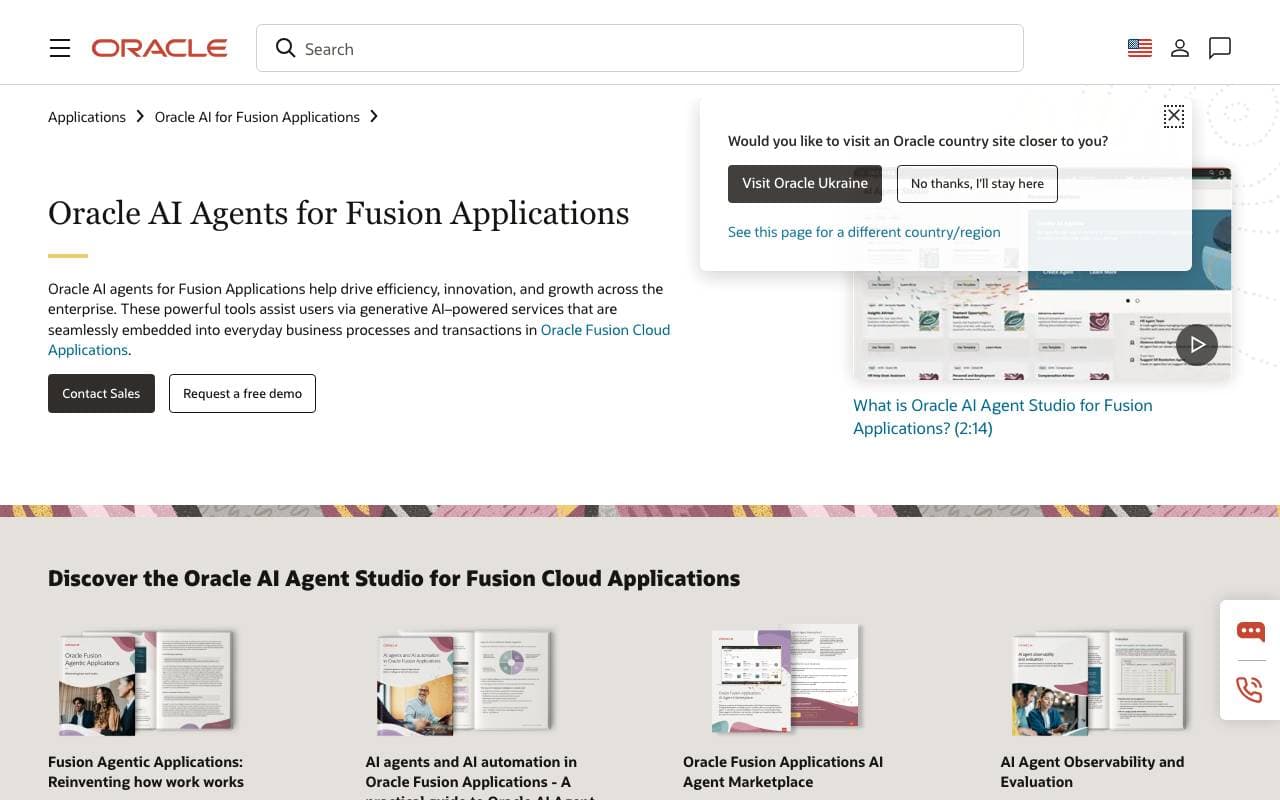

Oracle AI Agent Studio
AI Agent Development Platforms
Eine Enterprise-Plattform zum Erstellen, Validieren, Deployen und Verwalten von KI-Agenten innerhalb von Oracle Fusion Applications.
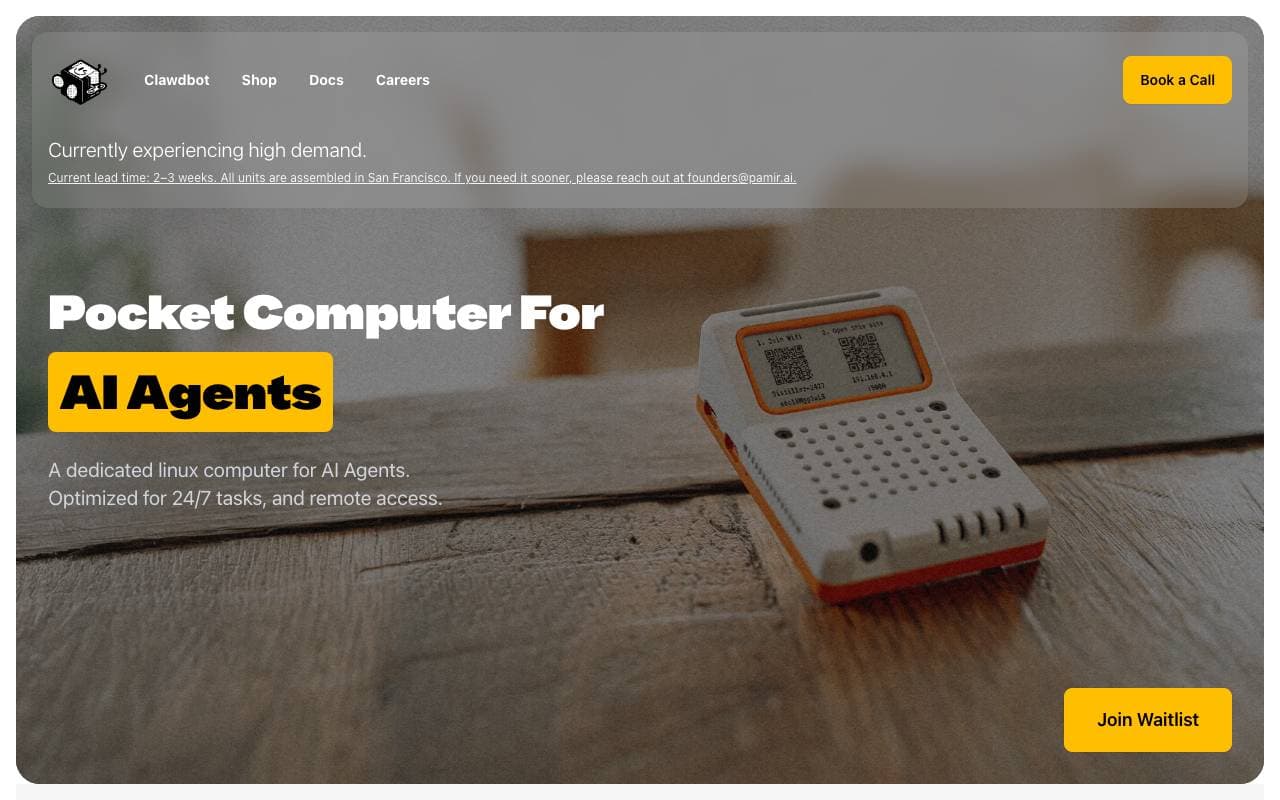

Pamir AI
AI Agent Development Platforms
Edge‑AI-Lösungen mit Hardware und Software für offline-fähige AI-Agenten.
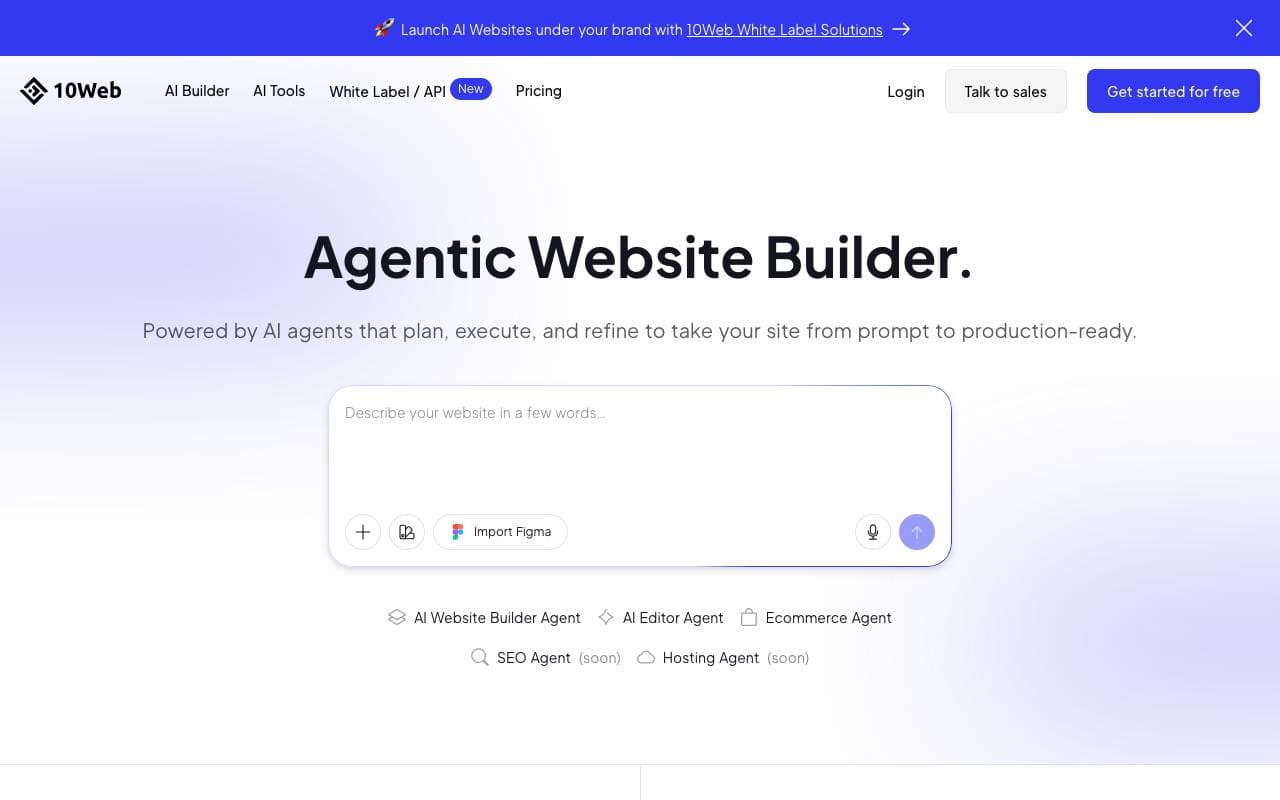

10Web
AI Agent Development Platforms
KI-gestützte Plattform von 10Web für die mühelose Erstellung, das Hosting und die Skalierung von WordPress-Websites.

Natoma MCP Platform
AI Agent Development Platforms
Gehostete MCP-Server für die Verbindung von KI-Agenten mit Unternehmenswerkzeugen und Daten.
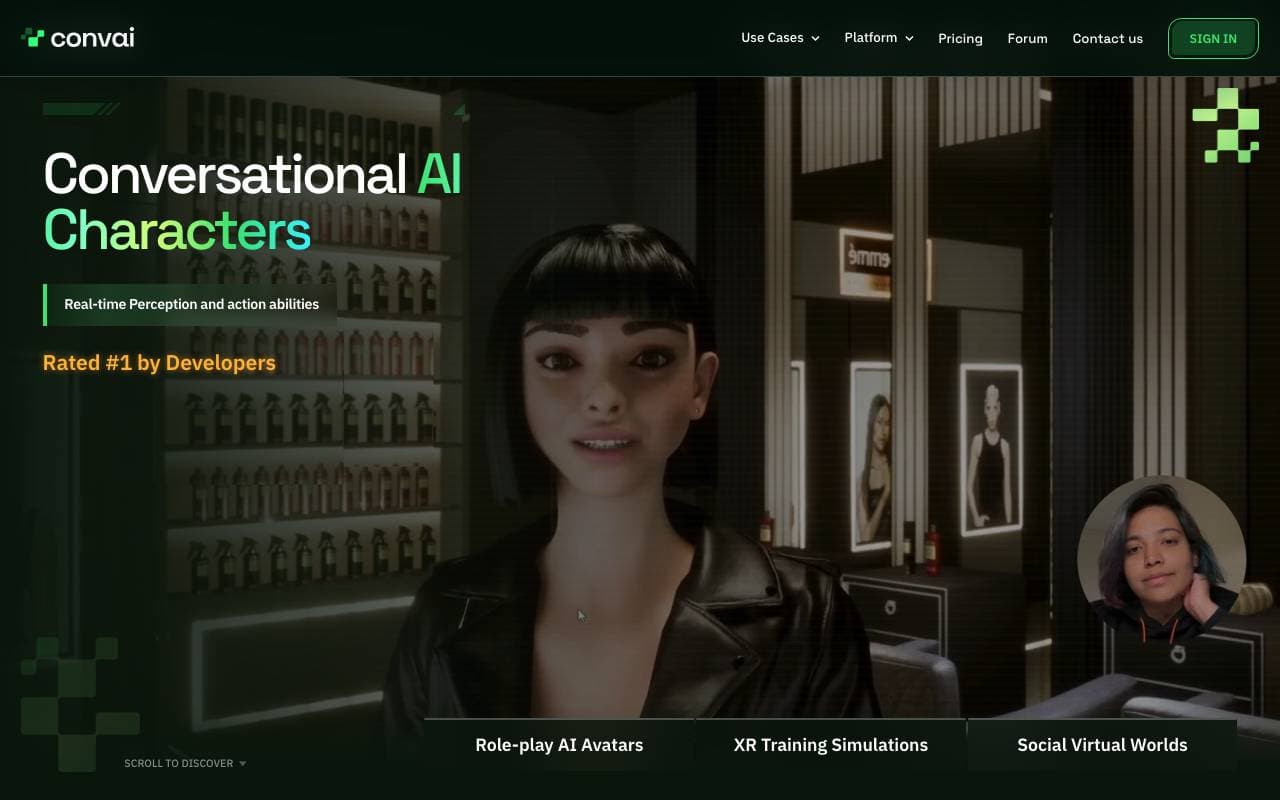

Convai
AI Agent Development Platforms
SDK und Plattform für Echtzeit-NPCs in Spielen und virtuellen Welten mit Sprach-, Sehen- und Aktion-APIs für Unity/Unreal
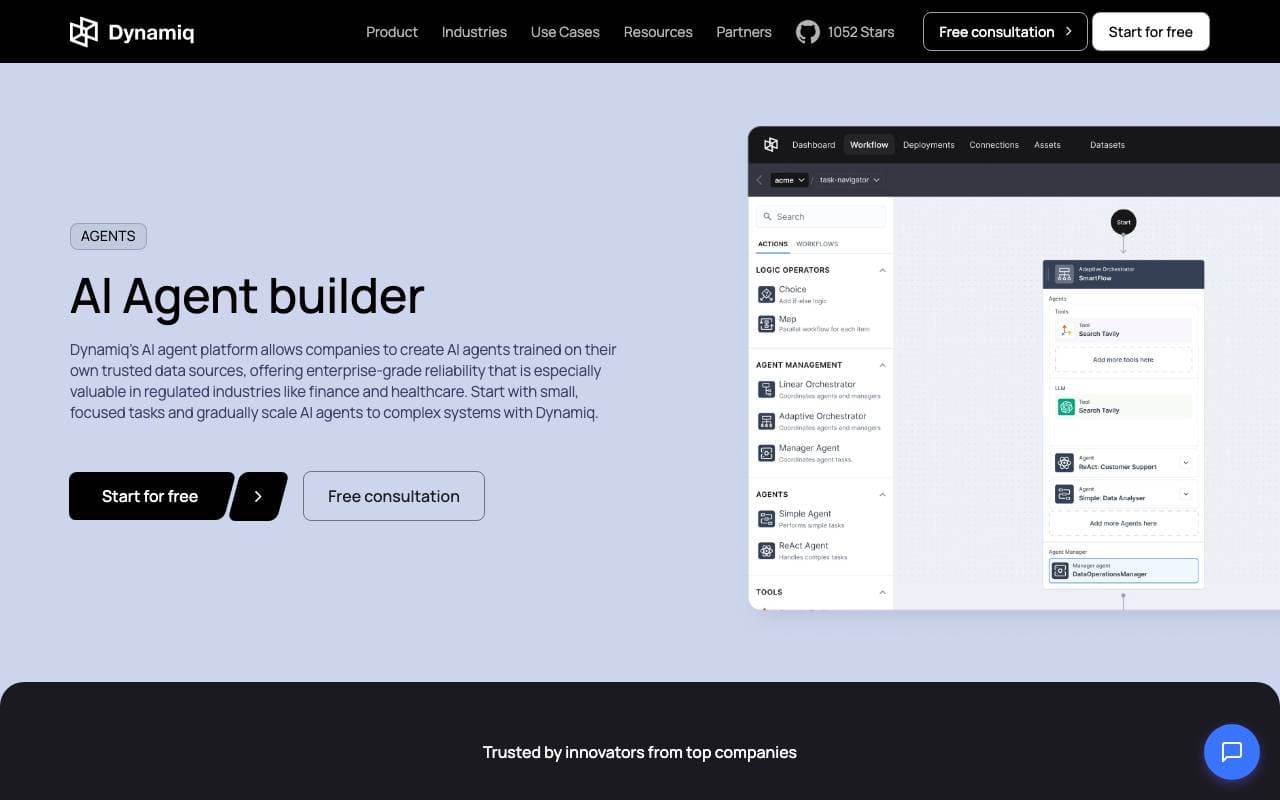

Dynamiq AI Agents
AI Agent Development Platforms
Erstellen und deployen Sie individuelle KI-Agenten zur Automatisierung von Geschäftsprozessen und -abläufen.
Trending now

Doozer Ai
Sales Agent
Digitale Mitarbeiter, die operative Workflows automatisieren, um die Effizienz von Teams zu steigern.

Claude
AI Agents & Chatbots
Konversations‑KI‑Assistent von Anthropic für Schreiben, Analyse, Programmieren und Dokumentaufgaben
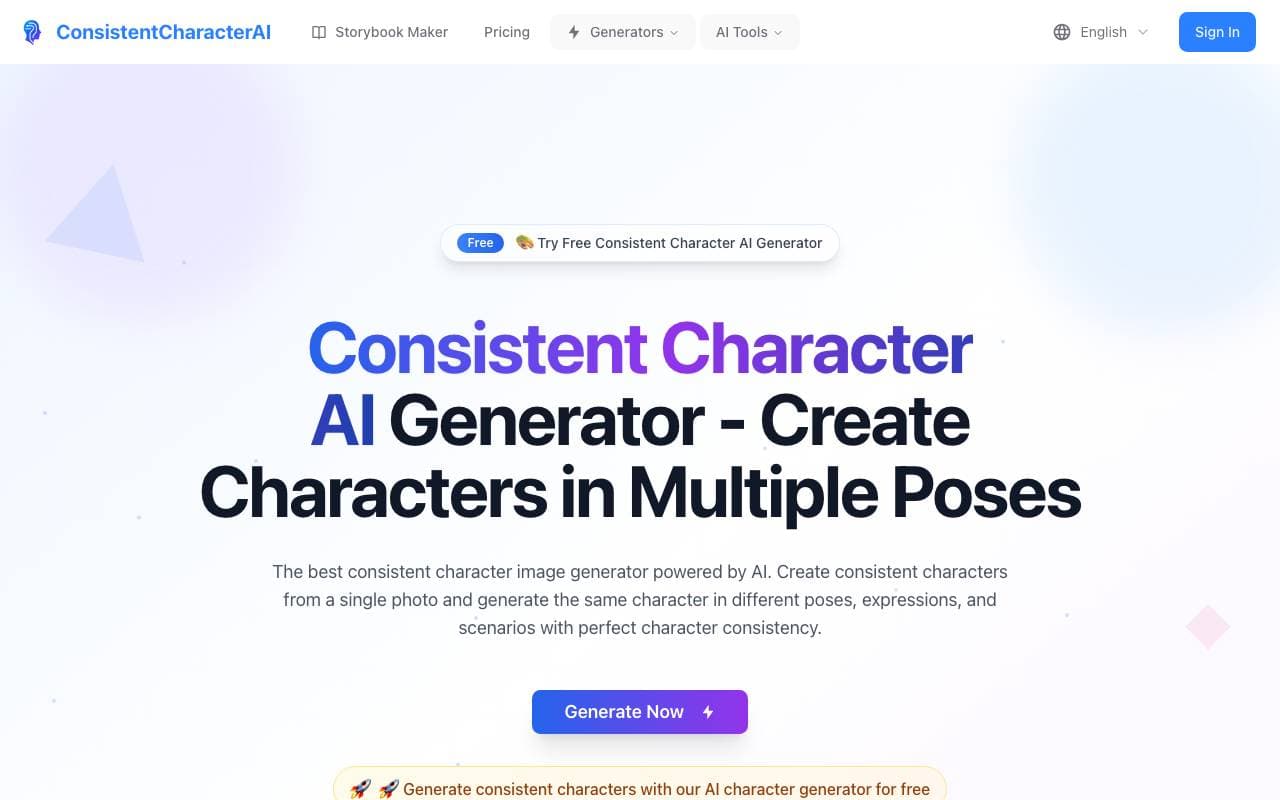

Consistent Character AI
Images
Erstellen Sie konsistente KI-Charaktere über Szenen hinweg aus einem einzigen Referenzfoto.

Mistral AI
Large Language Models (LLMs)
Open‑Weight-Modelle der Spitzenreihe