
memUOpen-Source-Agentic-Memory-Framework für 24/7 proaktive KI-Agenten mit Dateisystem-Speicher, Intentionserkennung und geringeren Token-Kosten.

Übersicht
Hauptfunktionen
- Multimodale Aufnahme von Gesprächen, Dokumenten, Bildern, Videos, Audio, URLs und Logs
- Zusammengefasster Memory-Arbeitsbereich mit Persistenz von Index-, Skill- und Memory-Ebenen
- Typisierte Speicherextraktion aus Rohdaten
- Selbstentwickelnde Fähigkeiten durch automatische Extraktion wiederverwendbarer Tool-Muster und Workflows
- Selbstorganisierende Ordner mit automatischem Aufbau von Kategorien, Links, Zusammenfassungen und Einbettungen
Preise
- Modell
- Freemium
- Kategorie
- AI Agent Development Frameworks
- Bewertung
- 4.8 / 5 (4)
Anwendungsfälle
24/7 Proaktive KI-Agenten entwickeln
Verwenden Sie memU als Speicher-Layer für immer eingeschaltete Agenten, die Kontext über Sessions hinweg behalten und proaktiv handeln, ohne ständige Benutzereingabe.
LLM-Token-Kosten reduzieren
Nutzen Sie den dateisystembasierten Speicher, um Kontext aus Prompts zu entladen, wodurch Token-Verbrauch und Betriebskosten für LLM-gestützte Anwendungen gesenkt werden.
Intentionserkennende Assistenten
Integrieren Sie Intentionserkennung, damit Agenten Benutzerbedürfnisse voraussehen und relevante Aktionen oder Informationen frühzeitig bereitstellen.
Individuelle Agentenentwicklung
Nutzen Sie das Open-Source-Framework, um maßgeschneiderte agentische Systeme mit persistentem, strukturiertem Speicher zu prototypisieren und einzusetzen.
Pro & Contra
Pro
- Schnelle Abrufung durch Traversieren einer baumähnlichen Speicherorganisation
- Höhere Genauigkeit dank scopes kontextualisierten und exakten Gesprächs- oder Dokumentenverfolgung
- Geringere Token-Kosten, da lange Historien nicht in jeden Prompt erneut eingespeist werden
- Menschlich lesbare Speicherorganisation, die Audits und Bearbeitungen ermöglicht
Contra
- —
Bewertungen
Durchschnitt aus 4 Bewertungen.
Melde dich an, um eine Bewertung abzugeben.
Solid for our team
We rolled this out across the team last quarter and the value for money is strong. The core workflow fits neatly into how we already work, and the core workflow removed a step we used to do by hand. The mobile experience lags, which is the main caveat, but it has held up under daily use.
Years in this space
I've evaluated a lot of these over the years. What stands out here is the core workflow — handled better than most — and it saves real time. Worth the time if this is your use case.
Skeptical, then convinced
I went in skeptical — most tools in this space overpromise. It actually delivers on the automation, and the value for money is strong caught me off guard. Pricing gets steep at scale is why this isn't a perfect score, still, I'd recommend giving it a real trial.
Skeptical, then convinced
I went in skeptical — most tools in this space overpromise. It actually delivers on the API, and support is responsive caught me off guard. still, I'd recommend giving it a real trial.
Fragen & Antworten
How does memU help lower token costs?
memU uses a file-system memory approach combined with intention prediction, which lets agents store and retrieve context efficiently rather than reprocessing large prompts—helping reduce the tokens consumed during ongoing agent operations.
Is memU open source, and who is it best suited for?
Yes, memU is open-source. It is best suited for developers and teams building proactive, always-on AI agents that need persistent memory, predictive intent handling, and cost-efficient token usage.
What is memU and what is it designed for?
memU is an open-source agentic memory framework built for 24/7 proactive AI agents. It provides file-system-based memory, intention prediction, and is designed to reduce token costs in long-running agent workflows.
Frage stellen
Alternativen zu AI Agent Development Frameworks

Wildcard AI / agents.json
AI Agent Development Frameworks
Offene Spezifikation und Plattform, die es AI-Agenten ermöglicht, durch einen agents.json-File API-Workflows zu entdecken und aufzurufen.

Strands Agents
AI Agent Development Frameworks
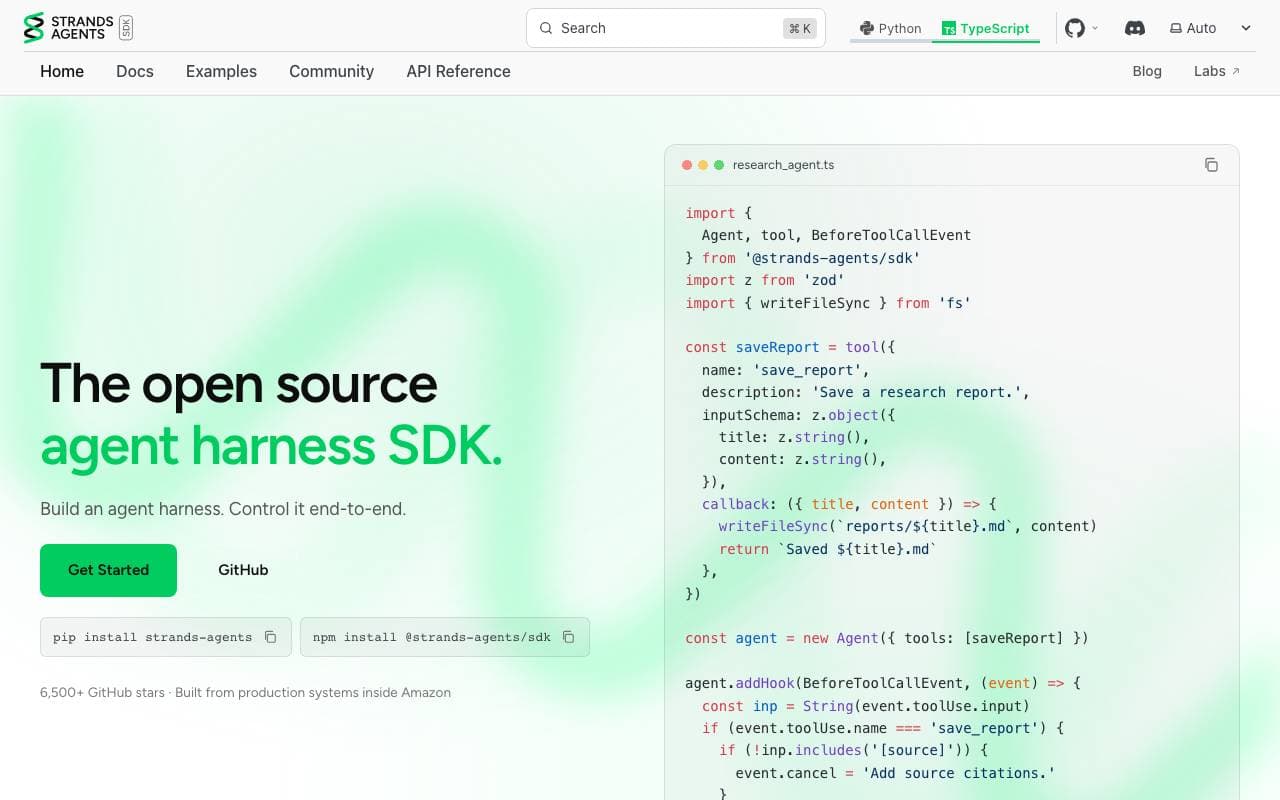
Offene-Quellen-SDK für die Erstellung und -Orchestrierung von einzelnen oder mehreren Agentensystemen mit LLMs und Werkzeugintegration

BabyCatAGI
AI Agent Development Frameworks
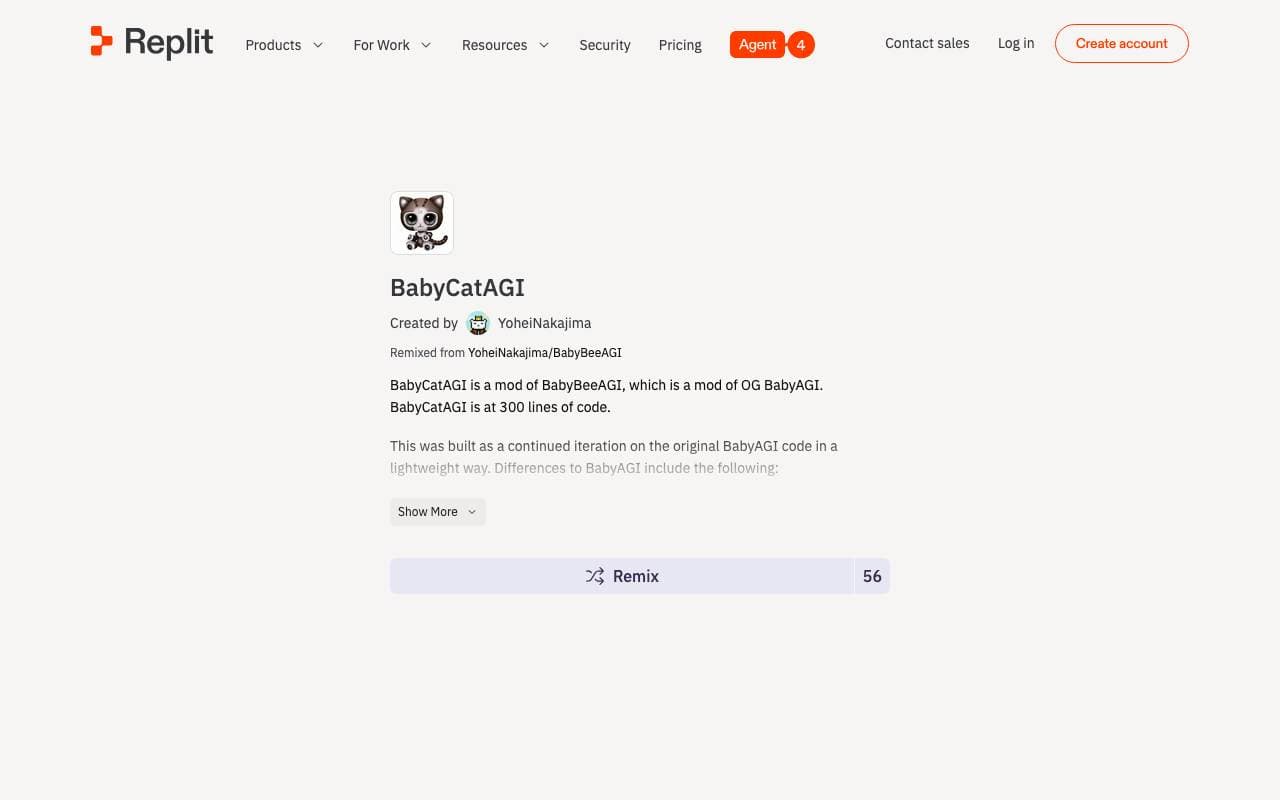
Leichtbares autonomes Framework für die automatisierte Aufgabenverwaltung

Awesome MCP Servers
AI Agent Development Frameworks
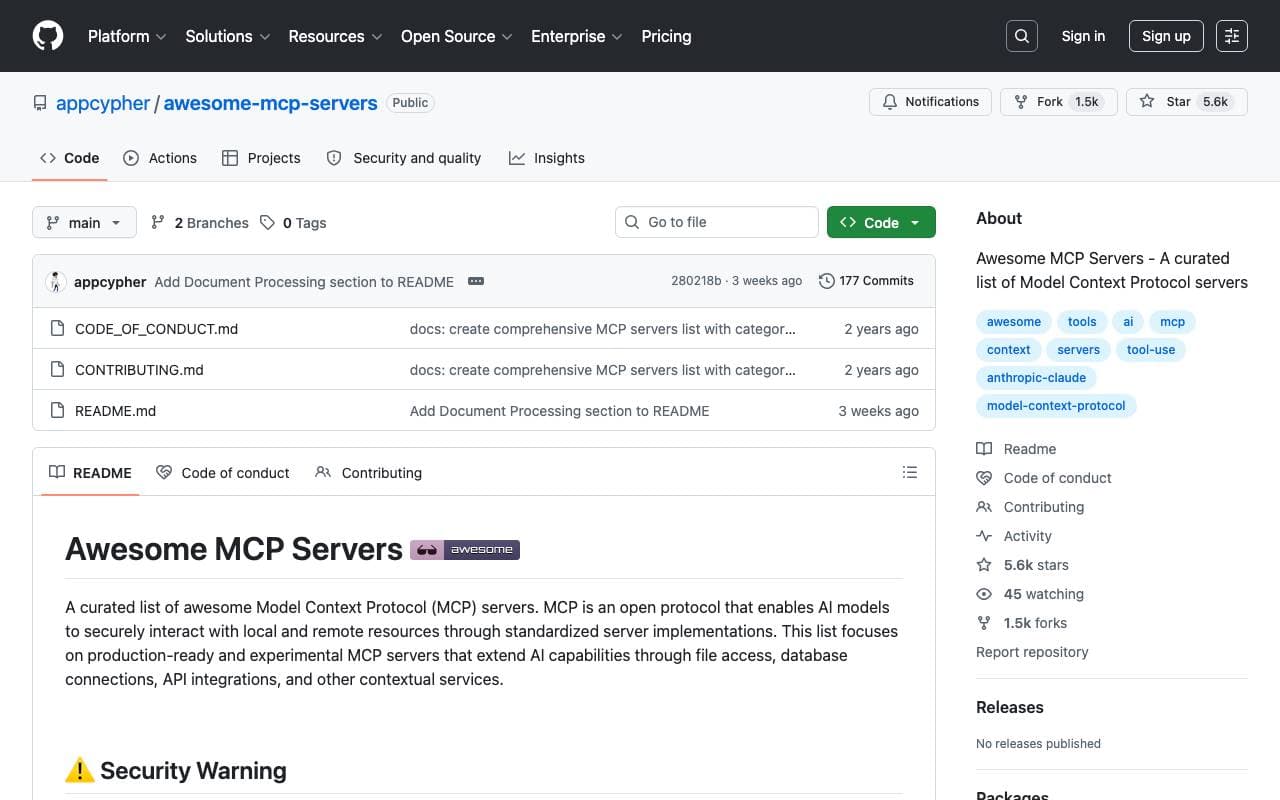
Ein gefördertes Verzeichnis von Model Context Protocol-Servern zur Erweiterung von AI-Assistenten mit Werkzeugen und Daten.

Gemma 3
AI Agent Development Frameworks
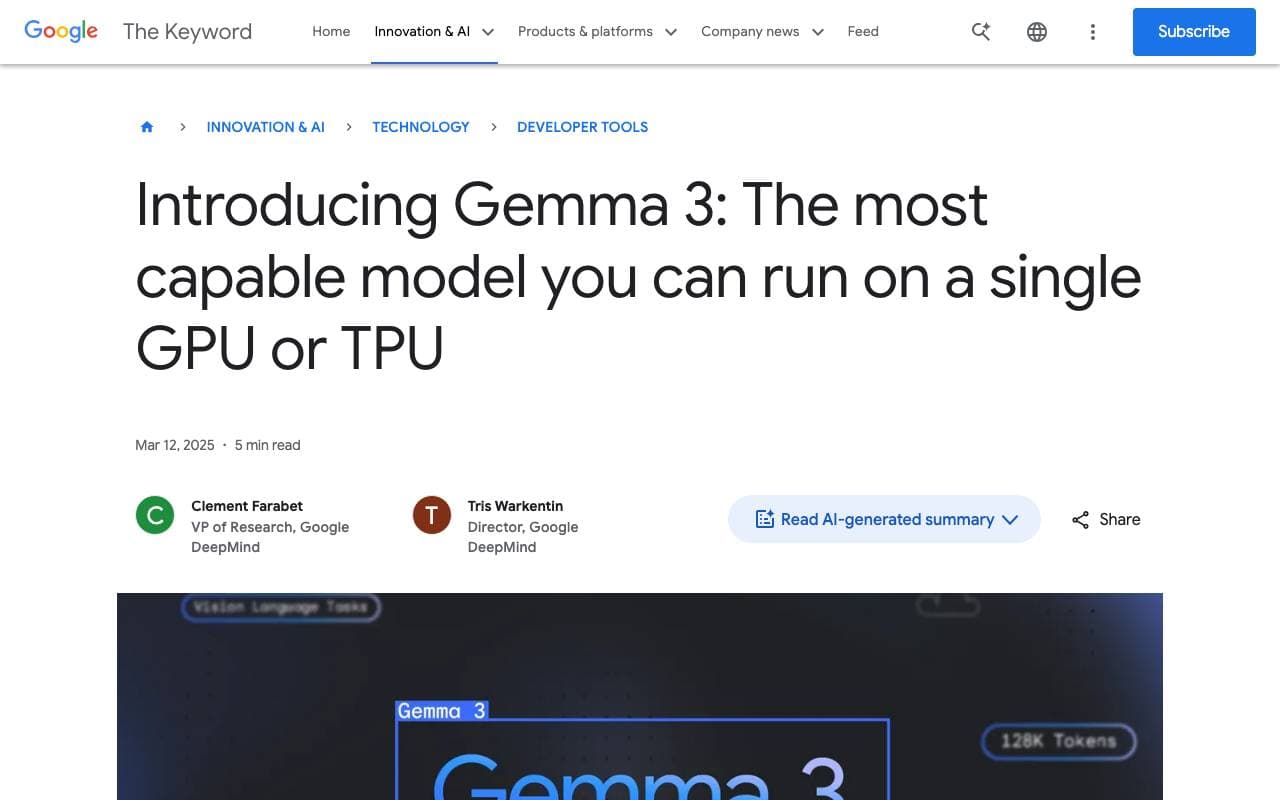
Ein offenes AI-Modell für Single-GPU-Leistung optimiert, um multimodale Eingaben und über 140 Sprachen unterstützend.
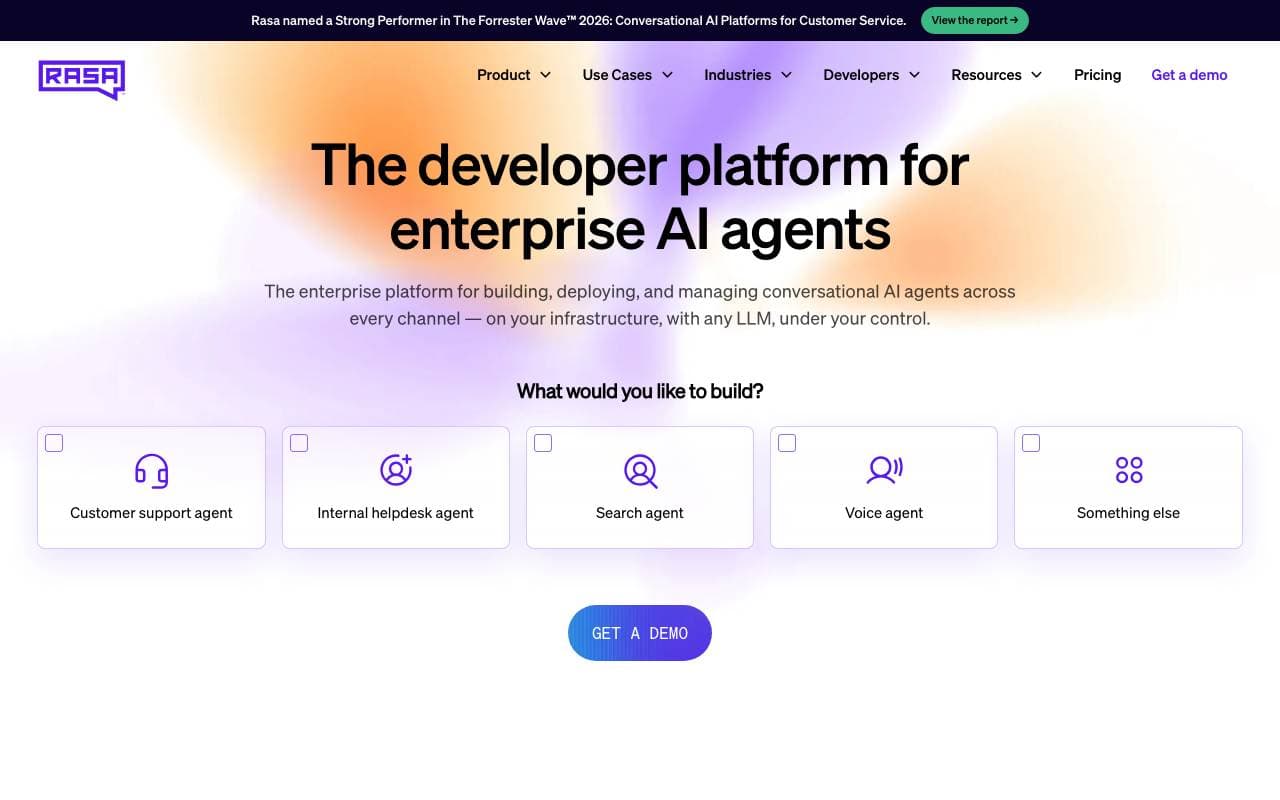

Rasa
AI Agent Development Frameworks
Offener Framework für die Herstellung von Produktionsreif-Chatt- und Sprachassistenten

BabyElfAGI
AI Agent Development Frameworks
Experimentelle AI-Agent-Framework mit einem modularen Skills-Klasse für dynamische Aufgabenermittlung und -ausführung.
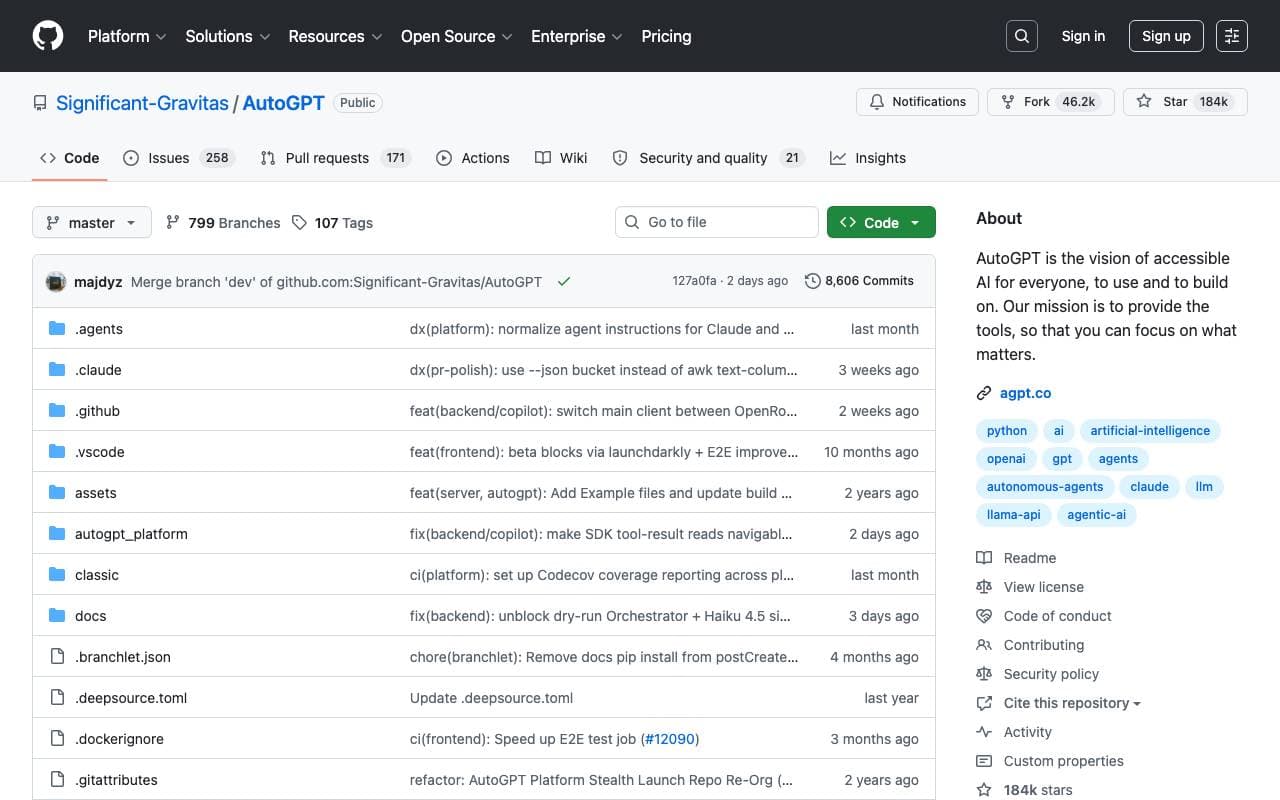

Auto-GPT
AI Agent Development Frameworks
Eine open-Source-AI-Agent, die komplexen Aufgaben autonom mithilfe von GPT-Modellen abschließen kann.
Trending now

Doozer Ai
Sales Agent
Digitale Mitarbeiter, die operative Workflows automatisieren, um die Effizienz von Teams zu steigern.


Claude
AI Agents & Chatbots
Konversations‑KI‑Assistent von Anthropic für Schreiben, Analyse, Programmieren und Dokumentaufgaben
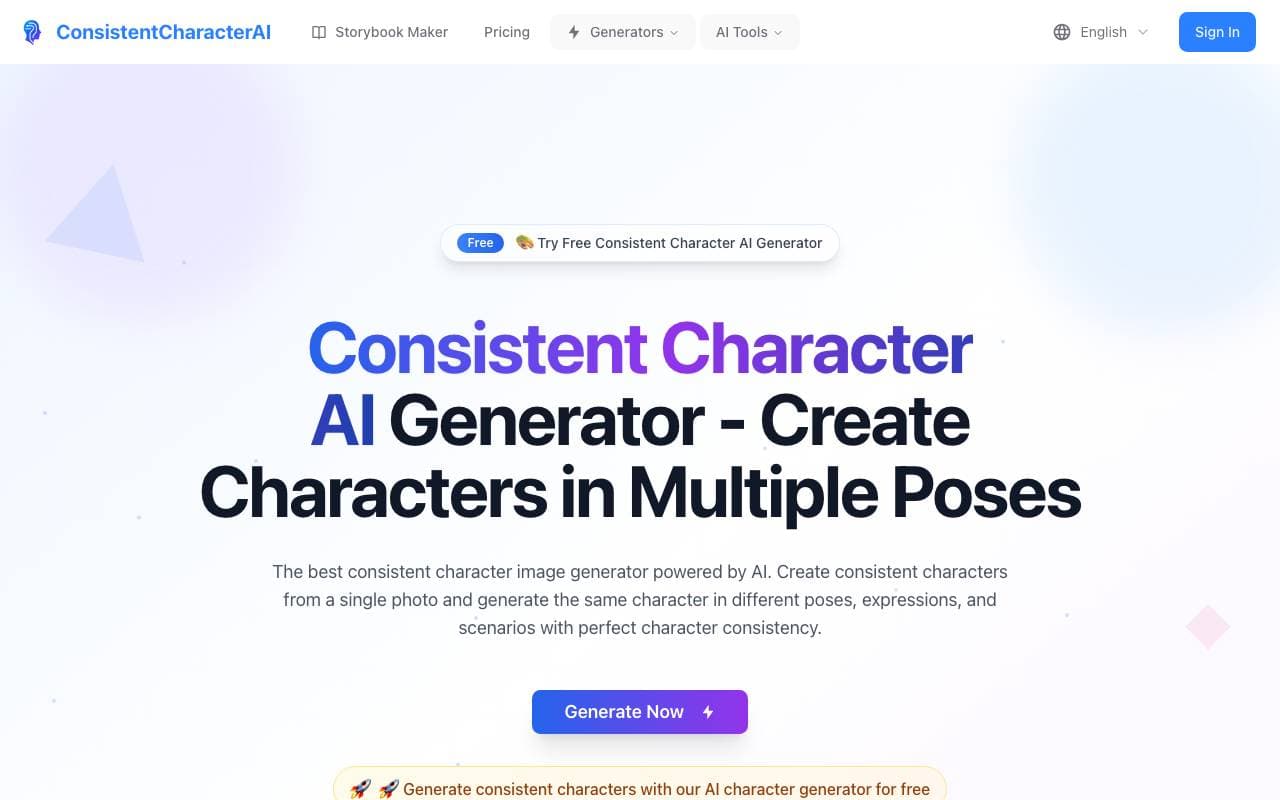

Consistent Character AI
Images
Erstellen Sie konsistente KI-Charaktere über Szenen hinweg aus einem einzigen Referenzfoto.

Pin AI
Workflow automation
Agentic AI Recruiter, der Sourcing, Screening und Outreach automatisiert, um den Einstellungsprozess zu beschleunigen.