
Local GPTOpen-Source-Lokale KI für private, offline Dokumentenchat mittels GPT-ähnlicher Modelle auf eigener Hardware.

Übersicht
Hauptfunktionen
- Lokale Dokumentenverarbeitung und Einbettungen
- Retrieval‑augmented Frage‑Antwort
- Unterstützung für verschiedene Open GPT‑ähnliche Modelle
- Offline, On‑Device Inferenz
- Konfigurierbare Modell- und Vektor‑Store‑Backends
- Kommandozeilen- und skriptbare Schnittstelle
Preise
- Modell
- Free
- Kategorie
- Other
- Bewertung
- 4.8 / 5 (6)
Anwendungsfälle
Vertrauliche Rechtsdokumentenprüfung
Anwaltskanzleien können mit privilegierten Akten und Verträgen vollständig on‑Device chatten, wodurch Cloud‑Exposure vermieden wird, und erhalten Antworten mit Verweisen auf die Ausgangsdokumente.
Privater Forschungsassistent für Akademiker
Forscher können PDFs von Papieren und Notizen lokal verarbeiten und anschließend über Retrieval‑augmented Generation abfragen, ohne unveröffentlichte Arbeiten an Drittanbieter-Services hochzuladen.
Regulierte Branchen-Wissensdatenbank
Teams im Gesundheitswesen oder in der Finanzbranche können ein Offline‑Dokumenten‑Q&A-System über proprietäre Materialien erstellen, behalten volle Kontrolle über Daten und erfüllen strenge Datenschutzanforderungen.
Entwicklerexperiment mit lokalen LLMs
Entwickler können eine RAG‑Pipeline skripten und anpassen, Open GPT‑ähnliche Modelle und Vektor‑Store‑Backends über die CLI austauschen, um private KI-Anwendungen zu prototypisieren.
Pro & Contra
Pro
- Vollständig lokal und standardmäßig privat
- Open-Source und anpassbar
- Funktioniert offline nach der Erstinstallation
- Unterstützt mehrere Dokumentformate
- Flexible Auswahl der zugrundeliegenden Modelle
Contra
- Erfordert leistungsfähige lokale Hardware
- Die Einrichtung ist technisch für Nicht‑Entwickler
- Die Leistung hängt vom gewählten Modell ab
- Begrenzte offizielle Unterstützung im Vergleich zu kommerziellen Tools
Bewertungen
Durchschnitt aus 6 Bewertungen.
Melde dich an, um eine Bewertung abzugeben.
Use it every day
Honestly didn't expect to like it this much. Command-line and scriptable interface is exactly what I needed, and works offline after initial setup. but I reach for it almost every day now and it just clicks.
Skeptical, then convinced
I went in skeptical — most tools in this space overpromise. It actually delivers on configurable model and vector store backends, and flexible choice of underlying models caught me off guard. still, I'd recommend giving it a real trial.
Skeptical, then convinced
I went in skeptical — most tools in this space overpromise. It actually delivers on command-line and scriptable interface, and works offline after initial setup caught me off guard. still, I'd recommend giving it a real trial.
Years in this space
I've evaluated a lot of these over the years. What stands out here is offline, on-device inference — handled better than most — and fully local and private by default. Worth the time if this is your use case.
Does the job
Pretty happy overall. Configurable model and vector store backends just works and fully local and private by default. Setup is technical for non-developers can be annoying, but no dealbreakers — I'd recommend it to a friend without hesitating.
Solid for our team
We rolled this out across the team last quarter and supports multiple document formats. Offline, on-device inference fits neatly into how we already work, and offline, on-device inference removed a step we used to do by hand. but it has held up under daily use.
Fragen & Antworten
What hardware and technical skills do I need to run it?
You need capable local hardware to run GPT-style models and handle embeddings, and the setup is technical—best suited to developers or researchers comfortable with self-hosted software, command-line tools, and configuring model and vector store backends.
What file types and use cases does it support?
It ingests common formats like PDFs and text documents, builds local embeddings, and answers questions with references via retrieval-augmented generation. It's aimed at private, offline document chat for confidential, regulated, or proprietary content.
Is Local GPT free to use, and what are the licensing terms?
Local GPT is an open-source project, so you can download and run it without paying licensing fees. Your only costs are the local hardware required to run the models and any time spent on setup and configuration.
Frage stellen
Alternativen zu Other
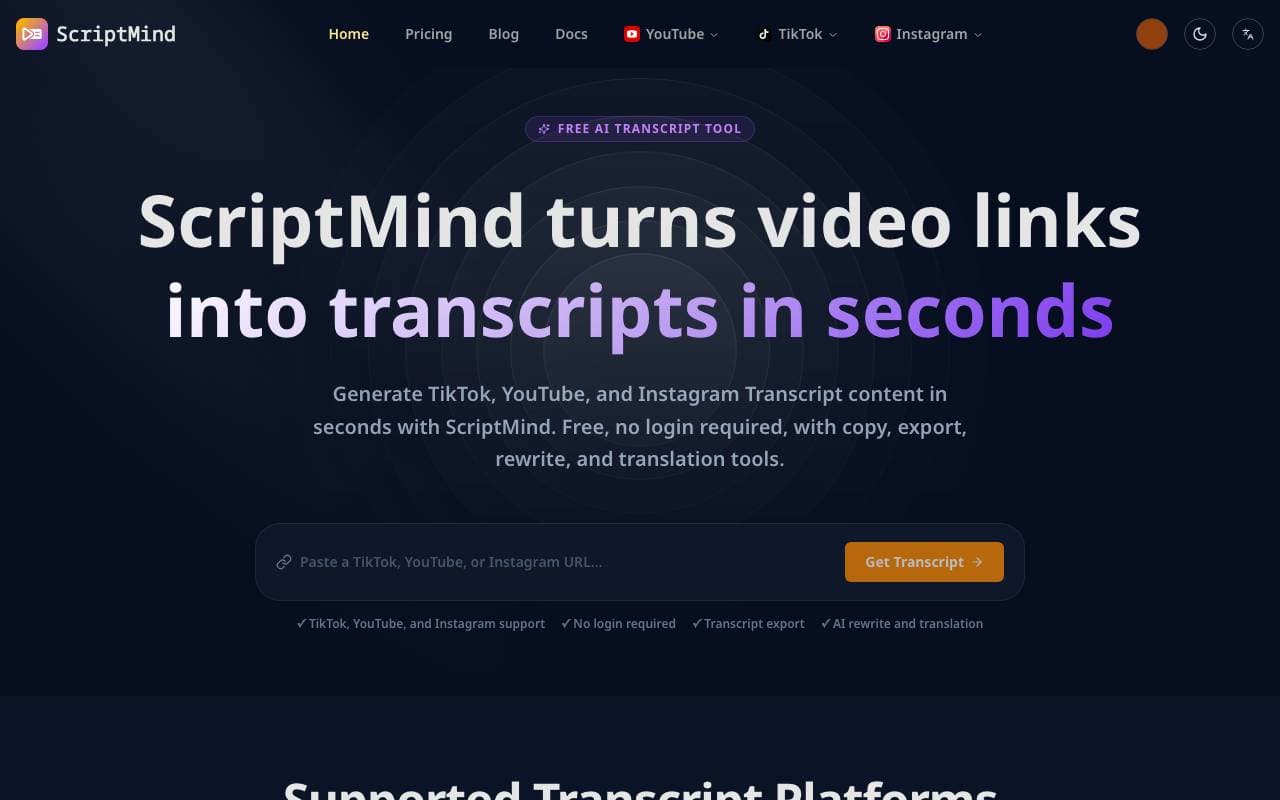

ScriptMind
Other
Verwandeln Sie YouTube-, TikTok- und Instagram-Videos in Sekunden in Transkripte und SEO-bereite Artikel.


Healthcare CoPilot
Other
Plattform für klinische Führungskräfte, um die Erstellung von Einweisungen, die Triage und den Überprüfungsprozess von Behandlungsverläufen im Einklang mit Leitlinien zu standardisieren.


ThumbNew
Other
Mit AI-Kraft erzeugte Tool zur Generierung von aufmerksamkeitsfokussierten Videobeschlüssen in Sekunden.
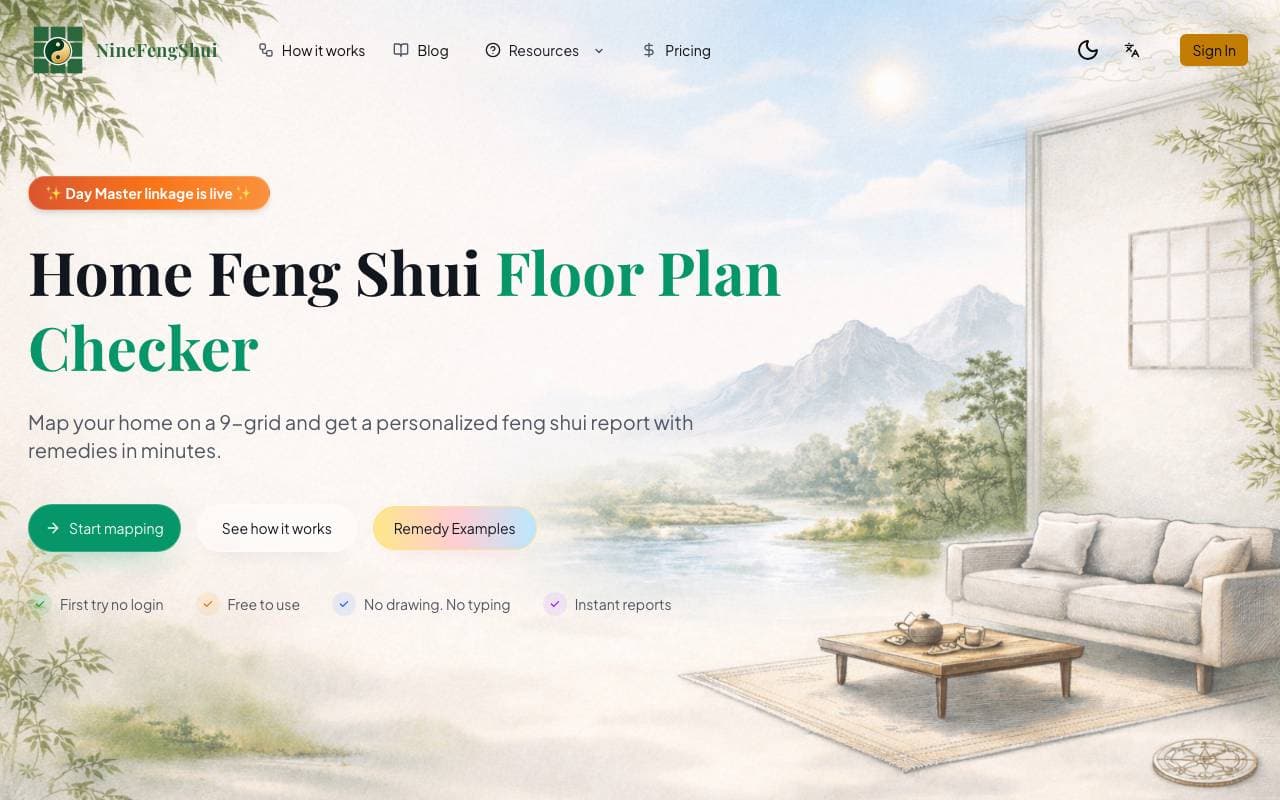

NineFengShui
Other
AI-gesteuerte Feng Shui Analyse für Grundrisse mit personalisierten Gegenmaßnahmen und PDF-Berichten.
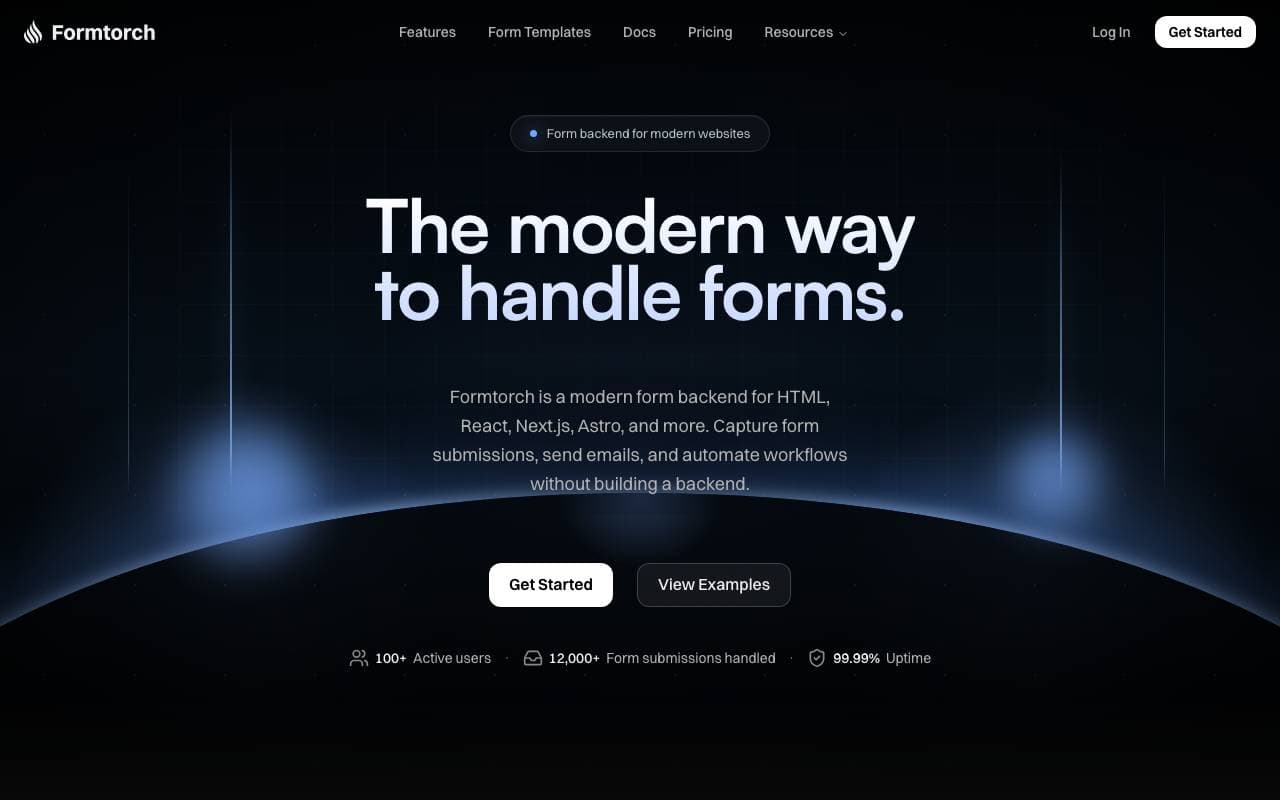

Formtorch
Other
Form-Hintergrund-API, die Unterlagen bearbeitet, ohne Servercode zu schreiben
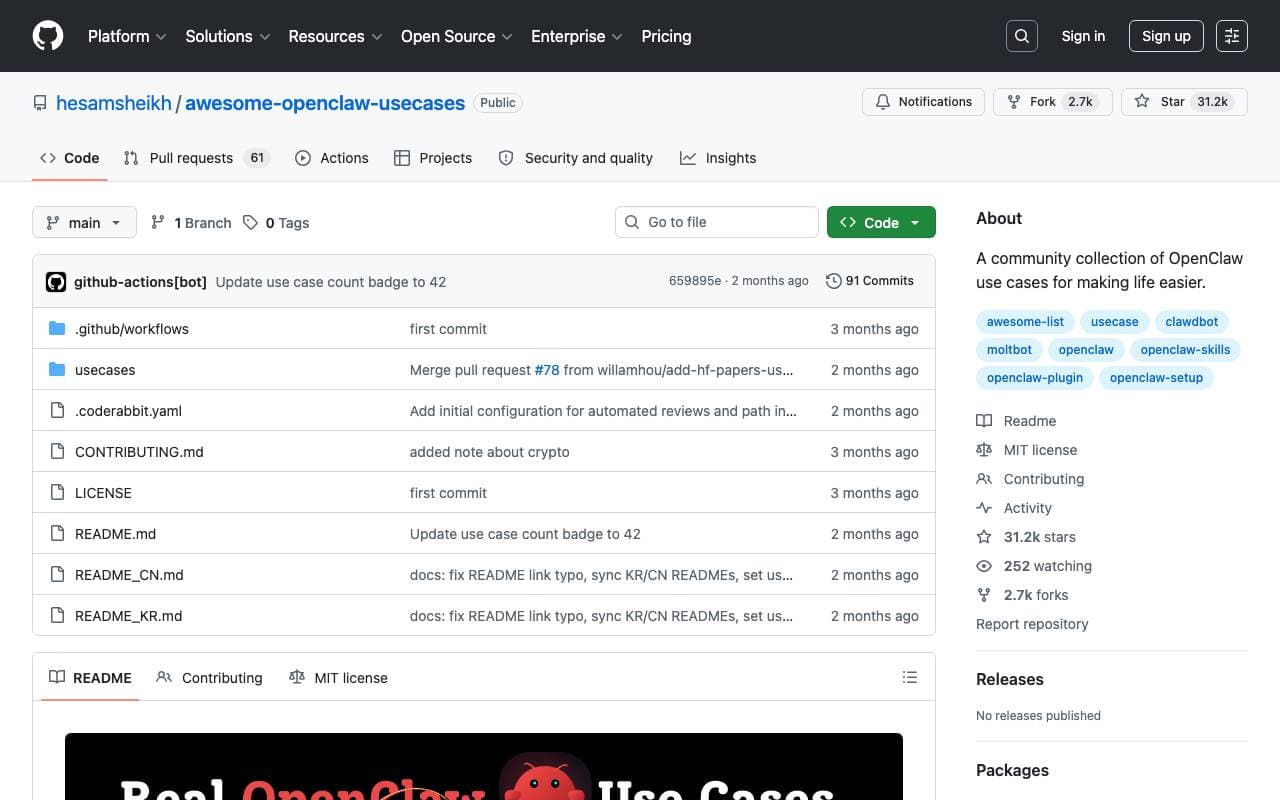

Awesome OpenClaw Use Cases
Other
Gemeinschaftsliste von realen OpenClaw-Anwendungsfällen und -Arbeitsabläufen zum Kopieren, Anpassen und Ausbauen für die persönliche und Entwickler-Produktivität.


Paige AI
Other
KI-gestützte digitale Pathologie-Plattform für Krebsdiagnose, Biomarker-Analyse und Automatisierung von Diagnose-Workflows.
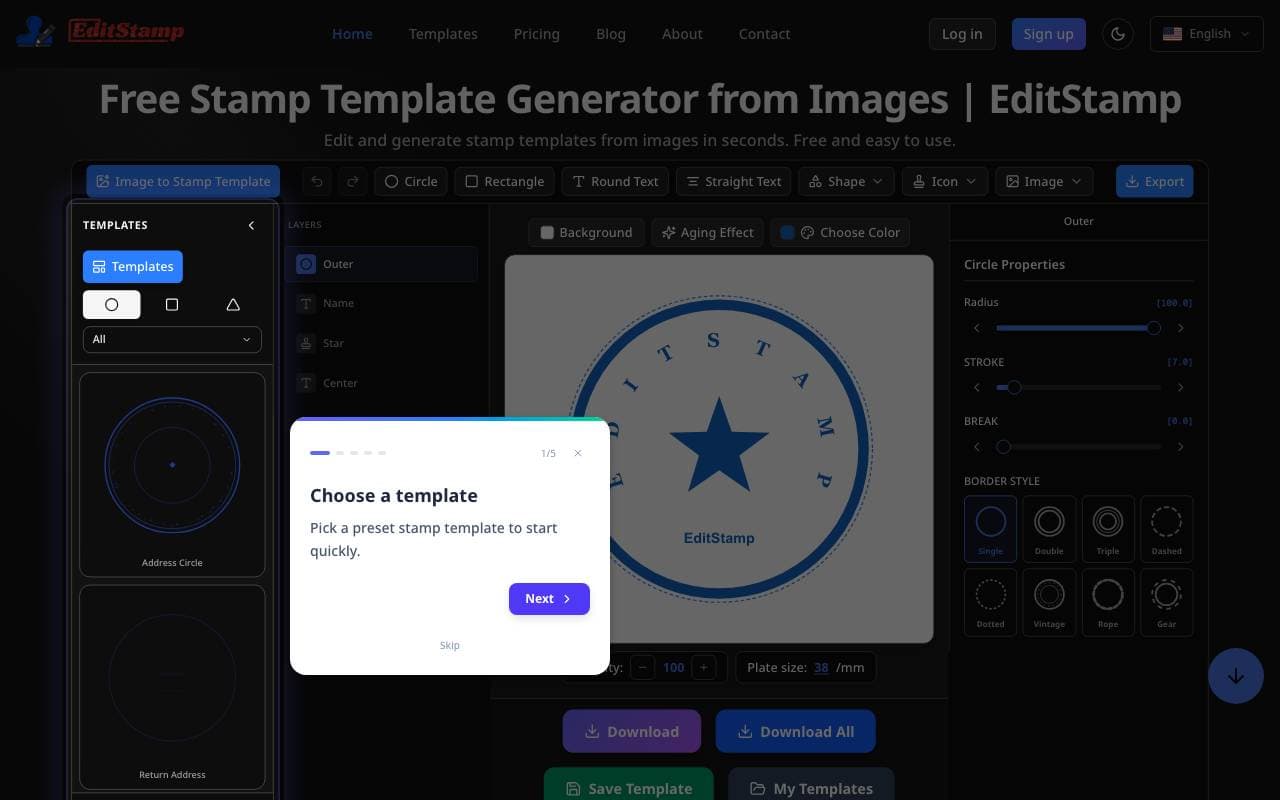

EditStamp
Other
Online-Designer für personalisierte Gummidrucksiegel, Siegel und Embrancher.
Trending now


Claude
AI Agents & Chatbots
Konversations‑KI‑Assistent von Anthropic für Schreiben, Analyse, Programmieren und Dokumentaufgaben

Doozer Ai
Sales Agent
Digitale Mitarbeiter, die operative Workflows automatisieren, um die Effizienz von Teams zu steigern.
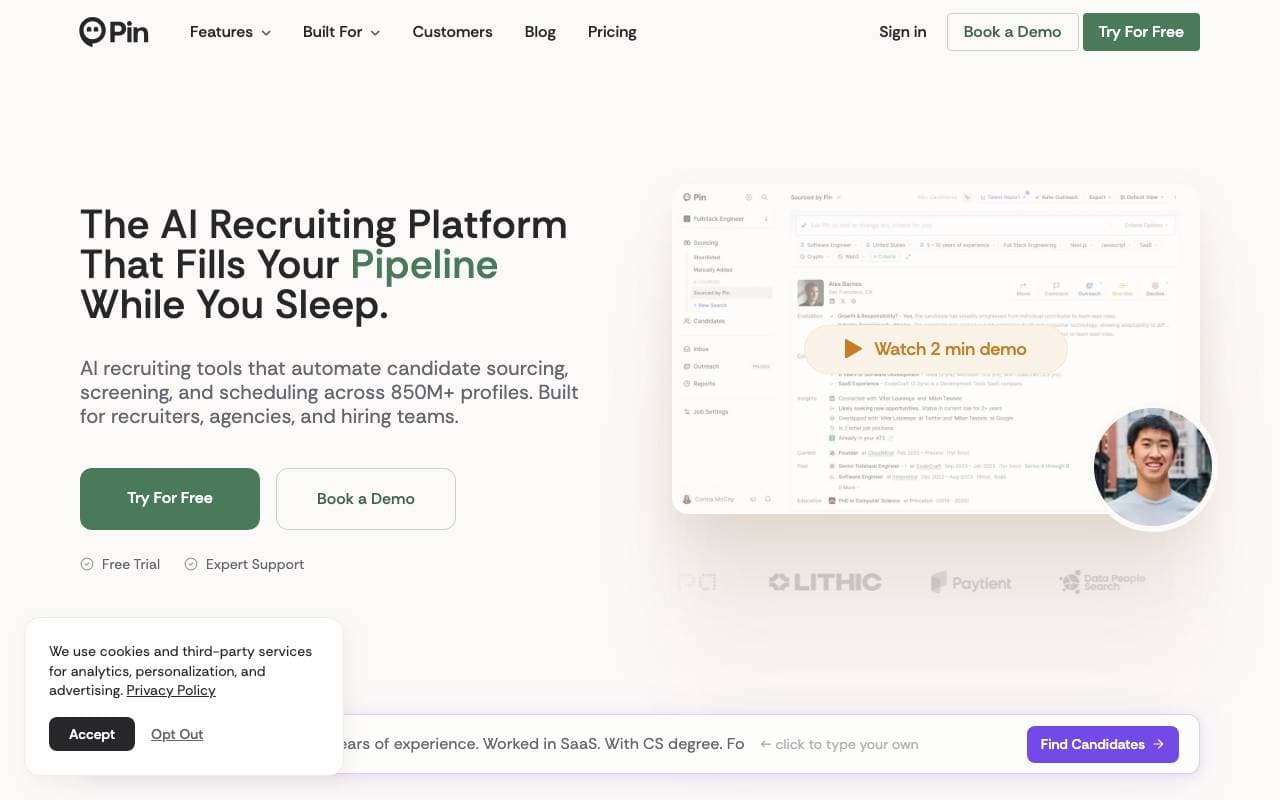

Pin AI
Workflow automation
Agentic AI Recruiter, der Sourcing, Screening und Outreach automatisiert, um den Einstellungsprozess zu beschleunigen.


Mistral AI
Large Language Models (LLMs)
Open‑Weight-Modelle der Spitzenreihe