
LangflowVisuelles Low-Code-Framework zum Erstellen und Bereitstellen von LLM-gesteuerten Anwendungen und Agenten.

Übersicht
Hauptfunktionen
- Drag‑and‑Drop-Flow-Builder
- Integrierte Unterstützung für Haupt-LLM-Anbieter
- Integrierte RAG- und Vektor-Datenbank-Connectoren
- Orchestrierung von Agenten und Tools
- API-Export für die Bereitstellung
- Erstellung benutzerdefinierter Komponenten in Python
Preise
- Modell
- Freemium
- Kategorie
- AI Agents
- Bewertung
- 4.2 / 5 (6)
Anwendungsfälle
LLM-Chatbots visuell prototypisieren
Entwerfen und testen Sie Chatbot‑Flows schnell, indem Sie Prompts, Modelle und Memory‑Komponenten per Drag‑and‑Drop in ein visuelles Canvas ziehen – ohne umfangreichen Boilerplate-Code schreiben zu müssen.
RAG‑Pipelines erstellen
Verknüpfen Sie Vektordatenbanken, Einbettungsmodelle und LLMs, um Retrieval‑Augmented‑Generation‑Workflows zu erstellen, die Fragen über maßgeschneiderte Wissensbasen beantworten.
Flows als Produktions‑APIs bereitstellen
Exportieren Sie abgeschlossene Flows als API-Endpunkte und ermöglichen Sie Teams, LLM‑gesteuerte Funktionalität in bestehende Anwendungen und Produktionssysteme zu integrieren.
Autonome Agenten orchestrieren
Fügen Sie Tools, Modelle und benutzerdefinierte Python‑Komponenten zusammen, um Agenten zu bauen, die denken, externe Dienste aufrufen und mehrstufige Aufgaben ausführen können.
Pro & Contra
Pro
- Quelloffen mit aktiver Community
- Intuitive visuelle Oberfläche beschleunigt das Prototyping
- Breite Integration von LLMs, Vektorspeichern und Tools
- Flows können als APIs für den Produktionsgebrauch freigegeben werden
- Erweiterbar mit benutzerdefinierten Python-Komponenten
Contra
- Komplexe Flows können visuell schwer zu verwalten sein
- Lernkurve für Benutzer, die neu im Bereich LLM sind
- Selbsthosting erfordert einige technische Einrichtung
Bewertungen
Durchschnitt aus 6 Bewertungen.
Melde dich an, um eine Bewertung abzugeben.
Solid for our team
We rolled this out across the team last quarter and open-source with active community. Built-in support for major LLM providers fits neatly into how we already work, and aPI export for deployment removed a step we used to do by hand. Learning curve for users new to LLM concepts, which is the main caveat, but it has held up under daily use.
Does the job
Pretty happy overall. API export for deployment just works and extensible with custom Python components. Learning curve for users new to LLM concepts can be annoying, but no dealbreakers — I'd recommend it to a friend without hesitating.
Compared a few options
Evaluated this against two competitors. Where it wins: custom component creation in Python and broad integrations with LLMs, vector stores, and tools. On balance the feature set — especially integrated RAG and vector database connectors — justifies the 5 stars for our use case.
Compared a few options
Evaluated this against two competitors. Where it wins: agent and tool orchestration and flows can be exposed as APIs for production use. Where it lags: self-hosting requires some technical setup. On balance the feature set — especially built-in support for major LLM providers — justifies the 4 stars for our use case.
Compared a few options
Evaluated this against two competitors. Where it wins: drag-and-drop flow builder and open-source with active community. Where it lags: complex flows can become difficult to manage visually. On balance the feature set — especially agent and tool orchestration — justifies the 4 stars for our use case.
Compared a few options
Evaluated this against two competitors. Where it wins: built-in support for major LLM providers and open-source with active community. Where it lags: complex flows can become difficult to manage visually. On balance the feature set — especially custom component creation in Python — justifies the 4 stars for our use case.
Fragen & Antworten
Noch keine Fragen — sei die/der Erste!
Frage stellen
Alternativen zu AI Agents
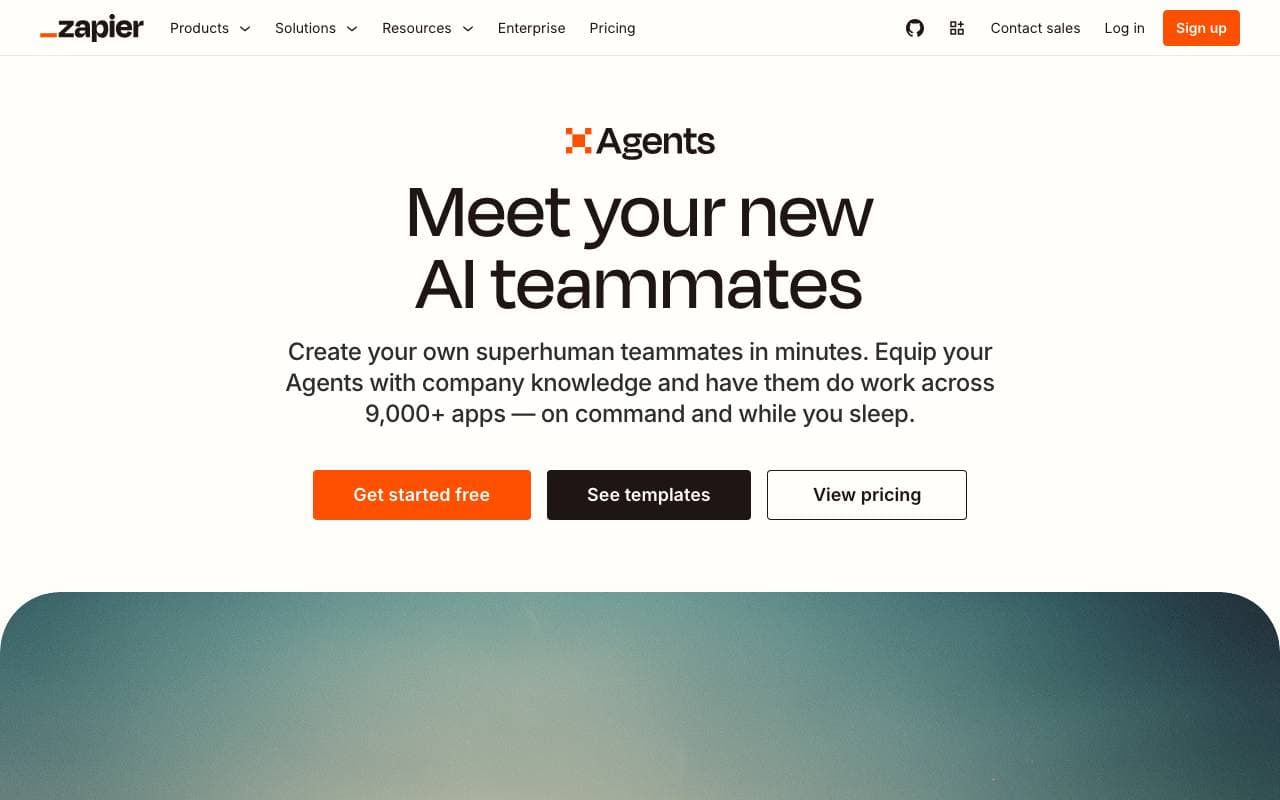

Zapier's Agents
AI Agents
Mit künstlicher Intelligenz betriebene Agenten, die Workflows in über 7.000 vernetzten Apps automatisieren
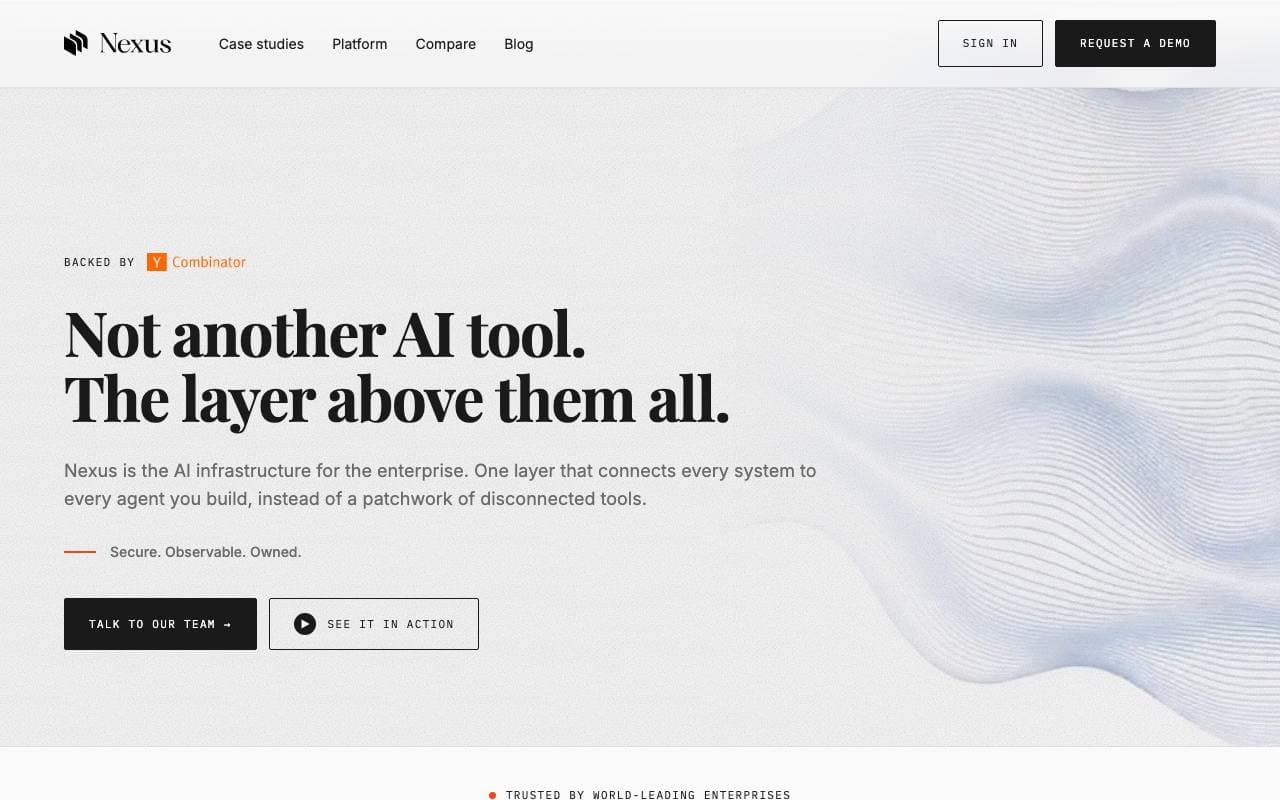

NexusGPT
AI Agents
No-code-Plattform zum Erstellen und Bereitstellen von individuellen KI-Agenten zur Automatisierung von Geschäftsabläufen.
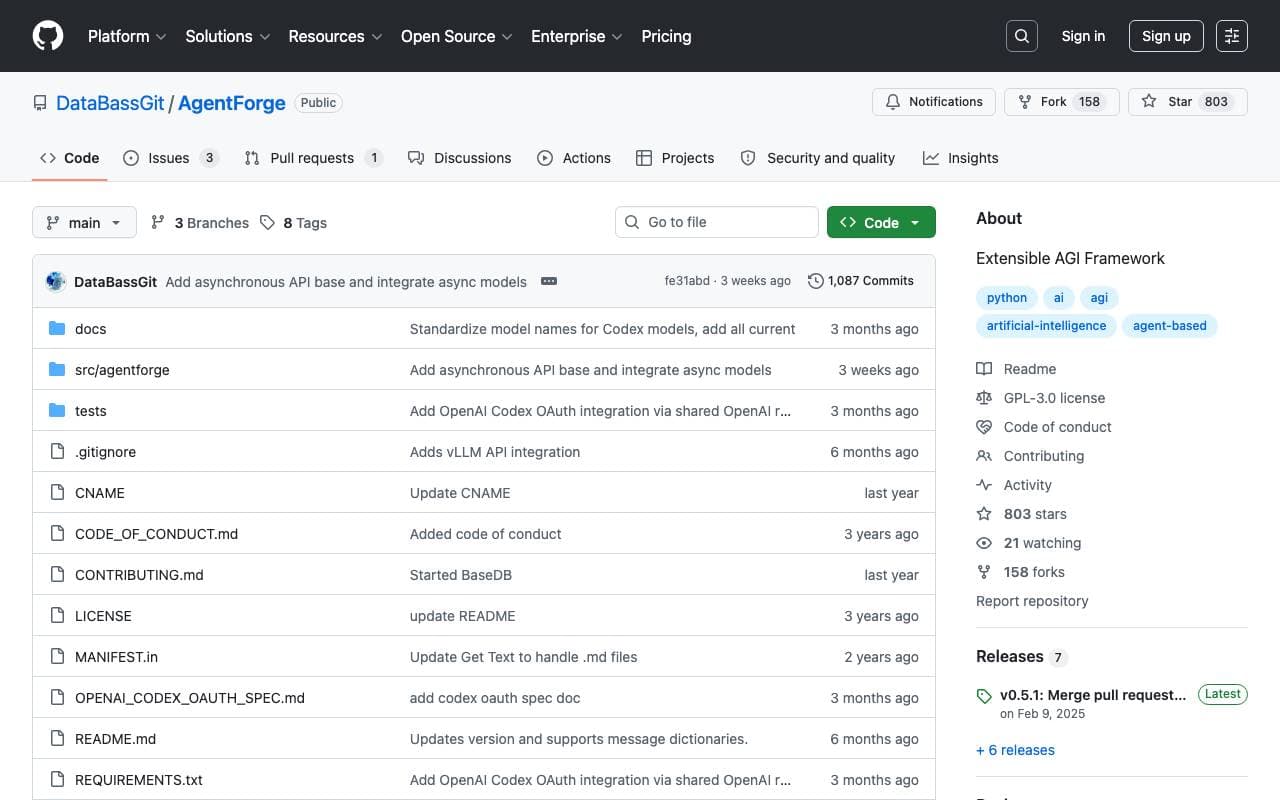

AgentForge
AI Agents
Low-Code-Framework zur Erstellung autonomer KI-Agenten und kognitiver Architekturen
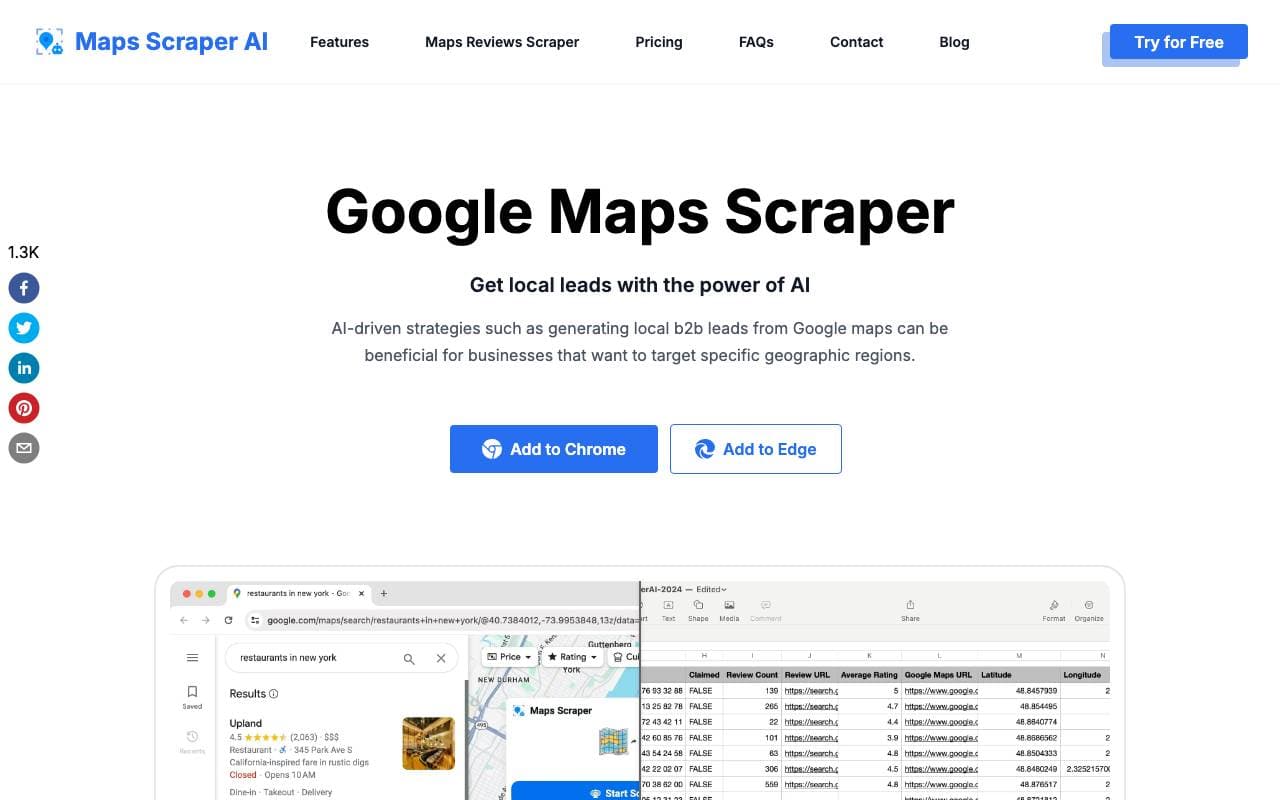

Maps Scraper AI
AI Agents
Ein KI-gesteuertes Tool, das die Extraktion von Geschäftsdaten aus Google Maps automatisiert und die Lead-Generierung sowie Marktforschung verbessert.
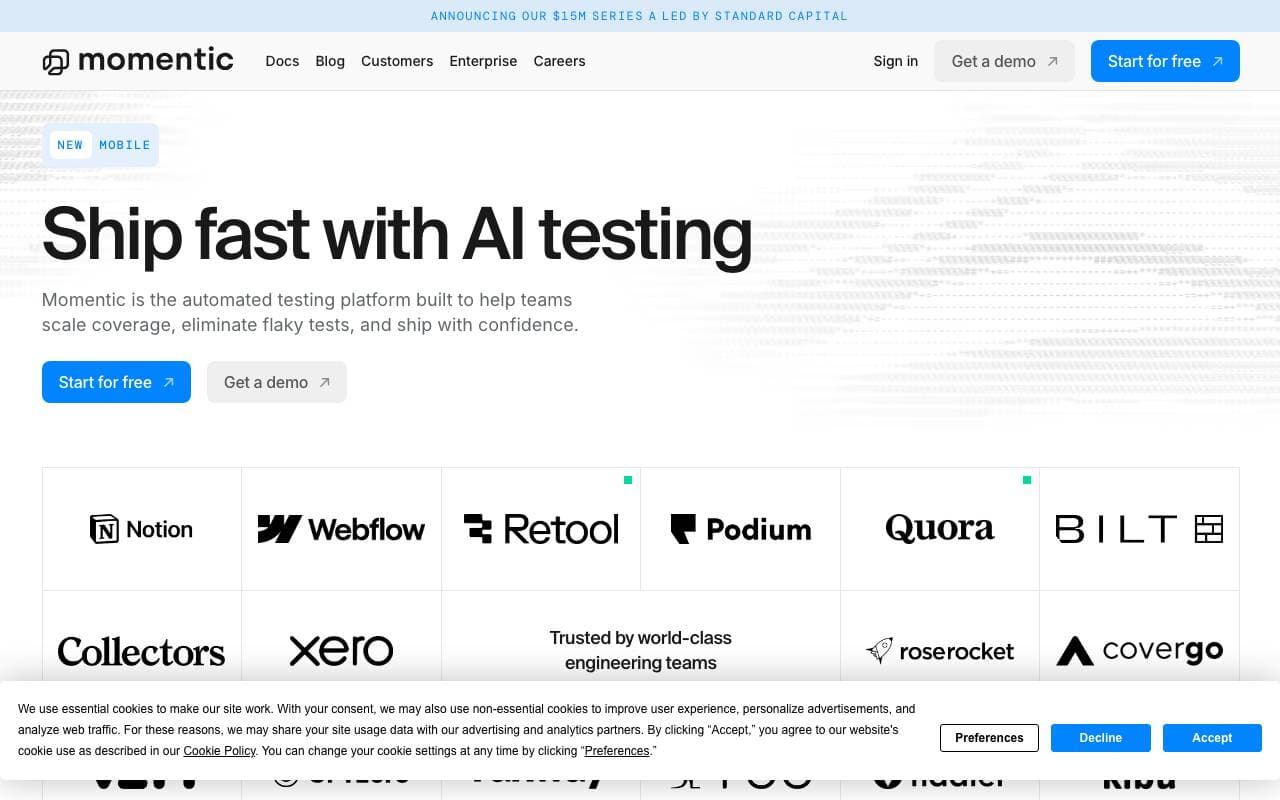
Momentic AI
AI Agents
Softwaretests schreiben, beheben und ausführen – mit einfachen englischen Befehlen

Micro Agent
AI Agents
AI-Coding-Agent, der Code iteriert, bis deine Tests bestanden sind
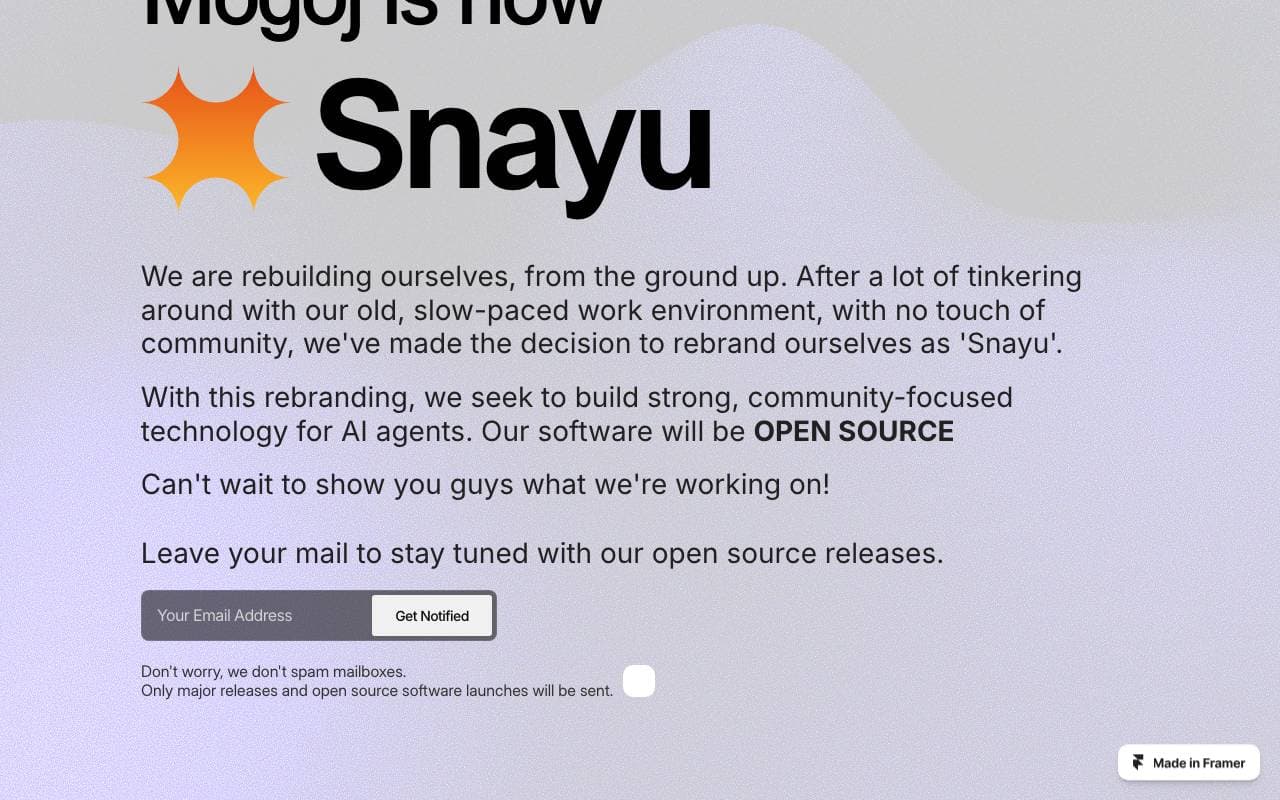

Mogoj AI
AI Agents
KI-gesteuerte Arbeitsablaufoptimierung und Geschäftsprozessautomatisierung


Charisma.ai
AI Agents
Immersive konversationale AI für interaktive Geschichten, Ausbildung und Marketingkampagnen
Trending now

Doozer Ai
Sales Agent
Digitale Mitarbeiter, die operative Workflows automatisieren, um die Effizienz von Teams zu steigern.


Claude
AI Agents & Chatbots
Konversations‑KI‑Assistent von Anthropic für Schreiben, Analyse, Programmieren und Dokumentaufgaben
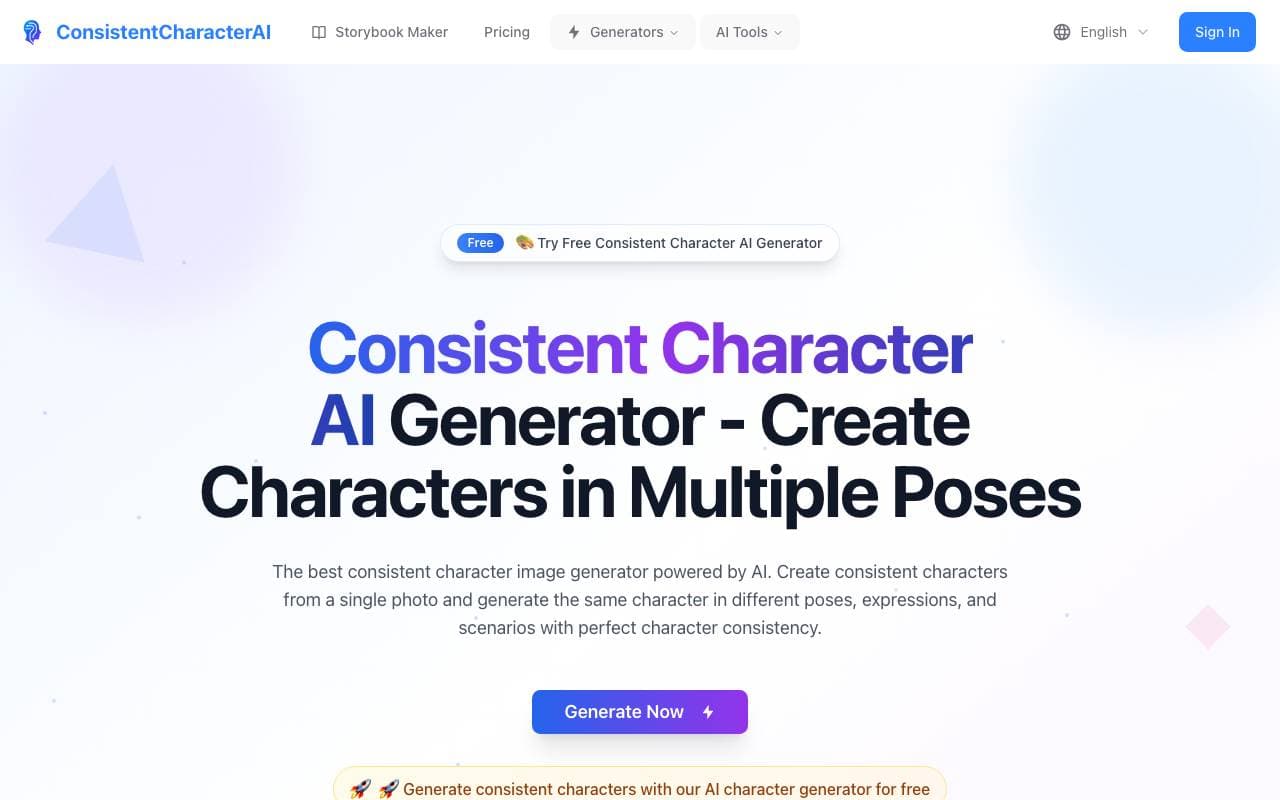

Consistent Character AI
Images
Erstellen Sie konsistente KI-Charaktere über Szenen hinweg aus einem einzigen Referenzfoto.
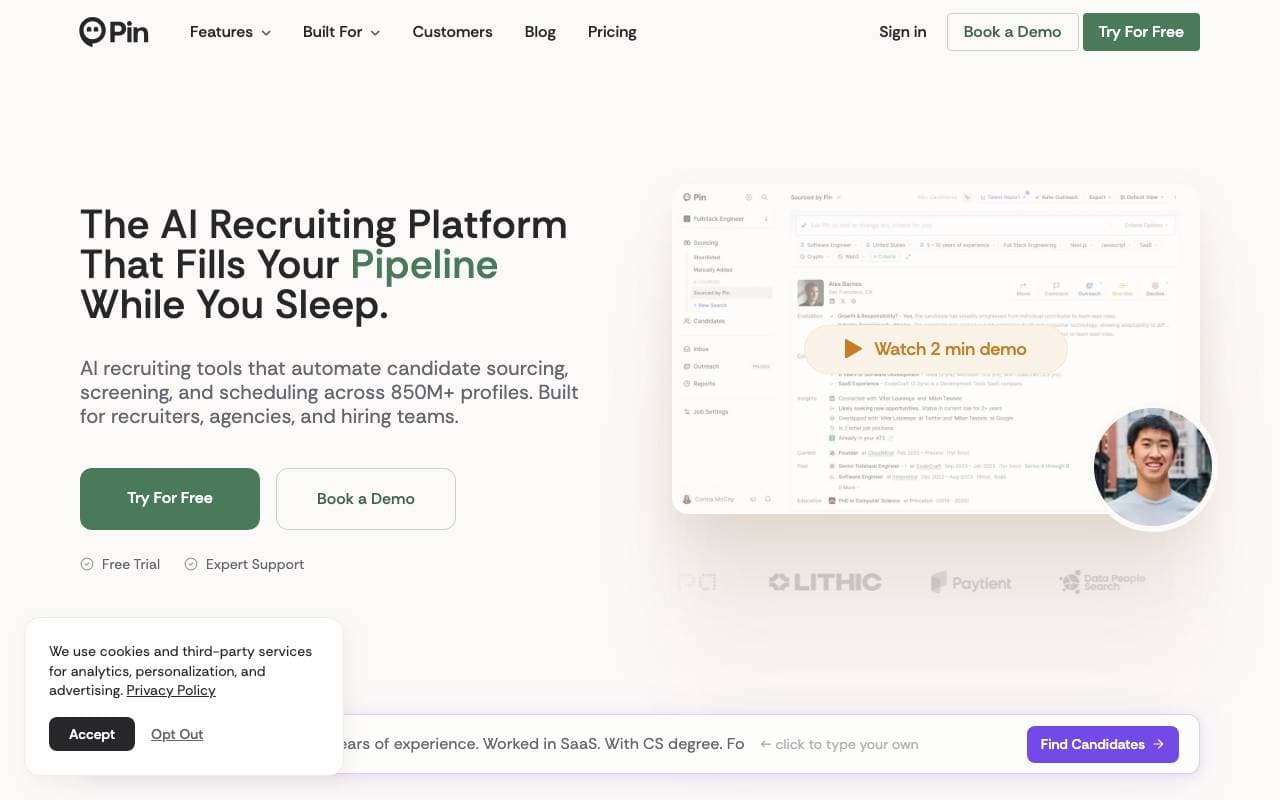

Pin AI
Workflow automation
Agentic AI Recruiter, der Sourcing, Screening und Outreach automatisiert, um den Einstellungsprozess zu beschleunigen.