
KeyAPIEinheitliche soziale Intelligenz-API, die AI-Agenten mit einer einzigen Schlüssel strukturierten Zugriff auf 20+ Plattformen gewährt.

Übersicht
Hauptfunktionen
- Konsolidierte Authentifizierung über Netzwerke
- Gesetzte Datenmodelle
- Abdeckung von 20+ sozialen Plattformen
- Strukturierte Agentenausgaben
- Eine Endpunkteinheitsintegration
- Skalierbares Anfragehandling
- Verwendung von LLMs über SaaS API (unverändert)
- Unified API access with LLMs (unverändert)
Preise
- Modell
- Freemium
- Kategorie
- AI Agent Development Platforms
- Bewertung
- 4.3 / 5 (4)
Anwendungsfälle
Stellen Sie autonome Agenten ein,
Gibt AI-Agenten strukturierten Zugriff auf 20+ soziale Netzwerke durch eine einzelne API-Schlüssel, die Queren von cross-plattformen Gründen ohne separate SDKs oder Auth-Flüsse ermöglicht.
Erstellen Sie soziale Abhör-Panels
Vereinigen Sie Beitrags- und Interaktion-Daten aus mehreren Plattformen in einem einheitlichen Schema, um Überwachungstools und -Daten-Anschauungen zu stärken.
Optimieren Sie recherchierte Tools mit Vielplattform
Forscher und produktteams können sehr viele soziale und content Netzwerke durch ein einziges ende, die Integrationshürde für Daten sammelpipelines senken.
Füttern Sie automatisierte und pipelines Fließbänder
Verwenden Sie strukturierte Agentenausgaben, um den automatisierten downstream-Ranking- und Inhalt-Aufläufe zu treiben, ohne eine spezielle verbindende Plattform Verbindungen.
Pro & Contra
Pro
- Auf diese Art und Weise können über 20 Plattformen mit einer einzigen Schlüssel zugreifen werden
- Gesetzte, standardisierte Antworten
- Senkt die Arbeit für die Integration verschiedener APIs
- Mit den AI-Agenten-Workflows entwickelt
- Benötigt API- und Entwicklerkenntnisse
- Third-party stability depends on platform providers (unverändert)
- Rate limit control is not fully available (unverändert)
- Es gibt keine offiziellen Nischendienstleistungen (unverändert)
Contra
- Abhängigkeit von der Stabilität der Anbieter
- Geringes Kontrollding über Länderlimits upstream
- Mag nicht jede Nischendienstleitungsschlussel offiziell machen
- Benötigt API- und Entwicklerkenntnisse
Bewertungen
Durchschnitt aus 4 Bewertungen.
Melde dich an, um eine Bewertung abzugeben.
Compared a few options
Evaluated this against two competitors. Where it wins: single endpoint integration and structured, normalized responses. Where it lags: requires API and developer knowledge. On balance the feature set — especially single endpoint integration — justifies the 4 stars for our use case.
Years in this space
I've evaluated a lot of these over the years. What stands out here is agent-ready structured outputs — handled better than most — and structured, normalized responses. Limited control over upstream rate limits is my one real gripe. Worth the time if this is your use case.
Does the job
Pretty happy overall. Unified authentication across networks just works and built with AI agent workflows in mind. May not expose every niche endpoint can be annoying, but no dealbreakers — I'd recommend it to a friend without hesitating.
Years in this space
I've evaluated a lot of these over the years. What stands out here is normalized data schemas — handled better than most — and built with AI agent workflows in mind. May not expose every niche endpoint is my one real gripe. Worth the time if this is your use case.
Fragen & Antworten
How does KeyAPI reduce integration work compared to using each platform's API directly?
Instead of maintaining separate SDKs, auth flows, and rate-limit logic per service, you use one credential and a consistent request pattern. Responses come back in normalized schemas, so AI agents and pipelines can consume multi-source data without per-platform glue code.
Which platforms and use cases does KeyAPI support?
KeyAPI provides unified access to 20+ social and content networks through a single API key. It's designed for autonomous agents, research tools, social listening products, and analytics dashboards that need structured, normalized data from multiple sources.
What are the main limitations developers should be aware of?
KeyAPI depends on third-party platform stability and offers limited control over upstream rate limits, so outages or throttling on a source network can affect results. It may also not expose every niche endpoint, and using it still requires API and developer knowledge.
Frage stellen
Alternativen zu AI Agent Development Platforms
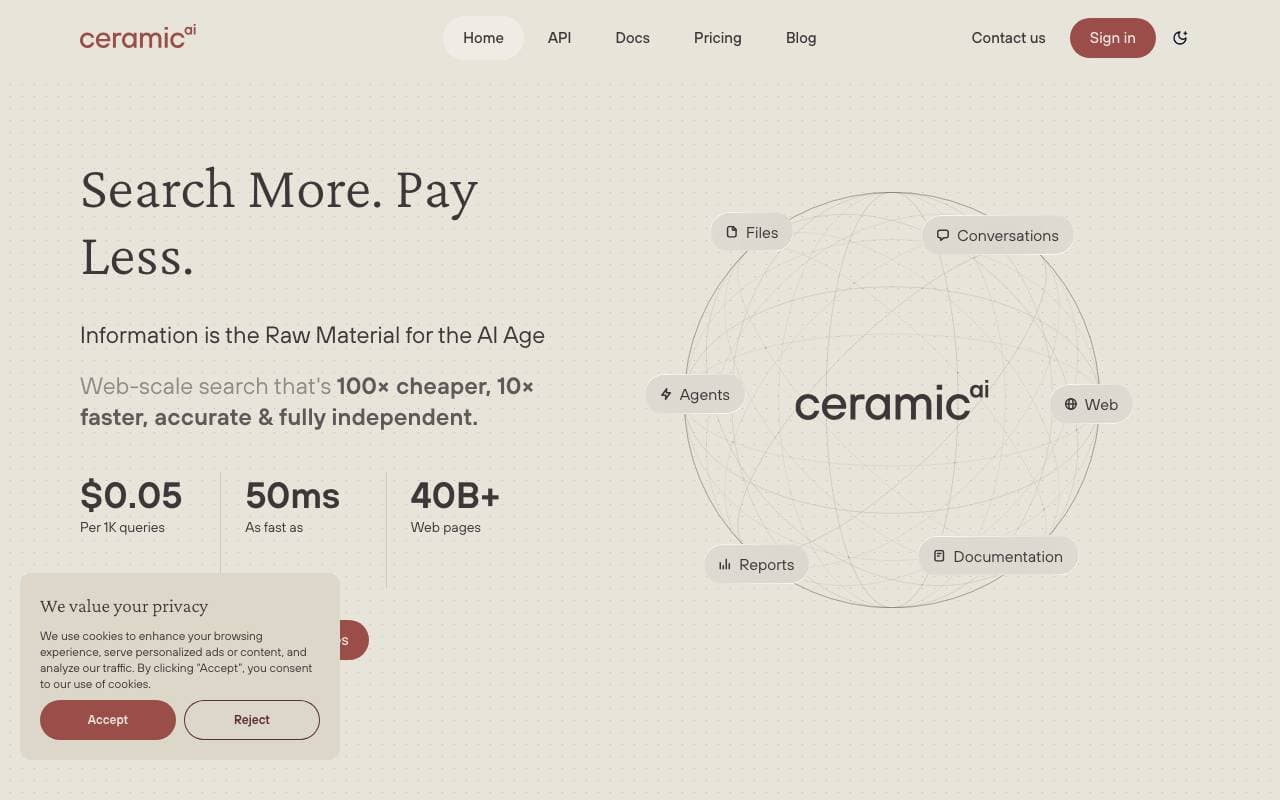

Ceramic.ai
AI Agent Development Platforms
Eine Plattform für künstliche Intelligenz-Infrastruktur, die großskalige Modell-Training mit verbesserten Effizienz und Skalierbarkeit optimiert.


Google Antigravity
AI Agent Development Platforms
Agenten-first AI-Umgebung für Programmieren und IDE von Google, in der autonome Agenten das Planen, Schreiben, Testen und Debuggen von Software in der Editor, Terminal und Browser automatisieren.
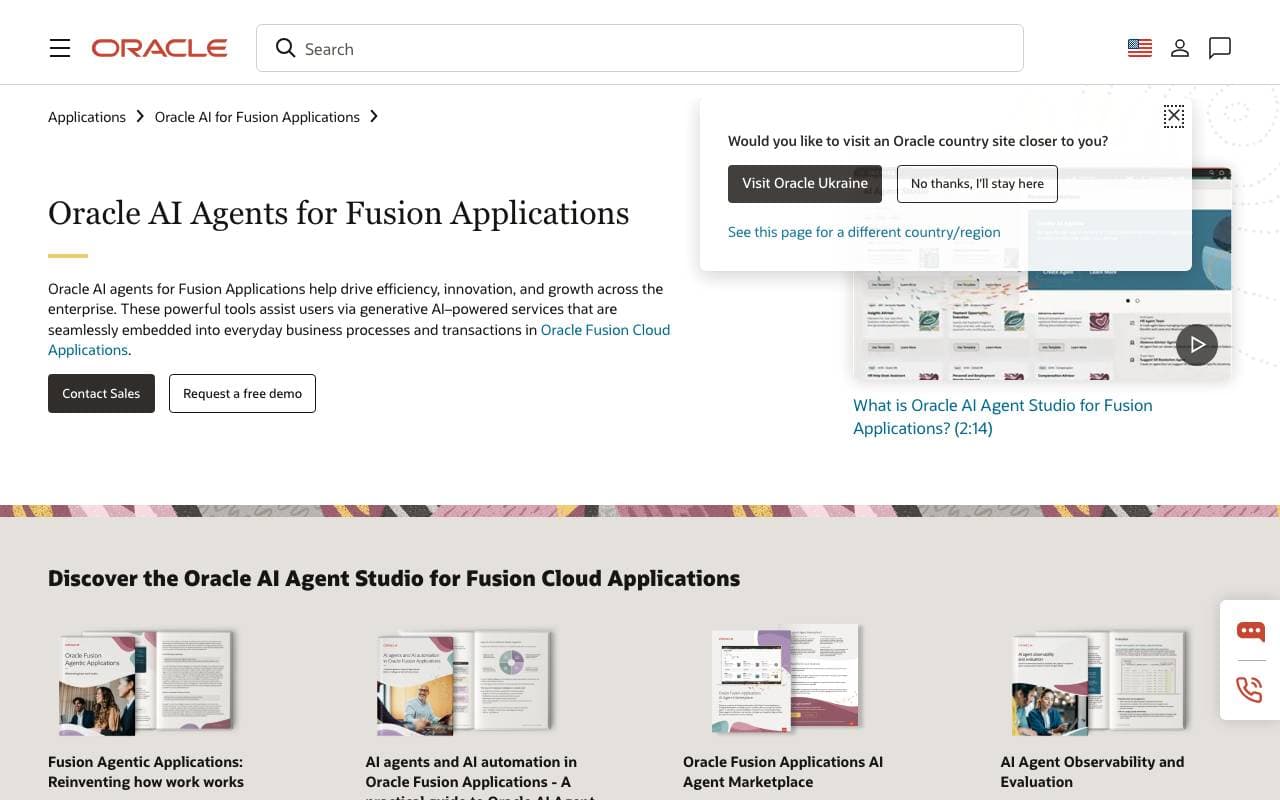

Oracle AI Agent Studio
AI Agent Development Platforms
Eine Enterprise-Plattform zum Erstellen, Validieren, Deployen und Verwalten von KI-Agenten innerhalb von Oracle Fusion Applications.
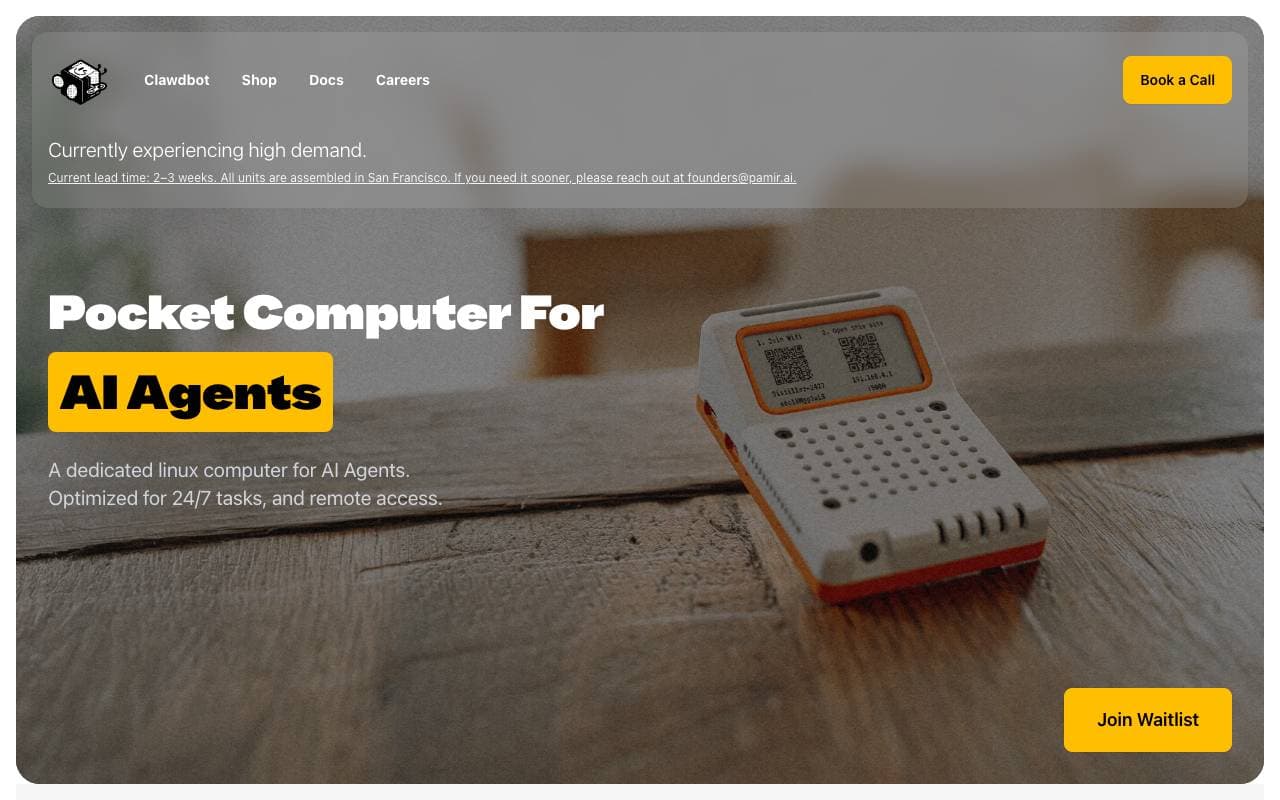

Pamir AI
AI Agent Development Platforms
Edge‑AI-Lösungen mit Hardware und Software für offline-fähige AI-Agenten.
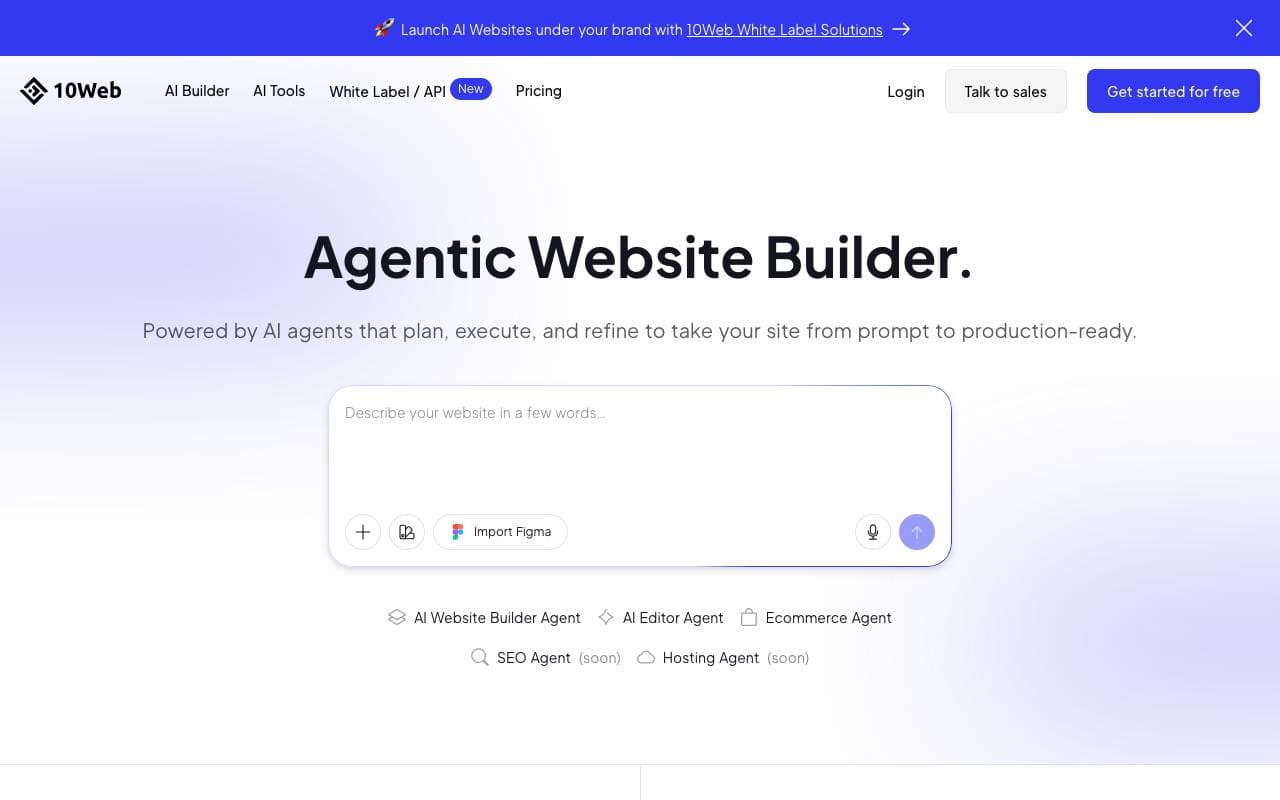

10Web
AI Agent Development Platforms
KI-gestützte Plattform von 10Web für die mühelose Erstellung, das Hosting und die Skalierung von WordPress-Websites.
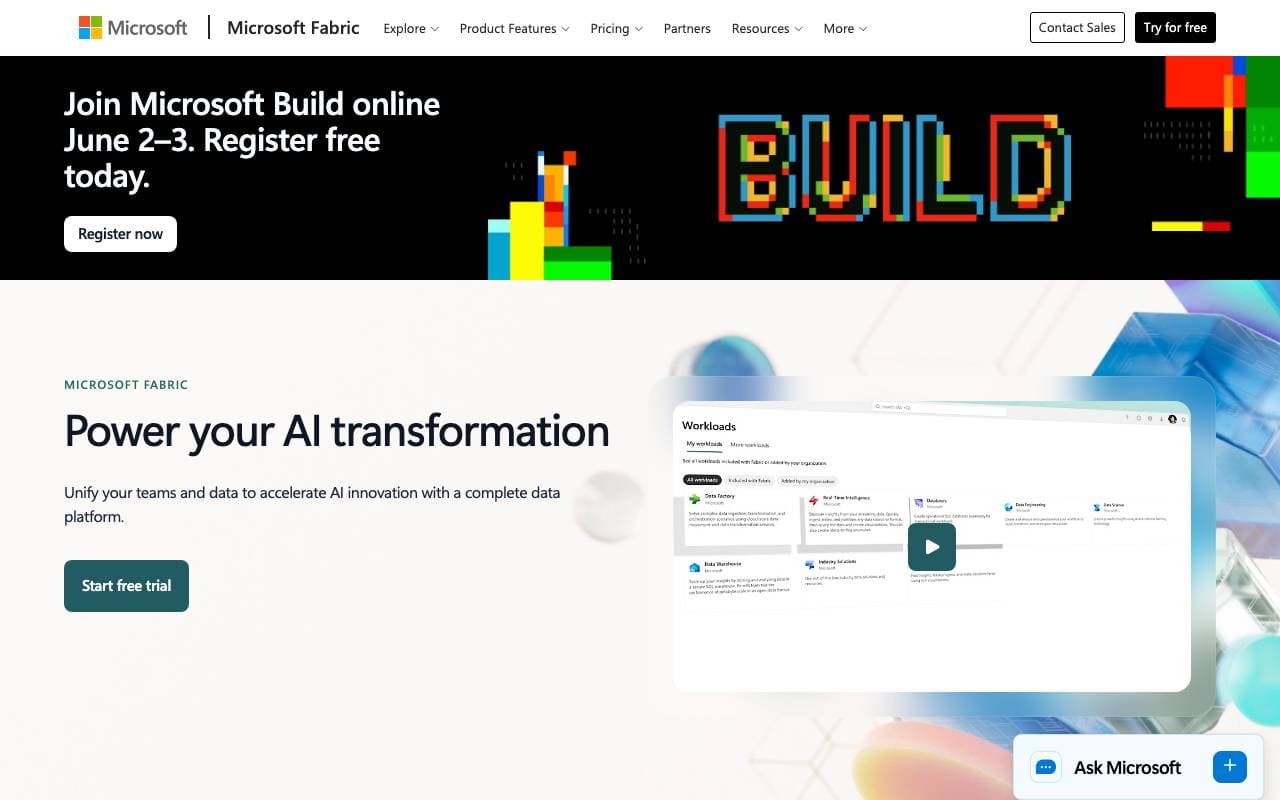

MS Fabric
AI Agent Development Platforms
Eine einheitliche Analytics-Plattform, die Datenengineering, Datenlagerung und KI für Echtzeit-Insights und Automatisierung integriert.

Natoma MCP Platform
AI Agent Development Platforms
Gehostete MCP-Server für die Verbindung von KI-Agenten mit Unternehmenswerkzeugen und Daten.


Convai
AI Agent Development Platforms
SDK und Plattform für Echtzeit-NPCs in Spielen und virtuellen Welten mit Sprach-, Sehen- und Aktion-APIs für Unity/Unreal
Trending now


Claude
AI Agents & Chatbots
Konversations‑KI‑Assistent von Anthropic für Schreiben, Analyse, Programmieren und Dokumentaufgaben
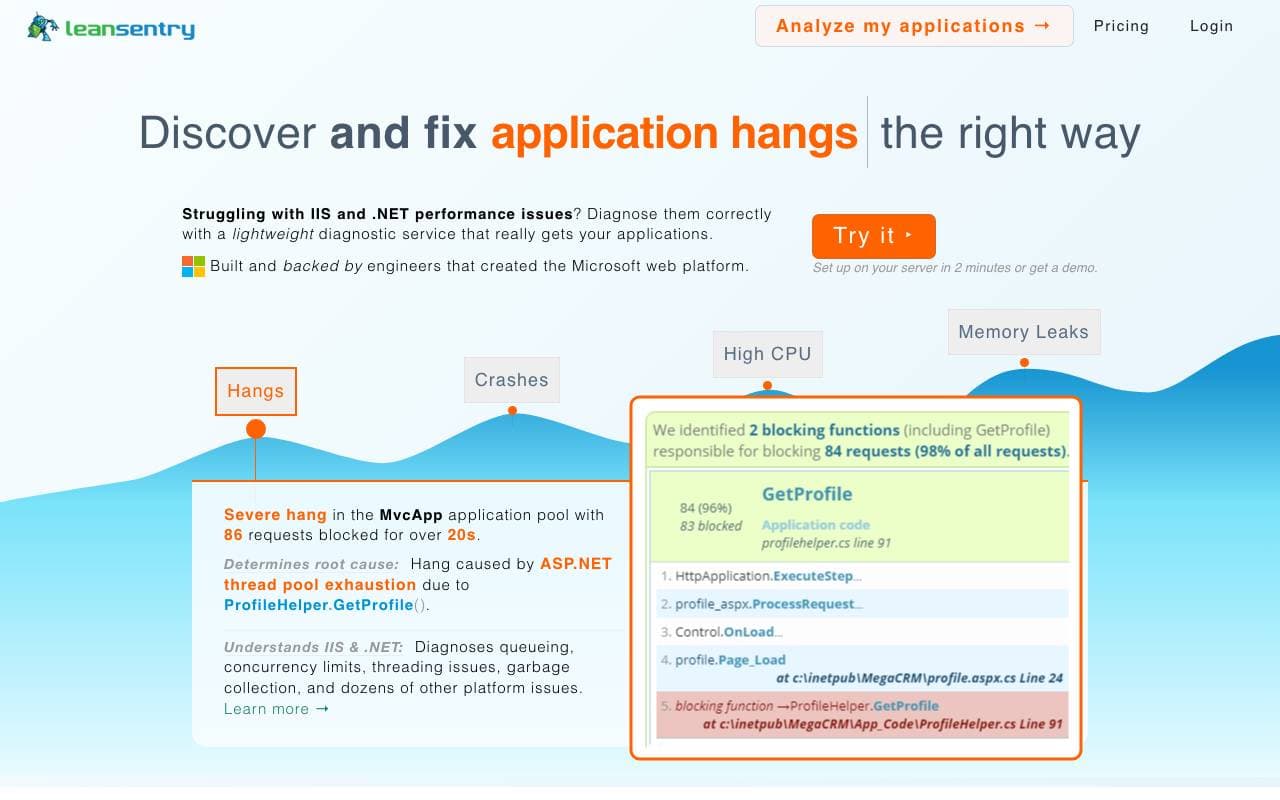

LeanSentry
Software Development
KI-gestützte Diagnostik und Überwachung für IIS- und ASP.NET-Leistungsprobleme.

Doozer Ai
Sales Agent
Digitale Mitarbeiter, die operative Workflows automatisieren, um die Effizienz von Teams zu steigern.
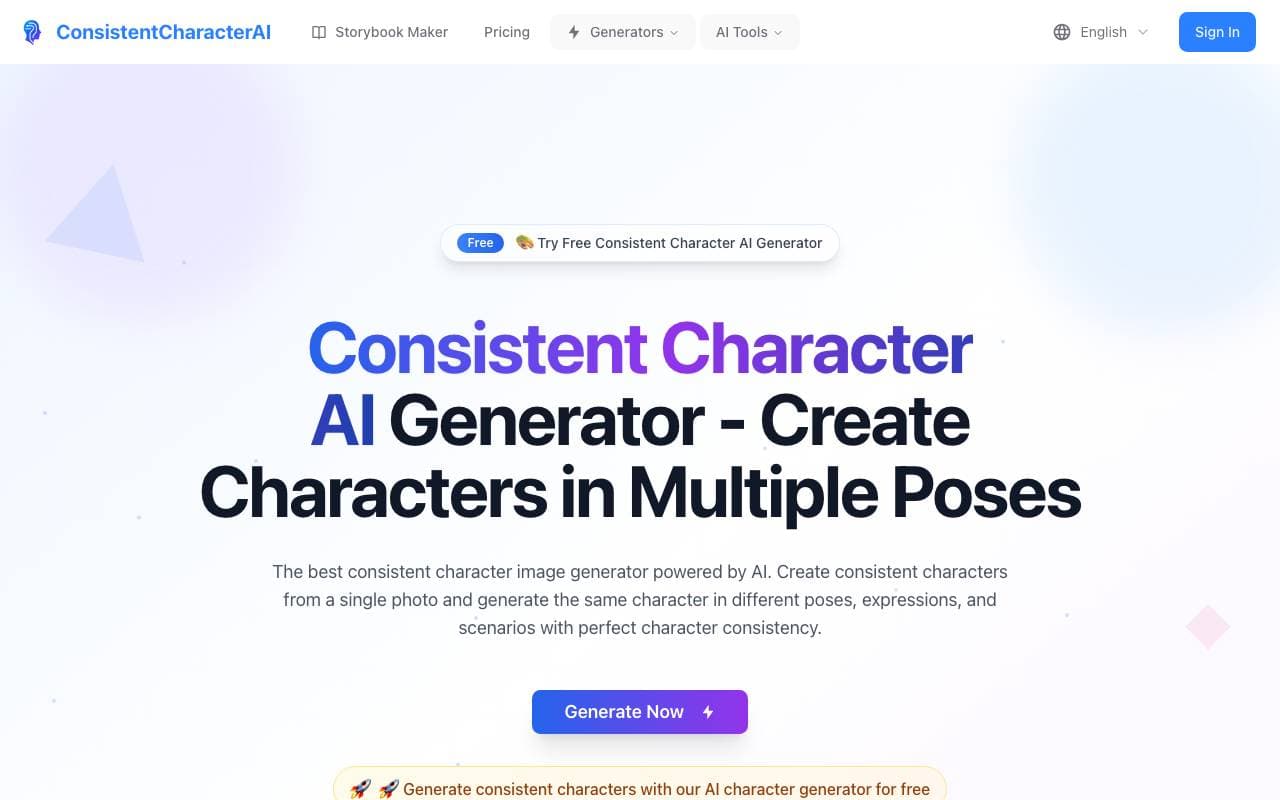

Consistent Character AI
Images
Erstellen Sie konsistente KI-Charaktere über Szenen hinweg aus einem einzigen Referenzfoto.