
JulesGoogle's asynchroner KI-Coding-Agent, der Bugs und Tests in Ihrem GitHub-Workflow behandelt.

Übersicht
Hauptfunktionen
- Autonome Aufgabenausführung in isolierten Umgebungen
- Veränderungen werden über Pull Requests geliefert
- Automatisierte Bugfixes und Patch-Entwicklung
- Generierung und Aktualisierung von Unit Tests
- Abhängigkeits- und Versions-Upgrades
- GitHub-Repository-Integration
Preise
- Modell
- Free
- Kategorie
- Coding Agent
- Bewertung
- 5.0 / 5 (4)
Anwendungsfälle
Automatisierte Bugfixes über Pull Requests
Weisen Sie GitHub-Issues Jules zu und lassen Sie ihn diagnostizieren, patchen und einen Pull Request zur Review einreichen, wodurch Entwickler von routinemäßigen Debugging-Aufgaben entlastet werden.
Generierung von Unit Tests
Übertragen Sie Testabdeckungstätigkeiten an Jules, der im Hintergrund Unit Tests generiert und aktualisiert, damit Ingenieure sich auf Feature-Entwicklung konzentrieren können.
Abhängigkeits- und Versions-Upgrades
Nutzen Sie Jules, um lästige Abhängigkeits- und Versions-Upgrades in einem Repository zu verwalten und die Änderungen als prüfbaren Pull Request zu liefern.
Hintergrund-Code-Refactorings
Übergeben Sie Refactoring-Aufgaben an Jules, der asynchron in einer isolierten Umgebung arbeitet und vorgeschlagene Änderungen zur menschlichen Genehmigung zurückliefert.
Pro & Contra
Pro
- Läuft asynchron ohne Entwickler zu blockieren
- Native GitHub-Integration über Pull Requests
- Umgeht lästige Aufgaben wie Tests und Bugfixes
- Wird von Googles Forschung und Infrastruktur unterstützt
Contra
- Begrenzt auf GitHub-basierte Workflows
- Ausgabe erfordert immer noch menschliche Code-Review
- Kann bei komplexen architektonischen Änderungen Schwierigkeiten haben
- Verfügbarkeit und Kontingente können einschränkend sein
Schlacht-Bilanz
Aus 1 Schlacht im Pantheon.
Last battle
Bewertungen
Durchschnitt aus 4 Bewertungen.
Melde dich an, um eine Bewertung abzugeben.
Compared a few options
Evaluated this against two competitors. Where it wins: autonomous task execution in isolated environments and native GitHub integration via pull requests. On balance the feature set — especially dependency and version upgrades — justifies the 5 stars for our use case.
Compared a few options
Evaluated this against two competitors. Where it wins: gitHub repository integration and runs asynchronously without blocking developers. Where it lags: may struggle with complex architectural changes. On balance the feature set — especially automated bug fixing and patching — justifies the 5 stars for our use case.
Compared a few options
Evaluated this against two competitors. Where it wins: automated bug fixing and patching and handles tedious tasks like tests and bug fixes. On balance the feature set — especially unit test generation and updates — justifies the 5 stars for our use case.
Skeptical, then convinced
I went in skeptical — most tools in this space overpromise. It actually delivers on automated bug fixing and patching, and native GitHub integration via pull requests caught me off guard. May struggle with complex architectural changes is why this isn't a perfect score, still, I'd recommend giving it a real trial.
Fragen & Antworten
How does Jules fit into our existing GitHub code review process?
Jules works asynchronously in an isolated environment and delivers its changes as pull requests against your GitHub repository. Your team reviews, comments on, and merges those PRs using your normal review workflow, so human approval remains a required step.
What kinds of engineering tasks is Jules best suited for?
Jules is designed for routine, well-scoped work like bug fixes, patches, refactors, dependency and version upgrades, and generating or updating unit tests. It's less reliable for complex architectural changes, which still need hands-on developer attention.
What are Jules's main limitations to be aware of before adopting it?
Jules only supports GitHub-based workflows, so non-GitHub repos aren't covered. All output still requires human code review, it may struggle with deep architectural work, and availability and usage quotas can be restrictive depending on access.
Frage stellen
Alternativen zu Coding Agent
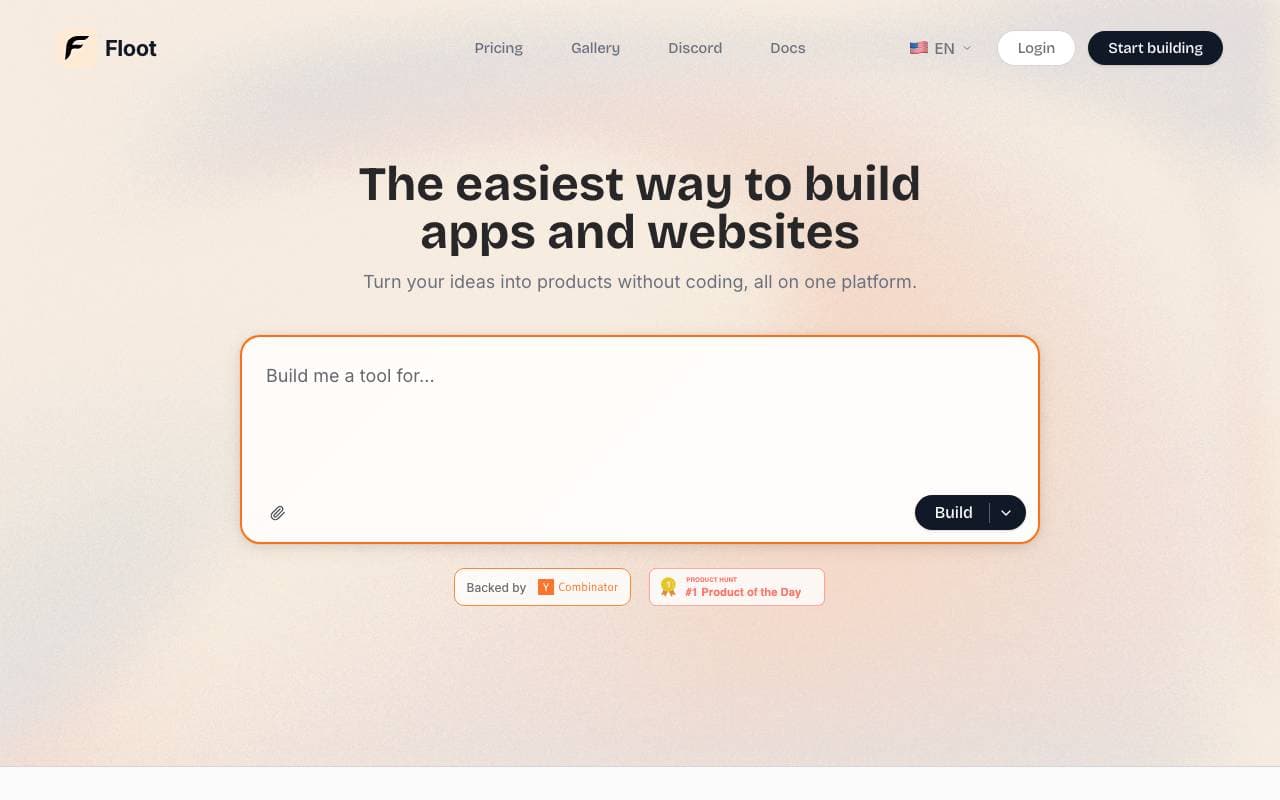

Floot
Coding Agent
KI-gestützter No-Code-Builder zum Erstellen von funktionierenden Apps und Websites aus Plain-Language-Eingaben


Appacella
Coding Agent
Verwandeln Sie App-Ideen in Minuten in funktionelle Mobile-Apps mit AI
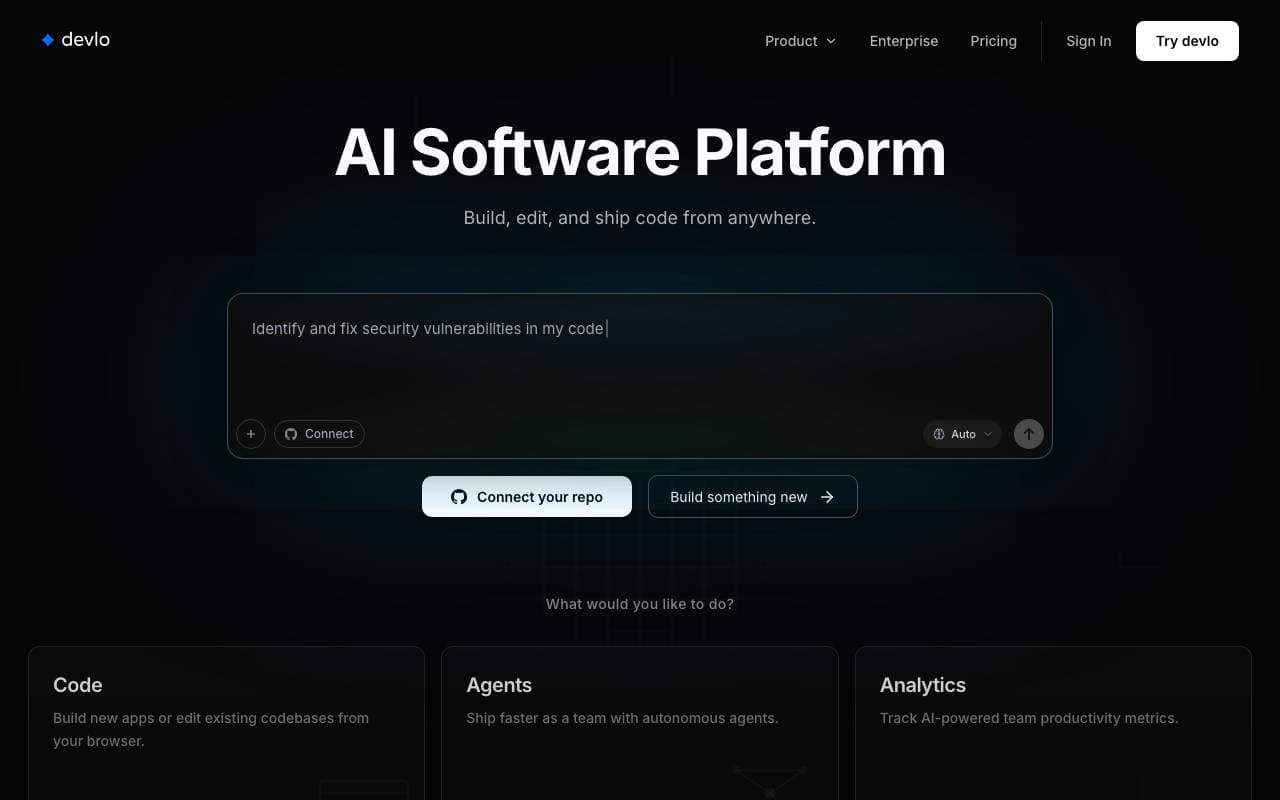

devlo AI
Coding Agent
KI-Mitarbeiter, der Coding-Aufgaben über Ihre Repositories und Entwicklungsprozesse automatisiert
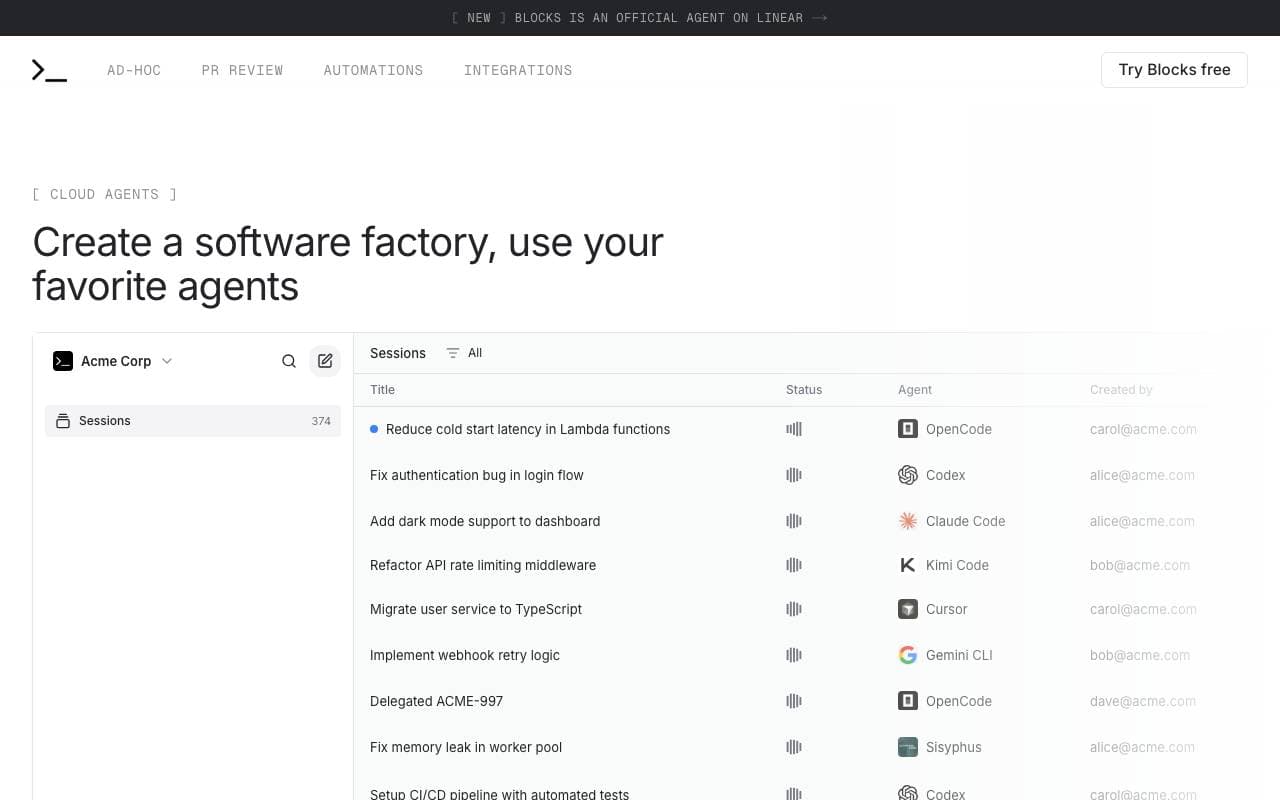

Blocks Team
Coding Agent
Bringen Sie Coding-Agenten direkt in den Entwicklungsworkflow Ihres Teams


HeroUI
Coding Agent
Bibliothek mit wiederverwendbaren UI-Komponenten für die Erstellung von sauberen Web-Ansichten schnell.

Fine
Coding Agent
Schnell AI-gesteuerte Anwendungen entwickeln, testen und bereitstellen – ohne umfangreiches Setup
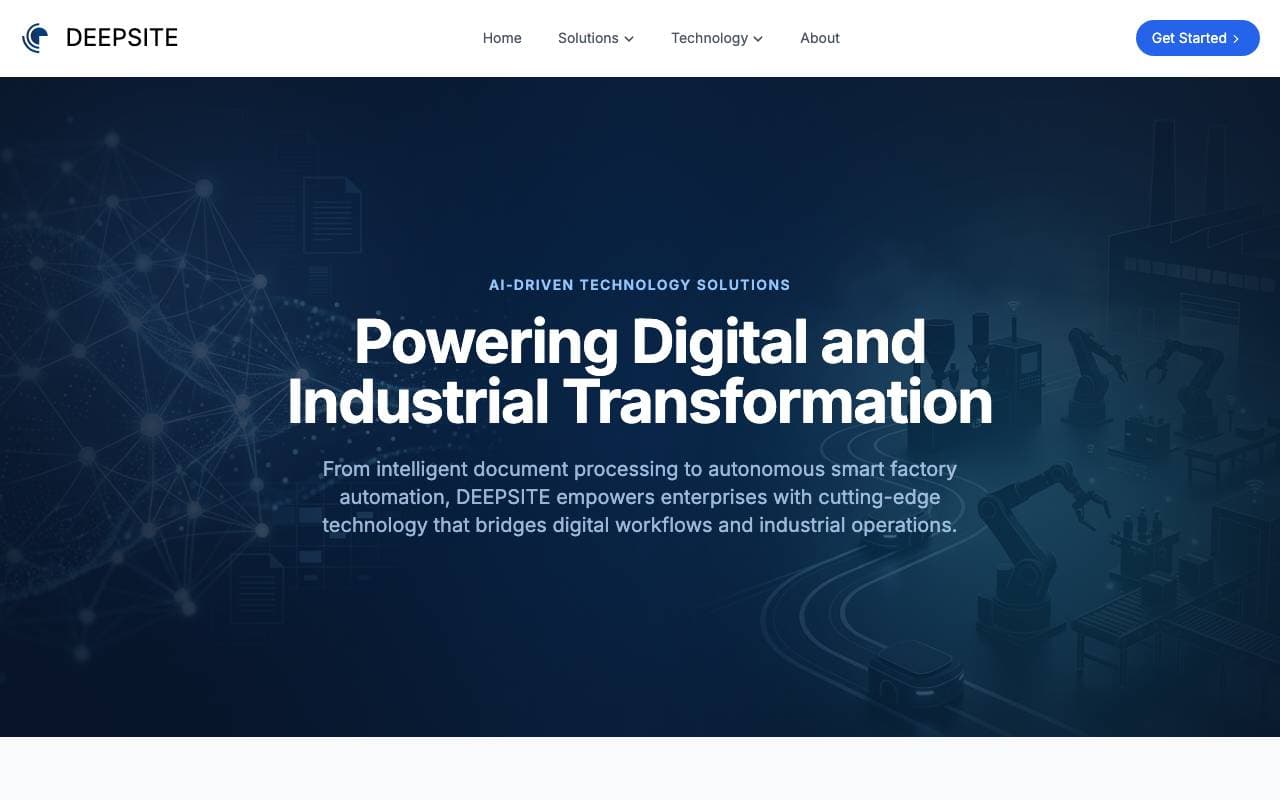

DeepSite
Coding Agent
Dokumentenverarbeitung durch künstliche Intelligenz zur automatisierten Datenextraction und Workflowintegrieren.


Shipper.now
Coding Agent
Aus einer natürlichen Sprache prompt generieren vollständige, einsetzbare Anwendungen.
Trending now


Claude
AI Agents & Chatbots
Konversations‑KI‑Assistent von Anthropic für Schreiben, Analyse, Programmieren und Dokumentaufgaben

Doozer Ai
Sales Agent
Digitale Mitarbeiter, die operative Workflows automatisieren, um die Effizienz von Teams zu steigern.

Consistent Character AI
Images
Erstellen Sie konsistente KI-Charaktere über Szenen hinweg aus einem einzigen Referenzfoto.


Reducto AI
AI Agent Development Platforms
Intelligenter Dokument API zur Analyse, Trennung, OCR-Analyse und Strukturierung von komplexen PDFs, Präsentationen und Tabellenkalkulationen.