
GraphiquestorUniversal graph processing mit künstlicher Intelligenz zur Analyse, Rekonstruktion und Transformation

Übersicht
Hauptfunktionen
- Universelle Graphendaten-Importfunktion
- Graphenanalyse basierend auf künstlicher Intelligenz
- Automatisierte Graphenrekonstruktion
- Format- und Strukturrekonstruktion
- Unterstützung für diverse Schemas
Preise
- Modell
- Free
- Kategorie
- Data Analysis
- Bewertung
- 4.4 / 5 (5)
Anwendungsfälle
Rekonstruieren unvollständiger Wissensgraphen
Nutzen künstlich-intelligenz-getriebene Schlussfolgerungen zur Ergänzung fehlender Knoten, Kanten oder Beziehungen in unvollständigen Wissensgraphen, um den manuellen Reinigungsprozess für Datenwissenschaftler bei schmutzigen Datensätzen zu reduzieren.
Analyse von Beziehungen in Netzwerkdokumenten
Führen automatisierte Grafikanalyse auf relationalen Daten durch, um Muster und Verbindungen zu entdecken, und lassen Forscher komplexe Netzwerke ohne die Verwendung von Benutzercode erkunden.
Transformieren von Graphen zwischen Formaten
Konvertieren Sie Graphen-Strukturen über verschiedene Schemas und Formate, um die Daten für Downstream-Anwendungen, Machine Learning-Pipelines oder Visualisierungstools vorzubereiten.
Importieren von multi-quellen-Graphendaten
Verbinden Sie Graphendaten aus verschiedenen Quellen und Formaten in eine einzelne Auftragshinweis, um Entwicklern die Möglichkeit zu bieten, ohne die jahrelange Spezialisierung eines Benutzers mit mehreren Spezialwerkzeugen zu arbeiten, die Importe zu analysieren und zu standarisieren.
Pro & Contra
Pro
- Verarbeitet mehrere Graphenformate in einer Werkzeugkiste
- KI-gestützte Rekonstruktion unvollständiger Daten
- Nützlich für sowohl Analyse- als auch Transformationsaufgaben
- Zielgruppe sind technisch versierte Benutzer mit flexiblen Workflows
Contra
- Benötigt Vertrautheit mit graphischen Datendatenkonzepten
- Qualität des Outputs hängt von der Eingabe Struktur ab
- Einschränkungen bei öffentlicher Dokumentation zu komplexeren Funktionen
Bewertungen
Durchschnitt aus 5 Bewertungen.
Melde dich an, um eine Bewertung abzugeben.
Compared a few options
Evaluated this against two competitors. Where it wins: universal graph data ingestion and handles multiple graph formats in one tool. Where it lags: requires familiarity with graph data concepts. On balance the feature set — especially automated graph reconstruction — justifies the 5 stars for our use case.
Use it every day
Honestly didn't expect to like it this much. Format and structure transformation is exactly what I needed, and useful for both analysis and transformation tasks. I do wish limited public documentation on advanced features, but I reach for it almost every day now and it just clicks.
Use it every day
Honestly didn't expect to like it this much. Format and structure transformation is exactly what I needed, and useful for both analysis and transformation tasks. I do wish output quality depends on input structure, but I reach for it almost every day now and it just clicks.
Does the job
Pretty happy overall. Universal graph data ingestion just works and targets technical users with flexible workflows. but no dealbreakers — I'd recommend it to a friend without hesitating.
Years in this space
I've evaluated a lot of these over the years. What stands out here is automated graph reconstruction — handled better than most — and targets technical users with flexible workflows. Requires familiarity with graph data concepts is my one real gripe. Worth the time if this is your use case.
Fragen & Antworten
Can Graphiquestor handle incomplete or messy graph data?
Yes. It provides AI-assisted automated graph reconstruction to help fill in incomplete data, along with AI-based analysis. However, output quality depends on the structure of the input you provide.
Who is Graphiquestor designed for and what skill level is required?
It targets developers, data scientists, and researchers working with network data, knowledge graphs, or relational datasets. Users should be familiar with graph data concepts, as the tool assumes a technical background and flexible workflow needs.
What graph formats and data sources does Graphiquestor support?
Graphiquestor offers universal graph data ingestion and supports diverse graph schemas, letting you work across multiple formats in one tool. It also handles format and structure transformation to reshape graphs for downstream applications.
Frage stellen
Alternativen zu Data Analysis

Sleek Analytics
Data Analysis
Web-Analytics mit Schwerpunkt auf Privatsphäre und real-time Tracking mit künstlicher Intelligenz-basierten Erkenntnissen.

Pecan AI
Data Analysis
Predictive-Analytics-Plattform, die Geschäftsdaten in umsetzbare Prognosen verwandelt – ohne tiefgehende Data‑Science-Fähigkeiten.

Buildform
Data Analysis
Formulare mit künstlicher Intelligenz, die die Antwortraten steigern und mehr Umsetzungen vorantreiben.

Wallabi
Data Analysis
Unternehmensintelligenz für Leute, die Unternehmensintelligenz-Tools abhassen.

JIFFYAI
Data Analysis
KI-Engagement-Plattform für Vermögensverwaltungsfirmen und Berater.

Deventral
Data Analysis
AI-beistandener Builder für die schnelle Erstellung von internen Werkzeugen und Admin-Paneele
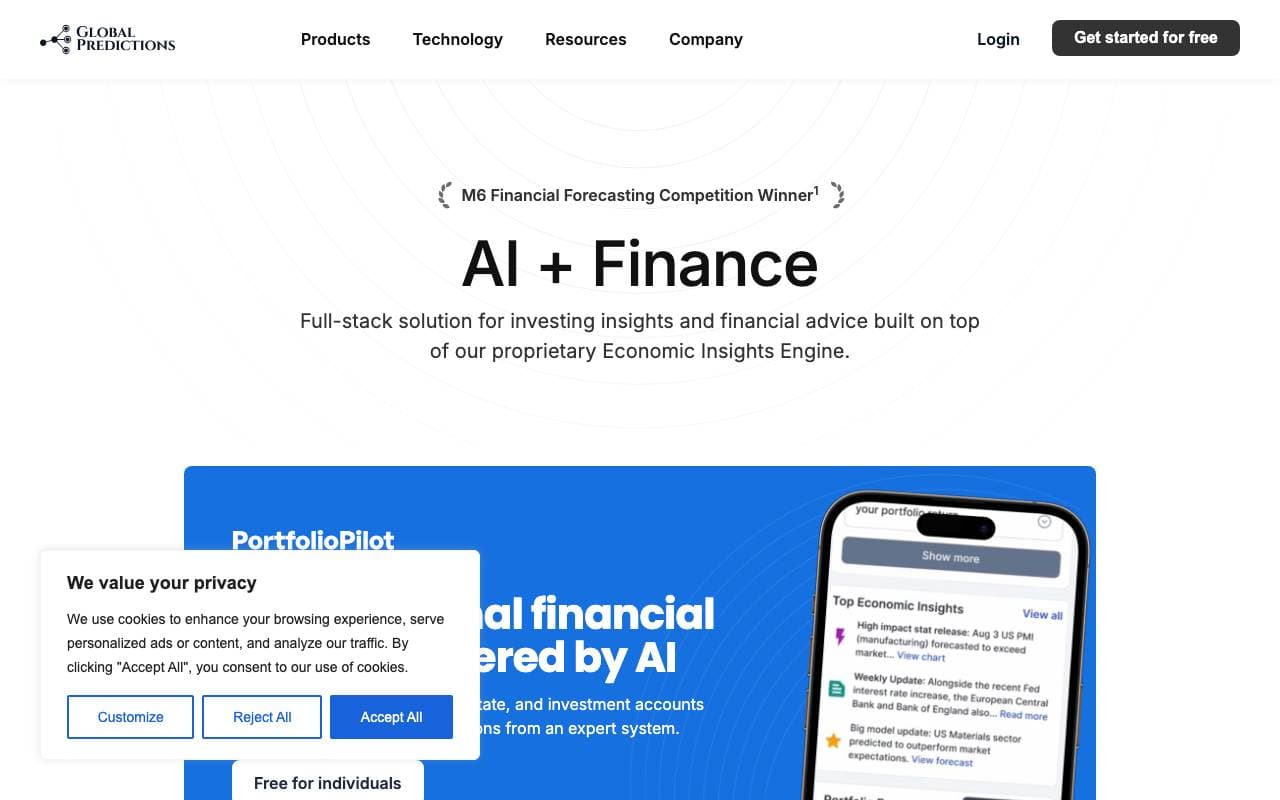

Global Predictions
Data Analysis
Wissenschaftlich fundierte Vorhersagen und Portfolio-Kommentare durch künstliche Intelligenz für private Anleger.
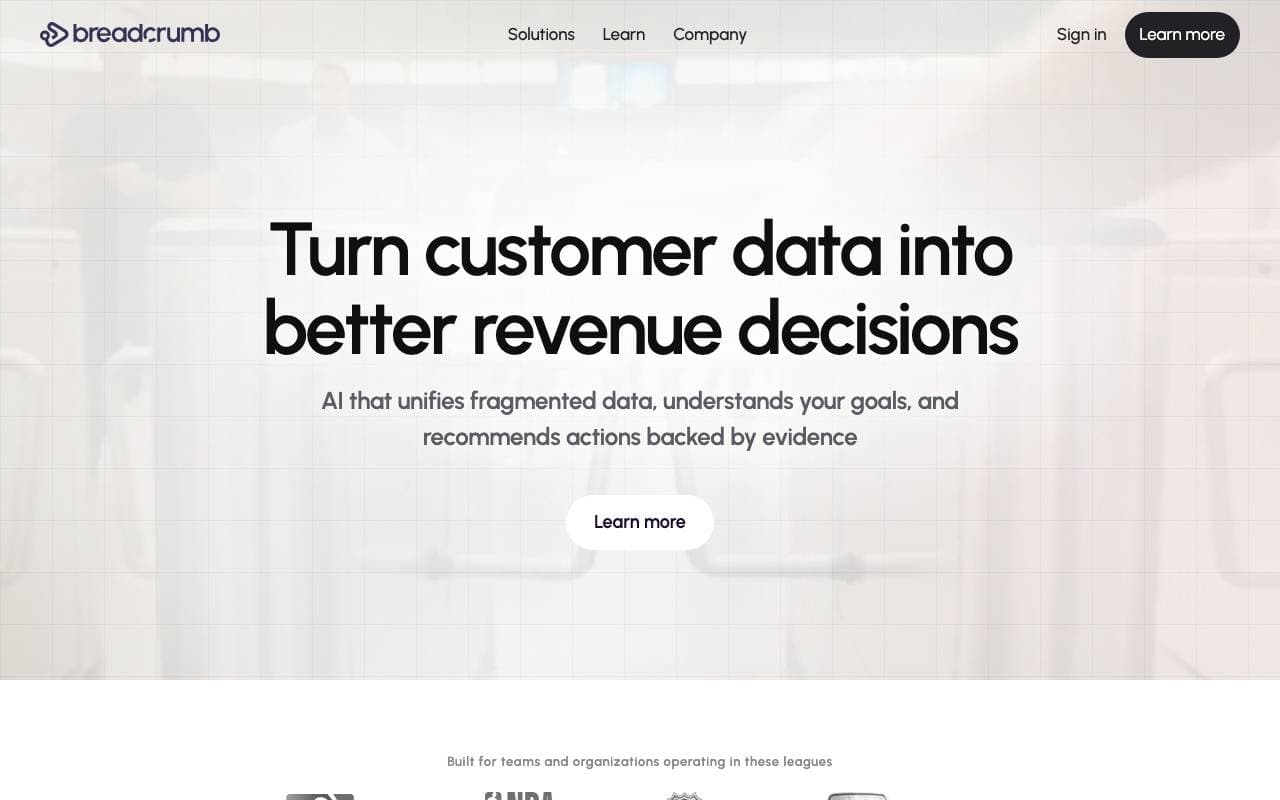
Breadcrumb.ai
Data Analysis
Automatisieren Sie persönliche, durch KI-Power unterstützte Datenberichte ohne Programmierkenntnisse.
Trending now
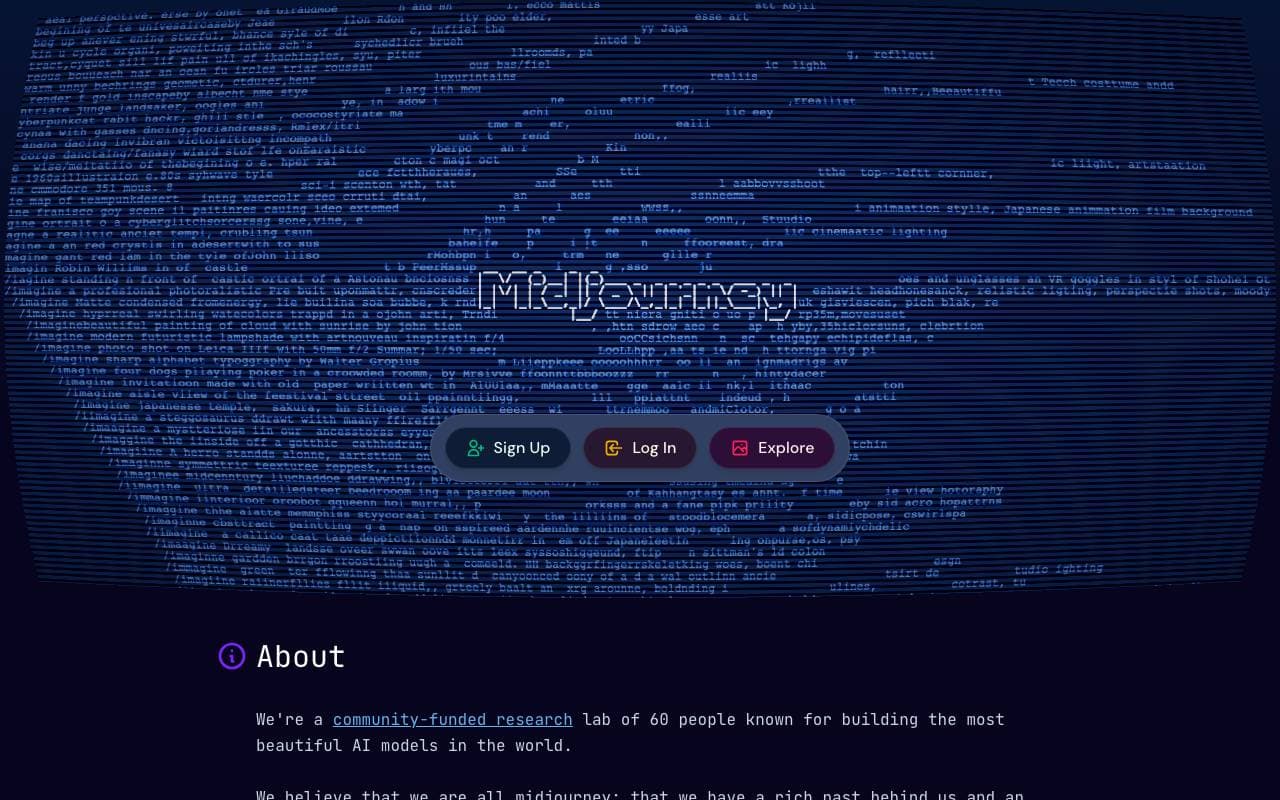

Midjourney
Image Generation
Erstelle atemberaubende Bilder aus Text

Doozer Ai
Sales Agent
Digitale Mitarbeiter, die operative Workflows automatisieren, um die Effizienz von Teams zu steigern.
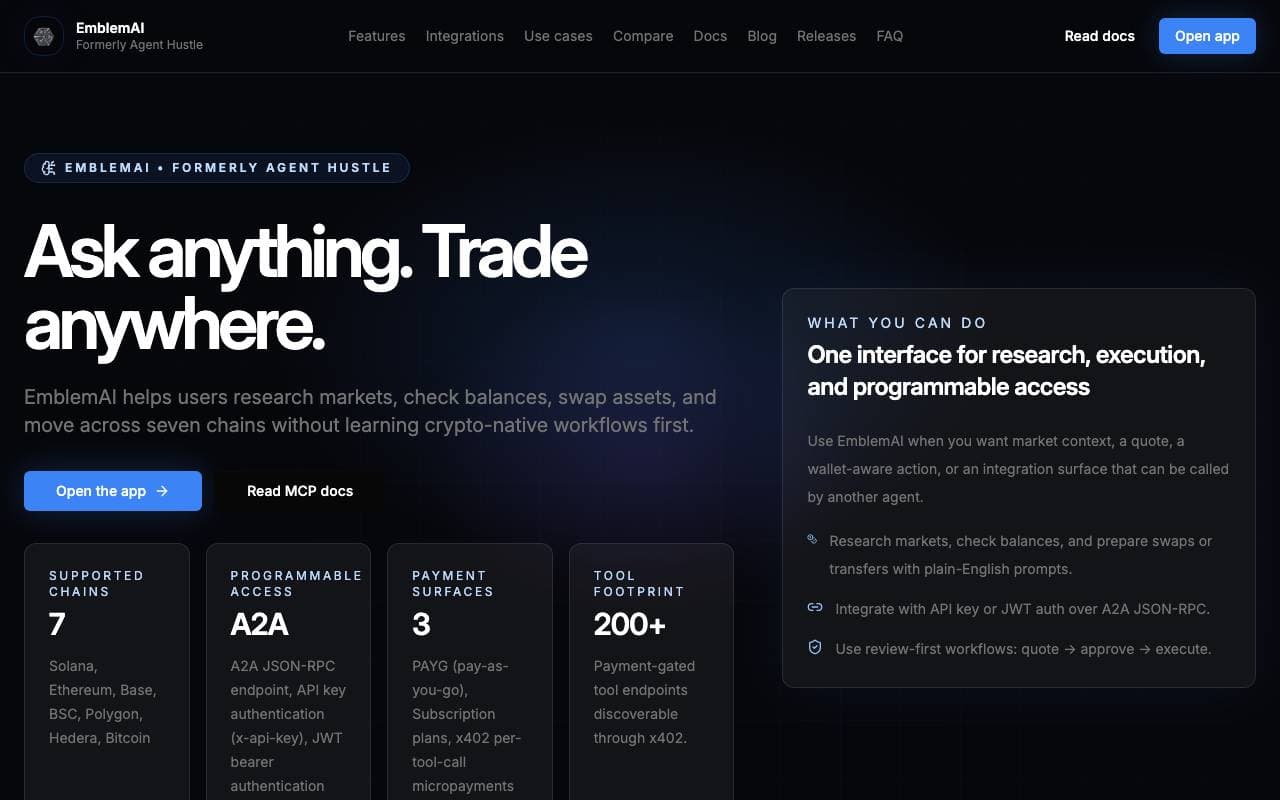

EmblemAI
DeFi Agents
KI-gestützter Krypto-Assistent für die Verwaltung von Assets über mehrere Blockchain-Netzwerke hinweg.
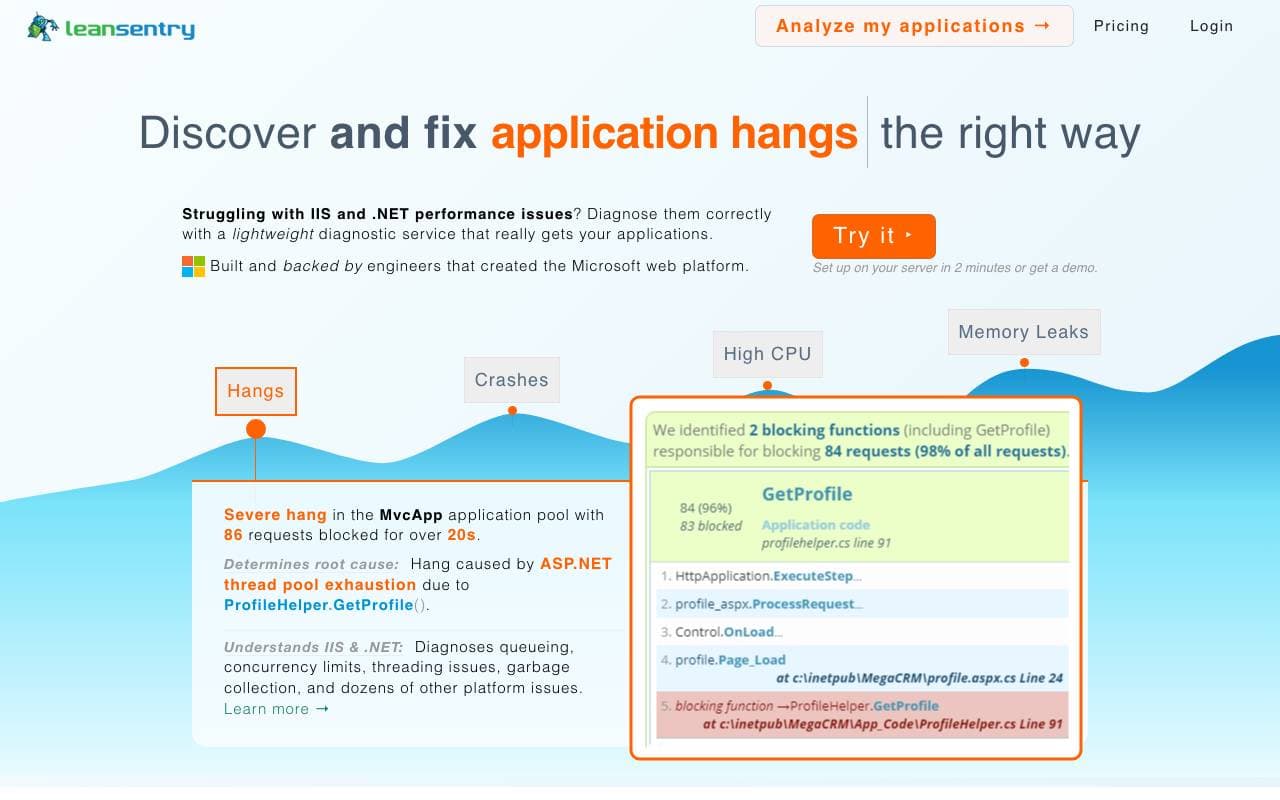

LeanSentry
Software Development
KI-gestützte Diagnostik und Überwachung für IIS- und ASP.NET-Leistungsprobleme.