
GptPandaChatGPT direkt in Slack für Team-Kollaboration und schnelle Workflows.

Übersicht
Hauptfunktionen
- Integrierte ChatGPT-Fähigkeit in Slack
- Unterstützung für Kanäle und direkte Nachrichten
- Mehrfachbenutzer Zugang für Teams
- Behandlung des konversationsbasierten Kontextes
- Hilfe bei Schreiben, Programmieren und Recherche
- Einfache Installation über Slack-App
Preise
- Modell
- Freemium
- Kategorie
- Large Language Models (LLMs)
- Bewertung
- 4.5 / 5 (6)
Anwendungsfälle
Nachrichten und Inhalte in Slack erstellen
Kanal-Diskussionen zusammenfassen
Entwicklerkodierungs-Hilfe
Gemeinsamer Forschungsassistent für Teams
Pro & Contra
Pro
- Selbstständige Erfahrung mit Slack mit keiner App-Wechsel
- Zugriff für ganze Teams in Shared-Kanälen
- Zuverlässige Einführung in bestehenden Slack-Workspaces
- Nützlich für das Erstellen, Zusammenfassen und Antworten von Fragen
Contra
- Einschränkung auf Slack-basierte Workflows
- Abhängigkeit von der Verfügbarkeit von künstlicher Intelligenz von Drittanbietern
- Kontrollverlust im Vergleich zu direkten API-Integrationen
Bewertungen
Durchschnitt aus 6 Bewertungen.
Melde dich an, um eine Bewertung abzugeben.
Years in this space
I've evaluated a lot of these over the years. What stands out here is multi-user team access — handled better than most — and accessible to entire teams in shared channels. Less control than direct API integrations is my one real gripe. Worth the time if this is your use case.
Skeptical, then convinced
I went in skeptical — most tools in this space overpromise. It actually delivers on channel and direct message support, and useful for drafting, summarizing, and Q&A caught me off guard. still, I'd recommend giving it a real trial.
Does the job
Pretty happy overall. Assistance with writing, coding, and research just works and useful for drafting, summarizing, and Q&A. Limited to Slack-based workflows can be annoying, but no dealbreakers — I'd recommend it to a friend without hesitating.
Solid for our team
We rolled this out across the team last quarter and accessible to entire teams in shared channels. Channel and direct message support fits neatly into how we already work, and simple installation via Slack app removed a step we used to do by hand. but it has held up under daily use.
Compared a few options
Evaluated this against two competitors. Where it wins: multi-user team access and accessible to entire teams in shared channels. Where it lags: less control than direct API integrations. On balance the feature set — especially assistance with writing, coding, and research — justifies the 4 stars for our use case.
Compared a few options
Evaluated this against two competitors. Where it wins: conversational context handling and useful for drafting, summarizing, and Q&A. On balance the feature set — especially multi-user team access — justifies the 5 stars for our use case.
Fragen & Antworten
Noch keine Fragen — sei die/der Erste!
Frage stellen
Alternativen zu Large Language Models (LLMs)


Mistral AI
Large Language Models (LLMs)
Open‑Weight-Modelle der Spitzenreihe


Kore.ai
Large Language Models (LLMs)
Eine no-code-Konversation-Plattform, die Unternehmen ermöglicht, intelligente virtuelle Assistenten zu bauen und zu deployen.
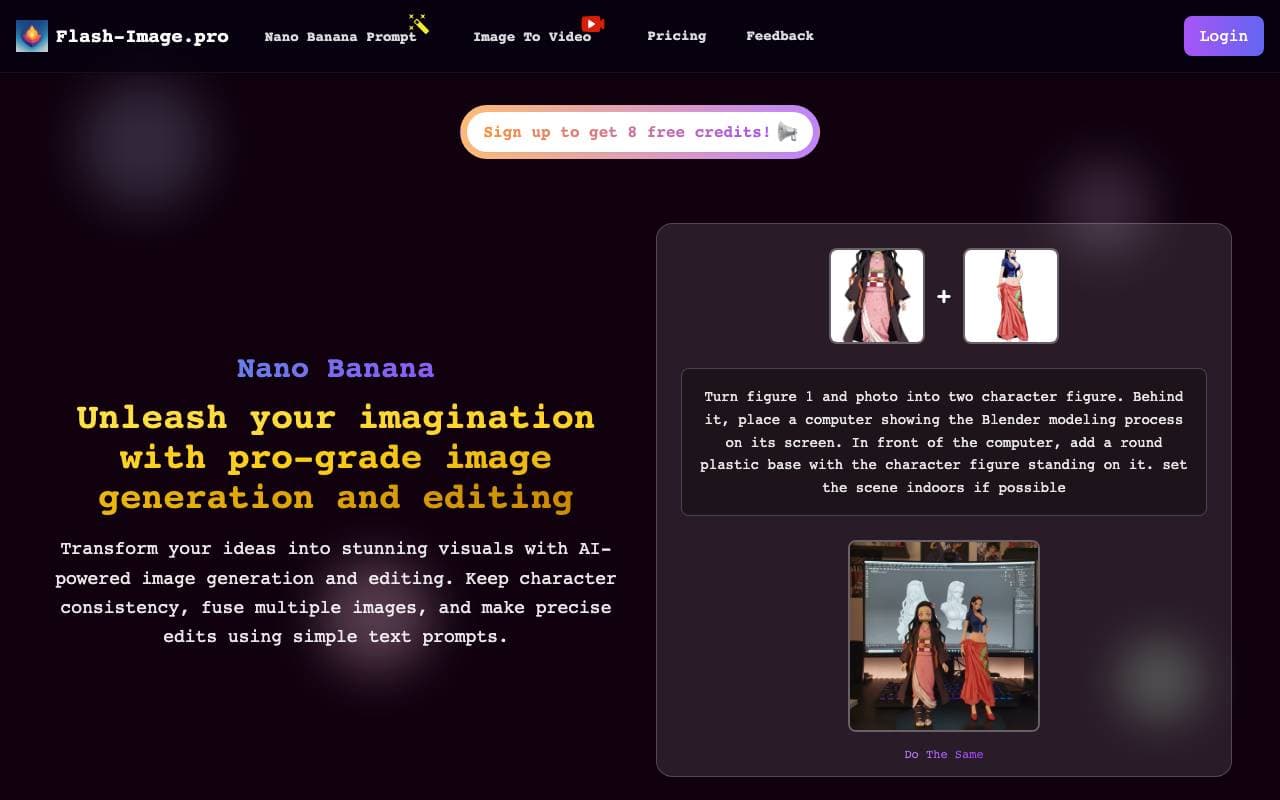

🍌 Nano Banana - Where Ideas Instantly Come to Life, The New Era of AI Image Generation
Large Language Models (LLMs)
Schnelle KI-Bilderzeugung dank Google Gemini 2.5 Flash für schnelle visuelle Prototypen.

Reka AI
Large Language Models (LLMs)
Multimodale Gründungsmodelle, die Text, Bilder, Video und Audio verstehen.
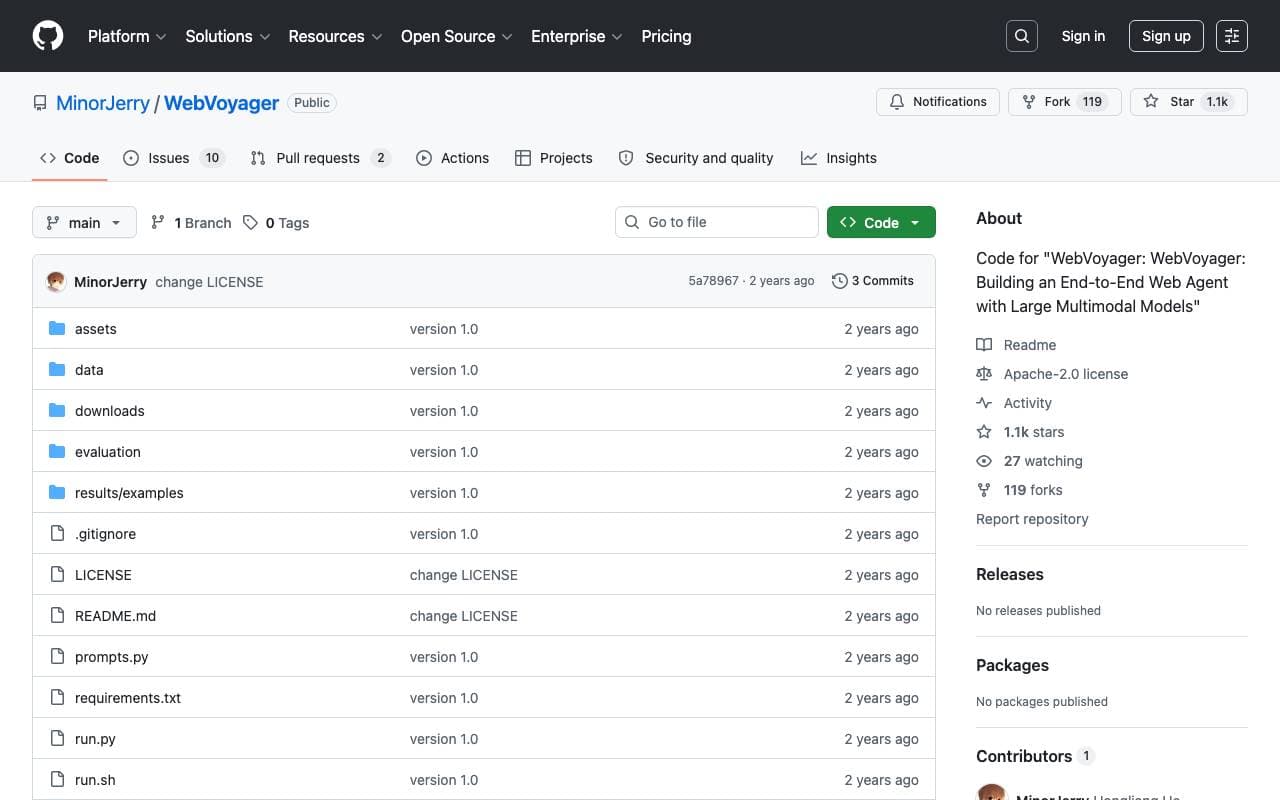

WebVoyager
Large Language Models (LLMs)
Ein LMM-gestützter Webagent, der Benutzeranweisungen end-to-end durch Interaktion mit Websites im Internet abschließt.
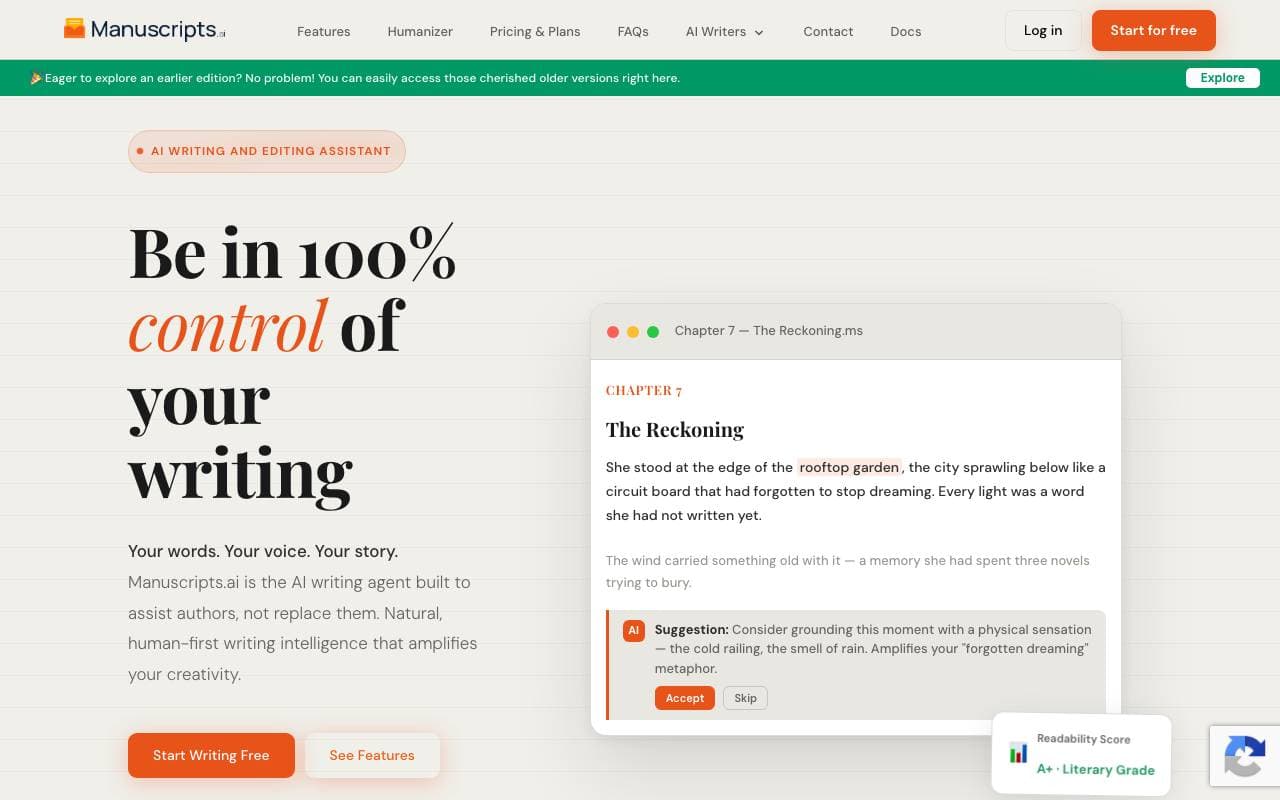

AI Writer
Large Language Models (LLMs)
Plattform für künstliche Intelligenz unterstützte Schreibarbeit für die Erstellung, Recherche und Verfeinerung von langem Textinhalt.
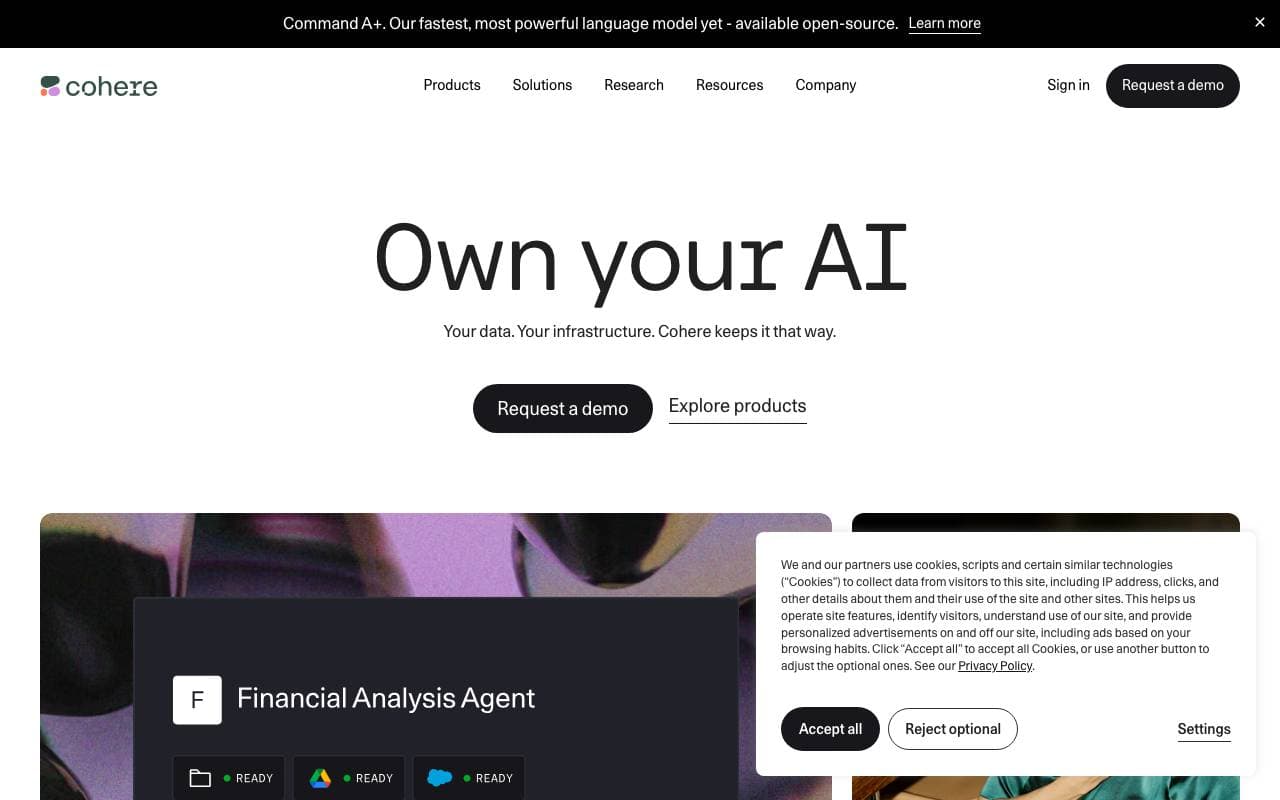

Cohere
Large Language Models (LLMs)
Eine Plattform mit unternehmensorientierten AI-Lösungen, die sich auf große Sprachmodelle zum Verarbeiten natürlicher Sprache spezialisiert.
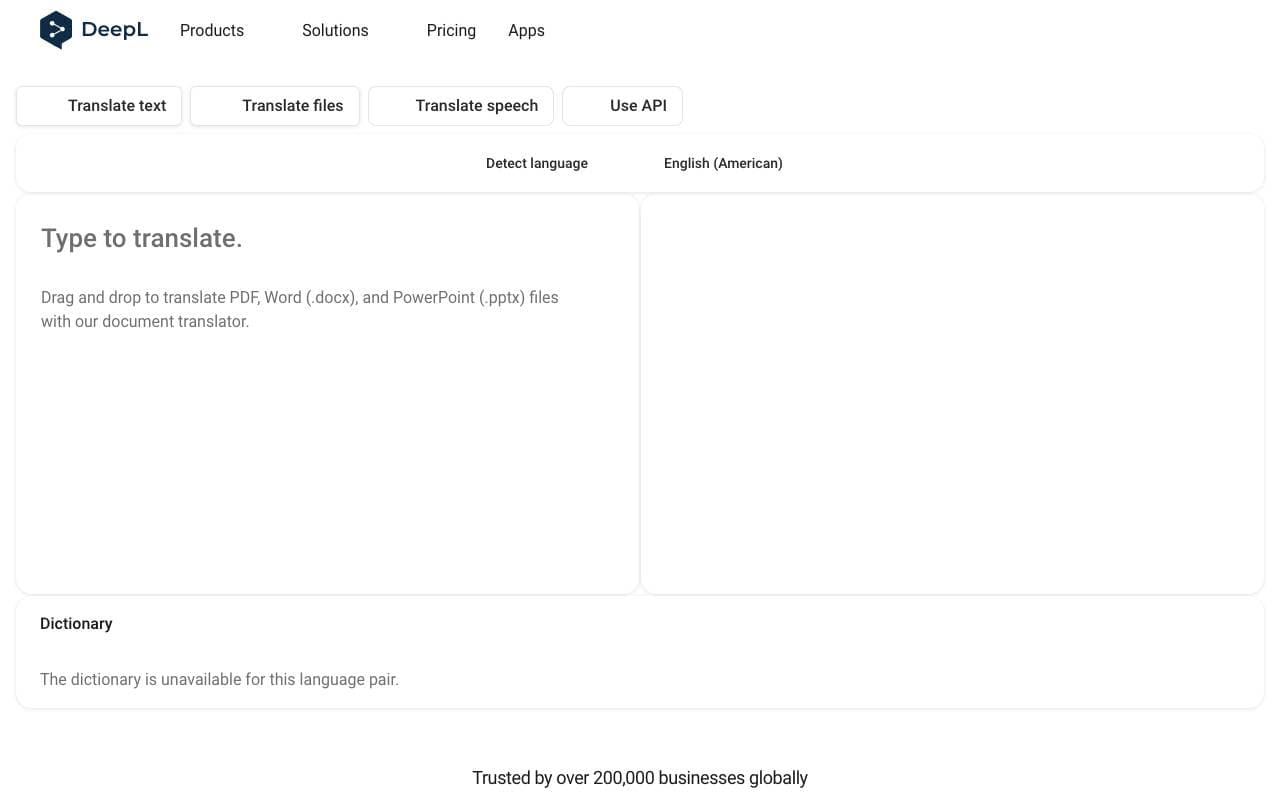

DeepL
Large Language Models (LLMs)
Neuronales Übersetzungsverfahren, bekannt für genaue und natürliche Klangwahrnehmung in vielen Sprachen.
Trending now

Midjourney
Image Generation
Erstelle atemberaubende Bilder aus Text

Doozer Ai
Sales Agent
Digitale Mitarbeiter, die operative Workflows automatisieren, um die Effizienz von Teams zu steigern.
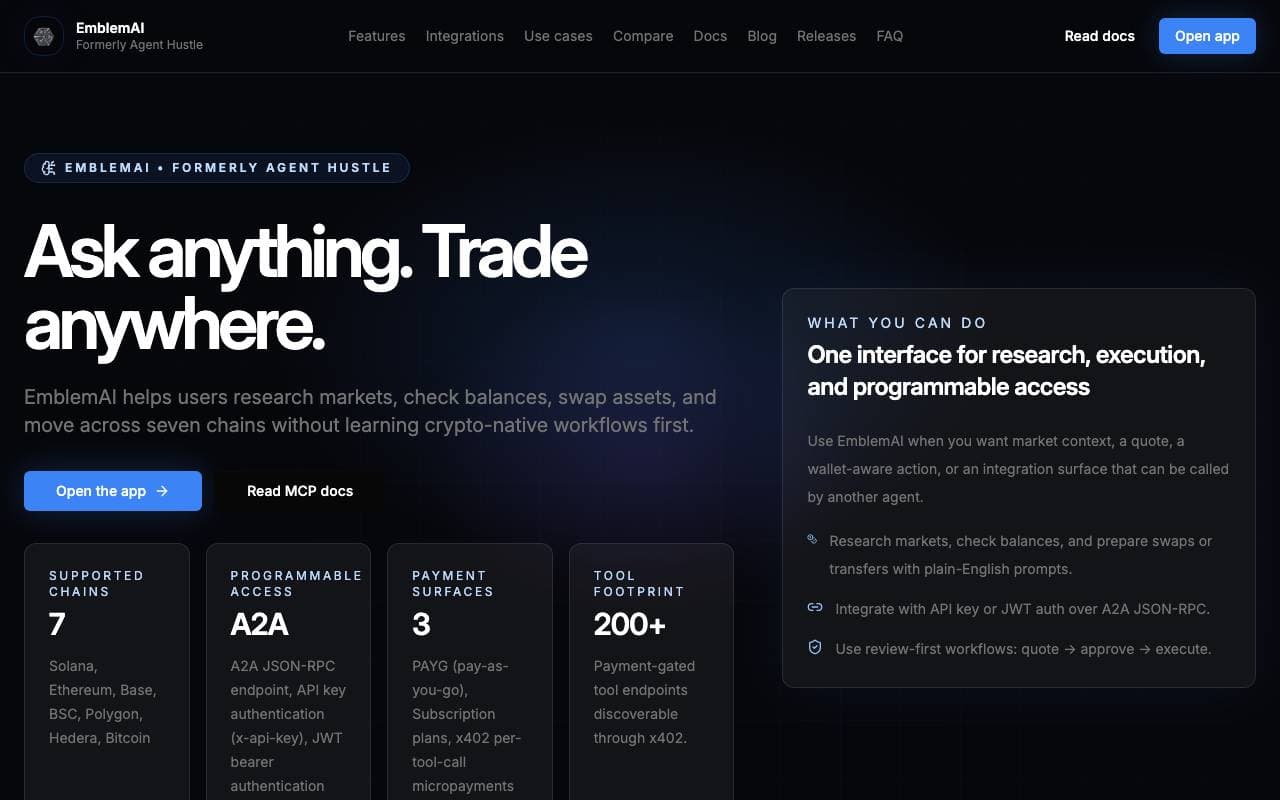

EmblemAI
DeFi Agents
KI-gestützter Krypto-Assistent für die Verwaltung von Assets über mehrere Blockchain-Netzwerke hinweg.
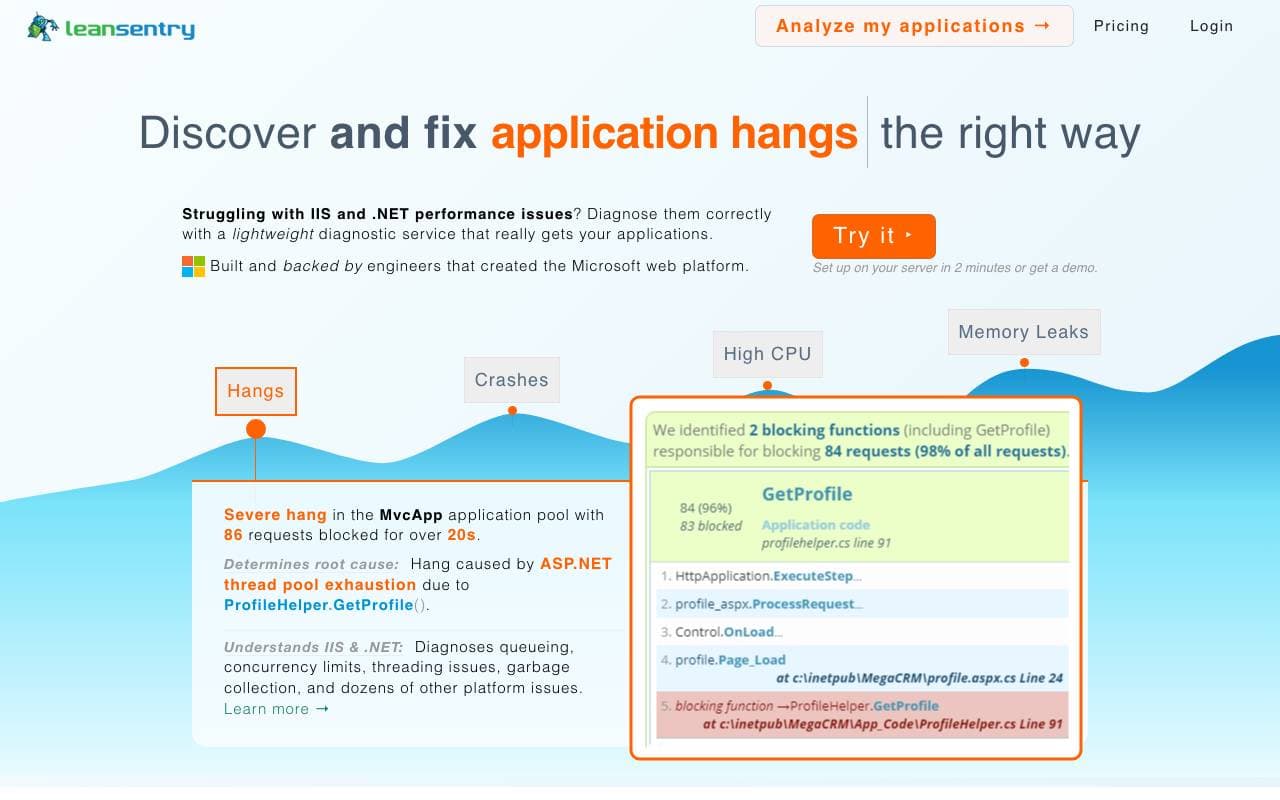

LeanSentry
Software Development
KI-gestützte Diagnostik und Überwachung für IIS- und ASP.NET-Leistungsprobleme.