
GLM-4.6VOpen-Source-Multimodal-GLM von Z.ai, die visuelle, textuelle und funktionsaufrufbasierte Einheit zur Verarbeitung großer Kontexte, zum Suchen, zum Programmieren und zur Code-Generierung umfasst.

Übersicht
Hauptfunktionen
- Multimodale Eingabeunterstützung (Bilder, Texte, Dateien)
- Native multimodale Werkzeugaufruf-Fähigkeit
- 128k Kontextlänge
- Funktionsaufruf-Fähigkeit
- Großkontext-Verständnis
- Visuelle Wahrnehmung und Werkzeug-Retrieval
Preise
- Modell
- Free
- Kategorie
- Research AI Agents
- Bewertung
- 4.3 / 5 (6)
Anwendungsfälle
Konvertierung von UI in Code
Gestalten Sie Design-Mockups, Screenshots oder Wireframes in Funktions-Vordergrundcode um, indem Sie die kombinierten Sehschärfe und Codeschließfähigkeiten des Modells nutzen.
Analyse großer Kontext- Dokumente
Analysieren Sie umfangreiche Dokumente mit Text und Bildern, indem Sie Einblicke gewinnen und Antworten auf Fragen in ausgedehnten Kontexten suchen.
Kombinierte visuelle Suche und Argumentation.
Kombinieren Sie die Bilderverständigung mit Werkzeugaufrufen und Suchoperation, um komplexe visuelle Anfragen mit externer Informationsrückgewinnung zu beantworten.
Verbindungen multimodaler Agenten-Workflows
Erstellen Sie Agenten, die Bildschirme interpretieren, Werkzeuge aufrufen und über gemischte Text- und Bild-Eingaben räsonieren, um Aufgaben wie Automatisierung und Unterstützung durchzuführen.
Pro & Contra
Pro
- Spitzenleistung in der visuellen Verständigung
- Native multimodale Werkzeugaufruf-Fähigkeit
- Großkontext-Verständnis (128k Token)
- Genaue komplexe Dokumentenverständigung
- Visuelle Werkzeug-Retrieval und -Audit
Contra
- —
Bewertungen
Durchschnitt aus 6 Bewertungen.
Melde dich an, um eine Bewertung abzugeben.
Does the job
Pretty happy overall. The automation just works and it is genuinely easy to set up. The docs could be deeper can be annoying, but no dealbreakers — I'd recommend it to a friend without hesitating.
Years in this space
I've evaluated a lot of these over the years. What stands out here is the core workflow — handled better than most — and the value for money is strong. The mobile experience lags is my one real gripe. Worth the time if this is your use case.
Solid for our team
We rolled this out across the team last quarter and the value for money is strong. The automation fits neatly into how we already work, and the integrations removed a step we used to do by hand. A few rough edges remain, which is the main caveat, but it has held up under daily use.
Use it every day
Honestly didn't expect to like it this much. The API is exactly what I needed, and it saves real time. but I reach for it almost every day now and it just clicks.
Skeptical, then convinced
I went in skeptical — most tools in this space overpromise. It actually delivers on the core workflow, and it is genuinely easy to set up caught me off guard. The docs could be deeper is why this isn't a perfect score, still, I'd recommend giving it a real trial.
Years in this space
I've evaluated a lot of these over the years. What stands out here is the automation — handled better than most — and the value for money is strong. The docs could be deeper is my one real gripe. Worth the time if this is your use case.
Fragen & Antworten
What can GLM-4.6V do out of the box?
GLM-4.6V is a multimodal model that unifies vision, text, and tool calling. It supports long-context reasoning, search, coding, and UI-to-code workflows, making it suitable for tasks that mix images and text with agentic tool use.
Is GLM-4.6V open source and who develops it?
Yes, GLM-4.6V is an open-source multimodal GLM developed by Z.ai. Being open source, it can typically be self-hosted or integrated into custom pipelines, though you should confirm the specific license terms with Z.ai before commercial deployment.
What are common use cases for GLM-4.6V?
Typical use cases include long-context reasoning over documents, web search agents, coding assistance, and converting UI screenshots or designs into code. Its tool-calling support also makes it a fit for building multimodal agents that act across vision and text inputs.
Frage stellen
Alternativen zu Research AI Agents


Lila Sciences
Research AI Agents
Plattform, die autonome Labore und AI kombiniert, um Entdeckungen in den Bereichen Leben, Chemie und Materialwissenschaften zu beschleunigen.

Isomorphic Labs
Research AI Agents
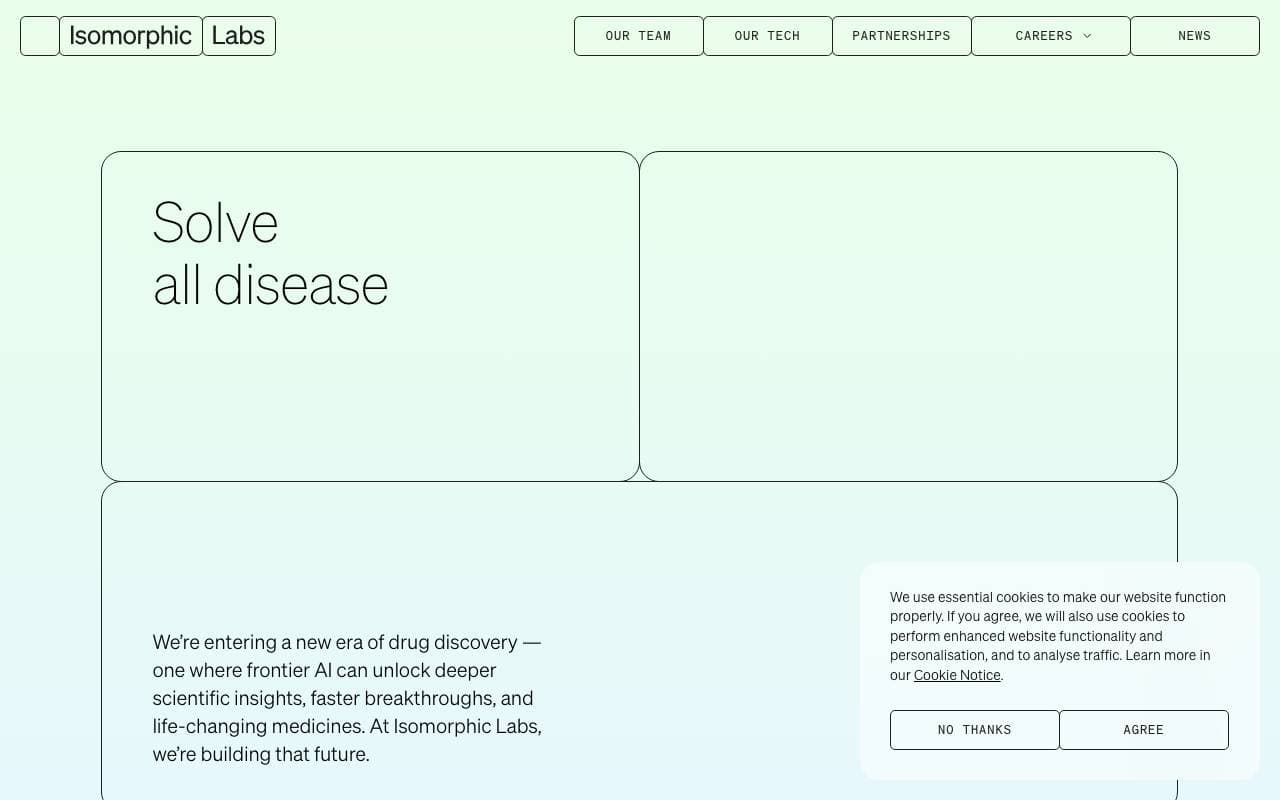
Ein KI‑gestütztes Pharmazeutika-Entdeckungsunternehmen, das AlphaFold nutzt, um die therapeutische Entwicklung zu beschleunigen.

ResearchClaw
Research AI Agents
OpenClaw-besetztes Agent, das nach Papieren Forscher findet und rangiert, plain-Englische Bewerbungsanträge verfasst und kaltgemachte E-Mail-Nachrichten, die auf deren Werk verweisen.

Atelier Ruixen
Research AI Agents
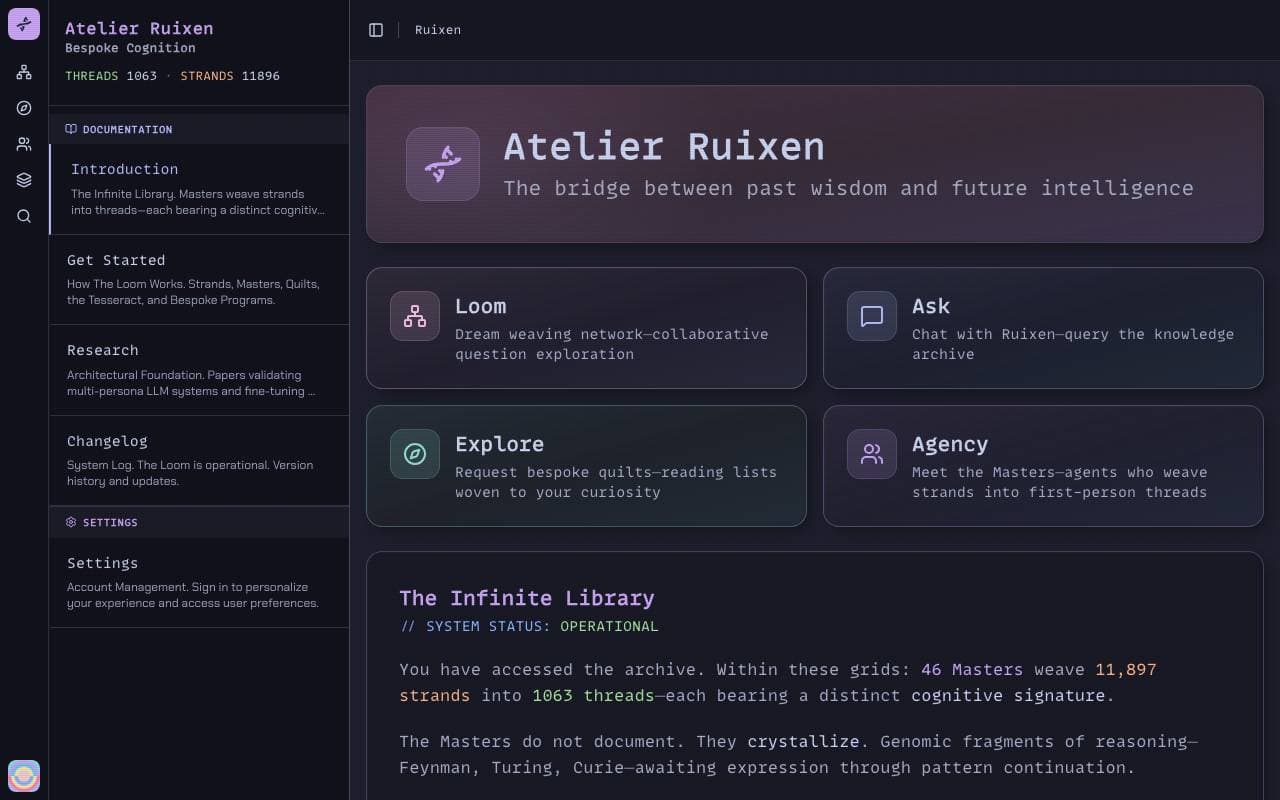
Künstliche Intelligenz-Komplement für Kenntnisse, die Fragen feinjustiert und Leselisten für wertvolle Einblicke curiert.

Kosmos
Research AI Agents
Automatischer AI-Wissenschaftler für langfristige Forschungskampagnen, der Daten und Literatur analysiert, um vollständig zitierte wissenschaftliche Berichte zu erstellen.


OpenAI Deep Research
Research AI Agents
Autonomer KI-Agent, der mehrstufige Webrecherche durchführt und strukturierte Berichte liefert
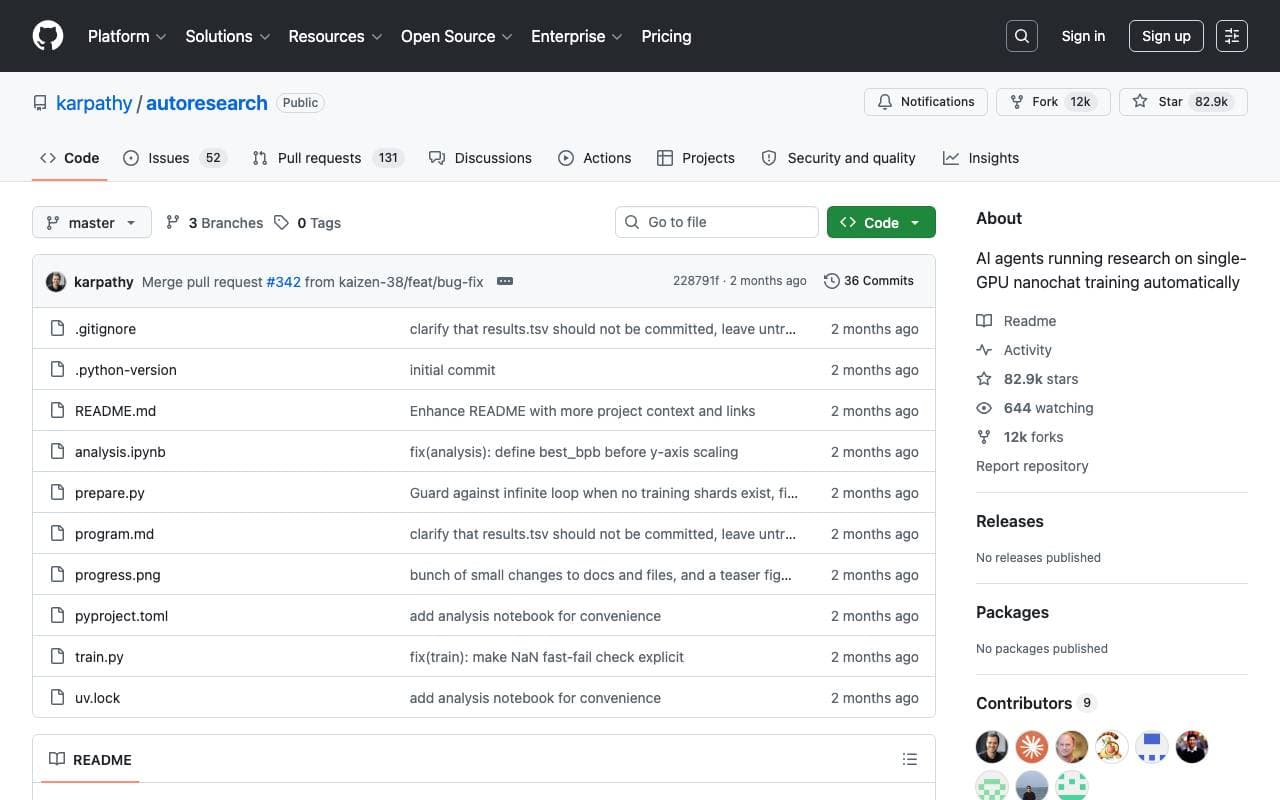

Autoresearch
Research AI Agents
Ein offenes Projekt, das es AI-Agenten ermöglicht, LLM Trainingsexperimente autonom zu führen und die besten Modelländerungen zu speichern.
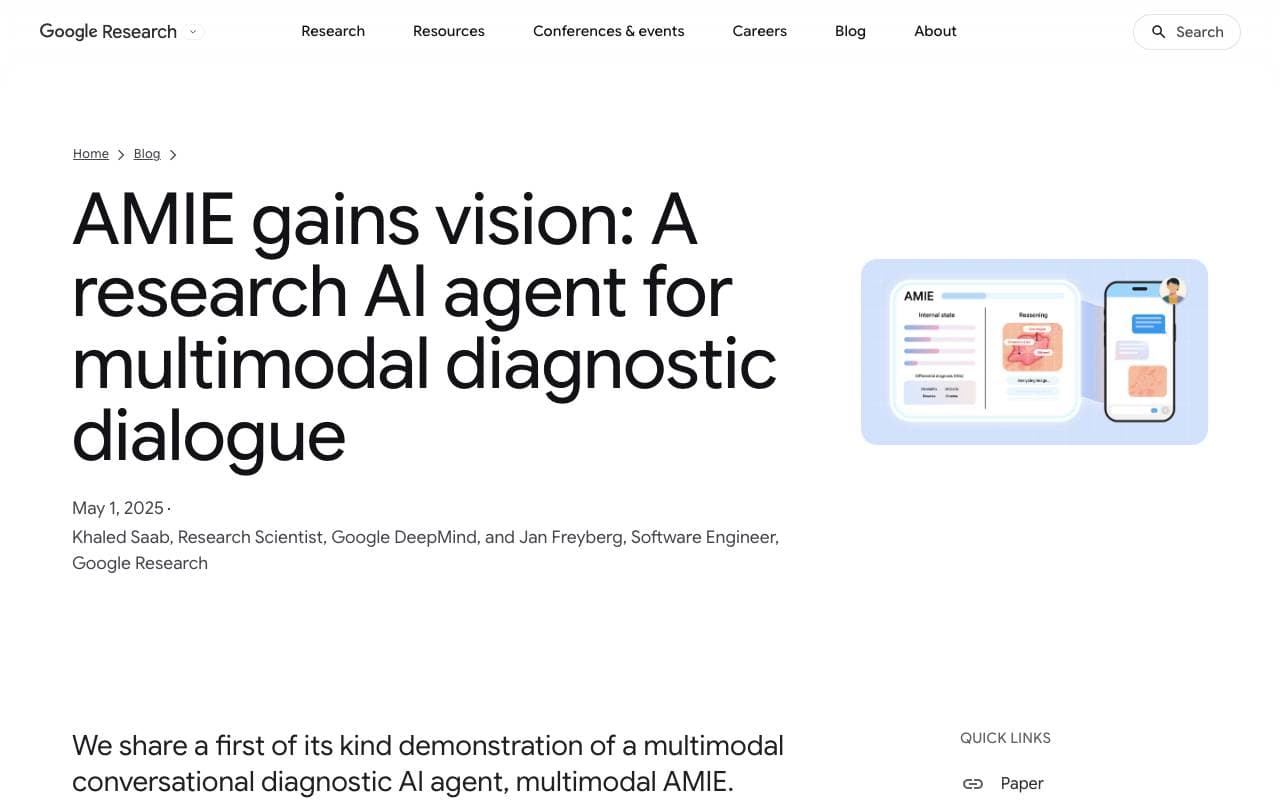

AMIE
Research AI Agents
Ein multimodales AI-Diagnoseagent, das klinische Gespräche führt und medizinische Bildern zu genauen Diagnosen interpretiert.
Trending now

Midjourney
Image Generation
Erstelle atemberaubende Bilder aus Text
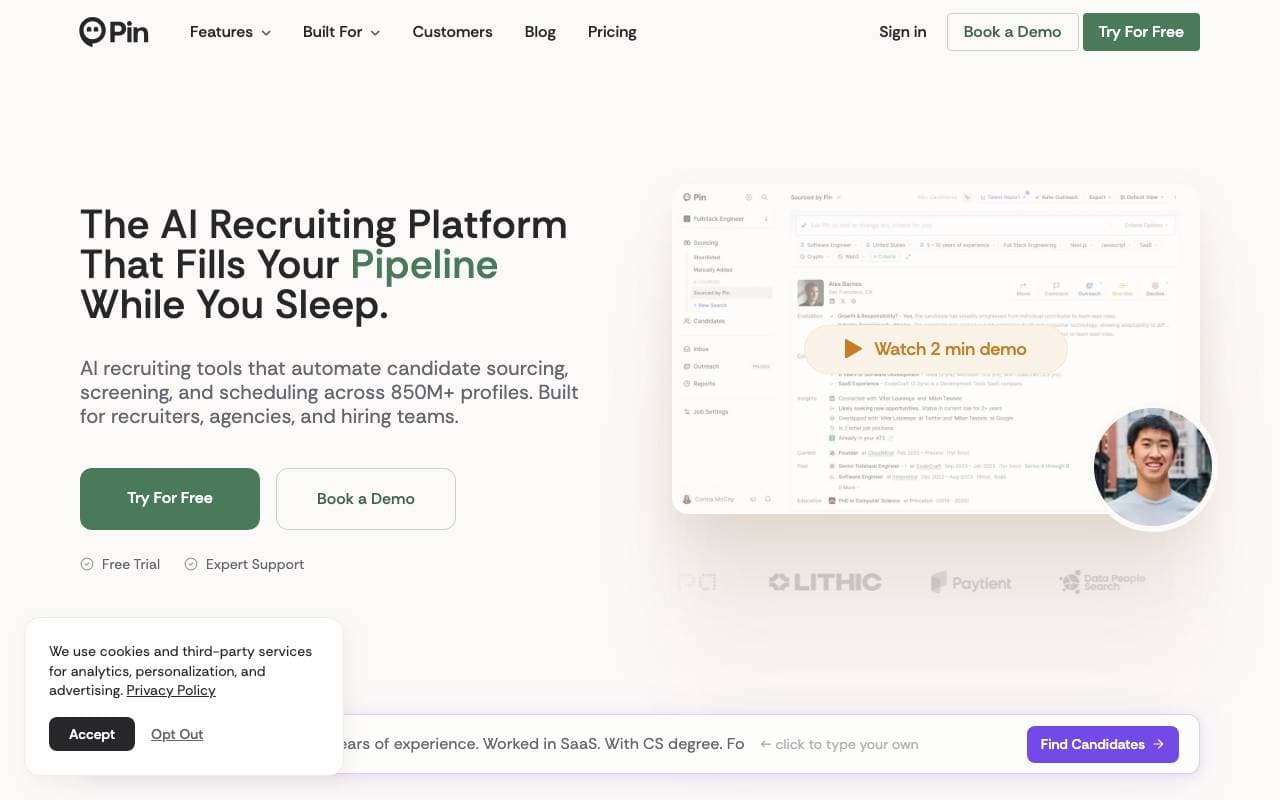

Pin AI
Workflow automation
Agentic AI Recruiter, der Sourcing, Screening und Outreach automatisiert, um den Einstellungsprozess zu beschleunigen.

Doozer Ai
Sales Agent
Digitale Mitarbeiter, die operative Workflows automatisieren, um die Effizienz von Teams zu steigern.
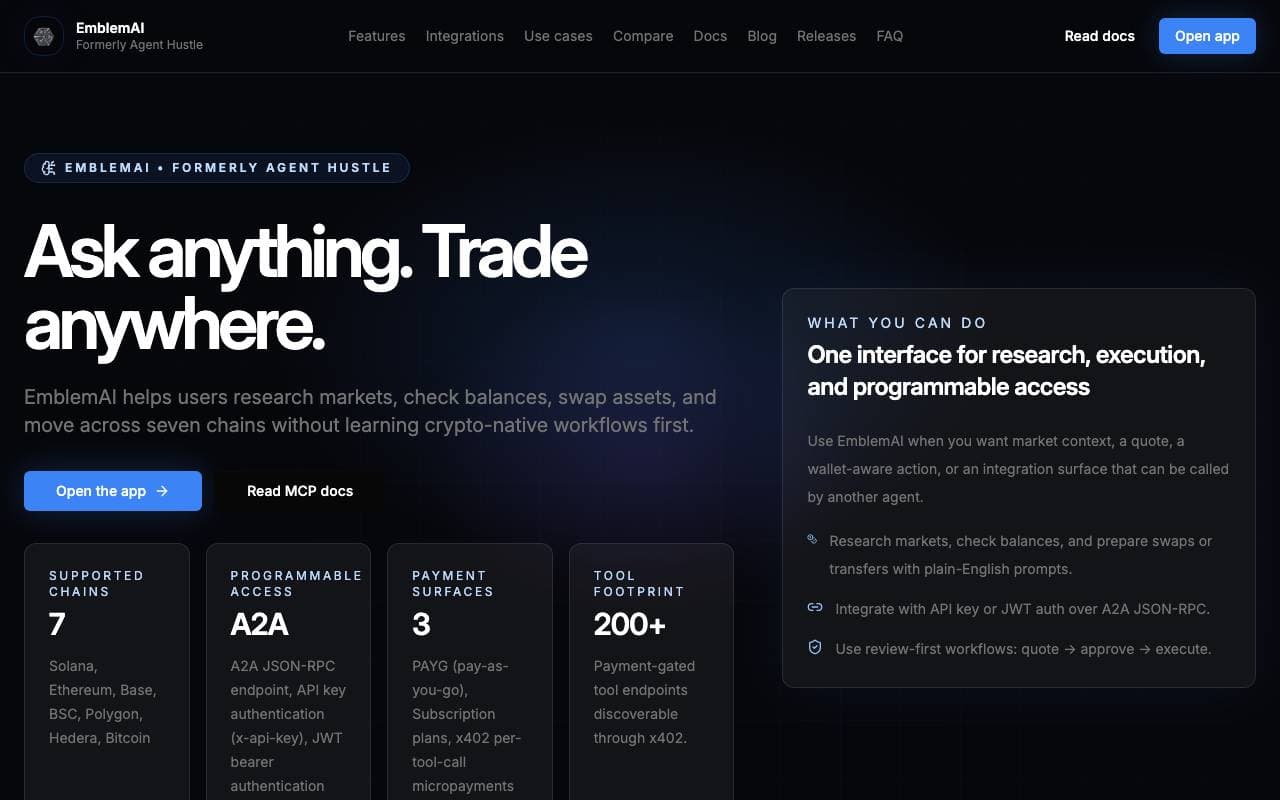

EmblemAI
DeFi Agents
KI-gestützter Krypto-Assistent für die Verwaltung von Assets über mehrere Blockchain-Netzwerke hinweg.