
EpicflowAI-getriebene mehrprojektige und Ressourcenverwaltung für komplexe Portfolios

Übersicht
Hauptfunktionen
- AI-basierte Aufgabenpriorisierung über Projekte
- Echtzeitliche Ressourcensichtbarkeit und -verteilung
- Engpass- und Risikodetektion
- Simulierte Szenarien
- Historische Analytics und Berichterstattung
- Integrationsmodule mit Jira, MS Project und anderen
Preise
- Modell
- Freemium
- Kategorie
- Task automation
- Bewertung
- 4.8 / 5 (4)
Anwendungsfälle
Ressourcenbalance über Portsfolios von Projekten
Führungskräfte im Engineering und R&D nutzen Epicflow, um Echtzeit-Kapazität über überlappende Projekte zu sehen und Aufgaben dynamisch neu priorisieren, um Ressourcenkonflikte und -überlastungen zu vermeiden.
Risiken und Engpässe frühzeitig vorhersagen
Portfolio Manager nutzen Vorhersageanalytik, um Engpässe und Lieferungsrisiken über Initiativen vorherzusagen, bevor sie Fristabläufe beeinträchtigen.
Szenarien für Kapazitätsschwankungen simulieren
PMOs simulieren die Addierung neuer Projekte, Fristverschiebungen oder Ressourcen-Umverteilungen, um die Auswirkungen auf den Workload zu beurteilen und fundierte Kapazitätsplanungen vorzunehmen.
Datenverbindung von Jira und MS Project
Teams der Professional Services und Fertigung integrieren das PM-System in Epicflow, um eine zentrale, Echtzeitansicht aller konkurrierenden Arbeit zu gewinnen.
Pro & Contra
Pro
- Starker Fokus auf mehrprojektige Ressourcenabstimmung
- Vorhersageanalytik weist Risiken frühzeitig aus
- Szenarioplanung für Kapazitätsentscheidungen
- Integriert mit gängigen PM-Tools wie Jira und MS Project
Contra
- Beste Wertschöpfung bei größeren, komplexen Portfolios
- Lernkurve für Teams, die auf Ressourcen-gesteuerte Planung umstellen
- Bereitstellung von sauberen Projekt-Daten erforderlich
Bewertungen
Durchschnitt aus 4 Bewertungen.
Melde dich an, um eine Bewertung abzugeben.
Years in this space
I've evaluated a lot of these over the years. What stands out here is historical analytics and reporting — handled better than most — and what-if scenario planning for capacity decisions. Worth the time if this is your use case.
Years in this space
I've evaluated a lot of these over the years. What stands out here is historical analytics and reporting — handled better than most — and what-if scenario planning for capacity decisions. Best value comes with larger, complex portfolios is my one real gripe. Worth the time if this is your use case.
Does the job
Pretty happy overall. Real-time resource capacity and workload view just works and strong focus on multi-project resource balancing. Requires clean project data to be effective can be annoying, but no dealbreakers — I'd recommend it to a friend without hesitating.
Solid for our team
We rolled this out across the team last quarter and integrates with common PM tools like Jira and MS Project. Bottleneck and risk detection fits neatly into how we already work, and what-if scenario simulation removed a step we used to do by hand. Requires clean project data to be effective, which is the main caveat, but it has held up under daily use.
Fragen & Antworten
Noch keine Fragen — sei die/der Erste!
Frage stellen
Alternativen zu Task automation


SocialOra
Task automation
Machen Sie Ihren Instagram-Einfluss zu einem messbaren Einnahme-Kanal.
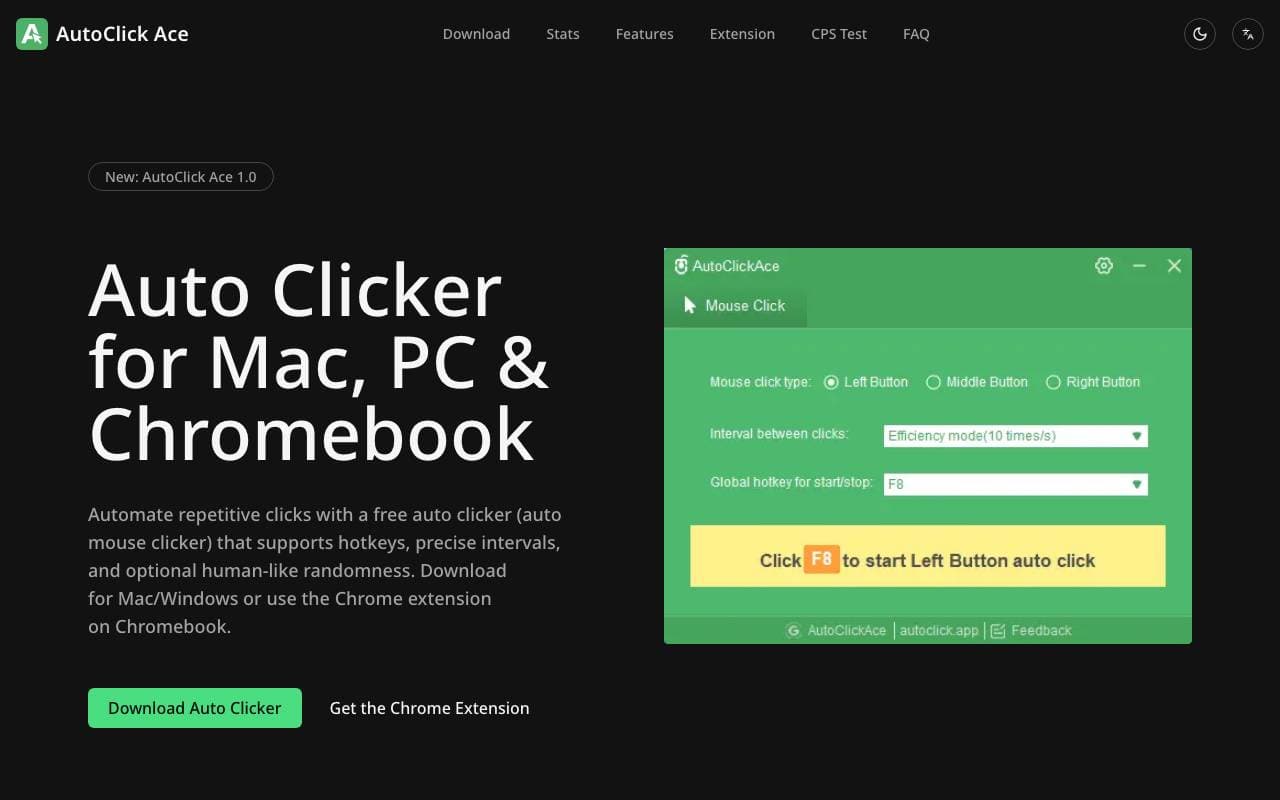

AutoClick Ace
Task automation
Leichtgewichtiger Auto-Klicker mit Tastenkombinationen und anpassbaren Klickintervallen.

Otterly.AI
Task automation
Überwachen Sie Marken- und Webseitenverweise in KI-Suchmaschinen und Chatbots.

Livex AI
Task automation
Plattform für Kundenbindung und Engagement, die mit einer einzigen Codezeile eingesetzt wird


Embedful
Task automation
Automatisch aktualisierte Diagramme und Dashboards aus Ihren SaaS-Daten, kein Code erforderlich

Monday AI
Task automation
KI-gesteuerte Automatisierung in monday.com für smartere Team-Workflows

Thunderbit
Task automation
AI-Seitenräumer, der strukturierte Daten von jedem Site in zwei Klicks extrahiert – kein Code erforderlich.


Grok Automation
Task automation
Batch‑Automatisierung für die Bild‑ und Videoerstellung bei Grok.com mit wartenden Prompt‑Queues und automatischen Downloads.
Trending now

Doozer Ai
Sales Agent
Digitale Mitarbeiter, die operative Workflows automatisieren, um die Effizienz von Teams zu steigern.


Claude
AI Agents & Chatbots
Konversations‑KI‑Assistent von Anthropic für Schreiben, Analyse, Programmieren und Dokumentaufgaben

Consistent Character AI
Images
Erstellen Sie konsistente KI-Charaktere über Szenen hinweg aus einem einzigen Referenzfoto.


Pin AI
Workflow automation
Agentic AI Recruiter, der Sourcing, Screening und Outreach automatisiert, um den Einstellungsprozess zu beschleunigen.