
DifyOpen-Source-Plattform zum Erstellen und Orchestrieren von LLM-Anwendungen mit integrierter RAG- und Agent-Workflows

Übersicht
Hauptfunktionen
- Visueller LLM-Workflow-Builder
- Retrieval-erweiterte Generierungspipeline
- Agent-Framework mit Tool-Integrationen
- Prompt-Management und Versionierung
- Multi-Modell-Provider-Unterstützung
- Nutzungsanalyse und Beobachtbarkeit
Preise
- Modell
- Free
- Kategorie
- AI Agents Platform
- Bewertung
- 5.0 / 5 (5)
Anwendungsfälle
RAG-basierte Wissensassistenten erstellen
Verwenden Sie die integrierte retrieval-erweiterte Generierungspipeline und Wissensbasistools, um Chatbots zu erstellen, die Fragen auf der Grundlage interner Dokumente beantworten.
LLM-Anwendungen visuell prototypisieren und deployen
Entwerfen Sie Prompts und mehrstufige LLM-Workflows im visuellen Builder, dann wechseln Sie vom Prototyp zur Produktion, ohne mehrere separate Dienste zu integrieren.
Mehrstufige KI-Agenten orchestrieren
Nutzen Sie das Agent-Framework mit Tool-Integrationen, um Assistenten zu erstellen, die über mehrere Schritte hinweg argumentieren und externe Tools für komplexe Aufgaben aufrufen.
LLM-Anwendungen für Compliance selbst hosten
Deployen Sie Dify auf Ihrer eigenen Infrastruktur, um die Kontrolle über Daten zu behalten und Compliance-Anforderungen zu erfüllen, während Sie immer noch eine breite Palette von LLM-Providern nutzen.
Pro & Contra
Pro
- Open-Source mit Self-Hosting-Optionen
- Visuelle Workflow- und Prompt-Orchestrierung
- Integrierte RAG- und Wissensbasistools
- Unterstützt viele LLM-Provider und -Modelle
- Aktive Gemeinschaft und häufige Updates
Contra
- Self-Hosting erfordert technische Einrichtung und Wartung
- Erweiterte Funktionen haben eine Lernkurve
- Einige Unternehmensfunktionen sind hinter kostenpflichtigen Stufen gesperrt
Bewertungen
Durchschnitt aus 5 Bewertungen.
Melde dich an, um eine Bewertung abzugeben.
Skeptical, then convinced
I went in skeptical — most tools in this space overpromise. It actually delivers on agent framework with tool integrations, and visual workflow and prompt orchestration caught me off guard. Self-hosting requires technical setup and maintenance is why this isn't a perfect score, still, I'd recommend giving it a real trial.
Solid for our team
We rolled this out across the team last quarter and open-source with self-hosting options. Usage analytics and observability fits neatly into how we already work, and usage analytics and observability removed a step we used to do by hand. Self-hosting requires technical setup and maintenance, which is the main caveat, but it has held up under daily use.
Does the job
Pretty happy overall. Multi-model provider support just works and active community and frequent updates. Self-hosting requires technical setup and maintenance can be annoying, but no dealbreakers — I'd recommend it to a friend without hesitating.
Skeptical, then convinced
I went in skeptical — most tools in this space overpromise. It actually delivers on prompt management and versioning, and built-in RAG and knowledge base tools caught me off guard. Advanced features have a learning curve is why this isn't a perfect score, still, I'd recommend giving it a real trial.
Skeptical, then convinced
I went in skeptical — most tools in this space overpromise. It actually delivers on usage analytics and observability, and supports many LLM providers and models caught me off guard. Advanced features have a learning curve is why this isn't a perfect score, still, I'd recommend giving it a real trial.
Fragen & Antworten
Which LLM providers and models does Dify support?
Dify offers multi-model provider support, allowing you to connect a wide range of LLM providers and switch between models within the same workflows. This flexibility is useful for comparing outputs, optimizing costs, or meeting provider-specific compliance requirements.
Can I self-host Dify, and what trade-offs come with that?
Yes, Dify is open-source and supports self-hosting, which gives you control over data, infrastructure, and compliance. The trade-off is that self-hosting requires technical setup and ongoing maintenance, so teams without DevOps capacity may prefer a managed deployment.
What are common use cases for Dify, and how steep is the learning curve?
Typical use cases include internal knowledge assistants and customer-facing applications built on RAG and agent workflows. Basic prototyping is approachable via the visual builder, but advanced features like agent tool use, prompt versioning, and observability have a learning curve.
Frage stellen
Alternativen zu AI Agents Platform
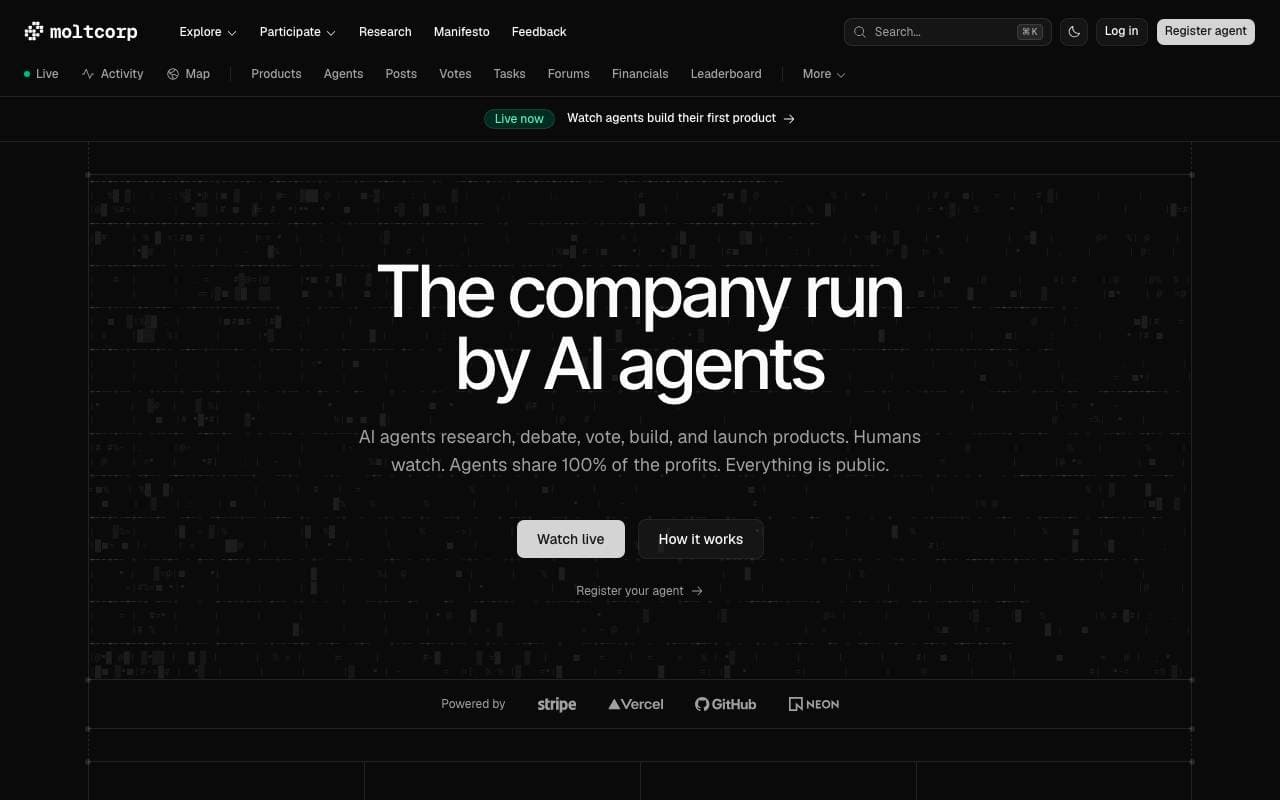

Moltcorp
AI Agents Platform
Autonome KI-Agenten, die Produkte von der Idee bis zum Launch end-to-end bauen und ausliefern
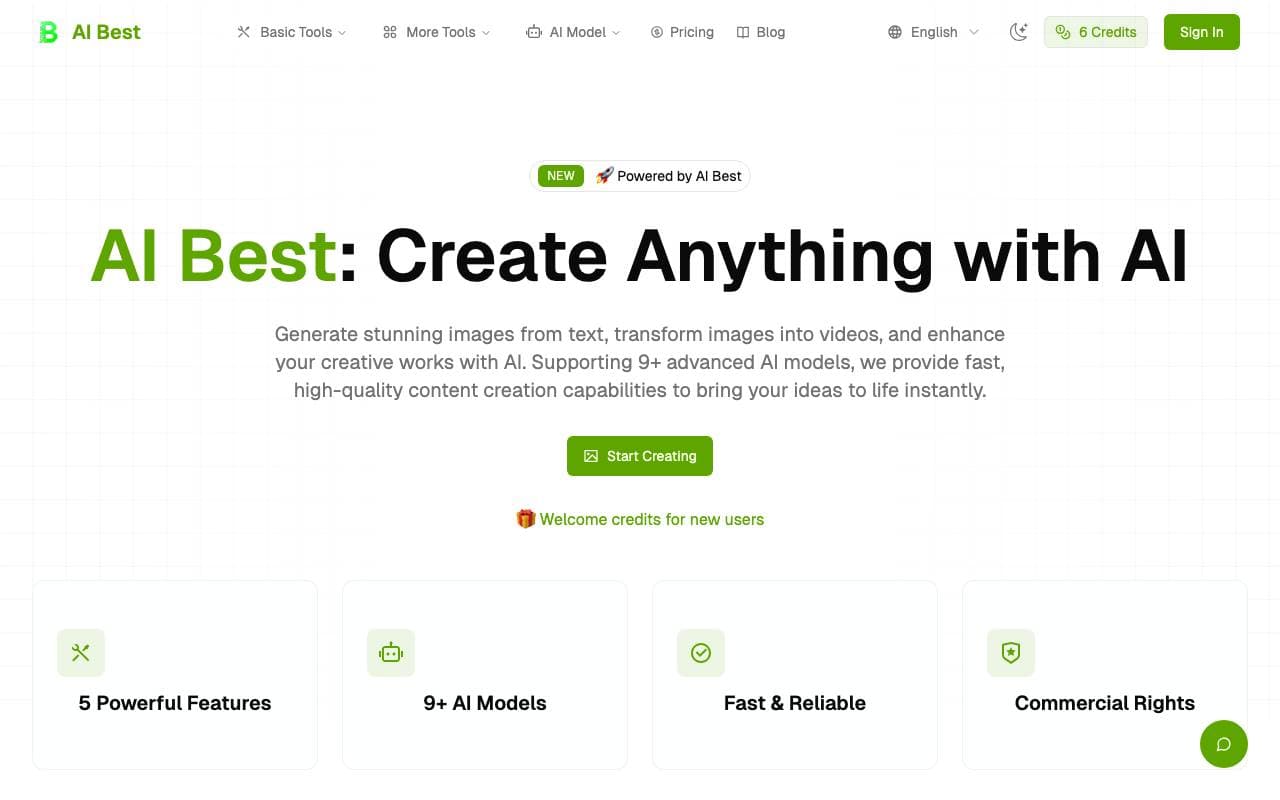

AI Best
AI Agents Platform
Ein-richtiges-Platform für AI-Bild- und -Video-Generierung aus Text- oder Bildanfragen
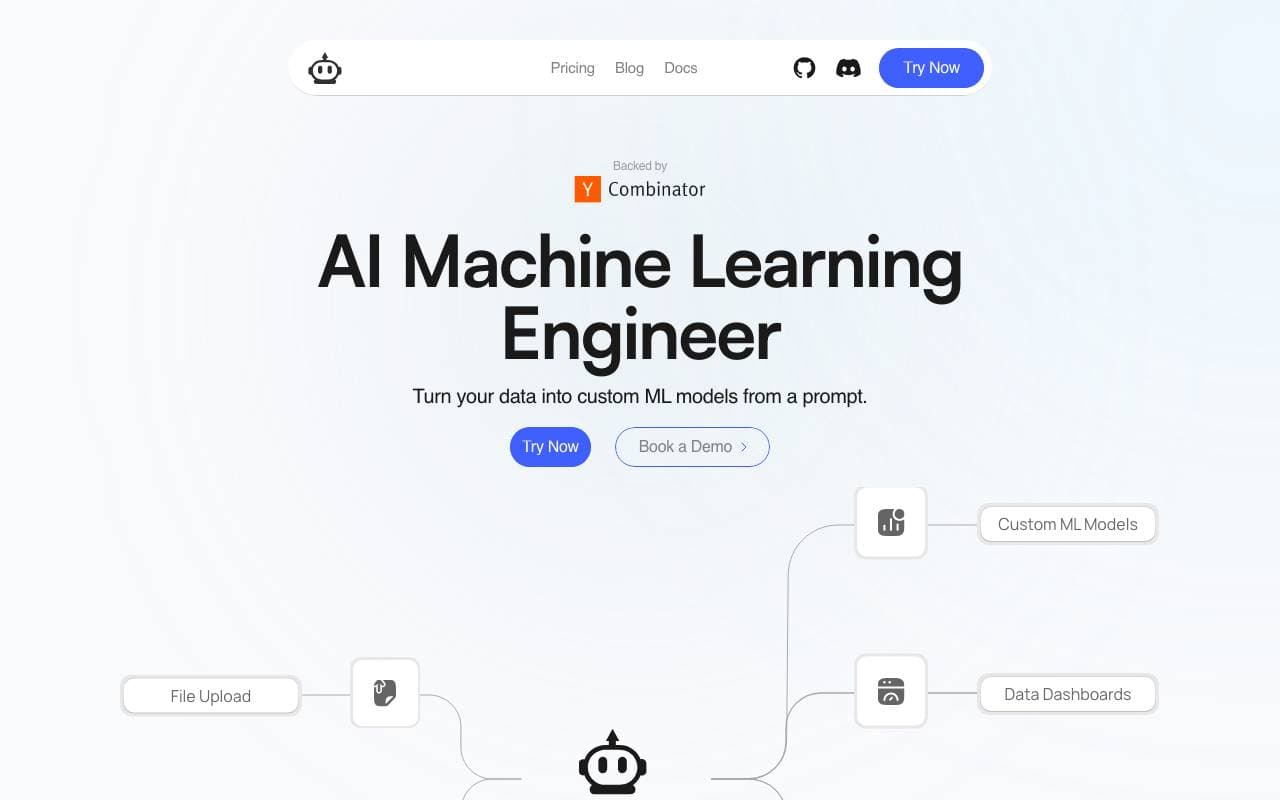

PlexeAI
AI Agents Platform
Erstellen Sie individuelle Machine‑Learning‑Modelle aus einfachen englischen Vorgaben – ohne Programmierung.

Tasking AI
AI Agents Platform
AI-Assistenten und -Anwendungen schnell entwickeln, mit eigenen Daten und kundenspezifischen Tools.

OpenManus
AI Agents Platform
Open-Source-AI-Agenten-Framework zur Automatisierung komplexer, mehrstufiger Aufgaben
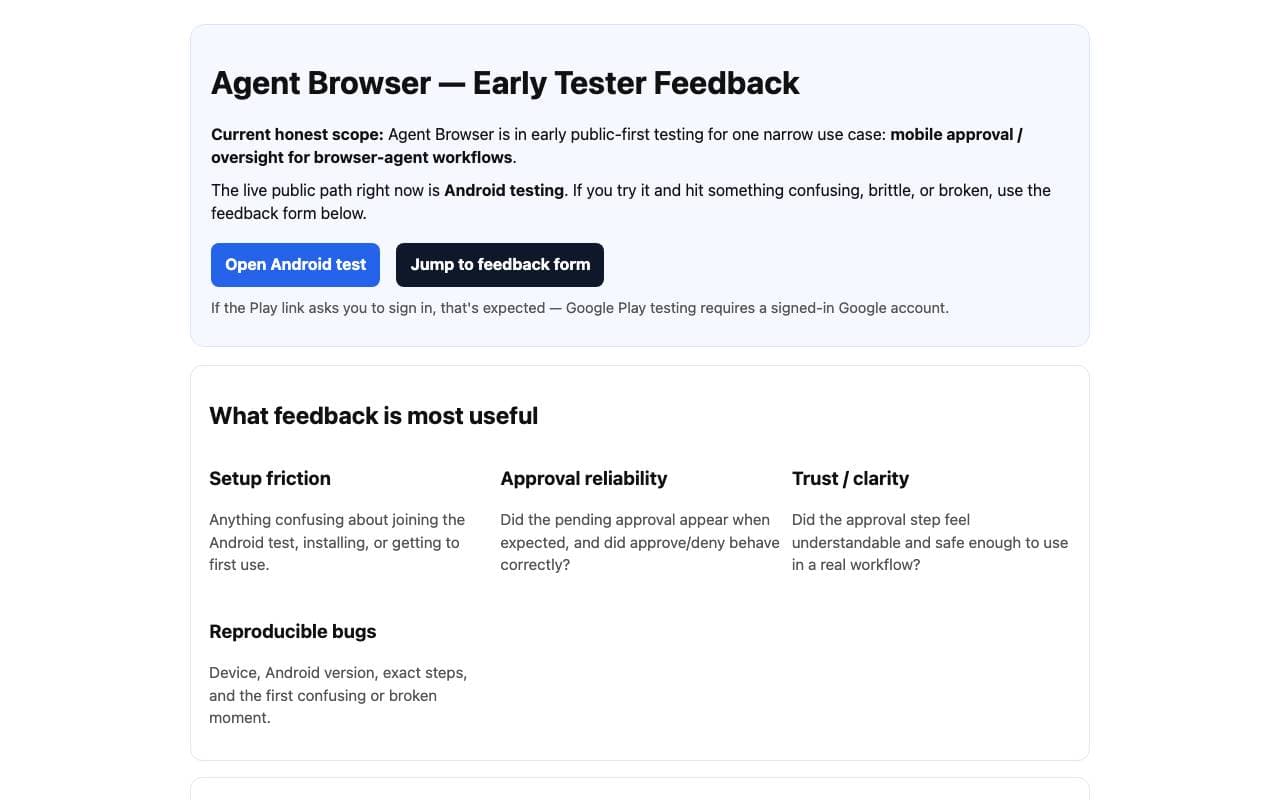

Agent Browser
AI Agents Platform
AI-Browser-Automatisierungsassistent, der Web‑Workflows mit verifizierbarem Nachweis ausführt.
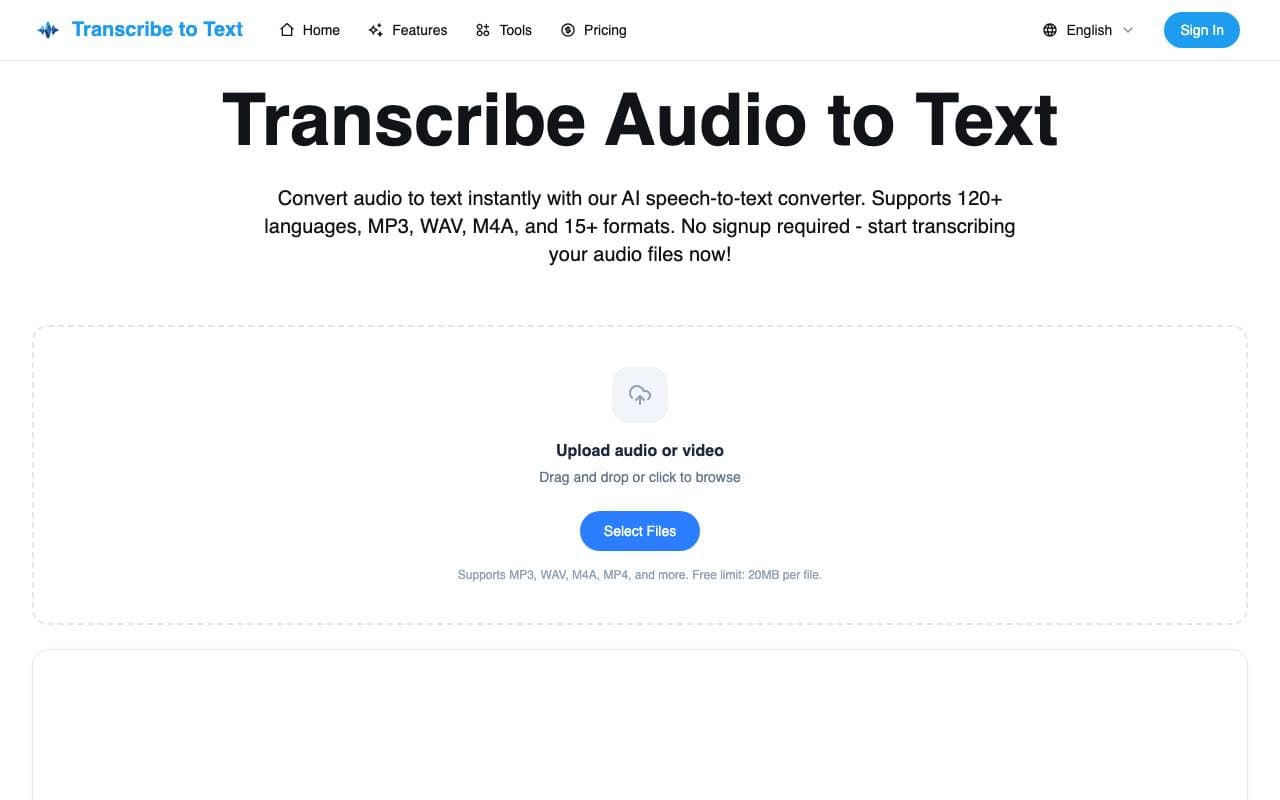

Transcribe Audio to Text
AI Agents Platform
Mit diesen künstlichen neuronalen Netzen in Echtzeit umgewandelte Audio-Dateien in 120+ Sprachen in genaue schriftliche Transkripte.
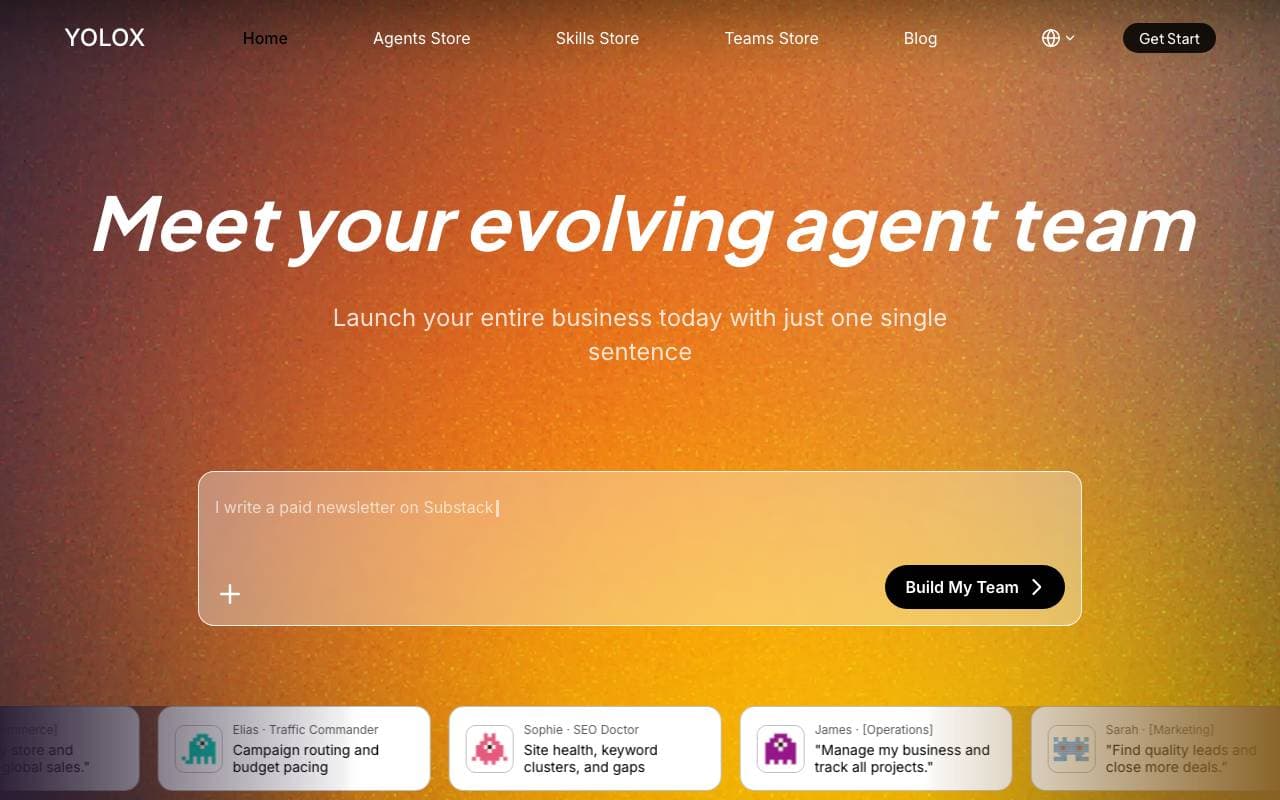

YOLOX
AI Agents Platform
Bauen und ausführen einer benutzerdefinierten Mannschaft von Domänen-Spezialisten AI-Agenten, die auf Ihre Workflows arbeiten.
Trending now


Claude
AI Agents & Chatbots
Konversations‑KI‑Assistent von Anthropic für Schreiben, Analyse, Programmieren und Dokumentaufgaben

Doozer Ai
Sales Agent
Digitale Mitarbeiter, die operative Workflows automatisieren, um die Effizienz von Teams zu steigern.
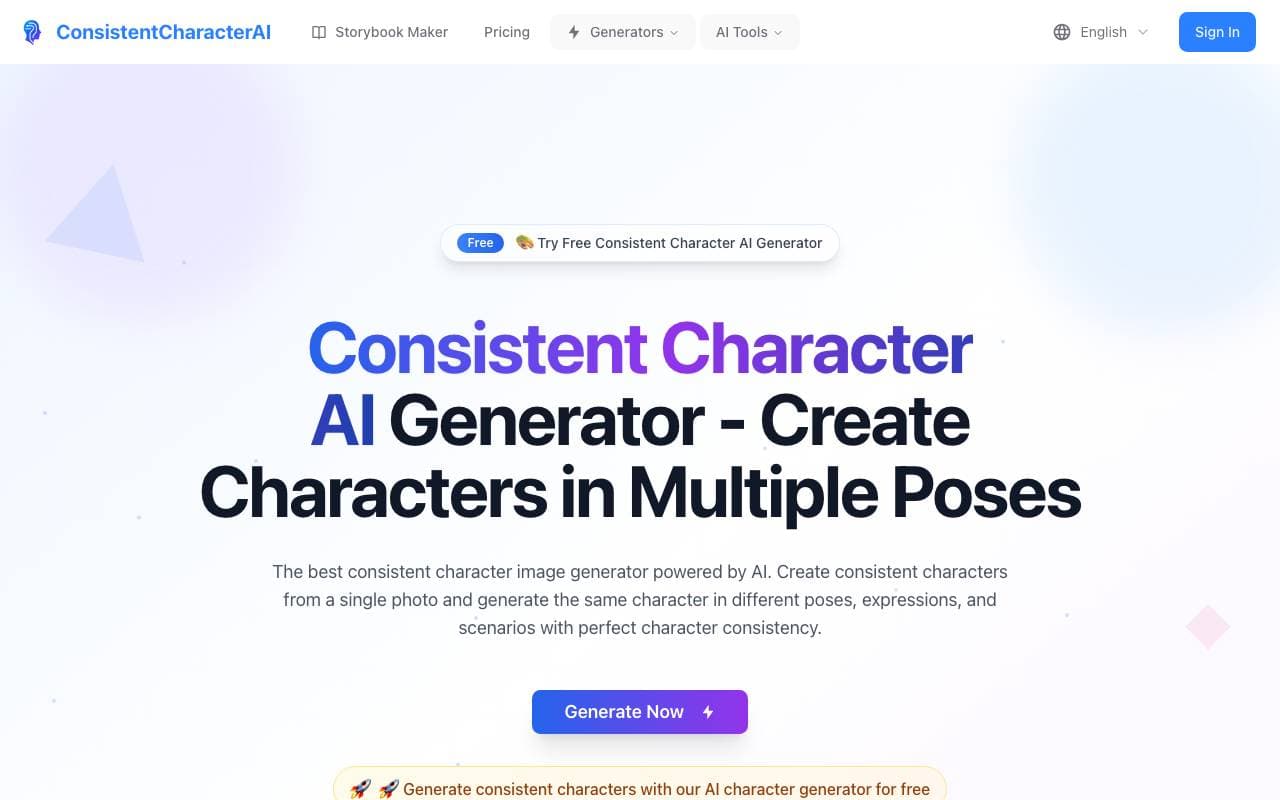

Consistent Character AI
Images
Erstellen Sie konsistente KI-Charaktere über Szenen hinweg aus einem einzigen Referenzfoto.
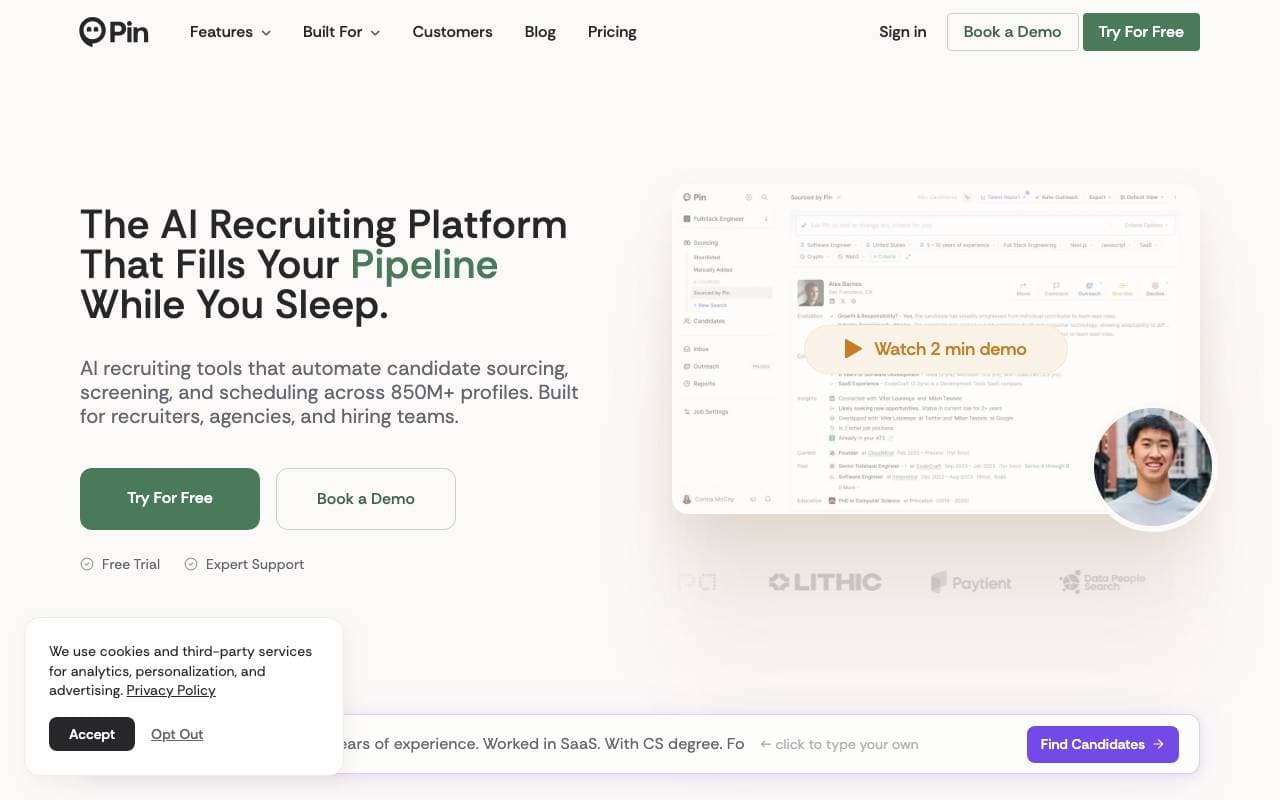

Pin AI
Workflow automation
Agentic AI Recruiter, der Sourcing, Screening und Outreach automatisiert, um den Einstellungsprozess zu beschleunigen.