
Bruviti AIPPlattform für agenteische AI-Technologie, die den Betrieb nachgelagerter Serviceoperationen quer durch die Lieferkette automatisiert.

Übersicht
Hauptfunktionen
- Motoren zur automatischen Ablaufsteuerung
- Durch AI-angetriebene Diagnose und Rücksprache
- Techniker-Dienstleistungs- und Terminplanungsunterstützung
- Ermittlung von Teilen und Lieferkette-Orchestrierung
- Kunden-Selbstbedienungs- und Kundenberatungs-Tools
- Analyse für Serviceleistung und KPIs
- ]
- pros
- :
- Gesondert für Nachlass-Arbeitsabläufe entwickelt,Durch agenteische Automatisierung kann manuelle Koordinierung reduzieren,Verbindeter Diagnose, Teile und Abschicken in einer Plattform,Maßbare KPIs wie ersten-Aus-der-Hand-Korrigierungsrate, ],cons,:,Der Unternehmensschtick mag nicht passen für die kl
Preise
- Modell
- Freemium
- Kategorie
- Predictive Analytics
- Bewertung
- 4.8 / 5 (5)
Anwendungsfälle
Automatisieren von Kundenberatungstriage
Verwenden Sie AI-getriebene Diagnoses, um eingehende Servicerequests zu triagieren, Probleme zu identifizieren und sie der richtigen Lösungspfade zuzuordnen, ohne dass diese von Agenten und Systemen abgehandelt werden müssen.
Optimieren der Techniker-Dispatch
Koordinieren Sie Termin und -Dispatch von Feldtechnikern auf Grundlage der Diagnosen, der Teile verfügbarkeit und der Servicedekadenz, um die ersten Erfolgsgeschossenserfolgsgeschossenserfolgsgeschossenserfolgsgeschossen zu verbessern.
Orchestrieren von Teilelieferungen
Identifizieren Sie erforderliche Teile während der Diagnosen und orchestrieren Sie die Lieferung der Teile so, dass Techniker mit den richtigen Komponenten, reduzierter Wiederholung und Downtime eintrafen.
Durchführen von Servicemerkmalen und Leistung
Nutzen Sie die eingebauten Analysen, um die Leistung der Servicemerkmal zu überwachen, wie Auflösungszeiten, erste Erfolgsgeschossenserfolgsgeschossenserfolgsgeschossenserfolgsgeschossenserfolgsgeschossenserfolgsgeschossenserfolgsgeschossenserfolgsgeschossenserfolgsgeschossenserfolgsgeschossenserfolgsgeschossenserfolgsgeschossenserfolgsgeschossenserfolg-
Pro & Contra
Pro
- Speziell für aftermarket-Service-Prozesse entwickelt
- Agente ist eine Automatisierung, die die manuelle Koordination reduziert
- Verbindet Diagnostik, Teile und Dispatch in einer Plattform
- Zielden KPIs wie Erfolgsgeschossensraten in den Fokus gerückt
Contra
- Der Unternehmensfokus passt möglicherweise nicht zu kleineren Service-Teams
- Erfordert Integration mit bestehenden Service- und ERP-Systemen
- Limitierte öffentliche Preise und Selbstdienst-Optionen
Bewertungen
Durchschnitt aus 5 Bewertungen.
Melde dich an, um eine Bewertung abzugeben.
Years in this space
I've evaluated a lot of these over the years. What stands out here is analytics for service performance and KPIs — handled better than most — and purpose-built for aftermarket service workflows. Limited public pricing and self-serve options is my one real gripe. Worth the time if this is your use case.
Years in this space
I've evaluated a lot of these over the years. What stands out here is customer self-service and contact center tools — handled better than most — and targets measurable KPIs like first-time-fix rates. Enterprise focus may not suit smaller service teams is my one real gripe. Worth the time if this is your use case.
Does the job
Pretty happy overall. Parts identification and supply chain orchestration just works and connects diagnostics, parts, and dispatch in one platform. but no dealbreakers — I'd recommend it to a friend without hesitating.
Compared a few options
Evaluated this against two competitors. Where it wins: customer self-service and contact center tools and targets measurable KPIs like first-time-fix rates. Where it lags: limited public pricing and self-serve options. On balance the feature set — especially analytics for service performance and KPIs — justifies the 5 stars for our use case.
Years in this space
I've evaluated a lot of these over the years. What stands out here is aI-driven diagnostics and triage — handled better than most — and connects diagnostics, parts, and dispatch in one platform. Enterprise focus may not suit smaller service teams is my one real gripe. Worth the time if this is your use case.
Fragen & Antworten
Noch keine Fragen — sei die/der Erste!
Frage stellen
Alternativen zu Predictive Analytics
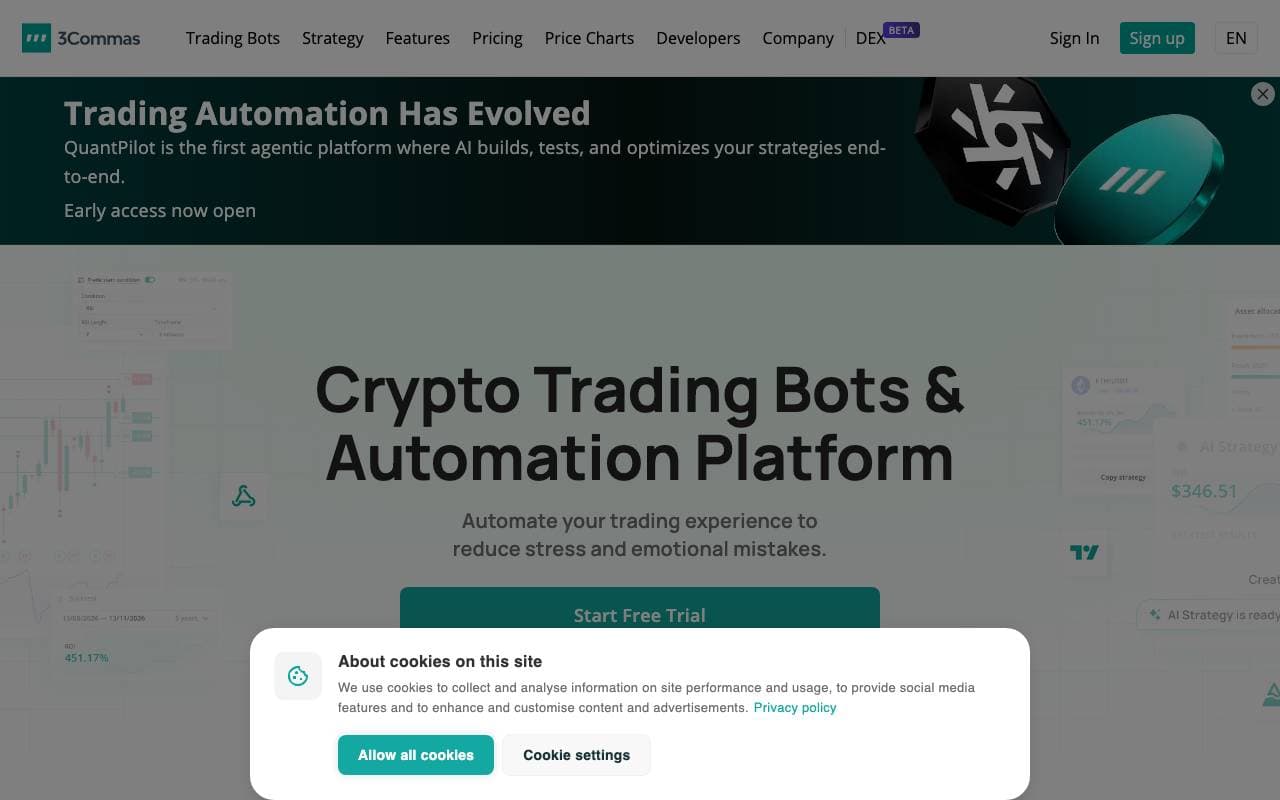

3Commas
Predictive Analytics
KI-unterstützte Crypto-Trading-Bots und Portfolio-Management über führende Börsen.

KanzzAI
Predictive Analytics
Eine Plattform, die künstliche Intelligenz und Blockchain miteinander verbindet, um innovative Werkzeuge und Dienste bereitzustellen.
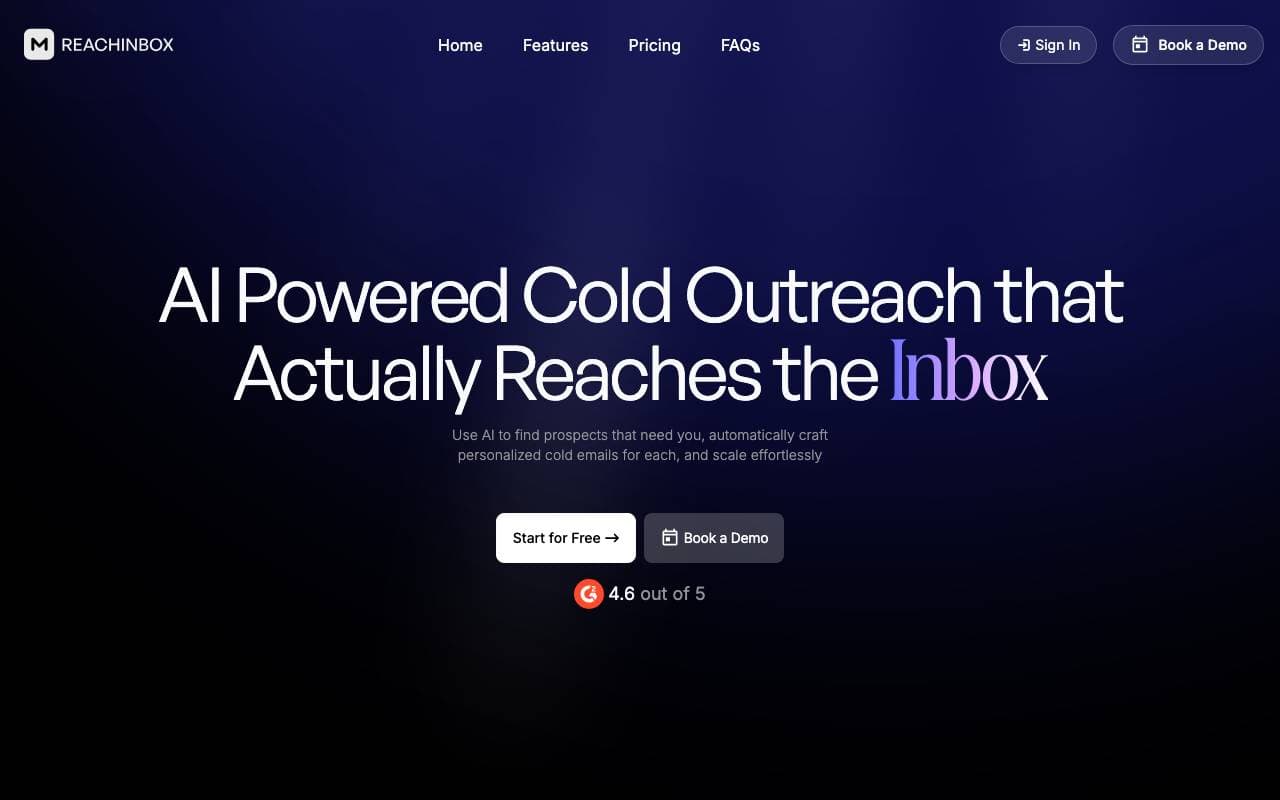

reachinbox
Predictive Analytics
KI-gesteuerter outbound-Engine, der die gesamte Kalt-E-Mail-Werkstatt vom Prospekt-Liste zur Antwort automatisiert.

Paal AI
Predictive Analytics
Ein fortschrittliches KI-Ökosystem, das personalisierte Bots und automatisierte Lösungen für Kryptowährungshandel und Community‑Engagement bietet.

GTM Coach GPT
Predictive Analytics
Künstliche Intelligenz-Assistent für die Planung und Durchführung von Einführungstrategien.


FOMO
Predictive Analytics
Mit KI-gestützter Launchplattform für Token und dezentrale Projekte.

inlinkswetrust
Predictive Analytics
Gründernetzwerk für den Austausch von Beiträgen und Backlinks zur Produktentwicklung
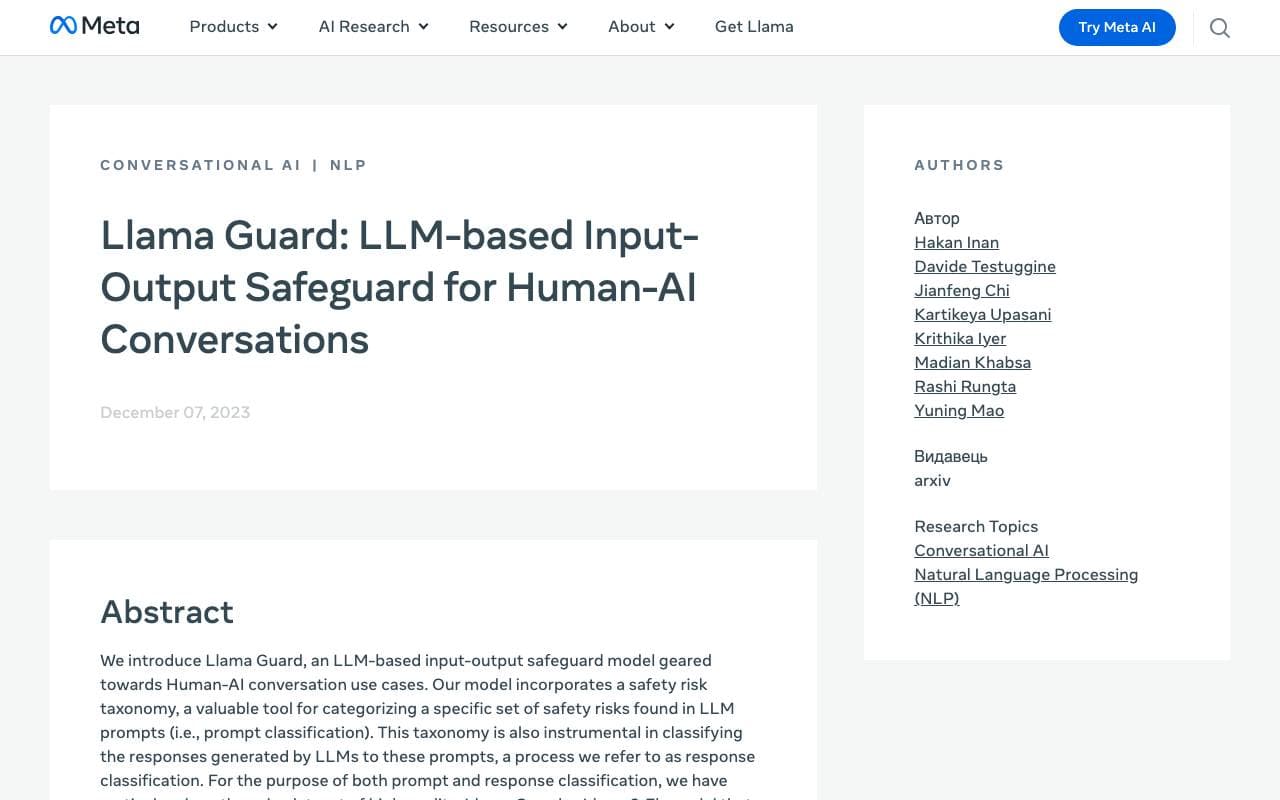

Llama Guard
Predictive Analytics
Offenes LLM‑basiertes Schutzsystem zur Klassifizierung unsicherer Inhalte in menschlich‑KI‑Konversationen.
Trending now


Claude
AI Agents & Chatbots
Konversations‑KI‑Assistent von Anthropic für Schreiben, Analyse, Programmieren und Dokumentaufgaben
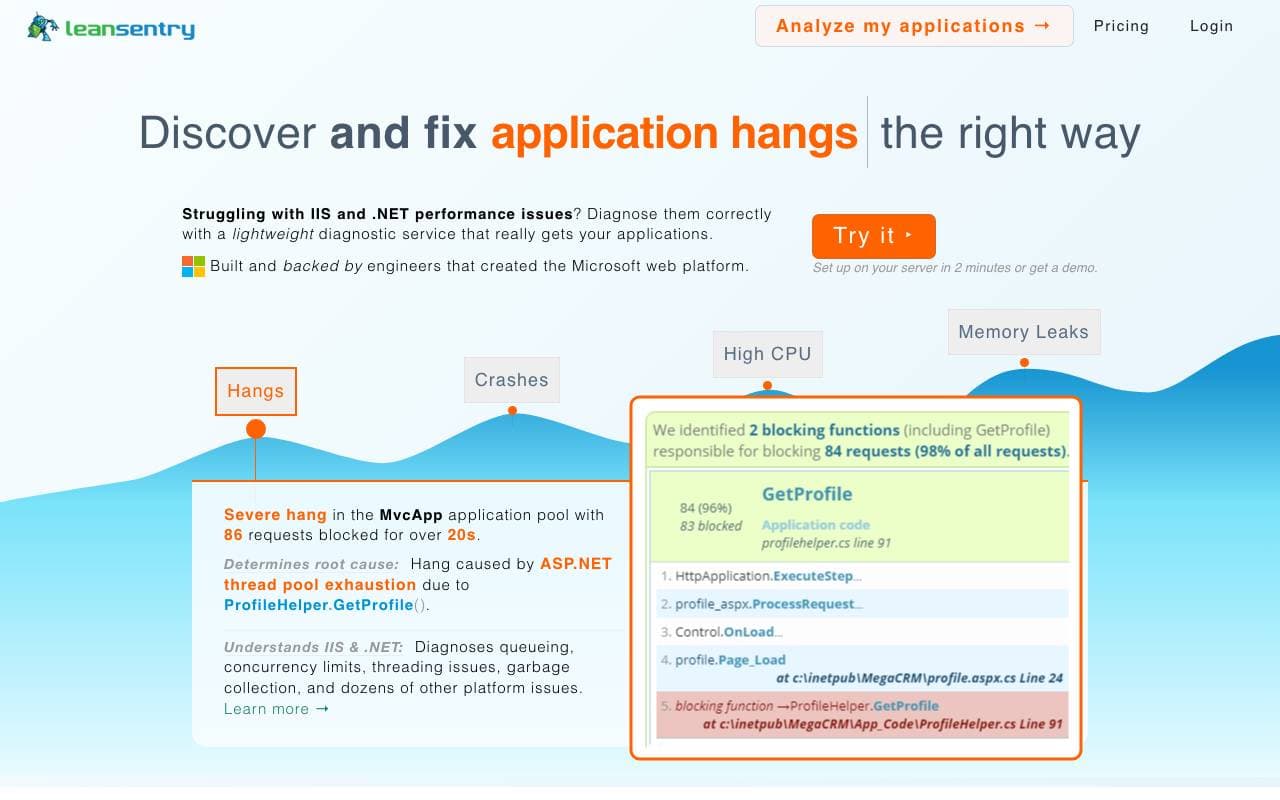

LeanSentry
Software Development
KI-gestützte Diagnostik und Überwachung für IIS- und ASP.NET-Leistungsprobleme.

Doozer Ai
Sales Agent
Digitale Mitarbeiter, die operative Workflows automatisieren, um die Effizienz von Teams zu steigern.
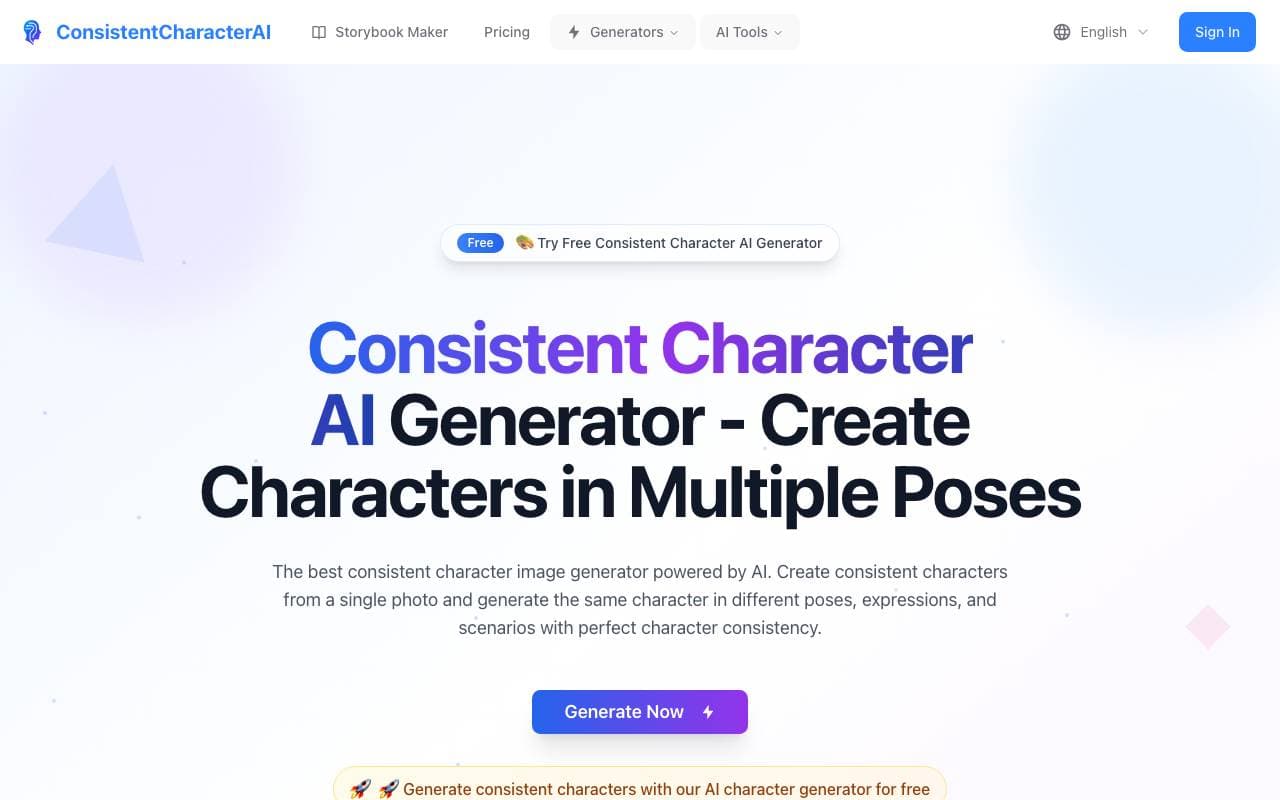

Consistent Character AI
Images
Erstellen Sie konsistente KI-Charaktere über Szenen hinweg aus einem einzigen Referenzfoto.