
BabyCommandAGIAutonomer KI-Agent, der eine Kommandozeilen-Schnittstelle steuert, um benutzerdefinierte Ziele zu erreichen.

Übersicht
Hauptfunktionen
- Kommandozeilen-Integration für direkte Befehlsausführung
- LLM-gesteuerte Aufgabenplanung und -priorisierung
- Zielbasierter autonomer Schleife
- Feedback von der Befehlsausgabe informiert nächste Schritte
- Konfigurierbares Modell und Ausführungsumgebung
- Open-Source-, selbsthostbarer Codebase
Preise
- Modell
- Free
- Kategorie
- AI Agent Development Frameworks
- Bewertung
- 4.7 / 5 (6)
Anwendungsfälle
Prototypische autonome Code-Workflows
Entwickler können ein Coding-Ziel festlegen und den Agenten iterativ Dateien schreiben, Skripte ausführen und über die Shell debuggen lassen, um agile Softwareentwicklungsmuster zu erkunden.
Automatisierung von Systemadministrationsaufgaben
Verwenden Sie den Agenten, um autonom Pakete zu installieren, Umgebungen zu konfigurieren und terminale Operationen in Richtung eines definierten Systemadministrationsziels ohne manuelle Befehlseingabe zu verketten.
Forschung an agilen KI-Verhaltensmustern
Forscher, die autonome LLM-Agenten untersuchen, können Experimente mit Aufgabenplanung, Feedbackschleifen und Selbststeuerung durchführen, indem sie beobachten, wie der Agent sich an die Befehlsausgabe anpasst.
Selbstgehostete Experimentierumgebung
Teams, die die volle Kontrolle über die Modellwahl und Ausführungsumgebung benötigen, können den Open-Source-Code selbst hosten, um benutzerdefinierte Agentenkonfigurationen gegen eine echte Kommandozeile zu testen.
Pro & Contra
Pro
- Kombiniert LLM-Argumentation mit echter Shell-Ausführung
- Offen gestaltete Aufgabenautomatisierung in Richtung eines Ziels
- Nützlich für Experimente mit agilen Workflows
- Iterativ passt sich basierend auf der Befehlsausgabe an
Contra
- Das Ausführen beliebiger Befehle birgt Sicherheitsrisiken
- Kann bei komplexen mehrschrittigen Zielen in eine Schleife geraten oder fehlschlagen
- Benötigt technische Einrichtung und API-Zugriff
- Experimentell, nicht produktionsreif
Bewertungen
Durchschnitt aus 6 Bewertungen.
Melde dich an, um eine Bewertung abzugeben.
Use it every day
Honestly didn't expect to like it this much. Configurable model and execution environment is exactly what I needed, and open-ended task automation toward a goal. but I reach for it almost every day now and it just clicks.
Use it every day
Honestly didn't expect to like it this much. LLM-driven task planning and prioritization is exactly what I needed, and useful for experimenting with agentic workflows. I do wish running arbitrary commands carries security risk, but I reach for it almost every day now and it just clicks.
Compared a few options
Evaluated this against two competitors. Where it wins: lLM-driven task planning and prioritization and combines LLM reasoning with real shell execution. Where it lags: experimental, not production-ready. On balance the feature set — especially objective-based autonomous loop — justifies the 5 stars for our use case.
Years in this space
I've evaluated a lot of these over the years. What stands out here is configurable model and execution environment — handled better than most — and combines LLM reasoning with real shell execution. Experimental, not production-ready is my one real gripe. Worth the time if this is your use case.
Solid for our team
We rolled this out across the team last quarter and combines LLM reasoning with real shell execution. Objective-based autonomous loop fits neatly into how we already work, and open-source, self-hostable codebase removed a step we used to do by hand. Can loop or fail on complex multi-step goals, which is the main caveat, but it has held up under daily use.
Years in this space
I've evaluated a lot of these over the years. What stands out here is configurable model and execution environment — handled better than most — and combines LLM reasoning with real shell execution. Worth the time if this is your use case.
Fragen & Antworten
What kinds of tasks can BabyCommandAGI actually perform?
Since it drives a CLI autonomously, it can install packages, write files, debug scripts, and chain operations toward a user-defined goal. Typical use cases include agentic workflow experiments, automated system administration prototypes, and self-directed coding or DevOps tasks.
What technical setup is required to run BabyCommandAGI?
You'll need to self-host the open-source codebase and provide API access to a large language model. It's aimed at developers and researchers comfortable with command-line environments, since the agent executes shell commands directly in a configurable execution environment.
Is BabyCommandAGI safe to use for production system administration?
No. It's explicitly experimental and not production-ready. Because the agent runs arbitrary commands directly against a shell, there's meaningful security risk, and it can loop or fail on complex multi-step goals. It's best suited for prototyping and research, not live production systems.
Frage stellen
Alternativen zu AI Agent Development Frameworks

Wildcard AI / agents.json
AI Agent Development Frameworks
Offene Spezifikation und Plattform, die es AI-Agenten ermöglicht, durch einen agents.json-File API-Workflows zu entdecken und aufzurufen.
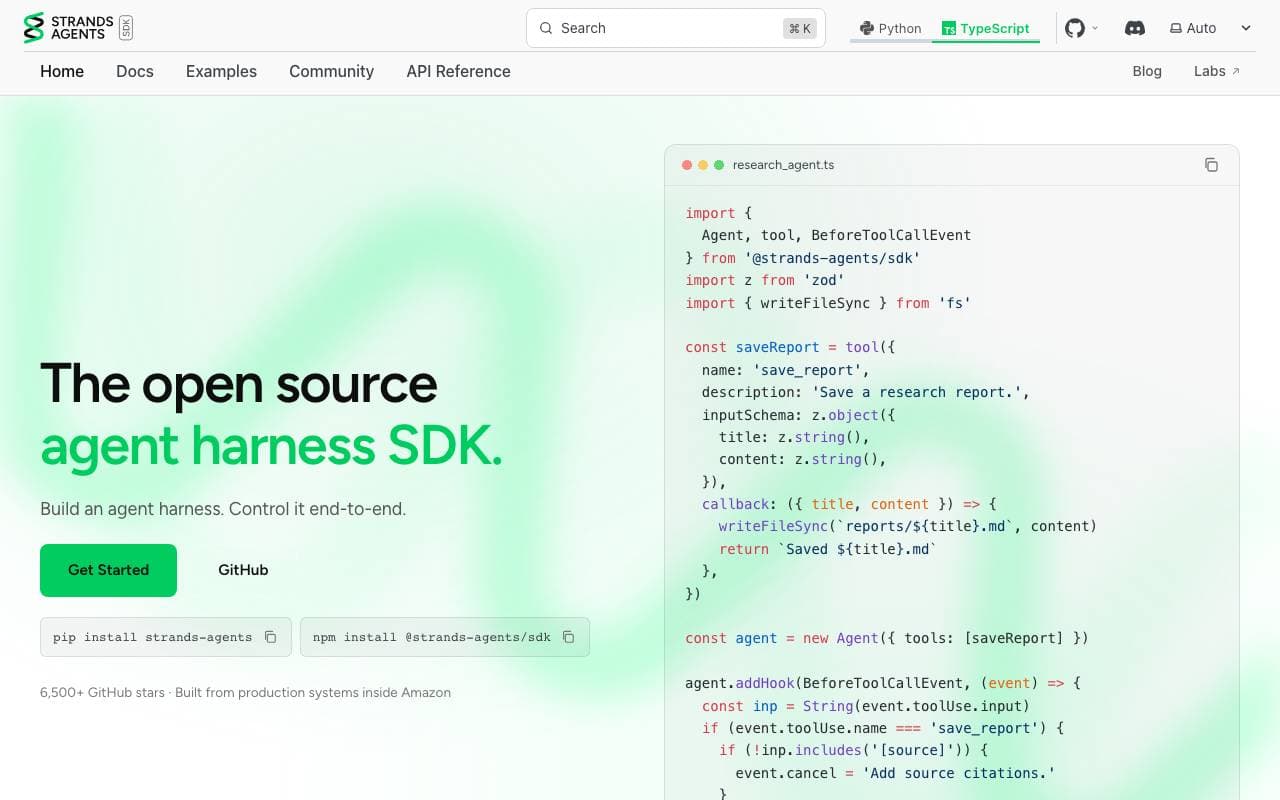

Strands Agents
AI Agent Development Frameworks
Offene-Quellen-SDK für die Erstellung und -Orchestrierung von einzelnen oder mehreren Agentensystemen mit LLMs und Werkzeugintegration
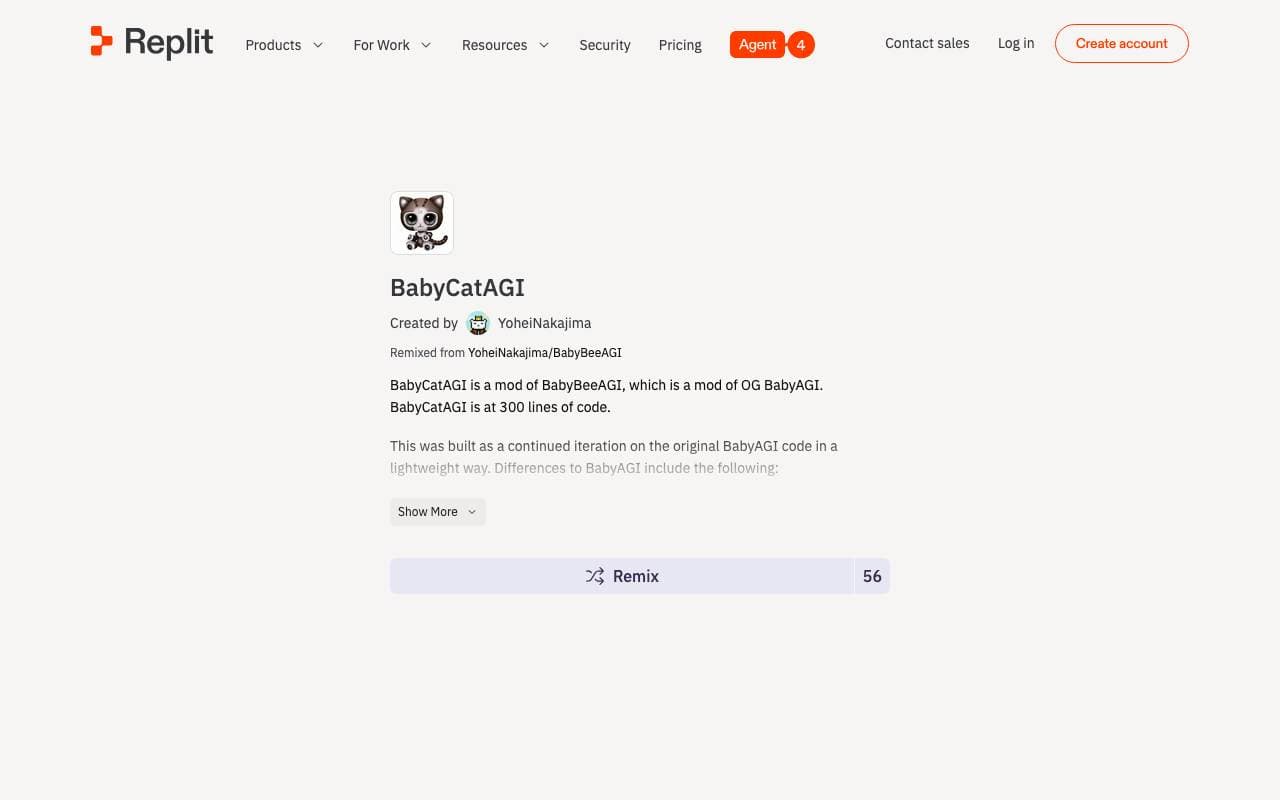

BabyCatAGI
AI Agent Development Frameworks
Leichtbares autonomes Framework für die automatisierte Aufgabenverwaltung
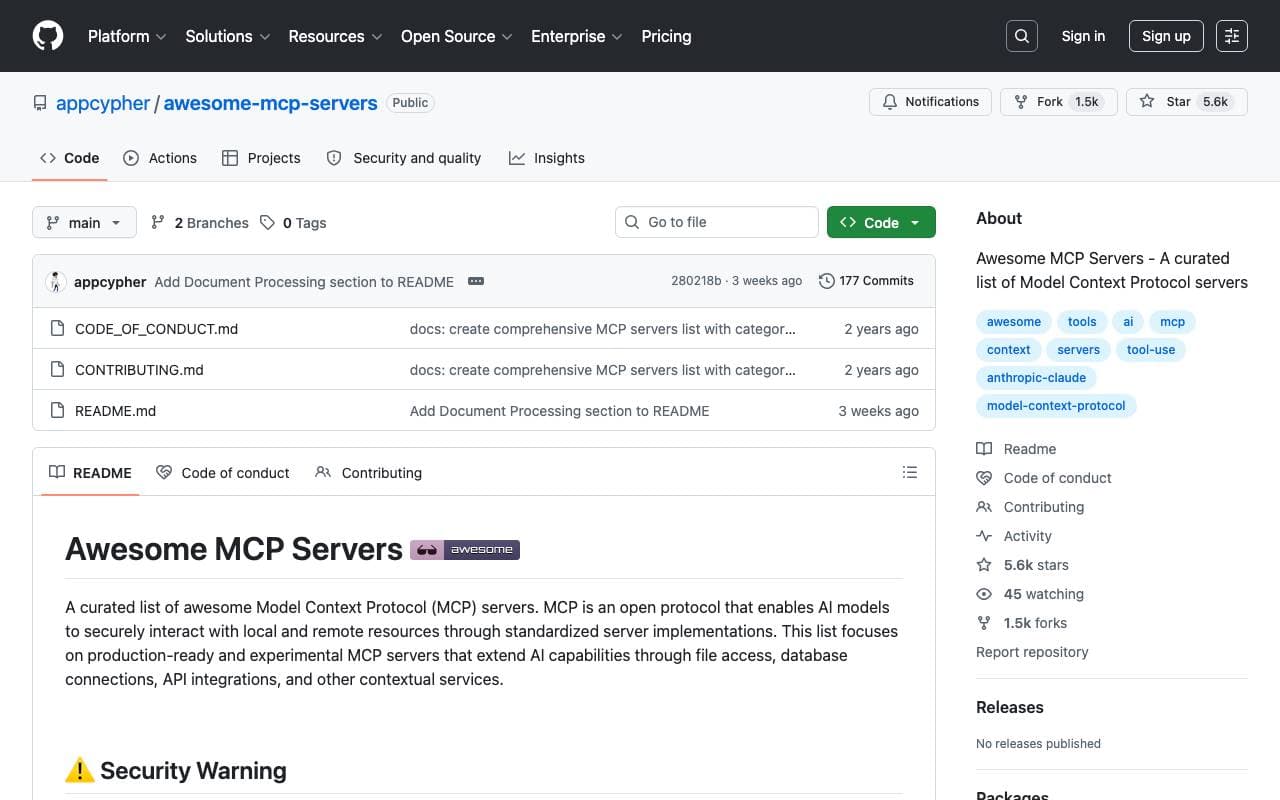

Awesome MCP Servers
AI Agent Development Frameworks
Ein gefördertes Verzeichnis von Model Context Protocol-Servern zur Erweiterung von AI-Assistenten mit Werkzeugen und Daten.


Gemma 3
AI Agent Development Frameworks
Ein offenes AI-Modell für Single-GPU-Leistung optimiert, um multimodale Eingaben und über 140 Sprachen unterstützend.
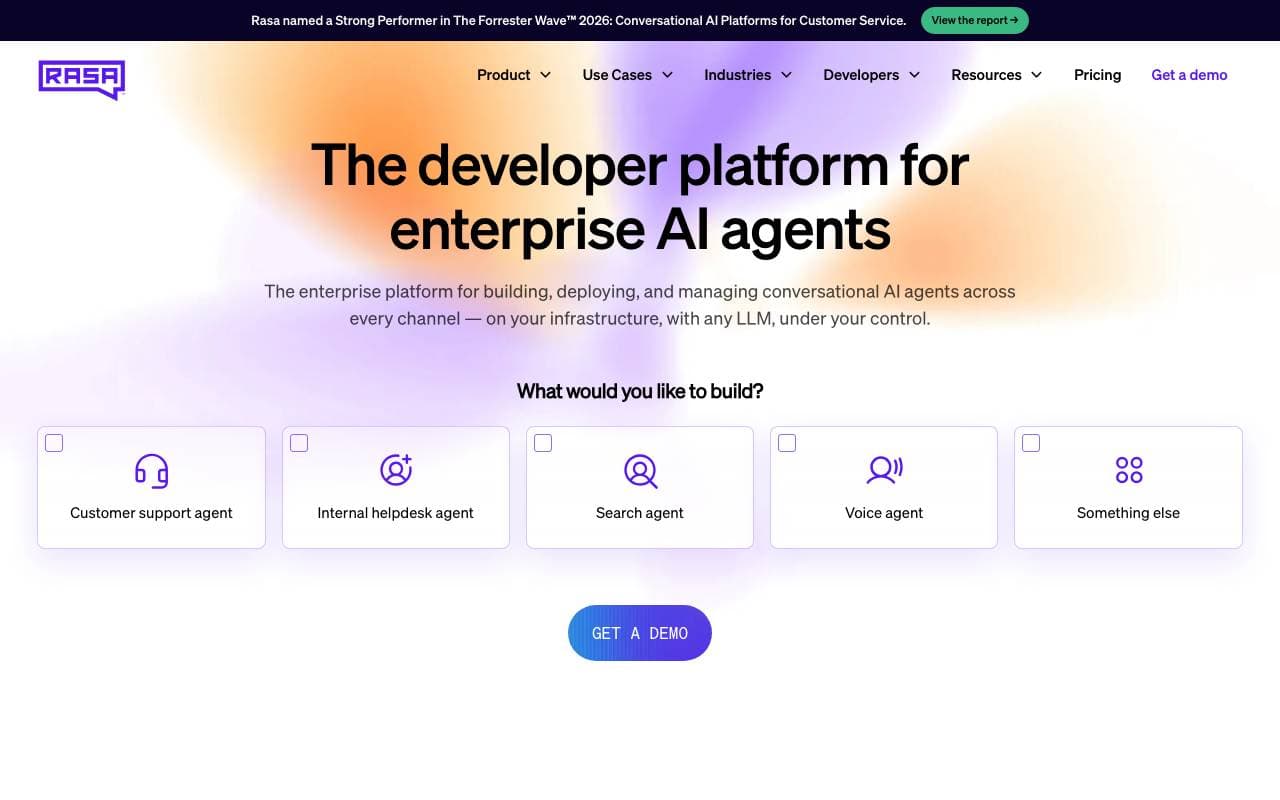

Rasa
AI Agent Development Frameworks
Offener Framework für die Herstellung von Produktionsreif-Chatt- und Sprachassistenten

BabyElfAGI
AI Agent Development Frameworks
Experimentelle AI-Agent-Framework mit einem modularen Skills-Klasse für dynamische Aufgabenermittlung und -ausführung.

Auto-GPT
AI Agent Development Frameworks
Eine open-Source-AI-Agent, die komplexen Aufgaben autonom mithilfe von GPT-Modellen abschließen kann.
Trending now

Doozer Ai
Sales Agent
Digitale Mitarbeiter, die operative Workflows automatisieren, um die Effizienz von Teams zu steigern.


Claude
AI Agents & Chatbots
Konversations‑KI‑Assistent von Anthropic für Schreiben, Analyse, Programmieren und Dokumentaufgaben

Consistent Character AI
Images
Erstellen Sie konsistente KI-Charaktere über Szenen hinweg aus einem einzigen Referenzfoto.


Pin AI
Workflow automation
Agentic AI Recruiter, der Sourcing, Screening und Outreach automatisiert, um den Einstellungsprozess zu beschleunigen.