
BabyCatAGILeichtbares autonomes Framework für die automatisierte Aufgabenverwaltung

Übersicht
Hauptfunktionen
- Erstellung und Priorisierung von Aufgabenlisten
- Automatische Ausführung von Unteraufgaben
- Verbindung mit Web-Suche für Kontext
- Zeitlicher Durchführungsablauf
- Leichtgewichtiges Python-Implementierung
- Einsetzung der Ziele und Prompt
- pros
- :
- Einfache, lesbar Codesbasis,Leicht abzugrenzend und Erweiterungsfähigkeit,Gutes Anfangspunkt für Agentenexperimente,Funktioniert für eine mehrstufige Zerlegung von Aufgaben,cons,:,Experimenteller und nicht reif für Produktionsumgebung,Begrenzte eingebaute Integrationsmöglichkeit,Braucht API-Schlüsse
Preise
- Modell
- Free
- Kategorie
- AI Agent Development Frameworks
- Bewertung
- 4.8 / 5 (6)
Anwendungsfälle
Automatisierter Forschungsassistent
Definieren Sie ein Forschungsziel und lassen Sie BabyCatAGI es in Unteraufgaben zerlegen, Websuchen durchführen und Ergebnisse in eine strukturierte Ausgabe synthetisieren.
Mehrstufige Inhaltserstellung
Erstellen Sie langformatige oder mehrschichtige Inhalte, indem Sie das Schreibziel in sequenzielle Unteraufgaben wie Gliedern, Entwerfen und Verfeinern zerlegen.
Experimente mit agilen KI-Modellen
Verwenden Sie den minimalen, lesbaren Code als Sandbox, um benutzerdefinierte autonome Agenten-Workflows ohne die Komplexität größerer Frameworks zu prototypisieren.
Zerlegung komplexer Probleme
Tackeln Sie mehrstufige Probleme, indem Sie den Agenten planen, ausführen und Unteraufgaben sequenziell basierend auf Zwischenergebnissen anpassen lassen.
Pro & Contra
Pro
- Einfacher, lesbarer Code
- Leicht anpassbar und erweiterbar
- Guter Ausgangspunkt für Agenten-Experimente
- Unterstützt die Zerlegung von Aufgaben in mehrere Schritte
Contra
- Experimentell und nicht produktionsreif
- Begrenzte Integrationen mit integrierten Tools
- Erfordert API-Schlüssel und technische Einrichtung
- Leistung hängt stark von der zugrunde liegenden LLM ab
Bewertungen
Durchschnitt aus 6 Bewertungen.
Melde dich an, um eine Bewertung abzugeben.
Solid for our team
We rolled this out across the team last quarter and simple, readable codebase. Autonomous subtask execution fits neatly into how we already work, and lightweight Python implementation removed a step we used to do by hand. but it has held up under daily use.
Skeptical, then convinced
I went in skeptical — most tools in this space overpromise. It actually delivers on task list creation and prioritization, and simple, readable codebase caught me off guard. Performance depends heavily on underlying LLM is why this isn't a perfect score, still, I'd recommend giving it a real trial.
Does the job
Pretty happy overall. Customizable objectives and prompts just works and easy to customize and extend. Limited built-in tool integrations can be annoying, but no dealbreakers — I'd recommend it to a friend without hesitating.
Years in this space
I've evaluated a lot of these over the years. What stands out here is sequential reasoning workflow — handled better than most — and supports multi-step task decomposition. Worth the time if this is your use case.
Skeptical, then convinced
I went in skeptical — most tools in this space overpromise. It actually delivers on lightweight Python implementation, and easy to customize and extend caught me off guard. still, I'd recommend giving it a real trial.
Years in this space
I've evaluated a lot of these over the years. What stands out here is sequential reasoning workflow — handled better than most — and good starting point for agent experimentation. Worth the time if this is your use case.
Fragen & Antworten
Is BabyCatAGI ready for production use?
No. BabyCatAGI is an open experimental project intended for prototyping and learning, not production workloads. Its performance also depends heavily on the underlying LLM, so reliability and output quality can vary across runs and tasks.
What technical setup and integrations does BabyCatAGI require?
You'll need Python, API keys for a language model, and access to a web search tool, which BabyCatAGI integrates with to gather context. Built-in tool integrations are limited, but the lightweight, readable codebase makes it straightforward to customize objectives, prompts, and extend functionality.
What are the main use cases for BabyCatAGI?
BabyCatAGI is best suited for prototyping agent workflows, research tasks, content generation, and multi-step problem solving. It's designed for developers who want to experiment with autonomous AI agents and learn how task-driven systems work, rather than for production deployments.
Frage stellen
Alternativen zu AI Agent Development Frameworks

Wildcard AI / agents.json
AI Agent Development Frameworks
Offene Spezifikation und Plattform, die es AI-Agenten ermöglicht, durch einen agents.json-File API-Workflows zu entdecken und aufzurufen.
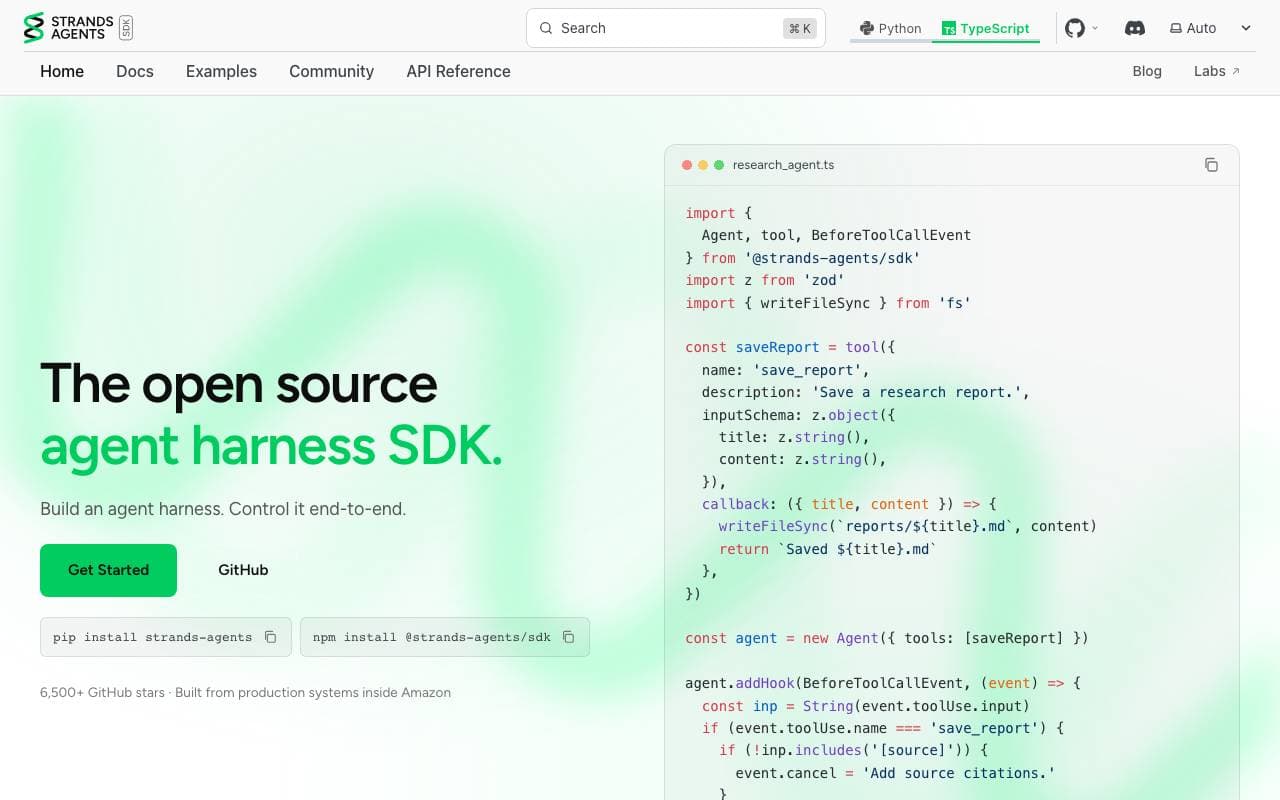

Strands Agents
AI Agent Development Frameworks
Offene-Quellen-SDK für die Erstellung und -Orchestrierung von einzelnen oder mehreren Agentensystemen mit LLMs und Werkzeugintegration
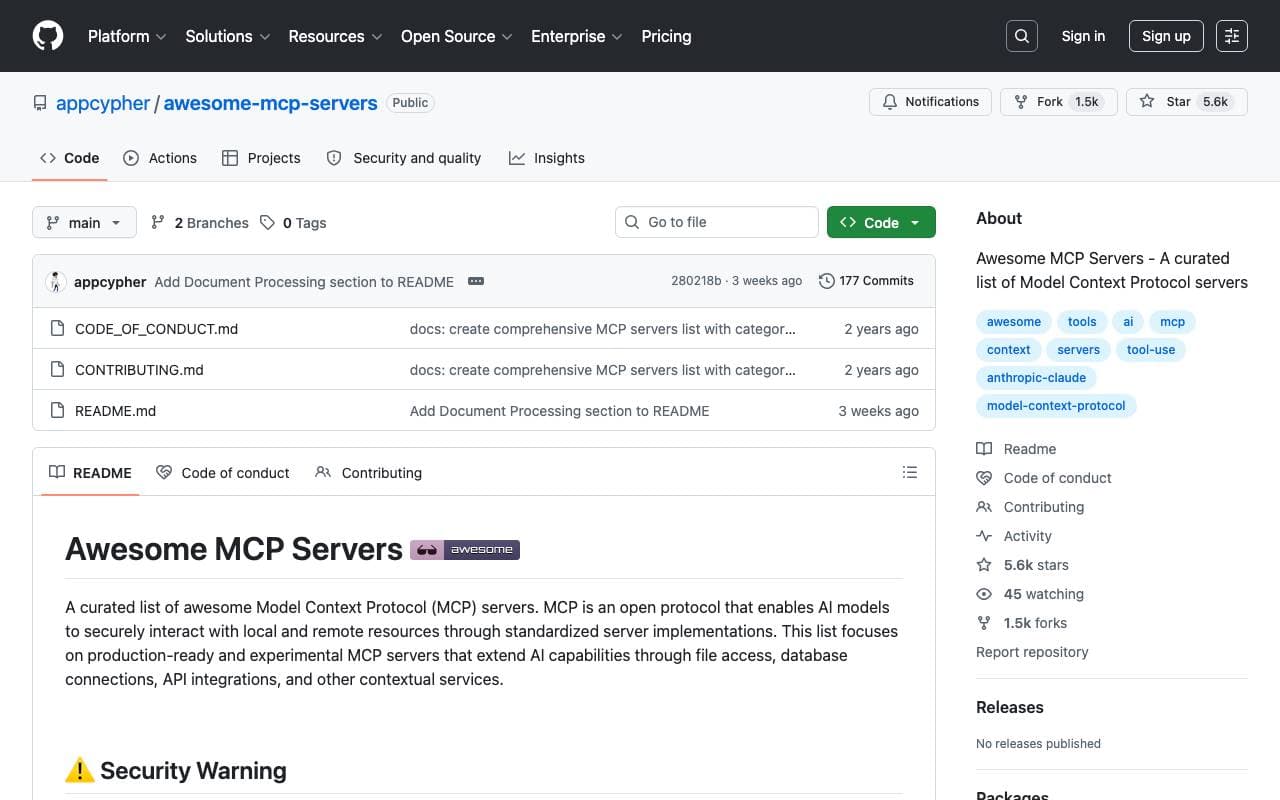

Awesome MCP Servers
AI Agent Development Frameworks
Ein gefördertes Verzeichnis von Model Context Protocol-Servern zur Erweiterung von AI-Assistenten mit Werkzeugen und Daten.
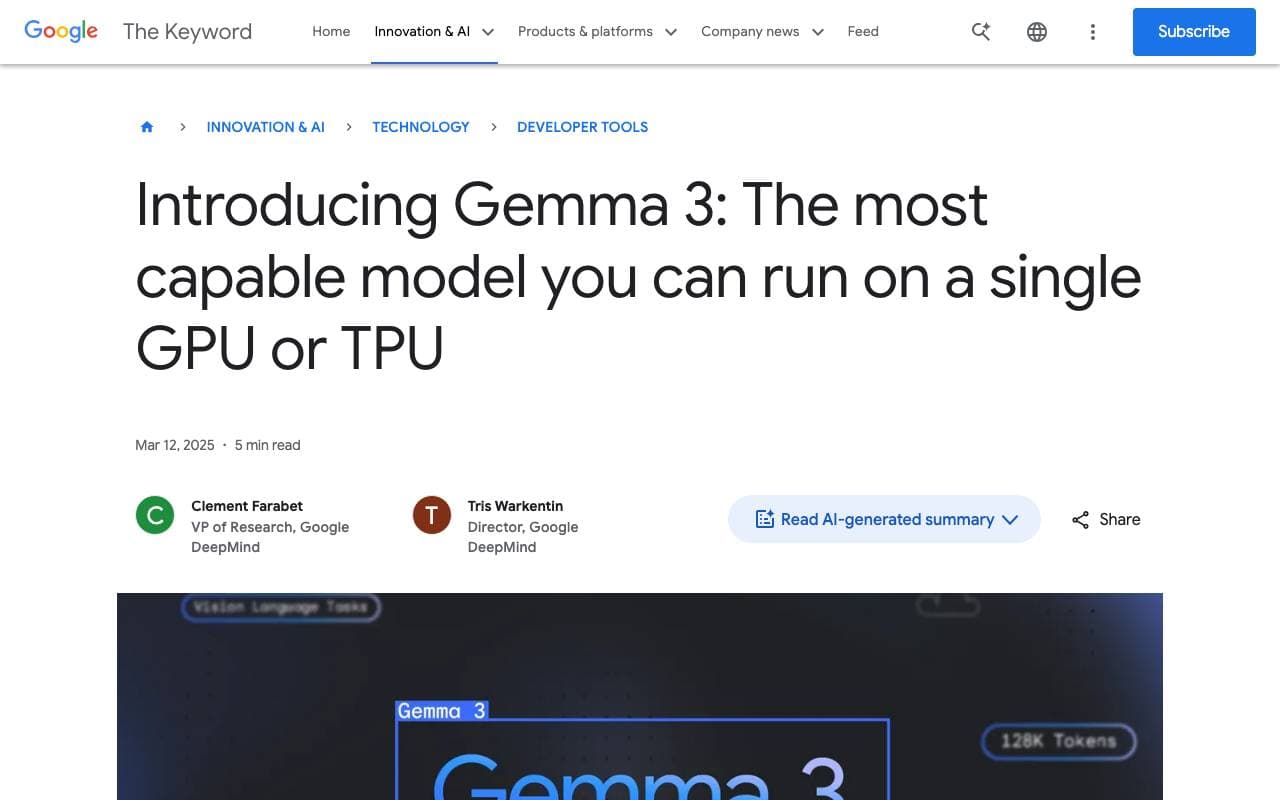

Gemma 3
AI Agent Development Frameworks
Ein offenes AI-Modell für Single-GPU-Leistung optimiert, um multimodale Eingaben und über 140 Sprachen unterstützend.
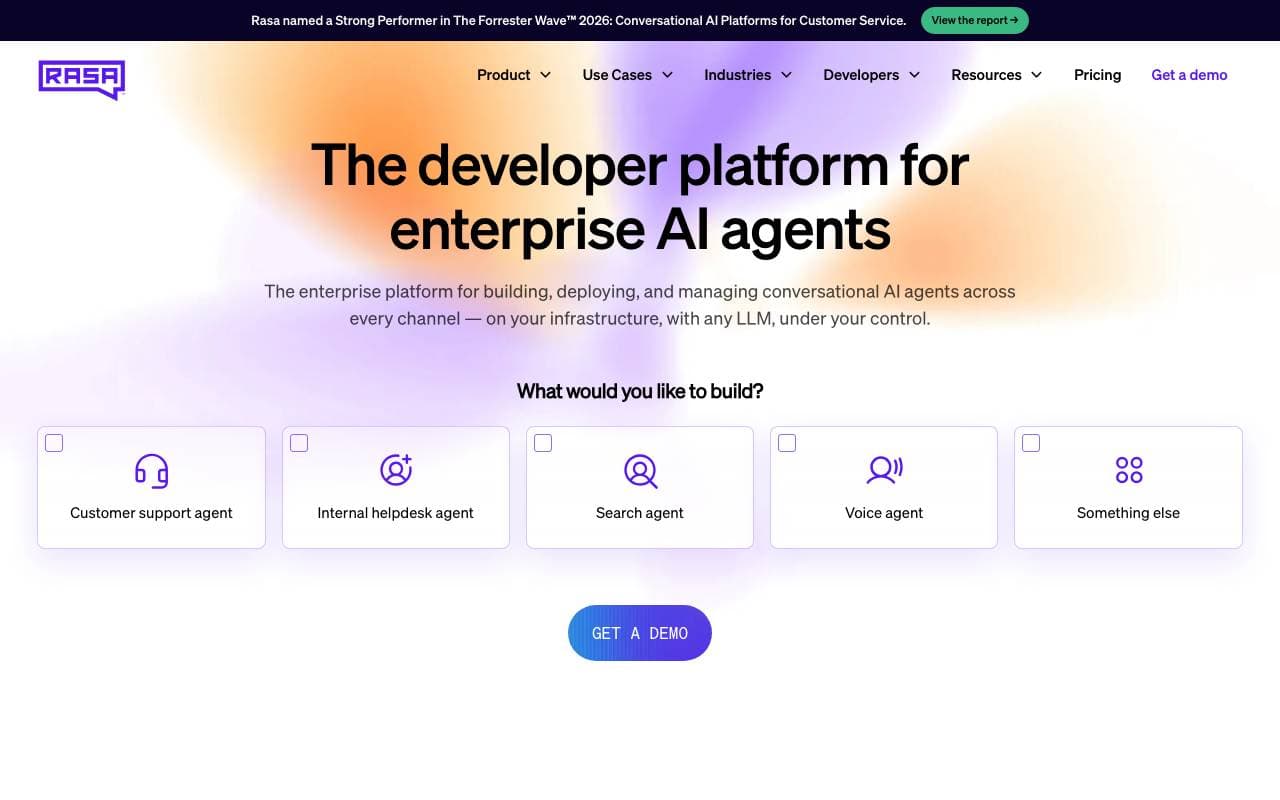

Rasa
AI Agent Development Frameworks
Offener Framework für die Herstellung von Produktionsreif-Chatt- und Sprachassistenten

BabyElfAGI
AI Agent Development Frameworks
Experimentelle AI-Agent-Framework mit einem modularen Skills-Klasse für dynamische Aufgabenermittlung und -ausführung.
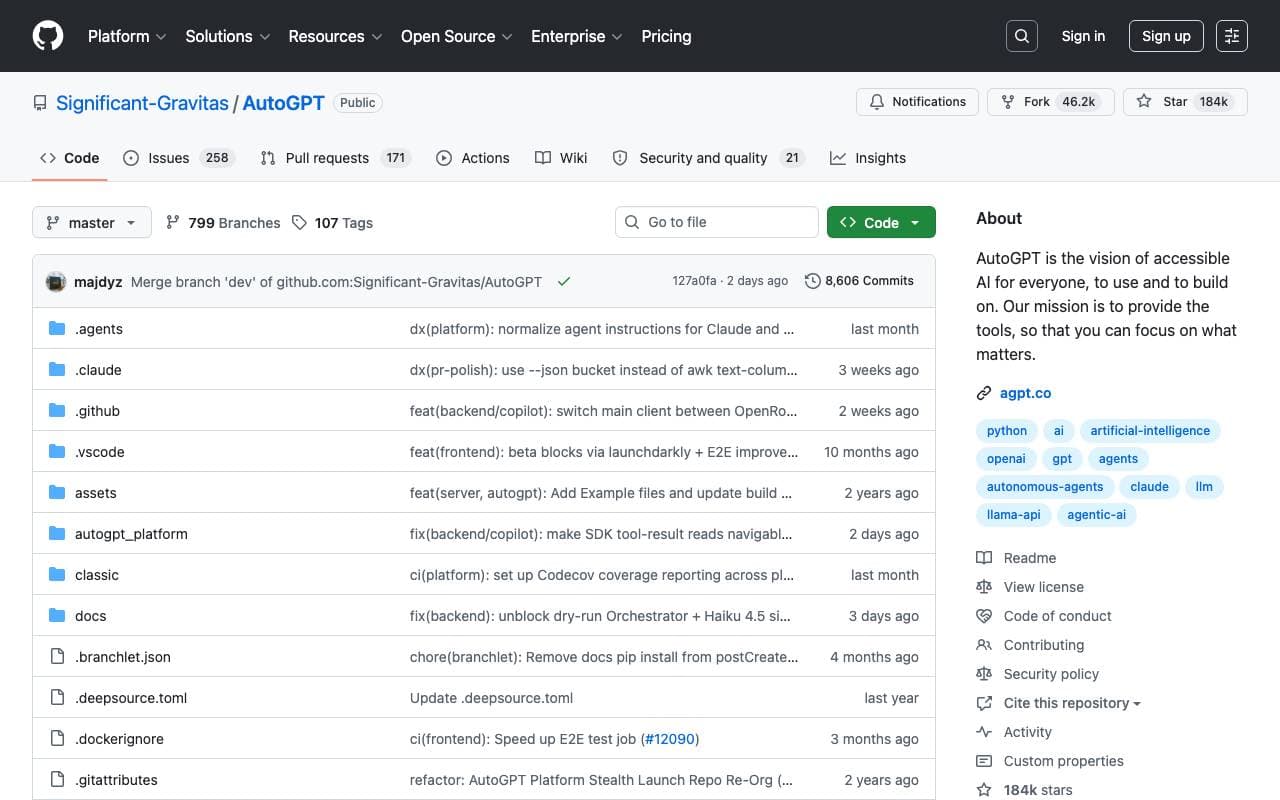

Auto-GPT
AI Agent Development Frameworks
Eine open-Source-AI-Agent, die komplexen Aufgaben autonom mithilfe von GPT-Modellen abschließen kann.
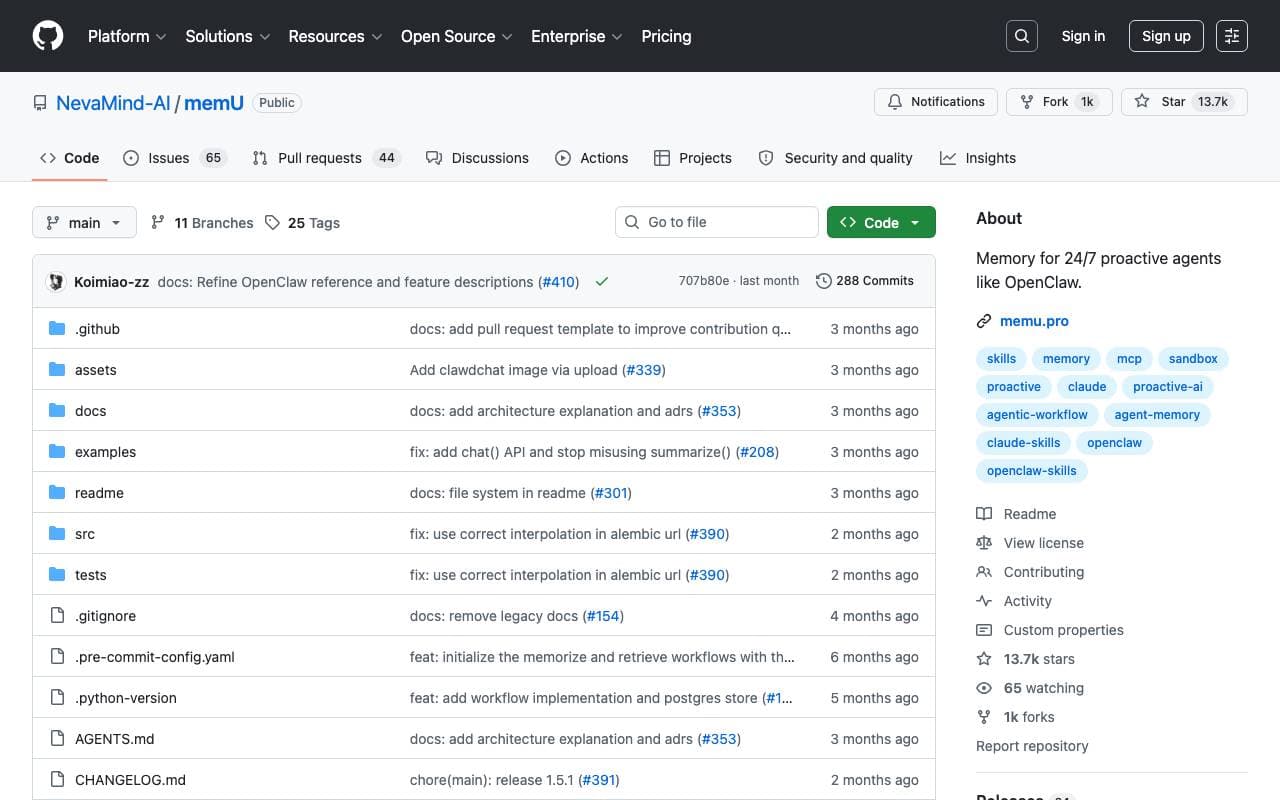

memU
AI Agent Development Frameworks
Open-Source-Agentic-Memory-Framework für 24/7 proaktive KI-Agenten mit Dateisystem-Speicher, Intentionserkennung und geringeren Token-Kosten.
Trending now

Doozer Ai
Sales Agent
Digitale Mitarbeiter, die operative Workflows automatisieren, um die Effizienz von Teams zu steigern.


Claude
AI Agents & Chatbots
Konversations‑KI‑Assistent von Anthropic für Schreiben, Analyse, Programmieren und Dokumentaufgaben
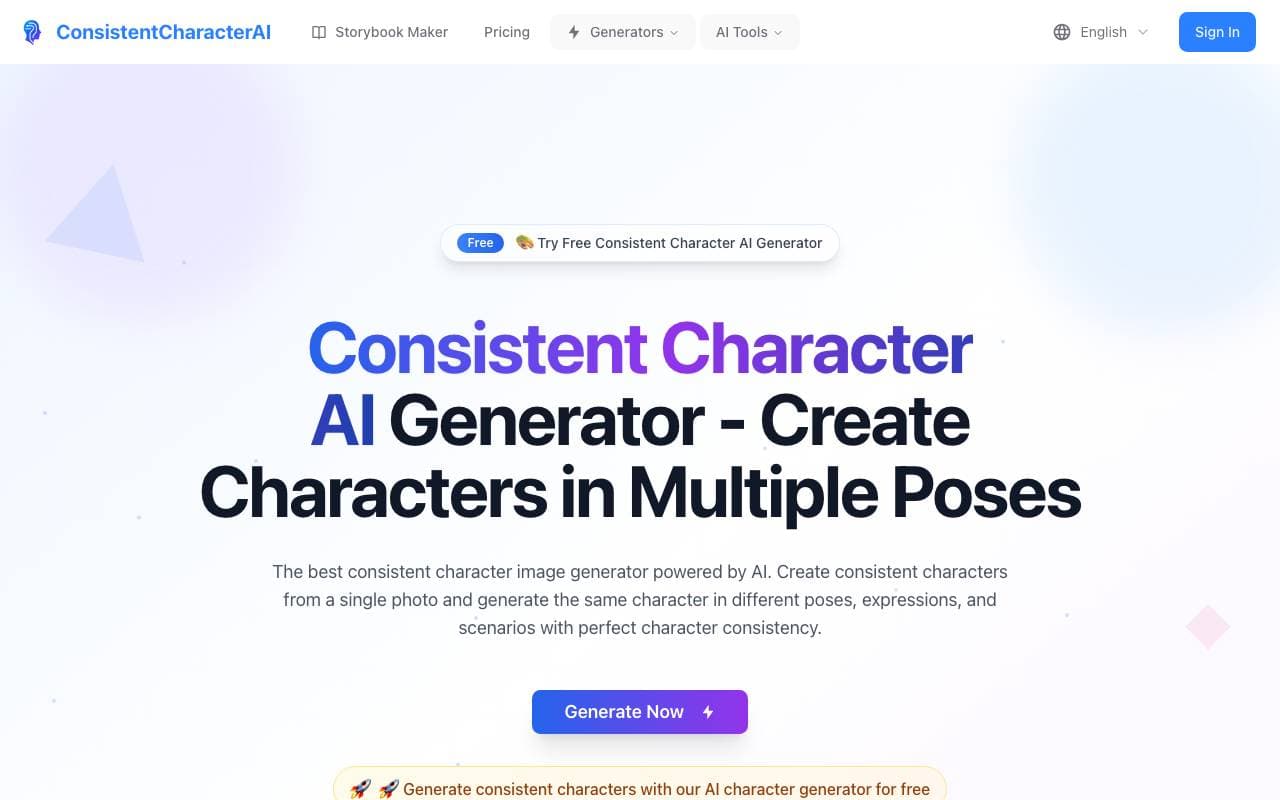

Consistent Character AI
Images
Erstellen Sie konsistente KI-Charaktere über Szenen hinweg aus einem einzigen Referenzfoto.
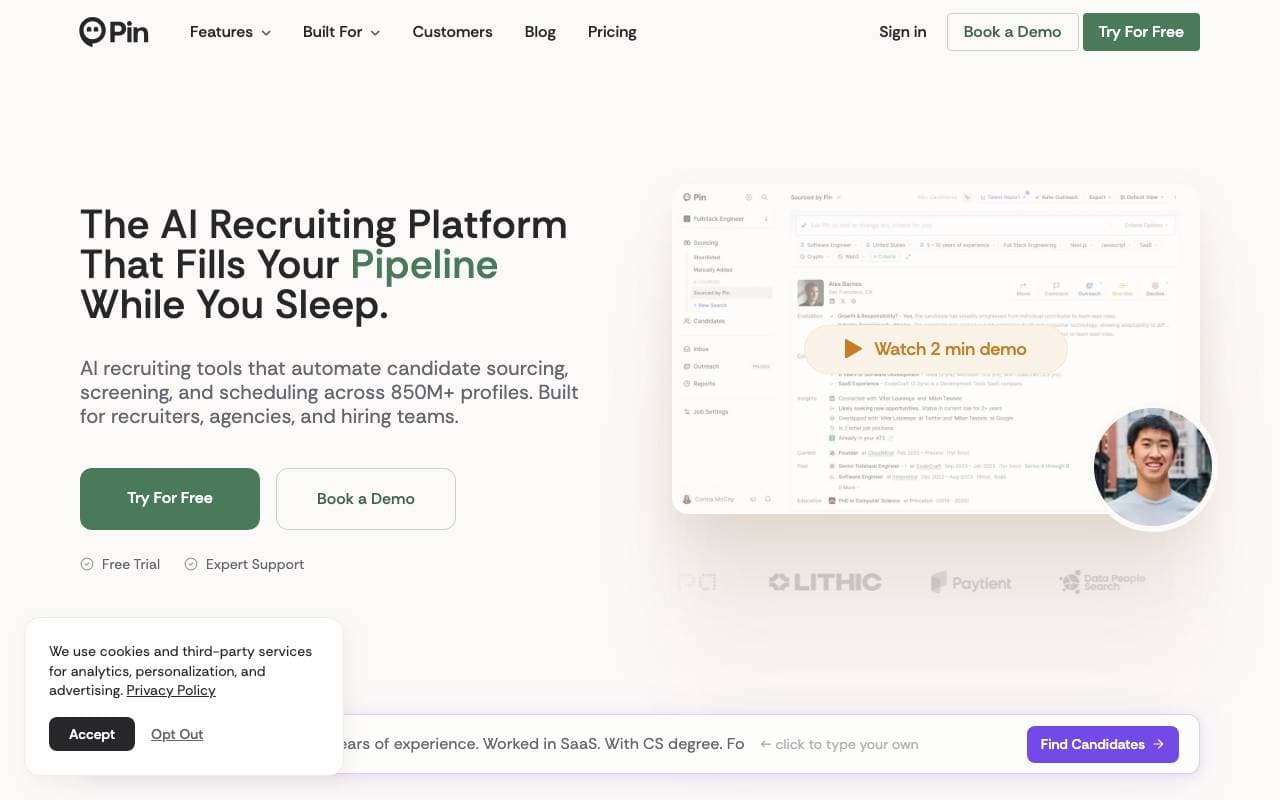

Pin AI
Workflow automation
Agentic AI Recruiter, der Sourcing, Screening und Outreach automatisiert, um den Einstellungsprozess zu beschleunigen.