
ArtificientMobilitätsinsights durch AI für sicheres Fahren und intelligente Transporte.

Übersicht
Hauptfunktionen
- Analyse von Fahrverhalten und Risikobilanzierung
- Erkennung und Analyse von Ereignissen durch AI-basierte Modelle
- Fahrzeug- und Flottenfahrsicherheit und -effizienz-Einsichten
- Instrumente zur Risikobewertung und Beantragung von Versicherungsleistungen
- Integration von Telematikdaten
- Dashboards und Berichterstattung für Mobilitäts- Kennzahlen
Preise
- Modell
- Freemium
- Kategorie
- AI Agents
- Bewertung
- 4.6 / 5 (5)
Anwendungsfälle
Flottenfahrzeug-Sicherheitsüberwachung
Flottenbetreiber erkennen risikoreiche Fahrverhaltensmuster und ungesunde Ereignisse in ihren Fahrzeugen, was eine gezielte Fahrer-Betreuung ermöglicht und Einbrüche in der Unfallzahl auf den Straßen reduziert.
Versicherungsrisikobewertung
Versicherungen nutzen AI-basierte Verhaltensuntersuchungen und Risikopunktzahlungen, um ihre Prämierung zu optimieren, Versicherungsverträge präziser zu preisen und Risikofahrer besser zu identifizieren.
Unterstützung bei Versicherungsanträgen
Versicherungsteam nutzt auf AI- basierende Ereignisdetektion und kontextualisierte Unfallzusammenfassungen, um die Bearbeitung von Versicherungsanträgen zu vereinfachen und die Ereignisse auf der Straße zu bestätigen.
Mobilitäts-KPI-Berichterstattung
Mobilitätsanbieter verfolgen operative Effizienz und -Sicherheits-KPIs über Dashboards, die Telematikdaten in bestehende Prozesse integrieren.
Pro & Contra
Pro
- Ausgerichtet auf realweltliche Mobilitäts- und Sicherheitsszenarien
- Kombiniert Telematik mit künstlich-intelligenten Analytics
- Nützlich sowohl für Flotten als auch für Versicherer
- Unterstützt proaktive Risikominderung
Contra
- Erfordert Zugriff auf Fahrzeug- oder Telematikdaten
- Konzentriert sich vorwiegend auf B2B-Anwendungen, nicht auf individuelle Fahrer
- Wertorientierung hängt von der Datenqualität und dem Integrationsaufwand ab
Bewertungen
Durchschnitt aus 5 Bewertungen.
Melde dich an, um eine Bewertung abzugeben.
Solid for our team
We rolled this out across the team last quarter and useful for both fleets and insurers. Telematics data integration fits neatly into how we already work, and driving behavior and risk scoring removed a step we used to do by hand. Requires access to vehicle or telematics data, which is the main caveat, but it has held up under daily use.
Solid for our team
We rolled this out across the team last quarter and combines telematics with AI-driven analytics. Dashboards and reporting for mobility KPIs fits neatly into how we already work, and dashboards and reporting for mobility KPIs removed a step we used to do by hand. but it has held up under daily use.
Years in this space
I've evaluated a lot of these over the years. What stands out here is tools for insurance risk and claims — handled better than most — and useful for both fleets and insurers. Requires access to vehicle or telematics data is my one real gripe. Worth the time if this is your use case.
Use it every day
Honestly didn't expect to like it this much. Fleet safety and efficiency insights is exactly what I needed, and focused on real-world mobility and safety use cases. I do wish value depends on data quality and integration effort, but I reach for it almost every day now and it just clicks.
Does the job
Pretty happy overall. Fleet safety and efficiency insights just works and useful for both fleets and insurers. but no dealbreakers — I'd recommend it to a friend without hesitating.
Fragen & Antworten
What data does Artificient need to deliver insights?
The platform relies on access to vehicle, sensor, and telematics data, which it processes with AI models to score driving behavior and detect events. Because of this, value depends heavily on data quality and the integration effort required to connect existing telematics sources.
Who is Artificient designed for and is it suitable for individual drivers?
Artificient is a B2B platform aimed at fleets, insurers, and mobility providers. It is not designed for individual drivers; instead, it serves organizations that manage vehicles, assess driving risk, or handle claims at scale.
What are the main use cases Artificient supports?
Key use cases include driving behavior and risk scoring, AI-based event detection, fleet safety and efficiency analysis, and insurance risk and claims workflows. It also provides dashboards and reporting on mobility KPIs to support driver coaching and proactive risk reduction.
Frage stellen
Alternativen zu AI Agents
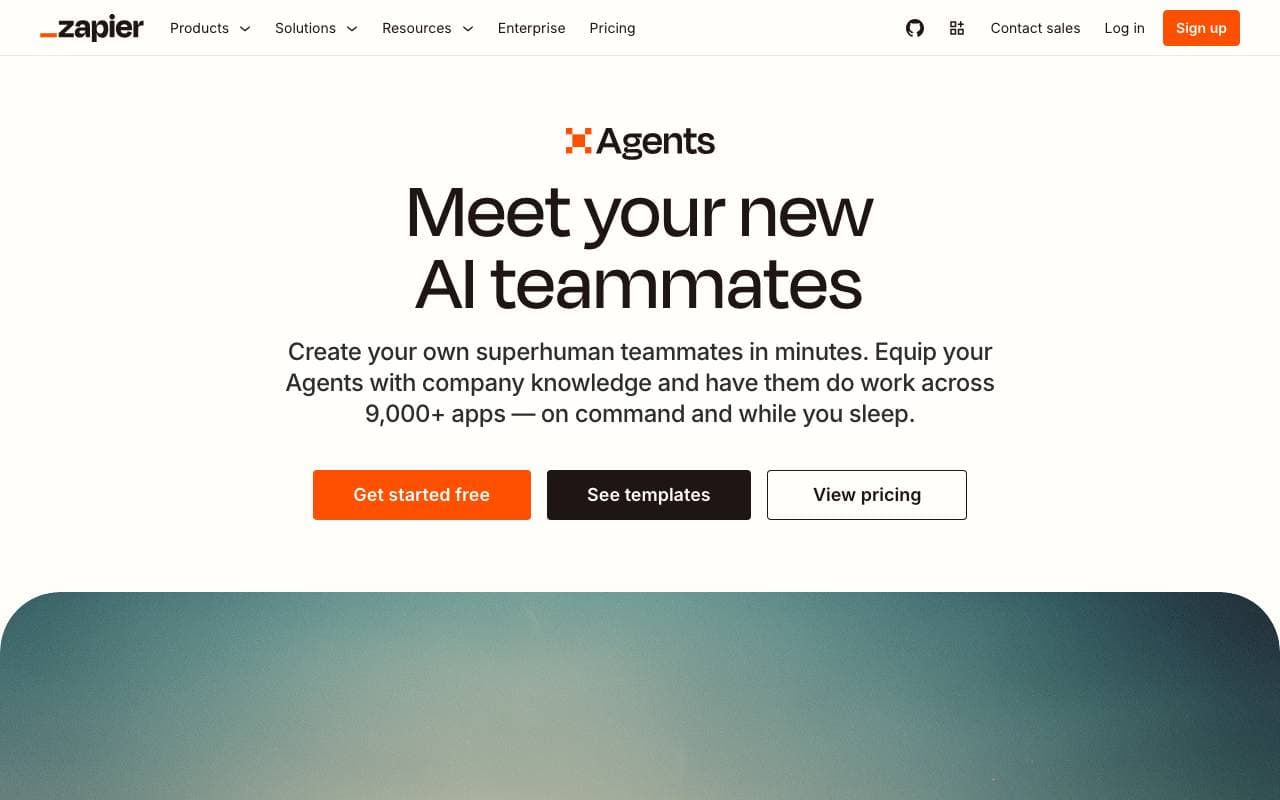

Zapier's Agents
AI Agents
Mit künstlicher Intelligenz betriebene Agenten, die Workflows in über 7.000 vernetzten Apps automatisieren
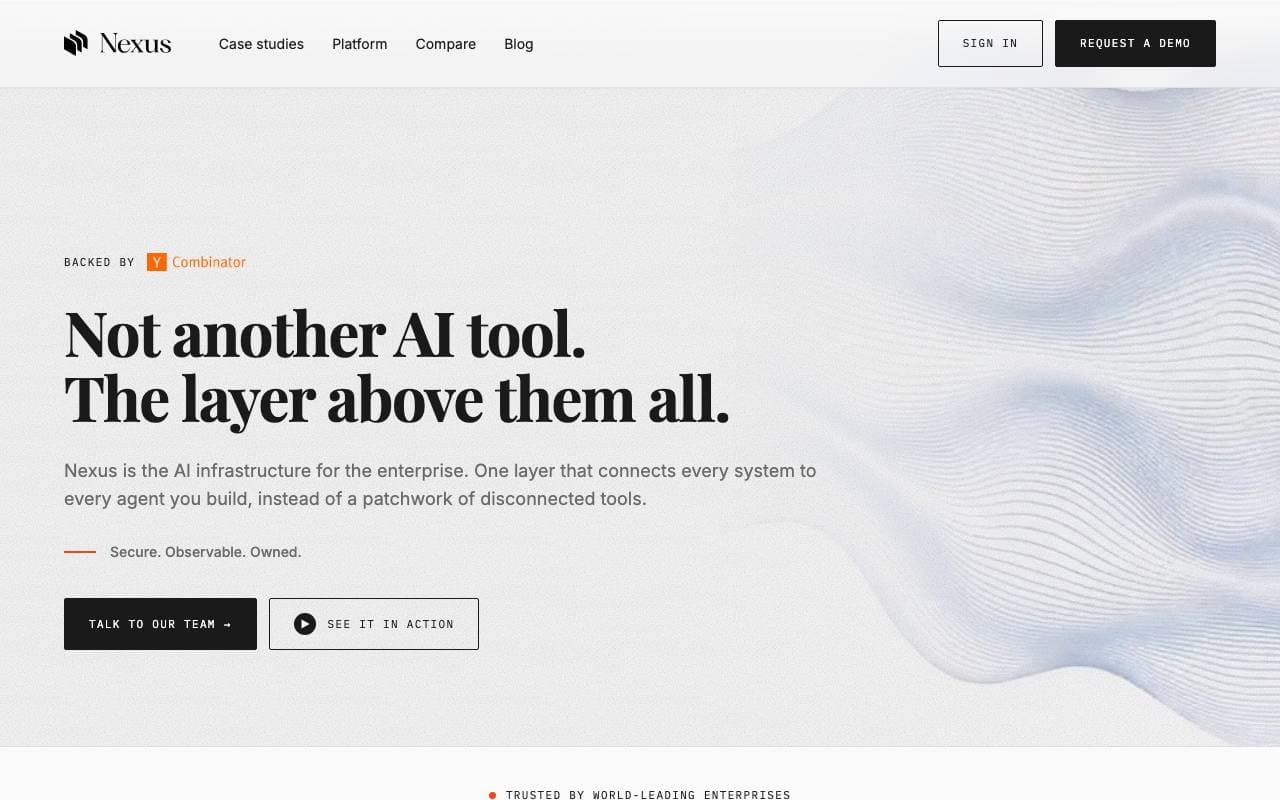

NexusGPT
AI Agents
No-code-Plattform zum Erstellen und Bereitstellen von individuellen KI-Agenten zur Automatisierung von Geschäftsabläufen.
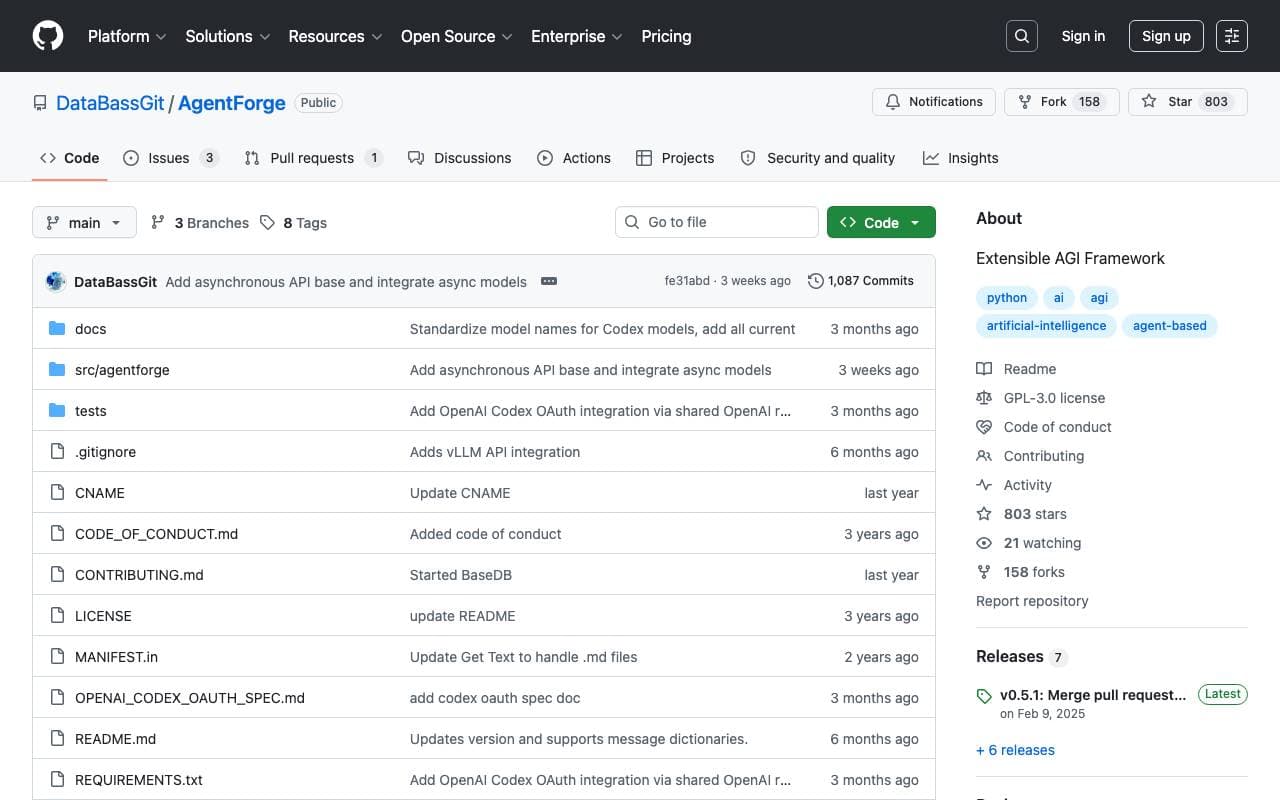

AgentForge
AI Agents
Low-Code-Framework zur Erstellung autonomer KI-Agenten und kognitiver Architekturen
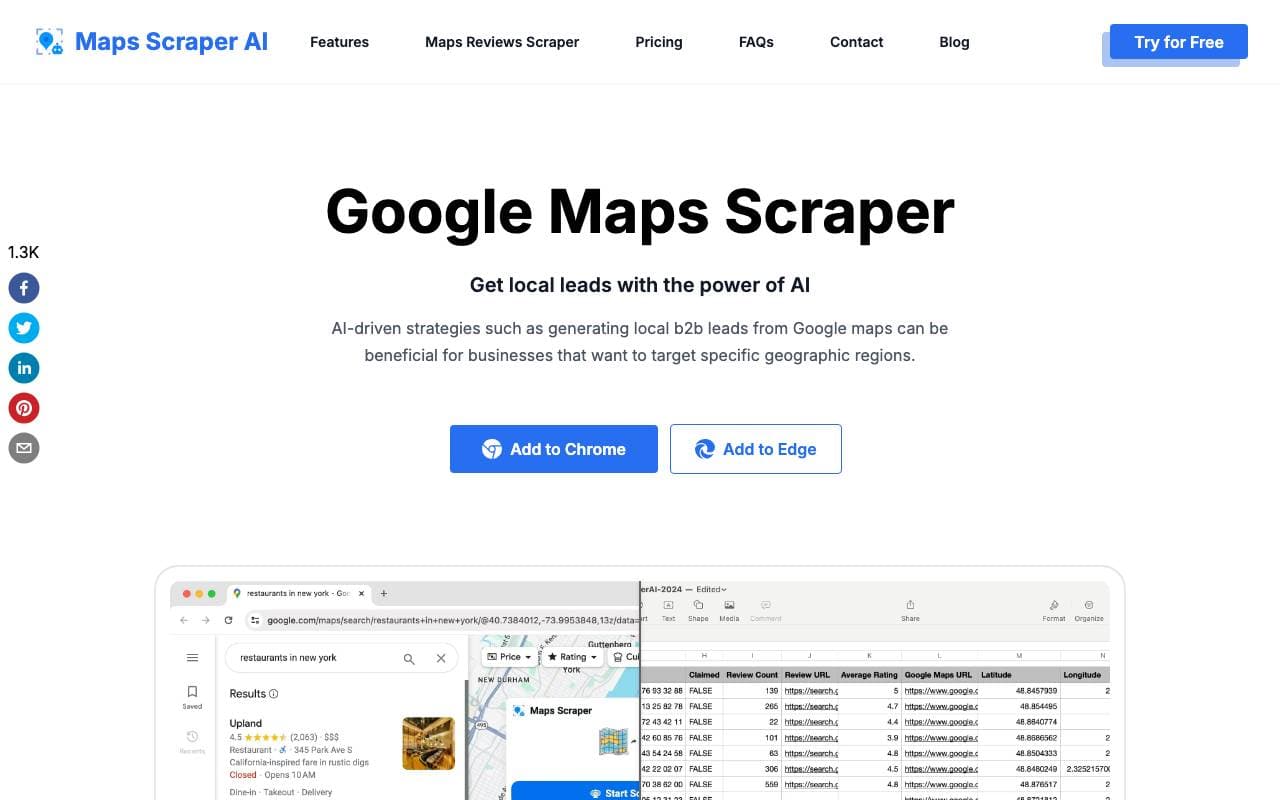

Maps Scraper AI
AI Agents
Ein KI-gesteuertes Tool, das die Extraktion von Geschäftsdaten aus Google Maps automatisiert und die Lead-Generierung sowie Marktforschung verbessert.
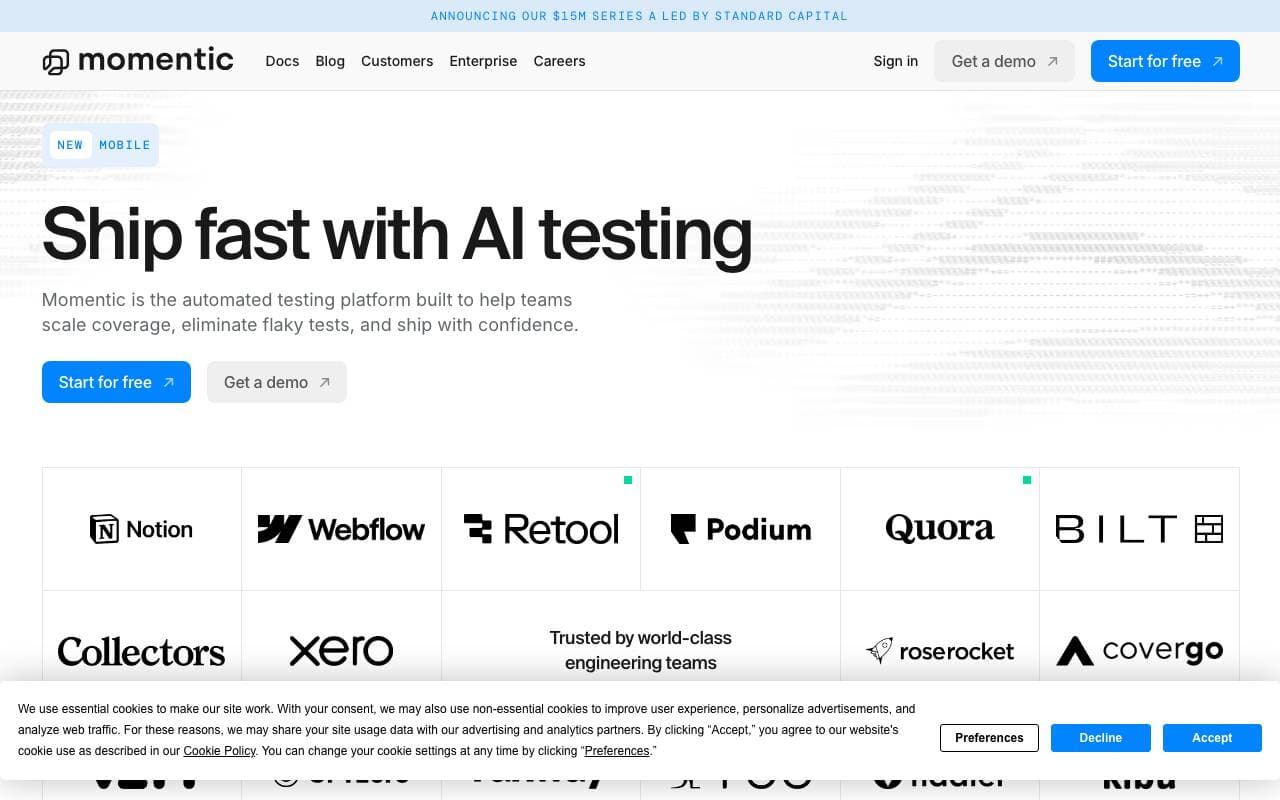
Momentic AI
AI Agents
Softwaretests schreiben, beheben und ausführen – mit einfachen englischen Befehlen

Micro Agent
AI Agents
AI-Coding-Agent, der Code iteriert, bis deine Tests bestanden sind
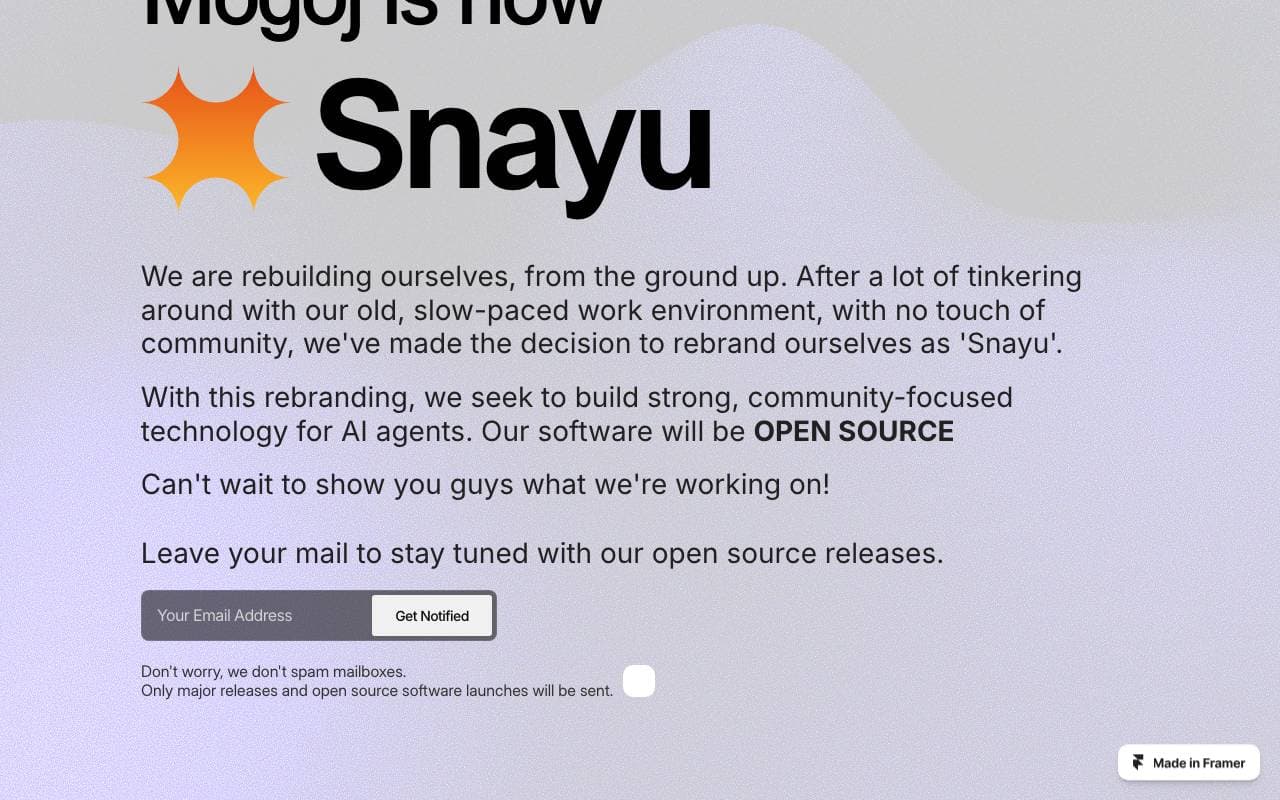

Mogoj AI
AI Agents
KI-gesteuerte Arbeitsablaufoptimierung und Geschäftsprozessautomatisierung
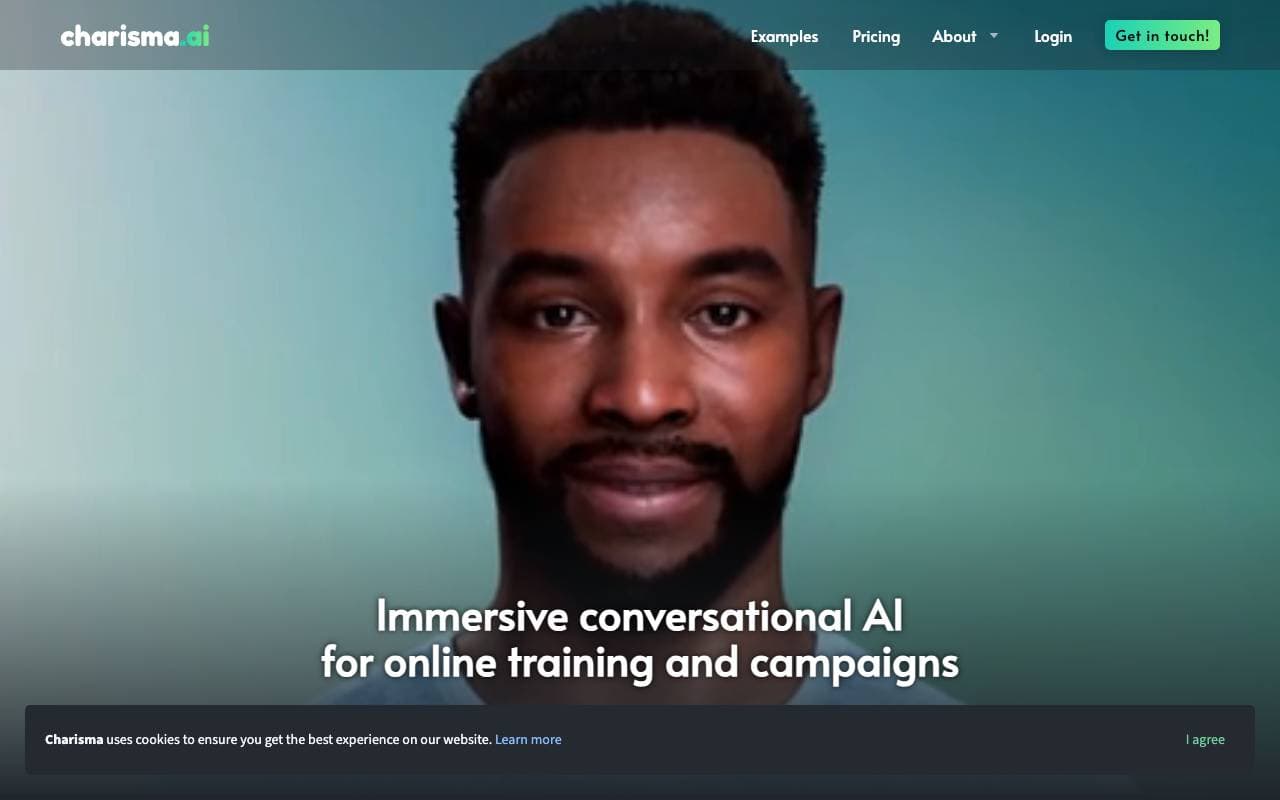

Charisma.ai
AI Agents
Immersive konversationale AI für interaktive Geschichten, Ausbildung und Marketingkampagnen
Trending now

Doozer Ai
Sales Agent
Digitale Mitarbeiter, die operative Workflows automatisieren, um die Effizienz von Teams zu steigern.


Claude
AI Agents & Chatbots
Konversations‑KI‑Assistent von Anthropic für Schreiben, Analyse, Programmieren und Dokumentaufgaben
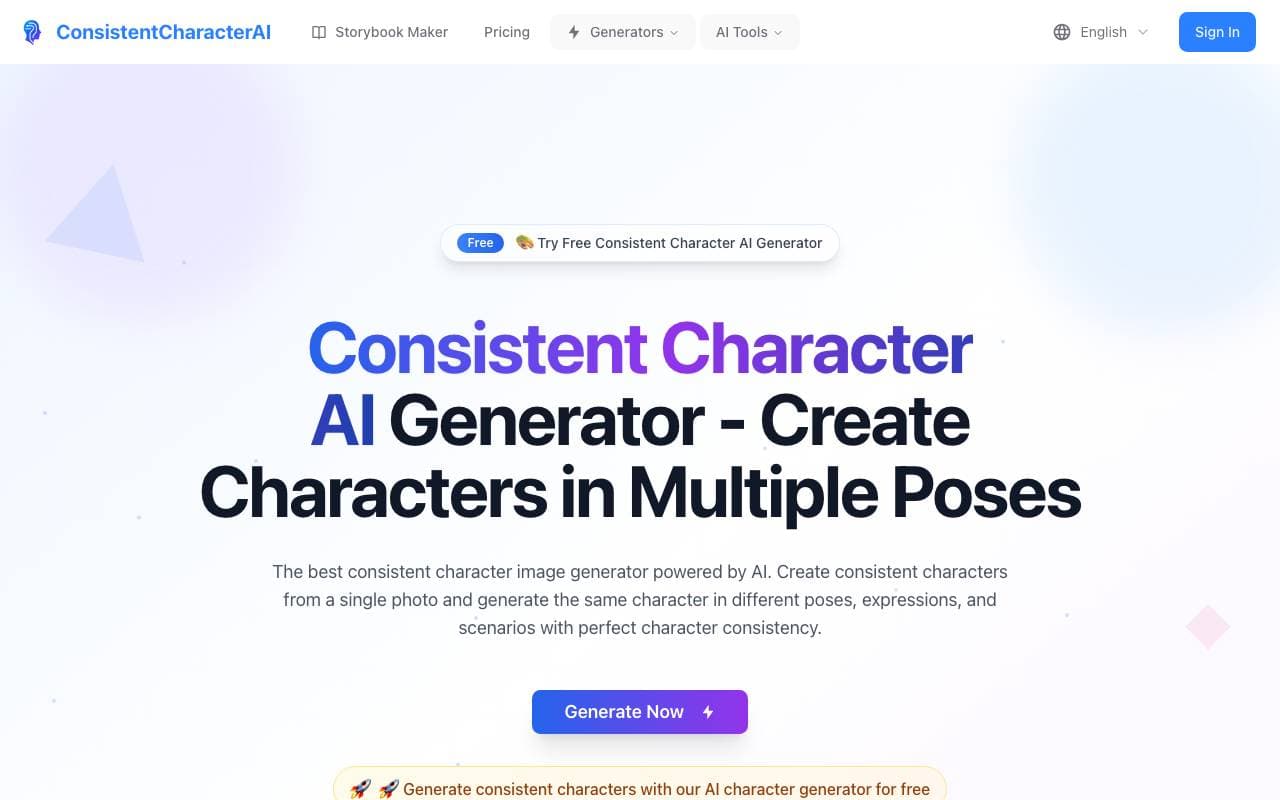

Consistent Character AI
Images
Erstellen Sie konsistente KI-Charaktere über Szenen hinweg aus einem einzigen Referenzfoto.
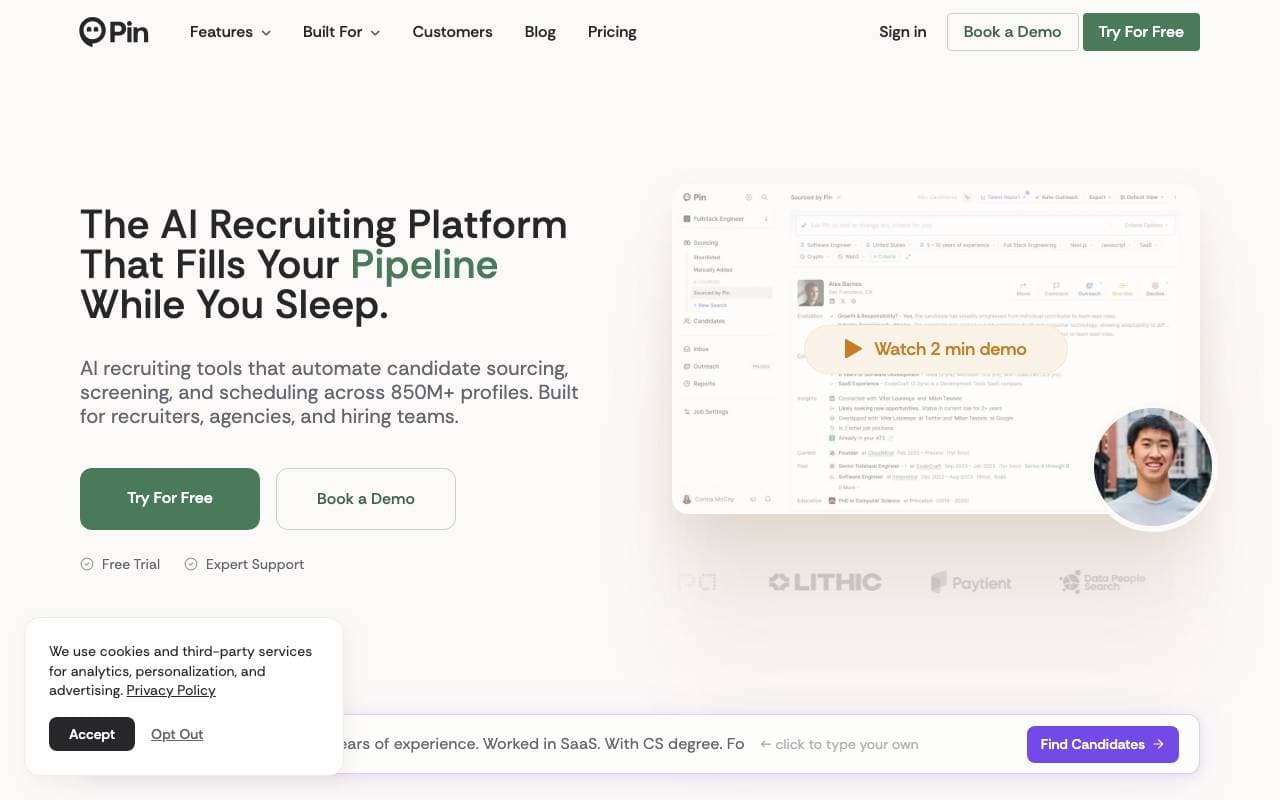

Pin AI
Workflow automation
Agentic AI Recruiter, der Sourcing, Screening und Outreach automatisiert, um den Einstellungsprozess zu beschleunigen.