
Apollo AIHybrides neuro-symbolisches Sprachmodell für kontrollierbare und zuverlässige Geschäfts-Konversationsbots

Übersicht
Hauptfunktionen
- Neuro-symbolische Hybrid-Architektur
- Mit Kontrollen ausgestatteter Konversationsbotsrahmen
- Regelbasierte Begrenzungen für Geschäftslogik
- Generativ natürliche Sprachverständigung
- Task- und Aktionsexekutionsunterstützung
- Unternehmenstypische Deployment
Preise
- Modell
- Contact for pricing
- Kategorie
- AI Agent Development Frameworks
- Bewertung
- 4.6 / 5 (5)
Anwendungsfälle
Policy-kompatible Kunden-Support-Agenten
Verwenden Sie Konversationsbots, die definierte Geschäftsrichtlinien und -abläufe befolgen, Halluzinationen vermindern und Kundenanfragen mit natürlichem, zuverlässigen Dialog bearbeiten.
Verkäufer-Vertreter mit Schranken
Ermächtigen Sie Verkäuferdialoge mit der Kombination aus flüssiger Erzeugung mit regelbasierter Einschränkung, indem Sie sicherstellen, dass Agenten sich auf Drehbücher halten und in Kundeninteraktionen genehmigte Aktionen durchführen.
Task-getriebene Workflow-Automatisierung
Automatisieren Sie mehrschrittige Geschäftsabläufe durch Dialogue, wobei der Agent definierte Aufgaben, Aktionen auslöst und sich in symbolischer Steuerung weitergibt, wenn erforderlich.
Gesetzeskonforme Sektoreller KI-Virtual-Vertreter
Bauen Sie Assistenzen für Einhaltungskonzentrierung-Sektoren, in denen vorhersehbar und abrufbare Antworten kritische sind – nutzen Sie symbolischen Logik, um in Kombination mit neuronalen Verständnissen Regelverstöße einzukriegen.
Pro & Contra
Pro
- Kombiniert flüssige Erzeugung mit regelbasierter Steuerung
- Spezialisiert auf Unternehmen-Verlässlichkeit und Einhaltung
- Unterstützung durch task-getriebene Dialoge
- Minderung von Halluzinationen durch symbolische Einschränkungen
Contra
- Ausgerichtet auf Unternehmen und nicht auf Individuen
- Einrichtung kann Regeln und Abläufe definieren
- Weitgehend dokumentiert als Mainstream-LLMs
Bewertungen
Durchschnitt aus 5 Bewertungen.
Melde dich an, um eine Bewertung abzugeben.
Years in this space
I've evaluated a lot of these over the years. What stands out here is controllable conversational agent framework — handled better than most — and supports task-oriented, action-driven dialogue. Less openly documented than mainstream LLMs is my one real gripe. Worth the time if this is your use case.
Solid for our team
We rolled this out across the team last quarter and designed for enterprise reliability and compliance. Task and action execution support fits neatly into how we already work, and rule-based guardrails for business logic removed a step we used to do by hand. Less openly documented than mainstream LLMs, which is the main caveat, but it has held up under daily use.
Years in this space
I've evaluated a lot of these over the years. What stands out here is enterprise-focused deployment — handled better than most — and combines generative fluency with rule-based control. Geared toward businesses rather than individuals is my one real gripe. Worth the time if this is your use case.
Years in this space
I've evaluated a lot of these over the years. What stands out here is enterprise-focused deployment — handled better than most — and supports task-oriented, action-driven dialogue. Less openly documented than mainstream LLMs is my one real gripe. Worth the time if this is your use case.
Use it every day
Honestly didn't expect to like it this much. Enterprise-focused deployment is exactly what I needed, and combines generative fluency with rule-based control. I do wish setup may require defining rules and workflows, but I reach for it almost every day now and it just clicks.
Fragen & Antworten
What use cases is Apollo AI best suited for?
Apollo AI is designed for enterprise conversational agents in customer support, sales, and task-oriented automation, where workflows, policy compliance, and reliable action execution are critical.
Is Apollo AI a good fit for individuals or small projects?
No. Apollo AI is geared toward enterprise deployments and typically requires defining rules and workflows during setup, making it less suitable for individuals or quick experimentation than mainstream LLMs.
How does Apollo AI reduce hallucinations compared to standard LLMs?
It uses a neuro-symbolic hybrid architecture that pairs generative language understanding with rule-based guardrails, letting teams enforce business logic and constraints while still producing fluent, context-aware responses.
Frage stellen
Alternativen zu AI Agent Development Frameworks

Wildcard AI / agents.json
AI Agent Development Frameworks
Offene Spezifikation und Plattform, die es AI-Agenten ermöglicht, durch einen agents.json-File API-Workflows zu entdecken und aufzurufen.
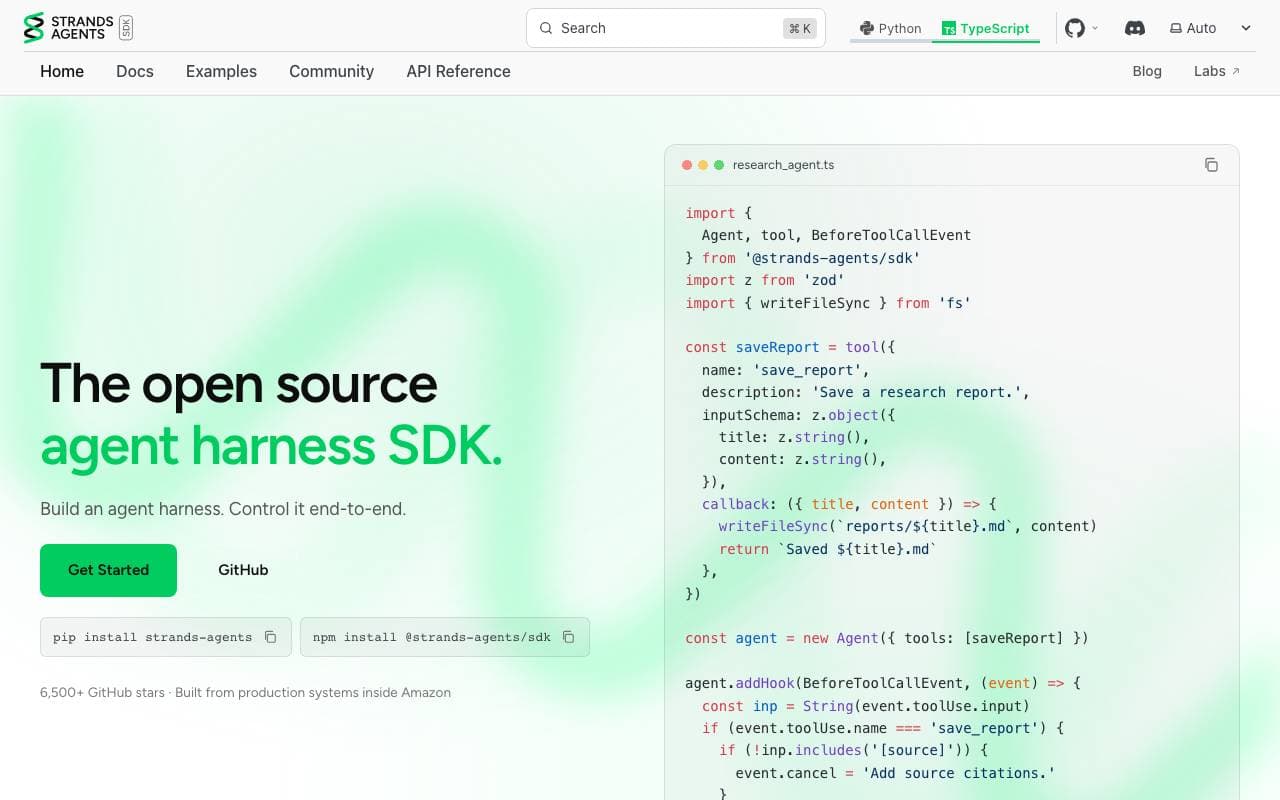

Strands Agents
AI Agent Development Frameworks
Offene-Quellen-SDK für die Erstellung und -Orchestrierung von einzelnen oder mehreren Agentensystemen mit LLMs und Werkzeugintegration
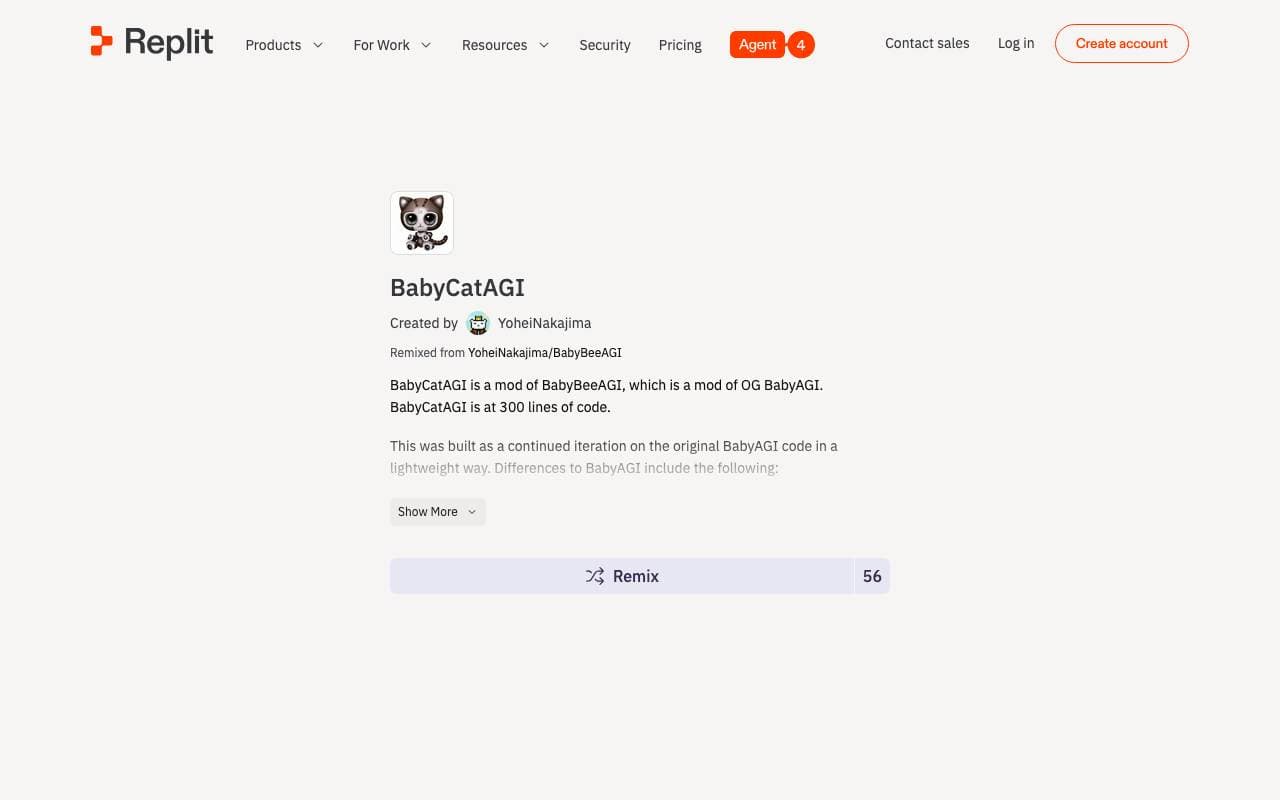

BabyCatAGI
AI Agent Development Frameworks
Leichtbares autonomes Framework für die automatisierte Aufgabenverwaltung
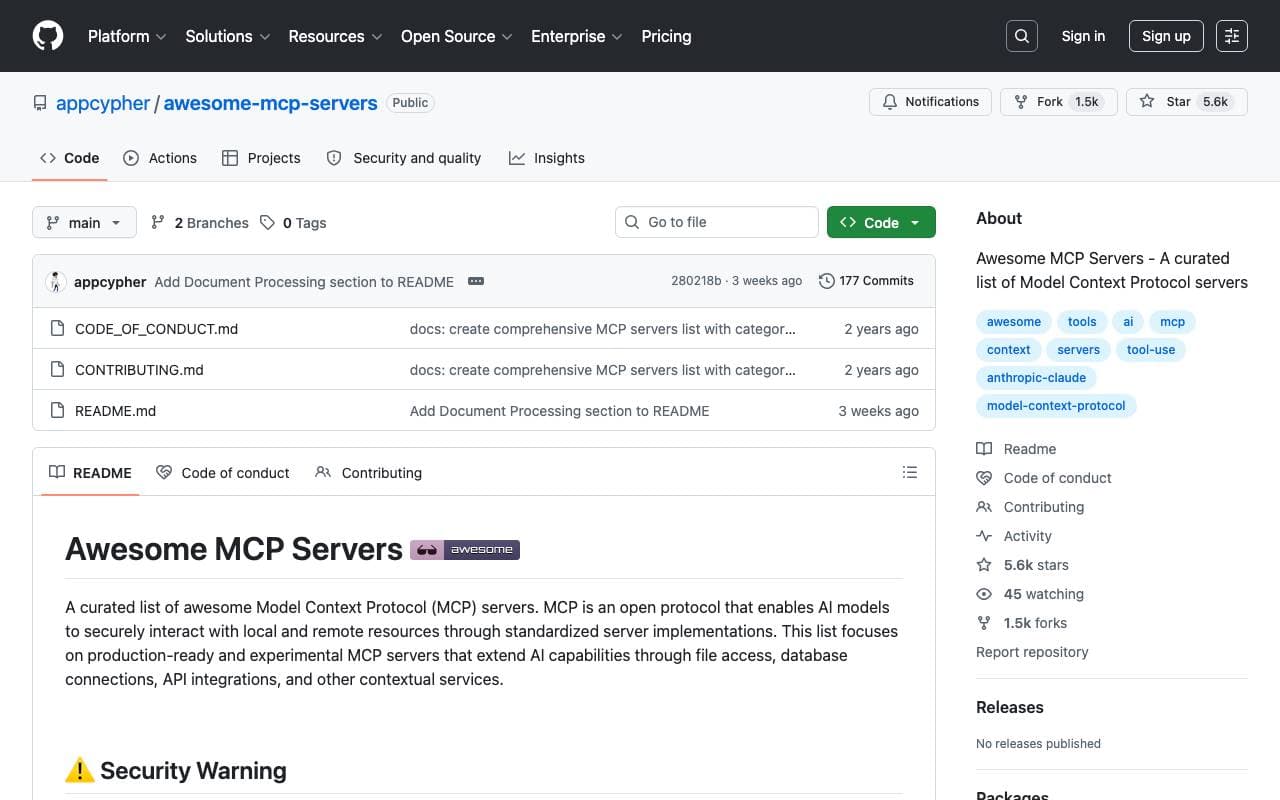

Awesome MCP Servers
AI Agent Development Frameworks
Ein gefördertes Verzeichnis von Model Context Protocol-Servern zur Erweiterung von AI-Assistenten mit Werkzeugen und Daten.
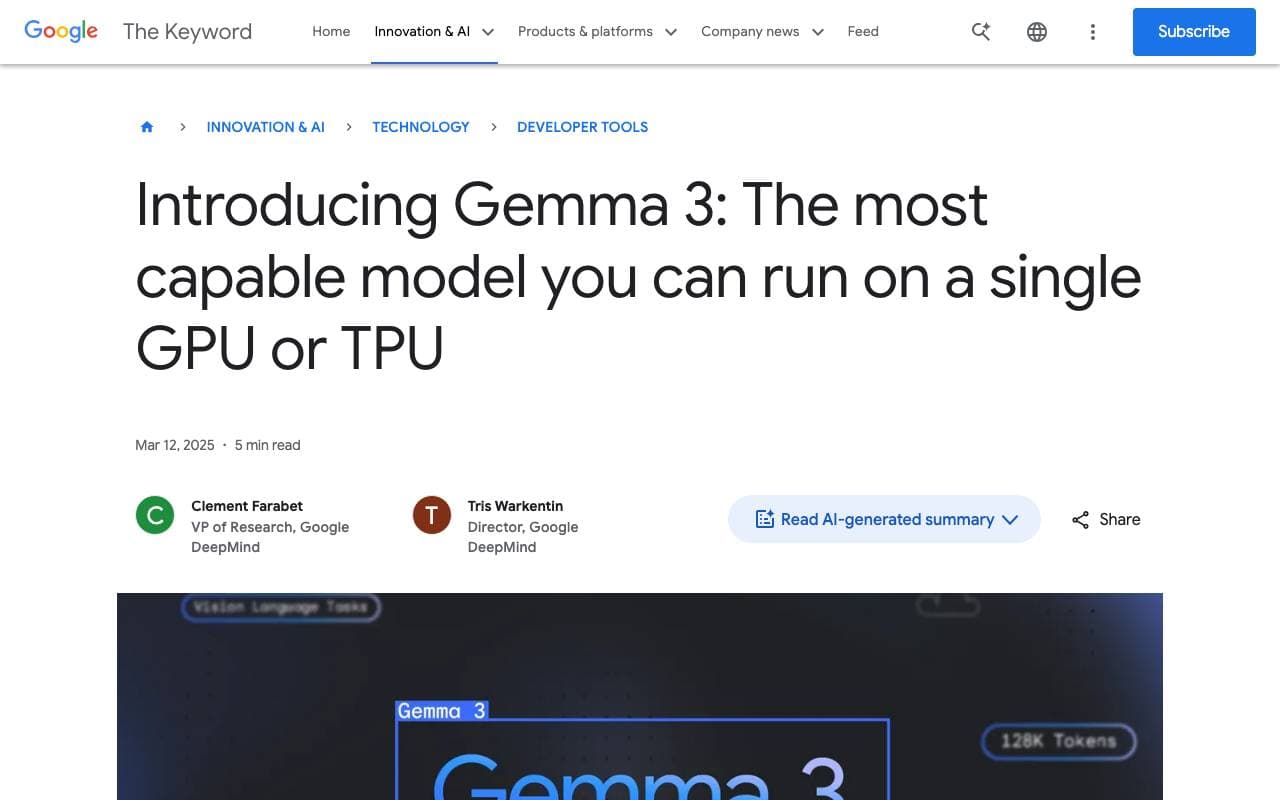

Gemma 3
AI Agent Development Frameworks
Ein offenes AI-Modell für Single-GPU-Leistung optimiert, um multimodale Eingaben und über 140 Sprachen unterstützend.
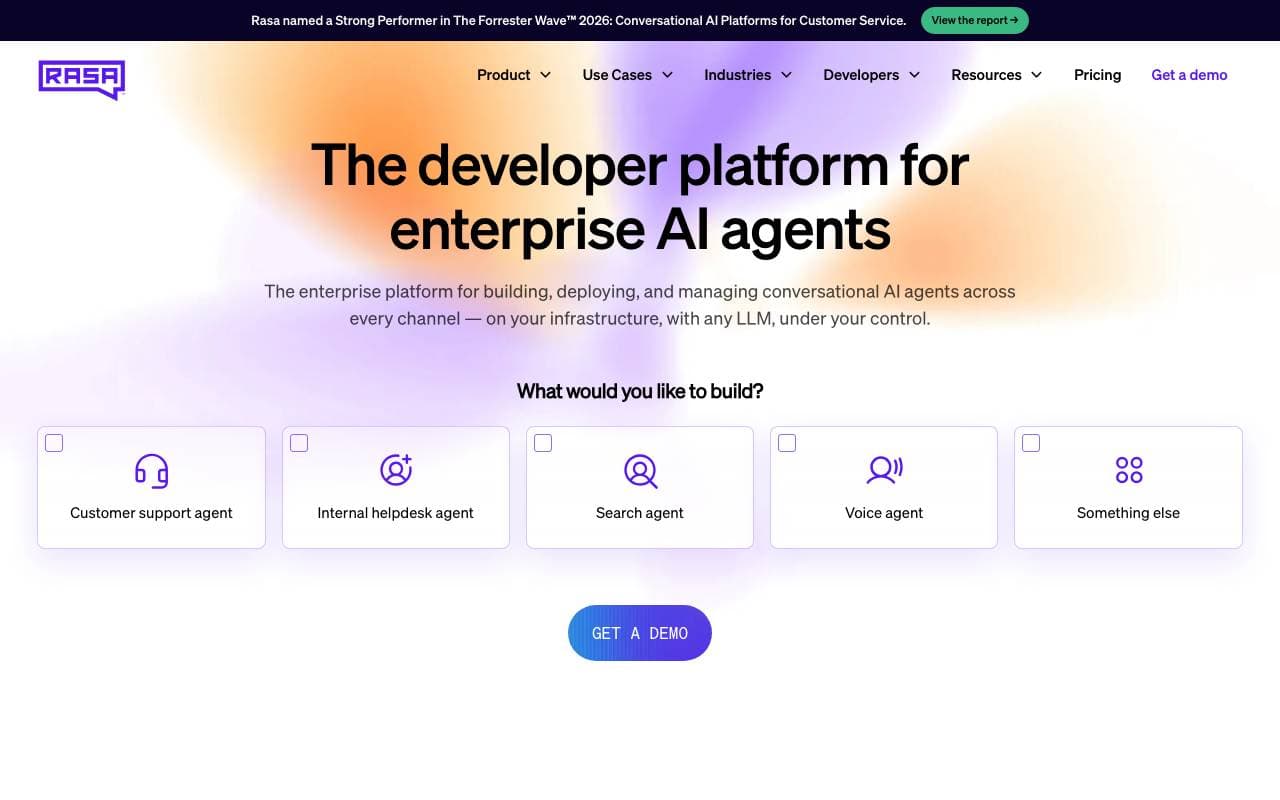

Rasa
AI Agent Development Frameworks
Offener Framework für die Herstellung von Produktionsreif-Chatt- und Sprachassistenten

BabyElfAGI
AI Agent Development Frameworks
Experimentelle AI-Agent-Framework mit einem modularen Skills-Klasse für dynamische Aufgabenermittlung und -ausführung.
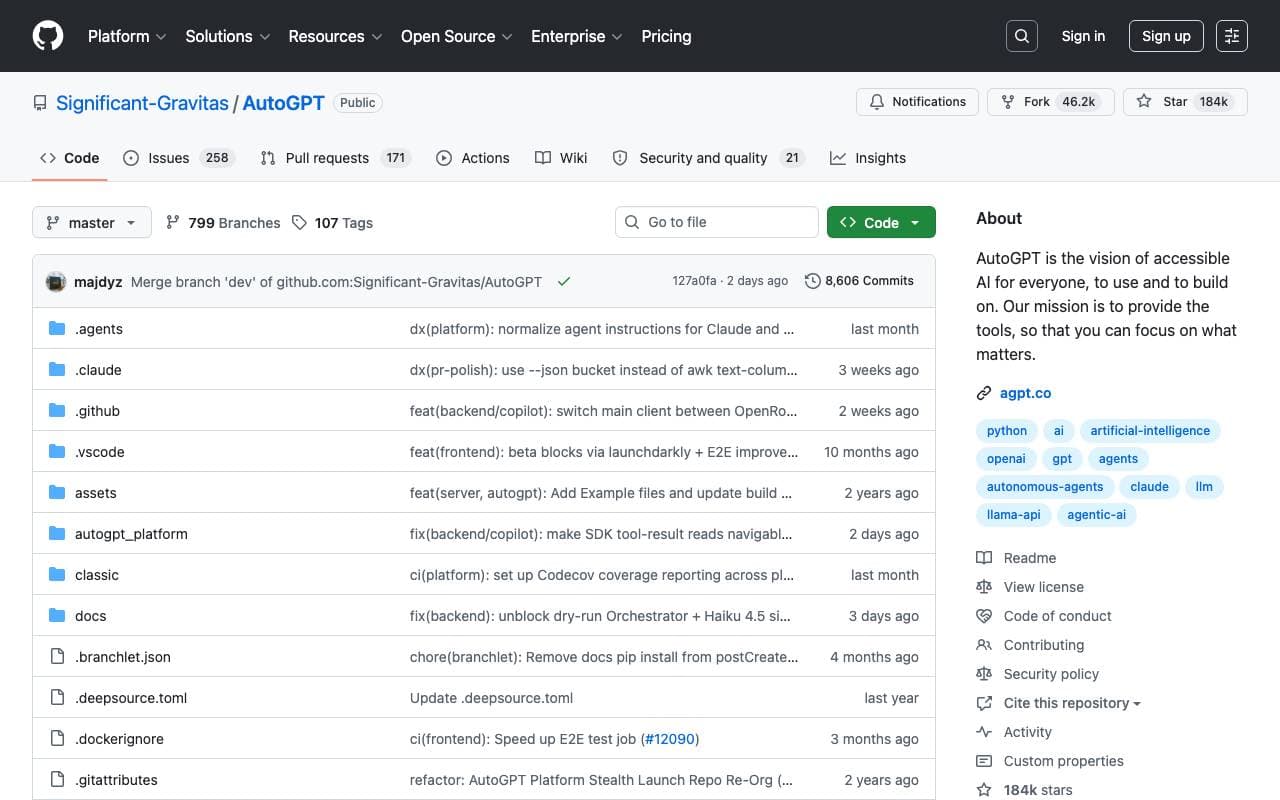

Auto-GPT
AI Agent Development Frameworks
Eine open-Source-AI-Agent, die komplexen Aufgaben autonom mithilfe von GPT-Modellen abschließen kann.
Trending now

Doozer Ai
Sales Agent
Digitale Mitarbeiter, die operative Workflows automatisieren, um die Effizienz von Teams zu steigern.

Claude
AI Agents & Chatbots
Konversations‑KI‑Assistent von Anthropic für Schreiben, Analyse, Programmieren und Dokumentaufgaben
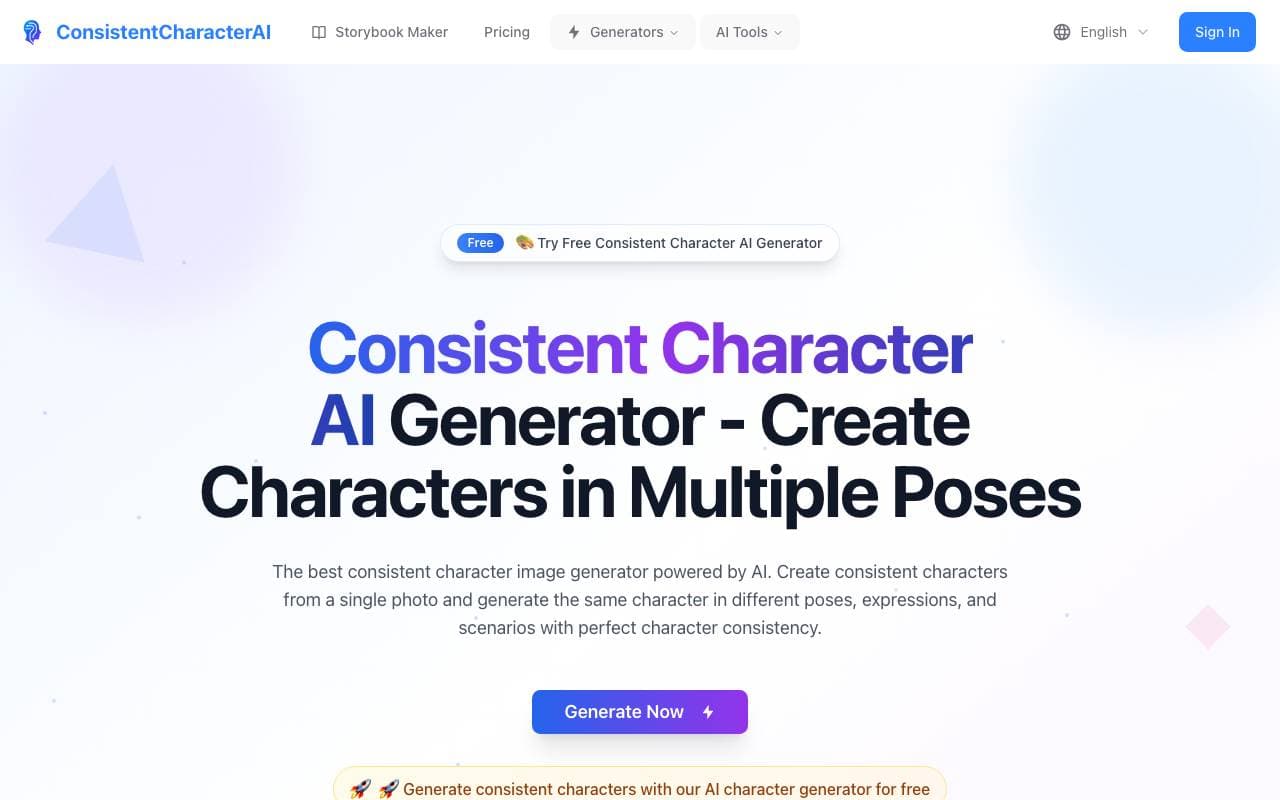

Consistent Character AI
Images
Erstellen Sie konsistente KI-Charaktere über Szenen hinweg aus einem einzigen Referenzfoto.
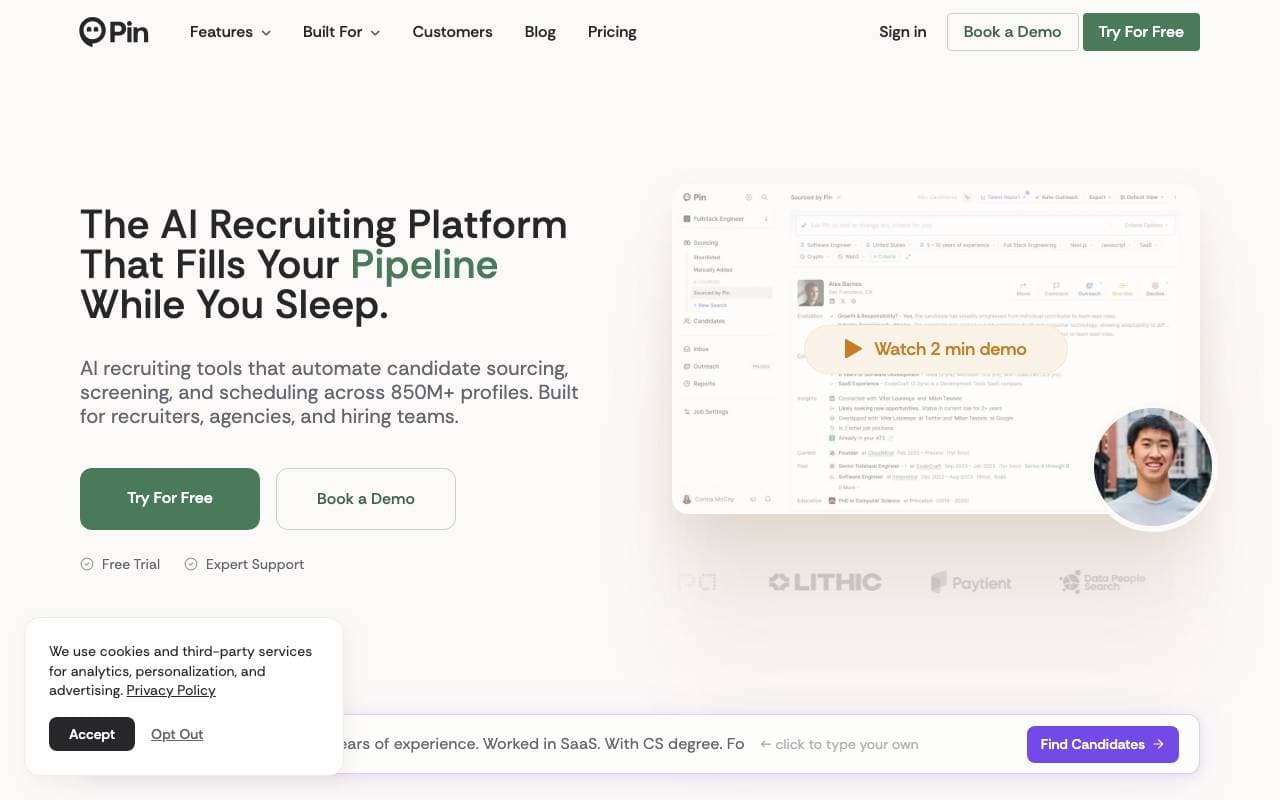

Pin AI
Workflow automation
Agentic AI Recruiter, der Sourcing, Screening und Outreach automatisiert, um den Einstellungsprozess zu beschleunigen.