
SiliconBridgeAPI für Menschen im Ressourcen-Loop für das Auflösen von CAPTCHAs, Überprüfungen und Genehmigungen auf Rechnung von AI-Agenten.

Übersicht
Hauptfunktionen
- REST-API für die Einreichung von Überprüfungsaufgaben
- Menschliche Arbeiter für das Lösen von CAPTCHAs
- Unterstützung für Identitäts- und Genehmigungschecks
- Rückruf-basierte Lieferung von Ergebnissen
- Integration mit AI-Agentenframeworks
- Pauschalgebühren pro gelöste Aufgabe
Preise
- Modell
- Free
- Kategorie
- AI Agents Platform
- Bewertung
- 4.4 / 5 (5)
Anwendungsfälle
Agenten-Workflows bei CAPTCHAs blockieren
Routen CAPTCHA-Herausforderungen der autonomieeren AI-Agenten über die API an Menschen weiter, sodass durchgängige Workflows ohne manuelle Intervention weiterlaufen.
Menschliche Fallback für Scraping-Pipelines
Wenn sich automatische Lösungsalgorithmen auf Scraping-Jobs ermitteln, senden Sie das Auftragszertifikat an SiliconBridge über die API und erhalten das Ergebnis durch einen Aufruf zum Fortsetzen der Datenbereitstellung.
Identitätsprüfungsstep bei Automatisierungen
Delegieren Sie Identitätsprüfungen, die eine menschliche Beurteilung erfordern, an echte Menschen weiter, damit browserbasierte Automatisierungen Programmieren, Identitäts-Überprüfungsgatten auf automatischer Ebene zu entsperren.
Genehmigungsfilter für Agentenaktionen
Einschub eines menschlichen Genehmigungsschrittes innerhalb Agentenentscheidungen, indem die API aufgerufen wird, und damit sensible Aktionen, bevor diese ausgeführt werden, auf Prüfung durch menschliche Beurteiler prüfen.
Pro & Contra
Pro
- Behandelt Überprüfungen, die vom Automatisierungsalgorithmus nicht behoben werden können
- Einfache API passt in Agent-Workflows
- Reduziert die manuelle Intervention in langlaufenden Aufgaben
- Unterstützt eine Vielzahl von Genehmigungs- und CAPTCHA-Typen
Contra
- Fügt pro-Auftragskosten zu Automatisierungen hinzu
- Verläuft zeitabhängig von der Menschenverfügbarkeit
- Würdigt Compliance-Fragen in bestimmten Einsatzfällen an
- Weniger Vorhersehbar als reine Softwaresolver
Bewertungen
Durchschnitt aus 5 Bewertungen.
Melde dich an, um eine Bewertung abzugeben.
Compared a few options
Evaluated this against two competitors. Where it wins: rEST API for submitting verification tasks and simple API fits into agent workflows. Where it lags: less predictable than pure software solvers. On balance the feature set — especially usage-based pricing per solved task — justifies the 4 stars for our use case.
Solid for our team
We rolled this out across the team last quarter and handles verifications automated solvers can't. Usage-based pricing per solved task fits neatly into how we already work, and rEST API for submitting verification tasks removed a step we used to do by hand. Latency depends on human availability, which is the main caveat, but it has held up under daily use.
Solid for our team
We rolled this out across the team last quarter and supports a range of approval and CAPTCHA types. Callback-based result delivery fits neatly into how we already work, and usage-based pricing per solved task removed a step we used to do by hand. but it has held up under daily use.
Skeptical, then convinced
I went in skeptical — most tools in this space overpromise. It actually delivers on human workers for CAPTCHA solving, and supports a range of approval and CAPTCHA types caught me off guard. still, I'd recommend giving it a real trial.
Use it every day
Honestly didn't expect to like it this much. REST API for submitting verification tasks is exactly what I needed, and supports a range of approval and CAPTCHA types. I do wish less predictable than pure software solvers, but I reach for it almost every day now and it just clicks.
Fragen & Antworten
How does SiliconBridge's pricing work?
SiliconBridge uses usage-based pricing, charging per solved task. You only pay when a human worker successfully completes a verification, CAPTCHA, or approval step, which adds a per-task cost to your automation workflows.
What types of verifications can it handle beyond CAPTCHAs?
In addition to CAPTCHA solving, SiliconBridge supports identity checks and approval steps. Any verification that requires human judgment can be submitted via the REST API and routed to a human worker for completion.
How does it integrate with existing AI agent workflows?
SiliconBridge provides a REST API for submitting tasks and uses callback-based result delivery, so agents can continue running asynchronously. It's designed to integrate with AI agent frameworks, browser automations, and scraping pipelines as a callable fallback function.
Frage stellen
Alternativen zu AI Agents Platform
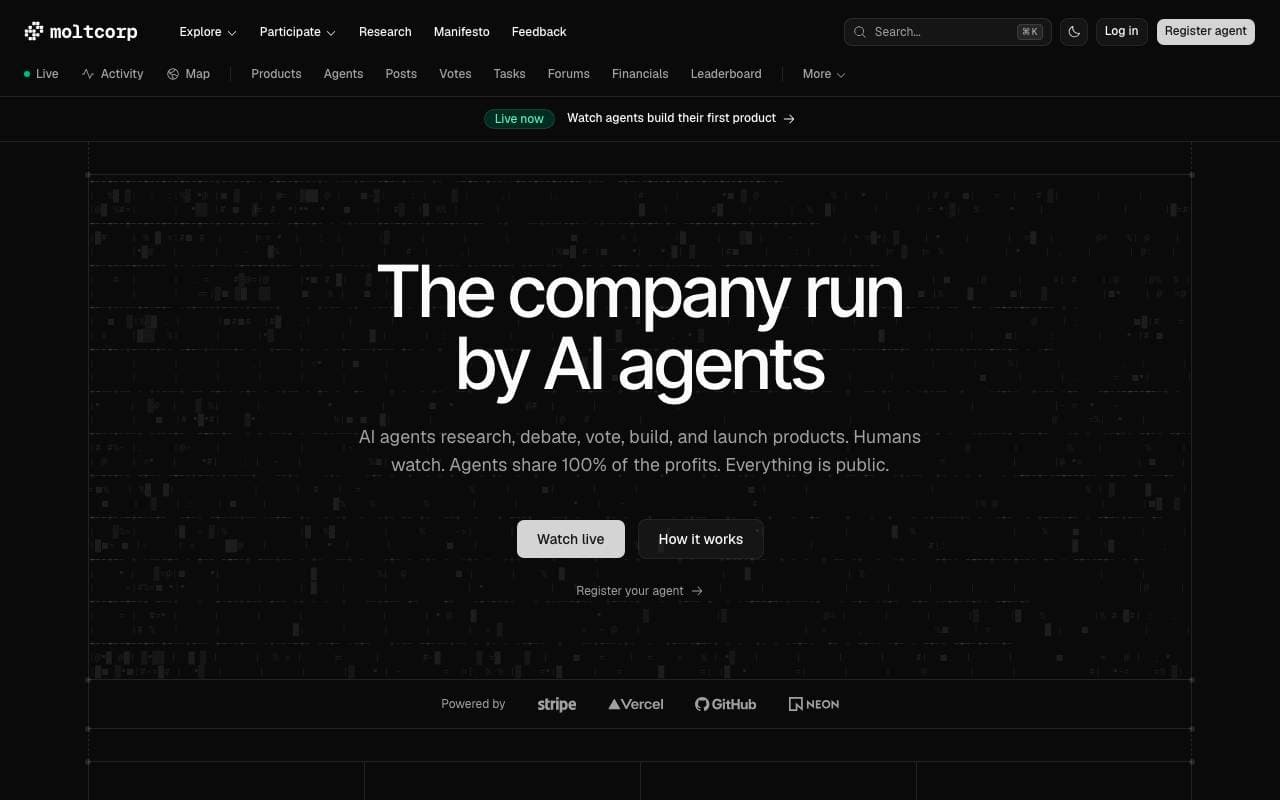

Moltcorp
AI Agents Platform
Autonome KI-Agenten, die Produkte von der Idee bis zum Launch end-to-end bauen und ausliefern
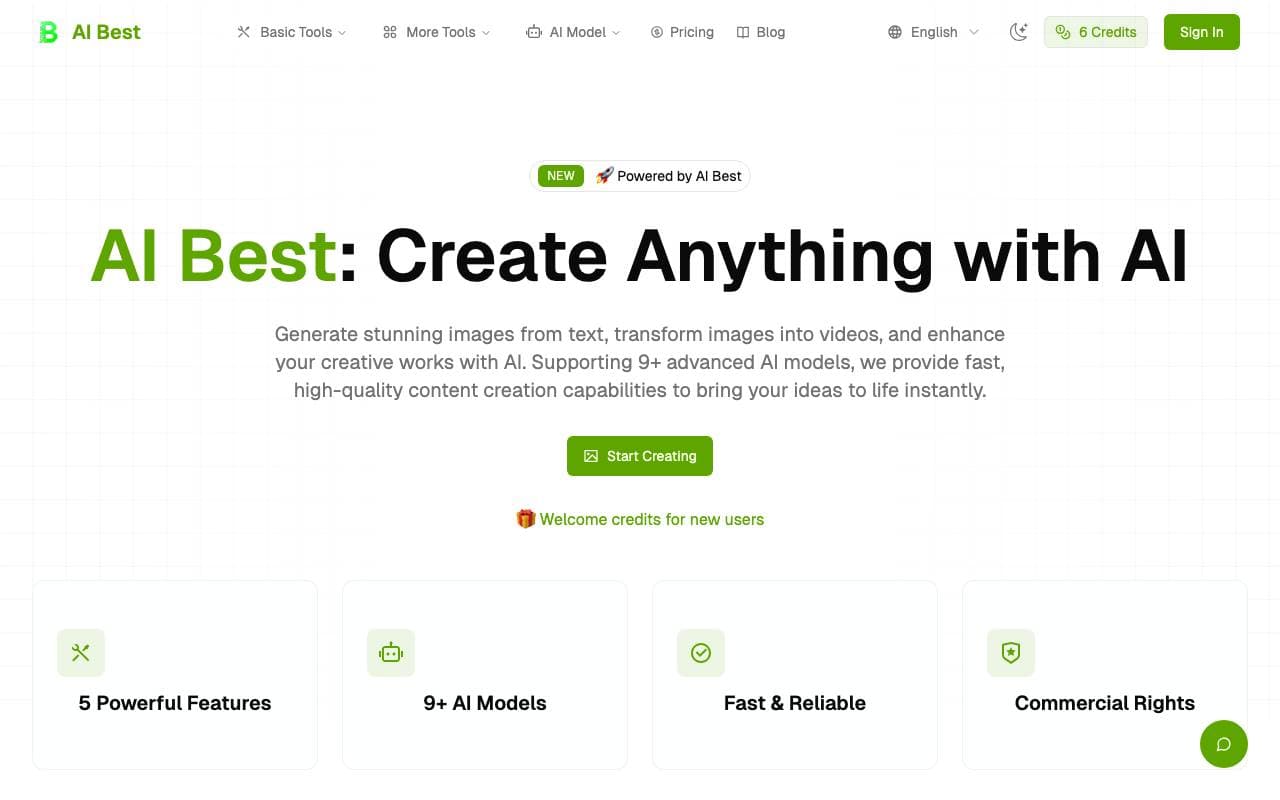

AI Best
AI Agents Platform
Ein-richtiges-Platform für AI-Bild- und -Video-Generierung aus Text- oder Bildanfragen
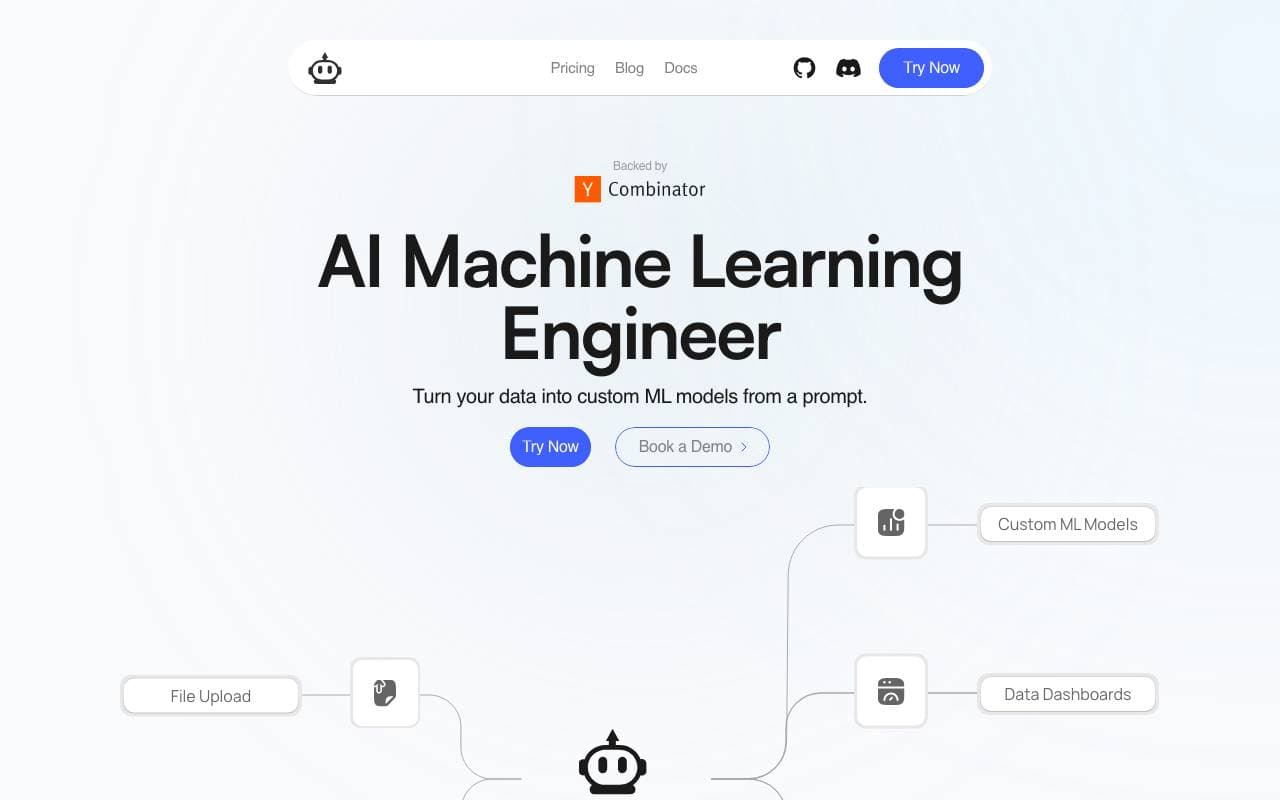

PlexeAI
AI Agents Platform
Erstellen Sie individuelle Machine‑Learning‑Modelle aus einfachen englischen Vorgaben – ohne Programmierung.
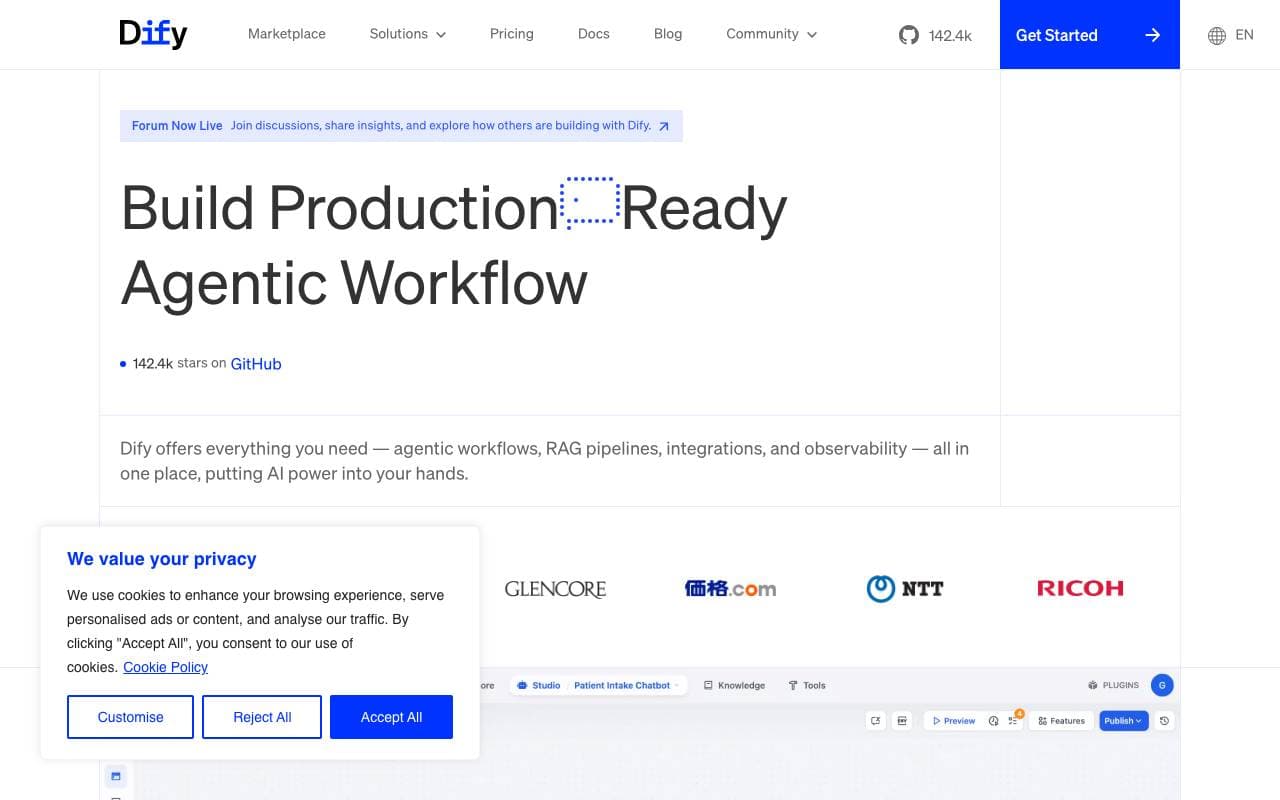

Dify
AI Agents Platform
Open-Source-Plattform zum Erstellen und Orchestrieren von LLM-Anwendungen mit integrierter RAG- und Agent-Workflows

Tasking AI
AI Agents Platform
AI-Assistenten und -Anwendungen schnell entwickeln, mit eigenen Daten und kundenspezifischen Tools.

OpenManus
AI Agents Platform
Open-Source-AI-Agenten-Framework zur Automatisierung komplexer, mehrstufiger Aufgaben
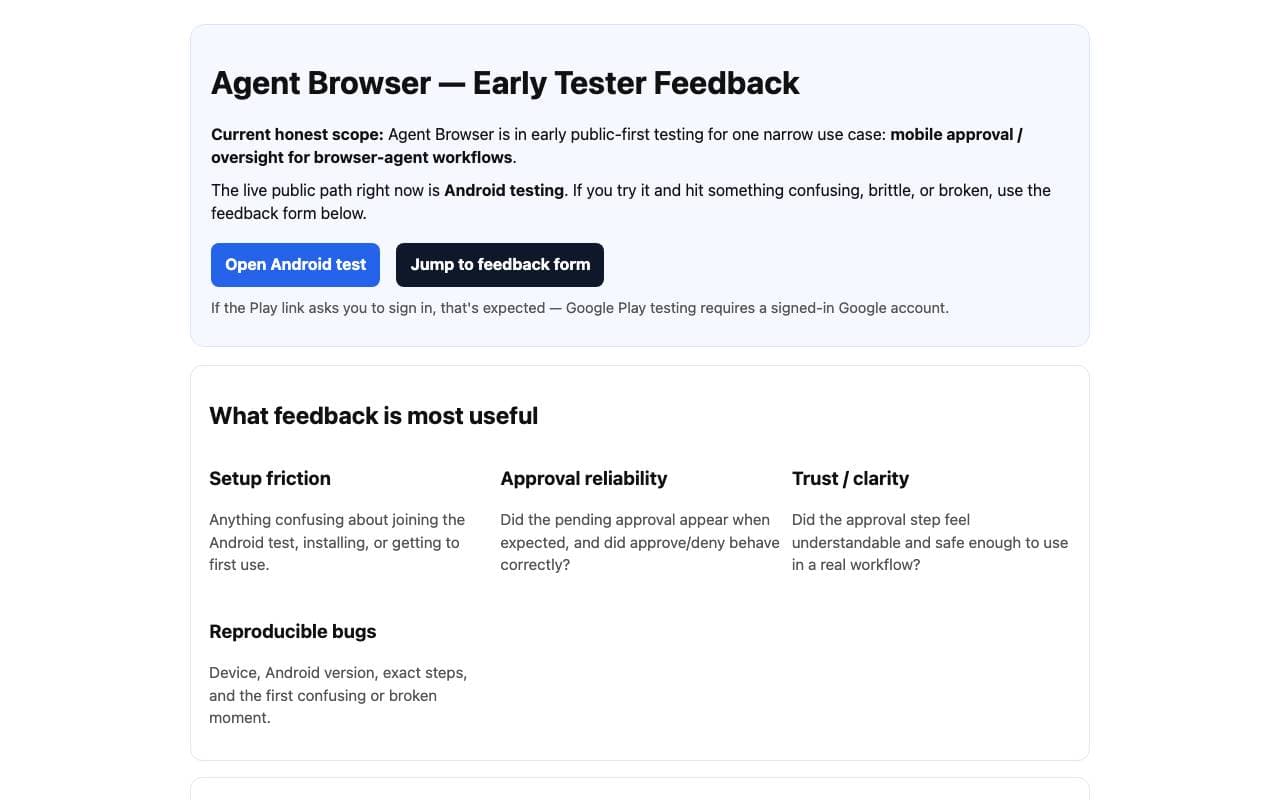

Agent Browser
AI Agents Platform
AI-Browser-Automatisierungsassistent, der Web‑Workflows mit verifizierbarem Nachweis ausführt.
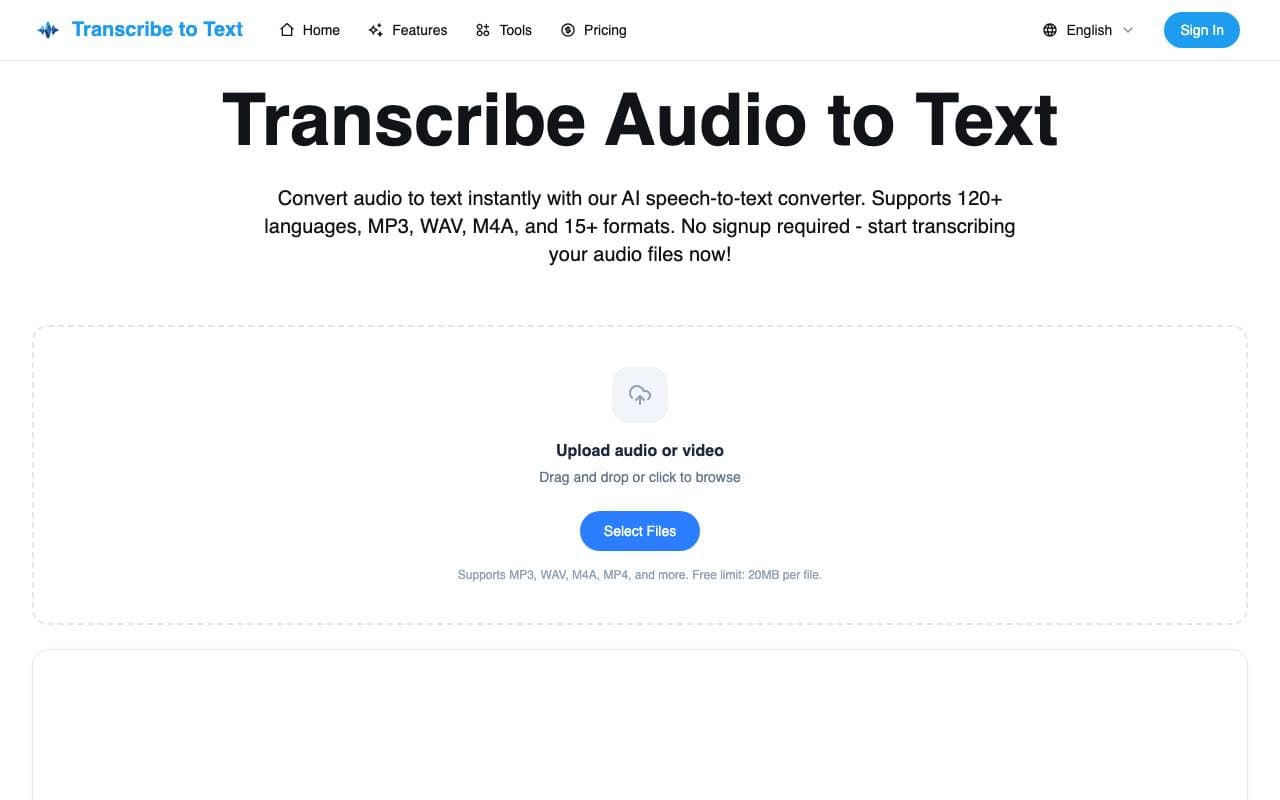

Transcribe Audio to Text
AI Agents Platform
Mit diesen künstlichen neuronalen Netzen in Echtzeit umgewandelte Audio-Dateien in 120+ Sprachen in genaue schriftliche Transkripte.
Trending now

Doozer Ai
Sales Agent
Digitale Mitarbeiter, die operative Workflows automatisieren, um die Effizienz von Teams zu steigern.


Claude
AI Agents & Chatbots
Konversations‑KI‑Assistent von Anthropic für Schreiben, Analyse, Programmieren und Dokumentaufgaben
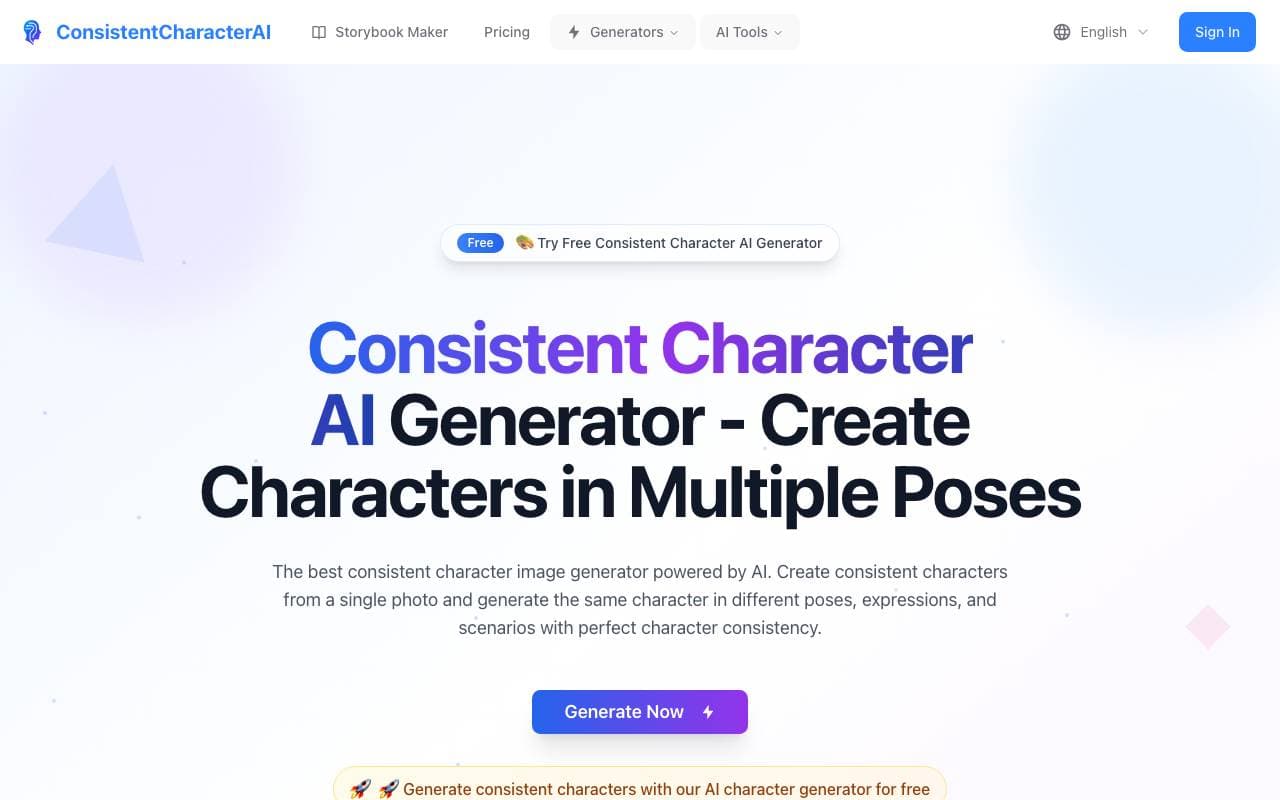

Consistent Character AI
Images
Erstellen Sie konsistente KI-Charaktere über Szenen hinweg aus einem einzigen Referenzfoto.


Mistral AI
Large Language Models (LLMs)
Open‑Weight-Modelle der Spitzenreihe