
Google A2AOffenes Protokoll für sichere Kommunikation zwischen Agenten über verschiedene Systeme hinweg

Übersicht
Hauptfunktionen
- Standardisierte Agent-Entdeckung und Fähigkeitskarten
- Sichere Nachrichtenübertragung zwischen Agenten
- Aufgabendelegation und Statusverfolgung
- Framework-agnostische Spezifikation
- Unterstützung für Streaming- und asynchrone Interaktionen
- Authentifizierungs- und Identitätsprimitive
Preise
- Modell
- Free
- Kategorie
- AI Agent Development Frameworks
- Bewertung
- 4.7 / 5 (6)
Anwendungsfälle
Orchestrierung von Agenten über verschiedene Anbieter hinweg
Koordinieren Sie KI-Agenten, die auf verschiedenen Frameworks und Anbietern basieren, um bei mehrschrittigen Workflows mit einem gemeinsamen Kommunikationsstandard zusammenzuarbeiten.
Sichere Unternehmensagentennetzwerke
Setzen Sie Agenten über Geschäftsbereiche mit Authentifizierung, Identitätsprimitiven und standardisierter Nachrichtenübertragung ein, um eine sichere Zusammenarbeit zwischen Agenten zu gewährleisten.
Agentenentdeckung und -delegation
Ermöglichen Sie Agenten, Fähigkeitskarten zu veröffentlichen, Peers zu entdecken und Aufgaben dynamisch mit Statusverfolgung über verteilte Systeme zu delegieren.
Lang laufende kollaborative Sitzungen
Unterstützen Sie Streaming- und asynchrone Interaktionen für Agenten, die bei erweiterten Aufgaben wie Forschung, Datenverarbeitung oder mehrstufiger Automatisierung zusammenarbeiten.
Pro & Contra
Pro
- Offener Standard reduziert Vendor-Lock-in
- Ermöglicht die Zusammenarbeit von Agenten über verschiedene Frameworks hinweg
- Wird von Google und Branchenpartnern unterstützt
- Integrierte Sicherheits- und Authentifizierungsmuster
- Unterstützt sowohl einfache als auch lang laufende Aufgaben
Contra
- Immer noch in Entwicklung mit begrenztem Reifegrad der Werkzeuge
- Erfordert Implementierungsaufwand für die Adoption
- Ökosystem kompatibler Agenten ist noch im Frühstadium
- Fügt Komplexität gegenüber Single-Vendor-Stacks hinzu
Bewertungen
Durchschnitt aus 6 Bewertungen.
Melde dich an, um eine Bewertung abzugeben.
Skeptical, then convinced
I went in skeptical — most tools in this space overpromise. It actually delivers on framework-agnostic specification, and open standard reduces vendor lock-in caught me off guard. Ecosystem of compatible agents is early-stage is why this isn't a perfect score, still, I'd recommend giving it a real trial.
Does the job
Pretty happy overall. Authentication and identity primitives just works and enables cross-framework agent collaboration. but no dealbreakers — I'd recommend it to a friend without hesitating.
Use it every day
Honestly didn't expect to like it this much. Authentication and identity primitives is exactly what I needed, and backed by Google and industry partners. I do wish requires implementation effort to adopt, but I reach for it almost every day now and it just clicks.
Does the job
Pretty happy overall. Secure message exchange between agents just works and supports both simple and long-running tasks. Ecosystem of compatible agents is early-stage can be annoying, but no dealbreakers — I'd recommend it to a friend without hesitating.
Years in this space
I've evaluated a lot of these over the years. What stands out here is framework-agnostic specification — handled better than most — and built-in security and authentication patterns. Worth the time if this is your use case.
Years in this space
I've evaluated a lot of these over the years. What stands out here is framework-agnostic specification — handled better than most — and built-in security and authentication patterns. Worth the time if this is your use case.
Fragen & Antworten
What does Google A2A actually do and who is it for?
A2A is an open protocol that lets AI agents from different platforms, vendors, and frameworks discover each other, exchange messages, and delegate tasks. It's aimed at developers and enterprises building multi-agent systems who want interoperability without locking into a single vendor or framework.
What are the main limitations of adopting A2A today?
A2A is still evolving, with limited mature tooling and an early-stage ecosystem of compatible agents. Adopting it requires implementation effort and adds complexity compared to staying within a single-vendor stack, so early adopters should expect to build against a moving specification.
How does A2A handle security and authentication between agents?
A2A includes built-in primitives for authentication and identity, defining standard patterns for secure message exchange between agents. It also addresses data handling considerations, so agents across vendors can verify each other and communicate safely during both short requests and long-running sessions.
Frage stellen
Alternativen zu AI Agent Development Frameworks

Wildcard AI / agents.json
AI Agent Development Frameworks
Offene Spezifikation und Plattform, die es AI-Agenten ermöglicht, durch einen agents.json-File API-Workflows zu entdecken und aufzurufen.
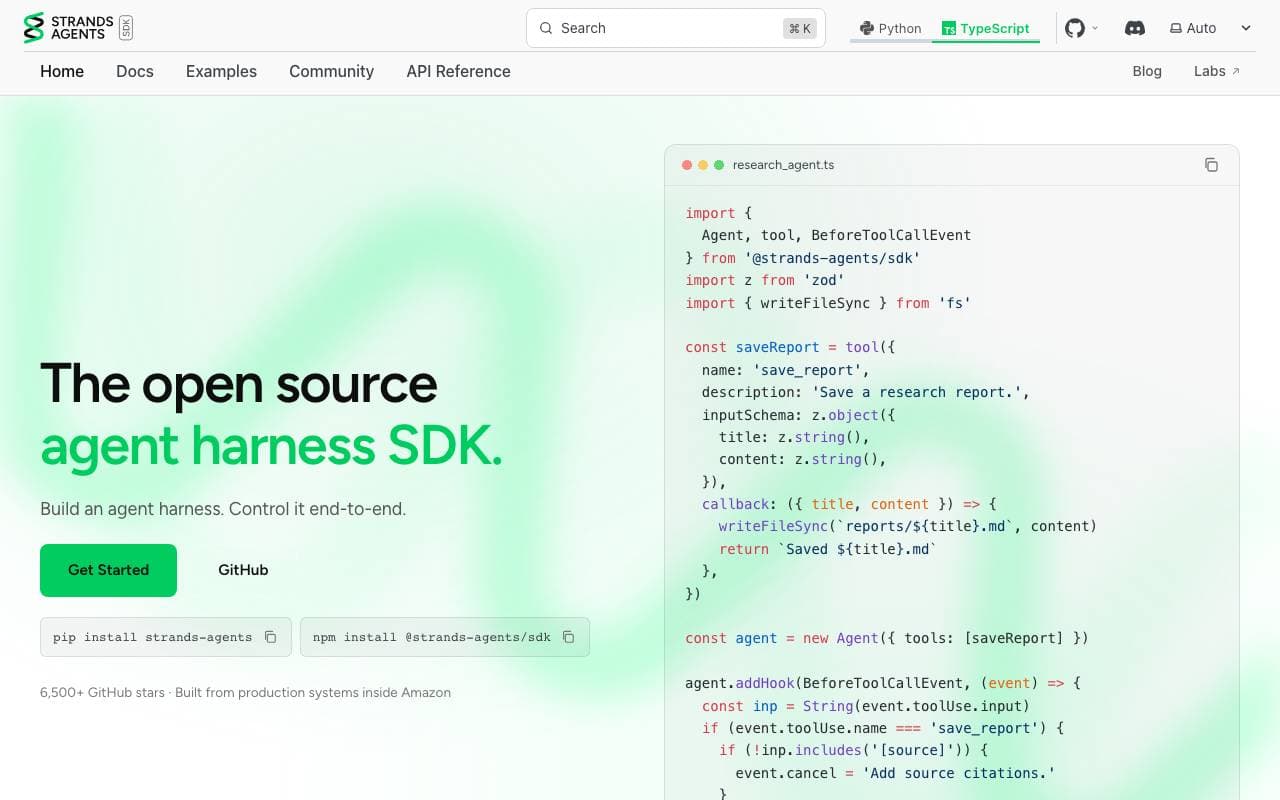

Strands Agents
AI Agent Development Frameworks
Offene-Quellen-SDK für die Erstellung und -Orchestrierung von einzelnen oder mehreren Agentensystemen mit LLMs und Werkzeugintegration

BabyCatAGI
AI Agent Development Frameworks
Leichtbares autonomes Framework für die automatisierte Aufgabenverwaltung
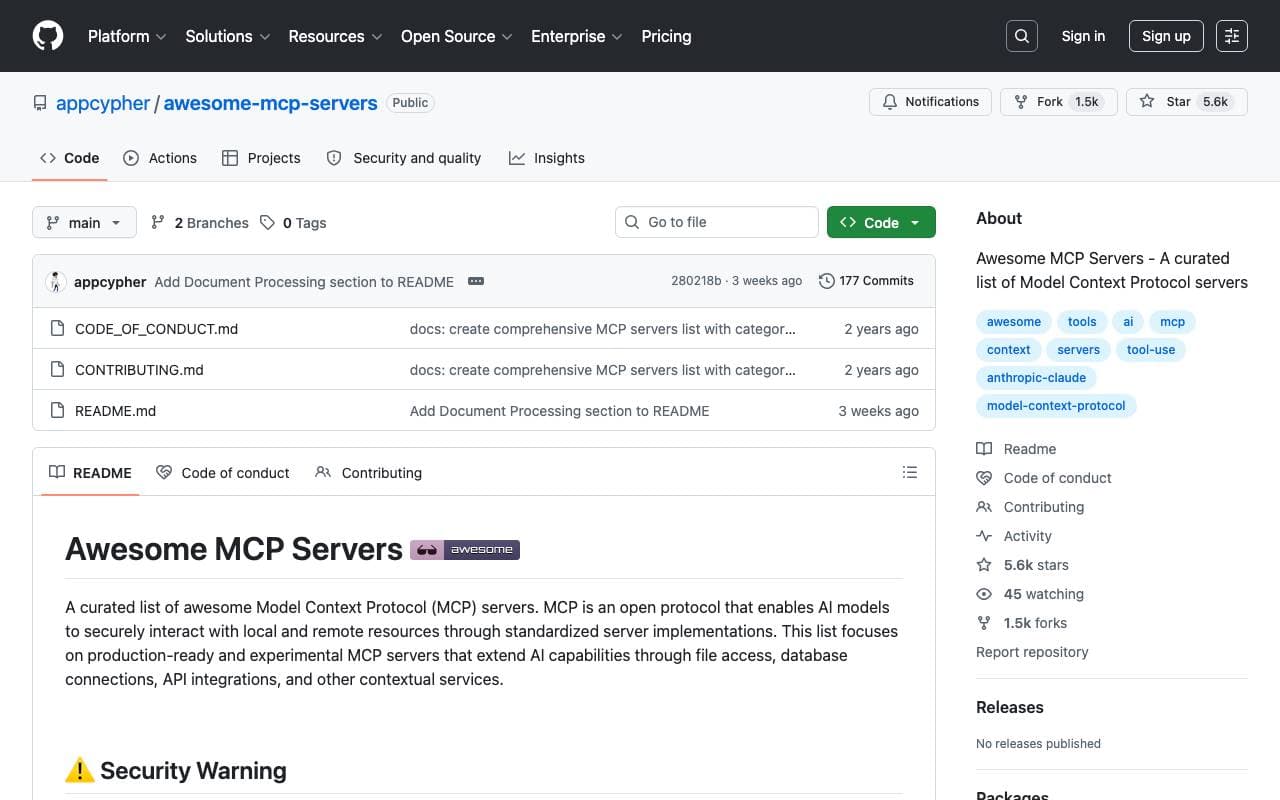

Awesome MCP Servers
AI Agent Development Frameworks
Ein gefördertes Verzeichnis von Model Context Protocol-Servern zur Erweiterung von AI-Assistenten mit Werkzeugen und Daten.
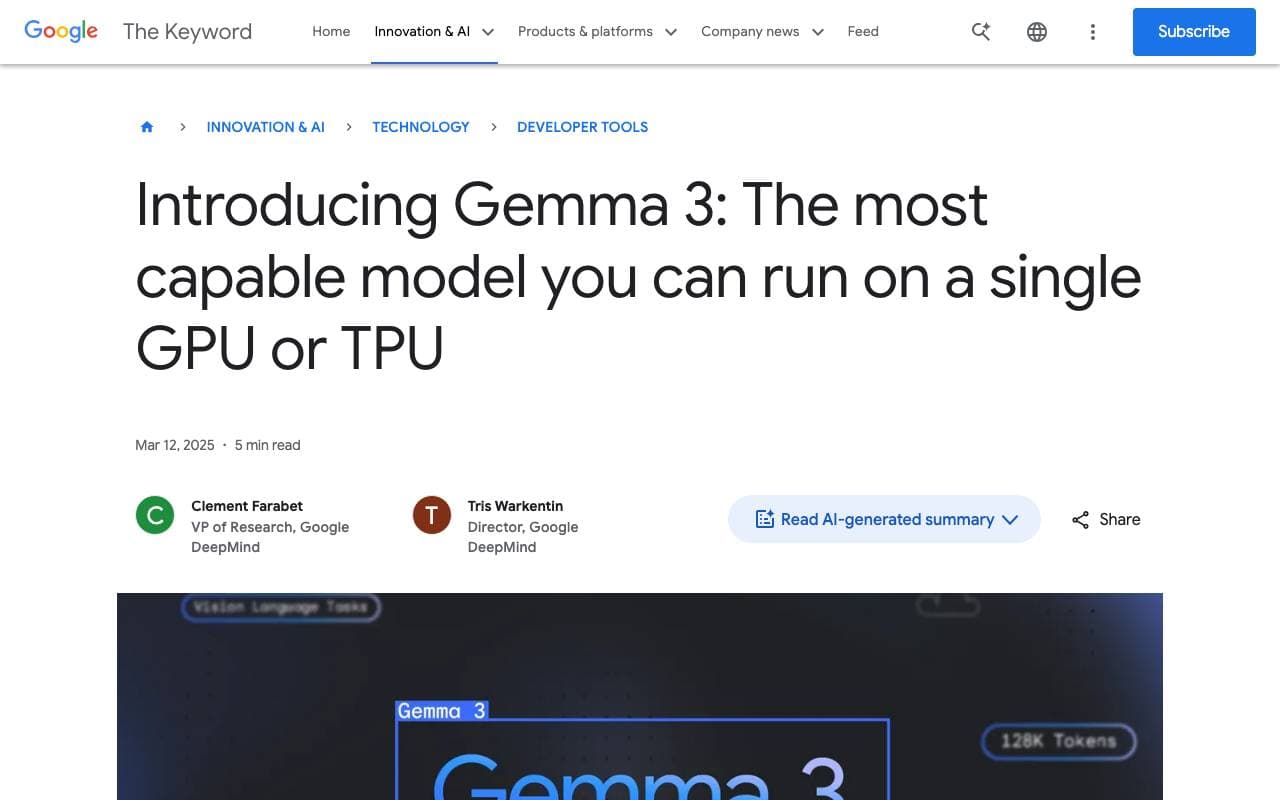

Gemma 3
AI Agent Development Frameworks
Ein offenes AI-Modell für Single-GPU-Leistung optimiert, um multimodale Eingaben und über 140 Sprachen unterstützend.

Rasa
AI Agent Development Frameworks
Offener Framework für die Herstellung von Produktionsreif-Chatt- und Sprachassistenten

BabyElfAGI
AI Agent Development Frameworks
Experimentelle AI-Agent-Framework mit einem modularen Skills-Klasse für dynamische Aufgabenermittlung und -ausführung.

Auto-GPT
AI Agent Development Frameworks
Eine open-Source-AI-Agent, die komplexen Aufgaben autonom mithilfe von GPT-Modellen abschließen kann.
Trending now

Claude
AI Agents & Chatbots
Konversations‑KI‑Assistent von Anthropic für Schreiben, Analyse, Programmieren und Dokumentaufgaben

Doozer Ai
Sales Agent
Digitale Mitarbeiter, die operative Workflows automatisieren, um die Effizienz von Teams zu steigern.
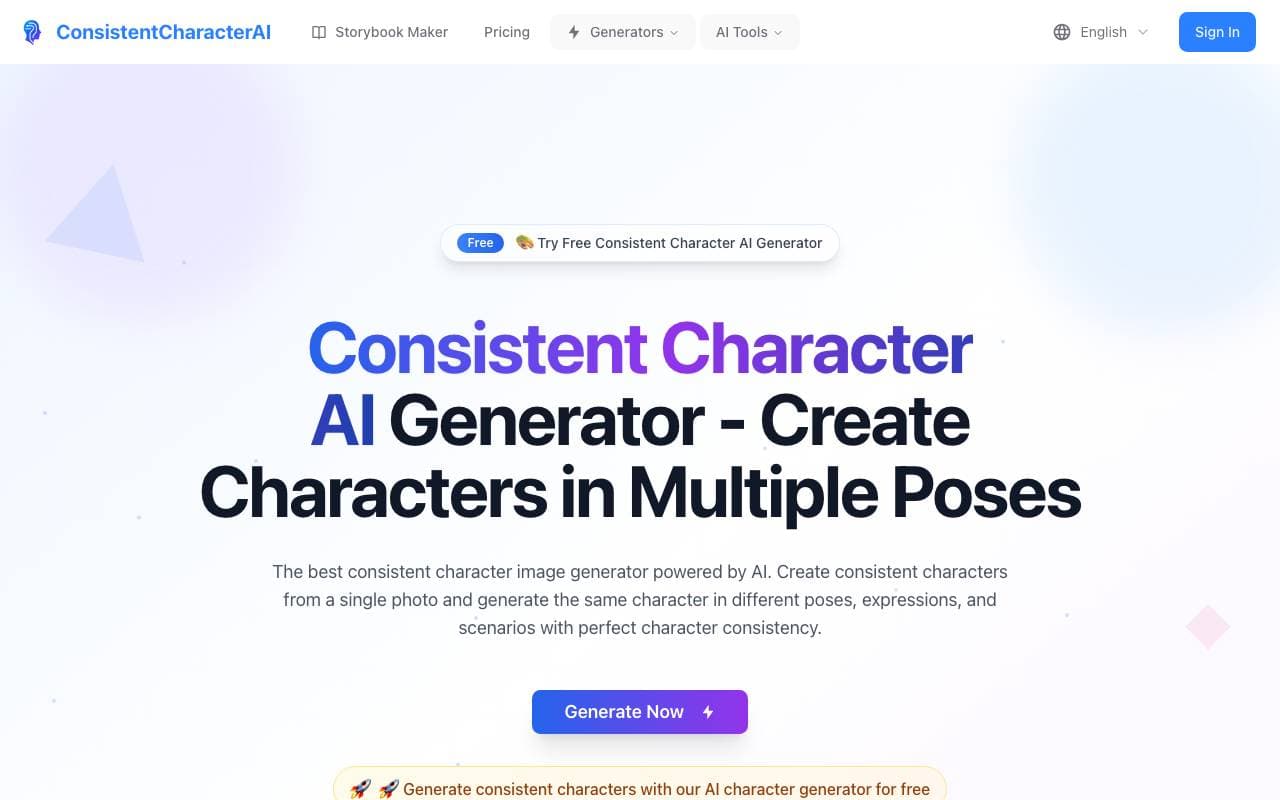

Consistent Character AI
Images
Erstellen Sie konsistente KI-Charaktere über Szenen hinweg aus einem einzigen Referenzfoto.
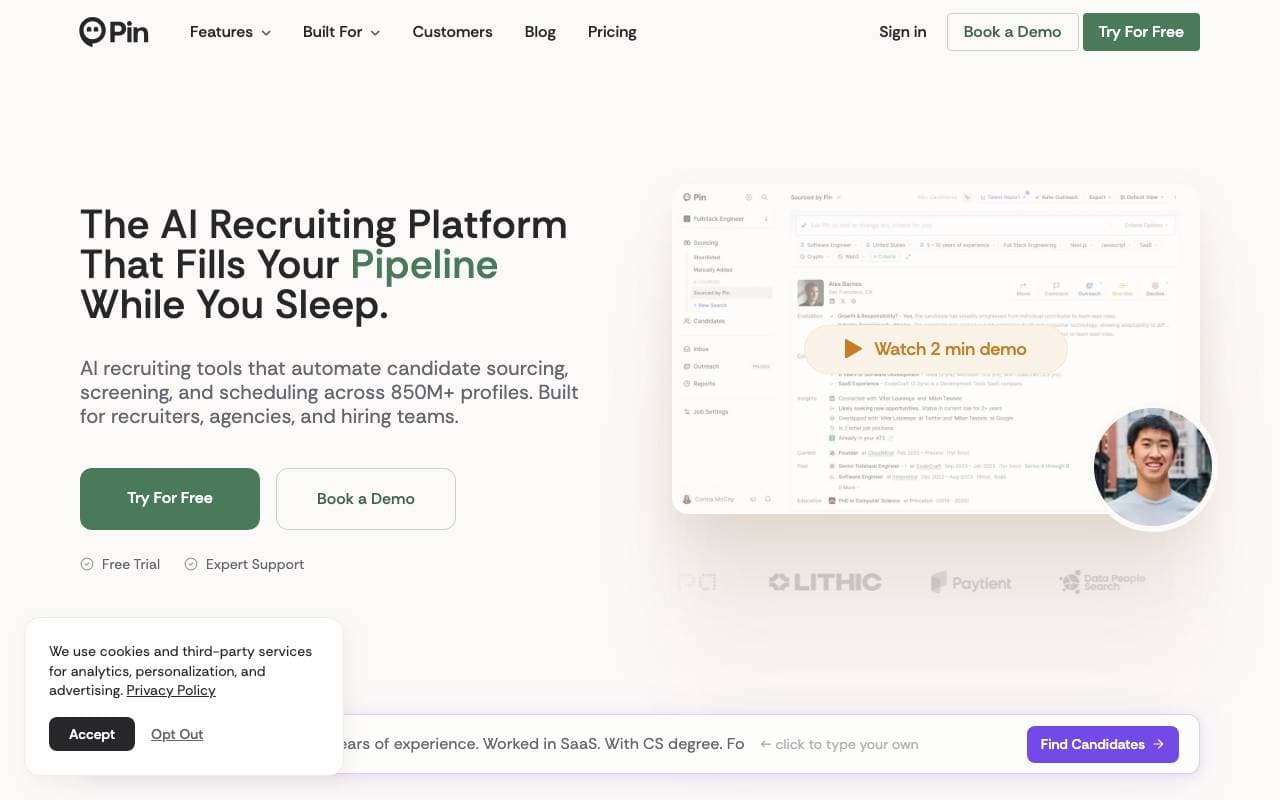

Pin AI
Workflow automation
Agentic AI Recruiter, der Sourcing, Screening und Outreach automatisiert, um den Einstellungsprozess zu beschleunigen.