BabyAGIEksperymentalny framework do budowania autonomicznych agentów AI, samodoskonalących się i napędzanych zadaniami.

Przegląd
Kluczowe funkcje
- Samodzielne tworzenie i priorytetyzacja zadań
- Pętla wykonania napędzana celem
- Rejestr funkcji samodoskonalących się
- Możliwość podłączenia LLM i backendów przechowywania
- Zarządzanie pamięcią i kontekstem
- Oparty na Pythonie i przyjazny dla programistów
Cennik
- Model
- Freemium
- Kategoria
- Autonomous Agent
- Ocena
- 4.5 / 5 (4)
Zastosowania
Prototypowanie autonomicznych agentów AI
Programiści mogą forkać BabyAGI, aby szybko prototypować agentów zorientowanych na zadania, które generują, priorytetyzują i realizują kroki w kierunku użytkownika zdefiniowanego celu przy użyciu LLM.
Badanie systemów samodoskonalących się
Naukowcy badający samodoskonalenie rekurencyjne oraz emergentne zachowanie agentów mogą używać kompaktowego kodu BabyAGI jako platformy testowej dla nowych pętli zadań i strategii pamięci.
Budowanie niestandardowych przepływów pracy agentów
Inżynierowie mogą rozszerzać framework o własne narzędzia, backendy przechowywania i logikę wykonawczą, aby eksperymentować z domenowo specyficznymi autonomicznymi przepływami pracy.
Nauka podstaw pętli agenta
Studenci i praktycy AI mogą studiować czytelny kod Python, aby zrozumieć podstawowe koncepcje stojące za wykonaniem napędzanym celem i pętlami zarządzania zadaniami.
Plusy i minusy
Plusy
- Otwarty kod i łatwe do forkowania
- Kompaktowa, czytelna baza kodu
- Demonstruje podstawowe koncepcje pętli agenta
- Rozszerzalny o własne narzędzia i funkcje
- Aktywna społeczność eksperymentująca
Minusy
- Nie gotowy do produkcji od razu
- Wymaga konfiguracji deweloperskiej i kluczy API
- Może generować wysokie koszty tokenów LLM
- Ograniczone wbudowane środki bezpieczeństwa
Recenzje
Średnia z 4 ocen.
Zaloguj się, aby zostawić recenzję.
Skeptical, then convinced
I went in skeptical — most tools in this space overpromise. It actually delivers on pluggable LLM and storage backends, and active community experimentation caught me off guard. Can incur high LLM token costs is why this isn't a perfect score, still, I'd recommend giving it a real trial.
Compared a few options
Evaluated this against two competitors. Where it wins: memory and context management and demonstrates core agent loop concepts. Where it lags: requires developer setup and API keys. On balance the feature set — especially autonomous task creation and prioritization — justifies the 4 stars for our use case.
Years in this space
I've evaluated a lot of these over the years. What stands out here is python-based and developer-friendly — handled better than most — and compact, readable codebase. Not production-ready out of the box is my one real gripe. Worth the time if this is your use case.
Solid for our team
We rolled this out across the team last quarter and demonstrates core agent loop concepts. Memory and context management fits neatly into how we already work, and python-based and developer-friendly removed a step we used to do by hand. Limited built-in safeguards, which is the main caveat, but it has held up under daily use.
Pytania i odpowiedzi
Brak pytań — zadaj pierwsze.
Zadaj pytanie
Alternatywy dla Autonomous Agent

Olas
Autonomous Agent
Platforma umożliwiająca współwłasność AI poprzez autonomiczne gospodarki agentów, pozwalająca jednostkom uruchamiać agenty AI i zarabiać nagrody
Teammates.ai
Autonomous Agent
Autonomiczni agenci AI, którzy obsługują zadania biznesowe 24/7

Hapax
Autonomous Agent
Platforma AI zaprojektowana specjalnie do zgodności i operacji w sektorze usług finansowych


Infinity AI
Autonomous Agent
Platforma AI generująca wyraziste, mówiące postacie dla różnych mediów.

SDRx
Autonomous Agent
Zautomatyzuj swoje działania outbound z SDRx — zwiększ pipeline 10‑krotnie bez zwiększania liczby pracowników.

Fireflies AI
Autonomous Agent
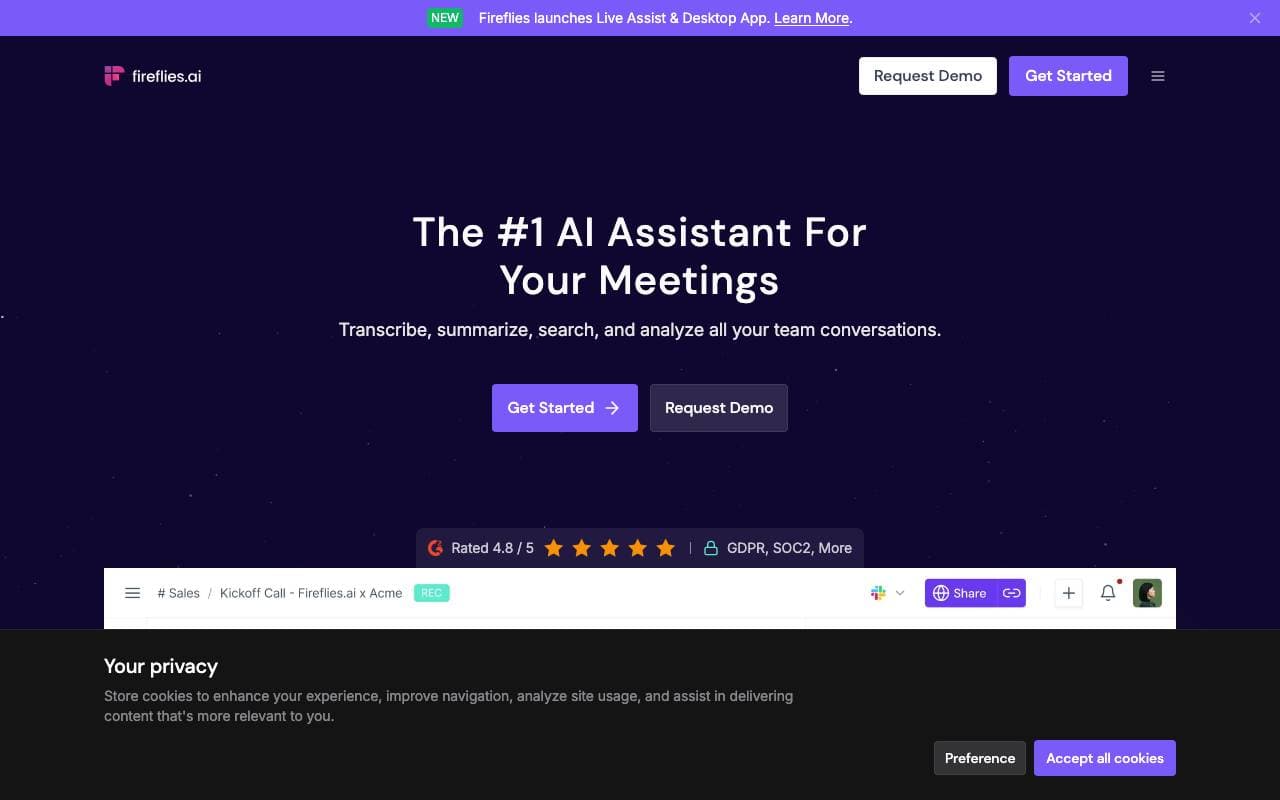
Asystent spotkań AI, który nagrywa, transkrybuje i podsumowuje rozmowy głosowe.


Dydas
Autonomous Agent
Platforma oparta na AI, oferująca zaawansowane narzędzia marketingowe i asystentów agentów, aby zwiększyć produktywność firmy i generowanie leadów.

Scogo AI
Autonomous Agent
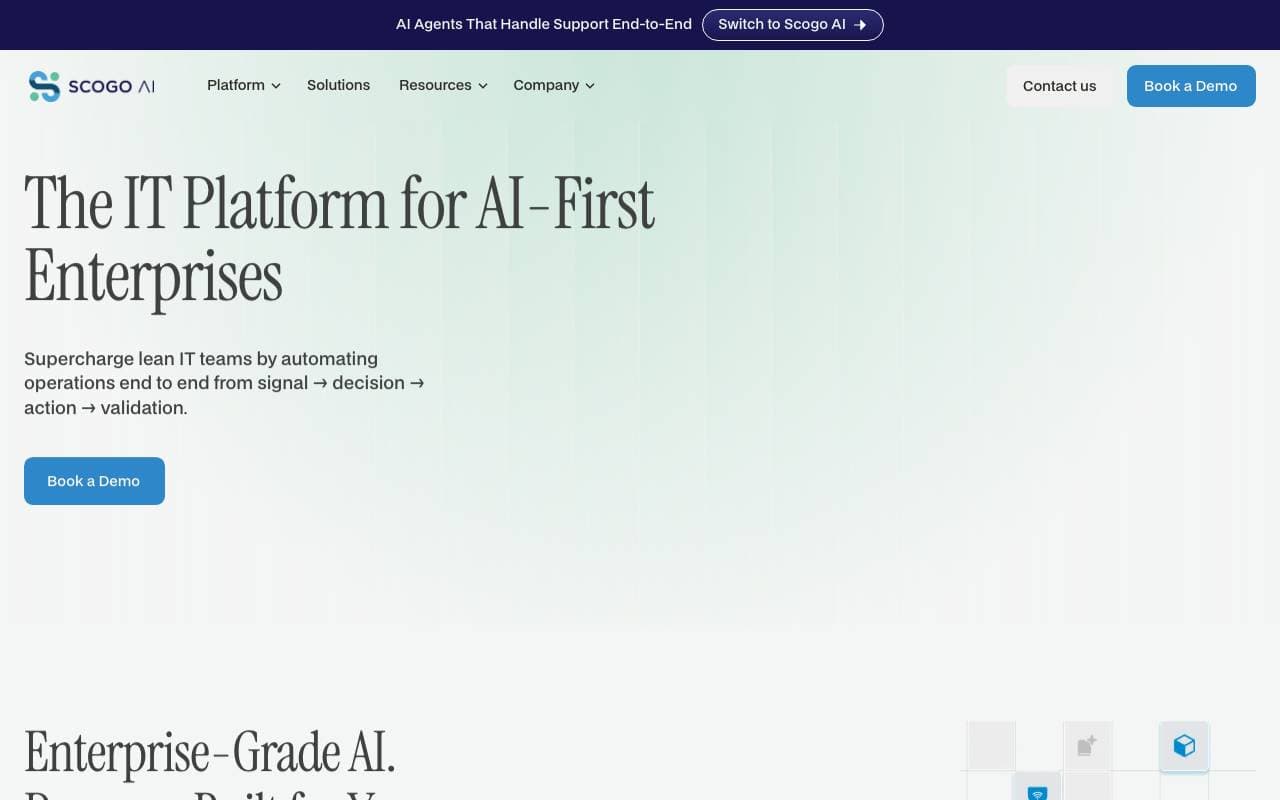
Platforma IT natywnie oparta na AI z autonomicznym agentem SIA dla wsparcia przedsiębiorstwa i zarządzania zasobami.
Trending now


Claude
AI Agents & Chatbots
Konwersyjny asystent AI od Anthropic do pisania, analizy, kodowania i pracy z dokumentami

Doozer Ai
Sales Agent
Cyfrowi współpracownicy, którzy automatyzują operacyjne przepływy pracy, zwiększając wydajność zespołu.

Consistent Character AI
Images
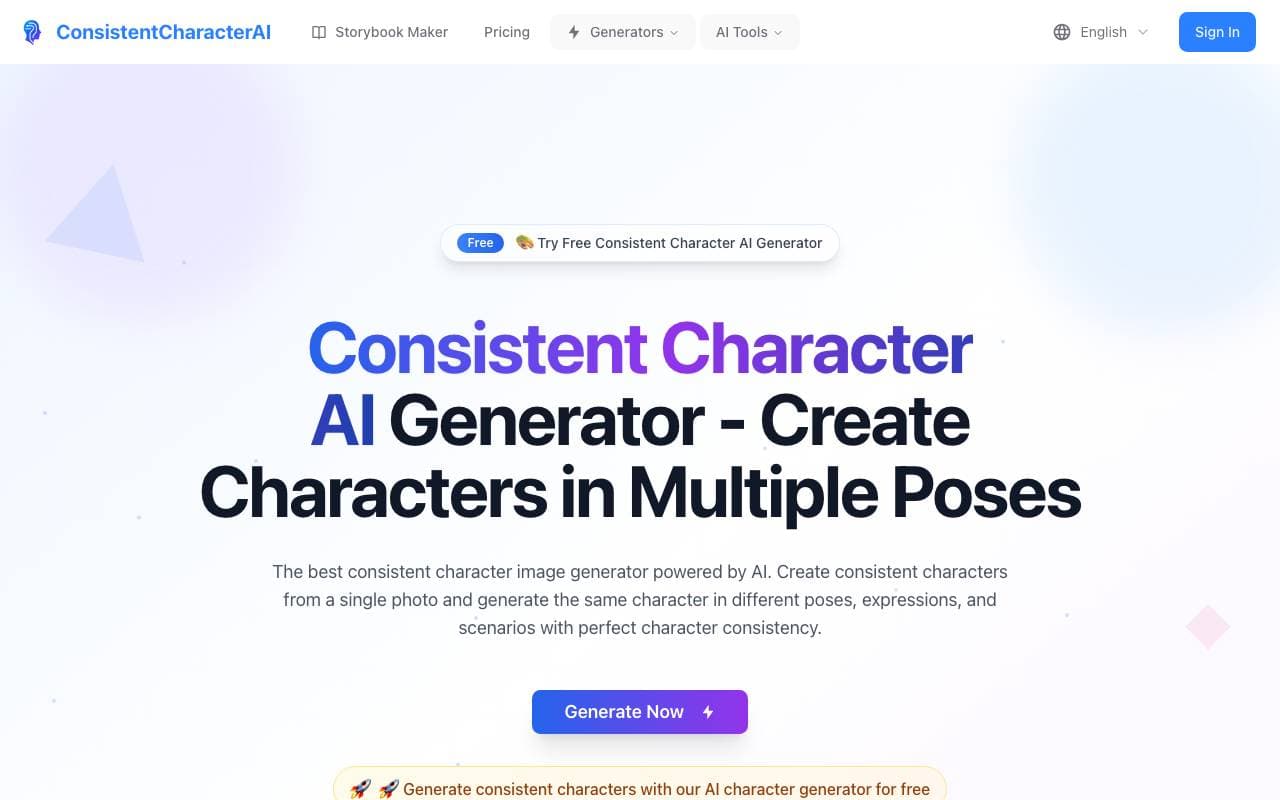
Generuj spójne postaci AI na różnych scenach z jednego zdjęcia referencyjnego.

Reducto AI
AI Agent Development Platforms
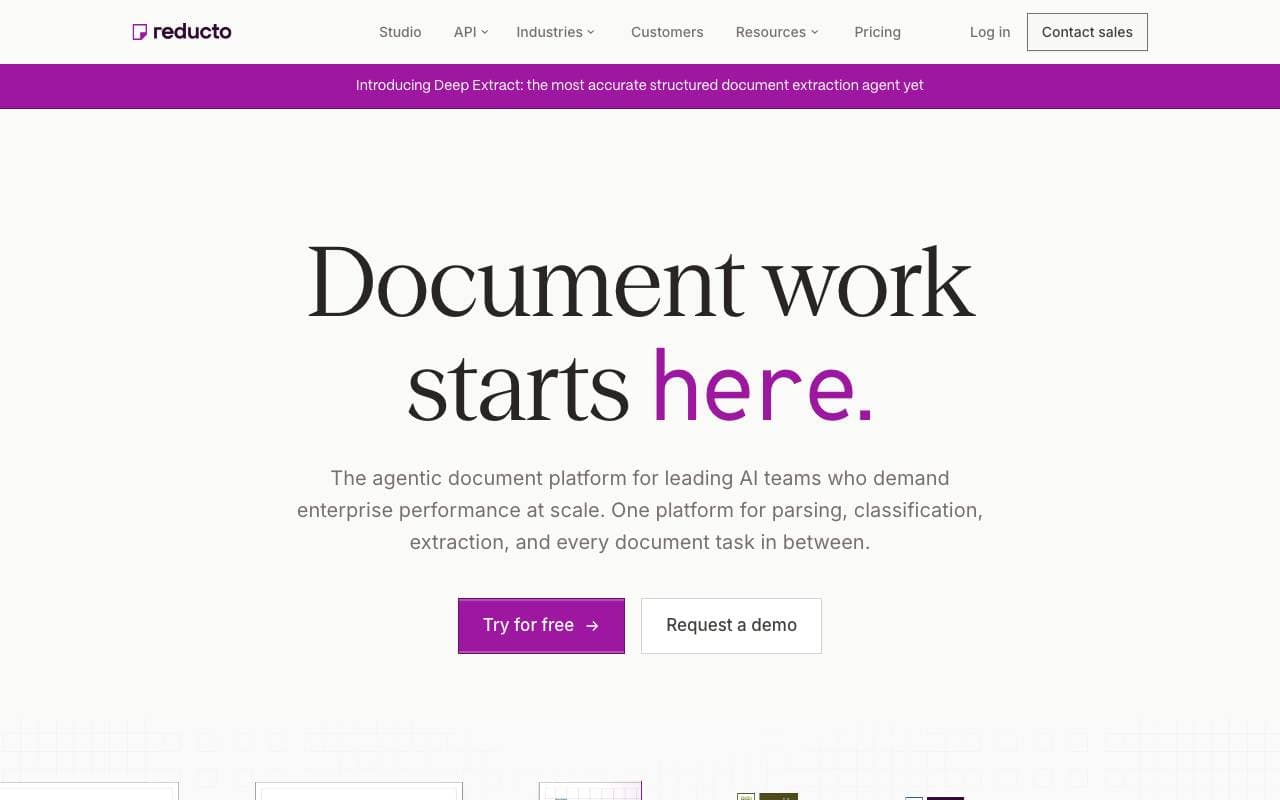
API inteligencji dokumentowej, które analizuje, dzieli, wykonuje OCR i wyodrębnia strukturalne dane z złożonych PDF-ów, slajdów i arkuszy kalkulacyjnych.