
概览
主要功能
- 开源模型家族,具有多个尺寸
- 支持多种语言文本生成和理解
- 支持长上下文
- 精细调整和命令提示变体
- 兼容流行的推理框架
- 适合聊天、编码和代理使用
价格
- 模型
- Freemium
- 评分
- 4.6 / 5 (5)
使用场景
自建私有对话助手
在私有基础设施上部署 Llama 以用于驱动聊天机器人和客户支持助手,保持数据在内部分散,并避免依赖第三方 API 依赖。
领域专用细化
在专有数据集上对 Llama 指令优化的变体进行细化,以创建法律、医疗或技术领域的专用模型。
多语言内容生成
利用 Llama 的多语言能力构建翻译工具、本地化内容生成器或跨语言搜索系统。
代码和代理工作流
将 Llama 用作编码助手、自律代理和上下文长支持的检索增强系统的推理核心。
优点 & 缺点
优点
- 开放的权重使其可进行自主部署和定制
- 拥有强大的多语言和编码性能
- 具有大量社区和工具生态
- 可供不同硬件预算的多种模型尺寸
缺点
- 更大的变体需要大量 GPU 资源
- 许可证有某些商业用途的限制
- 设置和调整需要技术专长
- useCases
- :
- [object Object],[object Object],[object Object],[object Object]
评测
5 个评分的平均值。
登录以留下评测。
Years in this space
I've evaluated a lot of these over the years. What stands out here is compatible with popular inference frameworks — handled better than most — and large community and tooling ecosystem. License has some commercial use restrictions is my one real gripe. Worth the time if this is your use case.
Compared a few options
Evaluated this against two competitors. Where it wins: open-weight model family with multiple sizes and strong multilingual and coding performance. Where it lags: larger variants require significant GPU resources. On balance the feature set — especially suitable for chat, code, and agent use cases — justifies the 5 stars for our use case.
Does the job
Pretty happy overall. Fine-tuning and instruction-tuned variants just works and strong multilingual and coding performance. but no dealbreakers — I'd recommend it to a friend without hesitating.
Use it every day
Honestly didn't expect to like it this much. Fine-tuning and instruction-tuned variants is exactly what I needed, and multiple model sizes for different hardware budgets. I do wish license has some commercial use restrictions, but I reach for it almost every day now and it just clicks.
Compared a few options
Evaluated this against two competitors. Where it wins: fine-tuning and instruction-tuned variants and large community and tooling ecosystem. On balance the feature set — especially suitable for chat, code, and agent use cases — justifies the 5 stars for our use case.
问答
暂无问题 — 来当第一个提问的人吧。
提问
Large Language Models (LLMs) 的替代品


Mistral AI
Large Language Models (LLMs)
开放性边界量级模型


Kore.ai
Large Language Models (LLMs)
一个无代码对话式 AI 平台,帮助企业构建并部署智能虚拟助理。
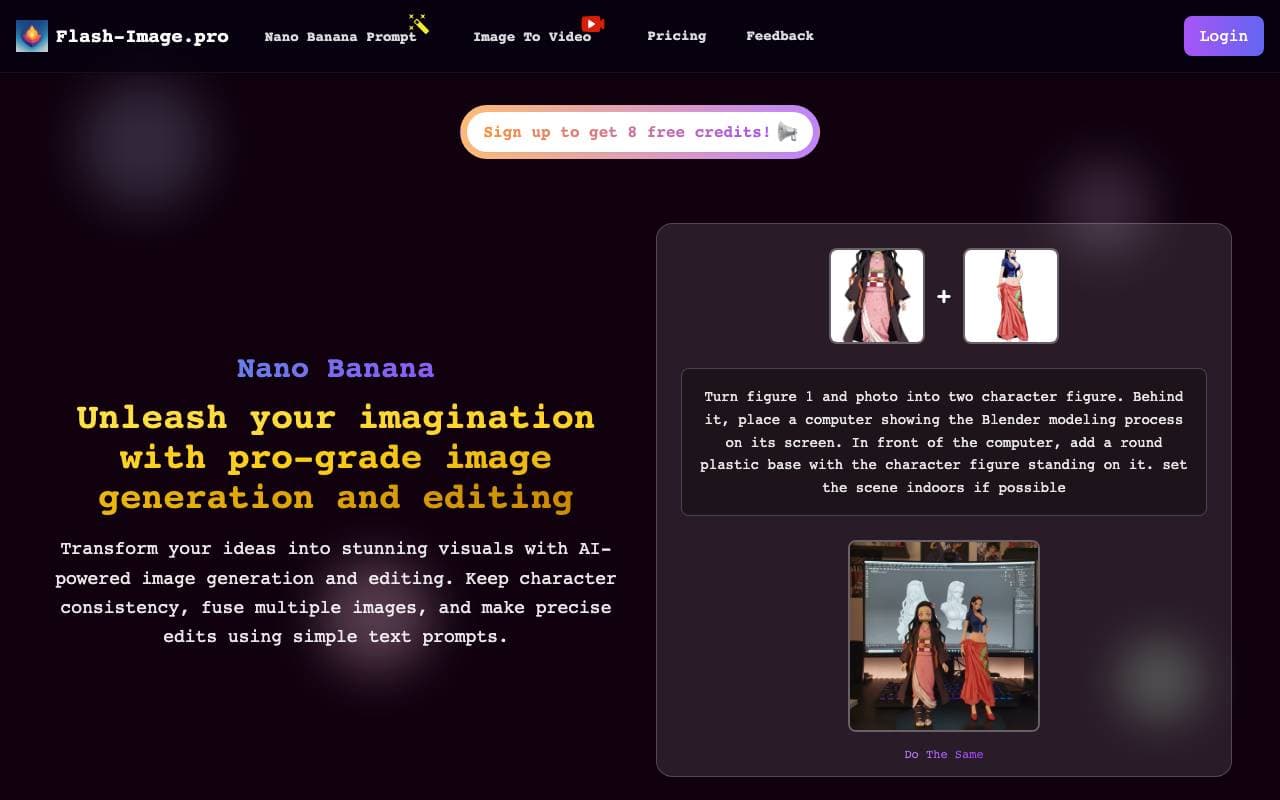

🍌 Nano Banana - Where Ideas Instantly Come to Life, The New Era of AI Image Generation
Large Language Models (LLMs)
基于 Google Gemini 2.5 Flash 的快速 AI 图像生成工具,助力视觉创意快速成型。

Reka AI
Large Language Models (LLMs)
多模态基础模型,理解文本、图像、视频和音频。
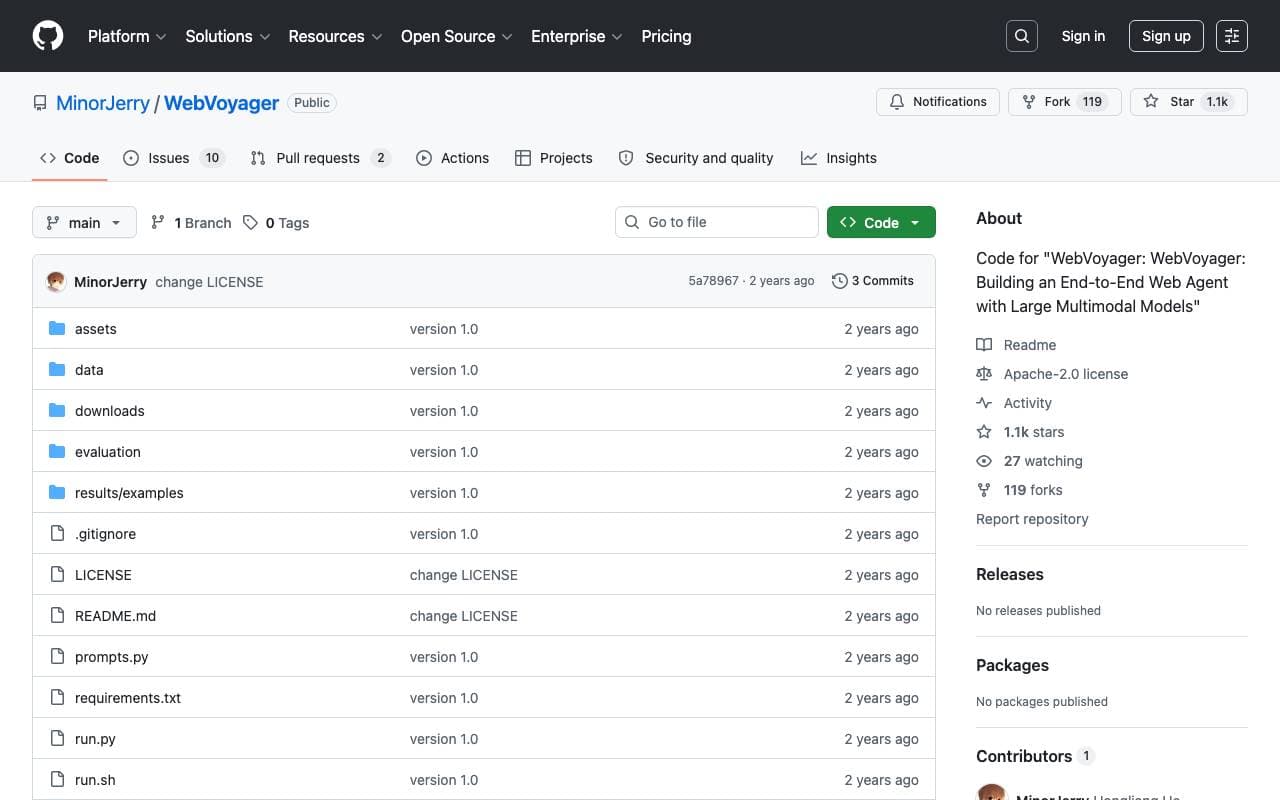

WebVoyager
Large Language Models (LLMs)
LMM驱动的网络代理:即插即用完成用户指令
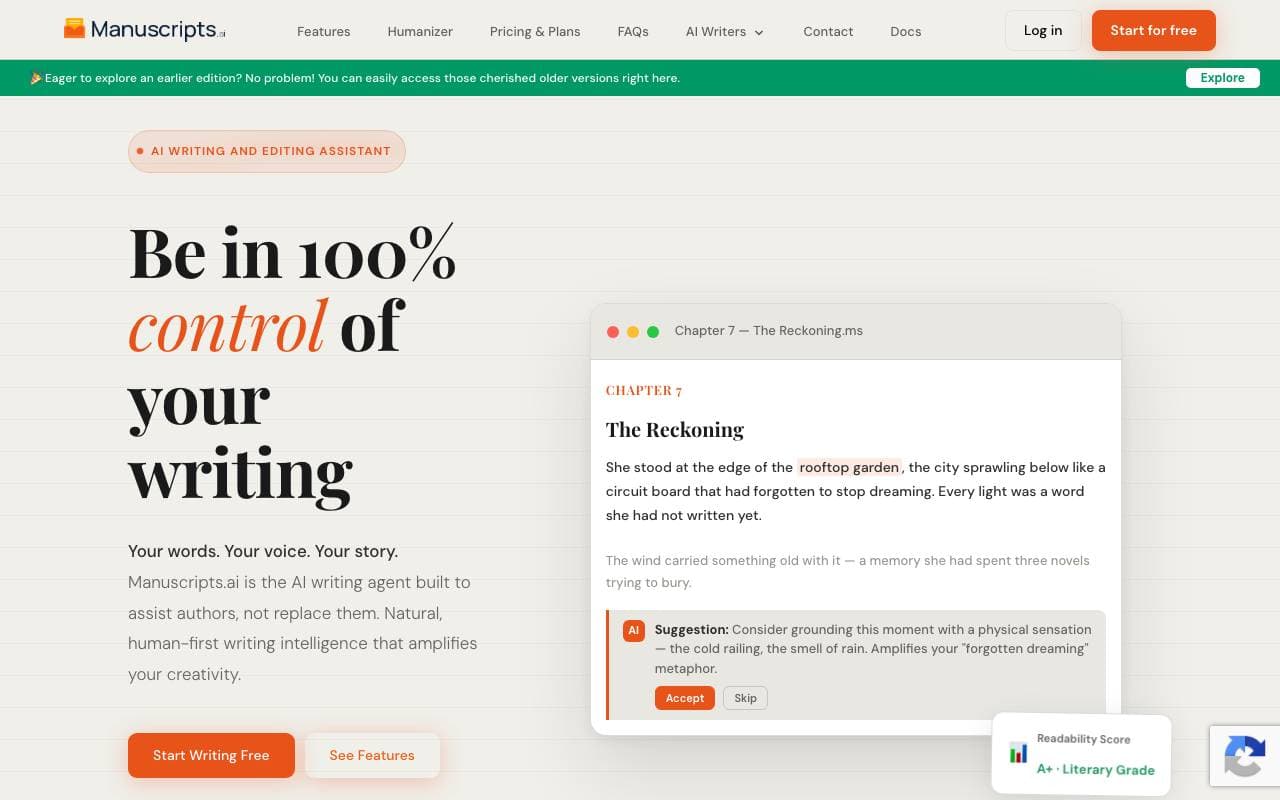

AI Writer
Large Language Models (LLMs)
AI 辅助写作平台,帮助生成、研究与精炼长篇内容


Cohere
Large Language Models (LLMs)
提供面向企业的AI解决方案平台,专注于自然语言处理任务的大型语言模型。
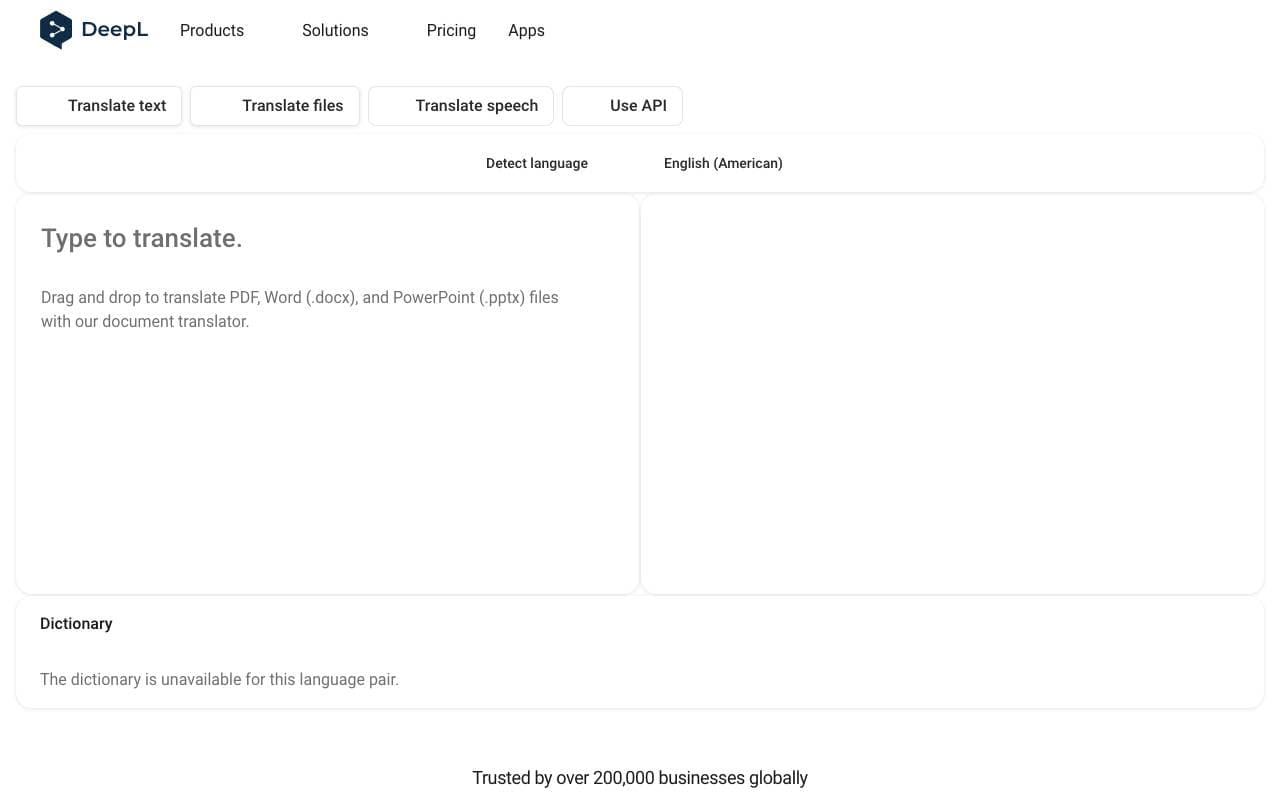

DeepL
Large Language Models (LLMs)
以准确、自然流畅的结果而闻名的神经机器翻译工具,覆盖主要语言。