
RivalzДецентралізований шар штучного інтелекту для безпечного доступу до даних та інфраструктури AI на блокчейні.

Огляд
Ключові функції
- AI Intel layer для доступу до даних
- Фреймворк оркестрації агентів
- Інтеграція децентралізованих обчислень і сховища
- Підтримка джерел даних як on-chain, так і off-chain
- Інструменти для розгортання автономних агентів AI
- Перевірені канали даних для робочих процесів AI
Ціни
- Модель
- Freemium
- Категорія
- AI-безпека
- Рейтинг
- 4.3 / 5 (4)
Кейси використання
Розробка автономних торгових агентів on-chain
Розробники можуть розгортати агентів AI, які отримують перевірені ринкові дані через AI Intel layer і виконують угоди on-chain, не покладаючись на централізованих постачальників даних.
Копілоти для досліджень із перевіреними джерелами
Створюйте AI копілоти, які аналізують дані Web2 та Web3 через децентралізовані конвеєри, надаючи користувачам аудиторні посилання та незмінні ввідні дані для робочих процесів досліджень.
Автоматизація on-chain з агентами AI
Використовуйте фреймворк оркестрації агентів для координації автономних агентів, які спостерігають за подіями блокчейну і ініціюють дії смарт-контрактів на підставі рішень, керованих AI.
Децентралізована інфраструктура AI-додатків
Використовуйте децентралізовані обчислення, сховище й фід-орієнтовані джерела даних для хостингу AI-застосунків, що уникатимуть залежності від одного постачальника, зберігаючи при цьому розподілену власність даних і моделей.
Плюси і мінуси
Плюси
- Децентралізована архітектура знижує залежність від одного провайдера
- Підключає агентів AI до даних як on-chain, так і off-chain
- Інструменти для розробників при створенні автономних агентів
- Зосередженість на перевіреному та аудитованому доступі до даних
Мінуси
- Новий екосистема з еволюцією документації
- Концепції Web3 додають криву навчання для розробників AI
- Продуктивність залежить від учасників децентралізованої мережі
Бойовий рекорд
У 1 битві у Пантеоні.
Last battle
Відгуки
Середнє з 4 оцінок.
Увійди, щоб залишити відгук.
Does the job
Pretty happy overall. AI Intel layer for data access just works and developer tooling for building autonomous agents. Newer ecosystem with evolving documentation can be annoying, but no dealbreakers — I'd recommend it to a friend without hesitating.
Skeptical, then convinced
I went in skeptical — most tools in this space overpromise. It actually delivers on decentralized compute and storage integration, and connects AI agents to both on-chain and off-chain data caught me off guard. still, I'd recommend giving it a real trial.
Compared a few options
Evaluated this against two competitors. Where it wins: support for on-chain and off-chain data sources and decentralized architecture reduces single-provider dependency. Where it lags: performance depends on decentralized network participants. On balance the feature set — especially decentralized compute and storage integration — justifies the 4 stars for our use case.
Skeptical, then convinced
I went in skeptical — most tools in this space overpromise. It actually delivers on aI Intel layer for data access, and decentralized architecture reduces single-provider dependency caught me off guard. Performance depends on decentralized network participants is why this isn't a perfect score, still, I'd recommend giving it a real trial.
Питання
Поки немає питань — постав перше.
Постав питання
Альтернативи AI-безпека
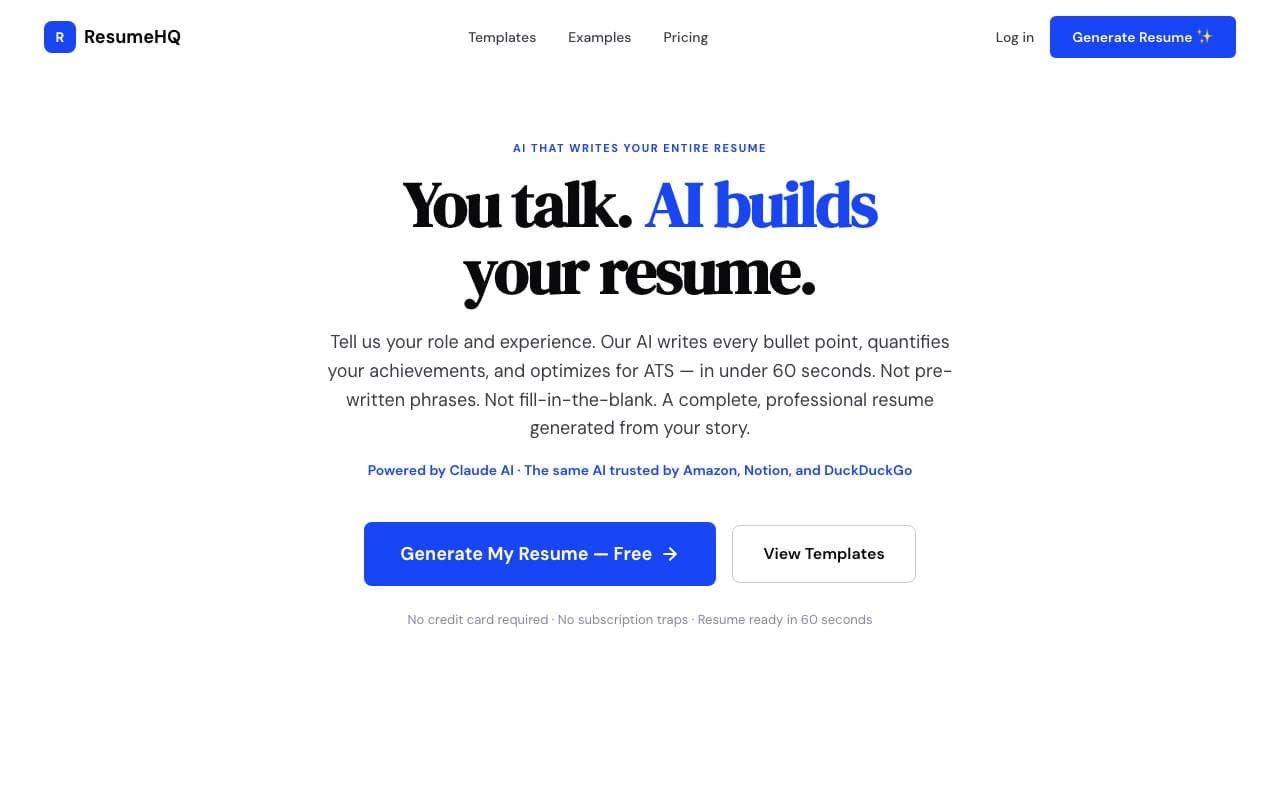

ResumeHQ
AI-безпека
Резюме‑генератор на базі розмовного ШІ Claude, що створює резюме, оптимізовані для ATS, з вашого опису
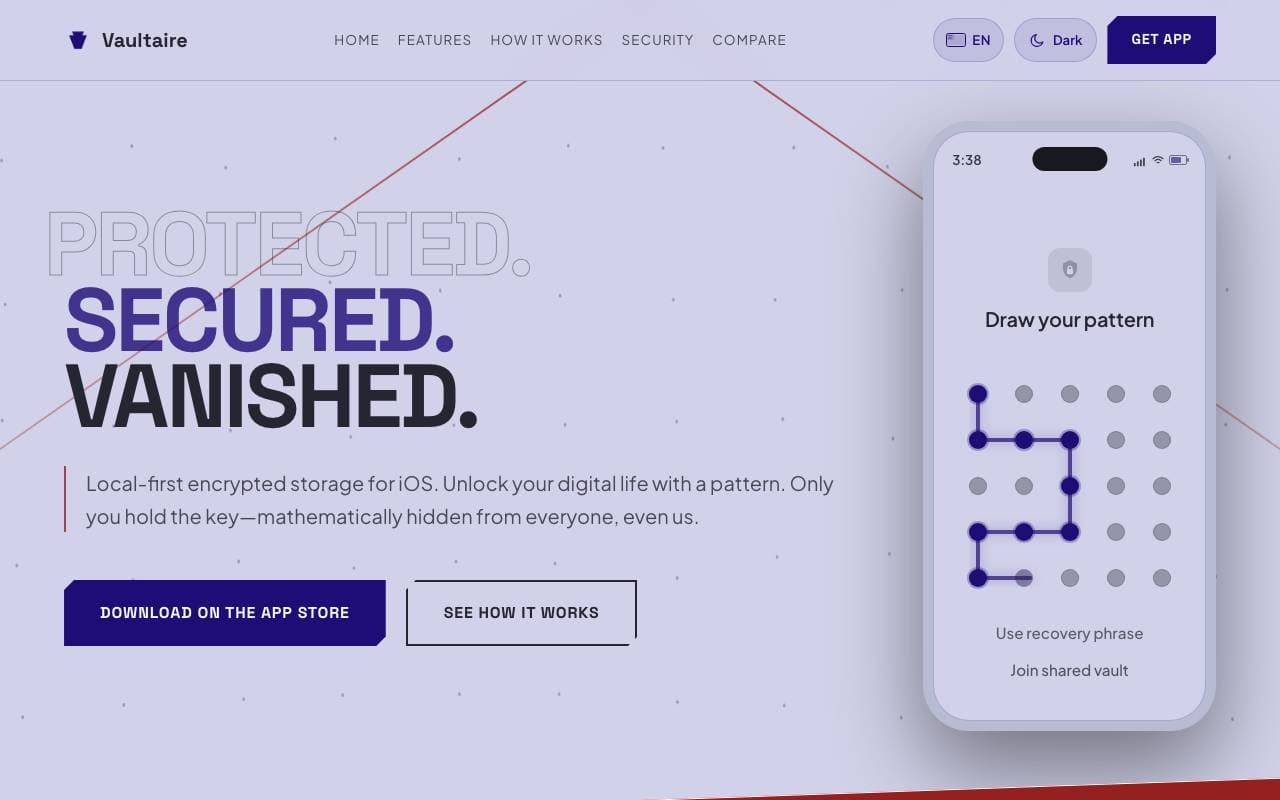

Vaultaire
AI-безпека
Зашифрована за шаблоном сховище iPhone для фото, відео та файлів із zero-knowledge безпекою.
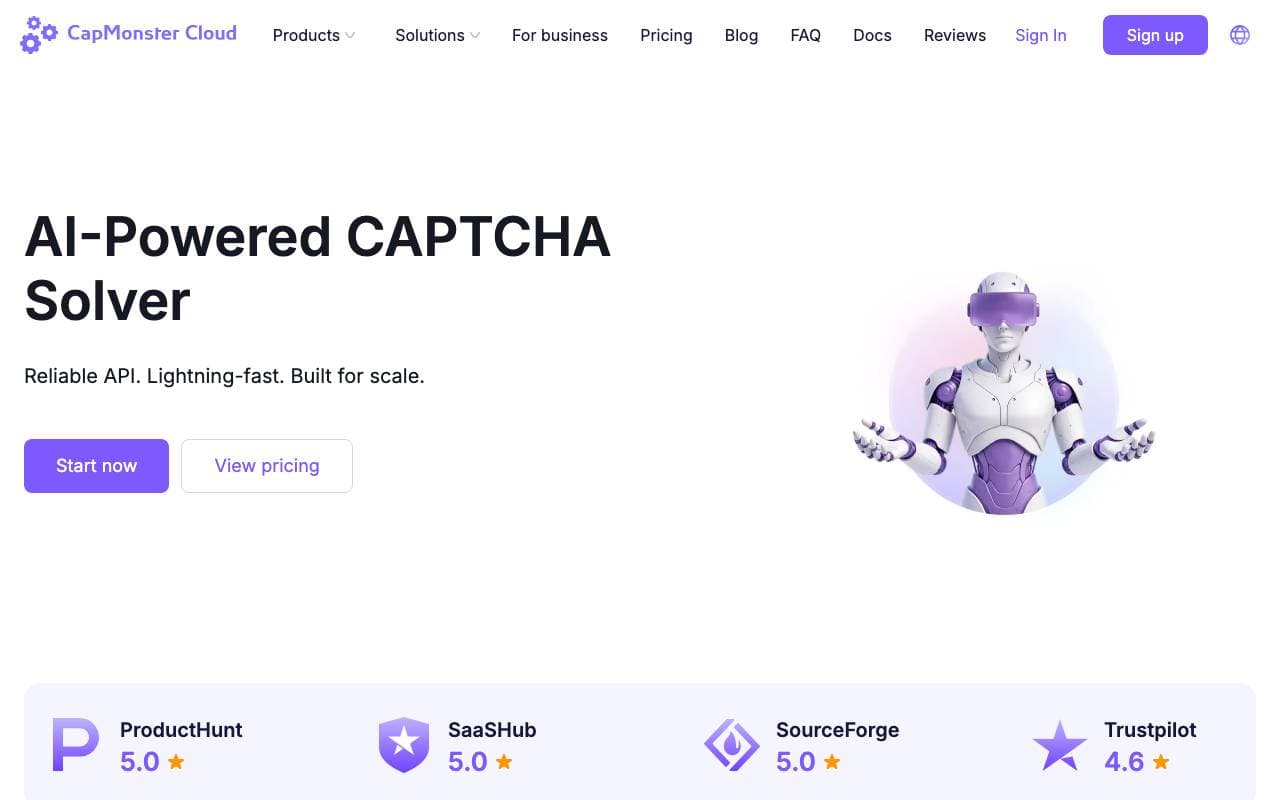

CapMonster Cloud
AI-безпека
Автоматизований API_CAPTCHA для масштабних процесів скрапінга та автоматизації.
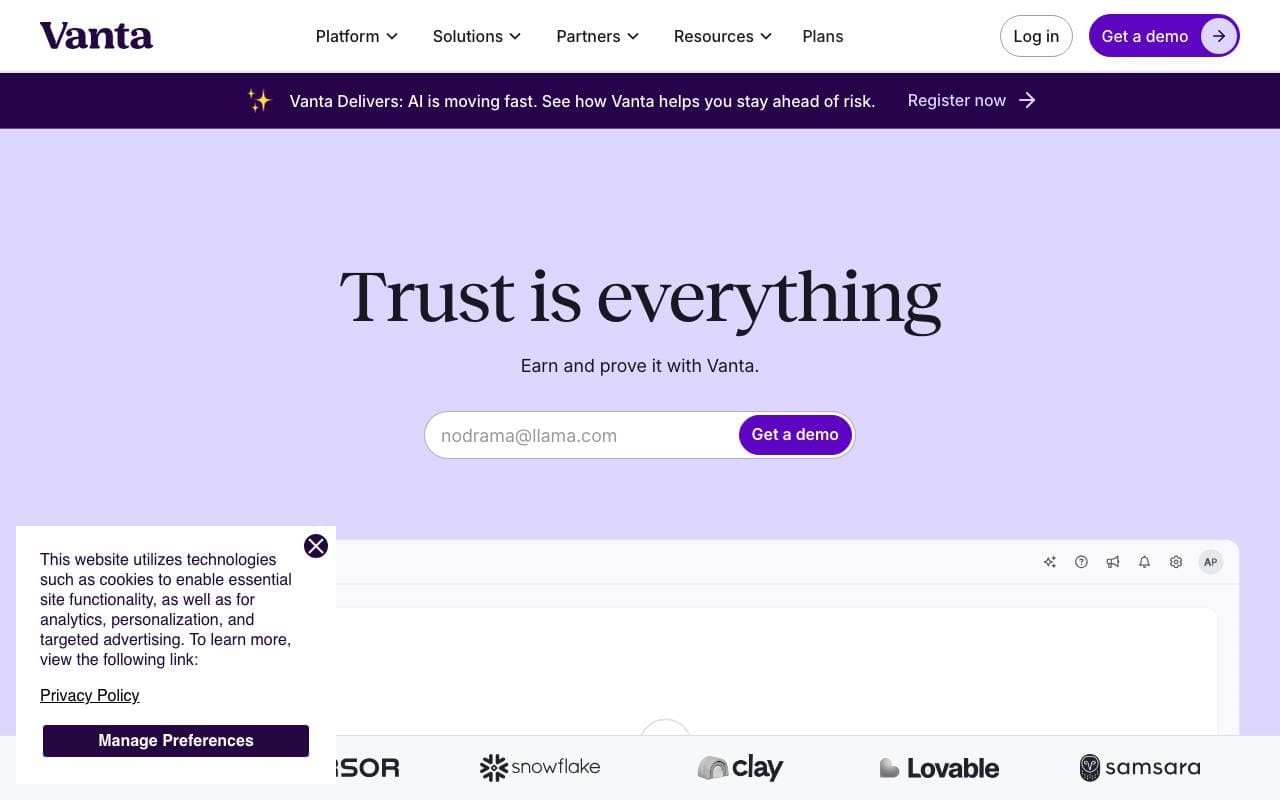

Vanta
AI-безпека
Автоматизована платформа управління довірою для безпеки та відповідності.
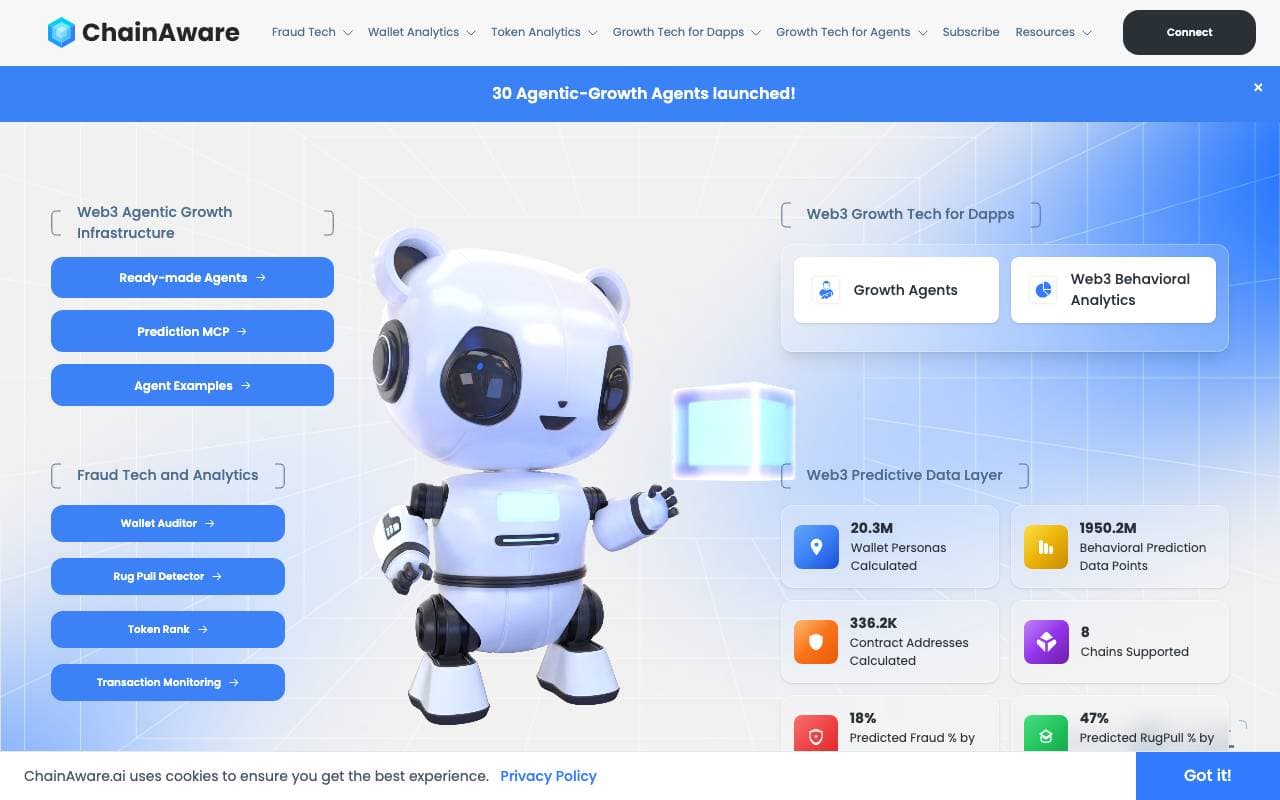

ChainAware.ai
AI-безпека
Пredictive analytics and fraud detection for Web3 wallets, tokens, and dApps.


Creasura
AI-безпека
Інструментарій AI для оптимізації онлайн-професійної роботи, безпеки та маркетингових процесів.
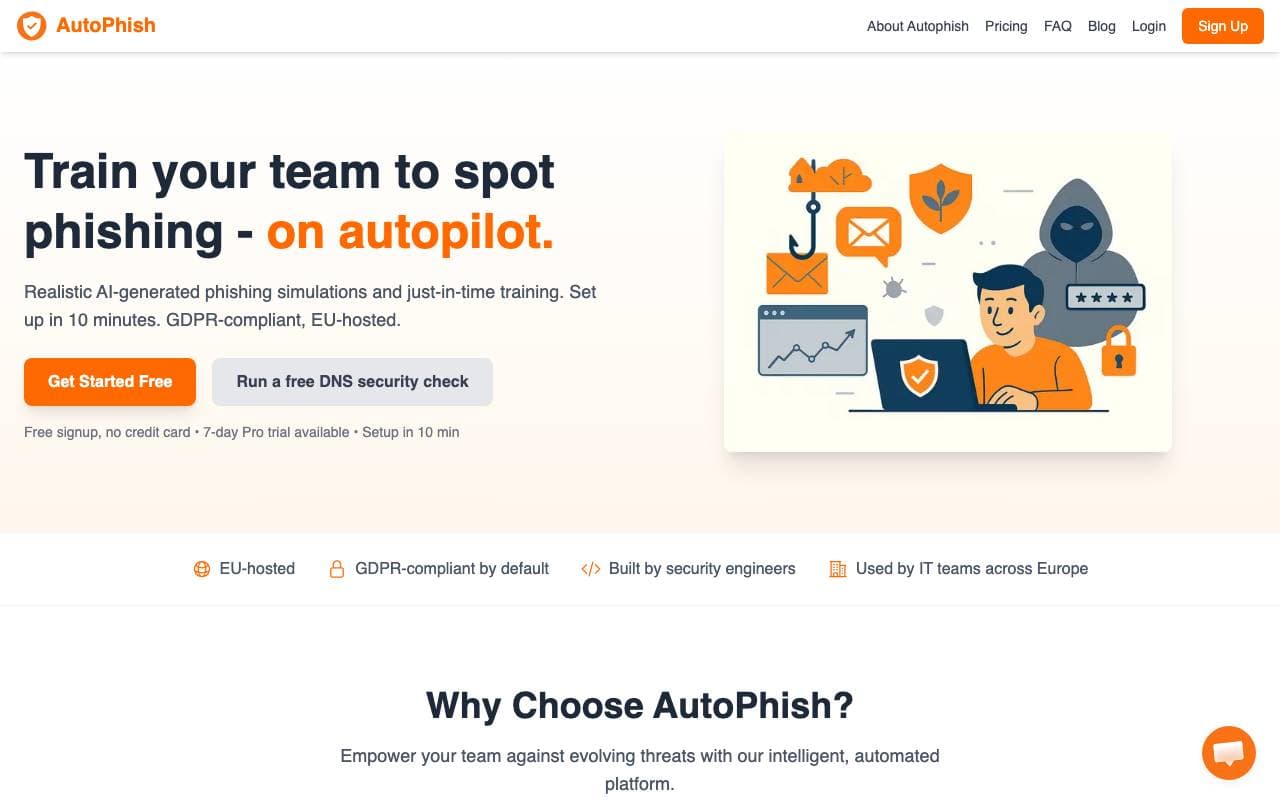

AutoPhish
AI-безпека
Фішингові симуляції, керовані AI, які тренують працівників та розкривають людські розриви у сфері безпеки.
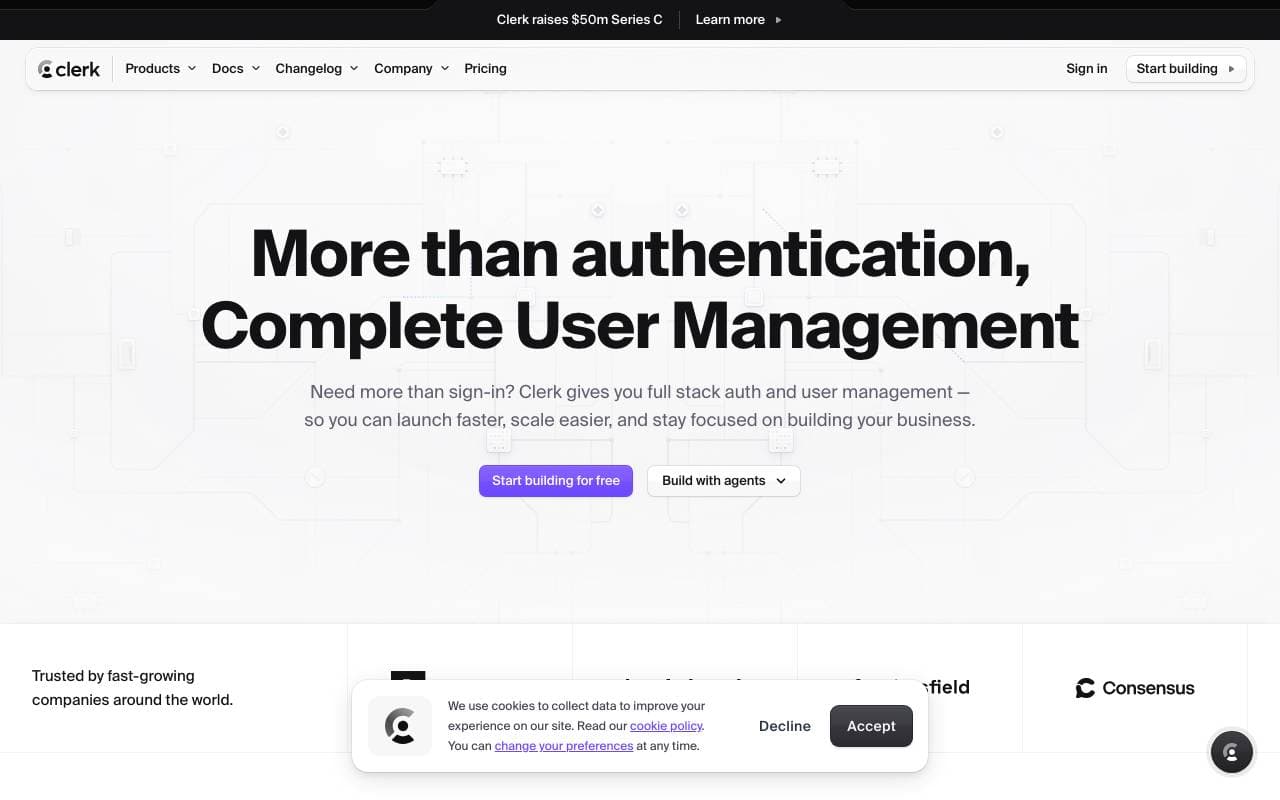

Clerk
AI-безпека
Вбудовані служби автентифікації й управління користувачами для сучасних веб- та мобільних застосунків.
Trending now


Claude
AI-агенти та чат-боти
Конверсаційний штучний інтелект-асистент від Anthropic для написання, аналізу, кодування та робіт з документами
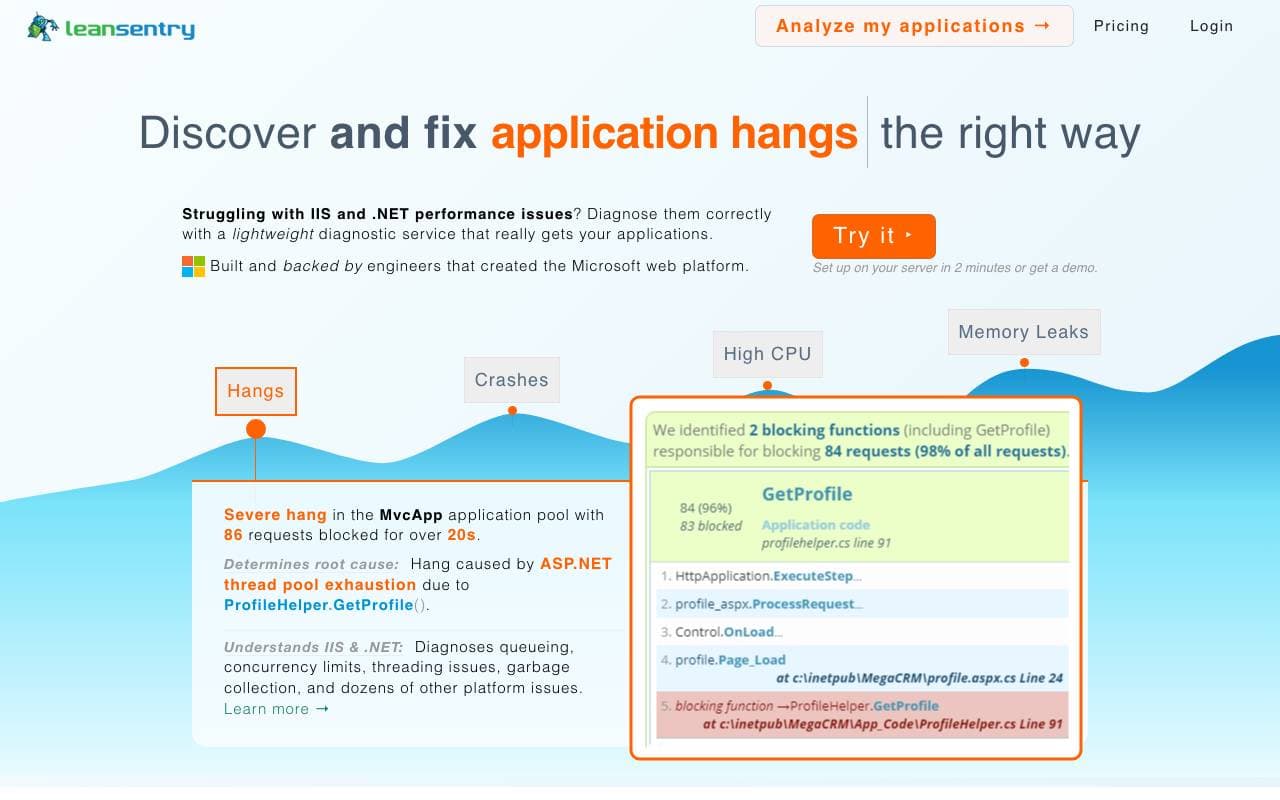

LeanSentry
Розробка програмного забезпечення
Надаємо інтелектуальну допомогу з діагностикою та мониторингом для вирішення проблем з ІІС та ASP.NET виконавчої продуктивності.

Doozer Ai
Sales Agent
Цифрові колеги, які автоматизують операційні процеси для підвищення ефективності команди.

Consistent Character AI
Зображення
Доджерувати однакове інтелектуальне коло зображень в кількох сценах з однієї фотографії.