
Anima | UX Design AgentUX-designagent som lär sig ditt varumärke och designsystem för att generera gränssnitt enligt specifikationer.

Översikt
Nyckelfunktioner
- Inhämtning av varumärke och designsystem
- AI-genererade UX-skärmar och flöden
- Komponentmedvetna UI-förslag
- Konsistens över flera artefakter
- Designer-in-the-loop-redigering
- Arbetsflödesintegration för överlämning
Priser
- Modell
- Free
- Kategori
- Code Generation
- Betyg
- 4.4 / 5 (5)
Användningsfall
Accelerera tidig UX-utforskning
Generera flera varumärkesanpassade skärmbegrepp och flödesvariationer snabbt, vilket hjälper produktteam att utforska riktningar utan att bygga varje mockup från början.
Täck upp repetitiv skärmproduktion
Använd Anima för att producera rutinmässiga skärmar som inställningar, tomma tillstånd eller listvy som är i linje med den befintliga komponentbiblioteket och designsystemet.
Upprätthåll konsistens över stora projekt
Säkerställ att UI-artefakter förblir i linje med varumärkesriktlinjer och etablerade mönster när flera designers bidrar till en spridd produktyta.
Strömlinjeforma design-till-utveckling-överföring
Generera systemanpassade designer redo att integreras i befintliga design- och utvecklingsarbetsflöden, vilket minskar omarbetning mellan designers och ingenjörer.
Fördelar och nackdelar
Fördelar
- Respekterar befintliga designsystem och varumärkesregler
- Snabbar upp rutinmässig UI-produktion
- Minskar inkonsekvenser över skärmar
- Integreras i etablerade designarbetsflöden
Nackdelar
- Kräver ett definierat designsystem för bästa resultat
- Mindre användbart för nyvarumärkesutforskning
- Utdata behöver fortfarande designergranskning
- Inlärningskurva för att konfigurera varumärkeskontext
Recensioner
Genomsnitt från 5 betyg.
Logga in för att lämna en recension.
Skeptical, then convinced
I went in skeptical — most tools in this space overpromise. It actually delivers on workflow integration for handoff, and speeds up routine UI production caught me off guard. Requires a defined design system to perform best is why this isn't a perfect score, still, I'd recommend giving it a real trial.
Solid for our team
We rolled this out across the team last quarter and speeds up routine UI production. Brand and design system ingestion fits neatly into how we already work, and consistency across multiple artifacts removed a step we used to do by hand. Output still needs designer review, which is the main caveat, but it has held up under daily use.
Years in this space
I've evaluated a lot of these over the years. What stands out here is component-aware UI suggestions — handled better than most — and speeds up routine UI production. Less useful for greenfield brand exploration is my one real gripe. Worth the time if this is your use case.
Years in this space
I've evaluated a lot of these over the years. What stands out here is aI-generated UX screens and flows — handled better than most — and reduces inconsistency across screens. Learning curve to configure brand context is my one real gripe. Worth the time if this is your use case.
Use it every day
Honestly didn't expect to like it this much. Brand and design system ingestion is exactly what I needed, and integrates into established design workflows. but I reach for it almost every day now and it just clicks.
Frågor
Do we need an existing design system to use Anima effectively?
Yes. Anima performs best when you have a defined design system, brand guidelines, and component library to ingest. Without that context, it's less useful for greenfield brand exploration, since its strength is generating screens that stay consistent with established patterns.
What are the best use cases for Anima on a product team?
Anima is well-suited for accelerating early UX exploration, filling in repetitive screens, and translating ideas into polished, system-aligned designs. Teams use it to maintain consistency across multiple artifacts and speed up routine UI production without starting from scratch.
Does Anima replace designers, or is human review still required?
Designer review is still required. Anima is built as a designer-in-the-loop tool that acts as an extension of the team, generating on-spec screens and flows that designers then edit, refine, and approve before handoff to development.
Ställ en fråga
Alternativ till Code Generation
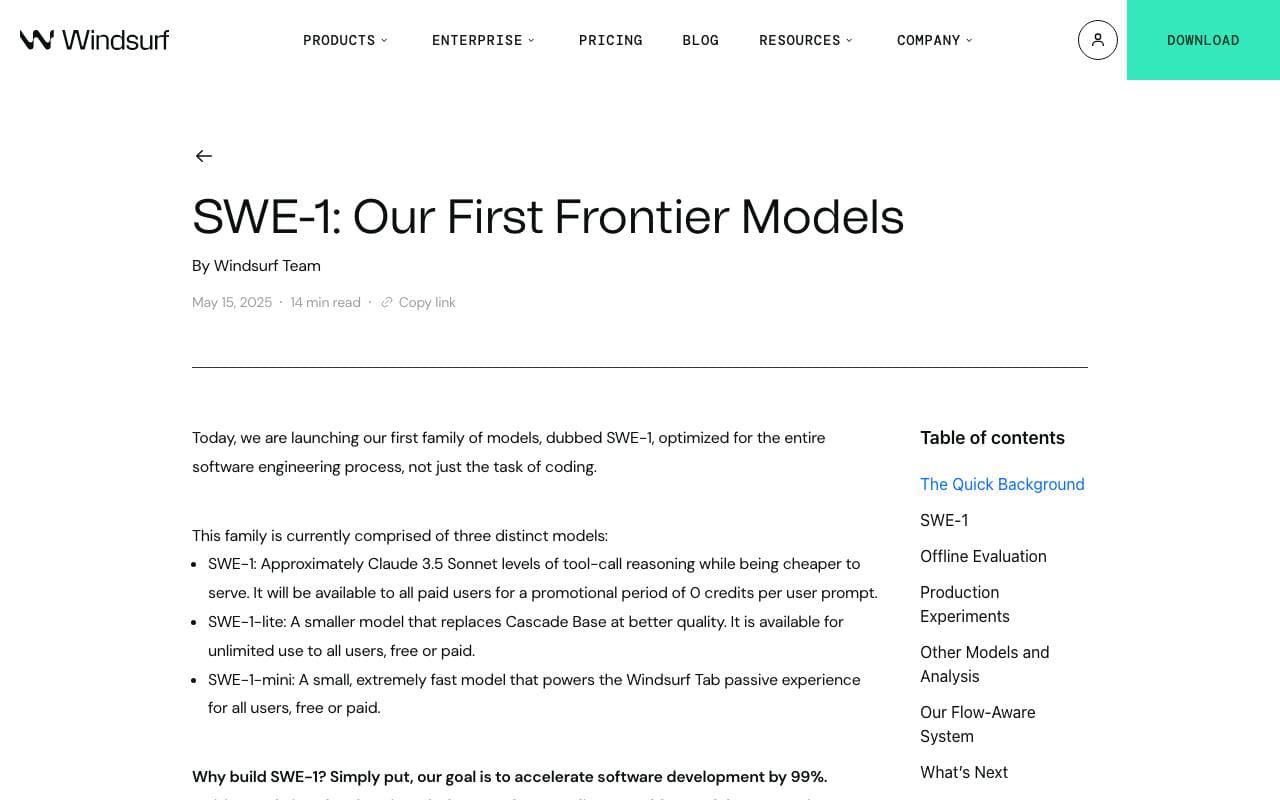

SWE-1 ai coding model
Code Generation
Sägs att sejla i Windsurf in-house AI-modellfamiljen sydspecialiserad för ett-hela-software-engineering-flöden
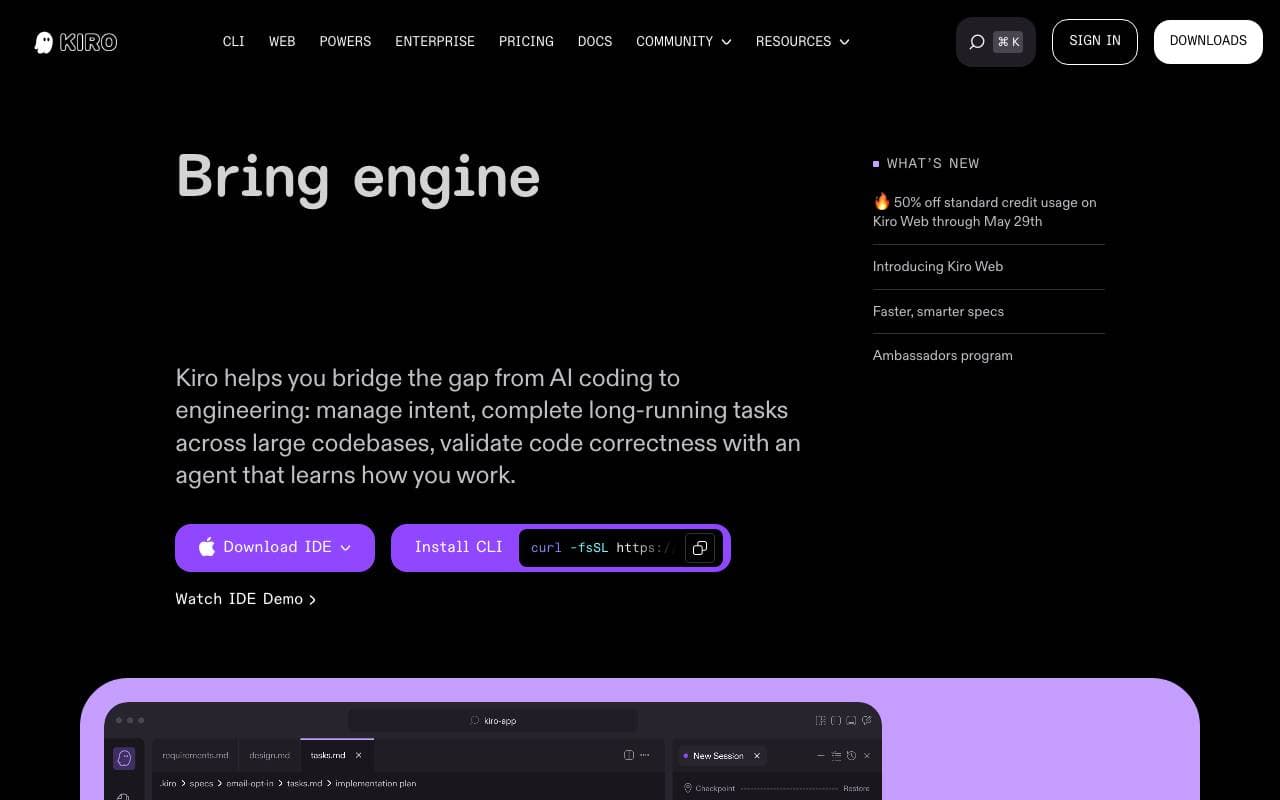

Kiro AI
Code Generation
AI-drivet IDE som tar projekt från koncept till produktionsklar kod.

DeepCoder-14B-Preview
Code Generation
Öppen källkod 14B kodresoneringsmodell destillerad från DeepSeek-R1 och Qwen-14B för avancerad kodgenerering.


OpenAI Codex
Code Generation
AI-assistent för kodning som överser naturlig språk på programmerbar kod i åtskilliga programmeringsspråk.

Keringit
Code Generation
Skriv en prompt, lansera en fungerande app som du kan äga och anpassa.
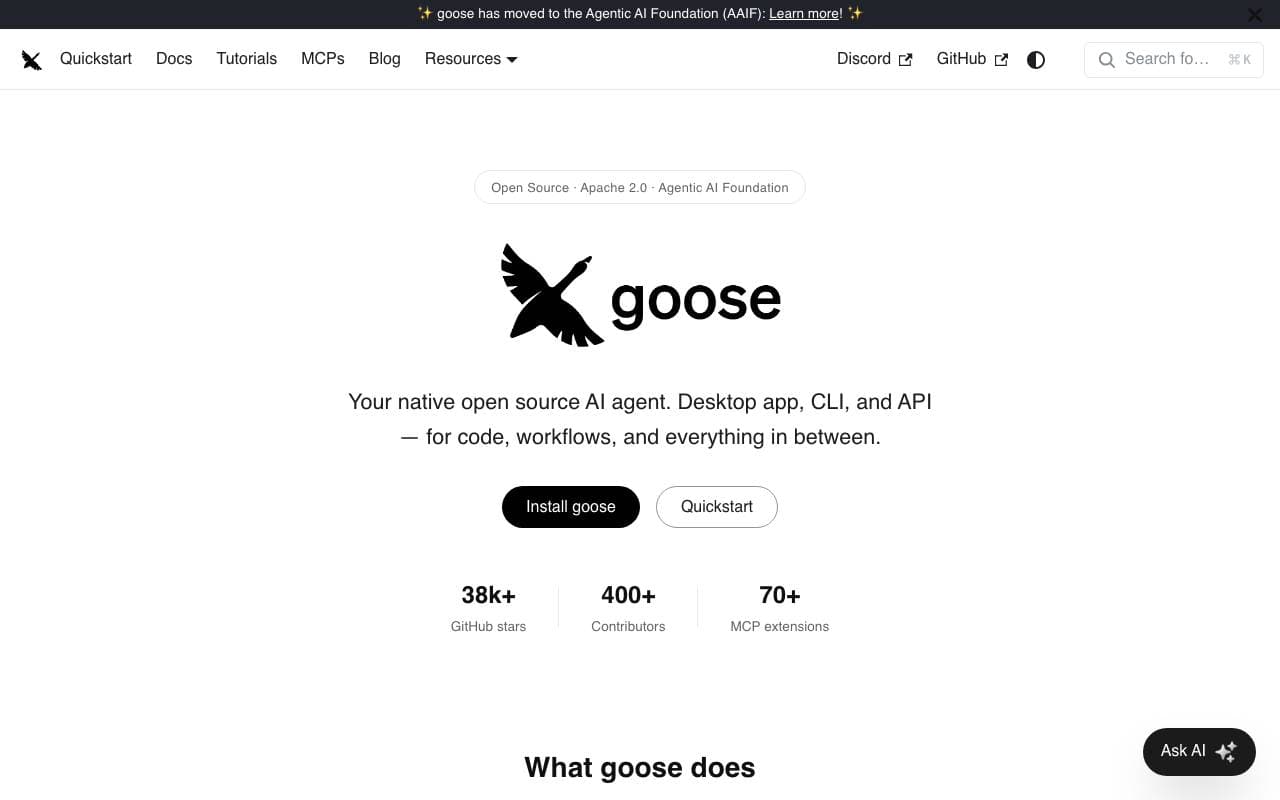

Codename Goose
Code Generation
En öppen källkod, AI-agent som körs lokalt och automatiserar komplexa ingenjörsuppgifter för att öka utvecklarnas produktivitet.
Trending now
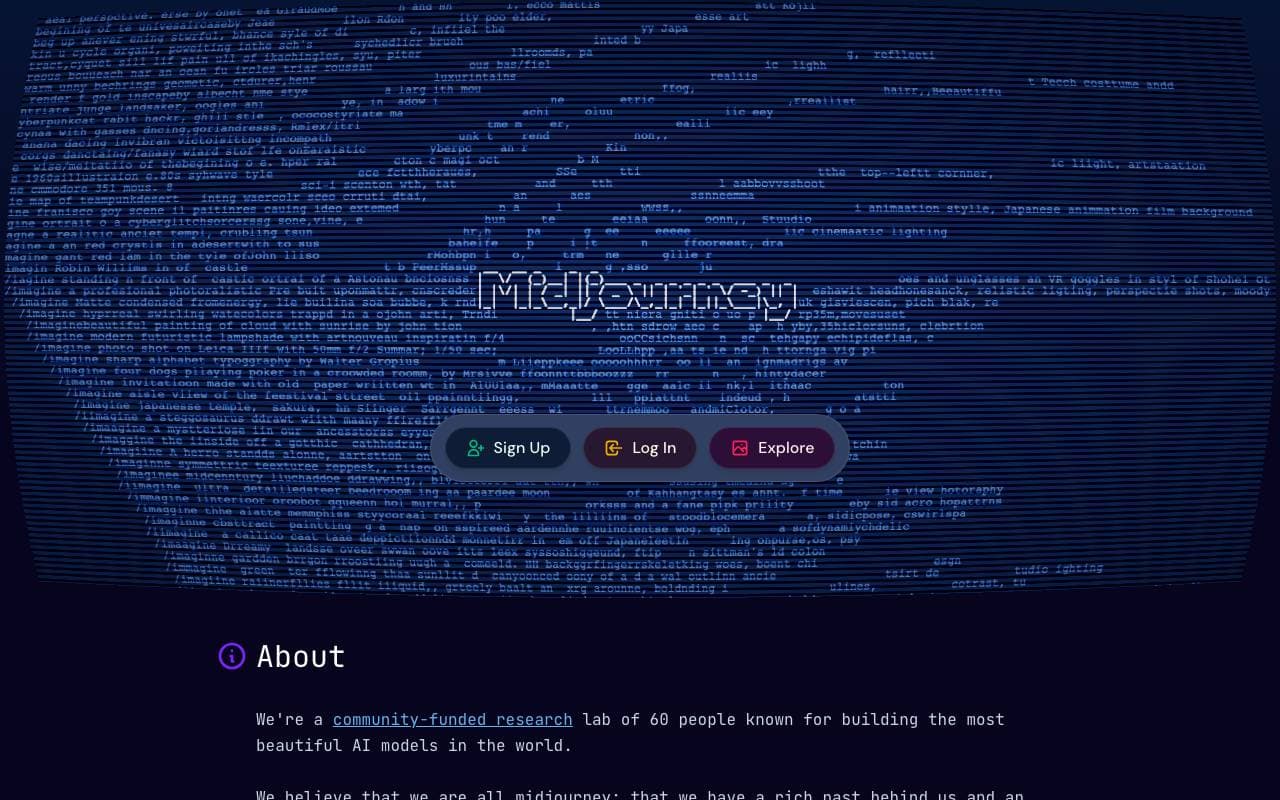

Midjourney
Image Generation
Skapa fantastiska bilder från text

Doozer Ai
Sales Agent
Digitala samarbetspartners som automatiskt effektiviserar operativa flöden för att öka teamets effektivitet.
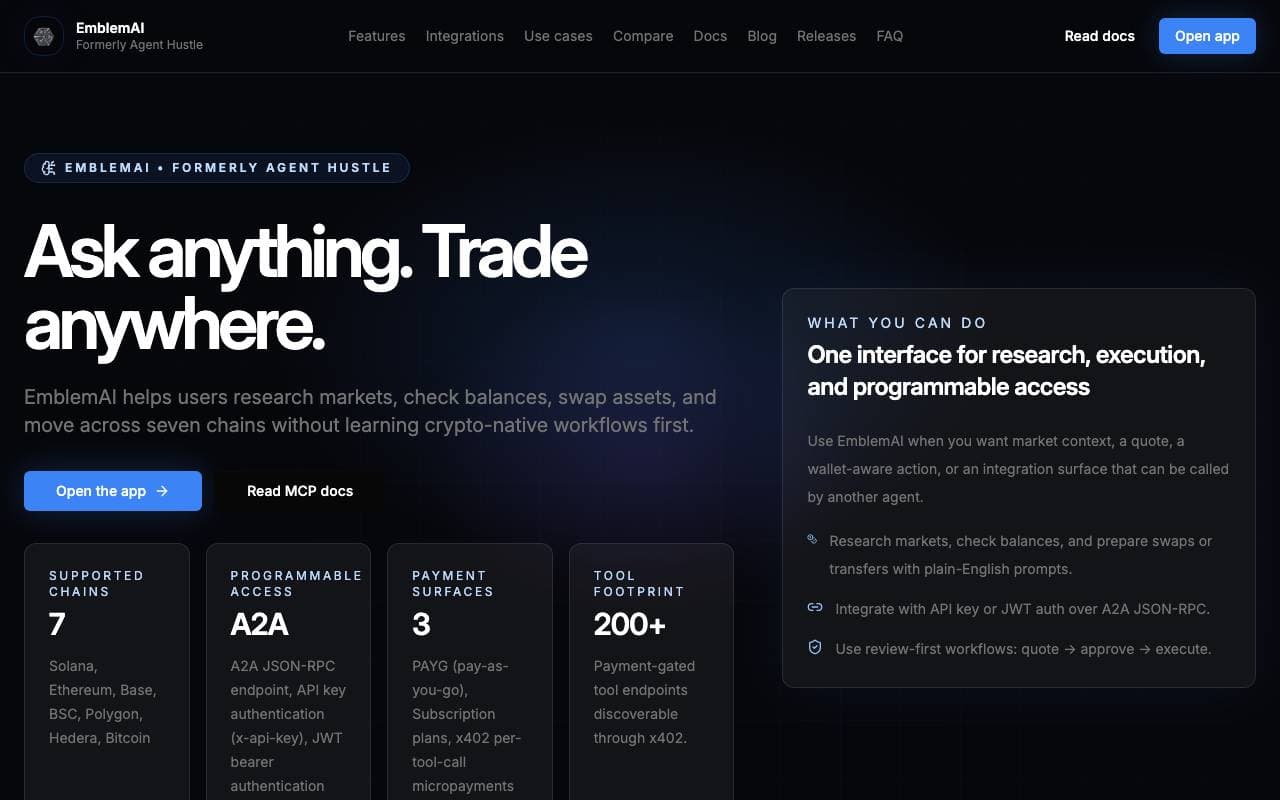

EmblemAI
DeFi Agents
Kryptosäkerhet med AI - en assistent för att hantera tillgångar över flera blockchains.
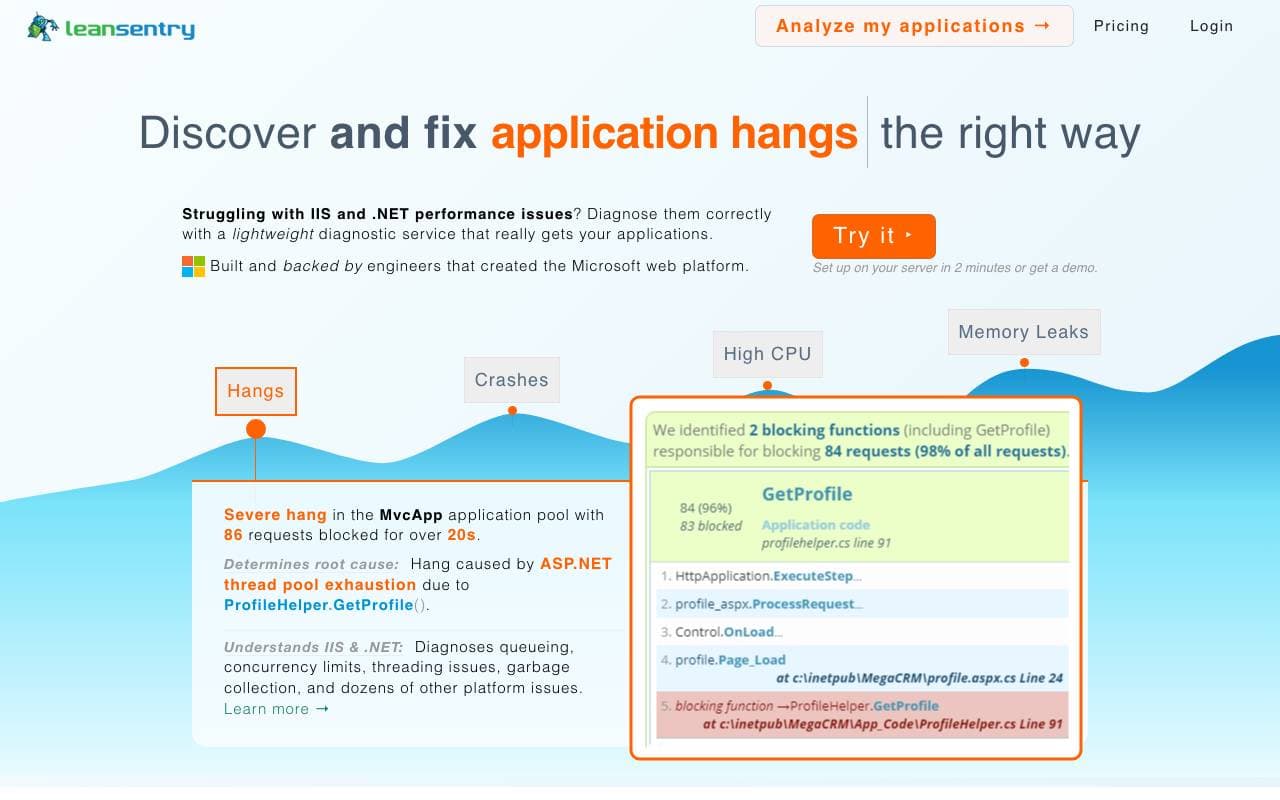

LeanSentry
Software Development
AI-drivna diagnostik- och övervakningstjänster för prestandaproblem i IIS och ASP.NET