
BabyCatAGILahka, samostojna okvir AI agenta za poenostavljeno avtomatizacijo nalog

Pregled
Ključne funkcije
- Ustvarjanje seznama nalog in prioritetizacija
- Avtonomno izvajanje podnalog
- Integracija spletnega iskanja za kontekst
- Zaporedni tok razmišljanja
- Lahka Python implementacija
- Prilagodljivi cilji in prompti
Cene
- Model
- Free
- Kategorija
- AI Agent Development Frameworks
- Ocena
- 4.8 / 5 (6)
Primeri uporabe
Avtomatiziran raziskovalni asistent
Določite raziskovalni cilj in pustite BabyCatAGI, da ga razdeli na podnaloge, izvede spletna iskanja ter sinhronizira ugotovitve v strukturiran izhod.
Večkorakni ustvarjanje vsebine
Ustvarite dolgostne ali složene vsebine z razčlenitvijo pisnega cilja na zaporedne podnaloge, kot so načrtovanje, osnutek in izboljšanje.
Eksperimentiranje z agenti AI
Uporabite minimalno, berljivo izvorno kodo kot orodje za testiranje za prototipiranje po meri prilagojenih avtonomnih agentovnih delovnih tokov brez zapletenosti večjih okvirjev.
Dekompozicija kompleksnih problemov
Obravnavajte večkorakne probleme, tako da agent načrtuje, izvaja in prilagaja podnaloge zaporedno na podlagi posrednih rezultatov razmišljanja.
Prednosti in slabosti
Prednosti
- Enostavna, berljiva izvorna koda
- Enostavno prilagajanje in razširjanje
- Dober izhodiščni točki za eksperimentiranje z agenti
- Podpira dekompozicijo nalog v več korakov
Slabosti
- Eksperimentalno in ne pripravljeno za proizvodnjo
- Omejene vgrajene integracije orodij
- Zahteva API ključe in tehnično nastavitev
- Zmogljivost je močno odvisna od osnovnega LLM
Ocene
Povprečje iz 6 ocen.
Prijavi se za oddajo ocene.
Solid for our team
We rolled this out across the team last quarter and simple, readable codebase. Autonomous subtask execution fits neatly into how we already work, and lightweight Python implementation removed a step we used to do by hand. but it has held up under daily use.
Skeptical, then convinced
I went in skeptical — most tools in this space overpromise. It actually delivers on task list creation and prioritization, and simple, readable codebase caught me off guard. Performance depends heavily on underlying LLM is why this isn't a perfect score, still, I'd recommend giving it a real trial.
Does the job
Pretty happy overall. Customizable objectives and prompts just works and easy to customize and extend. Limited built-in tool integrations can be annoying, but no dealbreakers — I'd recommend it to a friend without hesitating.
Years in this space
I've evaluated a lot of these over the years. What stands out here is sequential reasoning workflow — handled better than most — and supports multi-step task decomposition. Worth the time if this is your use case.
Skeptical, then convinced
I went in skeptical — most tools in this space overpromise. It actually delivers on lightweight Python implementation, and easy to customize and extend caught me off guard. still, I'd recommend giving it a real trial.
Years in this space
I've evaluated a lot of these over the years. What stands out here is sequential reasoning workflow — handled better than most — and good starting point for agent experimentation. Worth the time if this is your use case.
Vprašanja
Is BabyCatAGI ready for production use?
No. BabyCatAGI is an open experimental project intended for prototyping and learning, not production workloads. Its performance also depends heavily on the underlying LLM, so reliability and output quality can vary across runs and tasks.
What technical setup and integrations does BabyCatAGI require?
You'll need Python, API keys for a language model, and access to a web search tool, which BabyCatAGI integrates with to gather context. Built-in tool integrations are limited, but the lightweight, readable codebase makes it straightforward to customize objectives, prompts, and extend functionality.
What are the main use cases for BabyCatAGI?
BabyCatAGI is best suited for prototyping agent workflows, research tasks, content generation, and multi-step problem solving. It's designed for developers who want to experiment with autonomous AI agents and learn how task-driven systems work, rather than for production deployments.
Postavi vprašanje
Alternative za AI Agent Development Frameworks

Wildcard AI / agents.json
AI Agent Development Frameworks
Open spec and platform that lets AI agents discover and call API workflows through an agents.json file.
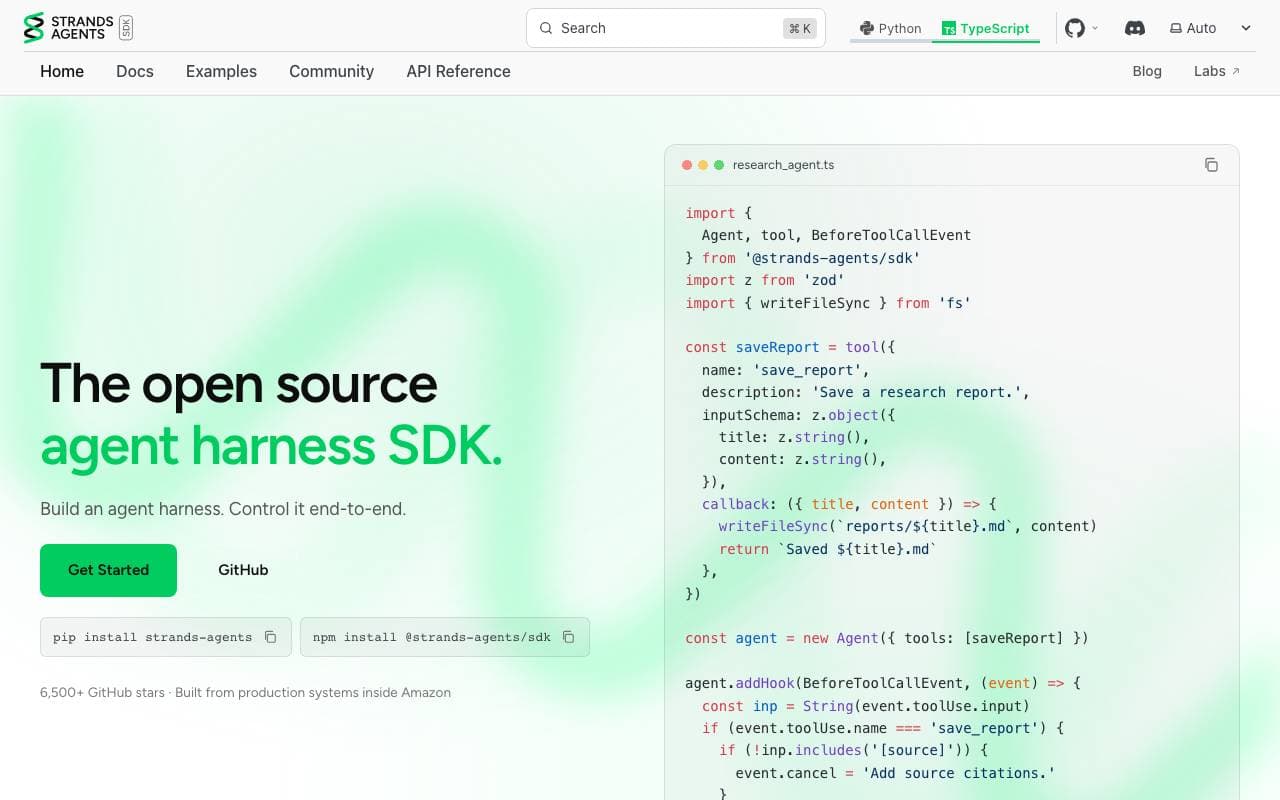

Strands Agents
AI Agent Development Frameworks
Open‑source SDK for building and orchestrating single or multi‑agent systems with LLMs and tool integration.
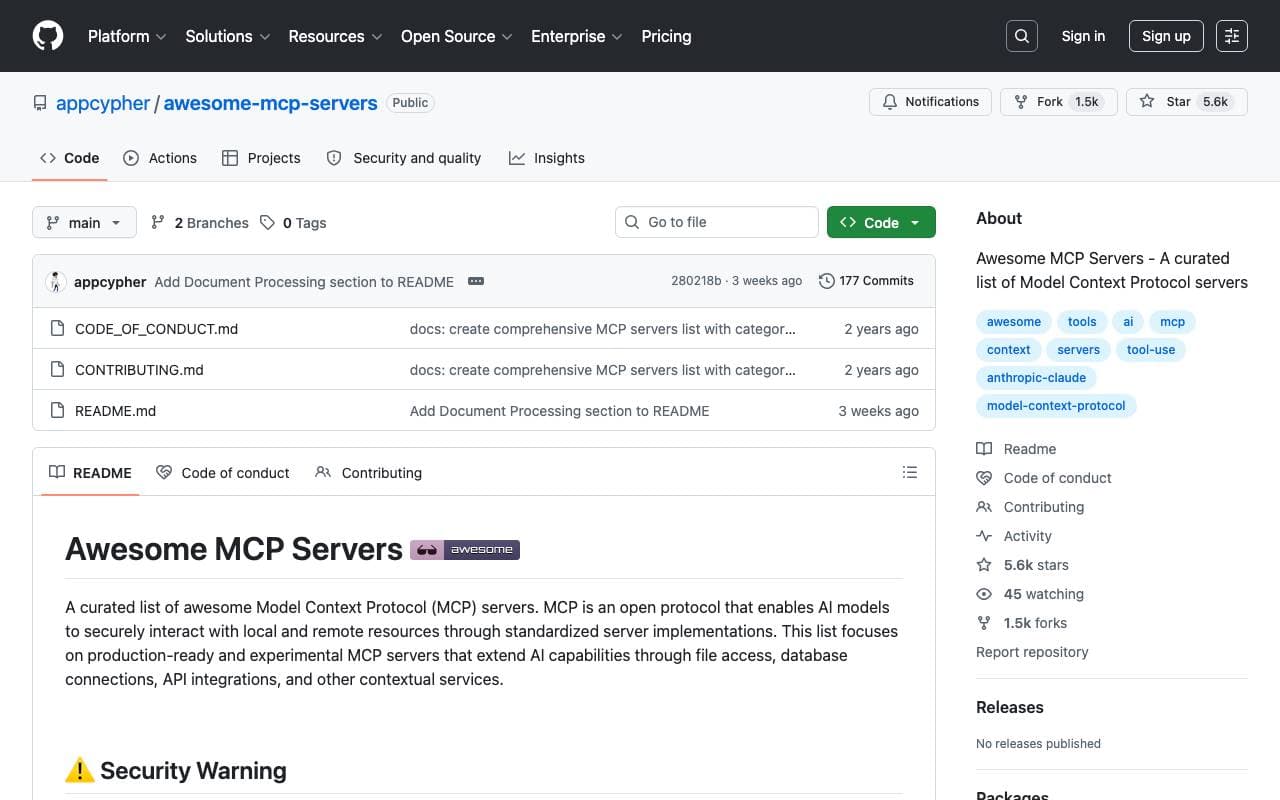

Awesome MCP Servers
AI Agent Development Frameworks
Kuriran imenik strežnikov Model Context Protocol za razširjanje AI asistentov s pomočjo orodij in podatkov.
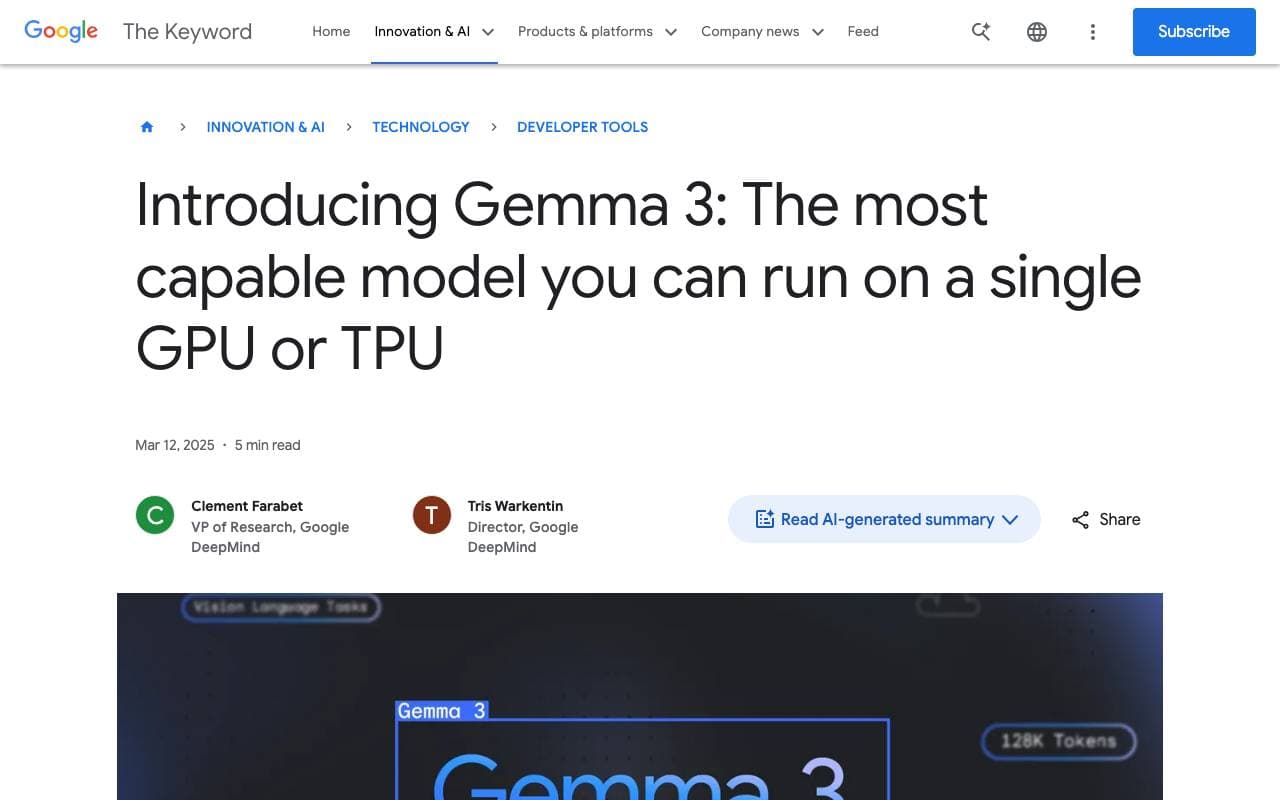

Gemma 3
AI Agent Development Frameworks
Odprtokodni AI model, optimiziran za delovanje na eni GPU, ki podpira multimodalne vhodne podatke in več kot 140 jezikov.
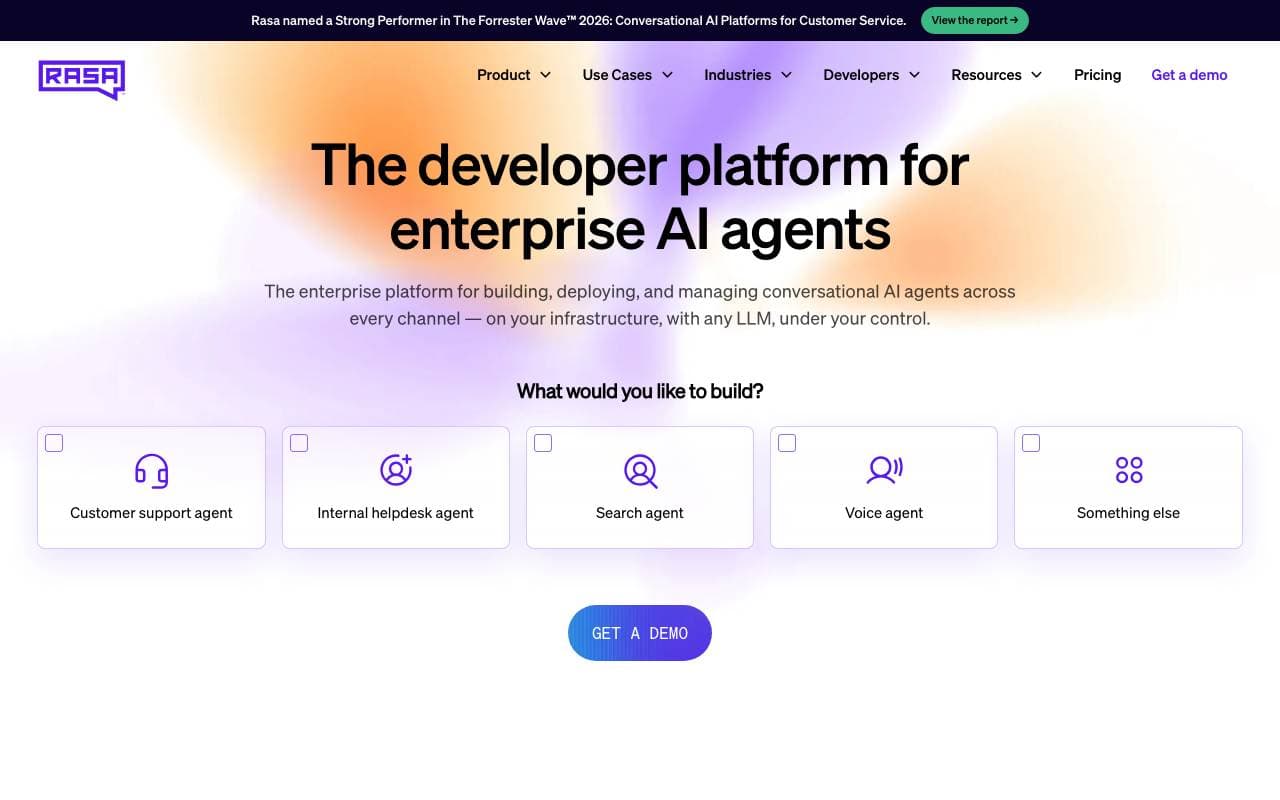

Rasa
AI Agent Development Frameworks
Open-source framework for building production-grade chat and voice assistants

BabyElfAGI
AI Agent Development Frameworks
Eksperimentalni AI agentni okvir z modularnim razredom Skills za dinamično načrtovanje in izvajanje nalog.

Auto-GPT
AI Agent Development Frameworks
Odprtokodni AI agent, sposoben samostojno izpolnjevati kompleksne naloge z uporabo GPT modelov.

memU
AI Agent Development Frameworks
Open-source agentic memory framework for 24/7 proactive AI agents with file-system memory, intention prediction, and lower token costs.
Trending now

Reducto AI
AI Agent Development Platforms
Document intelligence API that parses, splits, OCRs, and extracts structured data from complex PDFs, slides, and spreadsheets.


AdCrier
Marketing & Advertising
Sponzorirana odgovora, plačano po kliku


Pin AI
Workflow automation
Agentic AI recruiter that automates sourcing, screening, and outreach to accelerate hiring.

Sandy AI
Sales
AI sales copilot inside Salesmate that turns customer conversations into pipeline and revenue.