Best Agent Development (2026)

Prin click pe aceste linkuri, putem primi o comision, dar acest lucru nu afectează evaluările noastre.
A buyer's guide to the best Agent Development platforms—tools and frameworks for building, orchestrating, and deploying autonomous AI agents that reason, use tools, and complete multi-step tasks.
Agent Development în cifre
Mix de preț
Best Agent Development (2026)
- 1
 LangGraph StudioIDE vizual pentru construirea, depanarea și inspectarea fluxurilor de lucru ale agenților LangGraph5.0 (5)
 - 2
 BrainSoupCreează agenti AI personalizate care își asumă taie munci prin a-și asuma instrucțiuni în limba engleză pentru sarcinile recuritor.5.0 (4)
 - 3
 Letta AIO platformă open-source pentru construirea de agenți AI cu stare și memorie pe termen lung și raționament avansat.5.0 (4)
 - 4
 Snorkel FlowPlatformă de dezvoltare a programării datelor și a inteligenței artificiale pentru construirea de modele de producție mai rapide.4.8 (5)
 - 5
 NetXRețea economică modulară care combină infrastructura blockchain cu capacități AI.4.8 (5)
 - 6
 Theoriq AIProtocol descentralizat pentru construirea și guvernanța sistemelor AI multi-agente în lanț4.8 (5)
 - 7
 BotpressPlatformă completă pentru construirea, implementarea și gestionarea agenților AI și a chatbot-urilor.4.8 (5)
 - 8
 LangSmithCoretc, evaluăm și personalizăm procesele și răspunsurile LLM-ului folosind LangChain și LangGraph4.8 (5)
 - 9
 Zep AI MemoryStratul de memorare cu termen lung pentru agenți AI și aplicații LLM4.8 (4)
 - 10
 Gretel AIPlatformă pentru date sintetice care generează date sigure din punct de vedere al confidențialității și pregătite pentru AI, care reflectă datele din lumea reală.4.8 (4)

LangGraph Studio
IDE vizual pentru construirea, depanarea și inspectarea fluxurilor de lucru ale agenților LangGraph
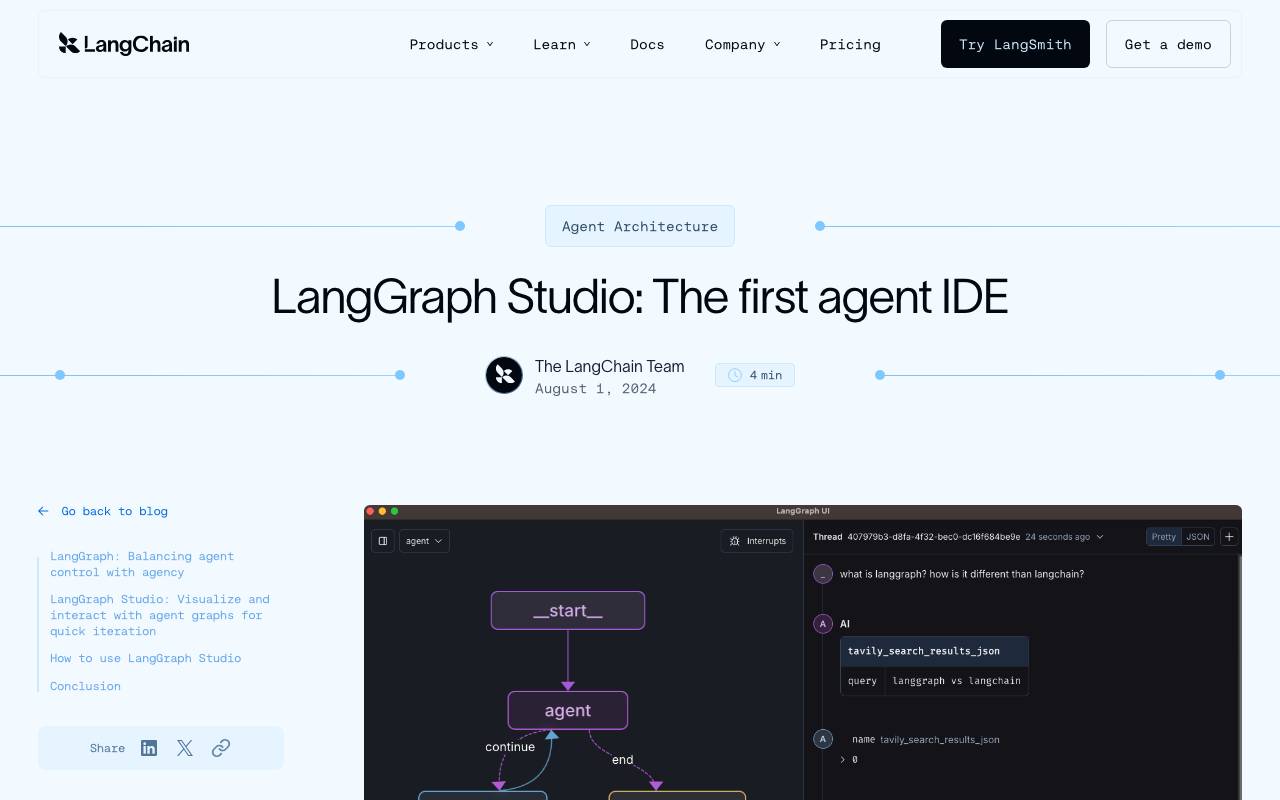
LangGraph Studio este un mediu de dezvoltare specializat conceput pentru inginerii care construiesc aplicații agentice pe baza framework-ului LangGraph. Acesta oferă o interfață vizuală pentru inspectarea structurii grafice, trasarea căilor de execuție și înțelegerea modului în care agenții se deplasează între noduri, instrumente și stări. Pe lângă vizualizare, studioul oferă caracteristici de depanare interactivă, cum ar fi editarea stării, reexecuția de la pași intermediari și interacțiunea live cu agenții în execuție. Acest lucru facilitează diagnosticarea buclelor, eșecurilor de apeluri de instrumente și a comportamentului de ramificare neașteptat care apar adesea în fluxurile de lucru LLM multi-pas. Se integrează cu LangSmith pentru trasare și observabilitate, oferind echipelor o modalitate unificată de a dezvolta, testa și itera pe sisteme complexe de agenți înainte de a le dispora în producție.
- Vizualizare grafică interactivă
- Rularea, reexecuția și bifurcarea execuțiilor agentului
- Inspecția stării și editarea manuală
- Interfață de chat live pentru testarea agentului
- Integrare cu trasarea LangSmith
- Opțiuni de implementare locală și găzduită

BrainSoup
Creează agenti AI personalizate care își asumă taie munci prin a-și asuma instrucțiuni în limba engleză pentru sarcinile recuritor.
BrainSoup este o platformă pentru crearea și gestionarea agentelor AI personalizate folosind instructiuni de limbaj natural. În loc de cod, utilizatorii descriu ceea ce vor să facă un agent și BrainSoup orchestrează modelurile, instrumentele și integrările subiacente pentru a desfăşura munca. Agentii pot fi atribuite roluri specifice, oferite acces la fișiere și surse de date, precum și conectate la servicii externe pentru a gestiona sarcini repetitive ca de exemplu: cercetare, prelucrare a documentelor, comunicare și automatizarea fluxurilor de lucru. Diferite agenți pot colabora, permitând utilizatorilor crearea echipelor mici de asistenți specialiști pentru proiecte mai complexe. BrainSoup este destinat profesioniştilor, echipelor şi utilizatorilor care au nevoie de putere care vor să transfere munca repetitivă de cunoaştere în mod automat şi pentru personalizarea comportamentului AI fără a construi infrastructura de la zero.
- Constructor de agent al inteligentei artificiale
- Impuneri naturale de sarcină a limbajului natural
- Fluxuri de lucru cu mai mulți agenti
- Integrare de fișiere și surse de date
- Automatizarea sarcinilor de reactivare
- Configurare a agentului pe roluri

Letta AI
O platformă open-source pentru construirea de agenți AI cu stare și memorie pe termen lung și raționament avansat.
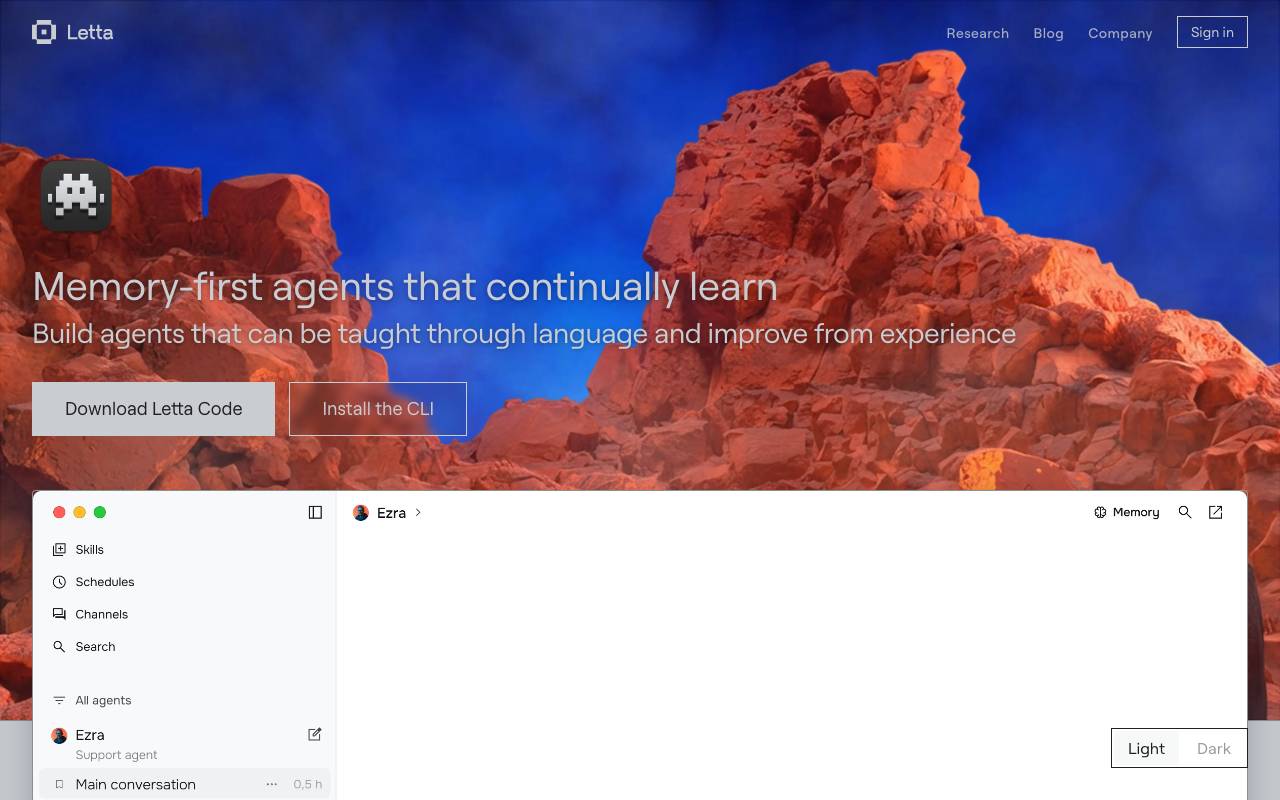
Letta AI este o platformă open-source concepută pentru crearea de agenți AI cu stare. Acești agenți sunt echipați cu memorie pe termen lung și capacități de raționament avansat. Platforma permite dezvoltatorilor să construiască agenți AI care pot menține o memorie a interacțiunilor anterioare, permițând procese de luare a deciziilor mai complexe și mai conștiente de context. Acest lucru este util în special pentru aplicațiile care necesită ca agenții să învețe din experiențele de-a lungul timpului și să-și adapteze răspunsurile în consecință. Letta AI se adresează dezvoltatorilor și cercetătorilor interesați de crearea de agenți AI sofisticați pentru diverse aplicații, de la servicii clienți la sarcini de rezolvare a problemelor mai complicate. Prin furnizarea de memorie pe termen lung și raționament avansat, Letta AI permite dezvoltarea de agenți AI care pot gestiona o gamă largă de sarcini cu un grad mai ridicat de autonomie și inteligență.
- Agenți AI cu stare
- Memorie pe termen lung
- Raționament avansat

Snorkel Flow
Platformă de dezvoltare a programării datelor și a inteligenței artificiale pentru construirea de modele de producție mai rapide.
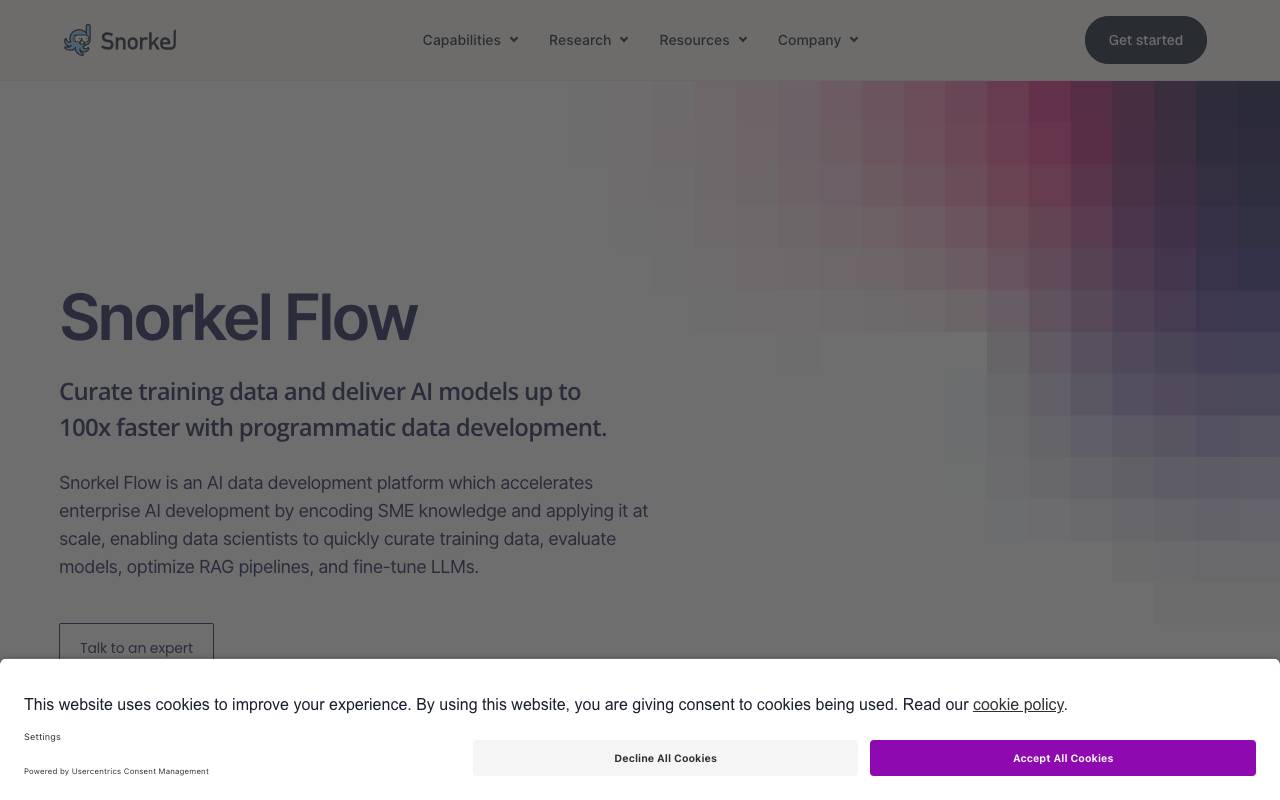
Snorkel Flow este o platformă de clasă enterprise pentru dezvoltarea programatică a datelor, care permite echipelor să eticheteze, curățească și să îmbunătățească datele de instruire folosind funcțiile de etichetare în loc să se bazeze exclusiv pe anotarea manuală. Prin codificarea competenței profesionale în heuristici reutilizabile, accelerează drumul de la date brute la modele de inteligență artificială gata de producție. Platforma combină supervizarea slabă, antrenarea modelului și analiza erorilor într-un flux de lucru unic, ajutând specialiștii informaticiști și experții în materie să itereze pe bază de date și modele de învățare algoritmică în mod colaborativ. Suportă o serie de cazuri de utilizare, inclusiv clasificarea documentelor, extragerea informațiilor și ajustarea modelelor de bază pentru aplicații enterprise.
- Etichete programatice cu funcții de etichetare
- Supraveghere slabă și agregare de etichete
- Instruire și evaluare a modelelor încorporate
- Instrumente de analiză a erorilor și de segmentare a datelor
- Suport pentru reglarea fină a modelelor de bază
- Instrumente de colaborare pentru experții în domeniu și oamenii de știință ai datelor

NetX
Rețea economică modulară care combină infrastructura blockchain cu capacități AI.
NetX este o rețea economică modulară concepută pentru a reuni tehnologiile blockchain și AI într-un cadru unificat. Arhitectura sa permite dezvoltatorilor și organizațiilor să integreze componente pentru tranzacții descentralizate, schimb de date și servicii AI, sprijinind o varietate de cazuri de utilizare în economiile digitale. Platforma își propune să conecteze funcționalitatea tradițională a blockchain-ului cu fluxurile de lucru ale învățării automate, permițând stimulente tokenizate, automatizarea contractelor inteligente și analize alimentate de AI să opereze în același ecosistem. Acest lucru o face potrivită pentru echipele care construiesc aplicații Web3 care necesită procesare inteligentă sau luare a deciziilor bazată pe date. Prin accentuarea modularității, NetX încearcă să ofere constructorilor flexibilitate în modul în care își asamblă stiva, alegând primitivele blockchain, AI și economice care se potrivesc nevoilor proiectului lor.
- Componente de rețea modulară
- Strat de integrare blockchain
- Compatibilitate cu servicii AI
- Suport pentru contracte inteligente
- Primitive economice tokenizate
- Instrumente dezvoltate pentru dezvoltatori

Theoriq AI
Protocol descentralizat pentru construirea și guvernanța sistemelor AI multi-agente în lanț
Theoriq AI este un protocol bazat pe blockchain care permite coordonarea unei rețele de agenți AI într-un mod transparent și verificabil. Prin combinarea infrastructurii descentralizate cu orchestrarea multi-agentă, permite dezvoltatorilor să compună agenți specializați în colecții mai mari care pot colabora la sarcini complexe. Protocolul oferă guvernare blockchain, urmărire a reputației și mecanisme de încurajare pentru ca comportamentul, performanța și contribuțiile agenților să poată fi măsurate și recompensate. Acest lucru face posibil construirea de ecosisteme deschise în care agenții terțe pot fi descoperite, evaluate și integrate în fluxurile de lucru mai largi. Theoriq vizează dezvoltatori care lucrează la intersecția criptovalutarilor și AI, inclusiv echipe care creează strategii de DeFi autonome, asistenți de cercetare și alte aplicații agențiate care se pot bucura de coordonare minimă de încredere.
- Frameworl de orchestrare a agenților multi-agenți
- Registru de agenți descentralizat și descoperire
- Sistem de evaluare și reputație în lanț
- Incentivuri tokenizate pentru contribuții ale agenților
- Mecanisme de guvernare pentru luarea deciziilor colective
- Utilaje pentru dezvoltatori pentru a compune fluxurile de lucru ale agenților

Botpress
Platformă completă pentru construirea, implementarea și gestionarea agenților AI și a chatbot-urilor.
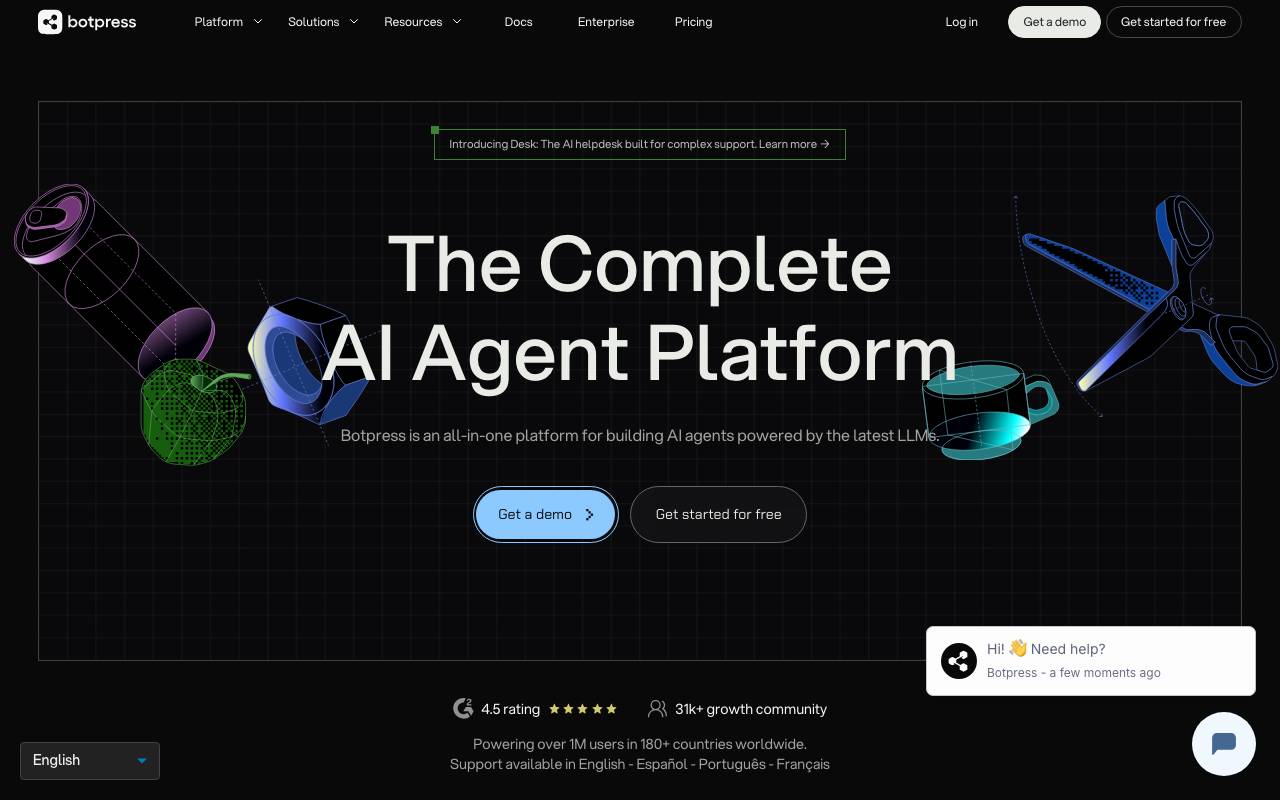
Botpress este o platformă de dezvoltare pentru crearea agenților conversaționali AI care se bazează pe modele de limbă largi. OFERĂ un constructor de flux vizual, un SDK și integrări cu canale de messaje populare, permțând echipelor să proiecteze agenți care pot purta conversații naturale, să apeleze API-urile și să execute sarcini multi-pas. Platforma combină instrumente de tip low-code cu opțiuni de personalizare mai profunde, astfel încât entitățile cu și fără cunoștințe tehnice pot colabora pe același proiect. Caracteristici precum bazele de cunoștințe, analiza și transferul uman cu mână fac-o potrivită pentru utilizări de producție precum suportul clienților, generarea de proiecte și automatizarea internă. Botpress oferă un nivel gratuit pentru experimente și pachete plătite care cresc alături de utilizare, plus o versiune open-source comunitară pentru implementări auto-gestionate.
- Editor de fluxuri conversaționale cu drag-and-drop
- Agenți alimentați de LLM cu utilizare de instrumente
- Ingestie de baze de cunoștințe din documente și URL-uri
- Implementare multi-canale (web, WhatsApp, Slack, etc.)
- Analitice și monitorizare a conversației
- Transfer uman și colaborare în echipă

LangSmith
Coretc, evaluăm și personalizăm procesele și răspunsurile LLM-ului folosind LangChain și LangGraph
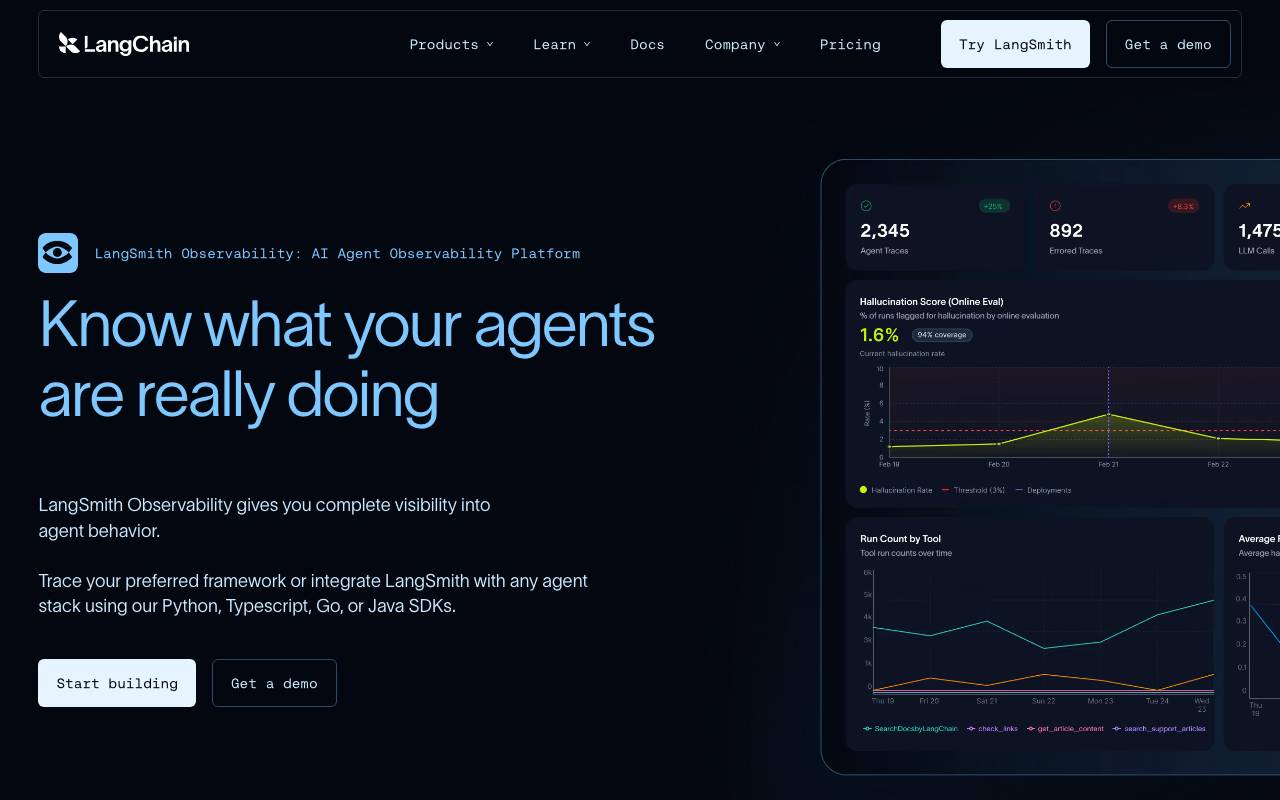
LangSmith este o platformă pentru dezvoltatori creată de echipa din spatele LangChain pentru a ajuta echipele să urmărească, să testeze, să evalueze și să monitorizeze aplicațiile alimentate de modele de limbaj mari. Deși se integrează strâns cu framework-urile LangChain și LangGraph, este agnostică din punct de vedere al framework-ului și poate instrumenta orice aplicație LLM prin SDK-urile și API-urile sale. Scopul său principal este de a aborda imprevizibilitatea inerentă a sistemelor bazate pe LLM, unde ieșirile sunt nedeterministe și eșecurile pot fi subtile, oferind dezvoltatorilor vizibilitate asupra a ceea ce lanțurile, agenții și prompt-urile lor fac realmente la momentul rulării. Plataforma se axează pe urmărire: fiecare rulare a unei aplicații produce o urmă detaliată, îmbinată, ce arată fiecare pas, incluzând promturi trimise, răspunsuri ale modelului, utilizarea de tokeni, latență, apeluri de instrumente și ieșiri intermediare. Acest lucru face mai ușoară debogarea agenților complexi multi-pași și a conductelor de generare augmentate cu recuperare, unde sursa unui răspuns prost ar putea fi ascunsă câteva straturi mai jos. Dezvoltatorii pot inspecta urme individuale, filtra și căuta prin rulări și pot detalia exact intrările și ieșirile de la fiecare nod. LangSmith oferă, de asemenea, instrumente de evaluare pentru măsurarea calității aplicațiilor. Echipele pot crea seturi de date din urme de producție sau exemple îngrijite, pot rula aplicația împotriva acestor seturi de date și pot evalua ieșirile utilizând evaluatori încorporați, verificări personalizate bazate pe cod sau abordări LLM-ca-judecător. Acest lucru sprijină testarea de regresie atunci când promturi sau modele se schimbă și ajută la cuantificarea schimbărilor care îmbunătățesc, într-adevăr, rezultatele, în loc să se bazeze pe intuiție. Pentru utilizarea în producție, oferă dashboaarde de monitorizare care urmăresc metrice precum întârziere, cost, rate de eroare și feedback în timp, alături de capacitatea de a colecta feedback uman și anotări ale utilizatorilor. O componentă de gestionare a promptrilor și un sandbox le permit echipelor să itereze și să versiónizeze promptri și să compare ieșirile modelului între ele. LangSmith se adresează în primul rând dezvoltatorilor și echipelor care lansează funcții LLM și care trebuie să depășească metoda de depanare prin afișarea mesajelor de eroare către o observabilitate și evaluare sistematică. Punctul său forte este profunzimea integrării cu ecosistemul LangChain și fluxul de lucru unificat care conectează urmărirea, seturile de date și evaluarea. Schimburile oneste includ faptul că experiența cea mai bogată presupune că sunteți confortabil în lumea LangChain/LangGraph, că evaluarea bazată pe LLM este în sine imperfectă și necesită o proiectare atentă, și că este un produs comercial găzduit, cu prețuri bazate pe utilizare, deși există opțiuni de autogazdă pentru unele planuri. Concurează cu alte instrumente de observabilitate LLM, cum ar fi Langfuse, Helicone, Arize Phoenix și Weights & Biases Weave.
- Urmează trasarea cu intrări, ieșiri și utilizarea tokenilor pas cu pas
- Crearea setului de date și evaluarea automată
- Evaluatori încorporați, bazate pe cod și LLM-ca-judecător
- Pannele de monitorizare pentru producție
- Culegere de feedback și annotare umană
- Managementul promt-urilor, versionare și playground

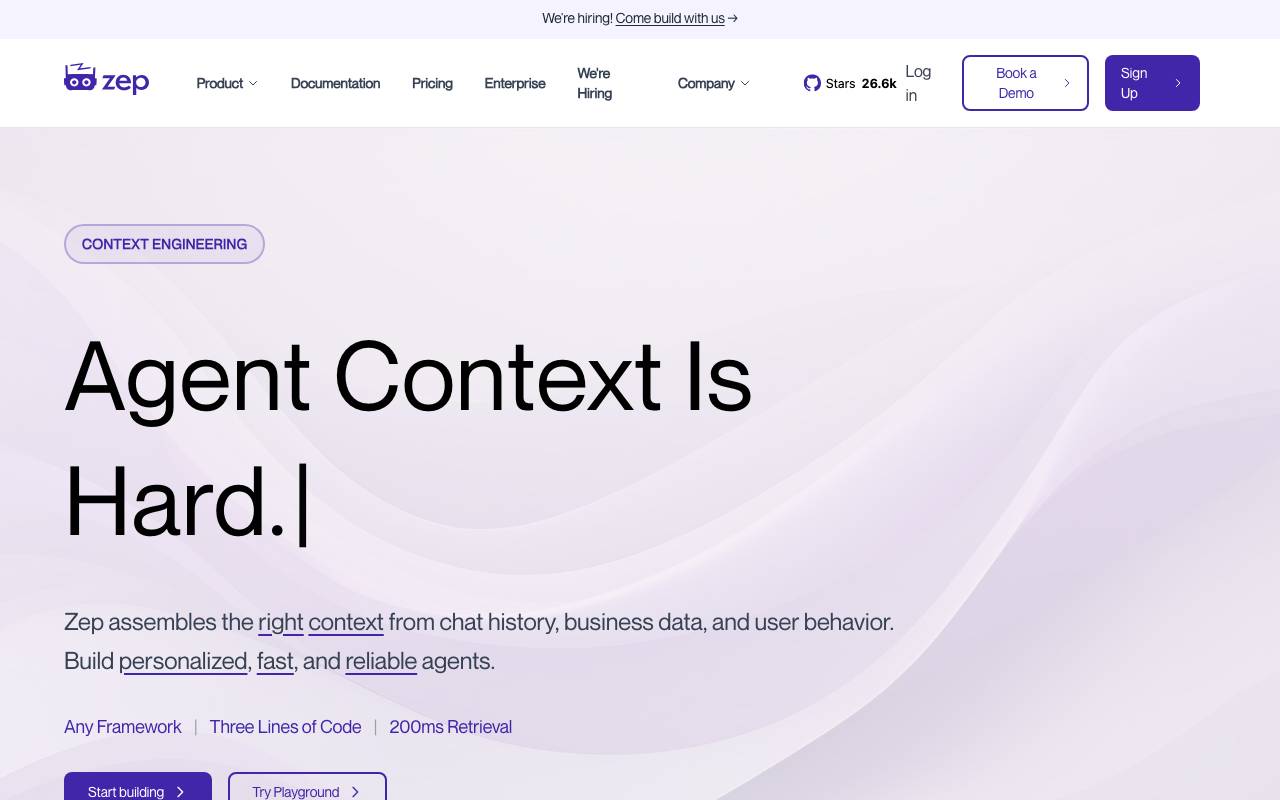
Zep AI Memory este o serviciu de memorie focalizată pe dezvoltatori care oferă agenților AI o recunoaștere persistentă, structurată a amintirilor atât în conversații cât și în sesiuni. Prinde istoricul conversației, extrage fapte importante și le organizează într-un graf de cunoaștere, astfel încât agenții să poată solicita contextul pertinent la cerere în loc să introducă întregii istorici în cerere. Platforma managează sinteza informațiilor, extragerea entităților și căutarea semantică în spatele unui API simplu, permitând echipelor să adauge memorie stătătoare în chatboturi, copiloti și agenți autonomi fără a construi infrastructura de recupereare personalizată. A fost proiectată pentru scala cu sarcinile de producție, în timp ce dimensiunile prompturilor și costurile de șir-uri rămân predictibile. Zep se integrează cu cadrele de lucru LLM comune precum LangChain și LlamaIndex și oferă SDK-uri pentru limbi populare, facând-o astfel posibilă integrarea directă în stivele de agenți existente.
- Memorie conversațională cu termen lung
- Extragere automată a faptelor și entităților
- Stocare într-un grafic de cunoaștere
- Căutare semantică și hibridă
- Integrări cu LangChain și LlamaIndex
- SDK-uri în mai multe limbaje

Gretel AI
Platformă pentru date sintetice care generează date sigure din punct de vedere al confidențialității și pregătite pentru AI, care reflectă datele din lumea reală.
Gretel AI este o platformă centrată pe dezvoltatori pentru crearea de date synthetice care imită statistic date reale fără a expune informațiile sensibile. Echipele sunt capabile să deschidă proiectele de inteligenta artificială și analitică atunci când accesul la datele cu caracter productiv este restricționat din cauza problemelor privind respectarea confidențialității, conformitatea sau disponibilitatea restricționată de resurse. Platforma oferă API-urile, SDK-urile și modeloase pre-construite pentru generarea de date tabulare, de text și de tip serie temporală, alături de instrumentele pentru evaluarea calității și a riscului de privație. Suportă cazurile comune de utilizare, cum ar fi antrenarea modelelor de învățare automată, augmentarea claselor subreprezentate, compartilarea datelor între echipe și testarea software-ului cu înregistrări artificiale dar realiste.
- Modele generative pentru date sintetice tabulare și de text
- Controluri de confidențialitate diferencială și redacție PII
- Rapoarte de scorare a calității, exactității și riscului de confidențialitate
- Integrare Python SDK și API-ul REST
- Modele preînțeles și template personalizabile
- Opțiuni de implementare în cloud și auto-gestionat
Răsfoiește toate cele 25 instrumente Agent Development
Directorul complet, ce poate fi căutat — clasat după recenziile utilizatorilor reali.


