
Zep AI MemoryWarstwa pamięci długoterminowej dla agentów AI i aplikacji LLM

Przegląd
Kluczowe funkcje
- Pamięć długoterminowa konwersacji
- Automatyczna ekstrakcja faktów i encji
- Przechowywanie grafu wiedzy
- Wyszukiwanie semantyczne i hybrydowe
- Integracje z LangChain i LlamaIndex
- Wielojęzyczne SDKs
Cennik
- Model
- Freemium
- Kategoria
- Agent Development
- Ocena
- 4.8 / 5 (4)
Zastosowania
Trwała pamięć dla chatbotów wsparcia klienta
Umożliw wsparciu botów przywoływanie poprzednich zgłoszeń, preferencji i encji w kolejnych sesjach, dzięki czemu użytkownicy nie muszą powtarzać kontekstu, co podnosi jakość i ciągłość rozwiązywania problemów.
Stanowe copiloty przy zmniejszonych kosztach tokenów
Zastąp pełne wstawianie historii czatu do promptów ukierunkowanym semantycznym wyszukiwaniem w Zep, utrzymując prompt mały i przewidywalny, jednocześnie zachowując istotny kontekst długoterminowy.
Autonomiczne agenty ze strukturalnym odwoływaniem
Zasil wieloetapowe agenty, wykorzystując graf wiedzy Zep do zapamiętywania faktów, encji i relacji zebranych podczas kolejnych uruchomień, co umożliwia bardziej spójną realizację zadań o długim horyzoncie.
Backend pamięci dla LangChain lub LlamaIndex
Wstaw Zep do istniejących potoków frameworków LLM jako warstwę pamięci, dodając ekstrakcję faktów i wyszukiwanie hybrydowe bez konieczności budowania własnej infrastruktury wyszukiwania.
Plusy i minusy
Plusy
- Trwała pamięć między sesjami
- Zmniejsza rozmiar promptów i koszty tokenów
- Graf wiedzy umożliwiający strukturalne odwoływanie
- Działa z głównymi frameworkami LLM
- SDKs i API przyjazne deweloperom
Minusy
- Wymaga pracy integracyjnej ze strony inżynierów
- Skierowane do deweloperów, a nie do użytkowników końcowych
- Dodaje kolejny serwis do stosu technologicznego
Recenzje
Średnia z 4 ocen.
Zaloguj się, aby zostawić recenzję.
Does the job
Pretty happy overall. Automatic fact and entity extraction just works and persistent memory across sessions. Geared toward developers, not end users can be annoying, but no dealbreakers — I'd recommend it to a friend without hesitating.
Skeptical, then convinced
I went in skeptical — most tools in this space overpromise. It actually delivers on knowledge graph storage, and reduces prompt size and token costs caught me off guard. still, I'd recommend giving it a real trial.
Compared a few options
Evaluated this against two competitors. Where it wins: langChain and LlamaIndex integrations and persistent memory across sessions. On balance the feature set — especially multi-language SDKs — justifies the 5 stars for our use case.
Does the job
Pretty happy overall. LangChain and LlamaIndex integrations just works and knowledge graph for structured recall. Requires engineering integration work can be annoying, but no dealbreakers — I'd recommend it to a friend without hesitating.
Pytania i odpowiedzi
Brak pytań — zadaj pierwsze.
Zadaj pytanie
Alternatywy dla Agent Development
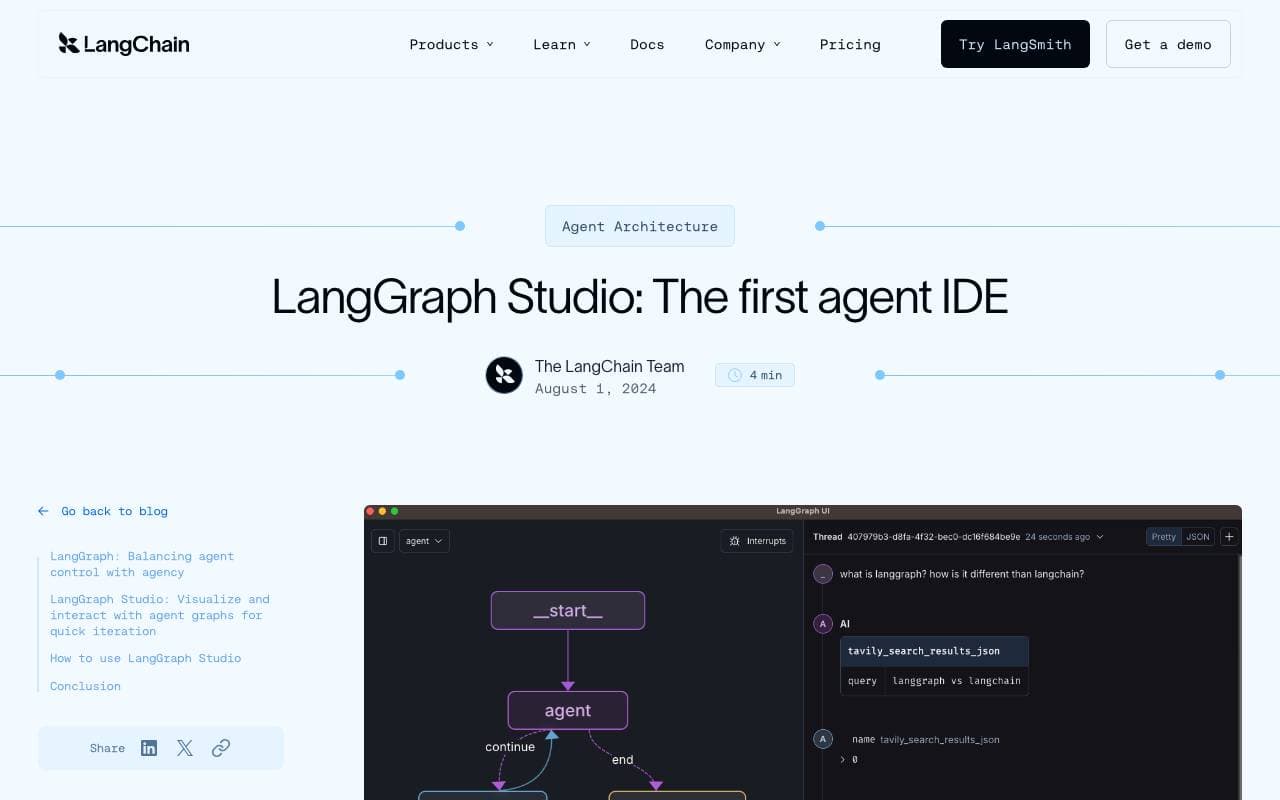

LangGraph Studio
Agent Development
Wizualne IDE do tworzenia, debugowania i inspekcji przepływów pracy agenta LangGraph

BrainSoup
Agent Development
Twórz własne agenty AI, które automatyzują zadania i procesy przy pomocy języka naturalnego.
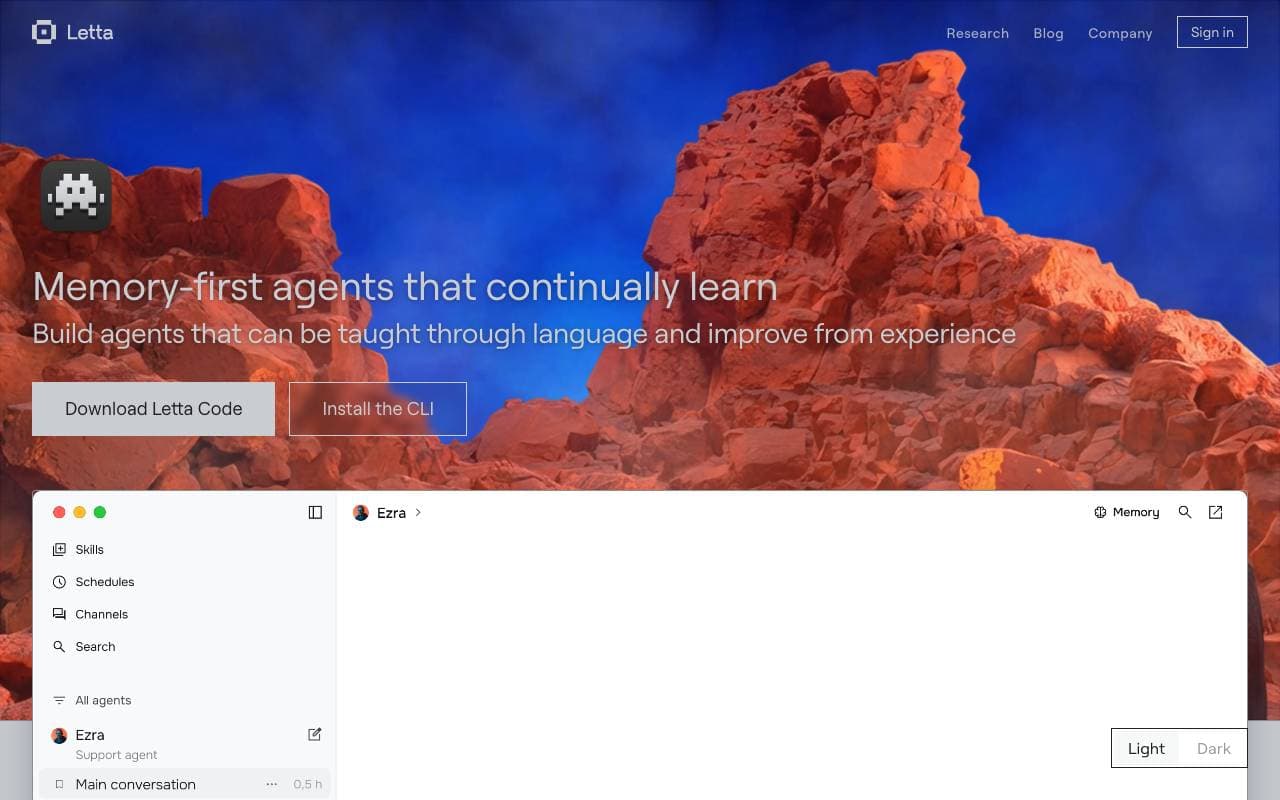

Letta AI
Agent Development
Otwarte źródło platformy do tworzenia stanowych agentów AI z długoterminową pamięcią i zaawansowanym rozumowaniem.

Snorkel Flow
Agent Development
Platforma programmaticzna do oznaczania danych i rozwoju AI, pozwalająca szybciej budować modele produkcyjne.

NetX
Agent Development
Modularna sieć ekonomiczna łącząca infrastrukturę blockchain z możliwościami AI
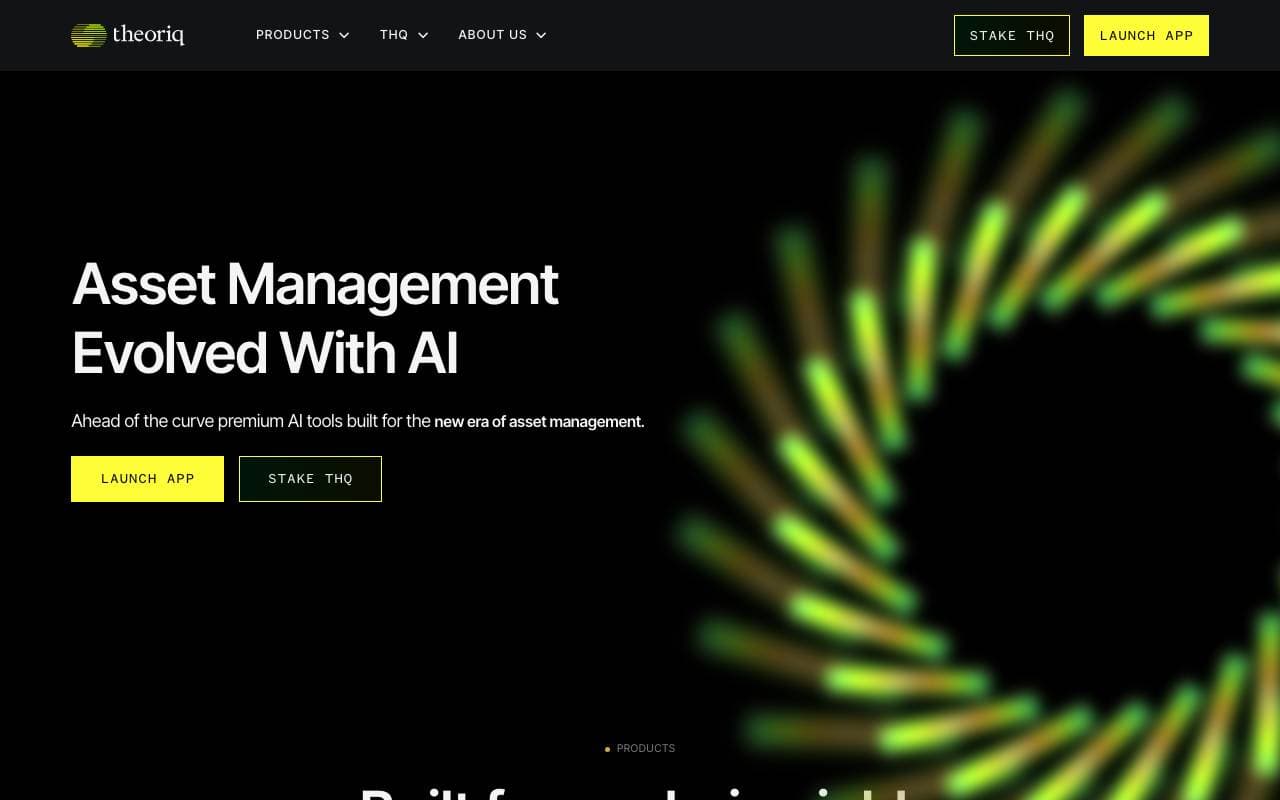

Theoriq AI
Agent Development
Protokół zdecentralizowany do budowania i zarządzania wielo-agentowymi systemami AI na łańcuchu
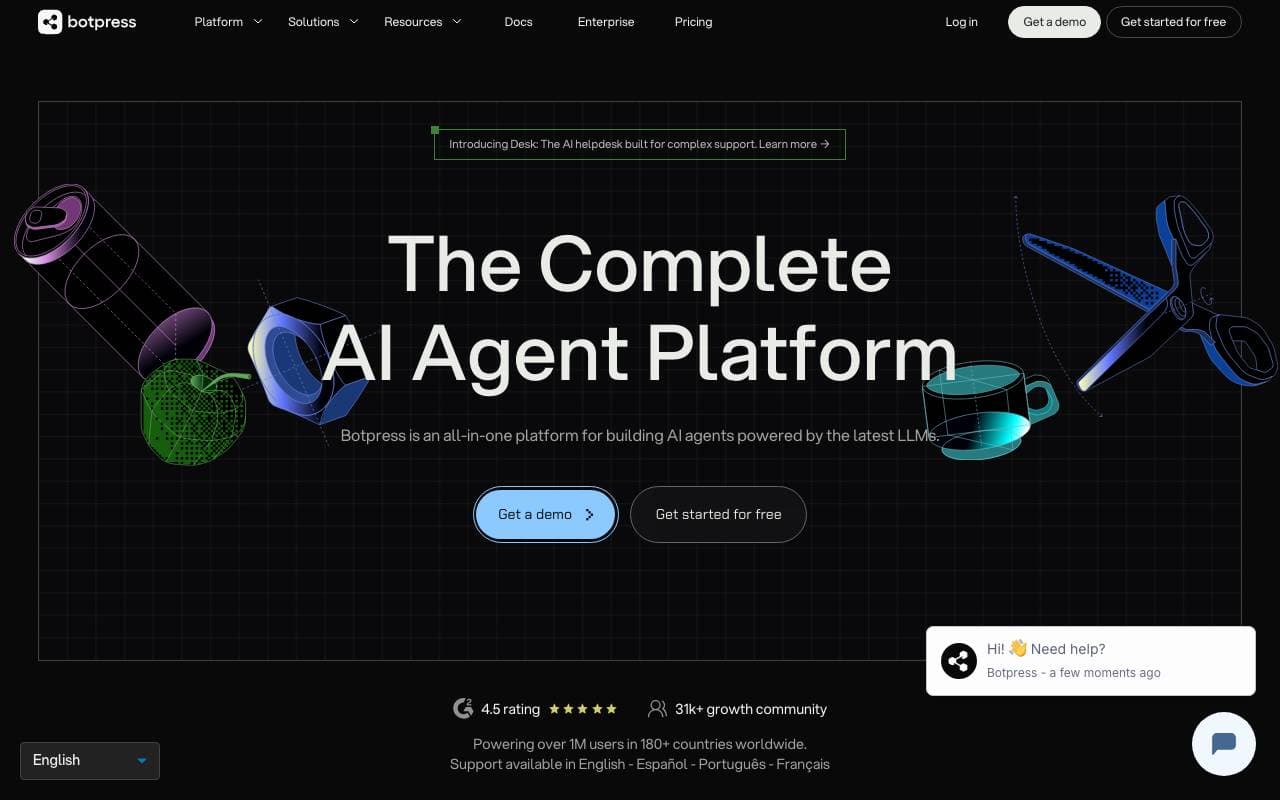

Botpress
Agent Development
Kompleksowa platforma do budowania, wdrażania i zarządzania agentami AI oraz chatbotami.
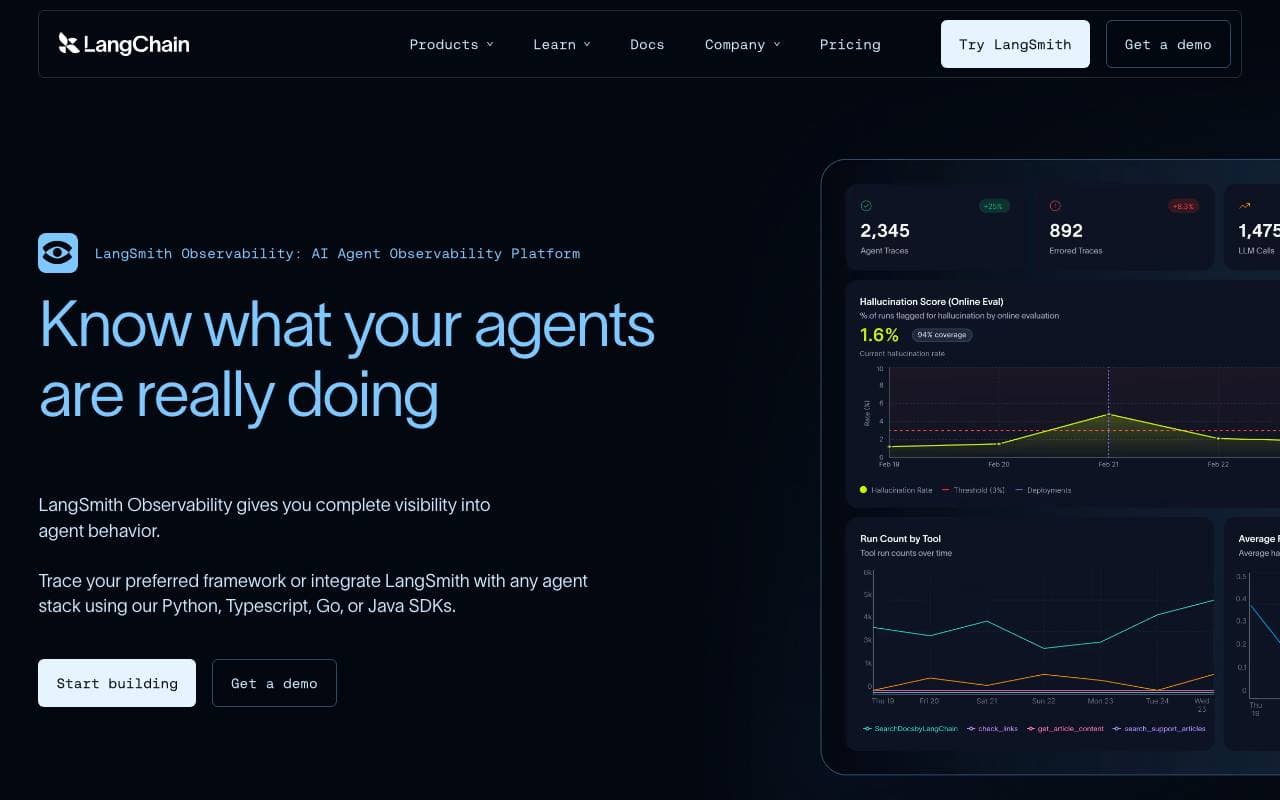

LangSmith
Agent Development
Platforma obserwowalności, ewaluacji i debugowania aplikacji LLM od zespołu LangChain
Trending now


Claude
AI Agents & Chatbots
Konwersyjny asystent AI od Anthropic do pisania, analizy, kodowania i pracy z dokumentami

Doozer Ai
Sales Agent
Cyfrowi współpracownicy, którzy automatyzują operacyjne przepływy pracy, zwiększając wydajność zespołu.
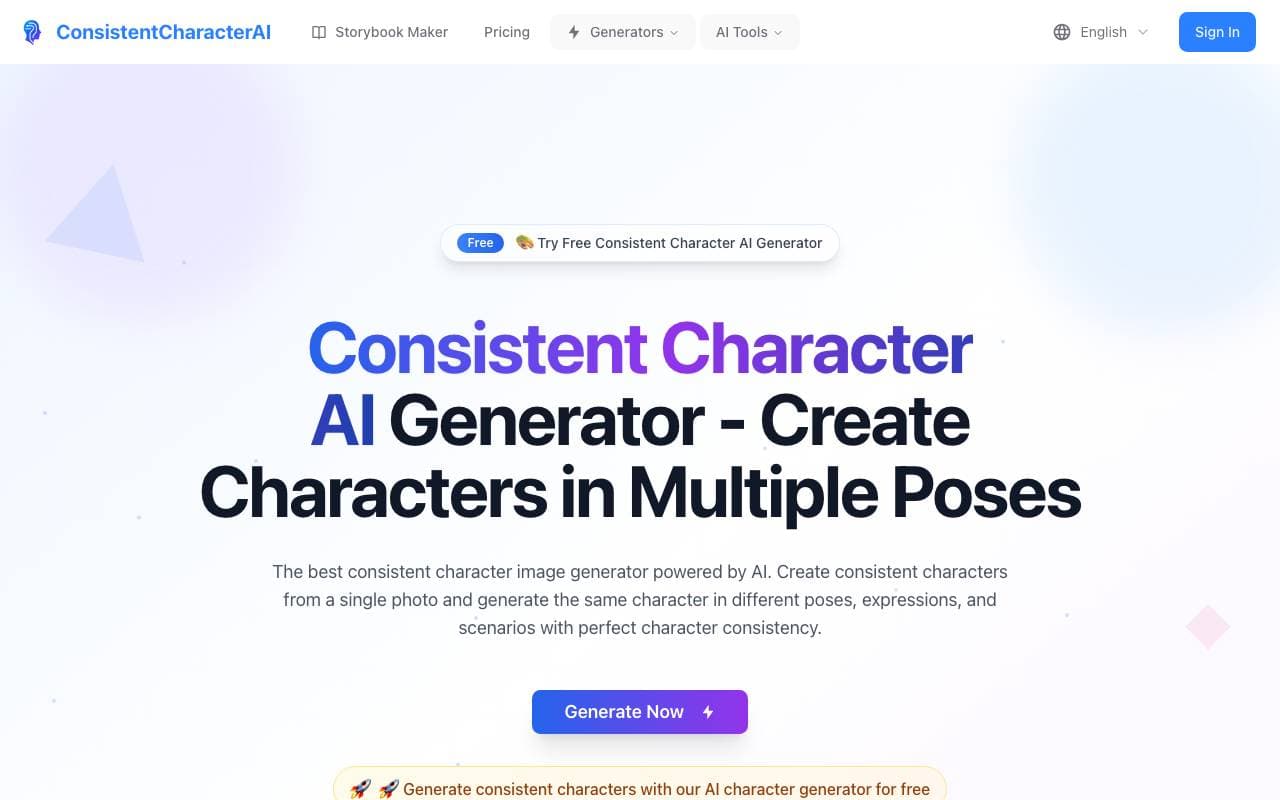

Consistent Character AI
Images
Generuj spójne postaci AI na różnych scenach z jednego zdjęcia referencyjnego.
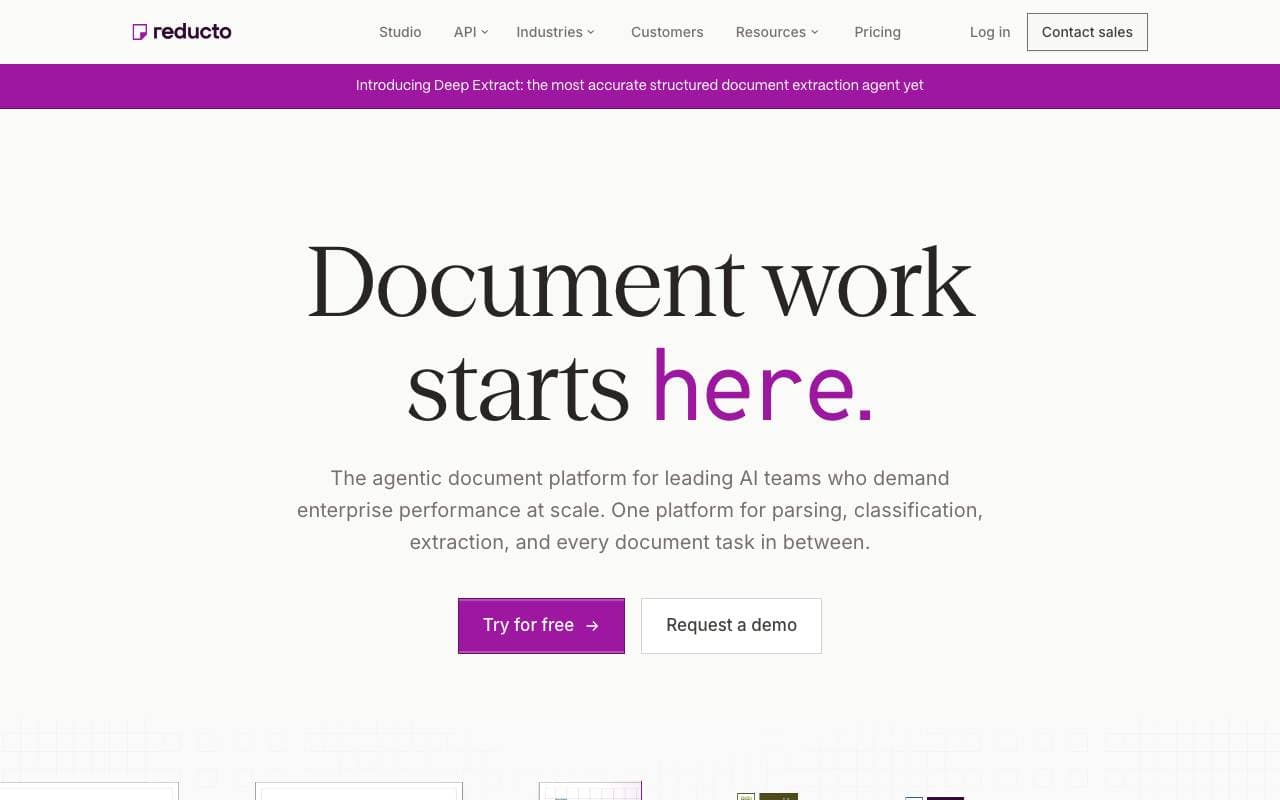

Reducto AI
AI Agent Development Platforms
API inteligencji dokumentowej, które analizuje, dzieli, wykonuje OCR i wyodrębnia strukturalne dane z złożonych PDF-ów, slajdów i arkuszy kalkulacyjnych.