PythagoraPlatforma AI, która buduje i wdraża pełne aplikacje internetowe z poleceń w języku naturalnym.

Przegląd
Kluczowe funkcje
- Generowanie aplikacji z poleceń
- Szkielet front‑end i back‑end
- Automatyczny workflow wdrażania
- Iteracja konwersacyjna i edycje
- Konfiguracja i integracja bazy danych
- Edytowalna podstawa kodu
Cennik
- Model
- $180
- Kategoria
- Software Engineering
- Ocena
- 4.7 / 5 (6)
Zastosowania
Uruchomienie MVP z polecenia
Założyciele mogą opisać pomysł na produkt w języku prostym i pozwolić Pythagora wygenerować wdrożalny prototyp pełnego stacku, omijając ręczne budowanie front‑end, back‑end i bazy danych.
Szybkie tworzenie wewnętrznych narzędzi
Zespoły produktowe mogą szybko uruchamiać wewnętrzne aplikacje internetowe, opisując wymagane przepływy pracy, pozostawiając Pythagora do podłączania tras, API i struktury bazy danych bez dedykowanych cykli inżynieryjnych.
Akcelerator szkieletu dla programistów
Programiści mogą używać Pythagora do wygenerowania bazowego kodu full‑stack i konfiguracji wdrażania, a następnie przeglądać i edytować podstawkę kodu, aby dodać własną logikę.
Iteracyjne prototypowanie z udziałem interesariuszy
Zespoły mogą doskonalić aplikacje poprzez konwersację, wydając kolejne instrukcje w celu dostosowania funkcji i interfejsu, co ułatwia prezentację i rewizję prototypów z nietechnicznymi interesariuszami.
Plusy i minusy
Plusy
- Generuje pełne aplikacje full‑stack z prostych poleceń
- Obsługuje wdrażanie bez ręcznego konfigu serwera
- Dostępny dla osób niebędących deweloperami i zespołów produktowych
- Iteracyjne dopracowywanie przez konwersacyjne edycje
Minusy
- Zaawansowana logika niestandardowa może wymagać ręcznego kodowania
- Jakość wyników zależy od jasności polecenia
- Mniej kontroli niż pisanie od zera
- Wygenerowany kod może wymagać przeglądu przed produkcją
Recenzje
Średnia z 6 ocen.
Zaloguj się, aby zostawić recenzję.
Skeptical, then convinced
I went in skeptical — most tools in this space overpromise. It actually delivers on prompt-to-app generation, and accessible to non-developers and product teams caught me off guard. still, I'd recommend giving it a real trial.
Compared a few options
Evaluated this against two competitors. Where it wins: conversational iteration and edits and generates full-stack apps from simple prompts. Where it lags: generated code may require review for production use. On balance the feature set — especially conversational iteration and edits — justifies the 4 stars for our use case.
Years in this space
I've evaluated a lot of these over the years. What stands out here is automated deployment workflow — handled better than most — and handles deployment without manual server setup. Output quality depends on prompt clarity is my one real gripe. Worth the time if this is your use case.
Solid for our team
We rolled this out across the team last quarter and iterative refinement through conversational edits. Prompt-to-app generation fits neatly into how we already work, and database setup and integration removed a step we used to do by hand. but it has held up under daily use.
Does the job
Pretty happy overall. Conversational iteration and edits just works and handles deployment without manual server setup. but no dealbreakers — I'd recommend it to a friend without hesitating.
Does the job
Pretty happy overall. Database setup and integration just works and iterative refinement through conversational edits. but no dealbreakers — I'd recommend it to a friend without hesitating.
Pytania i odpowiedzi
What kinds of projects is Pythagora best suited for?
It's best for founders, product teams, and developers building full-stack web app prototypes quickly from an idea. Pythagora handles routes, APIs, database setup, and deployment, making it well-suited for MVPs and iterative prototyping rather than highly customized production systems.
Can non-developers actually ship a working app with Pythagora, or do I still need an engineer?
Non-developers and product teams can describe an app in plain language and Pythagora will generate the front end, back end, database, and handle deployment. However, complex custom logic may still require manual coding, and generated code often benefits from developer review before production use.
Do I get access to the underlying code, or am I locked into Pythagora's platform?
Yes, the underlying codebase is editable, so technical users can inspect and modify what Pythagora generates. This gives developers a fallback for custom logic while still benefiting from automated scaffolding and deployment.
Zadaj pytanie
Alternatywy dla Software Engineering
cubic
Software Engineering
Recenzja kodu z wykorzystaniem AI, która przyspiesza pull requesty i wykrywa błędy przed wysłaniem.
TRAE
Software Engineering
AI inżynier oprogramowania, który buduje, debuguje i dostarcza kod w Twoim imieniu.
TestZeus
Software Engineering
Bez‑kodowy agent AI, który automatyzuje i utrzymuje testy end-to-end Salesforce

PureCode AI
Software Engineering
Asystent AI do zrozumienia, utrzymania i modernizacji baz kodu dziedzicznego.
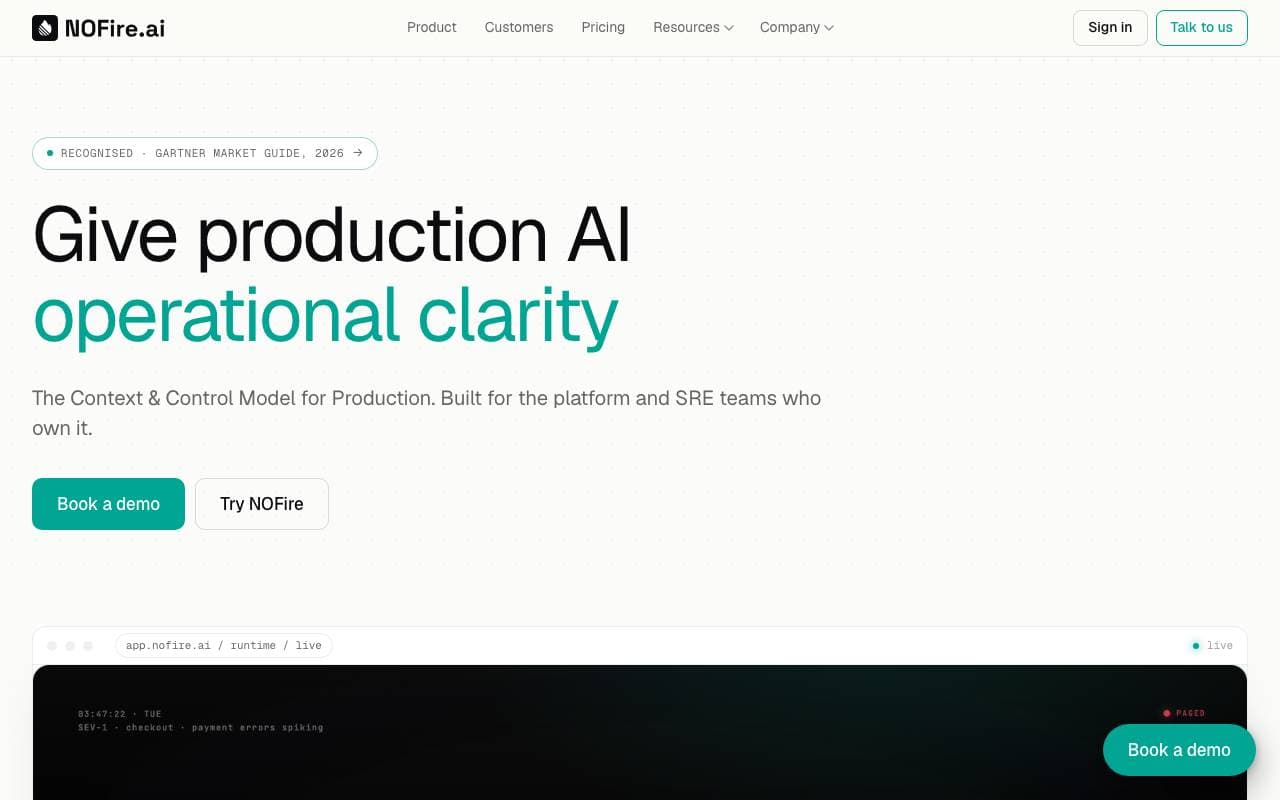
NOFire AI
Software Engineering
Proaktywne zapobieganie incydentom i szybka analiza przyczyn źródłowych dla zespołów programistycznych.

Windsurf
Software Engineering
Edytor kodu natywny dla AI, zaprojektowany, aby utrzymać programistów w ciągłym stanie flow.
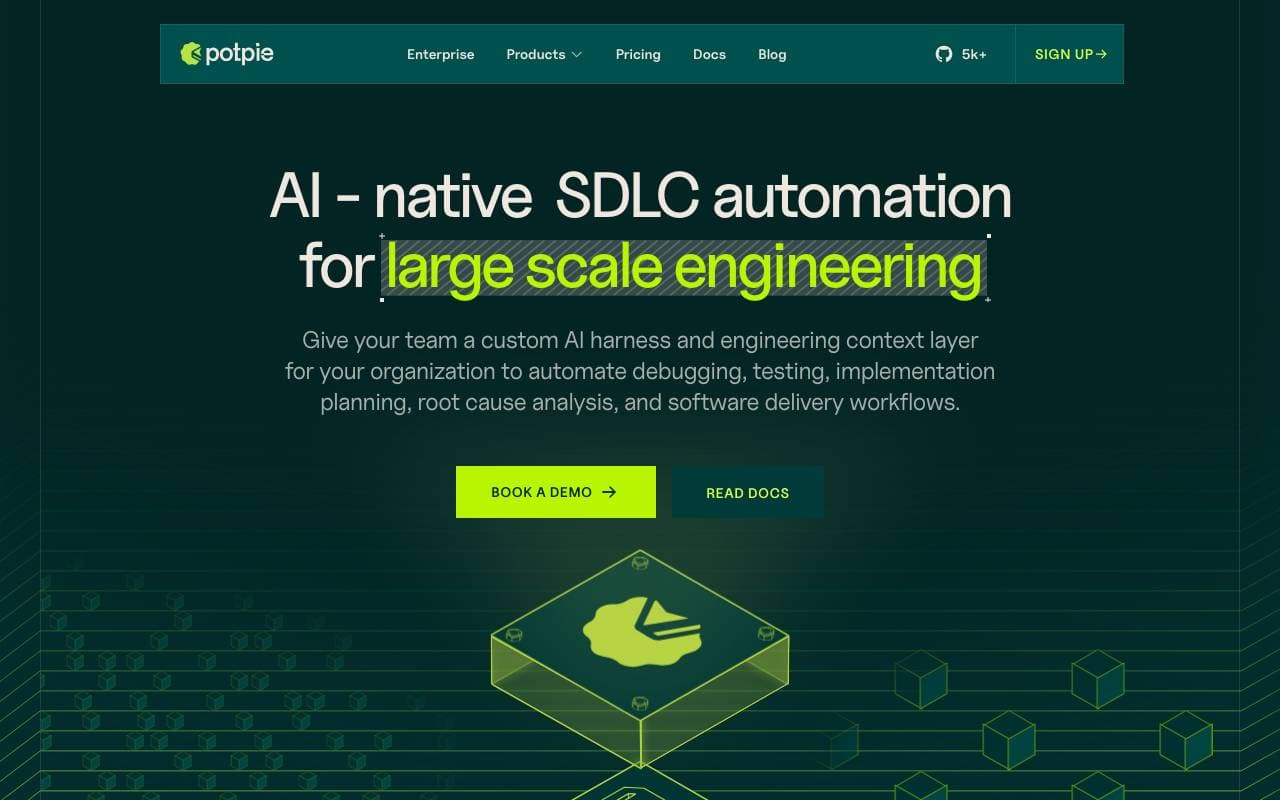

Potpie
Software Engineering
Agent AI, które rozumieją Twój kod, aby automatyzować zadania inżynieryjne
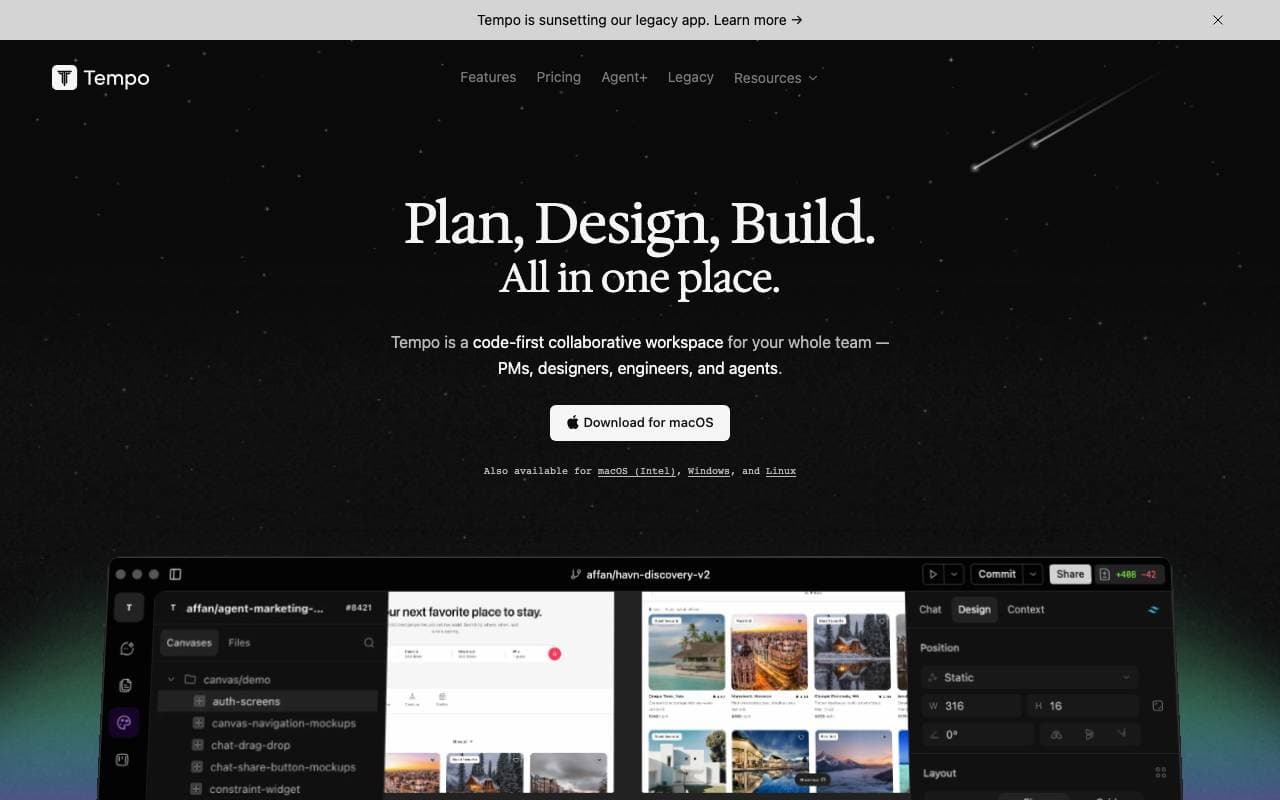
Tempo
Software Engineering
Wspomagane przez AI narzędzie do tworzenia i wdrażania aplikacji React od projektu do kodu w jednym miejscu.
Trending now

Doozer Ai
Sales Agent
Cyfrowi współpracownicy, którzy automatyzują operacyjne przepływy pracy, zwiększając wydajność zespołu.


Claude
AI Agents & Chatbots
Konwersyjny asystent AI od Anthropic do pisania, analizy, kodowania i pracy z dokumentami
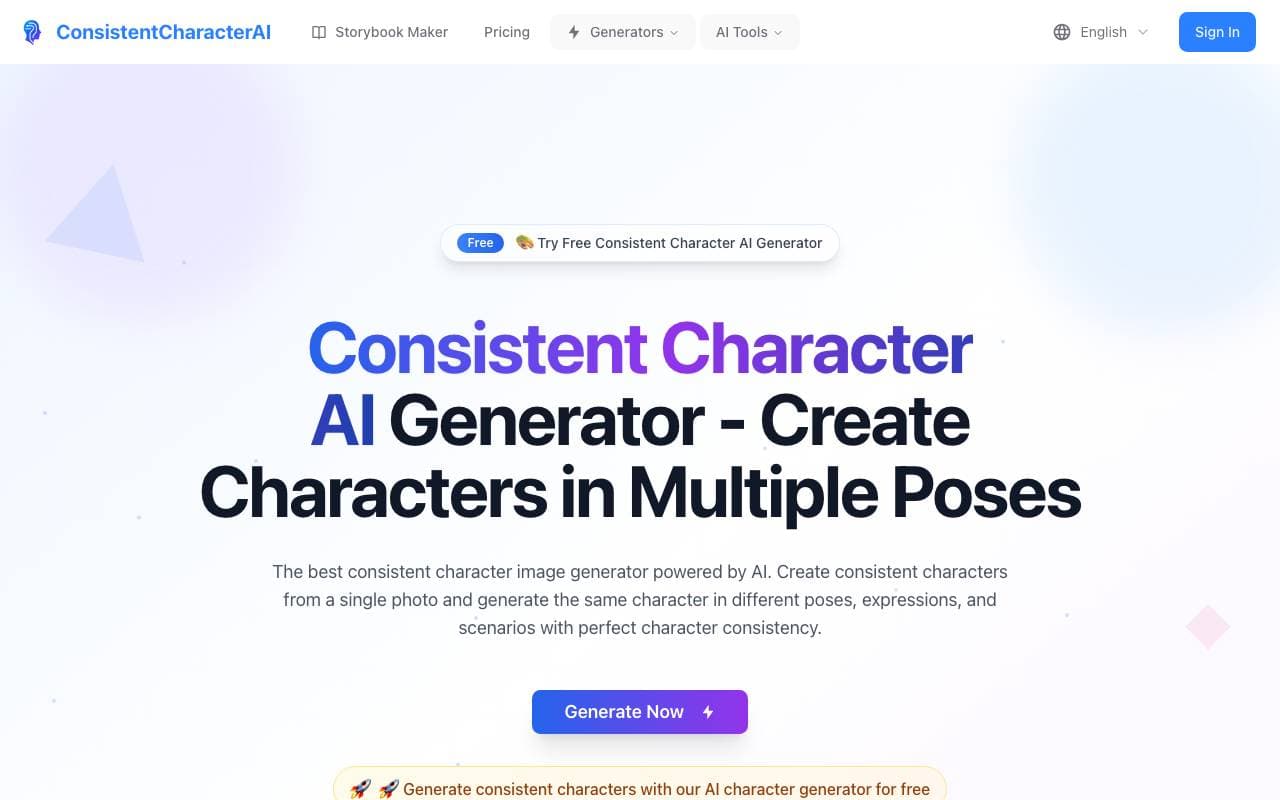

Consistent Character AI
Images
Generuj spójne postaci AI na różnych scenach z jednego zdjęcia referencyjnego.

Pin AI
Workflow automation
Agentowy rekruter AI, który automatyzuje pozyskiwanie, selekcję i kontakt, przyspieszając proces rekrutacji.