CogneeAdaptacyjna warstwa pamięci, która pomaga agentom AI uczyć się z kontekstu z biegiem czasu.

Przegląd
Kluczowe funkcje
- Pamięć agentów oparta na grafie wiedzy
- Ingestowanie danych semantycznych i strukturalnych
- Python SDK do integracji agentów
- Rozszerzalni dostawcy LLM i pamięci
- Wyszukiwanie między przeszłymi sesjami i dokumentami
- Opcje samodzielnego hostingu lub zarządzanego wdrożenia
Cennik
- Model
- Free
- Kategoria
- MCP Servers
- Ocena
- 4.8 / 5 (5)
Zastosowania
Długotrwała pamięć dla agentów AI
Zapewnia agentom konwersacyjnym trwałą pamięć między sesjami poprzez przechowywanie interakcji w grafie wiedzy i pobieranie odpowiedniego kontekstu na żądanie.
Kontextualne RAG nad dokumentami
Ingestuj dokumenty i dane strukturalne, a następnie łącz relacje grafowe z wyszukiwaniem semantycznym, aby dostarczyć bogatsze i bardziej dokładne wyniki niż RAG tylko wektorowy.
Zmniejszanie halucynacji w aplikacjach LLM
Uspokaja odpowiedzi LLM w oparciu o wcześniej zebrane fakty i relacje, redukując powtarzające się promptowanie i zwiększając niezawodność odpowiedzi z czasem.
Samodzielnie hostowana warstwa pamięci dla niestandardowych stosów
Użyj Python SDK, aby podłączyć Cognee do preferowanych LLM, magazynów wektorowych i baz danych grafowych, z opcją samodzielnego hostingu lub zarządzanego wdrożenia dla pełnej kontroli.
Plusy i minusy
Plusy
- Łączy wyszukiwanie grafowe i wektorowe dla bogatszego kontekstu
- Otwarte oprogramowanie z elastycznym Python SDK
- Działa z wieloma backendami LLM i baz danych
- Pomaga zmniejszyć powtarzające się promptowanie i halucynacje
Minusy
- Wymaga konfiguracji technicznej i wiedzy o infrastrukturze
- Pamięć oparta na grafie zwiększa złożoność w porównaniu do prostych baz wektorowych
- Optymalne wyniki wymagają dostrojenia dla każdego przypadku użycia
Recenzje
Średnia z 5 ocen.
Zaloguj się, aby zostawić recenzję.
Does the job
Pretty happy overall. Pluggable LLM and storage providers just works and helps reduce repetitive prompting and hallucinations. but no dealbreakers — I'd recommend it to a friend without hesitating.
Does the job
Pretty happy overall. Querying across past sessions and documents just works and combines graph and vector retrieval for richer context. but no dealbreakers — I'd recommend it to a friend without hesitating.
Years in this space
I've evaluated a lot of these over the years. What stands out here is self-hosted or managed deployment options — handled better than most — and combines graph and vector retrieval for richer context. Worth the time if this is your use case.
Skeptical, then convinced
I went in skeptical — most tools in this space overpromise. It actually delivers on knowledge graph based agent memory, and combines graph and vector retrieval for richer context caught me off guard. still, I'd recommend giving it a real trial.
Skeptical, then convinced
I went in skeptical — most tools in this space overpromise. It actually delivers on knowledge graph based agent memory, and open-source with a flexible Python SDK caught me off guard. Requires technical setup and infrastructure knowledge is why this isn't a perfect score, still, I'd recommend giving it a real trial.
Pytania i odpowiedzi
Brak pytań — zadaj pierwsze.
Zadaj pytanie
Alternatywy dla MCP Servers
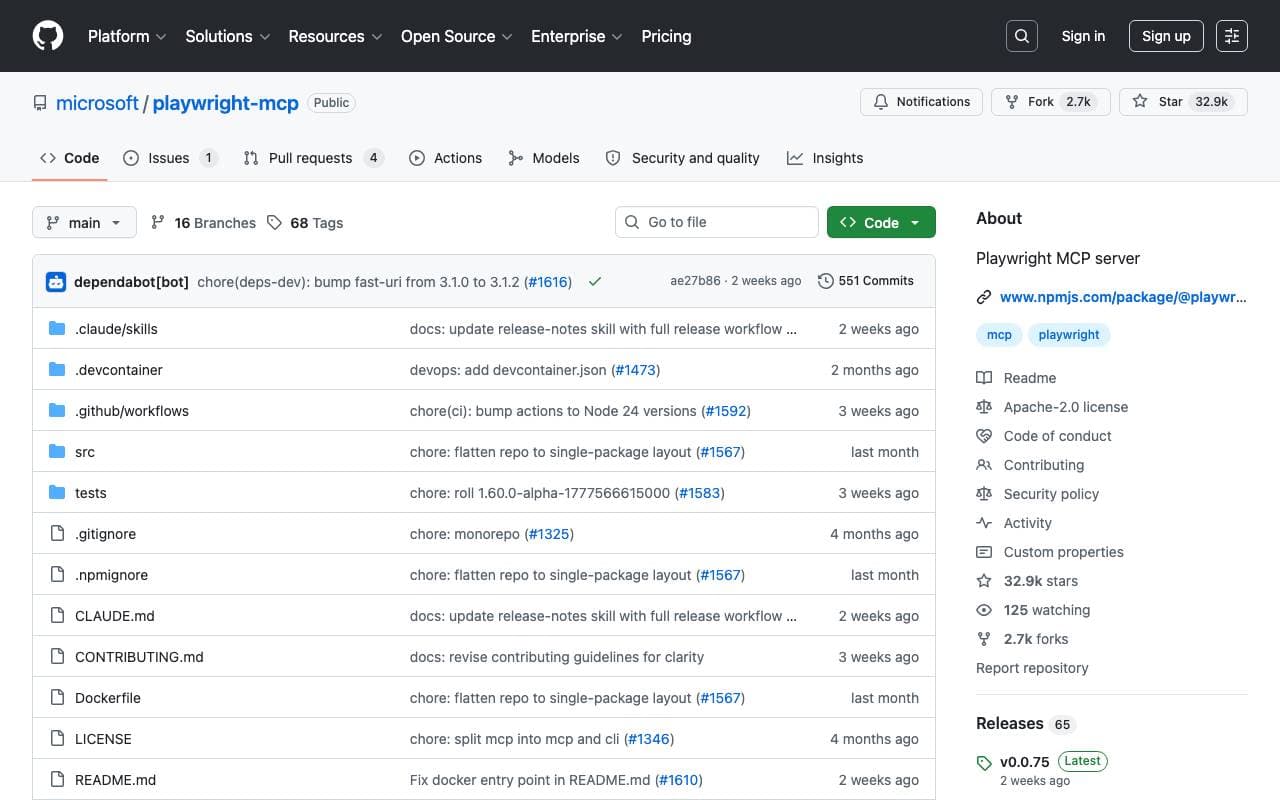

Playwright MCP
MCP Servers
Serwer MCP open-source, który pozwala modelom LLM sterować prawdziwymi przeglądarkami przy pomocy Playwright i zrzutów dostępności.
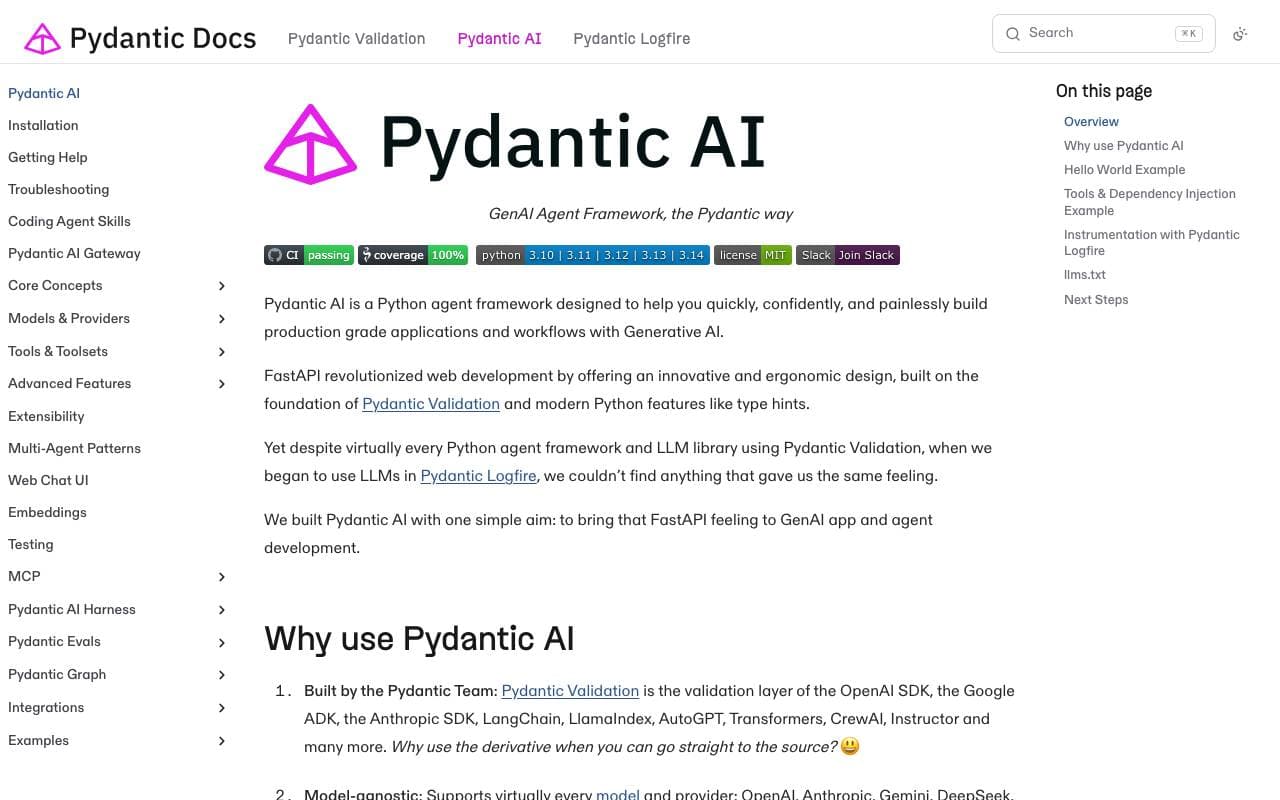
Pydantic AI
MCP Servers
Pythonowy framework agentów od zespołu Pydantic do budowania aplikacji GenAI z silnym typowaniem.


Inbox Zero
MCP Servers
Asystent pocztowy AI, który organizuje, tworzy odpowiedzi i pomaga szybciej osiągnąć pustą skrzynkę odbiorczą.
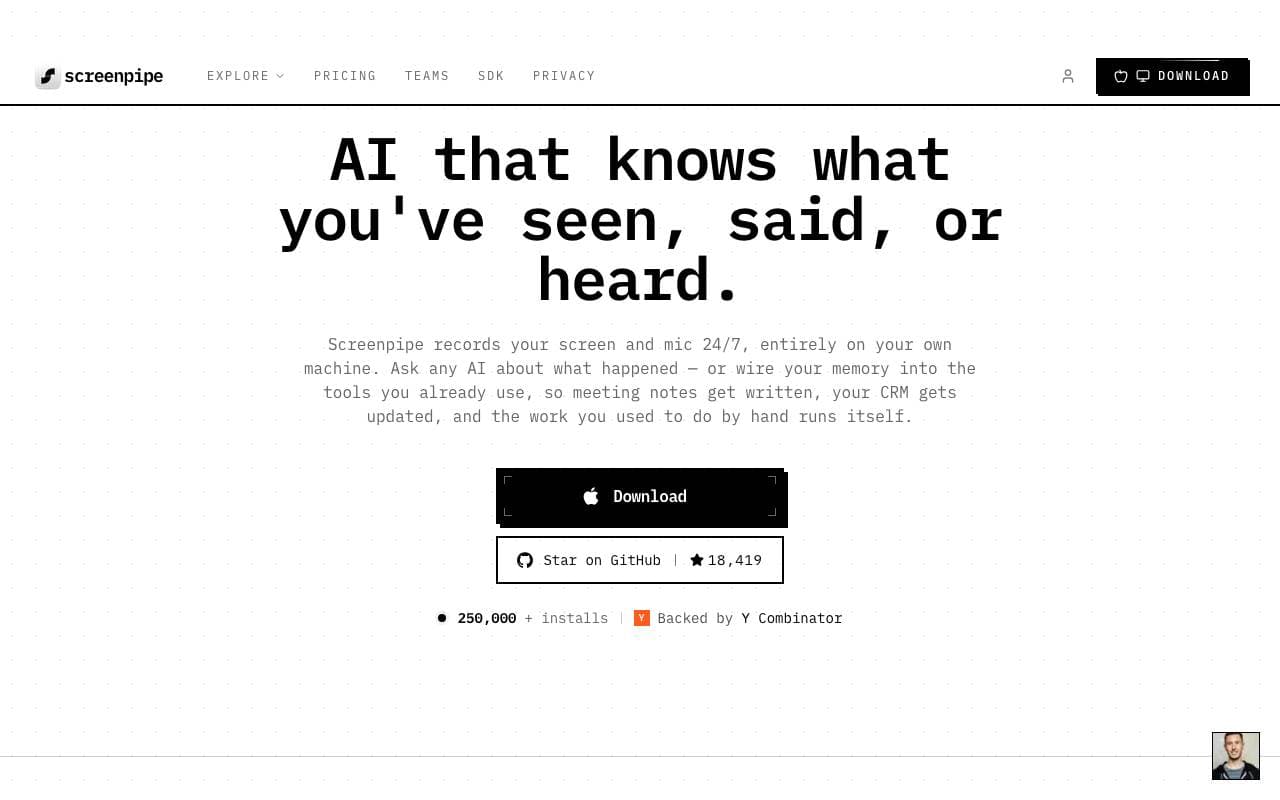

Screenpipe
MCP Servers
Open-source 24/7 lokalne nagrywanie ekranu i dźwięku do budowania kontekstowych aplikacji AI
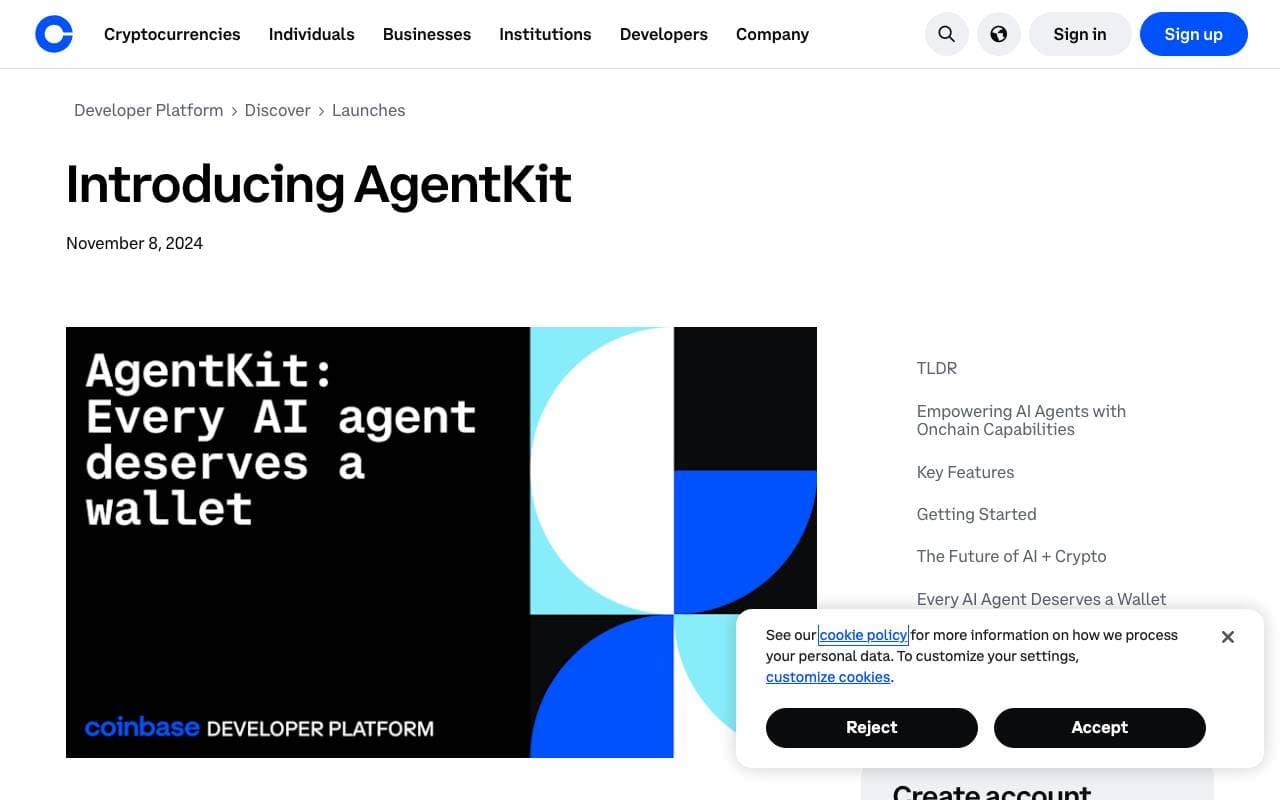

AgentKit
MCP Servers
Biblioteka TypeScript do budowania i koordynacji agentów AI z narzędziami, pamięcią i wieloagentowymi przepływami pracy.

onchain-mcp
MCP Servers
Przynosząc bankowość bez banków do onchain API dla MCP

markitdown
MCP Servers
Narzędzie Python do konwertowania plików i dokumentów biurowych do formatu Markdown.

mcp-clickhouse
MCP Servers
Serwer mcp-clickhouse MCP
Trending now


Claude
AI Agents & Chatbots
Konwersyjny asystent AI od Anthropic do pisania, analizy, kodowania i pracy z dokumentami

Doozer Ai
Sales Agent
Cyfrowi współpracownicy, którzy automatyzują operacyjne przepływy pracy, zwiększając wydajność zespołu.
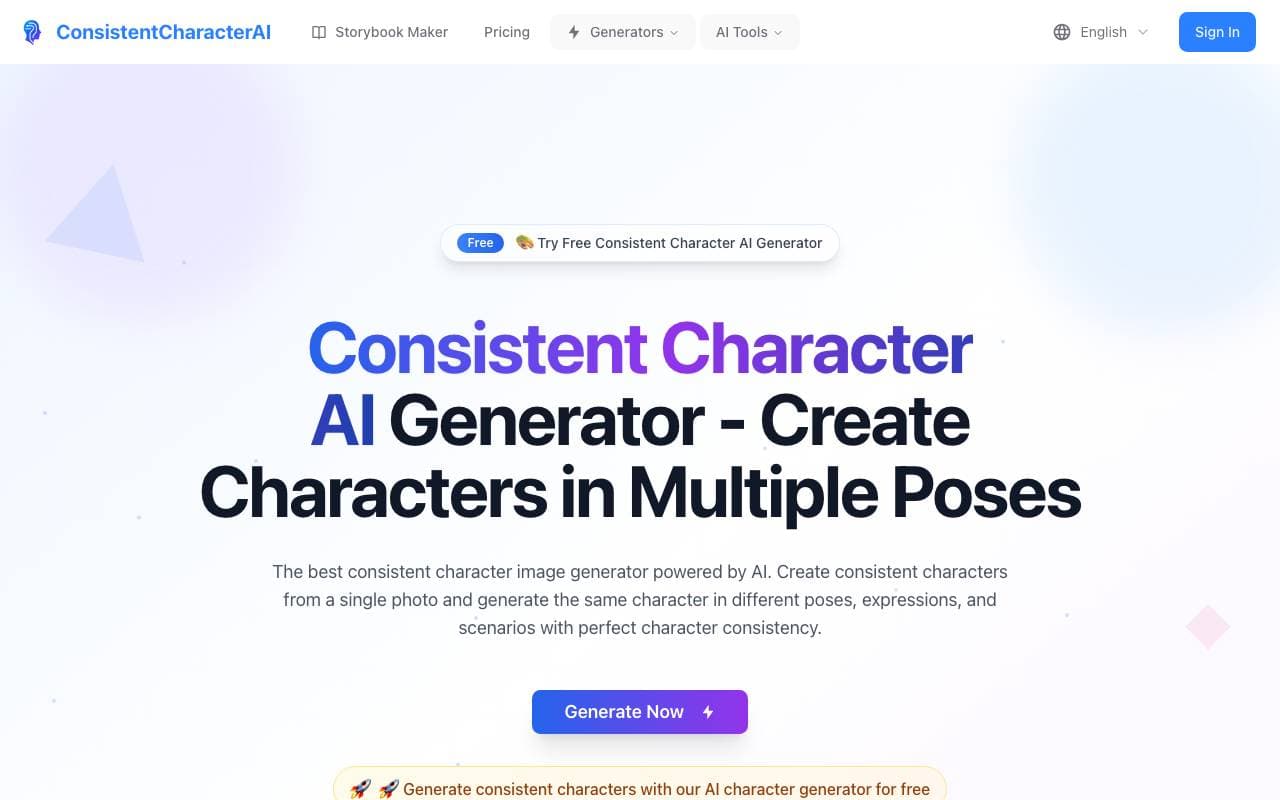

Consistent Character AI
Images
Generuj spójne postaci AI na różnych scenach z jednego zdjęcia referencyjnego.
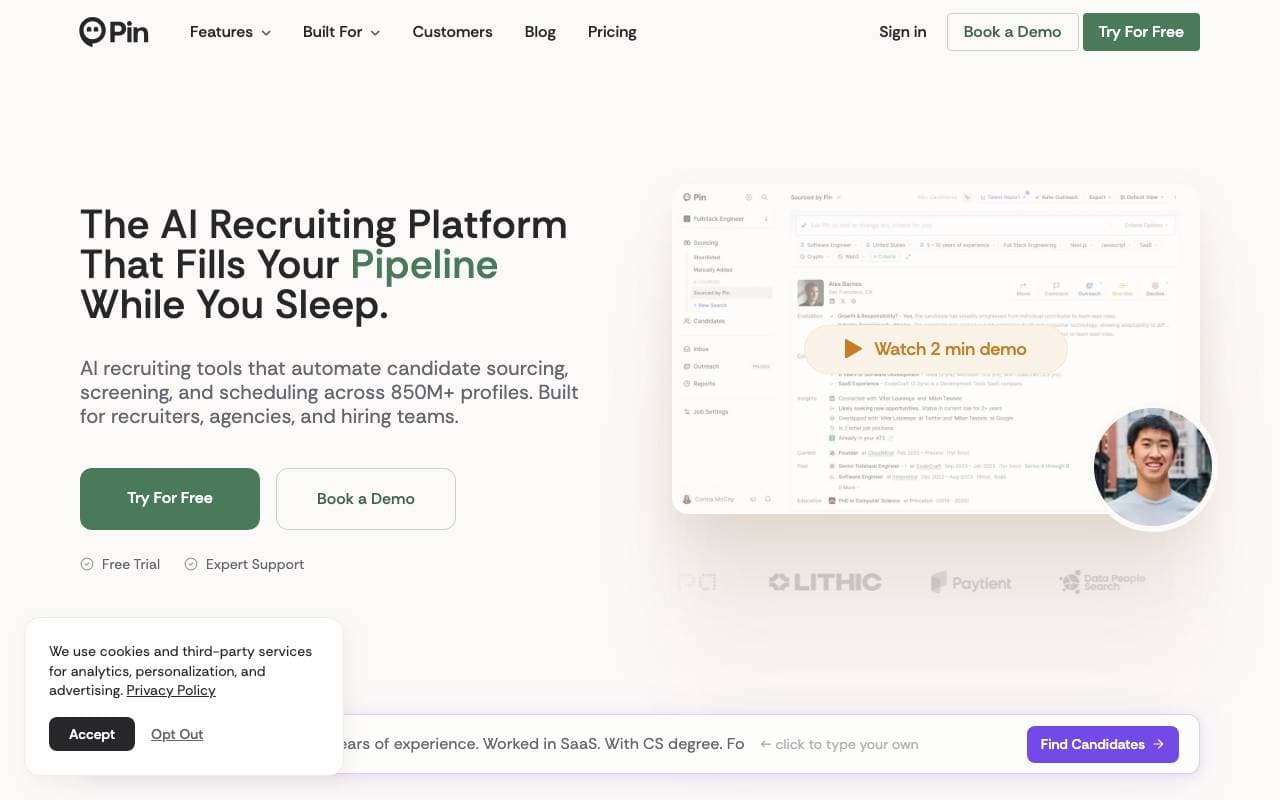

Pin AI
Workflow automation
Agentowy rekruter AI, który automatyzuje pozyskiwanie, selekcję i kontakt, przyspieszając proces rekrutacji.