
BabyCommandAGIAutonomiczny agent AI sterujący interfejsem wiersza poleceń w celu osiągnięcia zdefiniowanych przez użytkownika celów.

Przegląd
Kluczowe funkcje
- Integracja CLI umożliwiająca bezpośrednie wykonywanie poleceń
- Planowanie i priorytetyzacja zadań sterowane przez LLM
- Autonomiczna pętla oparta na celu
- Informacja zwrotna z wyniku polecenia kształtuje kolejne kroki
- Konfigurowalny model i środowisko wykonawcze
- Kod otwartego źródła, samodzielnie hostowalny
Cennik
- Model
- Free
- Kategoria
- AI Agent Development Frameworks
- Ocena
- 4.7 / 5 (6)
Zastosowania
Prototypowanie autonomicznych przepływów kodowania
Programiści mogą ustawić cel kodowania i pozwolić agentowi iteracyjnie pisać pliki, uruchamiać skrypty i debugować przez shell w celu eksploracji wzorców rozwojowych oparte na agentach.
Automatyzacja zadań administracyjnych systemu
Użyj agenta do autonomicznego instalowania pakietów, konfigurowania środowisk i łączenia operacji terminalowych w kierunku zdefiniowanego celu administracyjnego bez ręcznego wprowadzania poleceń.
Badanie zachowania AI agenticznych
Badacze analizujący autonomiczne agenty LLM mogą eksperymentować z planowaniem zadań, pętlami zwrotnymi i samodzielnym kierowaniem, obserwując, jak agent adaptuje się na podstawie wyniku polecenia.
Sandbox do eksperymentów samodzielnie hostowanych
Zespoły pragnące pełnej kontroli nad wyborem modelu i środowiskiem wykonawczym mogą samodzielnie hostować kod otwartego źródła w celu testowania niestandardowych konfiguracji agenta w realnym CLI.
Plusy i minusy
Plusy
- Łączy rozumowanie LLM z prawdziwym wykonaniem w shellu
- Otwarta automatyzacja zadań w kierunku celu
- Użyteczne do eksperymentów z przepływami agenticznymi
- Iteracyjnie dostosowuje się na podstawie wyniku polecenia
Minusy
- Wykonywanie dowolnych poleceń niesie ryzyko bezpieczeństwa
- Może wchodzić w pętle lub niepowodować przy skomplikowanych, wieloetapowych celach
- Wymaga konfiguracji technicznej i dostępu do API
- Eksperymentalny, niegotowy do produkcji
Recenzje
Średnia z 6 ocen.
Zaloguj się, aby zostawić recenzję.
Use it every day
Honestly didn't expect to like it this much. Configurable model and execution environment is exactly what I needed, and open-ended task automation toward a goal. but I reach for it almost every day now and it just clicks.
Use it every day
Honestly didn't expect to like it this much. LLM-driven task planning and prioritization is exactly what I needed, and useful for experimenting with agentic workflows. I do wish running arbitrary commands carries security risk, but I reach for it almost every day now and it just clicks.
Compared a few options
Evaluated this against two competitors. Where it wins: lLM-driven task planning and prioritization and combines LLM reasoning with real shell execution. Where it lags: experimental, not production-ready. On balance the feature set — especially objective-based autonomous loop — justifies the 5 stars for our use case.
Years in this space
I've evaluated a lot of these over the years. What stands out here is configurable model and execution environment — handled better than most — and combines LLM reasoning with real shell execution. Experimental, not production-ready is my one real gripe. Worth the time if this is your use case.
Solid for our team
We rolled this out across the team last quarter and combines LLM reasoning with real shell execution. Objective-based autonomous loop fits neatly into how we already work, and open-source, self-hostable codebase removed a step we used to do by hand. Can loop or fail on complex multi-step goals, which is the main caveat, but it has held up under daily use.
Years in this space
I've evaluated a lot of these over the years. What stands out here is configurable model and execution environment — handled better than most — and combines LLM reasoning with real shell execution. Worth the time if this is your use case.
Pytania i odpowiedzi
What kinds of tasks can BabyCommandAGI actually perform?
Since it drives a CLI autonomously, it can install packages, write files, debug scripts, and chain operations toward a user-defined goal. Typical use cases include agentic workflow experiments, automated system administration prototypes, and self-directed coding or DevOps tasks.
What technical setup is required to run BabyCommandAGI?
You'll need to self-host the open-source codebase and provide API access to a large language model. It's aimed at developers and researchers comfortable with command-line environments, since the agent executes shell commands directly in a configurable execution environment.
Is BabyCommandAGI safe to use for production system administration?
No. It's explicitly experimental and not production-ready. Because the agent runs arbitrary commands directly against a shell, there's meaningful security risk, and it can loop or fail on complex multi-step goals. It's best suited for prototyping and research, not live production systems.
Zadaj pytanie
Alternatywy dla AI Agent Development Frameworks

Wildcard AI / agents.json
AI Agent Development Frameworks
Otwarta specyfikacja i platforma, które pozwalają agentom AI odkrywać i wywoływać przepływy pracy API za pomocą pliku agents.json.
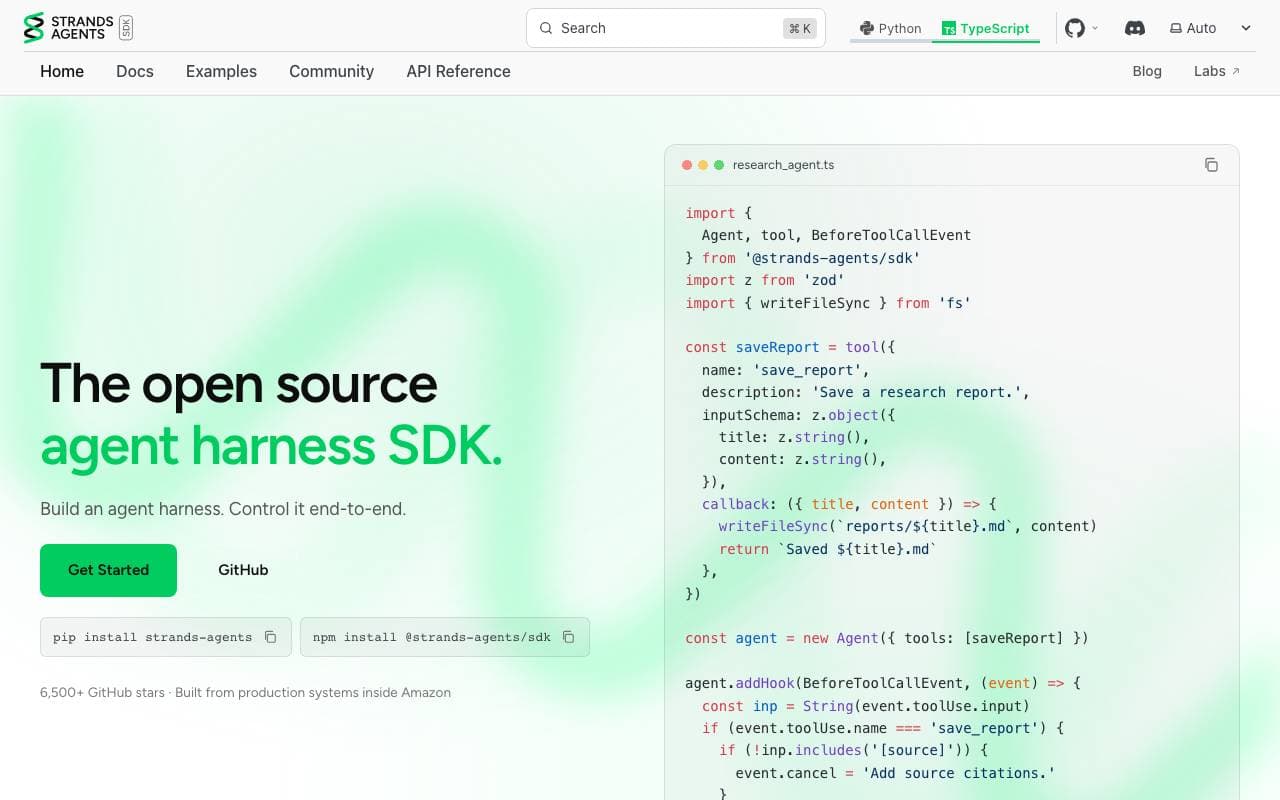

Strands Agents
AI Agent Development Frameworks
SDK open‑source do tworzenia i orkiestracji pojedynczych lub wielo-agentowych systemów z LLM i integracją narzędzi.
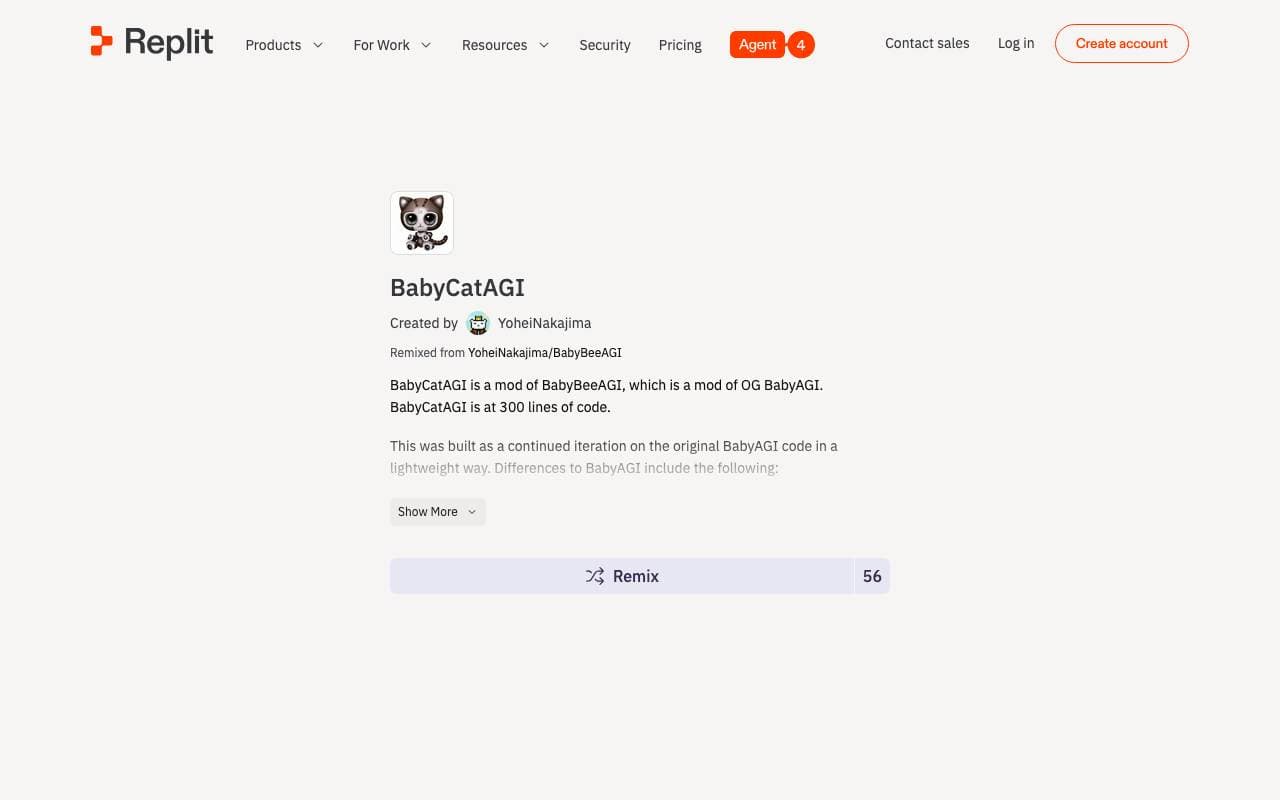

BabyCatAGI
AI Agent Development Frameworks
Lekki framework autonomicznych agentów AI do usprawnionej automatyzacji zadań
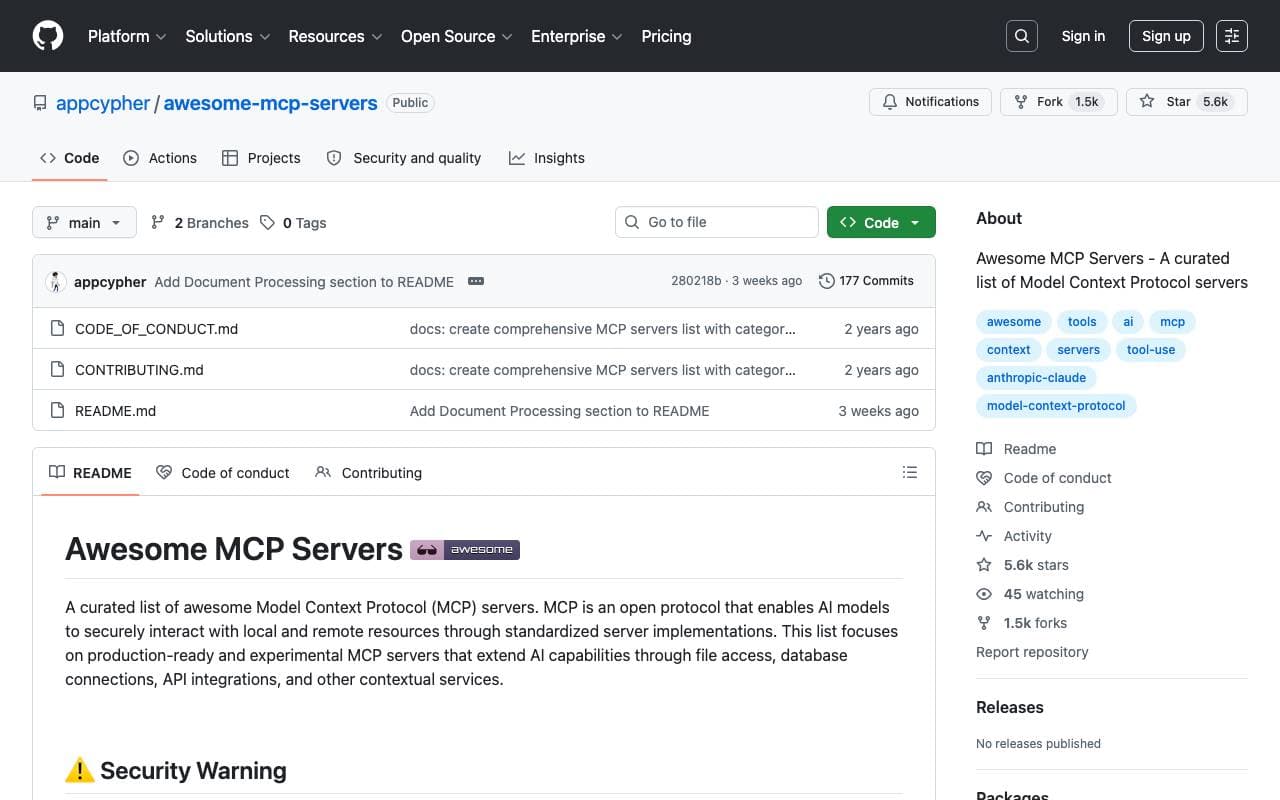

Awesome MCP Servers
AI Agent Development Frameworks
Wyselekcjonowany katalog serwerów Model Context Protocol umożliwiający rozszerzanie asystentów AI o narzędzia i dane.
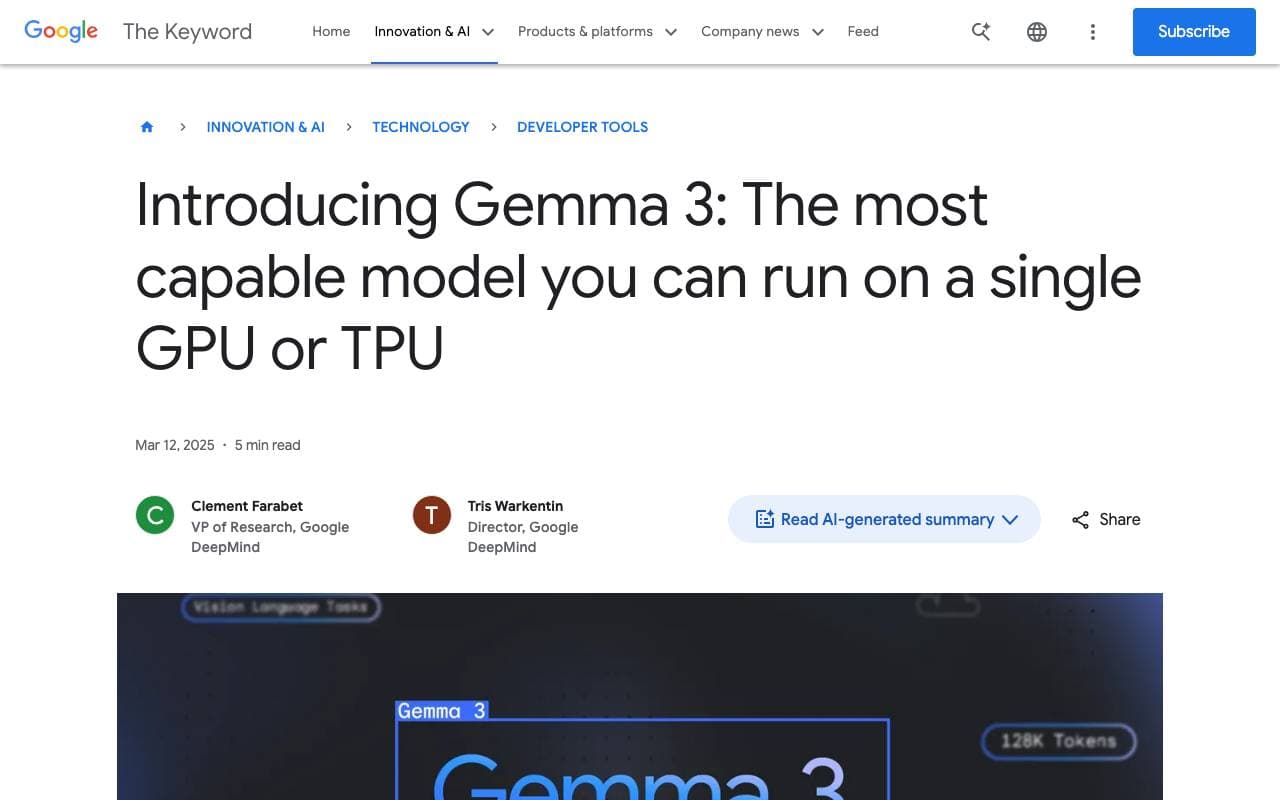

Gemma 3
AI Agent Development Frameworks
Otwartoźródłowy model AI zoptymalizowany pod wydajność na pojedynczym GPU, obsługujący multimodalne wejścia i ponad 140 języków.
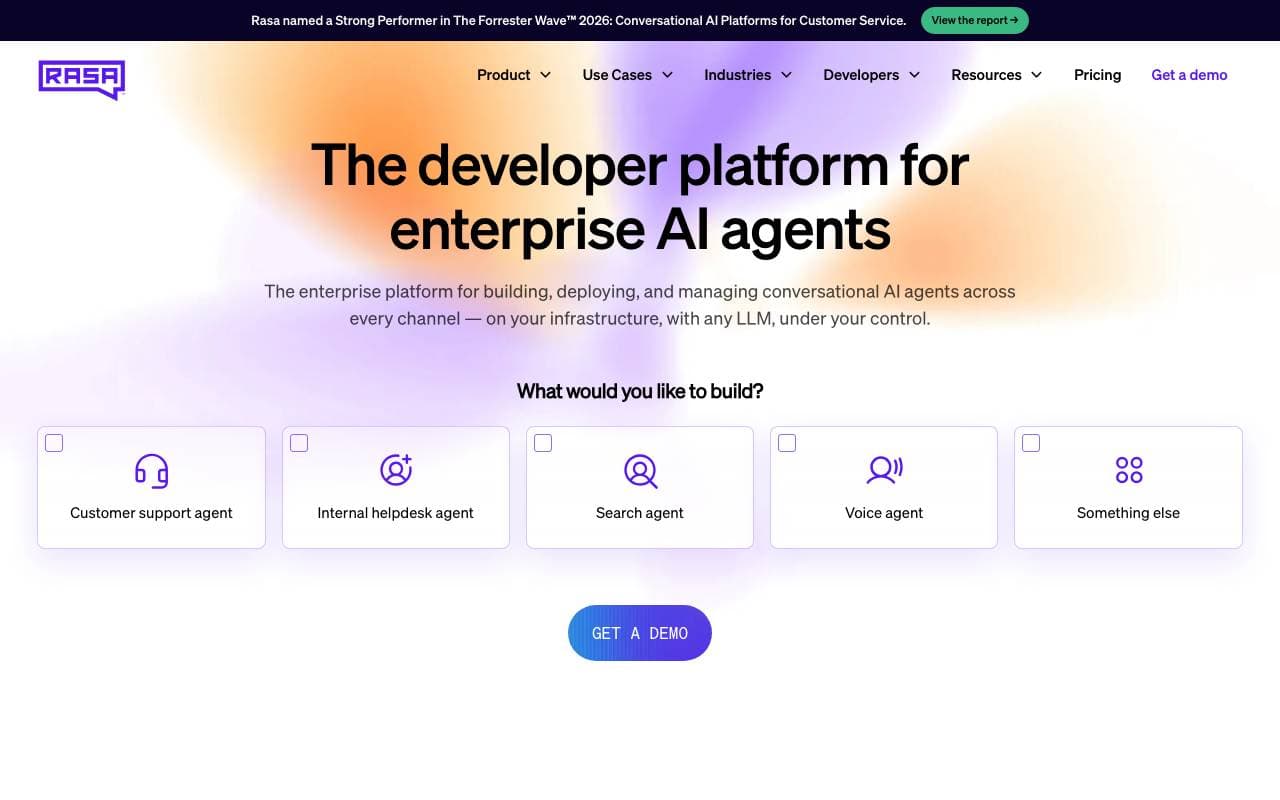

Rasa
AI Agent Development Frameworks
Otwarto‑źródłowy framework do tworzenia chat i głosowych asystentów klasy produkcyjnej

BabyElfAGI
AI Agent Development Frameworks
Eksperymentalny framework agentów AI z modułową klasą Skills do dynamicznego planowania i realizacji zadań.
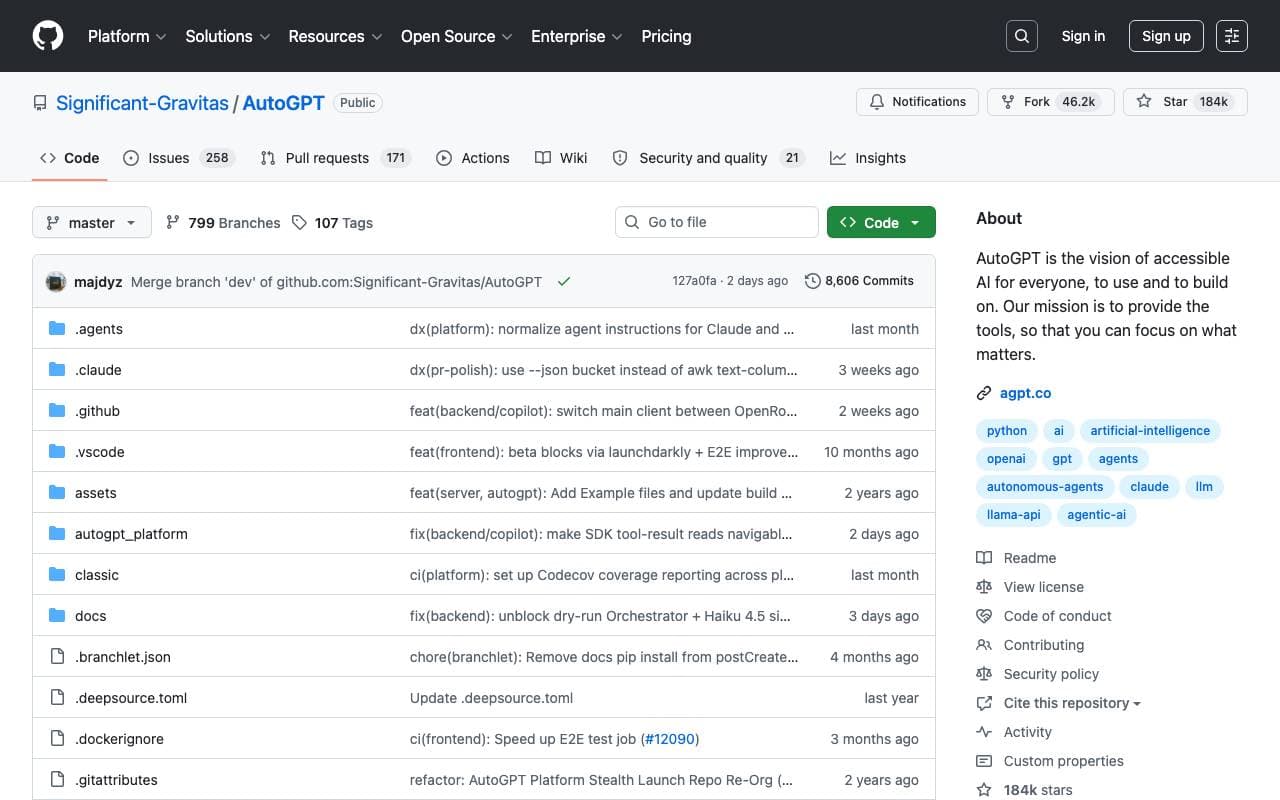

Auto-GPT
AI Agent Development Frameworks
Otwartoźródłowy agent AI zdolny do samodzielnego wykonywania złożonych zadań przy użyciu modeli GPT.
Trending now


Claude
AI Agents & Chatbots
Konwersyjny asystent AI od Anthropic do pisania, analizy, kodowania i pracy z dokumentami
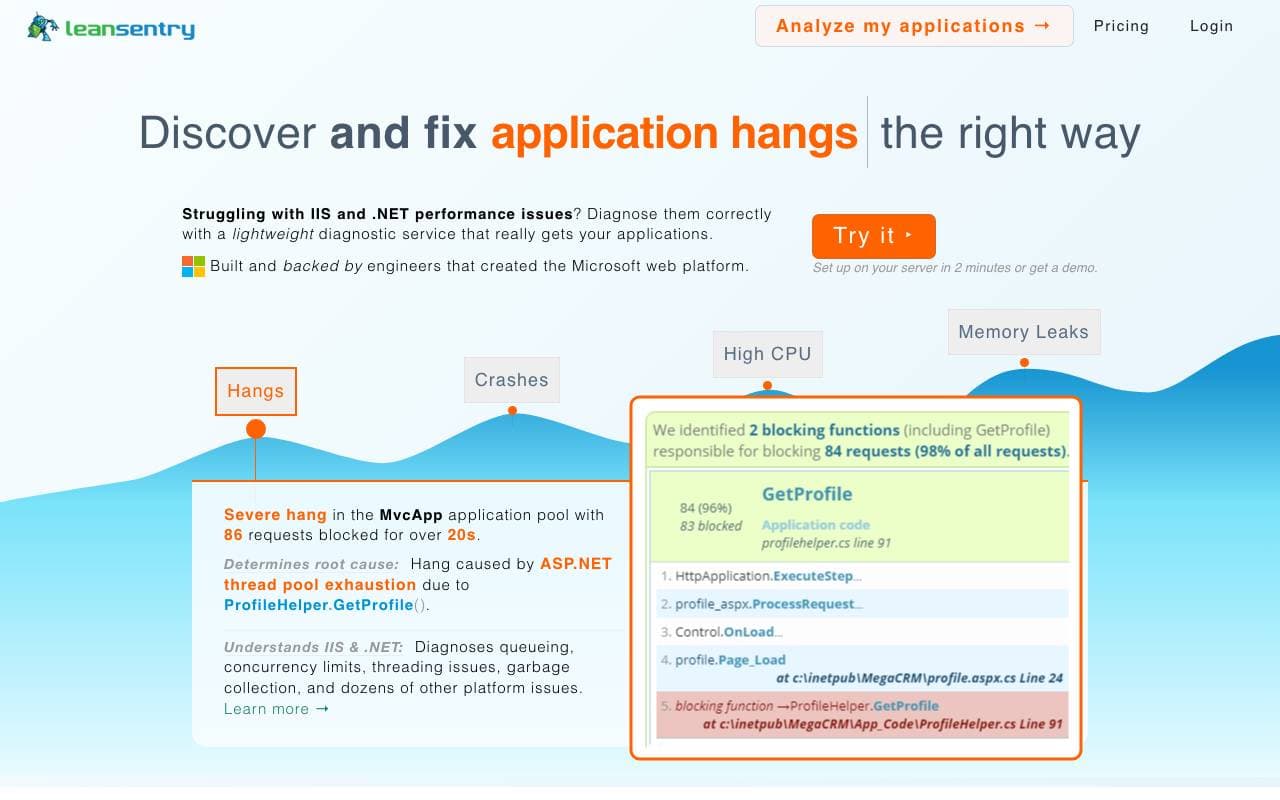

LeanSentry
Software Development
Diagnostyka i monitorowanie oparte na sztucznej inteligencji dla problemów z wydajnością IIS i ASP.NET.

Doozer Ai
Sales Agent
Cyfrowi współpracownicy, którzy automatyzują operacyjne przepływy pracy, zwiększając wydajność zespołu.

Consistent Character AI
Images
Generuj spójne postaci AI na różnych scenach z jednego zdjęcia referencyjnego.