
Audience Analysis AIGeneruj i rozmawiaj z symulowanymi grupami docelowymi, aby weryfikować pomysły i zdobywać wgląd.

Przegląd
Kluczowe funkcje
- AI-generowane personas grupy docelowej na podstawie opisów tekstowych
- Interaktywny czat z symulowanymi grupami
- Wgląd dla decyzji produktowych, marketingowych i pozycjonowania
- Niestandardowe parametry i segmentacja grupy docelowej
- Przydatne dla przedsiębiorców, developerów i marketerów
Cennik
- Model
- Freemium
- Kategoria
- Marketing AI Agents
- Ocena
- 4.8 / 5 (5)
Zastosowania
Weryfikacja pomysłów produktowych na wczesnym etapie
Przedsiębiorcy mogą opisać grupę docelową i rozmawiać z personas AI, aby przetestować koncepcje i zebrać wstępne opinie przed zainwestowaniem w rozwój lub badania w rzeczywistym świecie.
Testuj pod presją komunikaty marketingowe
Marketerzy mogą przedstawić proponowane pozycjonowanie, slogany lub kampanie symulowanym grupom, aby ujawnić obiekcje i preferencje przed uruchomieniem.
Eksploruj segmenty grupy docelowej
Zespoły produktowe mogą konfigurować niestandardowe parametry i segmentację grupy docelowej, aby porównać, jak różne demografie mogą reagować na ten sam pomysł lub funkcję.
Uzupełnij tradycyjne badanie użytkowników
Badacze mogą korzystać z symulowanych sesji Q&A, aby szybko iterować podczas wczesnego odkrywania, udoskonalając hipotezy przed przeprowadzeniem wywiadów lub ankiet z prawdziwymi użytkownikami.
Plusy i minusy
Plusy
- Szybko symuluje opinie zdefiniowanych grup docelowych
- Przydatne przy weryfikacji pomysłów na wczesnym etapie
- Oszczędza czas i koszty początkowych badań
- Interaktywne pytania i odpowiedzi z wygenerowanymi personas
Minusy
- Symulowane odpowiedzi nie mogą w pełni zastąpić prawdziwych użytkowników
- Jakość wyników zależy od szczegółowości promptu
- Ryzyko uprzedzeń wynikających z danych treningowych
Recenzje
Średnia z 5 ocen.
Zaloguj się, aby zostawić recenzję.
Skeptical, then convinced
I went in skeptical — most tools in this space overpromise. It actually delivers on insights for product, marketing, and positioning decisions, and interactive Q&A with generated personas caught me off guard. Risk of bias from underlying training data is why this isn't a perfect score, still, I'd recommend giving it a real trial.
Compared a few options
Evaluated this against two competitors. Where it wins: interactive chat with simulated audiences and useful for early-stage idea validation. On balance the feature set — especially useful for entrepreneurs, developers, and marketers — justifies the 5 stars for our use case.
Compared a few options
Evaluated this against two competitors. Where it wins: interactive chat with simulated audiences and interactive Q&A with generated personas. Where it lags: simulated responses can't fully replace real users. On balance the feature set — especially insights for product, marketing, and positioning decisions — justifies the 5 stars for our use case.
Does the job
Pretty happy overall. Interactive chat with simulated audiences just works and quickly simulates feedback from defined target audiences. Simulated responses can't fully replace real users can be annoying, but no dealbreakers — I'd recommend it to a friend without hesitating.
Skeptical, then convinced
I went in skeptical — most tools in this space overpromise. It actually delivers on useful for entrepreneurs, developers, and marketers, and useful for early-stage idea validation caught me off guard. still, I'd recommend giving it a real trial.
Pytania i odpowiedzi
What are the main limitations I should be aware of?
Three key limits: simulated responses can't fully replicate real users, output quality depends heavily on how detailed your prompts and audience descriptions are, and results may reflect biases from the underlying training data. Treat insights as directional, not definitive.
Who is this tool best suited for, and what are typical use cases?
It's built for entrepreneurs, product teams, developers, and marketers. Common use cases include validating product concepts, testing messaging and positioning, exploring audience objections and motivations, and iterating quickly before committing to full-scale research.
Can Audience Analysis AI replace traditional user research with real customers?
No. It's designed to complement, not replace, traditional research. Simulated personas help pressure-test ideas quickly and cheaply during early-stage development, but real user studies are still needed to validate findings since AI responses can't fully reflect actual customer behavior.
Zadaj pytanie
Alternatywy dla Marketing AI Agents

Adobe Experience Cloud AI agents
Marketing AI Agents
Zestaw agentów AI Adobe Experience Cloud do optymalizacji podróży klientów, treści, odbiorców i doświadczeń.


Marxx AI
Marketing AI Agents
Agent AI dla kompleksowej inteligentności reklam — bada, przewiduje zwycięzców, wyjaśnia wyniki i redukuje straty reklamowe.

Morph AI
Marketing AI Agents
Tworz i zarządzaj wirtualnymi influencerami zasilanymi przez AI do kampanii w mediach społecznościowych i brandingowych.
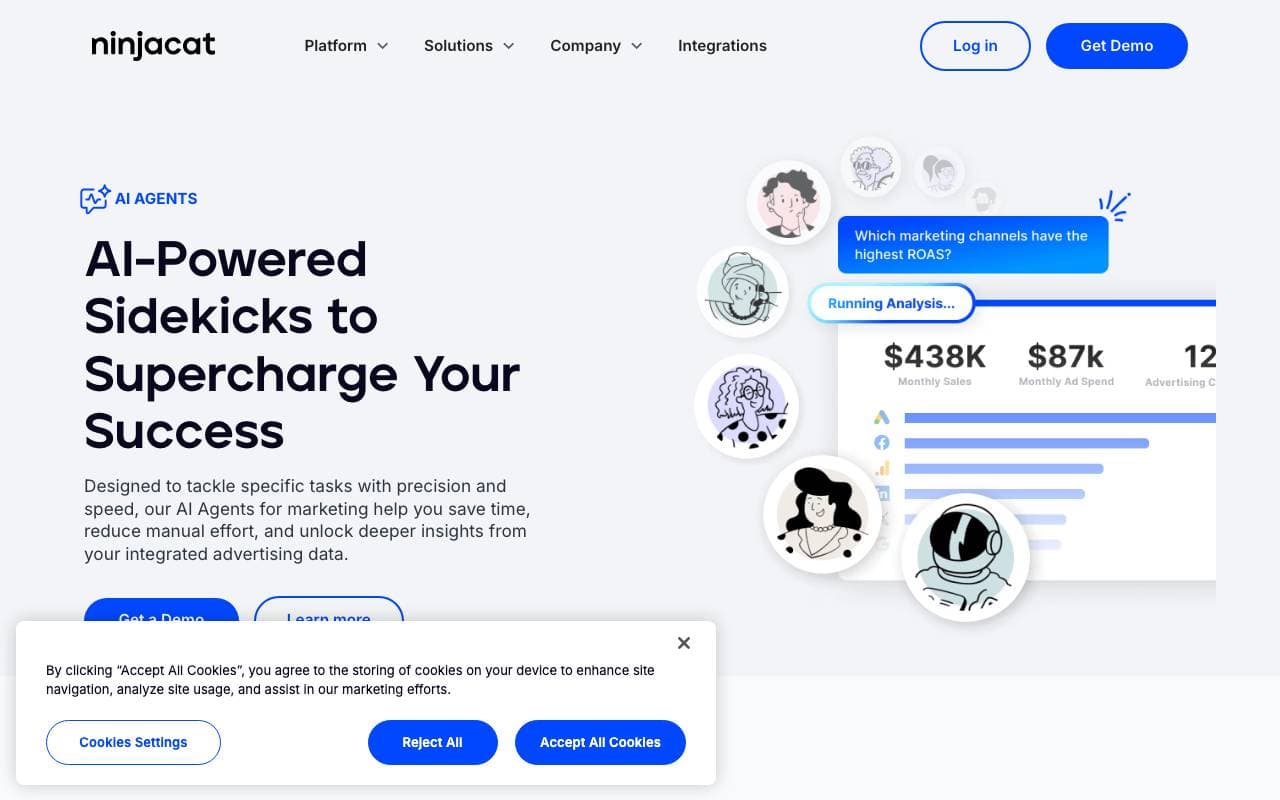

NinjaCat AI Agents
Marketing AI Agents
Złożone agenty AI dla marketingu do automatyzacji wglądów, optymalizacji, budżetów, raportów i audytu reklam.
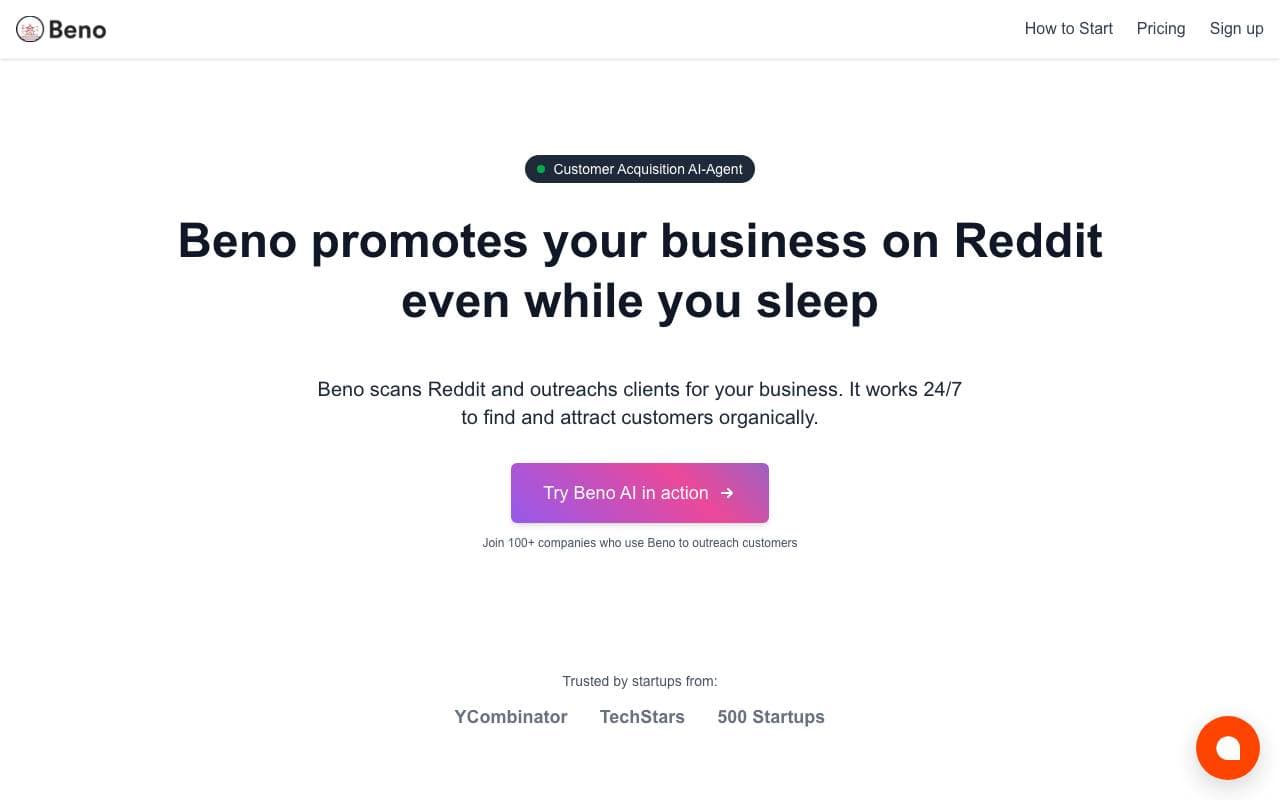

Beno AI
Marketing AI Agents
Narzędzie AI, które automatyzuje marketing na Reddit, angażując się w odpowiednie dyskusje, aby promować Twój produkt organicznie.
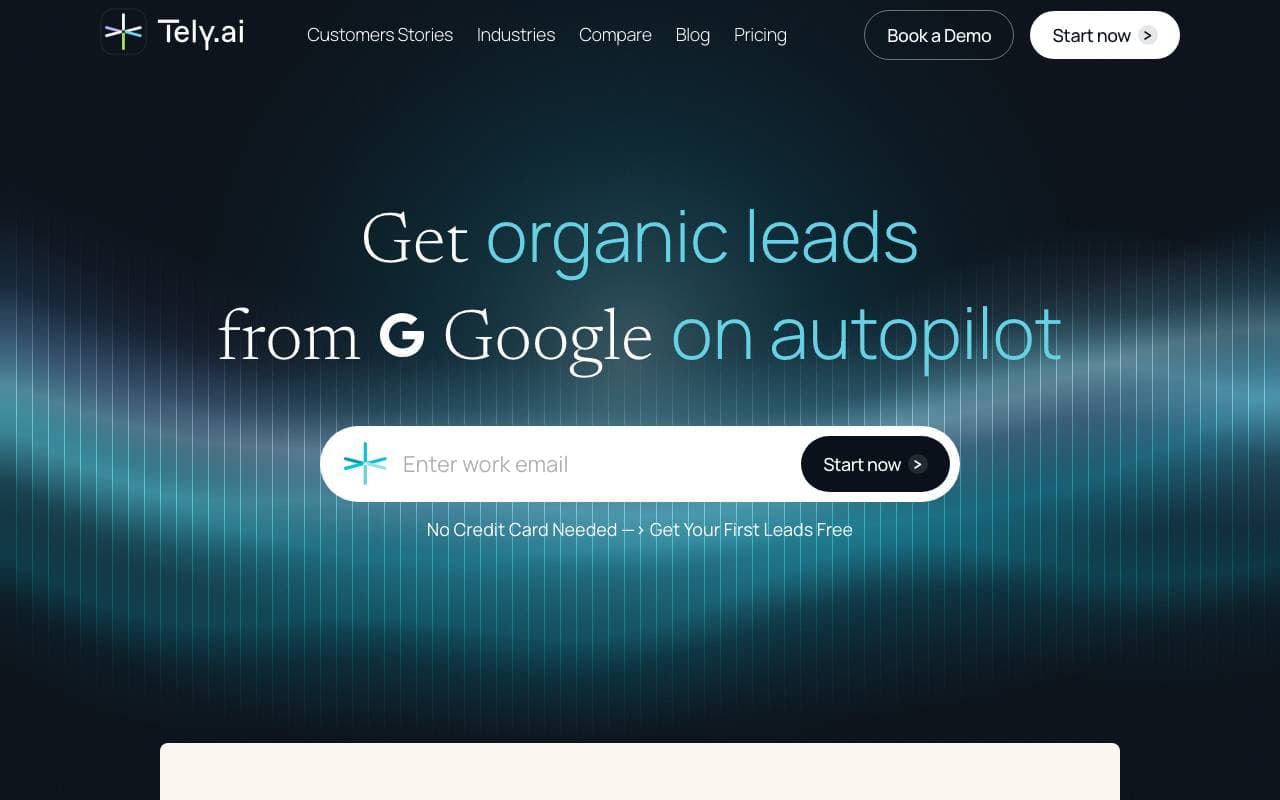

Tely AI
Marketing AI Agents
Autonomiczny agent SEO, który bada, pisze i publikuje eksperckie artykuły, przyciągając ruch i leady.


Build Your Own Brief
Marketing AI Agents
Bezpłatny kreator briefów marketingowych oparty na AI, tworzący wysokowpływowe kreatywne briefy w kilka minut dzięki kontekstowi marki i wglądom AI.
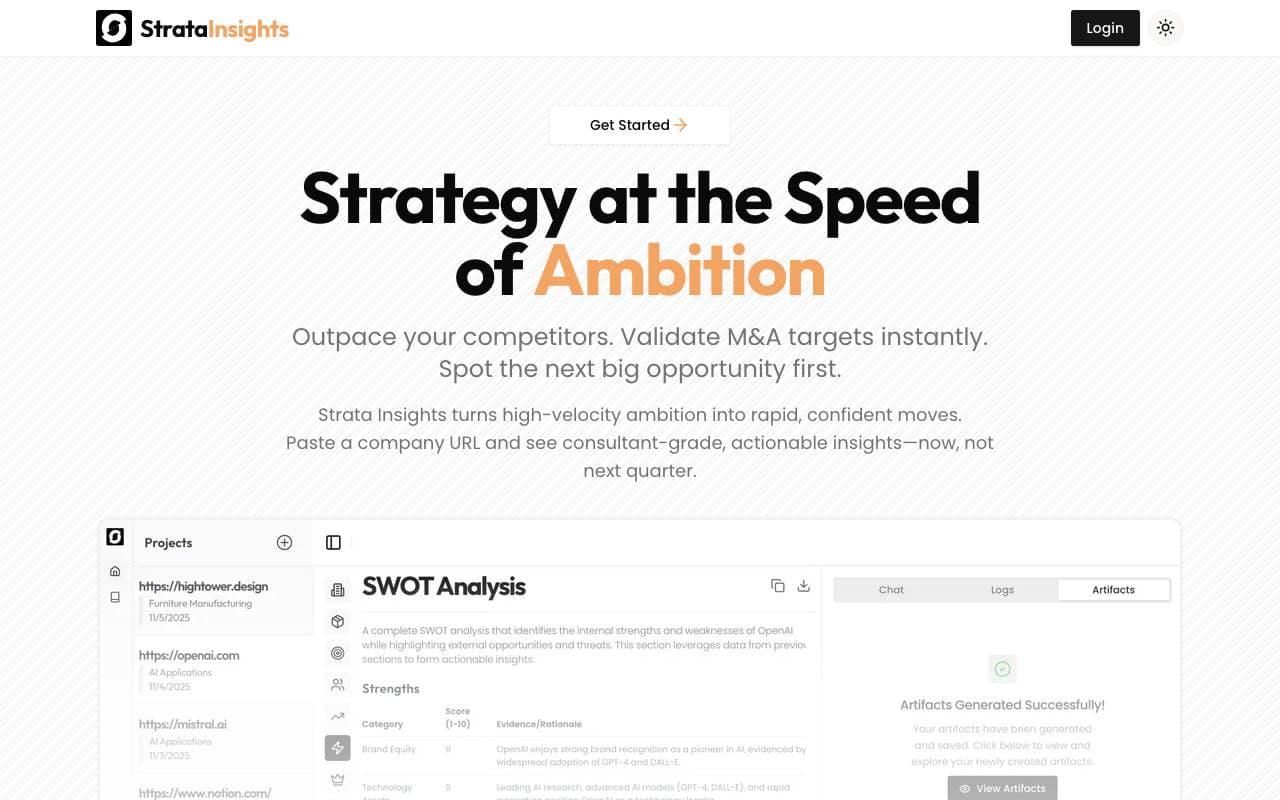

Strata Insights
Marketing AI Agents
Zobacz, jak agenci AI postrzegają Twoją stronę i widoczność marki
Trending now

Doozer Ai
Sales Agent
Cyfrowi współpracownicy, którzy automatyzują operacyjne przepływy pracy, zwiększając wydajność zespołu.
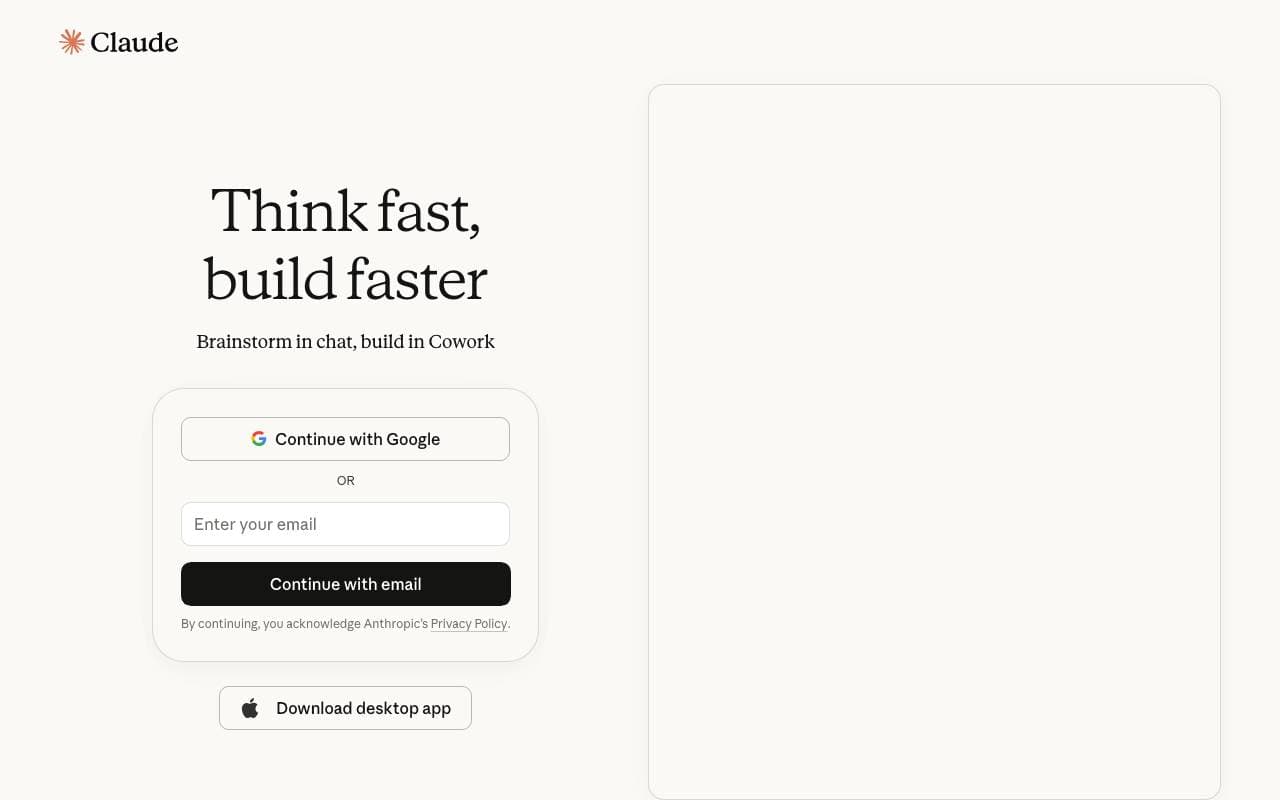

Claude
AI Agents & Chatbots
Konwersyjny asystent AI od Anthropic do pisania, analizy, kodowania i pracy z dokumentami
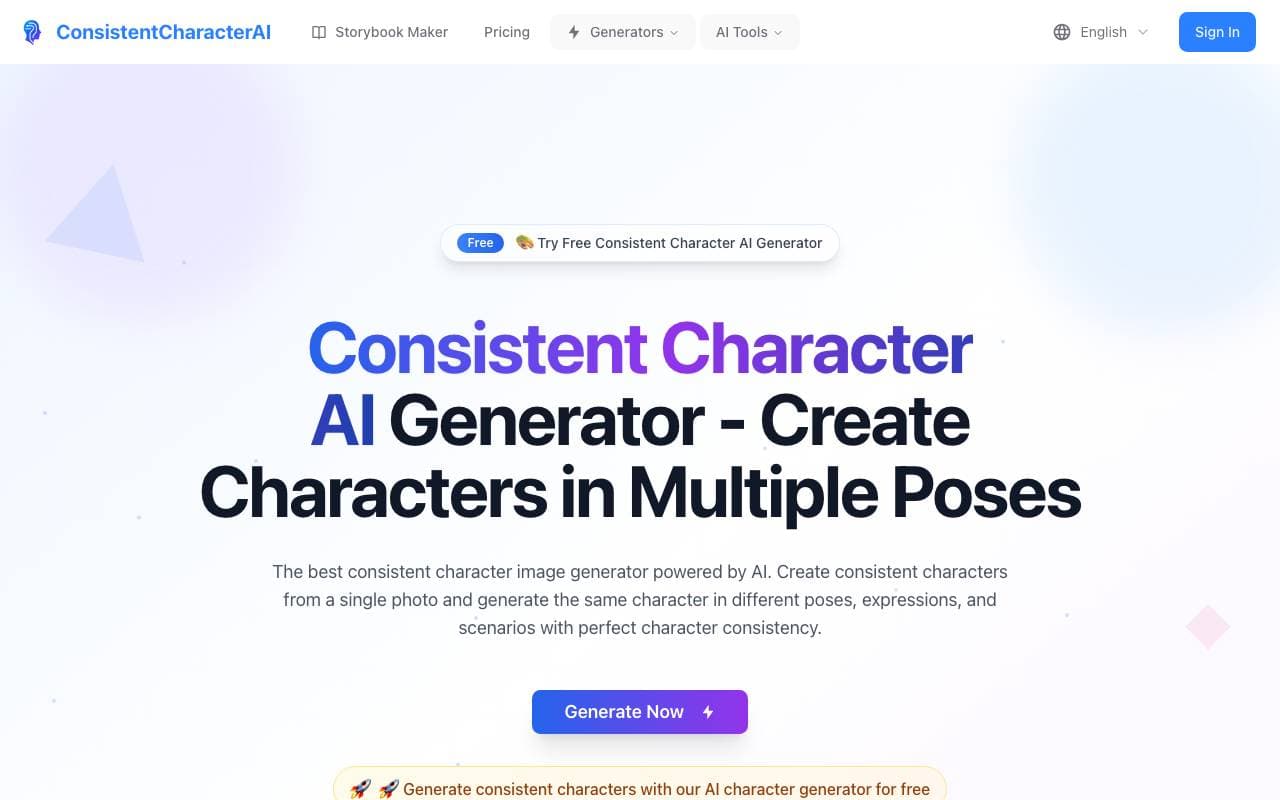

Consistent Character AI
Images
Generuj spójne postaci AI na różnych scenach z jednego zdjęcia referencyjnego.
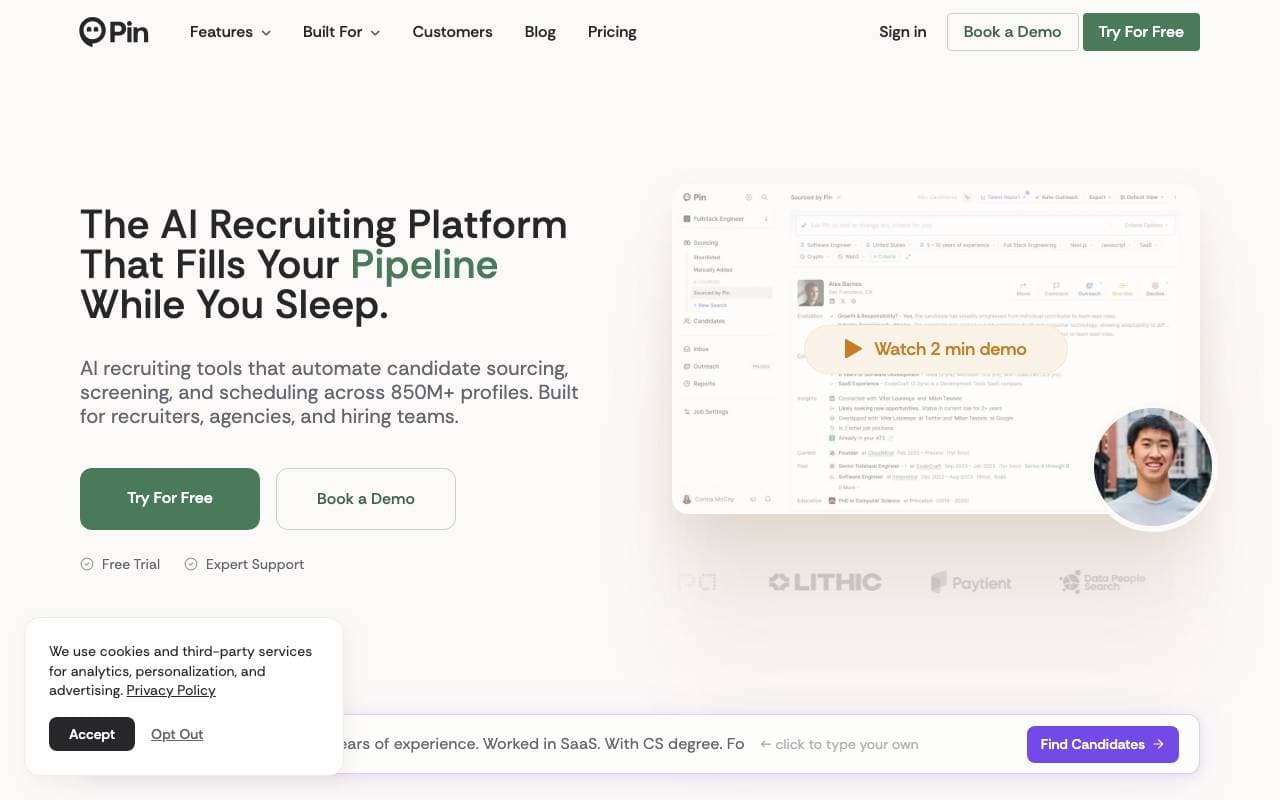

Pin AI
Workflow automation
Agentowy rekruter AI, który automatyzuje pozyskiwanie, selekcję i kontakt, przyspieszając proces rekrutacji.