
PyTorch Vision (TorchVision)PyTorch's officiële computer vision bibliotheek met datasets, transformaties, en vooraf getrainde modellen.

Overzicht
Belangrijkste functies
- Vooraf getrainde modellen voor classificatie, detectie en segmentatie
- Samenstelbare beeld- en videotransformaties
- Laders voor datasets zoals COCO, ImageNet en CIFAR
- Operatoren voor NMS, RoI pooling en begrenzingsdozen
- Native ondersteuning voor het lezen en decoderen van afbeeldingen en video
- TorchScript en ONNX-exportcompatibiliteit
Prijs
- Model
- Freemium
- Categorie
- Computer Vision
- Beoordeling
- 4.7 / 5 (6)
Toepassingen
Beeldclassificatie met vooraf getrainde modellen
Fijn afstemmen of implementeren van architecturen zoals ResNet, EfficientNet of Vision Transformers met behulp van vooraf getrainde gewichten voor snelle beeldclassificatie-ontwikkeling.
Objectdetectie- en segmentatiepijplijnen
Bouw detectie- en instantiesegmentatiesystemen met behulp van Faster R-CNN en Mask R-CNN met ingebouwde operatoren zoals NMS en RoI pooling.
Benchmark-datasetexperimenten
Snel laden en voorbewerken van standaarddatasets zoals COCO, ImageNet en CIFAR voor reproduceerbaar computer vision-onderzoek en prototyping.
Productmodel-export
Getrainde vision-modellen exporteren naar TorchScript of ONNX voor implementatie in productie-omgevingen en platformonafhankelijke inferentie-runtime.
Pluspunten & minpunten
Pluspunten
- Strakke integratie met PyTorch-workflows
- Breed scala aan vooraf getrainde modellen en gewichten
- Actief onderhoud door het PyTorch-team
- GPU-versnelde beeldtransformaties
- Ingebouwde toegang tot algemene vision-datasets
Minpunten
- Vereist PyTorch-kennis om effectief te gebruiken
- Minder geavanceerde modellen dan community-bibliotheken zoals timm
- Documentatie kan achterblijven bij nieuwe functiereleases
- Beperkte ondersteuning voor niet-vision-modaliteiten
Recensies
Gemiddelde van 6 beoordelingen.
Log in om een review te schrijven.
Compared a few options
Evaluated this against two competitors. Where it wins: torchScript and ONNX export compatibility and active maintenance by the PyTorch team. Where it lags: limited support for non-vision modalities. On balance the feature set — especially native support for reading and decoding images and video — justifies the 4 stars for our use case.
Does the job
Pretty happy overall. Native support for reading and decoding images and video just works and wide selection of pre-trained models and weights. Requires PyTorch knowledge to use effectively can be annoying, but no dealbreakers — I'd recommend it to a friend without hesitating.
Skeptical, then convinced
I went in skeptical — most tools in this space overpromise. It actually delivers on composable image and video transforms, and tight integration with PyTorch workflows caught me off guard. Requires PyTorch knowledge to use effectively is why this isn't a perfect score, still, I'd recommend giving it a real trial.
Years in this space
I've evaluated a lot of these over the years. What stands out here is loaders for datasets like COCO, ImageNet, and CIFAR — handled better than most — and active maintenance by the PyTorch team. Worth the time if this is your use case.
Solid for our team
We rolled this out across the team last quarter and active maintenance by the PyTorch team. TorchScript and ONNX export compatibility fits neatly into how we already work, and loaders for datasets like COCO, ImageNet, and CIFAR removed a step we used to do by hand. but it has held up under daily use.
Use it every day
Honestly didn't expect to like it this much. Composable image and video transforms is exactly what I needed, and gPU-accelerated image transforms. I do wish requires PyTorch knowledge to use effectively, but I reach for it almost every day now and it just clicks.
Vragen
What pre-trained models and architectures does TorchVision include out of the box?
TorchVision ships with popular architectures like ResNet, EfficientNet, and Vision Transformers for classification, plus Faster R-CNN and Mask R-CNN for detection and segmentation. Each comes with weights trained on standard benchmarks such as ImageNet and COCO.
Can I export TorchVision models for production deployment?
Yes. TorchVision models are compatible with both TorchScript and ONNX export, allowing you to deploy them outside of Python or integrate with inference runtimes. They also integrate seamlessly with the broader PyTorch ecosystem.
How does TorchVision compare to community libraries like timm?
TorchVision offers tight PyTorch integration, active maintenance by the PyTorch team, and built-in dataset loaders, but it has fewer cutting-edge models than timm. Documentation can also lag behind new releases, so power users sometimes combine both libraries.
Stel een vraag
Alternatieven voor Computer Vision
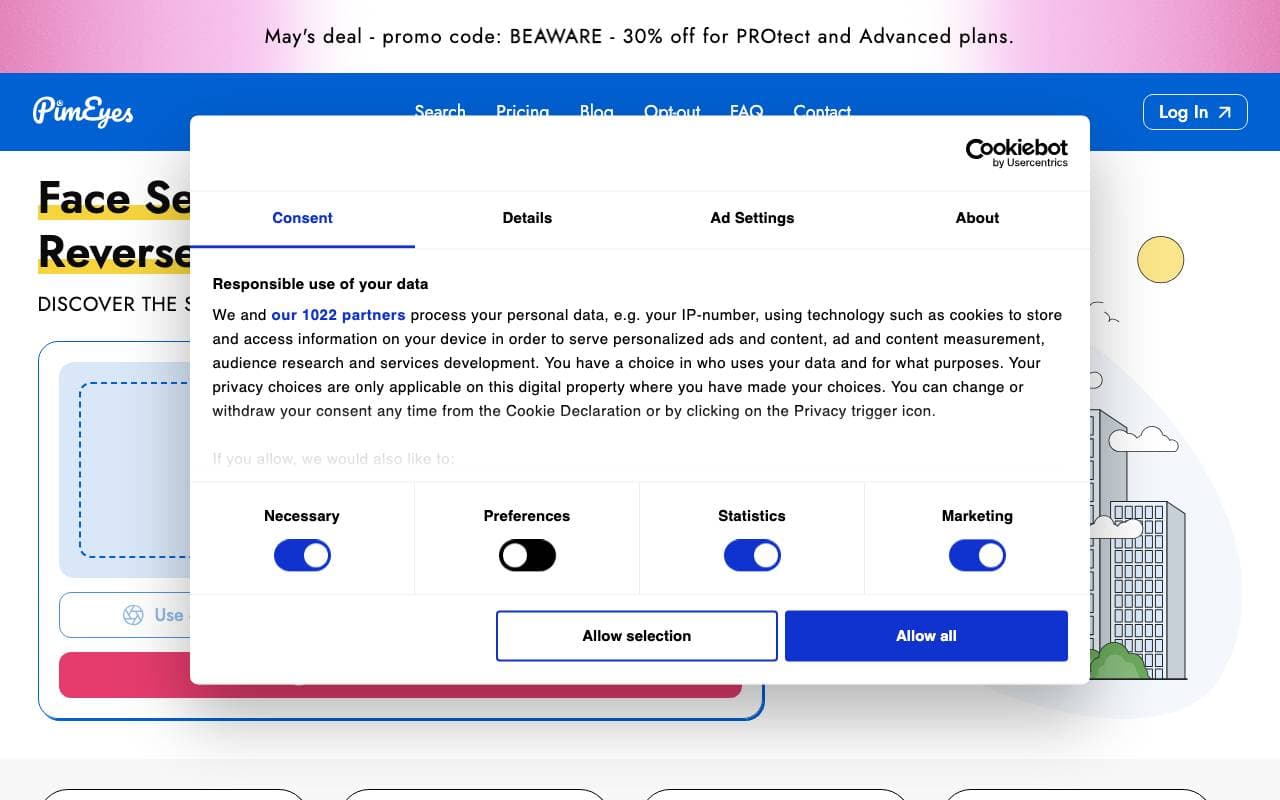

PimEyes
Computer Vision
AI-gestuurde gezichtszoekmachine voor het vinden van online foto's van een specifieke persoon


Qate AI
Computer Vision
GenAI-gegeven kwaliteitsgarantieregeling die uw app zoals een reële gebruiker verkent en test.
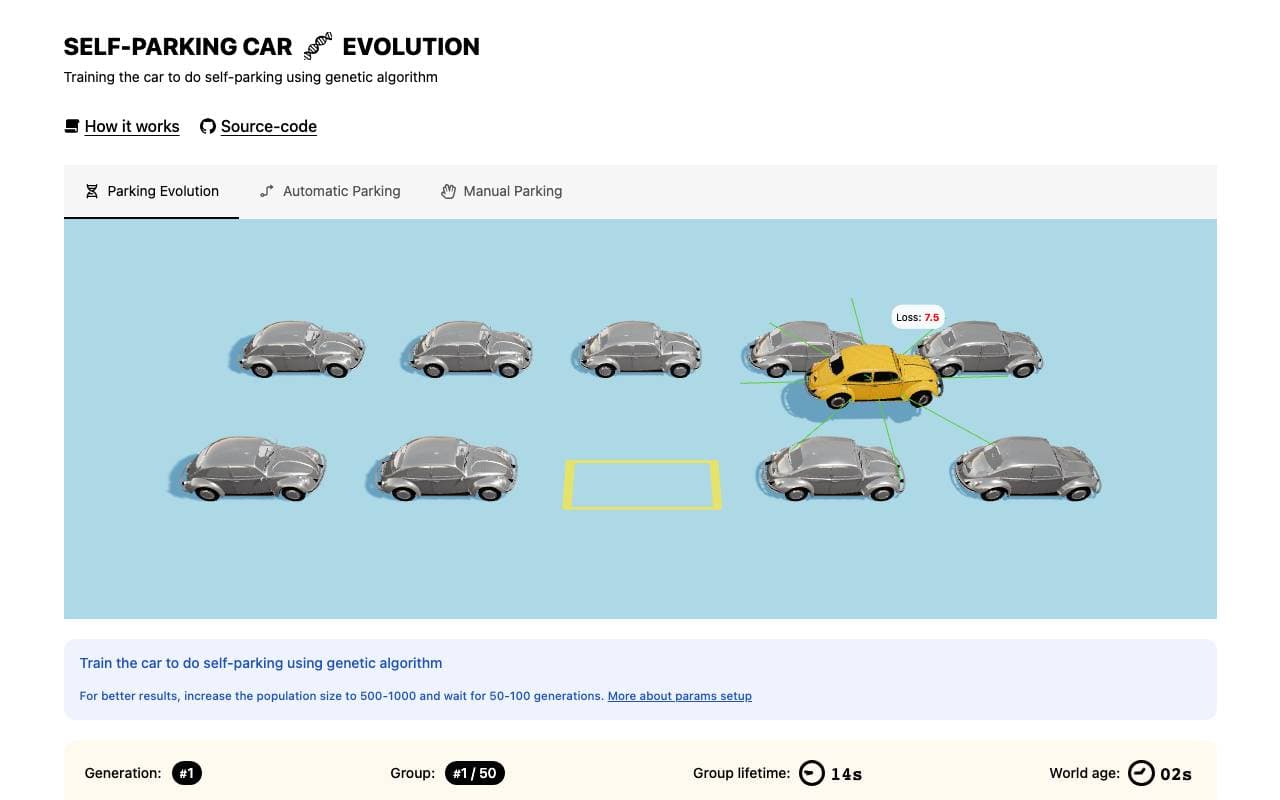

Self-Parking Car Evolution
Computer Vision
Genetisch algoritme demo dat virtuele zelfparkerende auto's in de browser evolueert.


Roboco AI
Computer Vision
Autonoom AI-agentframework voor het bouwen van taakgestuurde robotica-toepassingen.


Mapless AI
Computer Vision
Extern platform voor voertuigbediening voor veilig, bestuurloos wagenparkbeheer.


Pykaso
Computer Vision
Ultrarrealistische AI-beeld- en videocreatie met aangepaste LoRA-modeltraining.


ExpertDevTech
Computer Vision
Maatwerksoftware, AI en digitale oplossingen om de groei van uw bedrijf te versnellen.

Retouch4me
Computer Vision
AI-retouchingplugins die huid, kleur en detailwerk automatiseren terwijl texturen natuurlijk blijven.
Trending now

Doozer Ai
Sales Agent
Digitale collega's die operationele workflows automatiseren om de team efficiëntie te vergroten.


Claude
AI Agents & Chatbots
Conversational AI-assistent van Anthropic voor schrijven, analyse, coderen en documenttaken
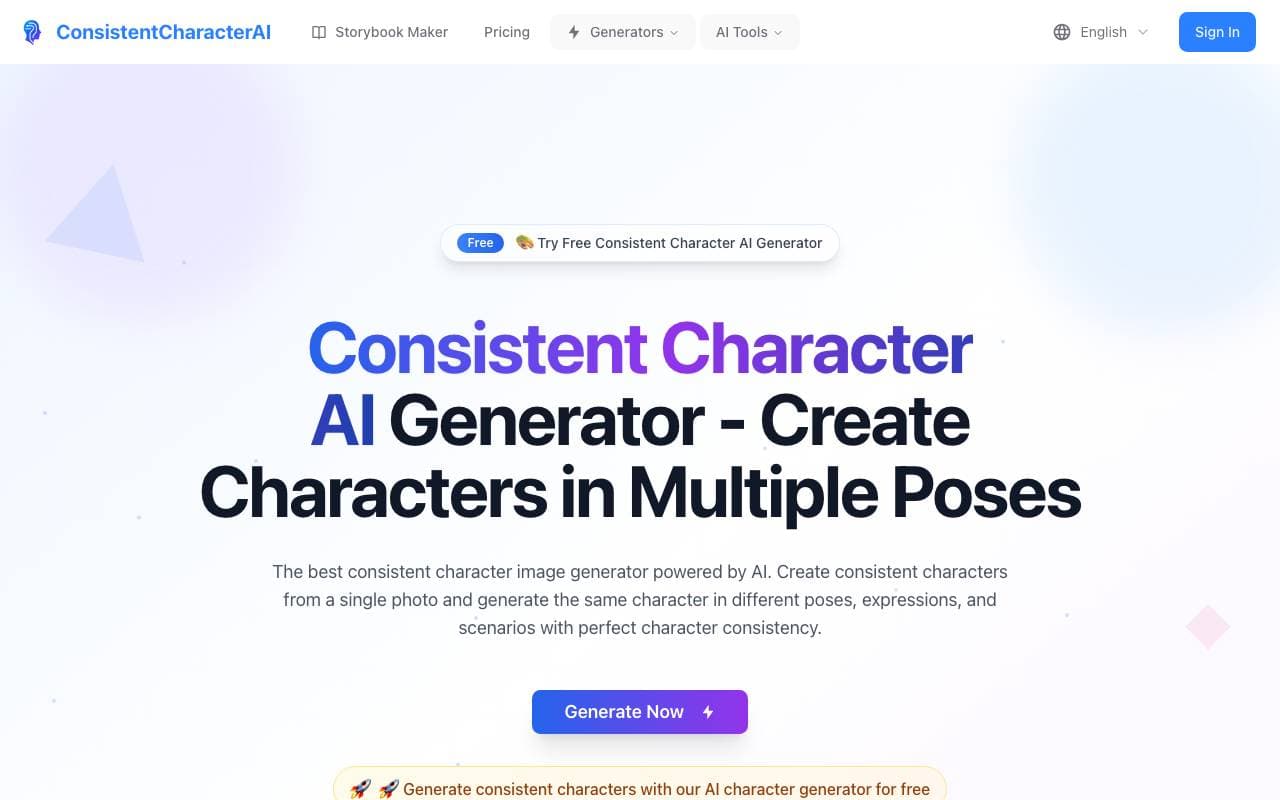

Consistent Character AI
Images
Genereer consistente AI‑personages over scènes vanuit één referentiefoto


Pin AI
Workflow automation
AI-recruiter die sourcing, screening en outreach automatiseert om het inhuren te versnellen.