PythagoraAI-platform dat volledige webapplicaties bouwt en inzet vanuit natuurlijke taalopdrachten.

Overzicht
Belangrijkste functies
- Generatie van apps vanuit prompts
- Scaffolding van frontend en backend
- Geautomatiseerde inzetworkflow
- Conversatie iteratie en bewerkingen
- Database-installatie en integratie
- Bewerkbare onderliggende codebase
Prijs
- Model
- $180
- Categorie
- Software Engineering
- Beoordeling
- 4.7 / 5 (6)
Toepassingen
Lanceer een MVP vanuit een Prompt
Opstarters kunnen hun productidee in gewone taal beschrijven en Pythagora een inzetbaar full-stack prototype laten genereren, waardoor handmatige scaffolding van frontend, backend en database overbodig wordt.
Snelle interne toolcreatie
Productteams kunnen interne webapplicaties opstarten door de vereiste workflows te beschrijven, waardoor Pythagora routes, API's en database structuur kan koppelen zonder speciale engineeringcycli.
Versneller voor ontwikkelaars
Ontwikkelaars kunnen Pythagora gebruiken om basale full-stack code en inzetconfiguratie te genereren, waarna ze de onderliggende codebase kunnen inspecteren en bewerken om aangepaste logica toe te voegen.
Iteratieve prototyping met stakeholders
Teams kunnen apps conversationeel verfijnen door vervolgopdrachten te geven om functies en UI aan te passen, waardoor het gemakkelijk wordt om prototypes met niet-technische stakeholders te demonstreren en te herzien.
Pluspunten & minpunten
Pluspunten
- Genereert volledige stack-apps vanuit eenvoudige prompts
- Behandelt inzet zonder handmatige serverconfiguratie
- Toegankelijk voor niet-ontwikkelaars en productteams
- Iteratieve verfijning via conversatiebewerkingen
Minpunten
- Complexe aangepaste logica kan nog steeds handmatige codering vereisen
- Uitvoerkwaliteit afhankelijk van duidelijkheid prompt
- Minder controle dan codering vanaf nul
- Gegenereerde code kan beoordeling voor productiegebruik vereisen
Recensies
Gemiddelde van 6 beoordelingen.
Log in om een review te schrijven.
Skeptical, then convinced
I went in skeptical — most tools in this space overpromise. It actually delivers on prompt-to-app generation, and accessible to non-developers and product teams caught me off guard. still, I'd recommend giving it a real trial.
Compared a few options
Evaluated this against two competitors. Where it wins: conversational iteration and edits and generates full-stack apps from simple prompts. Where it lags: generated code may require review for production use. On balance the feature set — especially conversational iteration and edits — justifies the 4 stars for our use case.
Years in this space
I've evaluated a lot of these over the years. What stands out here is automated deployment workflow — handled better than most — and handles deployment without manual server setup. Output quality depends on prompt clarity is my one real gripe. Worth the time if this is your use case.
Solid for our team
We rolled this out across the team last quarter and iterative refinement through conversational edits. Prompt-to-app generation fits neatly into how we already work, and database setup and integration removed a step we used to do by hand. but it has held up under daily use.
Does the job
Pretty happy overall. Conversational iteration and edits just works and handles deployment without manual server setup. but no dealbreakers — I'd recommend it to a friend without hesitating.
Does the job
Pretty happy overall. Database setup and integration just works and iterative refinement through conversational edits. but no dealbreakers — I'd recommend it to a friend without hesitating.
Vragen
What kinds of projects is Pythagora best suited for?
It's best for founders, product teams, and developers building full-stack web app prototypes quickly from an idea. Pythagora handles routes, APIs, database setup, and deployment, making it well-suited for MVPs and iterative prototyping rather than highly customized production systems.
Can non-developers actually ship a working app with Pythagora, or do I still need an engineer?
Non-developers and product teams can describe an app in plain language and Pythagora will generate the front end, back end, database, and handle deployment. However, complex custom logic may still require manual coding, and generated code often benefits from developer review before production use.
Do I get access to the underlying code, or am I locked into Pythagora's platform?
Yes, the underlying codebase is editable, so technical users can inspect and modify what Pythagora generates. This gives developers a fallback for custom logic while still benefiting from automated scaffolding and deployment.
Stel een vraag
Alternatieven voor Software Engineering
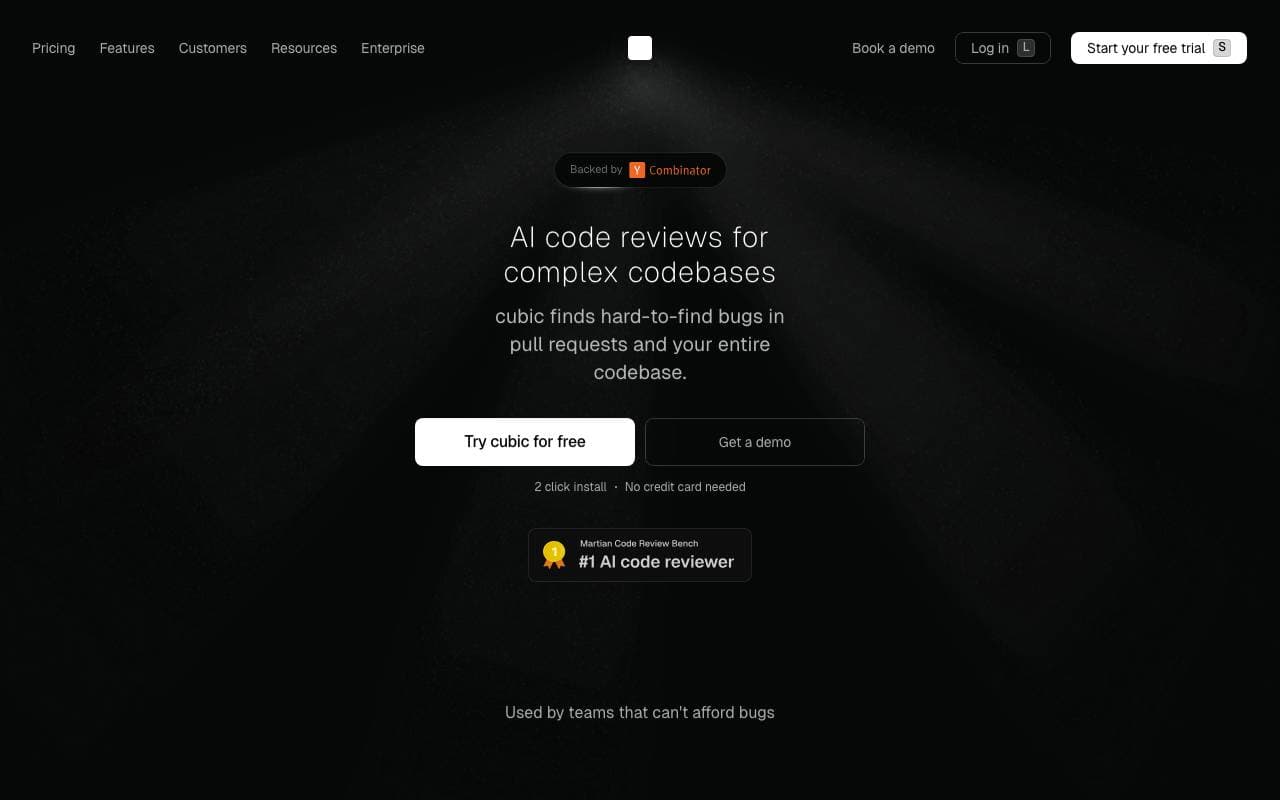
cubic
Software Engineering
AI-codebeoordeling die pull requests versnelt en bugs detecteert voordat ze worden uitgerold.
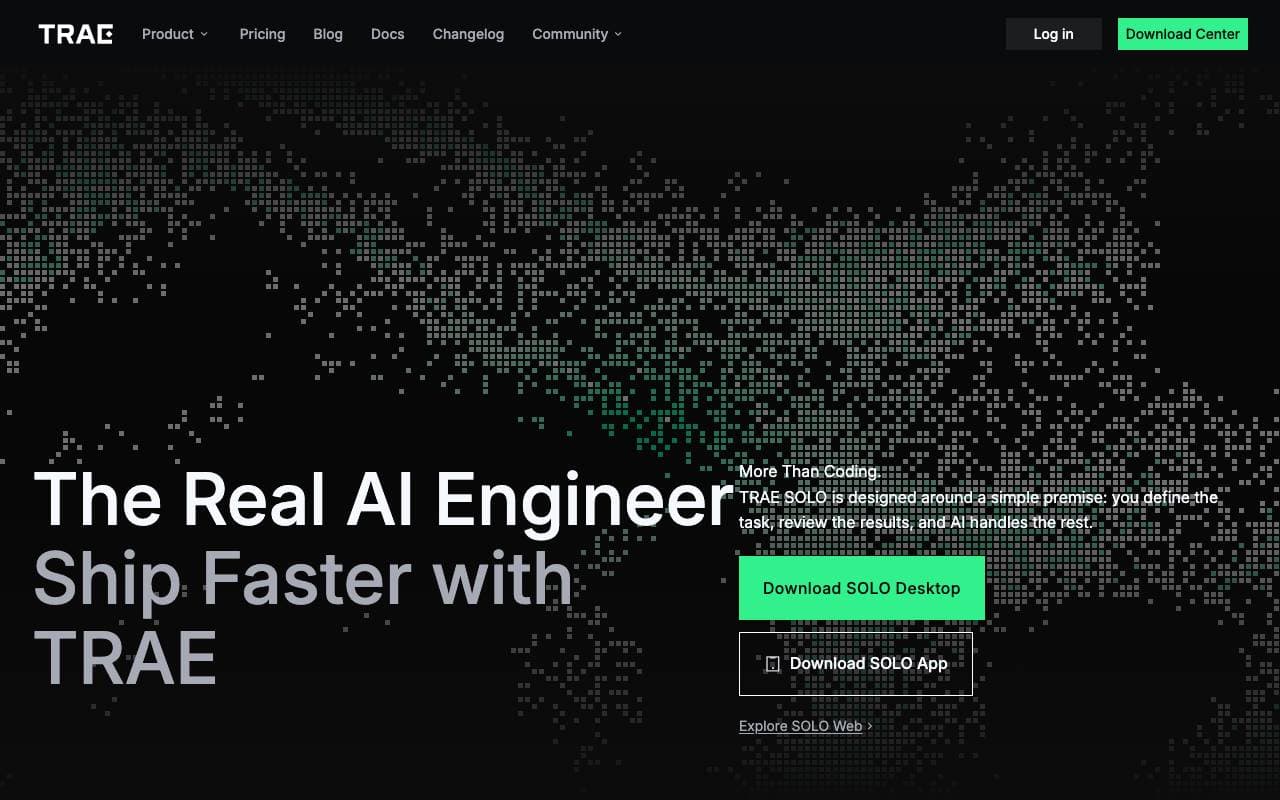
TRAE
Software Engineering
AI-software engineer die code bouwt, debugt en levert in jouw naam.
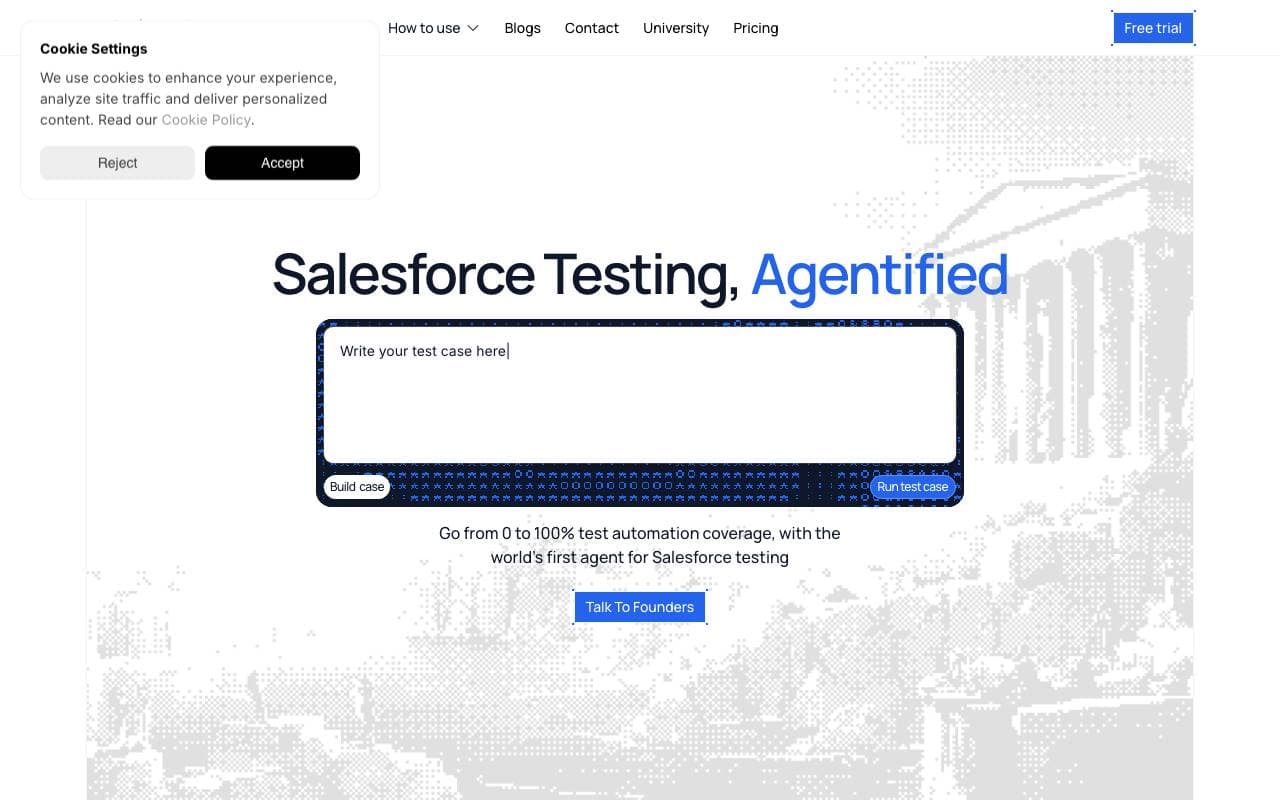
TestZeus
Software Engineering
No-code AI-agent die end-to-end-tests voor Salesforce automatiseert en onderhoudt
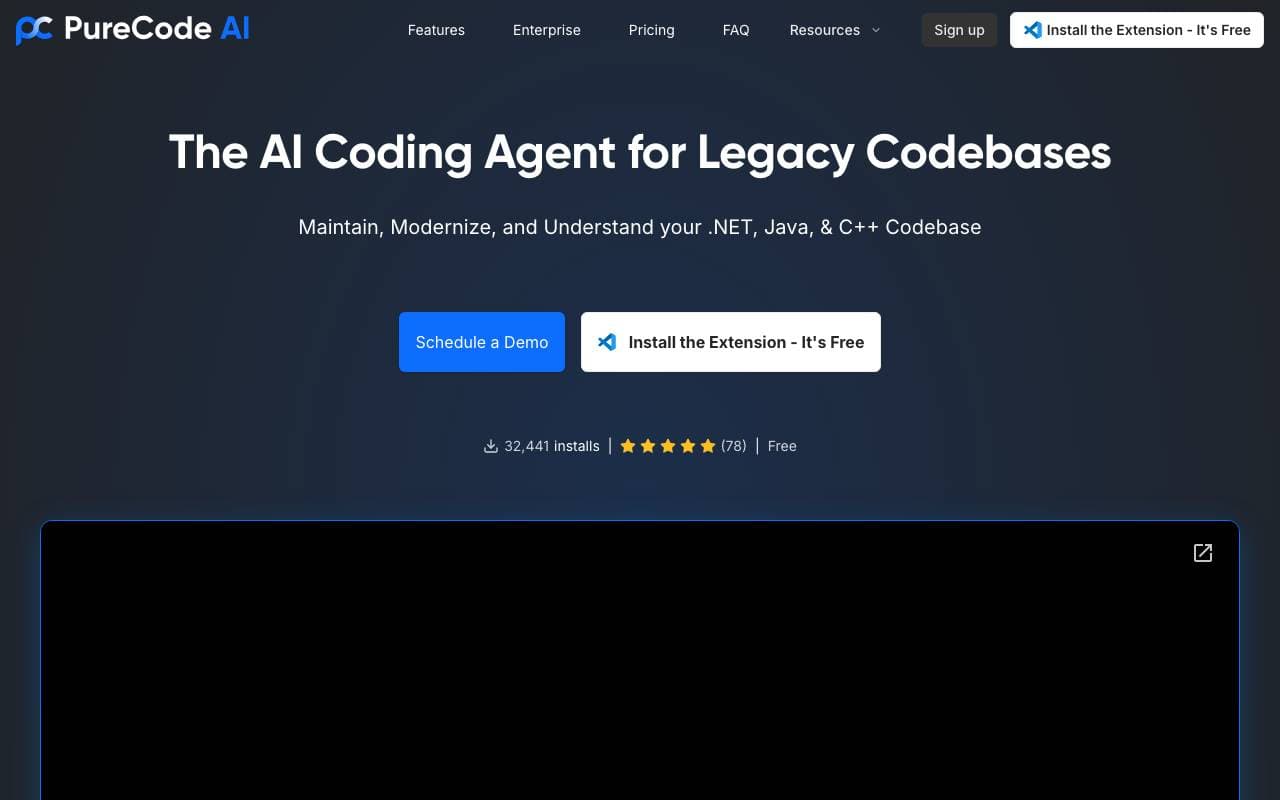

PureCode AI
Software Engineering
AI-assistent voor het begrijpen, onderhouden en moderniseren van legacy codebases.
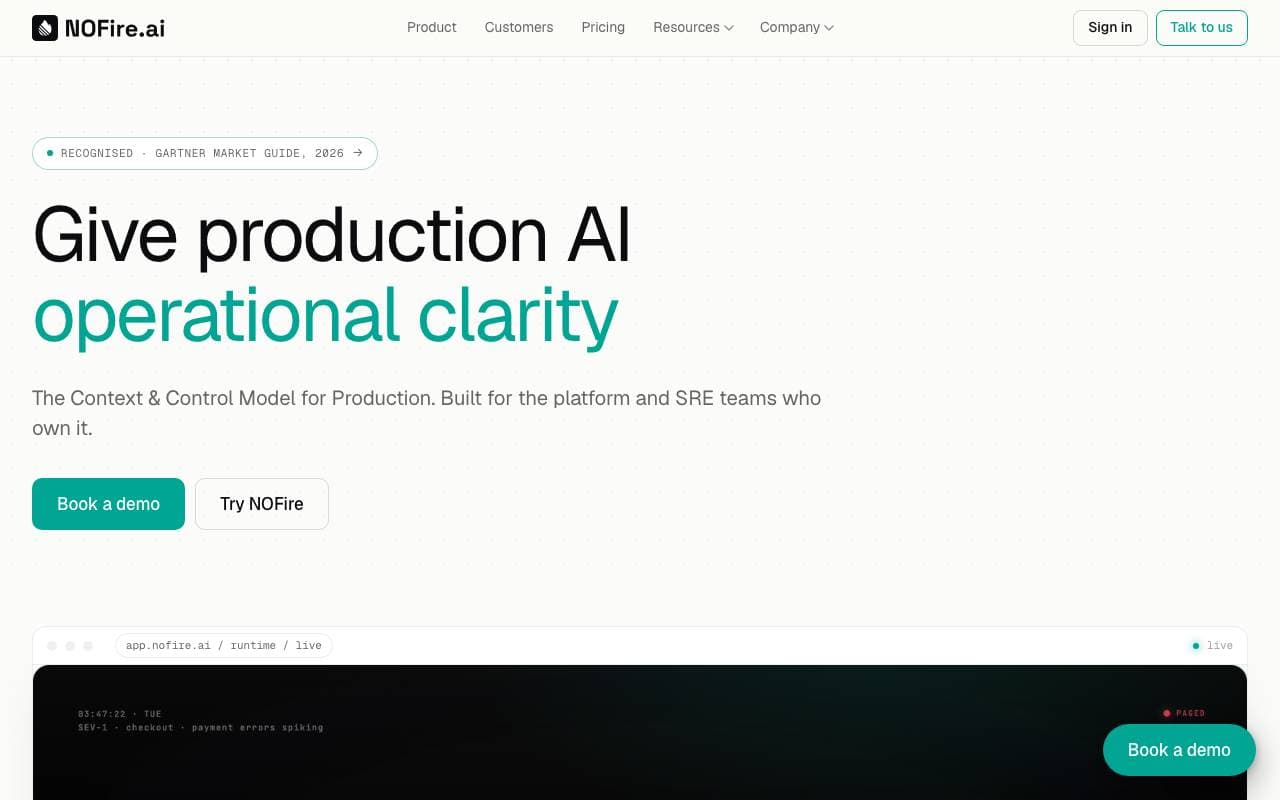
NOFire AI
Software Engineering
Proactieve incidentpreventie en snelle root cause-analyse voor softwareteams

Windsurf
Software Engineering
AI-integrale codeeditor ontworpen om ontwikkelaars te houden in een continu stromend toestand.
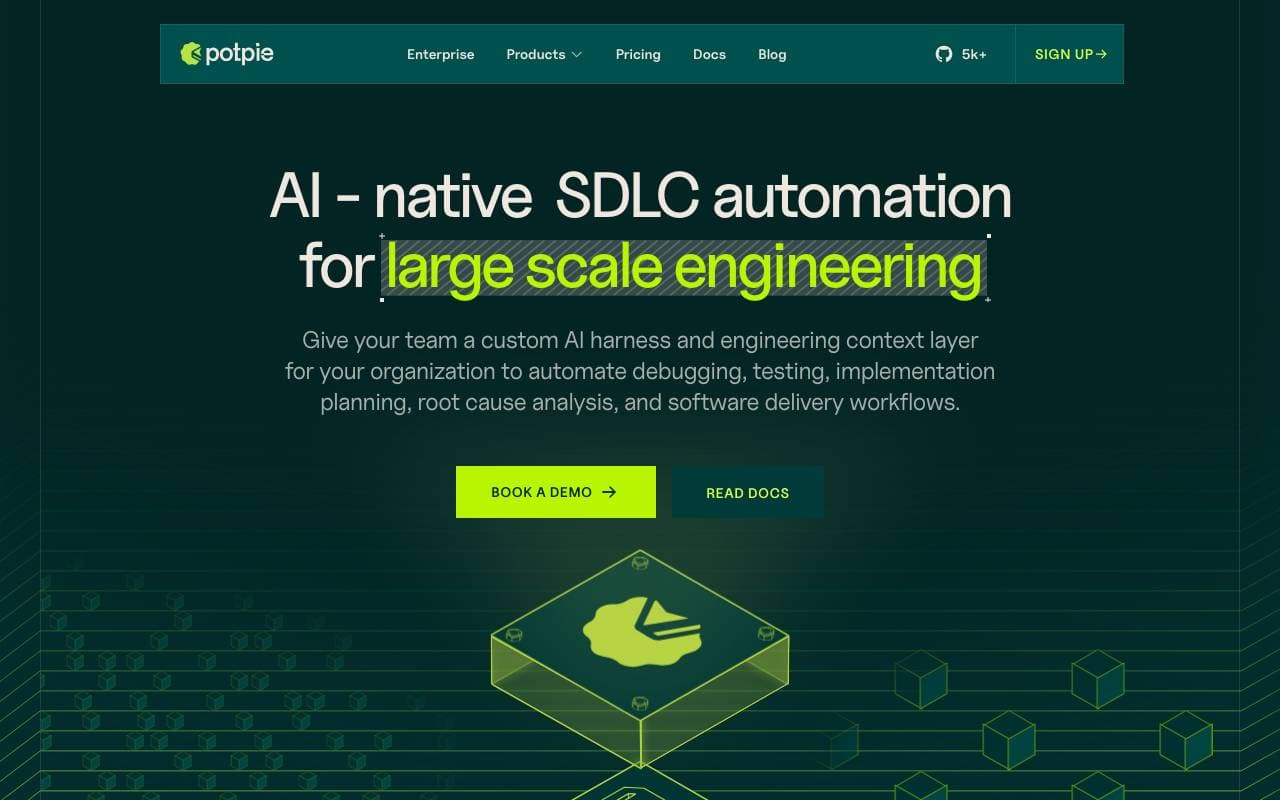

Potpie
Software Engineering
AI-agents die uw codebasis begrijpen om technische taken te automatiseren
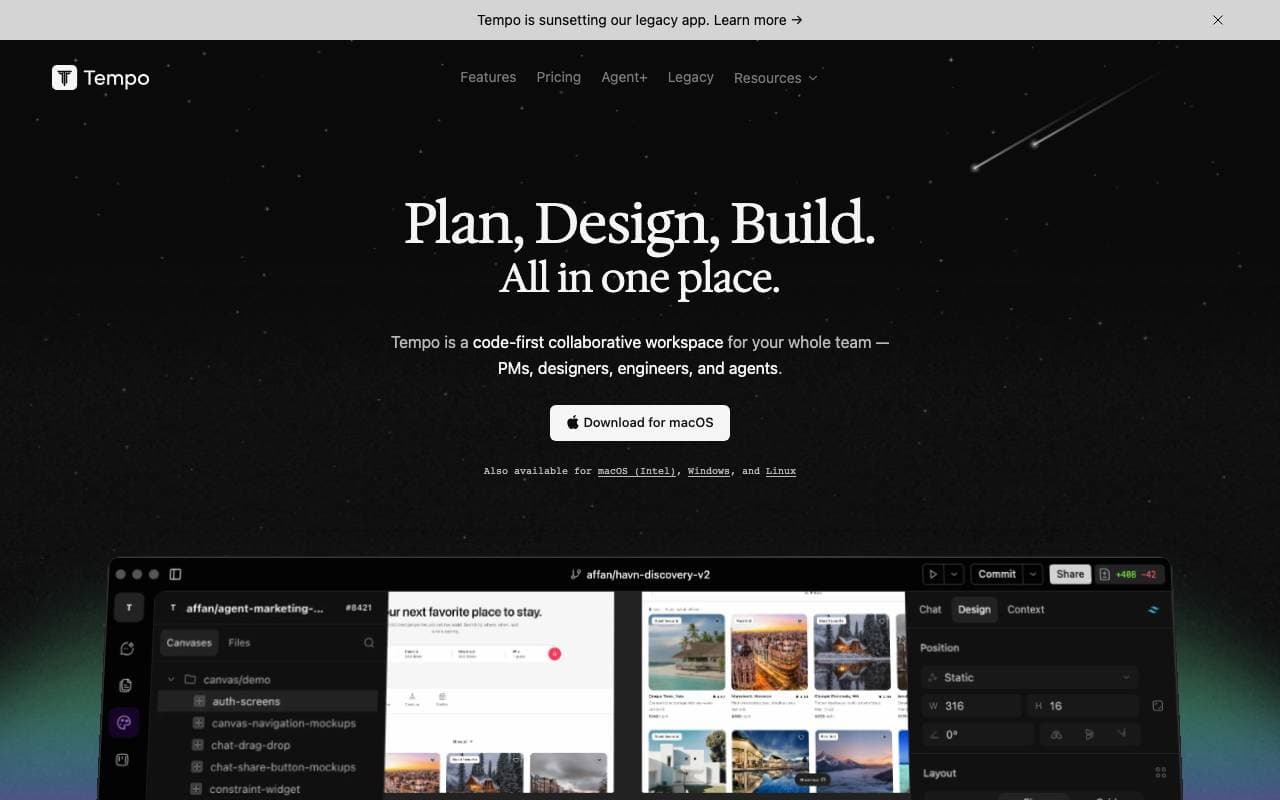
Tempo
Software Engineering
AI-gestrooide bouwer voor het leveren van React-apps van design naar code in één workspace.
Trending now

Doozer Ai
Sales Agent
Digitale collega's die operationele workflows automatiseren om de team efficiëntie te vergroten.

Claude
AI Agents & Chatbots
Conversational AI-assistent van Anthropic voor schrijven, analyse, coderen en documenttaken
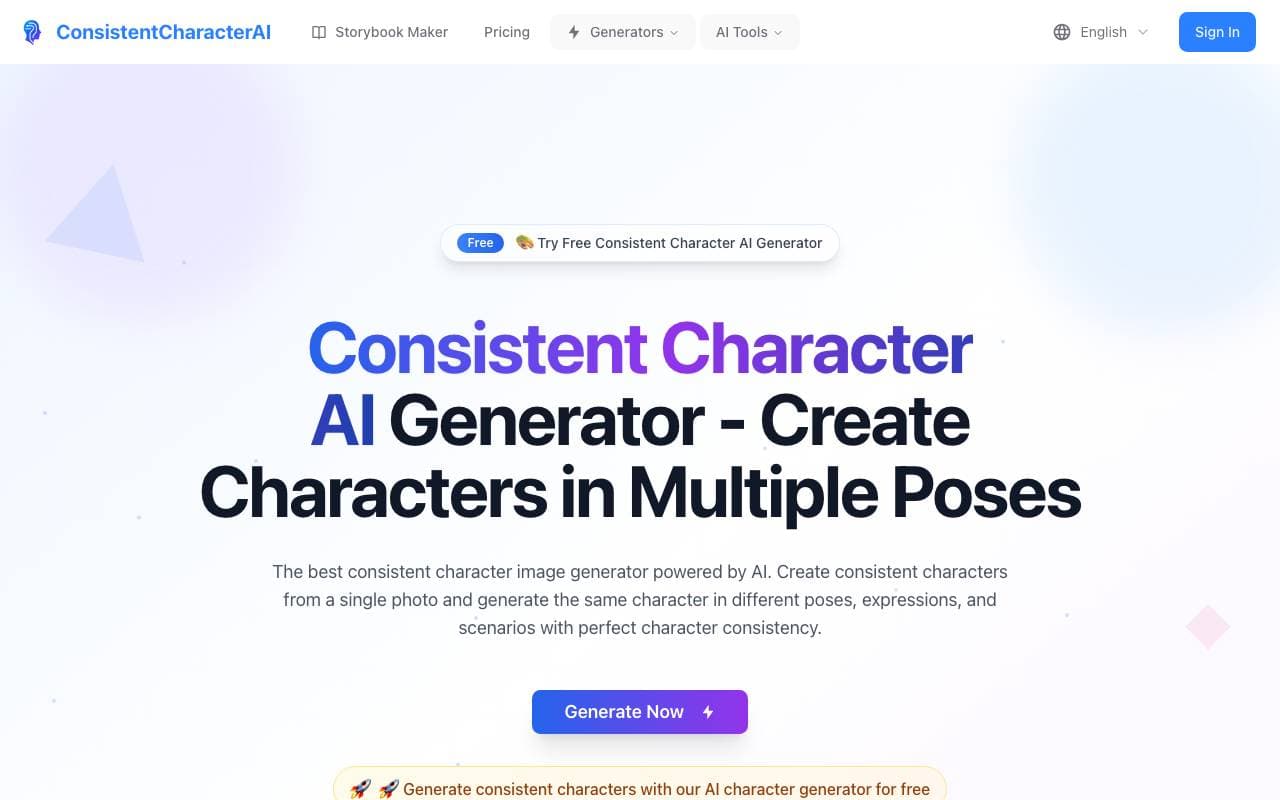

Consistent Character AI
Images
Genereer consistente AI‑personages over scènes vanuit één referentiefoto
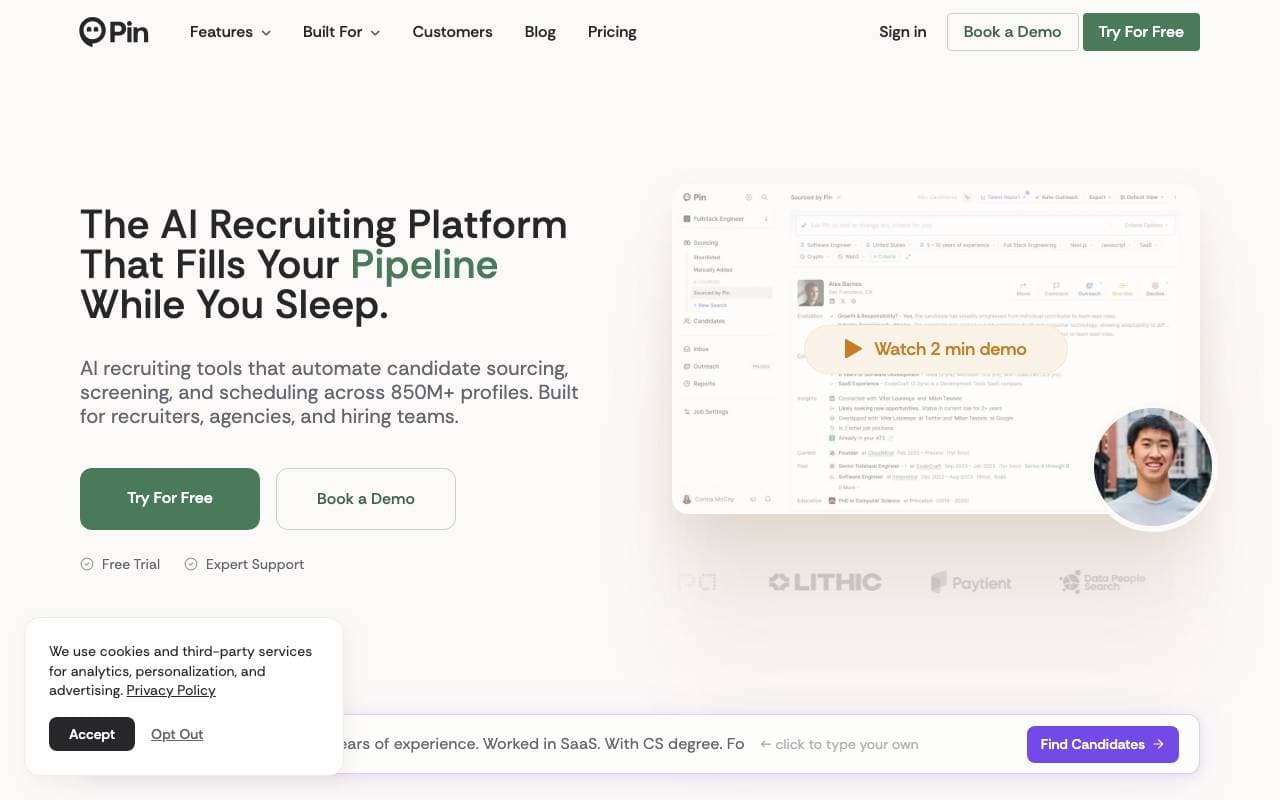

Pin AI
Workflow automation
AI-recruiter die sourcing, screening en outreach automatiseert om het inhuren te versnellen.