
NVIDIA CosmosGeneratieve wereldmodellen voor het bouwen van fysieke AI-systemen zoals robots en autonome voertuigen.

Overzicht
Belangrijkste functies
- Vooraf getrainde generatieve wereldmodellen
- Videotoe en beeldtokenizers voor efficiënte verwerking
- Ingebouwde veiligheidsrails
- Versnelde datapipeline voor curatie
- Ondersteuning voor fijn afstemmen voor aangepaste domeinen
- Compatibel met Omniverse en Isaac-simulatie
Prijs
- Model
- Contact for pricing
- Categorie
- AI Robotics
- Beoordeling
- 4.7 / 5 (6)
Toepassingen
Train perceptie van autonome voertuigen
Genereer fysica-bewuste synthetische rijscenario's om zelfrijdende systemen te trainen en te valideren over diverse randgevallen zonder kostbare real-world dataverzameling.
Ontwikkel mensachtige robotbeleid
Gebruik vooraf getrainde wereldmodellen met Isaac en Omniverse om omgevingen te simuleren en toekomstige toestanden te voorspellen voor het trainen van mensachtige robotgedragingen.
Fijn afstemmen voor industriële automatisering
Pas Cosmos-modellen aan op propriëtaire fabrieks- of magazijndatasets om domeinspecifieke synthetische data te genereren voor robotische armen en automatiseringsprocessen.
Schaal synthetische datageneratie
Maak gebruik van de versnelde datapipeline voor curatie en tokenizers om grote hoeveelheden gelabelde video- en beelddata te produceren voor fysieke AI-training.
Pluspunten & minpunten
Pluspunten
- Open modelgewichten met permissieve licentie
- Specifiek ontwikkeld voor fysieke AI en robotica
- Genereert fysica-bewuste synthetische trainingsdata
- Integreert met NVIDIA Omniverse en Isaac
Minpunten
- Vereist aanzienlijke GPU-bronnen om uit te voeren
- Steile leercurve voor niet-robotica-teams
- Beste prestaties gekoppeld aan NVIDIA-hardware-ecosysteem
Recensies
Gemiddelde van 6 beoordelingen.
Log in om een review te schrijven.
Does the job
Pretty happy overall. Fine-tuning support for custom domains just works and generates physics-aware synthetic training data. Best performance tied to NVIDIA hardware ecosystem can be annoying, but no dealbreakers — I'd recommend it to a friend without hesitating.
Years in this space
I've evaluated a lot of these over the years. What stands out here is accelerated data curation pipeline — handled better than most — and generates physics-aware synthetic training data. Requires significant GPU resources to run is my one real gripe. Worth the time if this is your use case.
Solid for our team
We rolled this out across the team last quarter and generates physics-aware synthetic training data. Built-in safety guardrails fits neatly into how we already work, and accelerated data curation pipeline removed a step we used to do by hand. Steep learning curve for non-robotics teams, which is the main caveat, but it has held up under daily use.
Skeptical, then convinced
I went in skeptical — most tools in this space overpromise. It actually delivers on compatible with Omniverse and Isaac simulation, and generates physics-aware synthetic training data caught me off guard. still, I'd recommend giving it a real trial.
Use it every day
Honestly didn't expect to like it this much. Compatible with Omniverse and Isaac simulation is exactly what I needed, and purpose-built for physical AI and robotics. I do wish requires significant GPU resources to run, but I reach for it almost every day now and it just clicks.
Does the job
Pretty happy overall. Pretrained generative world foundation models just works and generates physics-aware synthetic training data. Steep learning curve for non-robotics teams can be annoying, but no dealbreakers — I'd recommend it to a friend without hesitating.
Vragen
What use cases is NVIDIA Cosmos designed for?
Cosmos is purpose-built for physical AI development, including training and validating autonomous vehicles, humanoid robots, and industrial automation systems. It simulates physics-aware environments and predicts future world states from text, image, or video inputs to support synthetic data generation and policy evaluation.
What are the main limitations or requirements to consider?
Cosmos requires significant GPU resources to run, with best performance tied to the NVIDIA hardware ecosystem. It also has a steep learning curve for teams without robotics expertise, though open model weights and permissive licensing help lower adoption barriers.
How does Cosmos integrate with other NVIDIA tools?
Cosmos is compatible with NVIDIA's broader robotics and simulation stack, integrating with Omniverse and Isaac for large-scale synthetic data generation and policy evaluation. It also includes tokenizers, guardrails, and an accelerated data curation pipeline.
Stel een vraag
Alternatieven voor AI Robotics
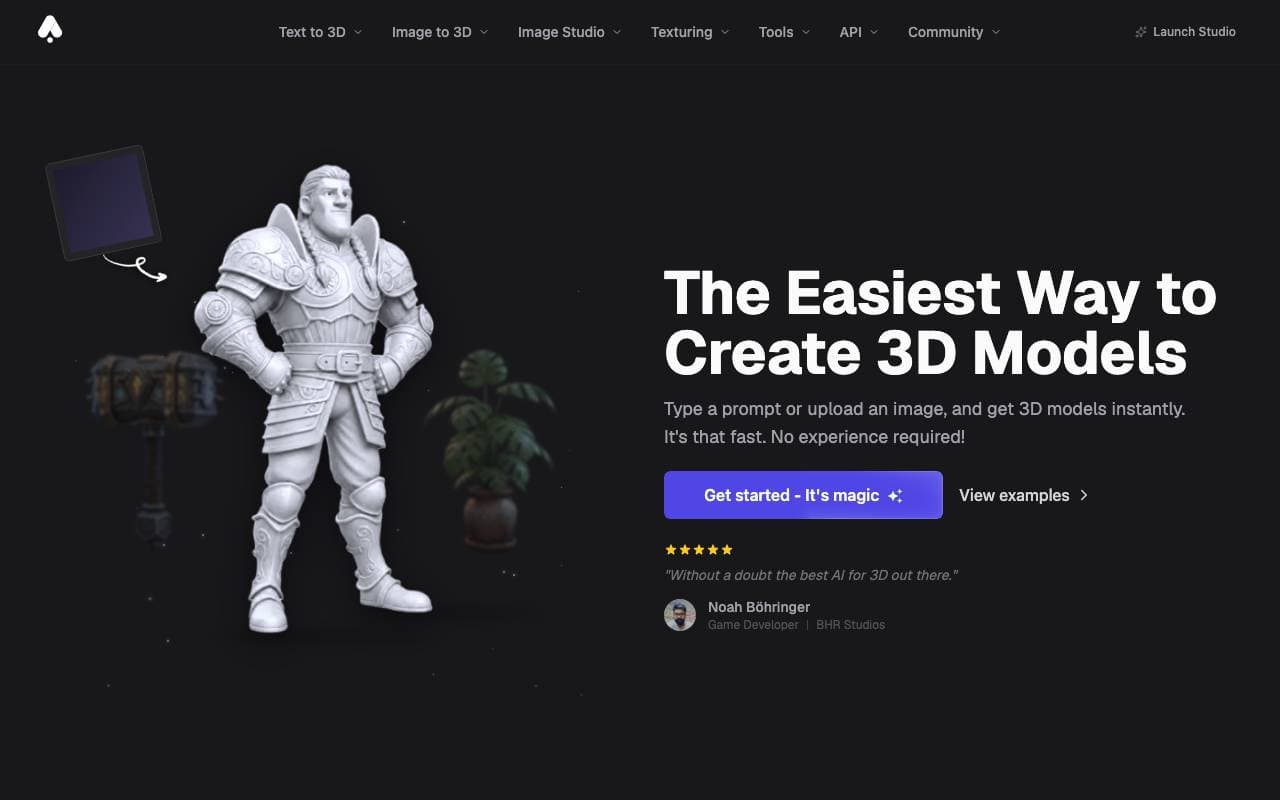

3D AI Studio
AI Robotics
Genereer hoogwaardige 3D-modellen uit tekst of afbeeldingen met AI-tools in enkele seconden.


Figure AI
AI Robotics
Bedrijf dat algemene AI-aangedreven humanoïde robots ontwikkelt voor thuis en industrie


Aurora Innovation
AI Robotics
Self-driving technologieplatform dat autonome vrachtwagens en ritdeelservices op grote schaal aandrijft.
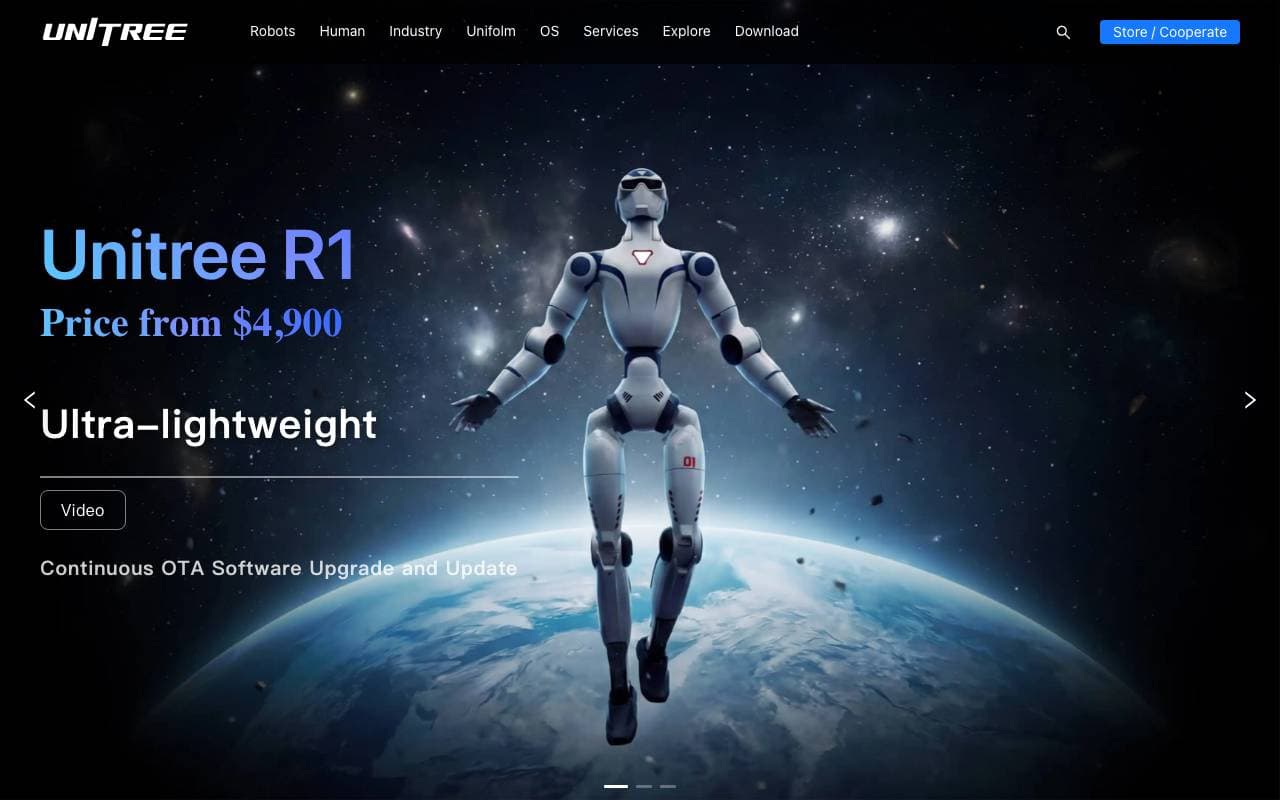

Unitree R1
AI Robotics
Compacte 26-gewrichtige humanoïde robot met multimodale AI voor onderzoek en onderwijs
Trending now


Claude
AI Agents & Chatbots
Conversational AI-assistent van Anthropic voor schrijven, analyse, coderen en documenttaken
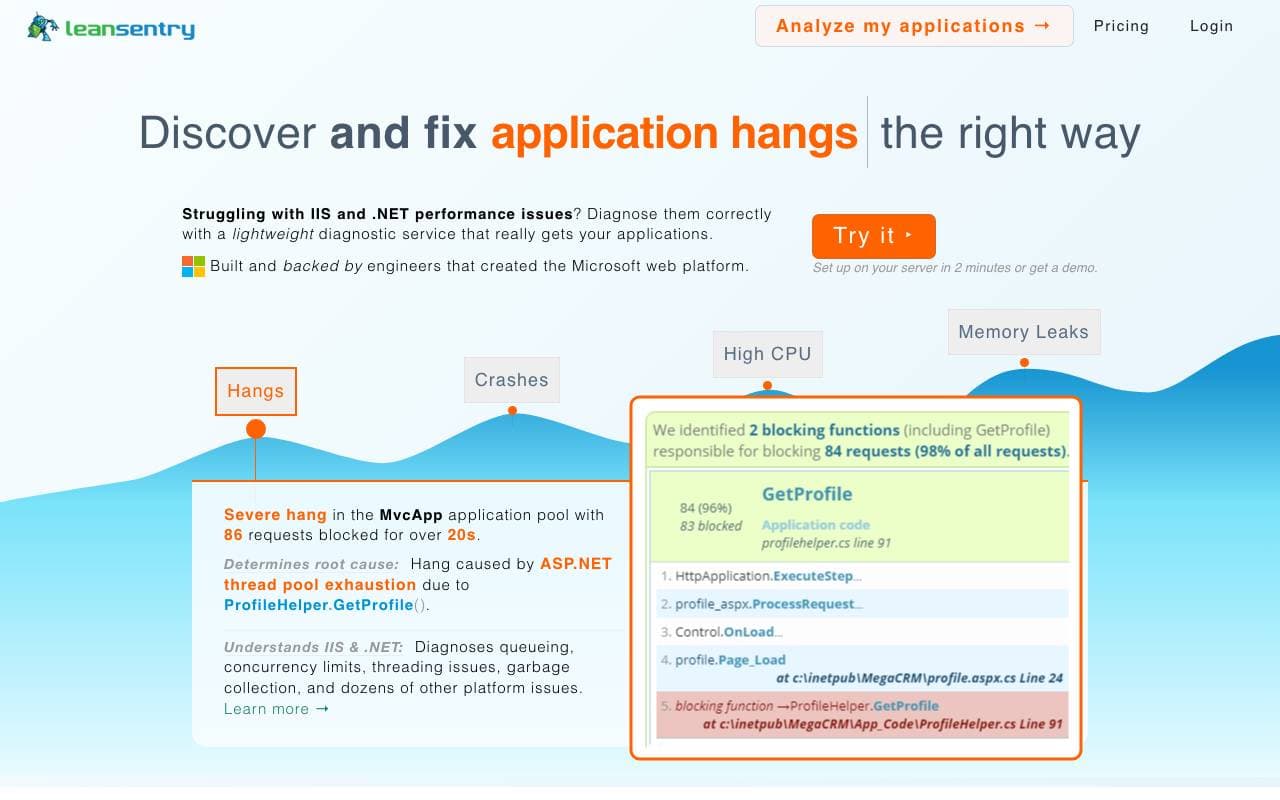

LeanSentry
Software Development
AI-aangedreven diagnostiek en monitoring voor IIS- en ASP.NET-prestatieproblemen

Doozer Ai
Sales Agent
Digitale collega's die operationele workflows automatiseren om de team efficiëntie te vergroten.


Consistent Character AI
Images
Genereer consistente AI‑personages over scènes vanuit één referentiefoto