
Hermes 3Open-source frontier LLM afgestemd op redeneren, rollenspel en agentische workflows.

Overzicht
Belangrijkste functies
- Agentische function calling en toolgebruik
- Gestructureerde JSON en schema-begeleide outputs
- Uitgebreid contextvenster
- Rollenspel en consistentie van persona
- Meerdere modelgroottes waaronder 8B, 70B en 405B
- Compatibel met standaard inference frameworks
Prijs
- Model
- Freemium
- Categorie
- Large Language Models (LLMs)
- Beoordeling
- 4.3 / 5 (4)
Toepassingen
Agentische workflows met toolgebruik
Maak autonome agents die externe APIs en tools aanroepen met behulp van de betrouwbare function calling en gestructureerde JSON outputs van Hermes 3.
Zelf gehoste privé LLM-implementatie
Implementeer open-weight Hermes 3 op interne infrastructuur voor teams die volledige controle nodig hebben over data, fine-tuning en inferencekosten.
Taken met lange context redeneren
Verwerk lange documenten, codebases of multi-step reasoning ketens met behulp van het uitgebreide contextvenster in de 8B, 70B of 405B varianten.
Persoonlijkheidgedreven rollenspeltoepassingen
Stuur interactieve personages, narratieve ervaringen of simulatie tools die consistente persona's en steerable, minimaal-gebonden reacties vereisen.
Pluspunten & minpunten
Pluspunten
- Open weights met permissieve implementatieopties
- Sterke function calling en ondersteuning voor gestructureerde output
- Zeer steerable met minimale weigeringen
- Beschikbaar in meerdere modelgroottes
- In staat tot lange-context redeneren en rollenspel
Minpunten
- Minder ingebouwde veiligheidsfilters dan gesloten modellen
- Vereist technische setup voor self-hosting
- Grotere varianten vereisen aanzienlijke GPU-ressources
- Kwaliteit varieert tussen grootte tiers
Recensies
Gemiddelde van 4 beoordelingen.
Log in om een review te schrijven.
Compared a few options
Evaluated this against two competitors. Where it wins: roleplay and persona consistency and open weights with permissive deployment options. Where it lags: fewer built-in safety filters than closed models. On balance the feature set — especially multiple model sizes including 8B, 70B, and 405B — justifies the 4 stars for our use case.
Years in this space
I've evaluated a lot of these over the years. What stands out here is compatible with standard inference frameworks — handled better than most — and capable of long-context reasoning and roleplay. Worth the time if this is your use case.
Solid for our team
We rolled this out across the team last quarter and strong function calling and structured output support. Structured JSON and schema-guided outputs fits neatly into how we already work, and agentic function-calling and tool use removed a step we used to do by hand. Larger variants need substantial GPU resources, which is the main caveat, but it has held up under daily use.
Skeptical, then convinced
I went in skeptical — most tools in this space overpromise. It actually delivers on structured JSON and schema-guided outputs, and open weights with permissive deployment options caught me off guard. Requires technical setup for self-hosting is why this isn't a perfect score, still, I'd recommend giving it a real trial.
Vragen
Nog geen vragen — wees de eerste om er een te stellen.
Stel een vraag
Alternatieven voor Large Language Models (LLMs)


Mistral AI
Large Language Models (LLMs)
Open-weight grensmodellen


Kore.ai
Large Language Models (LLMs)
Een no-code conversational AI-platform waarmee bedrijven intelligente virtuele assistenten kunnen bouwen en implementeren.
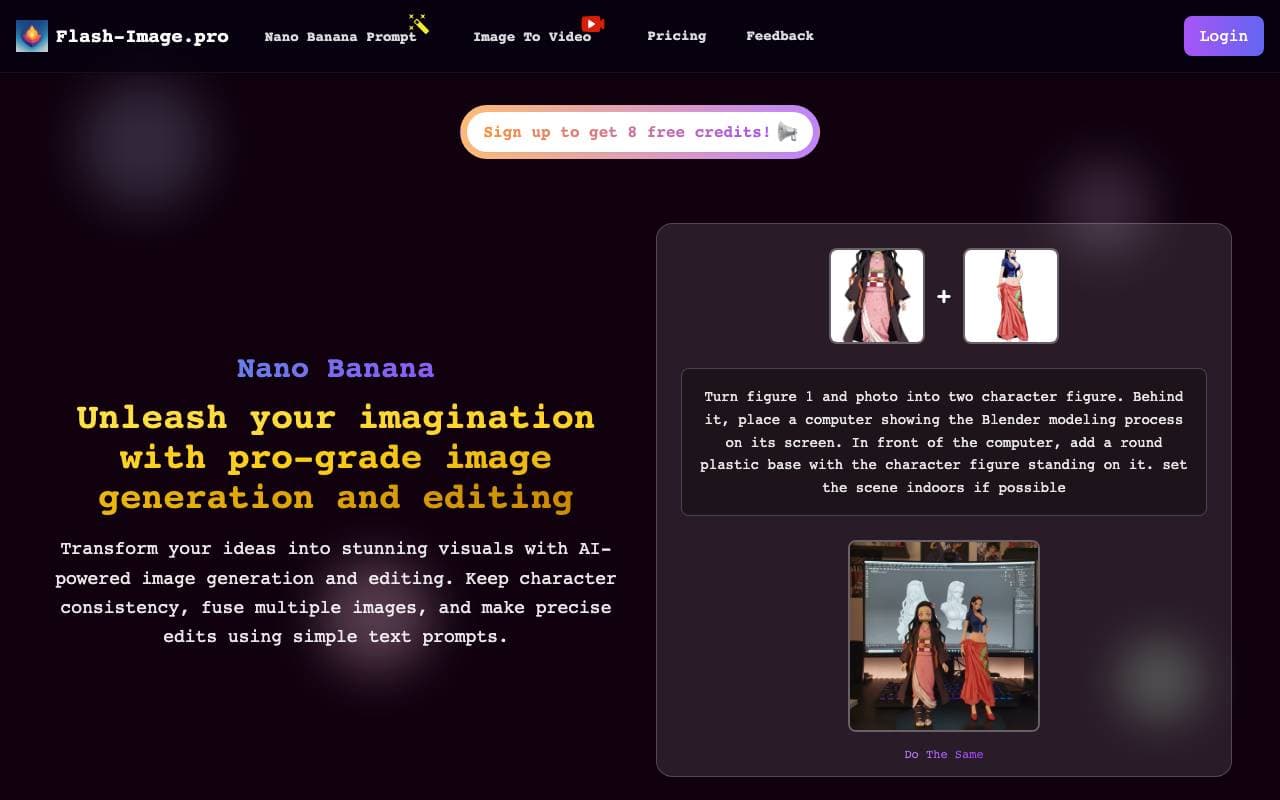

🍌 Nano Banana - Where Ideas Instantly Come to Life, The New Era of AI Image Generation
Large Language Models (LLMs)
Snelle AI-beeldgeneratie aangedreven door Google Gemini 2.5 Flash voor razendsnelle visuele prototyping.

Reka AI
Large Language Models (LLMs)
Multimodale basismodellen die tekst, afbeeldingen, video en audio begrijpen.

WebVoyager
Large Language Models (LLMs)
Een LMM-aangedreven webagent die gebruikersinstructies end-to-end voltooit door interactie met echte websites.

AI Writer
Large Language Models (LLMs)
AI-ondersteund schrijfplatform voor het genereren, onderzoeken en verfijnen van langlopende inhoud.
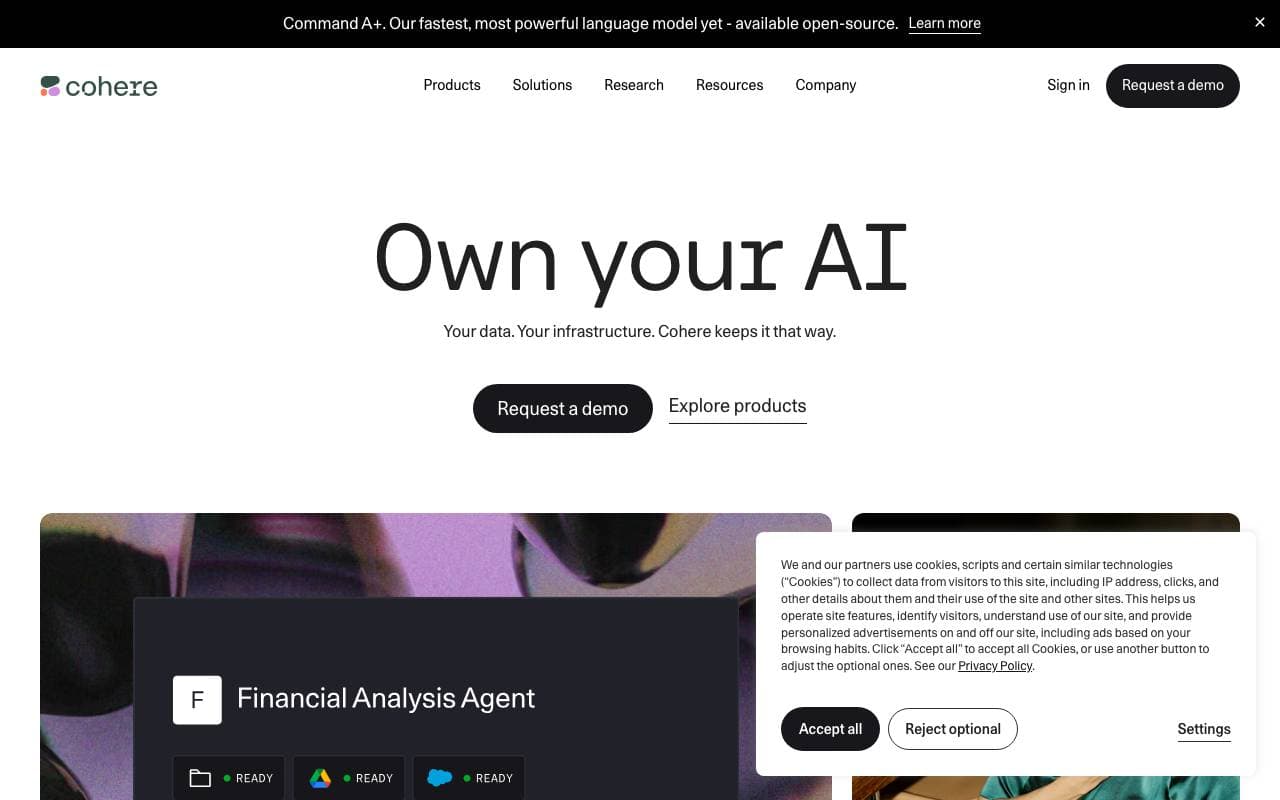

Cohere
Large Language Models (LLMs)
Een platform dat enterprisegerichte AI-oplossingen aanbiedt, gespecialiseerd in grote taalmodellen voor natuurlijke taalverwerking.
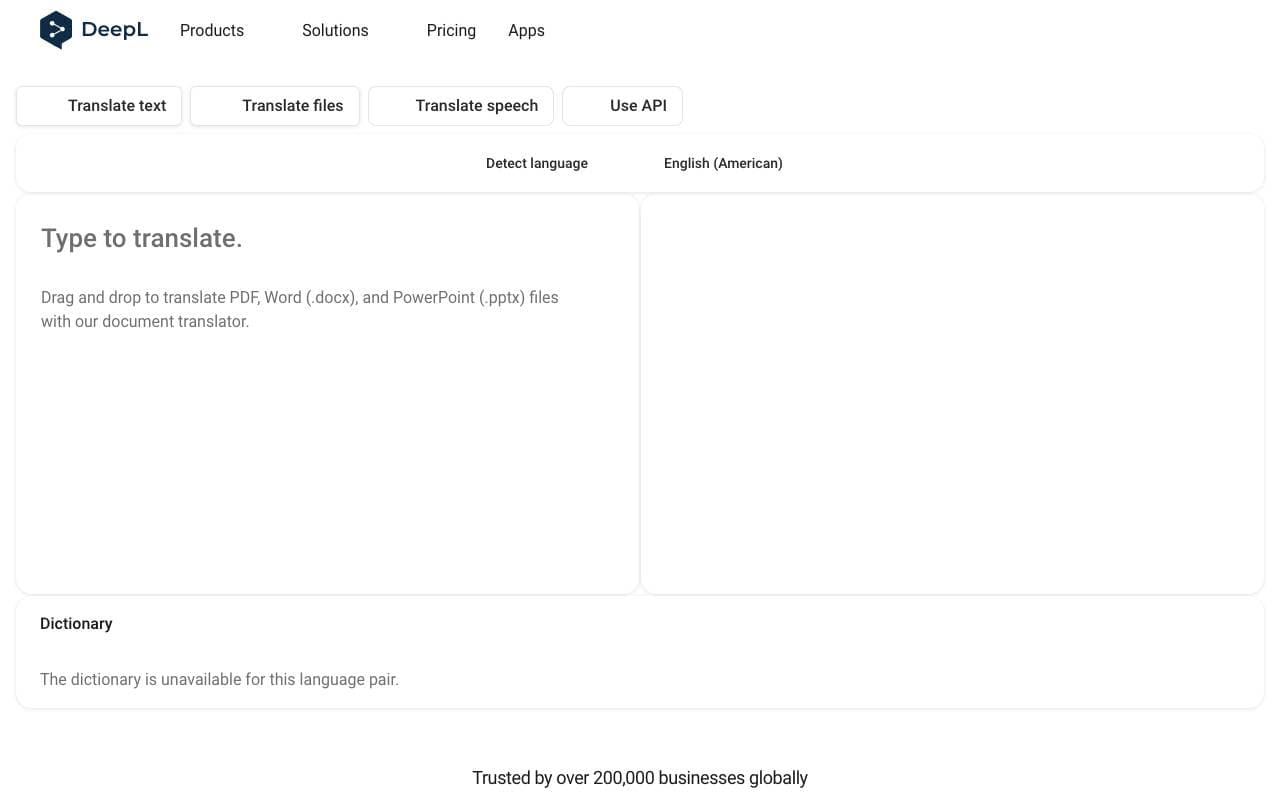

DeepL
Large Language Models (LLMs)
Neuraal machinaal vertaaltool bekend om nauwkeurige, natuurlijk klinkende resultaten over de belangrijkste talen.
Trending now

Claude
AI Agents & Chatbots
Conversational AI-assistent van Anthropic voor schrijven, analyse, coderen en documenttaken
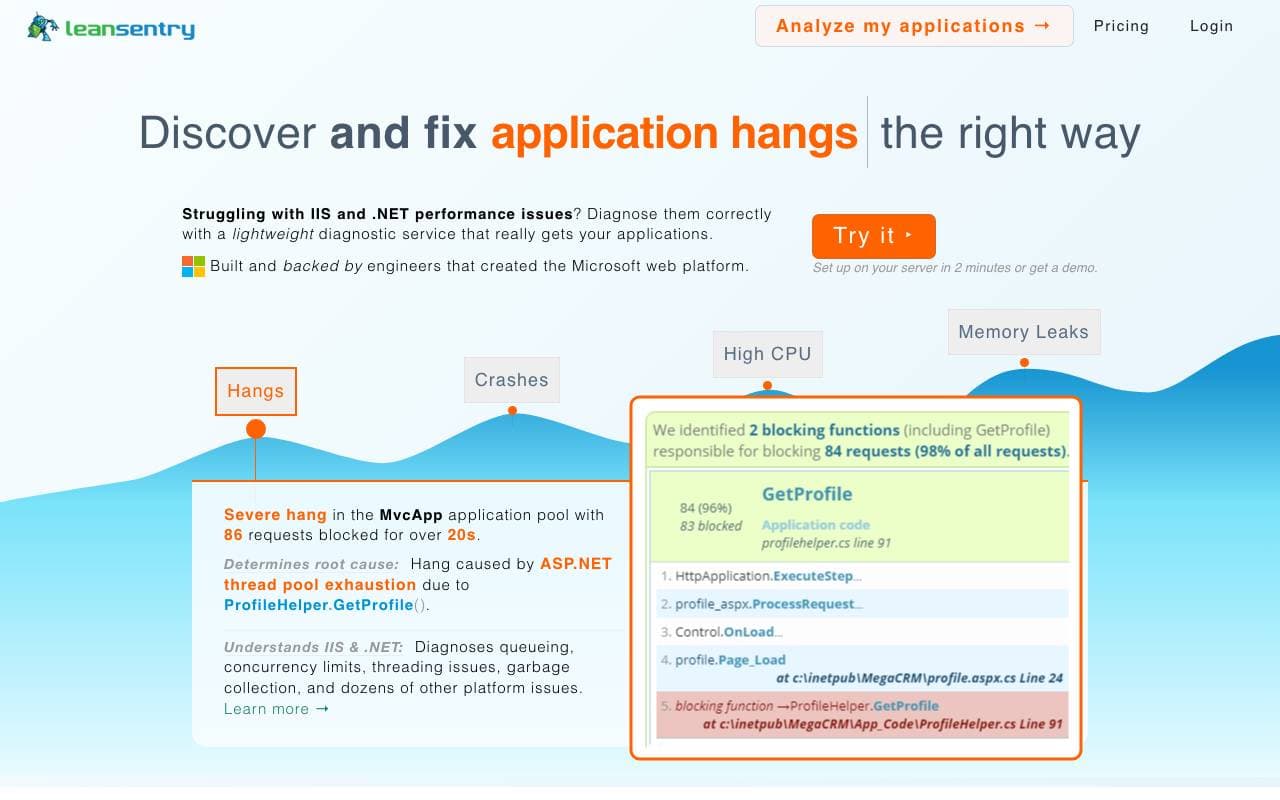

LeanSentry
Software Development
AI-aangedreven diagnostiek en monitoring voor IIS- en ASP.NET-prestatieproblemen

Doozer Ai
Sales Agent
Digitale collega's die operationele workflows automatiseren om de team efficiëntie te vergroten.

Consistent Character AI
Images
Genereer consistente AI‑personages over scènes vanuit één referentiefoto